






Frequently Asked Questions
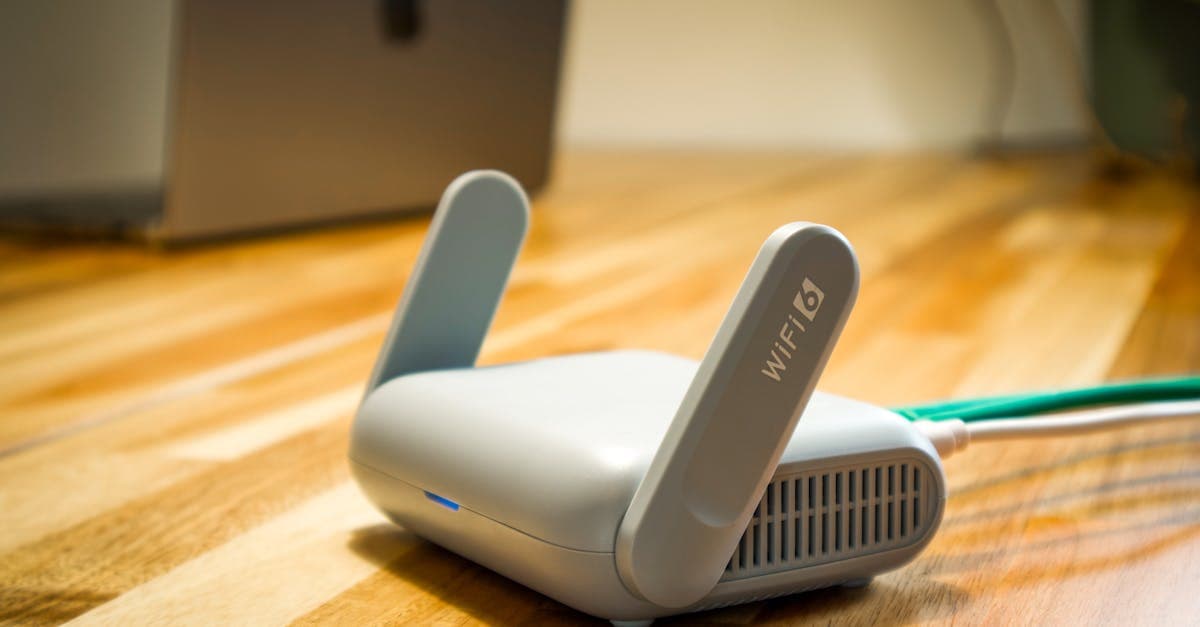
A pocket WiFi router fits a SIM card into a cellular radio, connects to local mobile towers as a smartphone would, then rebroadcasts that signal as a private Wi-Fi network. Data travels in two hops: from the tower to the device over 4G LTE or 5G, then out over the device's local Wi-Fi broadcast reaching roughly 10 to 15 metres. Your phone, tablet or laptop joins it exactly as it would at home or in a hotel.
A dedicated pocket WiFi router connects any Wi-Fi-capable device regardless of brand or operating system, including smartphones, tablets, laptops, e-readers and smartwatches. For a single-device setup, an eSIM-compatible smartphone can act as its own hotspot, eliminating the need for separate hardware. Most iPhones from the XS onwards, Samsung Galaxy S20 and later, and Google Pixel 3 and later all support eSIM.
Using a local data connection via portable WiFi, eSIM or local SIM avoids expensive carrier roaming charges while travelling internationally. A local connection is typically far cheaper than international roaming packs and provides more reliable coverage. Dual-SIM phones also let you keep your home number active on the physical SIM while routing travel data through an eSIM simultaneously.
Pocket WiFi rental typically runs around A$8 to A$15 per day, plus a refundable security deposit of A$50 to A$200 and a one-off delivery or airport collection fee. A two-week trip at A$12 per day totals around A$168 before data charges are factored in. Buying a device outright costs approximately A$80 to A$300, with additional ongoing costs for local SIM cards or data add-ons at each destination.
Portable WiFi is a battery-powered device that creates a private mobile hotspot using a cellular SIM card, letting your phone, tablet and laptop share one data connection without relying on hotel networks. The term covers three different products: dedicated pocket WiFi routers, smartphone hotspot tethering, and eSIM data plans that activate entirely inside your phone with no extra hardware. The concept originated in Japan and South Korea in the early 2010s and has since spread globally.
Most pocket WiFi devices manage 6 to 10 hours on a full charge. A full day out with the router on continuous hotspot duty often means a mid-afternoon recharge is needed. Carrying a power bank is strongly recommended to avoid your entire group losing connectivity mid-trip.
Activating a travel eSIM takes under two minutes: purchase a plan online, receive a QR code by email, scan it in your phone's settings, and data registers on the network immediately. The entire process can be completed on the plane before you land, making it the fastest setup option of all portable connectivity solutions. Mid-trip data top-ups are also processed instantly via app.
For solo travellers with a compatible smartphone, an eSIM is the clearer choice in 2026: it activates via QR code in under two minutes, arrives with data already running, and can be cancelled remotely if your phone is lost or stolen. Pocket WiFi routers are better suited to groups where multiple devices need simultaneous coverage. eSIM also generates zero plastic waste and requires no shipping or return.
Losing a rental pocket WiFi router typically results in forfeiting the security deposit plus being charged the full device replacement cost, which can reach A$80 to A$300. Everyone sharing that device also loses their connectivity at once. With an eSIM, losing your phone means you can cancel the plan via app and reactivate it on a replacement device.
Pocket WiFi devices use WPA2 encryption, which covers the basics of secure browsing. The main limitation is the shared password: in a group rental, that credential passes through multiple phones and you have no visibility over who remains connected to your hotspot. An eSIM runs on your phone's own encrypted cellular connection, requiring no shared credential.
No, a carrier-locked handset cannot activate a third-party eSIM. If your phone came bundled with a carrier contract, it may be restricted to that carrier's SIM only. Most carriers will unlock devices on request, though it can take a few days, so it is worth checking your lock status before purchasing a travel eSIM plan.
Some pocket WiFi devices are region-locked, meaning a router rented for one country may not register on networks in neighbouring countries even if both appear on the provider's coverage list. It is important to check the specific SIM and network compatibility for every country on your itinerary, not just the headline destination. eSIM regional plans bundle multiple countries into a single activation, removing this issue entirely.
Carrier roaming packs from Australian providers typically run around A$10 to A$15 per day for an international data pack, which is manageable for a long weekend but becomes a significant cost over a two-week trip. Travel eSIM data plans for popular destinations generally fall in the A$15 to A$40 range for a full week, with no hardware deposit and no return deadline. Local SIM cards offer the lowest per-gigabyte rates but require an unlocked handset and mean losing your Australian number.
Pocket WiFi routers are the practical choice for families or groups because they connect up to around 10 devices simultaneously, covering mixed device types including older models without eSIM support. This makes the daily rental cost more economical when split across multiple people. If all group members carry eSIM-compatible phones, individual eSIM plans with personal hotspot sharing can also work well.
Sources
- Amazon.fr : Pocket Wifi — amazon.fr
- Routeur WiFi portable RoG® Hunting — peelagreen.fr
- Routeur wifi portable - Achat en ligne — darty.com
- WiFi mobile 5G fiable, rapide et sécurisé, partout avec vous — netgear.com
- Portable Hotspot Rental — travelwifi.com
- Qu'est-ce qu'un Pocket WiFi et comment fonctionne-t-il ? — hippocketwifi.com