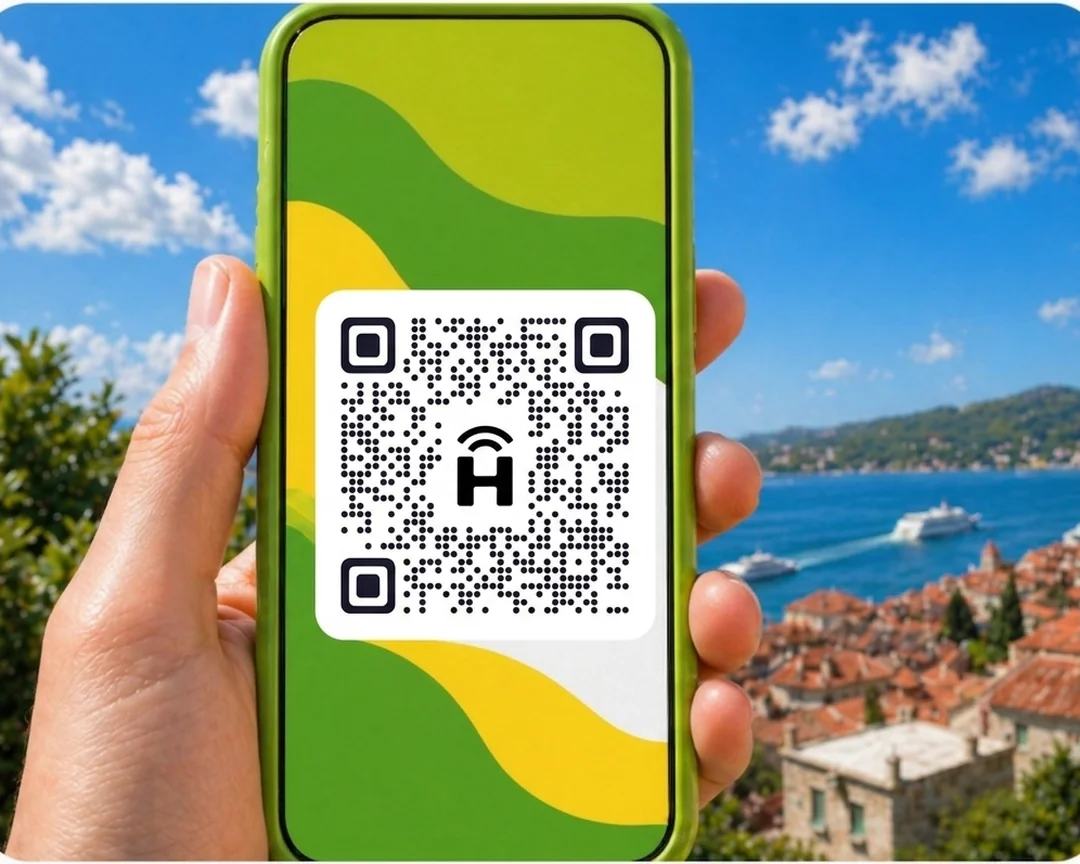

HelloRoam بيوفر شريحة eSIM لـآسيا بأسعار تبدأ من 336.86 ج.م. عبر 212+ شبكة في 185+ دولة. الـ e SIM بتتوصل بشبكات 4G/5G المحلية لما توصل، وتفعّلها بمسح رمز QR في أقل من دقيقتين. رقمك المصري من Vodafone أو Orange فاضل شغال على شريحتك الأساسية، والـ e-sim بتتكفل بالبيانات.
- الشبكات
 212+
212+- دعم 5G
 4G/5G
4G/5G- التفعيل
 أقل من دقيقتين
تم التحديث في
Asia sim - تغطية 4G وتفعيل سريع في آسيا
شريحة eSIM رخيصة لـآسيا بداية من 336.86 ج.م.. بيانات 4G/5G محلية على أفضل شبكات شريكة. بيشتغل على كل الموبايلات المتوافقة مع eSIM. e-sim Asia من HelloRoam يوفر بيانات 4G وLTE موثوقة في آسيا. تُنشط شريحة eSIM الرقمية عبر QR code على iPhone وAndroid قبل سفرك. تبدأ الباقات من 336.86 ج.م. بدون رسوم مخفية وبدون عقد. ضمان استرداد للباقات غير المفعّلة خلال 180 يوم ودعم على مدار الساعة.
شريحة eSIM تغطي آسيا بسرعات 4G/5G
آسيا أكبر قارات العالم بتنوعها الحضاري والتقني. HelloRoam eSIM يغطي عشرات الدول الآسيوية تغطية 4G و5G.
- الخطط تبدأ من 336.86 ج.م. بسرعات 4G/5G
- تغطية من الشبكات المحلية
- تفعيل فوري في أقل من دقيقتين
- ضمان استرداد المبلغ خلال 180 يوماً
- تغطية آسيا في المدن الرئيسية
- الشبكة
- 4G/5G
- الباقات من
- 336.86 ج.م.
- التفعيل
- أقل من دقيقتين
- الضمان
- 180 يوم
إزاي أعدّ eSIM في آسيا؟
اتبع الخطوات دي للبدء في استخدام eSIM على iPhone أو Android.
إعداد eSIM على iPhone مع تطبيق HelloRoam
إعداد eSIM على Android مع تطبيق HelloRoam
- 1
اختار باقتك وادفع أونلاين
اختار باقة بيانات لوجهتك وأتمّ الدفع.
 2
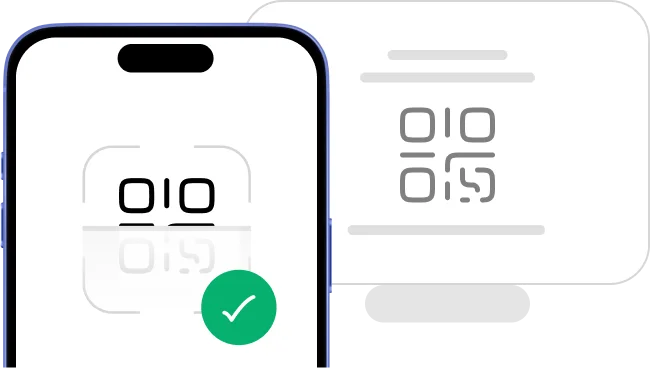
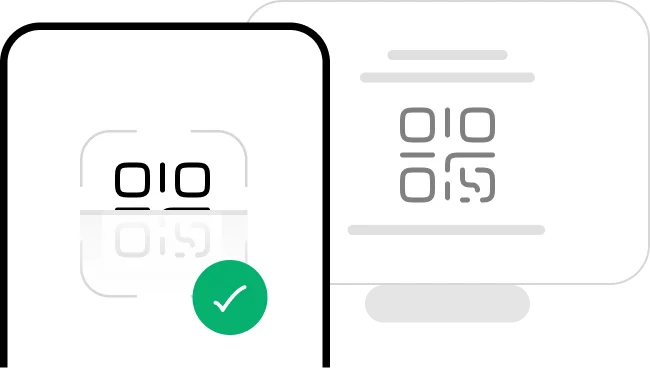
2امسح رمز QR
امسح رمز QR لتثبيت eSIM فوراً.
- 3
فعّله في دقائق، جاهز لما توصل
eSIM بيتثبت فوراً ويتفعل لما توصل.
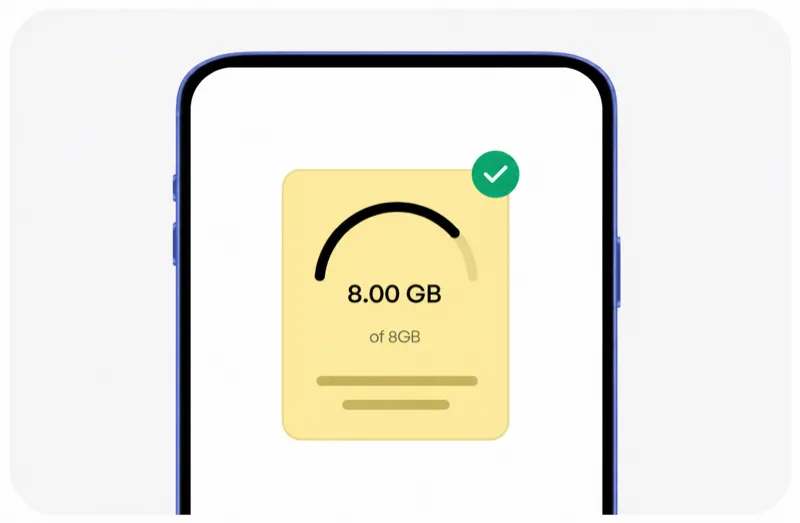 4
4أدر كل حاجة من تطبيقنا
تابع الاستهلاك وأعد شحن البيانات وأدر كل شرائح eSIM من مكان واحد.




تغيّرت خططك؟ ما تقلقش، إحنا موجودين!
ممكن تتغير خططك في أي وقت وده مقبول تماماً. مع HelloRoam، لو لسه ما فعّلتش eSIM بتاعك، تقدر بسهولة تطلب استرداده في خلال 180 يوم من الشراء.
اعرف أكتر عن سياسة الاستردادHelloRoam eSIM لـ آسيا مقابل Vodafone Egypt و Orange Egypt و Etisalat Egypt
مقارنة بين eSIM وشريحة SIM المادية في آسيا: HelloRoam أوفر من تجوال Vodafone Egypt (~150 ج.م/يوم) وباقات Orange Egypt الدولية (~120 ج.م/يوم) وباقات WE International. بدون كشك شرائح SIM في المطار، بدون عقد. احصل على سرعات الشبكة المحلية من 336.86 ج.م. مع إمكانية استرداد الباقات غير المفعّلة خلال 180 يوماً.
| مقارنة الميزات | HelloRoam | مزود محلي | eSIM بيانات محدودة |
|---|---|---|---|
| استرداد للباقات غير المفعّلة (180 يوم) |  الميزة متاحة الميزة متاحة |  الميزة غير متاحة الميزة غير متاحة | الميزة غير متاحة |
| دعم مباشر 24/7 | الميزة متاحة |  الميزة متاحة الميزة متاحة | الميزة متاحة |
| صفر رسوم تفعيل | الميزة متاحة | الميزة غير متاحة | الميزة متاحة |
| يشتغل مع رقمك الأصلي عبر Dual SIM | الميزة متاحة | الميزة غير متاحة | الميزة غير متاحة |
| لا رسوم على الاستهلاك الزائد | الميزة متاحة | الميزة غير متاحة | الميزة غير متاحة |
| رمز QR فوري على بريدك | الميزة متاحة | الميزة غير متاحة | الميزة متاحة |
| شبكات آسيا المتميزة | الميزة متاحة | الميزة غير متاحة | الميزة غير متاحة |
ليه المسافرين بيختاروا HelloRoam eSIM لـآسيا

دعم مباشر 24/7
محتاج مساعدة الساعة 2 صباحاً في إسطنبول أو نص الليل في باريس؟ دعم HelloRoam متاح 24/7. بعت رسالة وشخص حقيقي بيرد في أقل من 2 دقائق. واتساب أو محادثة مباشرة، أنت تختار. بيانات الجوال مش هتوقفك في أصعب الأوقات لما فريق الدعم واقف جنبك على مدار الساعة.

أفضل eSIM للسفر من مصر لـآسيا
احصل على بيانات بسرعات 4G/5G في آسيا من 336.86 ج.م.. HelloRoam يوصلك بشبكة محلية لحظة وصولك، بلا باقات تجوال Vodafone Egypt أو Orange أو Etisalat الدولية. امسح رمز QR وابدأ الاتصال في دقيقتين. إنترنت في الخارج بأسعار محلية حقيقية من غير فواتير تجوال مفاجئة.

يدعم شريحتين في نفس الوقت
احتفظ برقم Vodafone Egypt أو Orange Egypt نشط للمكالمات والرسائل. HelloRoam بيتولى البيانات عبر خط eSIM ثاني على أي موبايل يدعم شريحتين. اتصال لاسلكي مزدوج بيخليك متصل برقمك المصري وبالإنترنت المحلي في نفس الوقت.

شبكة 4G/5G في آسيا عبر 212+ شبكة شريكة حول العالم
HelloRoam بيتوصل بـ 212+ شبكة في 185+ دولة. لو في إشارة 4G أو 4G/5G أسرع قريبة، موبايلك بيتحول إليها أوتوماتيك. تغطية الشبكة الواسعة دي بتضمن إنك تلاقي إشارة قوية في المدن والمطارات والمناطق السياحية.

إشعارات قبل ما تنفد البيانات
HelloRoam بيبعتلك إشعار لما تستهلك 80% من بياناتك، مش هتتفاجأ بنفاد البيانات في نص الرحلة. أعد الشحن فوراً من التطبيق من غير ما تعيد تثبيت eSIM. باقة بيانات مرنة بتكبر مع احتياجاتك بخطوة واحدة من لوحة التحكم.

سرعات الشبكة المحلية
اتصل بشبكات 4G/5G المحلية الموثوقة في آسيا. HelloRoam بيختار أقوى إشارة للمكالمات والتنقل والبث. سرعات الشبكة المحلية الحقيقية بتخلي الفيديو والملاحة والرسائل يشتغلوا بسلاسة طول رحلتك.

باقات عالمية وإقليمية
مسافر لأكتر من دولة؟ باقات HelloRoam الإقليمية بتغطي أوروبا وآسيا والأمريكتين و185+ وجهة في شراء e-sim واحد. باقة بيانات إقليمية واحدة بتلغي الحاجة لشراء شريحة جديدة في كل حدود تعبرها.

نقطة الاتصال ومشاركة البيانات في آسيا
شارك بيانات eSIM لـآسيا مع لابتوبك أو تابلتك عبر نقطة الاتصال من موبايلك. لا رسوم إضافية، لا إعداد. بيشتغل على كل موبايل eSIM متوافق. اتصال لاسلكي مشترك بيخلي كل أجهزتك متوصلة بنفس باقة بيانات الجوال بدون تعقيد.
أسعار eSIM لـآسيا
HelloRoam، أفضل eSIM لـآسيا
| عدد الأيام | السعر |
|---|---|
| 1 يوم | 542.72 ج.م. |
| 3 أيام | 1,546.54 ج.م. |
| 7 أيام | 3,343.12 ج.م. |
| 15 أيام | 6,512.60 ج.م. |
| 22 أيام | 8,835.27 ج.م. |
| 30 أيام | 11,071.63 ج.م. |
HelloRoam مقابل مزودي eSIM الآخرين لـآسيا
أفضل eSIM للمسافر المصري: HelloRoam يقدم إمكانية استرداد للباقات غير المفعّلة خلال 180 يوماً، دعم واتساب 24 ساعة، وتفعيل بلا رسوم. قارن مع Airalo وHolafly من حيث التغطية، السعر، وشبكات Vodafone Egypt وOrange وEtisalat.
| مقارنة الميزات | HelloRoam | Airalo | Holafly | Nomad | Saily | Ubigi |
|---|---|---|---|---|---|---|
| استرداد للباقات غير المفعّلة (180 يوم) | الميزة متاحة | الميزة غير متاحة | الميزة غير متاحة | الميزة غير متاحة | الميزة غير متاحة | الميزة غير متاحة |
| دعم مباشر 24/7 | الميزة متاحة | الميزة متاحة | الميزة متاحة | الميزة غير متاحة | الميزة متاحة | الميزة متاحة |
| تفعيل بلا رسوم | الميزة متاحة | الميزة غير متاحة | الميزة متاحة | الميزة غير متاحة | الميزة غير متاحة | الميزة غير متاحة |
| يشتغل مع رقمك الأصلي عبر Dual SIM | الميزة متاحة | الميزة غير متاحة | الميزة غير متاحة | الميزة غير متاحة | الميزة غير متاحة | الميزة غير متاحة |
| لا رسوم على الاستهلاك الزائد | الميزة متاحة | الميزة غير متاحة | الميزة متاحة | الميزة غير متاحة | الميزة غير متاحة | الميزة غير متاحة |
| رمز QR فوري على بريدك | الميزة متاحة | الميزة متاحة | الميزة متاحة | الميزة متاحة | الميزة متاحة | الميزة متاحة |
| شبكات آسيا المتميزة | الميزة متاحة | الميزة غير متاحة | الميزة غير متاحة | الميزة غير متاحة | الميزة غير متاحة | الميزة غير متاحة |
| هوية مشغّل بعلامة HelloRoam الخاصة (SPN) | الميزة متاحة | الميزة غير متاحة | الميزة غير متاحة | الميزة غير متاحة | الميزة غير متاحة | الميزة متاحة |
إيه هو eSIM أو e SIM؟ إزاي بيشتغل في رحلاتك لـآسيا
آسيا eSIM هي شريحة SIM رقمية مدمجة جوا موبايلك. لا شريحة بلاستيك، لا درج شريحة. امسح رمز QR لتفعيل eSIM في أقل من دقيقتين على أي موبايل متوافق. بتشتغل كشريحة بيانات مدفوعة مسبقاً للسفر بره من غير دكان شرائح SIM في المطار ومن غير عقد. خطوات بالتفصيل الدليل


دليل الاتصال في آسيا للمسافر المصري
التغطية في آسيا تتفاوت من دولة لأخرى. اليابان وكوريا وسنغافورة والإمارات لديها من أفضل شبكات العالم. الصين لديها شبكة 5G ممتازة لكن مع قيود على التطبيقات. جنوب شرق آسيا تغطية 4G واسعة في المدن.
- تغطية 5G في اليابان وكوريا الجنوبية وسنغافورة والإمارات
- تغطية 4G واسعة في جنوب شرق آسيا
- قيود التطبيقات في الصين تتطلب تحضيراً مسبقاً
- GSMA Asia Connectivity Report 2026 ()
نصائح eSIM للسفر إلى آسيا
حمّل WeChat قبل الصين
إذا كنت ستزور الصين، حمّل WeChat وBaidu Maps من قبل لأن Google وWhatsApp محجوبان هناك.
فيزا آسيا للمصريين
تركيا والأردن وإندونيسيا وتايلاند بدون فيزا أو فيزا عند الوصول للمصريين. اليابان وكوريا والصين تحتاج فيزا مسبقة.
Grab في جنوب شرق آسيا
Grab هو تطبيق التوصيل المهيمن في جنوب شرق آسيا. HelloRoam eSIM ضروري لاستخدامه.
فعّل الـ eSIM من القاهرة
اشترِ HelloRoam eSIM وثبّته من القاهرة قبل السفر. يشتغل فور وصولك لأي مطار آسيوي.
الباقات تبدأ من 336.86 ج.م.
اشترِ HelloRoam eSIM لآسيا من مصر بدءاً من 336.86 ج.م..
Network Coverage Across Asia
Asia hosts the world's most advanced and some of the world's most limited mobile networks side by side.
NTT Docomo's near-universal 5G rollout and underground subway coverage in all major cities. South Korea's SK Telecom, KT, and LG Uplus have the highest 5G penetration rates globally. Singapore's three operators compete in a tiny but dense market with very fast speeds. Taiwan's Chunghwa Telecom has strong 5G in urban areas.
Southeast Asia varies from Singapore's excellence to Myanmar's rebuilding network infrastructure. Thailand's AIS leads in GSMA coverage rankings for the region. Vietnam's Viettel has grown rapidly with strong 4G in Hanoi and Ho Chi Minh City. Indonesia's Telkomsel reaches Java and Bali excellently but outer islands very poorly. The Philippines' Globe Telecom and Smart Communications have improved dramatically but typhoon-affected rural areas remain patchy.
South Asia's India is a rapidly evolving market. Jio launched 5G in 2022 and expanded to hundreds of cities. Airtel has strong 4G coverage in urban and semi-urban India. Rural India still has significant gaps, particularly in forested and mountain states. Nepal and Bhutan have very limited coverage outside capitals and major towns.
Central Asian networks are state-influenced and serve cities well but have almost no coverage in the vast rural steppes and mountain ranges that draw adventure travelers.
- Various Asia-Pacific carriers
HelloRoam eSIM مقابل الشرائح المحلية مقابل الروامينج في آسيا
المسافر المصري لآسيا لديه خيارات للاتصال تختلف حسب الدولة.
| الفئة | HelloRoam eSIM موصى به | شرائح SIM محلية | روامينج الشركات المصرية |
|---|---|---|---|
| التكلفة التقريبية | From EGP 363.89 total | EGP 155.95–EGP 779.77 total | EGP 519.84–EGP 1,299.61/day |
| التفاصيل | اشترِ من مصر مرة واحدة وفعّل في كل الدول الآسيوية المشمولة. | تحتاج شراء شريحة جديدة في كل دولة. | الروامينج في آسيا من 10 لـ25 دولار يومياً. |
الأسعار تقريبية بتاريخ . التوفير الفعلي قد يختلف.
Best Times for Asian Travel Data
Asia's travel seasons vary dramatically by subregion. Southeast Asia's dry season from November to April is peak travel time for Thailand, Vietnam, Cambodia, and Laos. Network demand peaks in popular tourist areas like Bangkok, Chiang Mai, Bali, and Hoi An during these months.
Japan's cherry blossom season (late March to early April) and autumn foliage (mid-October to November) are peak travel periods with crowded networks in tourist areas. Book high-speed Shinkansen routes in advance and download entertainment for train travel.
Monsoon season across South and Southeast Asia runs roughly June to October. Flooding and storm damage can affect tower infrastructure in rural areas. Urban coverage in main cities remains reliable. The Indian subcontinent's monsoon runs June to September.

استكشف دول آسيا


اليابان
From $3
HelloRoam تقدم خطط بيانات eSIM في اليابان تغطي طوكيو. جاهز عند الوصول.

فعّل HelloRoam قبل الإقلاع. شبكة NTT docomo تغطي المدن بالـ5G. واي فاي المطار مقيّد بثلاثين دقيقة، والتطبيق يعمل فور الهبوط.


الصين
From $3
HelloRoam تضمن اتصالك في الصين مع خطط تغطي شنغهاي. جاهز فور الهبوط.
China Mobile وUnicom يغطيان المدن الكبرى بالـ5G. ثبّت VPN قبل دخول الصين لأن كثيراً من التطبيقات الأجنبية محجوبة هناك.


تايلاند
From $3
HelloRoam توفر خطط eSIM في تايلاند مع تغطية في شيانغ ماي وبانكوك. ابقَ متصلاً بسهولة.
AIS وTrueMove H يغطيان بانكوك بالـ5G. التغطية تمتد للجزر لكنها تضعف في القرى البعيدة عن الساحل.


الهند
From $4
سافر إلى الهند مع HelloRoam eSIM واحصل على بيانات سريعة في مومباي.
Vodafone وVi تغطيان المدن الهندية الكبرى بالـ4G. مترو مومباي ضعيف الإشارة في الأنفاق، لذا حمّل خرائطك قبل النزول.


فيتنام
From $3
خطط HelloRoam eSIM في فيتنام توفر بيانات سريعة في مدينة هو تشي منه وهانوي. فعّل قبل السفر.
Vinaphone تغطي فيتنام بالـ4G. السرعة جيدة في هانوي لكنها تنخفض على عبّارات الجزر، لذا حمّل ما تحتاجه مسبقاً.


إندونيسيا
From $3
HelloRoam تضمن اتصالك في إندونيسيا مع خطط تغطي Bali. جاهز فور الهبوط.
Telkomsel يغطي جاكرتا بالـ5G. الإشارة تضعف على الساحل الشمالي لبالي، لذا حمّل خرائط المنطقة قبل التنقل.


بنغلاديش
From $3
استخدم HelloRoam eSIM في بنغلاديش وتصفح في Dhaka بدون تبديل شريحة.
Banglalink تغطي دكا وشيتاغونغ بالـ4G. في ذروة الاستخدام في دكا قد تبطؤ الشبكة، لذا فعّل شريحتك مبكراً.


هونغ كونغ
From $3
HelloRoam تضمن اتصالك في هونغ كونغ مع خطط تغطي Hong Kong وKowloon. جاهز فور الهبوط.
CMHK تغطي هونغ كونغ بالكامل بالـ5G. مترو MTR يستقبل الإشارة في الأنفاق. فعّل شريحتك قبل الهبوط في مطار HKG.
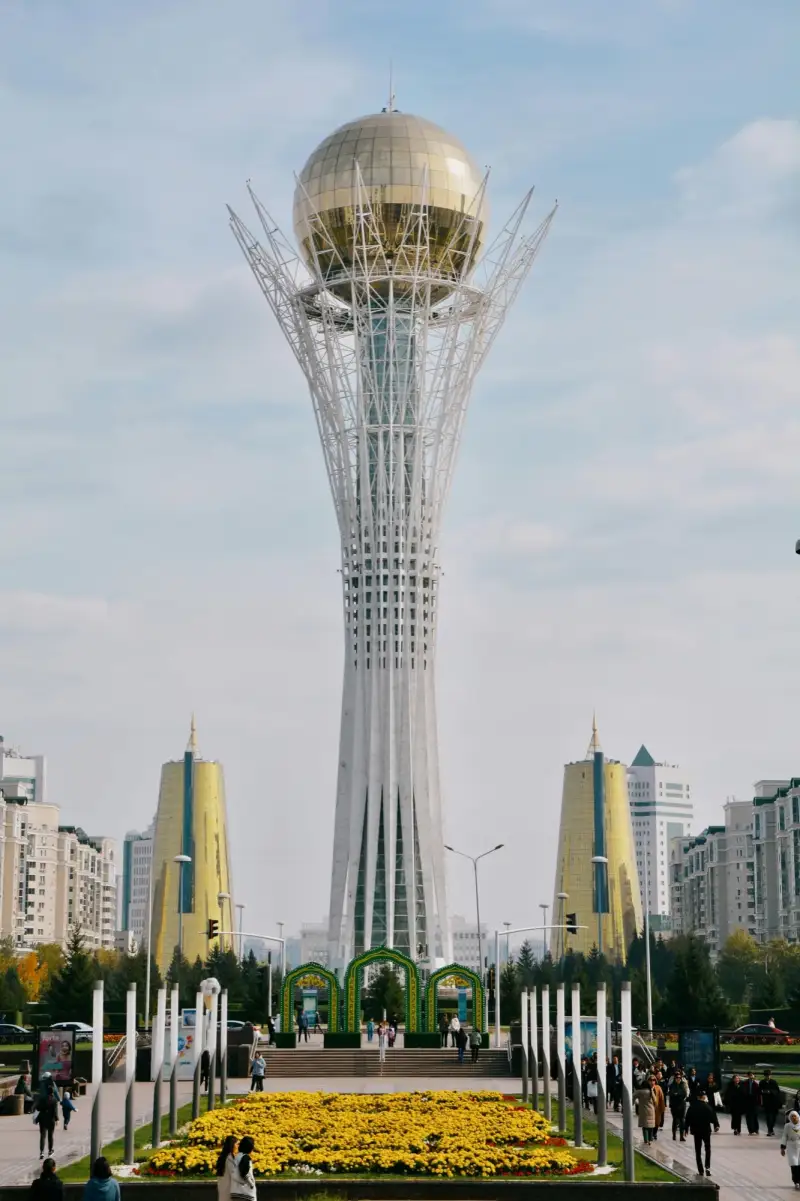

كازاخستان
From $3
احصل على بيانات HelloRoam eSIM في كازاخستان مع تغطية في Almaty. بدون تبديل شريحة.
Beeline تغطي كازاخستان بالـ4G. ألماتي تتمتع بإشارة قوية، أما السهوب الكازاخية الشاسعة فتغطيتها محدودة.


قيرغيزستان
From $3
HelloRoam توفر خطط eSIM في قيرغيزستان مع تغطية في Bishkek. ابقَ متصلاً بسهولة.
Beeline تغطي بيشكيك بالـ4G. التغطية محدودة في جبال تيان شان بالقرب من قراقول.


لاوس
From $4
سافر إلى لاوس مع HelloRoam eSIM واحصل على بيانات سريعة في Vientiane.
Lao Telecom تغطي فيينتيان ولوانغ برابانغ بالـ5G. المناطق الريفية النائية تغطيتها شحيحة.
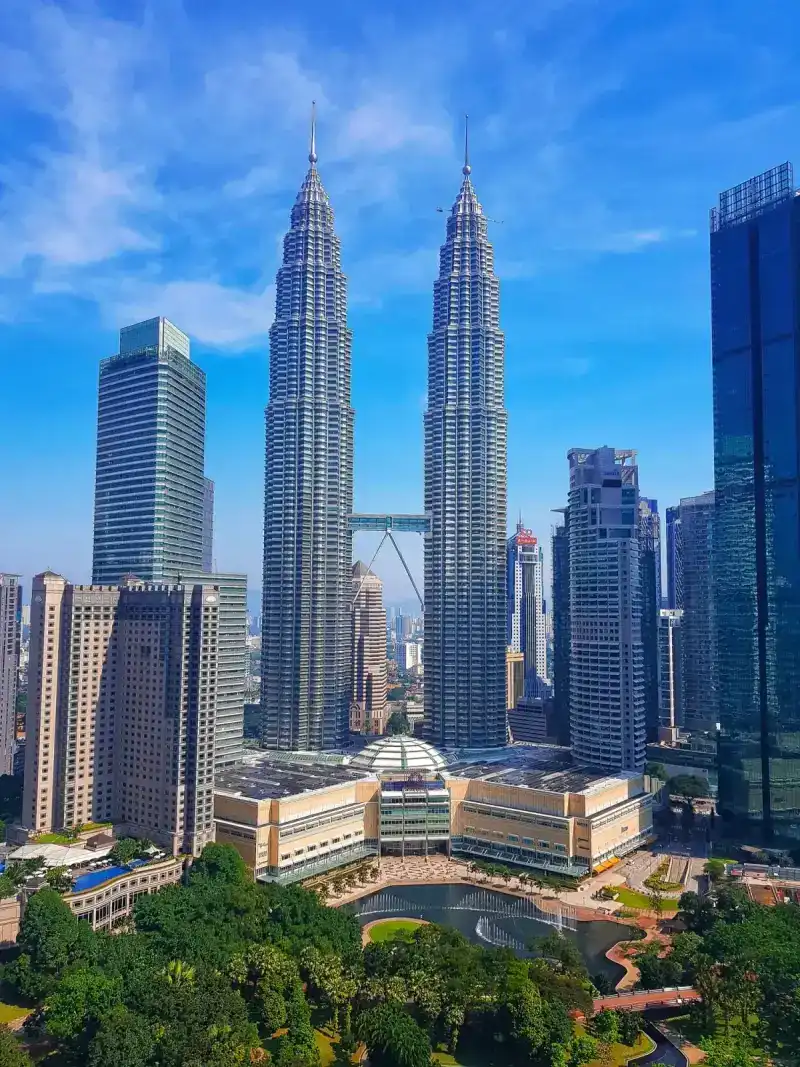

ماليزيا
From $3
HelloRoam توفر خطط eSIM في ماليزيا مع تغطية في كوالالمبور. ابقَ متصلاً بسهولة.
CelcomDigi وU Mobile يغطيان كوالالمبور بالـ5G. الإشارة تضعف في مناطق الغابات الداخلية في بورنيو.


باكستان
From $1


الفلبين
From $2
خطط HelloRoam eSIM في الفلبين توفر بيانات سريعة في مانيلا. فعّل قبل السفر.
Globe وSMART يغطيان مانيلا وسيبو بالـ5G. الإشارة تنقطع في منتصف رحلات العبّارة بين الجزر.


سنغافورة
From $3
HelloRoam توفر خطط eSIM في سنغافورة مع تغطية في سنغافورة. ابقَ متصلاً بسهولة.
StarHub وM1 وSingTel يغطون سنغافورة بالـ5G. مترو MRT يتمتع بتغطية كاملة تحت الأرض.


كوريا الجنوبية
From $3
احصل على بيانات HelloRoam eSIM في كوريا الجنوبية مع تغطية في سيول. بدون تبديل شريحة.
LG U+ وSKTelecom يغطيان كوريا الجنوبية بالـ5G. مترو سيول يستقبل الإشارة في الأنفاق بشكل كامل.


سريلانكا
From $3
احصل على بيانات HelloRoam eSIM في سريلانكا مع تغطية في كولومبو. بدون تبديل شريحة.
Mobitel تغطي كولومبو وكاندي بالـ4G. الإشارة تضعف في مرتفعات مزارع الشاي.
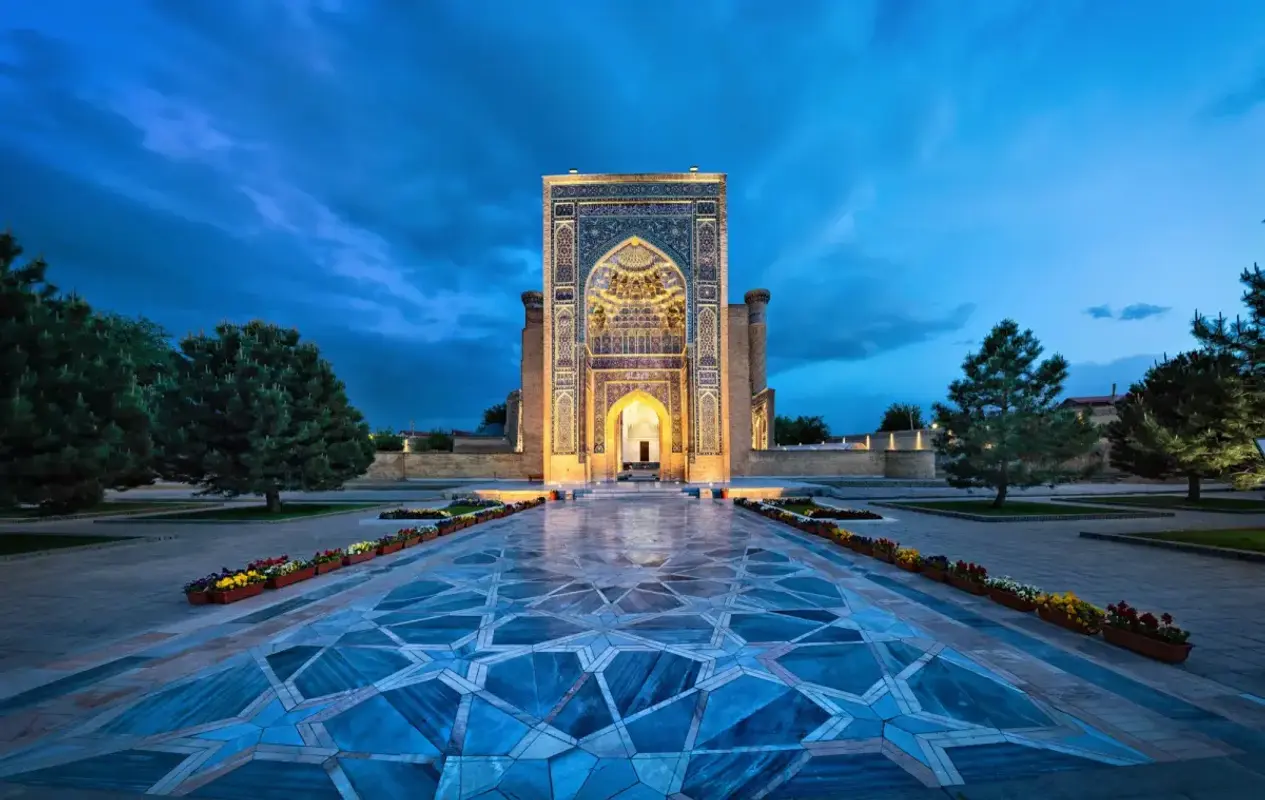

أوزبكستان
From $3
سافر إلى أوزبكستان مع HelloRoam eSIM واحصل على بيانات سريعة في Tashkent.
Beeline تغطي طشقند وسمرقند بالـ5G. جبال نوراتاو النائية تغطيتها محدودة جداً.
عرض الشريحة 1 من 18
التقييمات
المسافرين بيقولوا إيه
تقييمات حقيقية من Trustpilot وApp Store، مترجمة من الإنجليزية.
40 ألف+ مسافر استخدموا HelloRoam
Cat
في رحلة إلى أوروبا، كان الـ Wi-Fi في الفندق بطيئاً جداً، والـ Wi-Fi خارج الفندق غير موثوق. لم أعد أتحمّل، فاشتريت helloroam لبضعة أيام. كان إعداده بشكل صحيح صعباً نوعاً ما بسبب الإعدادات الأساسية (مع رقمي الأصلي). لكنني تواصلت مع خدمة العملاء عندهم عبر WhatsApp. كانوا سريعين جداً في الرد ومتعاونين، وقدّموا لي خطوات محددة وواضحة لحل المشكلة. أقدّر وجود تجوال 4G بدلاً من البقاء تحت رحمة Wi-Fi يتقطع طوال رحلتي!!
قيّم هذا العميل الخدمة بـ5 من 5

تجربة جيدة جداً! كان إعداد الـ eSIM سهلاً، وعمل بشكل رائع في لندن. وكان أرخص بكثير من استخدام شركة المحمول الخاصة بي هناك.
Ilona
قيّم هذا العميل الخدمة بـ5 من 5
metulker
صعب في الإعداد لكن المساعدة كانت جيدة
قيّم هذا العميل الخدمة بـ5 من 5
Reuben
سعيد جداً بـ HelloRoam. كل شيء عمل كما هو متوقع، من الرسائل وGoogle Maps حتى البث، بدون أي مشاكل. سهل الاستخدام وموثوق وسعره مناسب. سأتعامل معهم مرة أخرى بكل سرور عند السفر.
قيّم هذا العميل الخدمة بـ5 من 5

Angeline
اتصال موثوق. أسعار مناسبة.
قيّم هذا العميل الخدمة بـ4 من 5
الأسئلة الشائعة عن eSIM آسيا
كيف أحصل على Asia SIM card وأفعّلها قبل السفر؟
Cheapest eSIM Asia من HelloRoam تغطي المدن الرئيسية في آسيا بتقنية 4G وLTE. الشريحة الرقمية eSIM تتصل بأقوى شبكات آسيا المحلية. تبدأ الباقات من 336.86 ج.م. وتُفعَّل فورًا بدون أي رسوم مخفية.
هل Asia SIM card تعمل بدون رسوم إضافية في آسيا؟
اشتر cheapest eSIM for Asia من HelloRoam واستلم QR code فورًا على إيميلك. افتح إعدادات هاتفك وأضف شريحة eSIM بخطوات بسيطة. eSIM تعمل على iPhone وAndroid المتوافق وتوفر بيانات سريعة في آسيا بدون أي تعقيد.
إيه أحسن شريحة eSIM لـآسيا؟
بالنسبة لأحسن eSIM لـآسيا، HelloRoam بيتوصل بـ 212+ شبكة في 185+ دولة بداية من 336.86 ج.م.. الباقات بتتفعل عبر رمز QR في أقل من دقيقتين على أي موبايل غير مقيد بشركة اتصالات يدعم eSIM. بتاخد سرعات 4G/5G المحلية في آسيا، واسترداد للباقات غير المفعّلة خلال 180 يوم، ودعم مباشر 24/7.
eSIM لـآسيا بكام؟
سعر eSIM لـآسيا بيبدأ من 336.86 ج.م.. باقات البيانات الثابتة من 1GB لـ20GB. الباقات المفتوحة (غير المحدودة) متاحة للإقامات الأطول. كل الباقات تشمل وصول 4G/5G محلي من غير رسوم زائدة ومن غير عقد.
eSIM بتشتغل على أنهي شبكات في آسيا؟
تغطية الشبكة مع HelloRoam في آسيا بتشمل شبكات 4G/5G المحلية. موبايلك بيختار أقوى إشارة متاحة أوتوماتيك لما توصل. التغطية بتشمل المدن الرئيسية والمطارات والطرق السريعة ومعظم المناطق الريفية. HelloRoam شريك مع 212+ شبكة حول العالم لسرعات ثابتة.
إزاي أجيب شريحة eSIM لـآسيا؟
الحصول على eSIM لـآسيا بيتم في 3 خطوات بسيطة. أول حاجة: اختار باقتك على helloroam.com وأتمّ الدفع. تاني حاجة: امسح رمز QR من بريد التأكيد بتاعك في إعدادات موبايلك تحت «إضافة eSIM». تالت حاجة: eSIM بيتثبت ويتفعل في أقل من دقيقتين. لا متجر، لا شريحة SIM، لا انتظار.
هل الآيفون بيشتغل مع eSIM آسيا؟
نعم، iPhone XS وكل الطرازات الأحدث بتشتغل مع eSIM في آسيا. روح للإعدادات، اضغط «الشبكات الخلوية»، بعدين «إضافة eSIM»، وامسح رمز QR من بريدك. رقمك المصري في Vodafone أو Orange بيفضل نشط عبر شريحتين بينما HelloRoam بيتولى بيانات السفر.
هل HelloRoam eSIM يغطي دول آسيا الرئيسية؟
نعم، HelloRoam eSIM يغطي الدول الآسيوية الرئيسية. تحقق من صفحة التغطية على الموقع. يتصل HelloRoam eSIM لـلـ آسيا بشبكة local network مع تغطية 5G في المناطق السياحية والحضرية الرئيسية. تبدأ الخطط من 336.86 ج.م.. فعّله بمسح رمز QR قبل المغادرة — بدون شريحة SIM فعلية وبدون طوابير في المطار.
ما أفضل الوجهات الآسيوية للمصريين؟
تركيا ودبي وبانكوك وسنغافورة وطوكيو وكوالالمبور من أفضل الوجهات الآسيوية للمصريين. يتصل HelloRoam eSIM لـلـ آسيا بشبكة local network مع تغطية 5G في المناطق السياحية والحضرية الرئيسية. تبدأ الخطط من 336.86 ج.م.. فعّله بمسح رمز QR قبل المغادرة — بدون شريحة SIM فعلية وبدون طوابير في المطار.
هل الطعام الحلال متوفر في آسيا؟
آسيا فيها نسبة كبيرة من المسلمين. ماليزيا وإندونيسيا والإمارات ودول الخليج طعامها حلال في كل مكان. يتصل HelloRoam eSIM لـلـ آسيا بشبكة local network مع تغطية 5G في المناطق السياحية والحضرية الرئيسية. تبدأ الخطط من 336.86 ج.م.. فعّله بمسح رمز QR قبل المغادرة — بدون شريحة SIM فعلية وبدون طوابير في المطار.