

Table of content
Quick Answer: things to do in Rome
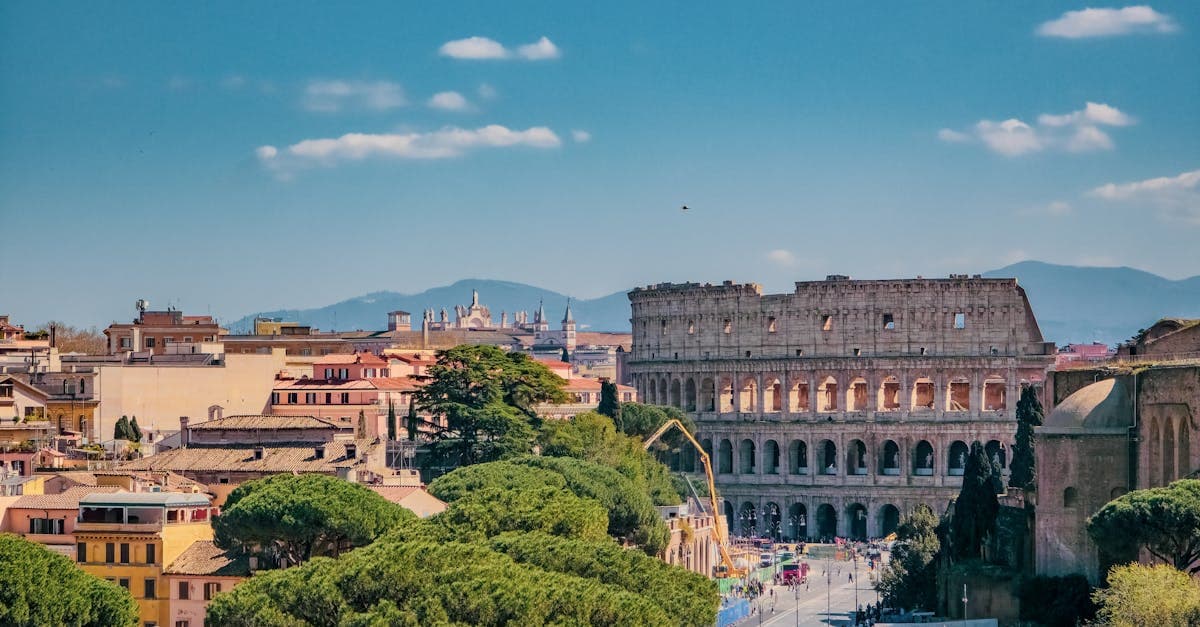
Rome's core itinerary covers the Colosseum complex, the Vatican Museums, the Pantheon, the Borghese Gallery, and the neighbourhood of Trastevere tripadvisor.co.uk. Three days handles the essentials; four is more comfortable for first-timers.
Pre-booking is essential across all ticketed sites. Timed entry sells out days or weeks ahead — turning up on the day is a gamble that usually loses.
April 2026 is a well-timed visit. The 2025 Catholic Jubilee, held every 25 years, triggered a wave of infrastructure work across central Rome: restored facades, new pedestrian zones, improved signage. That work is complete and visible. The extraordinary crowds it brought are not.
UK passport holders need a passport, not just an ID card, and should verify ETIAS authorisation before booking flights. ETIAS applies to UK nationals in EU Schengen countries; confirm the current status on the official EU ETIAS website.
Mid-range UK travellers typically spend around £85 to £160 per person per day, covering accommodation, food, ATAC transport, and paid attractions.
UK carrier roaming in Italy adds cost that most itineraries don't budget for. HelloRoam's eSIM for Italy starts from ~£2.13 per day on TIM, Iliad, and Wind networks, with 5G coverage across central Rome — a more transparent alternative to paying per megabyte on a carrier bolt-on.
Key fact: A HelloRoam Italy 3GB plan valid for 30 days costs ~£8.68 on TIM, Iliad, and Wind networks with 5G.
Ancient Rome first. The oldest stones in the city deserve priority.
Things to do in Rome: ancient sites and iconic landmarks
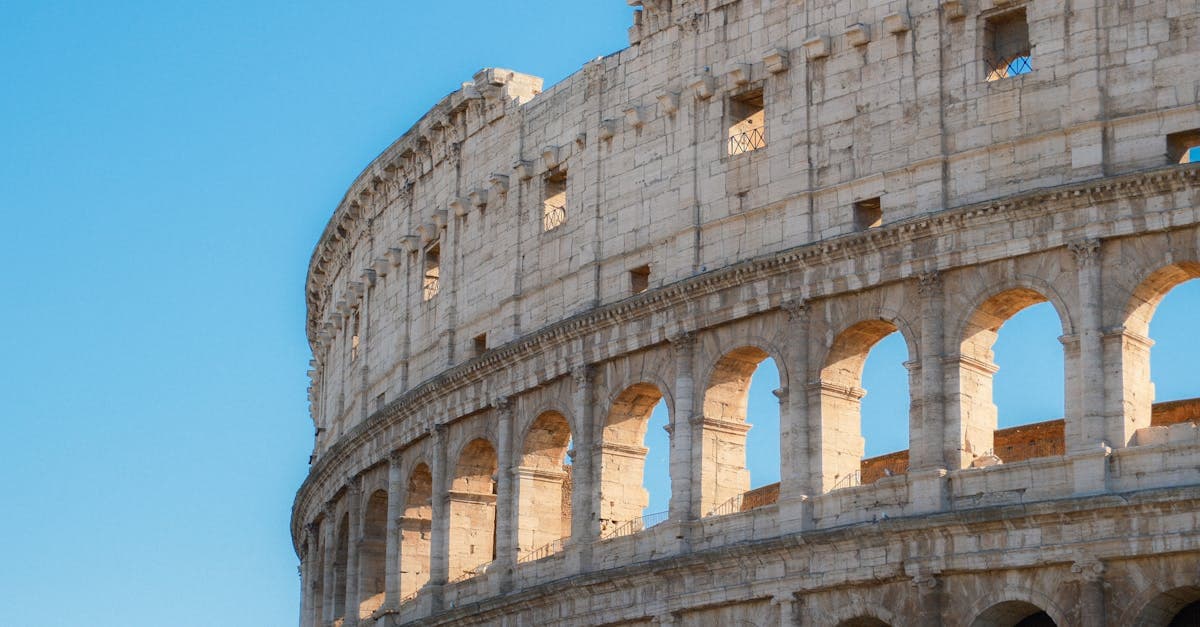
The Colosseum, Roman Forum, and Palatine Hill share a combined ticket at around €18. That's three distinct layers of ancient Rome for a sum that wouldn't cover a round of drinks in central London.
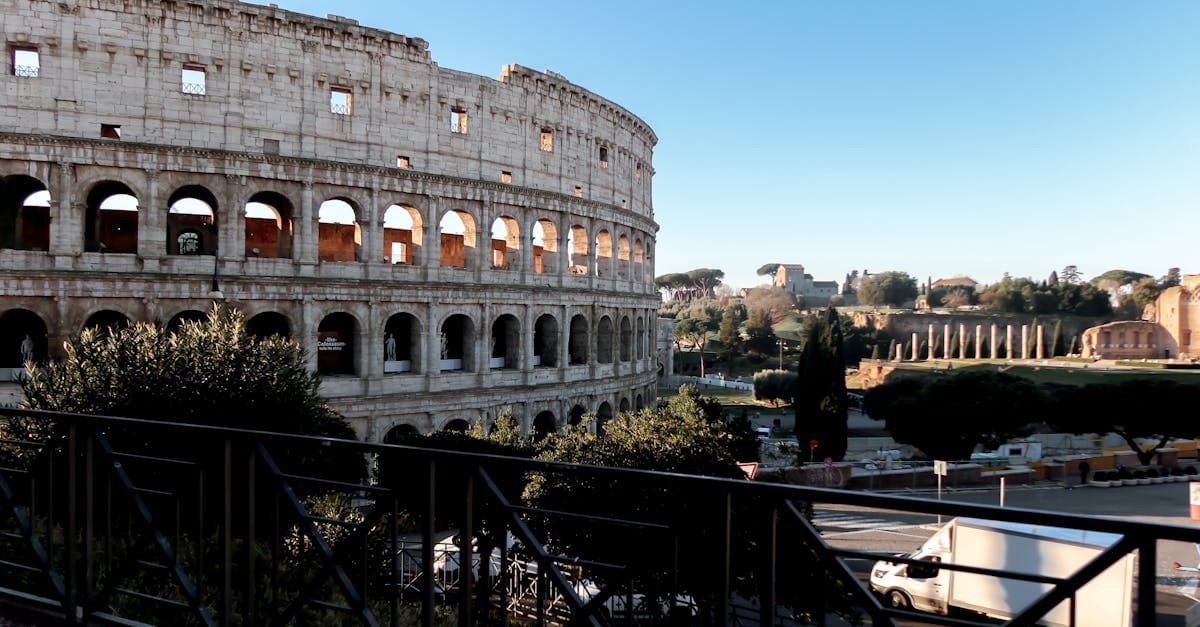
Around 7 million people visit the Colosseum each year, making it Italy's most-visited paid attraction tripadvisor.co.uk. Book two to three weeks ahead as standard practice. The Hypogeum tour descends into the underground chambers where gladiators and animals waited before combat; it costs around €22 and operates in small groups. This is the version that rewards a bit of forethought: the main arena level is busy regardless of when you arrive, while the underground feels like a genuine discovery.
The Spanish Steps are 135 of them. Arrive before 9am and they're quiet enough to sit without negotiating for space. After 10am, that changes fast.
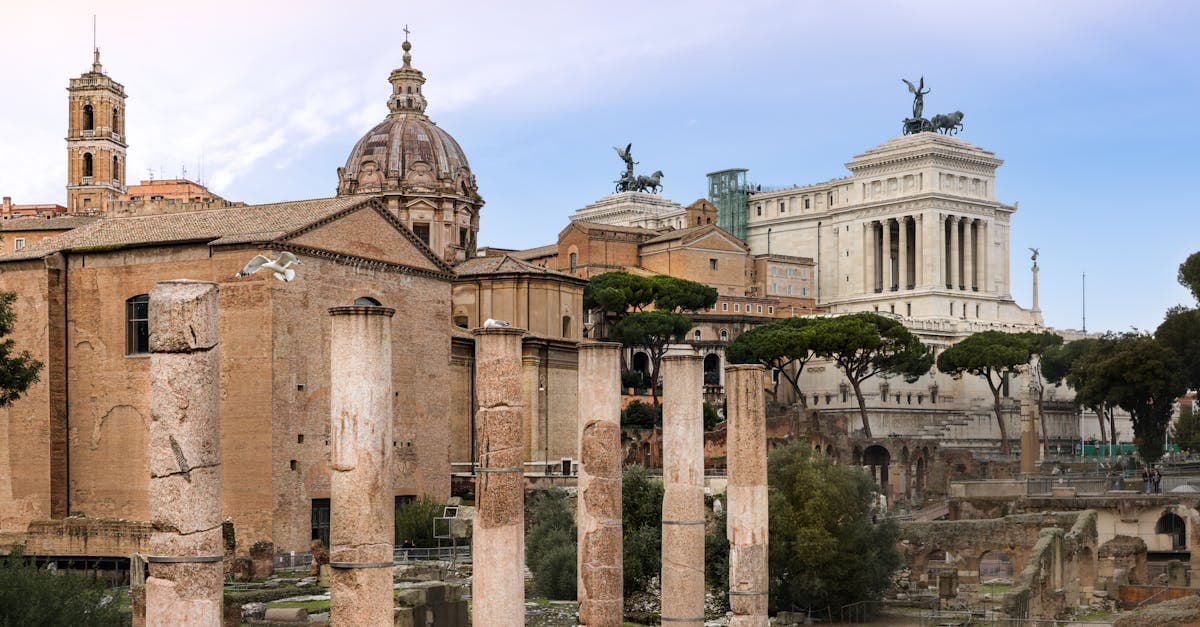
Free entry, and a decent view: the Altare della Patria, the enormous white marble monument at the northern end of the Forum, charges nothing. The rooftop terrace is one of Rome's sharpest panoramas across the ancient centre. Take the lift or climb; both routes arrive at the same view.
The Pantheon has charged €5 since 2023, which remains a modest sum for a building that's been intact for nearly 1,900 years. Pre-book online to avoid the queue that forms reliably from mid-morning. The oculus — the open circle at the dome's summit — lets rain fall directly into the building. There are drains in the floor for this purpose.
The Romans planned for it.
The Knights of Malta keyhole on the Aventine Hill is free, requires no booking, and frames St Peter's dome with geometric precision through a tunnel of manicured hedge. It takes around ten minutes to reach from the nearest bus stop and is reliably undervisited compared to anywhere near the Colosseum youshouldgohere.com.
Museum-heavy stays have a clear arithmetic: the Rome Pass at €52 for 72 hours covers two free museum entries and unlimited public transport on ATAC buses and the metro. If your itinerary includes more than three paid venues, it pays for itself.
Each of these sites rewards early arrival and a bit of planning. The Vatican, which many visitors leave to chance, requires rather more of both.
Vatican Museums, Sistine Chapel, and St Peter's Basilica
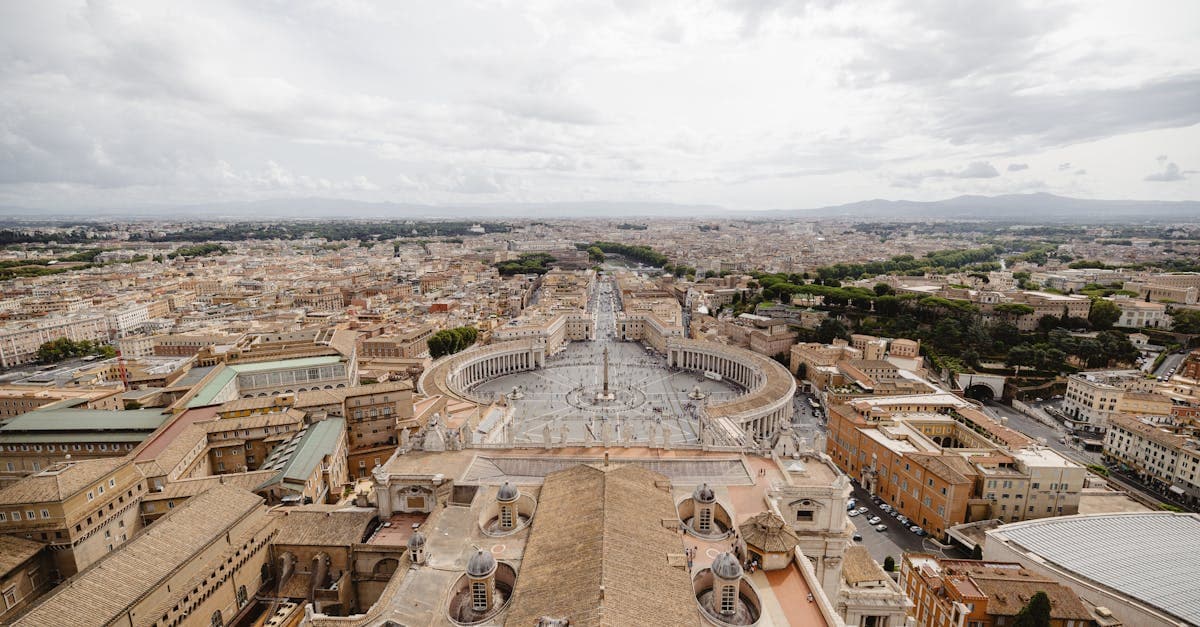
The Vatican Museums, Sistine Chapel, and St Peter's Basilica require advance booking to visit without significant queues. Book the Museums online at around €20 and you walk past queues that can stretch past three hours on a busy morning; tickets include the Sistine Chapel. The myths around visiting tend to cause more trouble than the logistics do.
Myth one: you can turn up without a booking. The queue for the Vatican Museums on a busy morning stretches past three hours. Book online at around €20 and you walk past it entirely. Booking them separately by accident is a common and avoidable mistake.
Myth two: the last Sunday of the month is a sensible day for free entry to the Sistine Chapel. It's free. It's also the single busiest day in the Vatican calendar by visitor volume. An early Friday morning visit cuts queue pressure noticeably across the whole Vatican area; Friday tends to be a workable gap in the weekly pattern.
St Peter's Basilica is free to enter and needs no booking. The interior scale tends to stop people mid-sentence. The dome ascent costs €8 via the stairs or €10 if you take the lift for the first section; there are stairs above the lift either way.
The Borghese Gallery runs on strictly timed two-hour entry slots that book out weeks in advance handluggageonly.co.uk. Leaving the booking to the day before is a fiddly miscalculation with a predictable outcome: no entry. The gallery holds Bernini sculpture that ranks among Italy's finest.
Visitor patterns across central Rome peak midweek and at weekends. Friday mornings are a reliable exception across the Vatican area, and the difference in queue length is tangible.
The Vatican sorted and understood, the parts of Rome that few visitors bother to find are quieter, cheaper, and in several respects more rewarding.
Beyond the crowds: hidden things to do in Rome
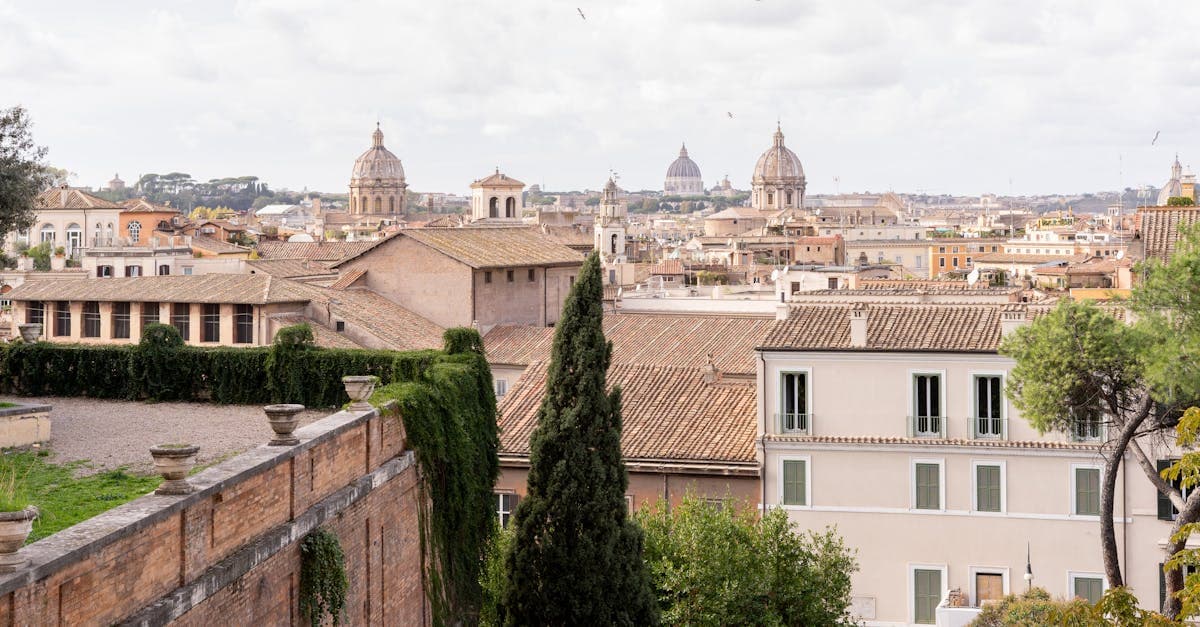
Three lesser-visited Rome attractions charge under €15, attract almost no queues, and collectively deliver something the main circuit rarely manages: space to actually look at things. Palazzo Doria Pamphilj, the Capuchin Crypt, and Ostia Antica each reward the curious traveller in ways the Colosseum circuit simply can't compassroam.com.
Palazzo Doria Pamphilj sits on the Corso, but most visitors walk straight past it. Entry costs around €14. Inside: one of Rome's finest private art collections, including Velázquez's portrait of Pope Innocent X, displayed in the original family apartments. No timed slots. No pre-booking required. It's the most civilised two hours you'll spend in the city.
The Capuchin Crypt near Via Veneto is harder to categorise. Around €8.50 gets you into a series of underground chapels decorated with the bones of thousands of Capuchin friars, arranged across walls and ceilings in elaborate patterns. Unsettling? Yes. Unmissable? Also yes. Nothing in Rome quite prepares you for it handluggageonly.co.uk.
Ostia Antica requires a short regional train journey from Piramide station, but the effort pays off. At around €12, it's a remarkably preserved ancient port city with intact mosaics, a theatre, and bathhouses: half the scale of Pompeii, a fraction of the visitors youshouldgohere.com.
For something lighter, retro Fiat 500 self-drive tours let small groups cover Rome's streets in vintage cars. It's a practical way to move between the Centro Storico and Trastevere without walking. Book well in advance; slots fill quickly in spring.
The practical catch: these off-the-beaten-path sites have patchy Wi-Fi, and you'll need reliable real-time mobile data to navigate between them and check opening times on the move. Downloading offline maps before leaving the hotel helps, but won't cover everything.
Explored and surprised. The next question is where to eat.
Eating and drinking in Rome: food tours, gelato, and aperitivo
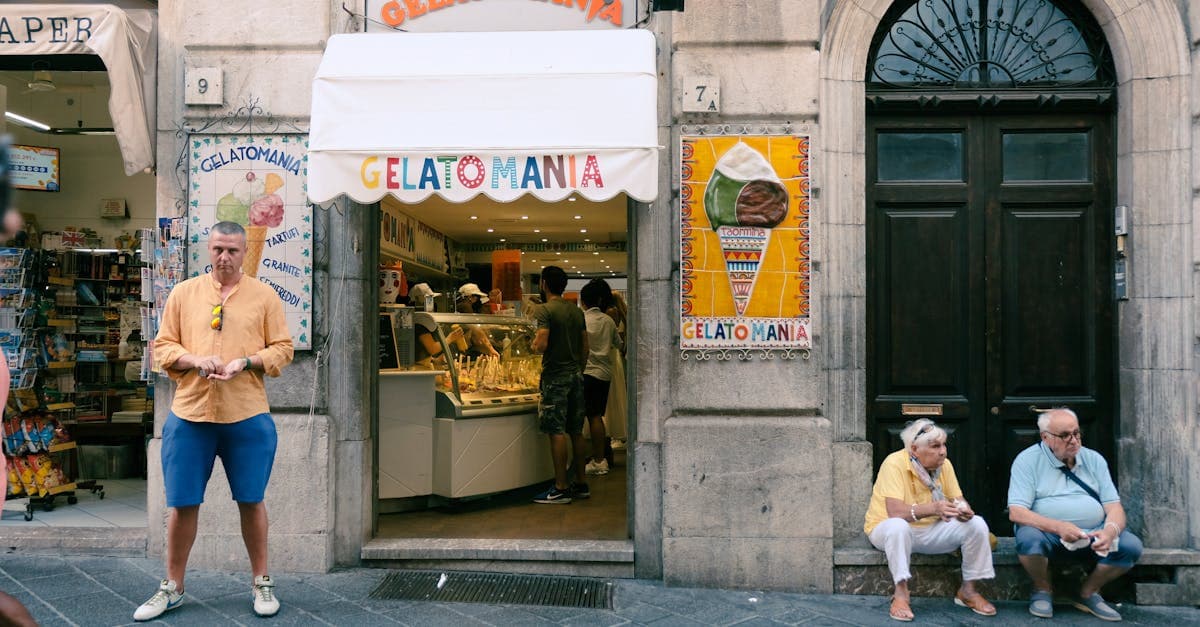
Rome rewards the well-prepared eater. Three rules make an immediate difference: buy gelato only from shops labelled artigianale, stand at the bar to halve your coffee costs compared with a tourist-facing table, and find a trattoria away from the main tourist squares where a full meal with house wine runs to €15 to €25 per head.
Morning: coffee at the bar
Order at the bar, pay first, and don't ask for a flat white. The gap between standing at the counter and taking a table is considerable at tourist-facing cafés near the main sights. Cappuccino is a morning drink in Rome. Ordering one after noon marks you immediately, though no barista will actually turn you away.
Midday: Trastevere to Campo de Fiori
Half-day walking food tours through Trastevere and Campo de Fiori cover Rome's street food scene properly: supplì (fried rice balls), pizza al taglio sold by weight, and the outdoor market at Campo de Fiori culturalwednesday.co.uk. The market packs up around midday, so early starts matter. Most tours include enough tastings to replace lunch entirely.
Afternoon: gelato
Artigianale is the word to look for. Artisan shops keep gelato in covered metal containers, stored flat or slightly below the rim of the display case. Brightly coloured mounds piled above the glass signal artificial colouring and bulk production. The flavour difference is immediate: cleaner, less sweet, and markedly more concentrated handluggageonly.co.uk.
Early evening: aperitivo in Piazza Navona
An Aperol Spritz in Piazza Navona at dusk is one of those Rome rituals worth indulging once, tourist pricing included. You're paying for the backdrop as much as the drink, and at that hour, the piazza earns it.
Dinner
La Prosciutteria Trevi, a short walk from the Trevi Fountain, offers boards of wine, aged prosciutto, and cheese at mid-range prices. Well-regarded and considerably calmer than eating directly on the tourist circuit. For a sit-down trattoria, find one where the menu exists only in Italian. That single detail is more reliable than any review app.
Well fed, the practical side of Rome still awaits.
Getting around Rome: transport, costs, and connectivity
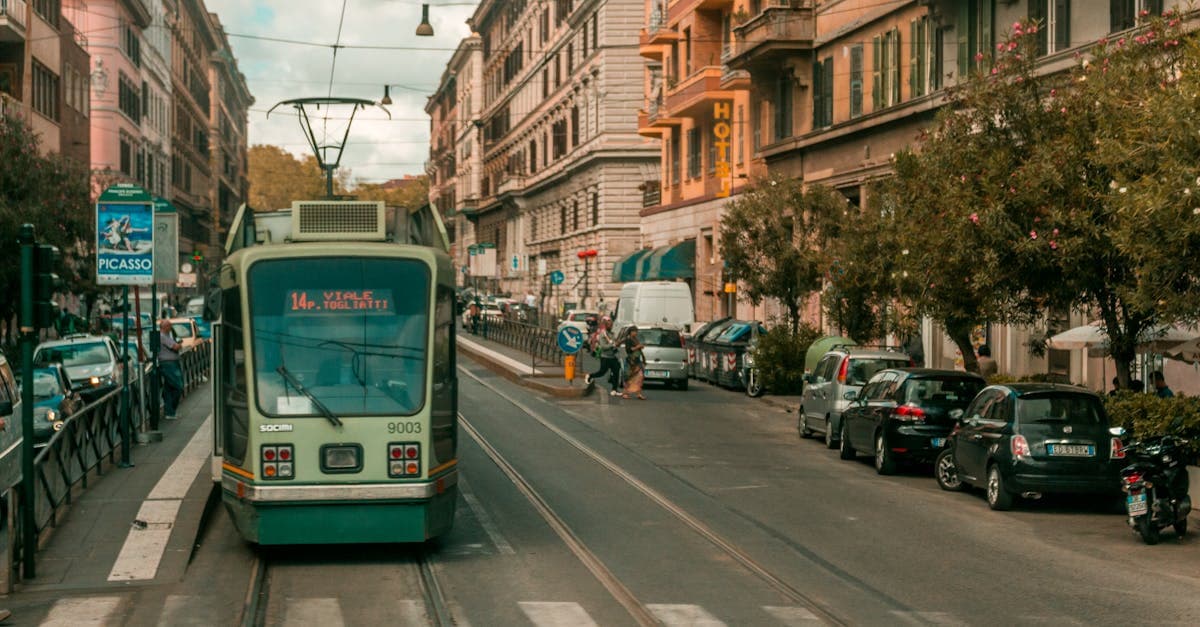
Public transport in Rome is cheap and reliable enough for most itineraries. The ATAC single ticket (BIT) costs €1.50 and covers 100 minutes across metro, bus, and tram. For a 3-night stay, the 72-hour pass at €12 is the obvious choice; the maths works in your favour from the second day.
Airport to city centre: two options
The Leonardo Express train from Fiumicino airport runs every 15 minutes, reaches Termini in around 30 minutes, and costs €14. Fast and predictable, with no traffic variables. The fixed-rate taxi from Fiumicino runs to around €50 for up to four passengers with luggage; slower, but the right call for groups travelling together.
Connectivity: the post-Brexit problem
UK phones no longer roam freely on Italian networks. EE, Vodafone UK, and Three all apply daily roaming charges, and Three's Feel At Home allowance, which sounds generous, includes data caps and speed throttling buried in the fair-use terms. Those charges accumulate quickly across a week in Rome.
An eSIM activated before departure sidesteps carrier roaming charges entirely. Budget at least 1GB per day for offline maps, booking-app access, and the inevitable translation moment at a restaurant menu. TIM and Wind coverage is generally solid across central Rome; outer neighbourhoods can be spottier.
Logistics sorted. The questions UK visitors ask most consistently before they book deserve a direct answer.
Rome travel FAQs: your questions answered
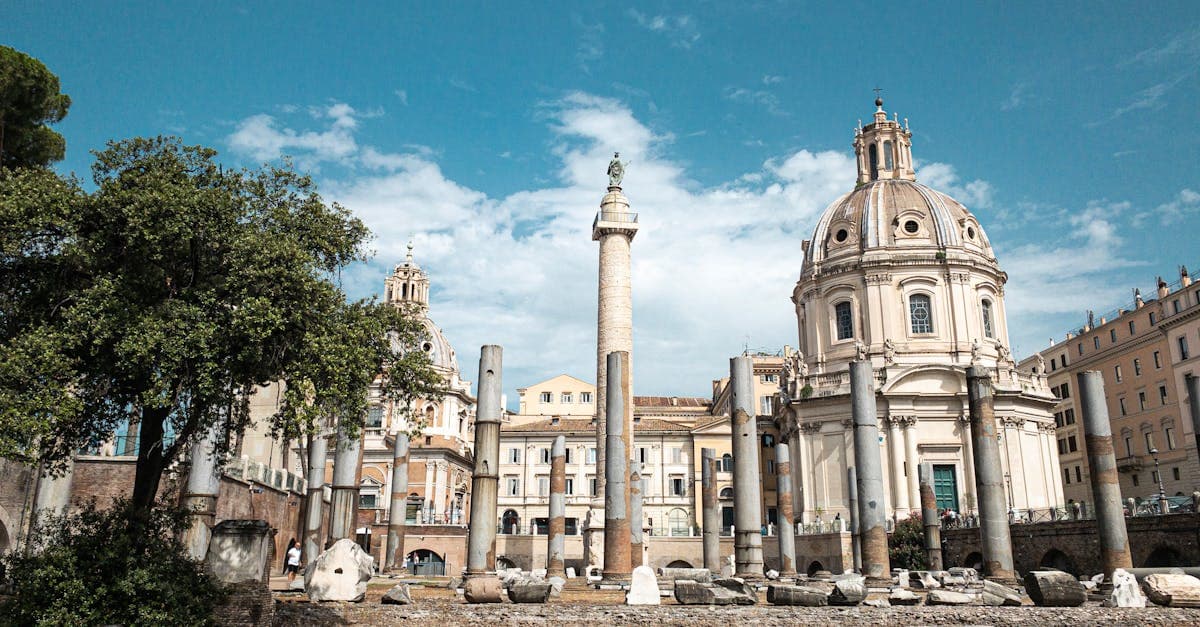
Most UK visitors to Rome arrive with three practical questions that standard booking sites rarely answer properly: dress codes, how many nights to allow for a satisfying first visit, and how to pay without accumulating fees on every transaction.
Dress codes
Rome's dress code is relaxed. Jeans, shorts, and T-shirts work throughout the city. The Vatican is the exception: shoulders and knees must be covered to enter the Basilica and Museums culturalwednesday.co.uk. A scarf or light jacket tucked into your bag handles this without any effort; if you forget, disposable cover-ups are sold outside at a small premium.
How many nights?
Three nights covers the essentials at a workable pace. Four is the honest call for first-timers: the Borghese Gallery, Ostia Antica, and a slower morning in Trastevere each need room that a three-day sprint doesn't provide. Two nights leaves too much undone.
Cards and cash
UK debit and credit cards work reliably across restaurants, museums, the metro, and most shops. Small trattorias, market stalls, and coffee bars sometimes still prefer cash, so carry some alongside your card. A Revolut, Wise, or Monzo travel card eliminates foreign transaction fees and takes minutes to top up before departure.
What should you not miss in Rome?
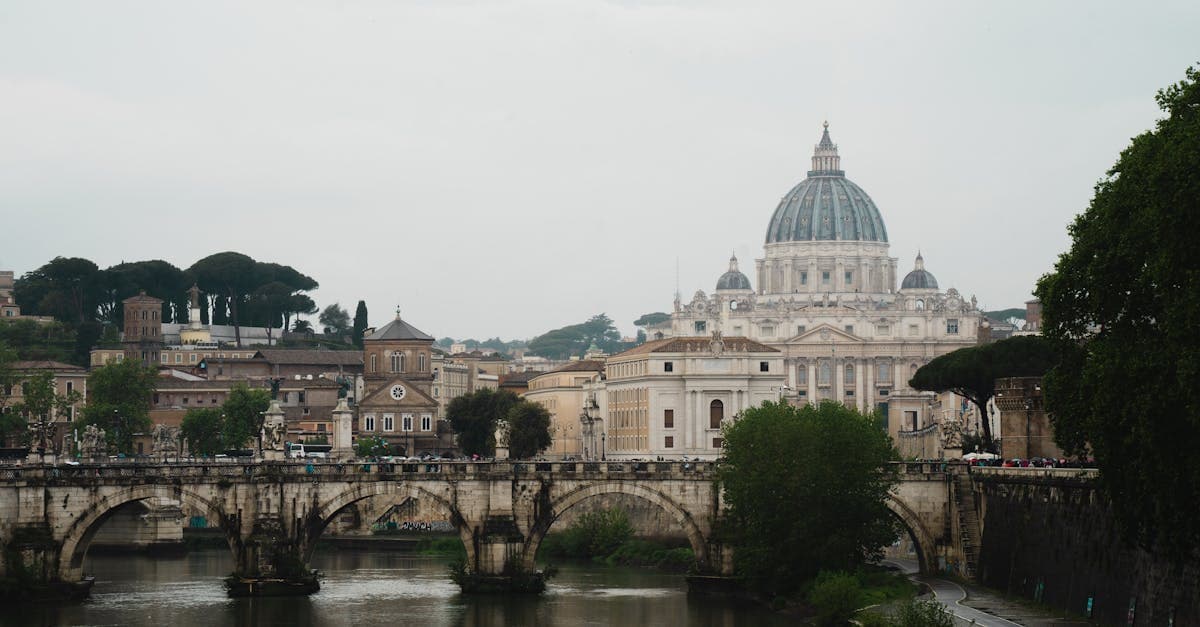
Five sites anchor every worthwhile Rome itinerary: the Colosseum complex, the Sistine Chapel, the Pantheon, the neighbourhood of Trastevere, and Piazza Navona tripadvisor.co.uk. The first three require pre-booking or an early start. The last two cost nothing to enter and deliver their best returns after 6pm.
The Colosseum paired with the Roman Forum is the essential combination. Book both together, arrive before 9am, and you'll walk the Forum with a fraction of the midday crowd. The Sistine Chapel divides opinion on queues, but the visual impact of Michelangelo's ceiling at close range outweighs the logistical hassle. Book the Vatican Museums online; the queue to collect printed tickets at the door can stretch to two hours.
The Pantheon charges the entry fee noted earlier. Underpriced, frankly.
Trastevere asks nothing of your budget for an evening visit. Wander the cobbled streets after 7pm, pick a trattoria with a handwritten menu, and skip anything displayed behind laminated photos outside. Piazza Navona operates on the same principle: no entry fee, reliably atmospheric at aperitivo hour, and a reminder that Rome's most satisfying moments often don't come with a ticket youshouldgohere.com.
That's the sights framework settled. The practical question now is how many nights actually justify the flight.
How many days are enough for Rome?
===SECTION 1===
Three nights covers Rome's main highlights at a comfortable pace compassroam.com. That aligns with the typical UK visit length noted earlier, and it's genuinely enough for the Colosseum area, the Vatican, the Pantheon, and an evening in Trastevere without rushing.
The trick is treating the Vatican and Colosseum as full-day commitments, not half-day detours. Each deserves proper time.
Four or five nights opens up the surrounding region. Ostia Antica, the ancient port city noted earlier, is a short train ride from Termini and fills a satisfying morning. Tivoli, east of the city, pairs Hadrian's Villa with the terraced gardens of Villa d'Este. Both work as day trips without needing a hire car.
April 2026 is a particularly good window. The 2025 Jubilee brought restoration work and pedestrianised zones to several historic areas. Those improvements are now in place, but the pilgrimage crowds that defined last year have dispersed. The city is navigable again.
If time is tight, three nights is the practical minimum. Five nights lets Rome breathe.
Reviewed by HelloRoam's editorial team. Last updated: 19 April 2026.
Get Connected Before You Go


Frequently Asked Questions
Rome's essential itinerary covers the Colosseum complex (including the Roman Forum and Palatine Hill), the Vatican Museums and Sistine Chapel, the Pantheon, the Borghese Gallery, and the neighbourhood of Trastevere. Pre-booking is essential across all ticketed sites, as timed entry sells out days or weeks in advance. The Knights of Malta keyhole on the Aventine Hill is a free, undervisited highlight that frames St Peter's dome through a tunnel of manicured hedge.
Yes, Rome's dress code is relaxed and jeans, shorts, and T-shirts are perfectly acceptable throughout the city. The Vatican is the main exception: shoulders and knees must be covered to enter St Peter's Basilica and the Vatican Museums. Packing a scarf or light jacket handles this without any extra effort, and disposable cover-ups are also sold outside the Vatican at a small premium.
The six standout sights are the Colosseum (including the underground Hypogeum), the Roman Forum and Palatine Hill, the Vatican Museums and Sistine Chapel, the Pantheon, the Borghese Gallery, and the neighbourhood of Trastevere. The Altare della Patria monument is also worth adding as a free option with one of Rome's best rooftop panoramas over the ancient centre. Pre-booking is required for all paid attractions.
Three days covers the essential sights at a workable pace for most visitors. Four days is the more comfortable recommendation for first-timers, allowing time for the Borghese Gallery, a day trip to Ostia Antica, and a slower morning in Trastevere without feeling rushed. Any shorter than three nights and major attractions will have to be skipped.
Yes, pre-booking is strongly recommended — booking two to three weeks ahead is standard practice. Around 7 million people visit the Colosseum each year, making it Italy's most-visited paid attraction, and turning up on the day without a ticket is a gamble that usually fails. The Hypogeum underground tour, which costs around €22, operates in small groups and requires separate advance booking.
A combined ticket for the Colosseum, Roman Forum, and Palatine Hill costs around €18, covering three distinct layers of ancient Rome in a single purchase. The optional Hypogeum tour, which descends into the underground chambers where gladiators and animals waited before combat, costs an additional €22 and runs in small groups. Pre-booking online is essential for both options.
St Peter's Basilica is free to enter and requires no booking. The Vatican Museums and Sistine Chapel are not free — tickets cost around €20 online — but booking in advance means you walk past queues that can stretch past three hours on busy days. The last Sunday of each month offers free entry to the Museums and Sistine Chapel, but it is the single busiest day in the Vatican calendar and not recommended for a relaxed visit.
Friday mornings tend to have noticeably shorter queues across the entire Vatican area compared to midweek and weekend peaks. Booking Vatican Museums tickets online at around €20 allows you to bypass the general queue regardless of when you visit. Avoiding the last Sunday of the month — when entry to the Museums is free — is strongly advisable, as visitor volumes are at their highest on that day.
A single ATAC ticket (BIT) costs €1.50 and covers 100 minutes of travel across the metro, bus, and tram network. For a three-night stay, the 72-hour pass at €12 is the most economical choice and pays for itself from the second day of use. The Rome Pass at €52 for 72 hours also includes two free museum entries alongside unlimited public transport, making it worthwhile if your itinerary includes three or more paid attractions.
The Leonardo Express train runs every 15 minutes from Fiumicino airport, reaches Roma Termini in around 30 minutes, and costs €14 per person — the fastest and most predictable option with no traffic delays. A fixed-rate taxi from Fiumicino costs around €50 for up to four passengers with luggage and is the practical choice for groups travelling together. Both options are reliable; the train is generally faster for solo travellers and couples.
UK passport holders need a valid passport — not just an ID card — to enter Italy as part of the EU Schengen area. UK nationals should also verify ETIAS authorisation requirements before booking flights, as ETIAS applies to British citizens travelling to EU Schengen countries. Always confirm the current status on the official EU ETIAS website before travel.
UK phones no longer roam freely on Italian networks since Brexit, and major UK carriers apply daily roaming charges with data caps and speed throttling buried in fair-use terms. Activating an Italy eSIM before departure sidesteps carrier roaming charges entirely and provides transparent, predictable costs. Budget at least 1GB per day for offline maps, booking-app access, and translation needs; TIM and Wind networks offer solid 5G coverage across central Rome.
Palazzo Doria Pamphilj (around €14) houses one of Rome's finest private art collections including a Velázquez portrait of Pope Innocent X, with no timed slots or pre-booking required. The Capuchin Crypt near Via Veneto (around €8.50) features chapels decorated with the bones of thousands of friars arranged in elaborate patterns. Ostia Antica, reached by a short regional train from Piramide station and costing around €12, is a remarkably preserved ancient port city with far fewer visitors than comparable sites.
Mid-range UK travellers typically spend around £85 to £160 per person per day, covering accommodation, food, public transport, and paid attractions. A full sit-down meal with house wine at a trattoria away from the main tourist squares costs around €15 to €25 per head. Standing at the bar to order coffee rather than sitting at a tourist-facing table cuts coffee costs considerably.
Look for shops labelled artigianale (artisan), where gelato is stored in covered metal containers kept flat or slightly below the rim of the display case. Brightly coloured mounds piled high above the glass signal artificial colouring and bulk production — avoid these. The flavour difference at a genuine artigianale shop is immediate: cleaner, less sweet, and more concentrated than mass-produced alternatives.
Yes, the Pantheon is one of Rome's most impressive ancient structures and has been almost entirely intact for nearly 1,900 years. Entry costs €5 since 2023, which remains a modest sum given the building's significance. Pre-booking online is recommended to avoid the queue that forms reliably from mid-morning; the famous oculus — an open circle at the dome's summit — lets rain fall directly inside, with drains in the floor built specifically for this purpose.
Half-day walking food tours through Trastevere and Campo de' Fiori are a practical way to cover Rome's street food scene, including supplì (fried rice balls) and pizza al taglio sold by weight. The outdoor market at Campo de' Fiori packs up around midday, so an early start is necessary. For dinner, finding a trattoria where the menu exists only in Italian is a more reliable quality indicator than any review app.
The Borghese Gallery is widely considered one of Italy's finest, holding Bernini sculpture that ranks among the country's most important works. Entry runs on strictly timed two-hour slots that book out weeks in advance — leaving the reservation to the day before almost always results in no entry. Booking as early as possible, ideally when you confirm your Rome travel dates, is strongly recommended.
Sources
- 15 Very Best Things to Do in Rome, Italy (Ultimate City Travel Guide) — handluggageonly.co.uk
- MY FAVORITE THINGS TO DO IN ROME — youshouldgohere.com (2024)
- compassroam.com — compassroam.com
- culturalwednesday.co.uk — culturalwednesday.co.uk
- THE 10 BEST Things to Do in Rome (2026) — tripadvisor.co.uk