


Table of content
eSIM Turkey

Top Turkey eSIM plans at a glance

Turkey eSIM plans start at around £2 for a single-day data allowance and scale to £20-plus for heavy two-week use uswitch.com. All activate via QR code. No airport kiosk, no passport, no queuing.
Key fact: HelloRoam offers a Turkey eSIM from ~£1.97 for 2GB, running on Türk Telekom's 5G network.
For context: EE charges ~£2-3 per day for a Turkey roaming add-on. Vodafone UK runs ~£3-6 per day. Three and O2 charge ~£5 to £5.99 per day. A seven-day bolt-on across major UK carriers typically totals £20 to £50. A quality eSIM covers the same trip for considerably less wise.com.
Compare current plans at eSIM for Turkey before you pack.
But what exactly is a Turkey eSIM, and does your phone support one?
What is a Turkey eSIM and does your phone support it?

An eSIM is a digital SIM card built directly into your phone's hardware. Turkey operates three national mobile networks (Turkcell, Vodafone Turkey, and Türk Telekom), all of which support eSIM. iPhone XS (2018) onwards and most Android flagships from 2019 are compatible, though carrier-locked handsets can block international profiles.
Activation is simple enough. Scan the QR code from your provider's confirmation email, approve the profile install, and you're live in roughly two minutes. No physical card, no paperclip-and-tray routine in a middle seat.
The part most people overlook: carrier locking.
If you bought your handset through EE, Vodafone, or Three on a subsidised contract, it may be tied to that network and unable to install an international eSIM profile. A call to your carrier confirms the status. Unlocking is usually free once you've served the minimum contract term, and the process takes a day or two.
To check iPhone compatibility: go to Settings > General > About. If "Available SIM" appears in the list, your device is ready to go. On Android, check Settings > Connections > SIM card manager. If the option to add a new SIM appears, you're supported.
As of early 2026, confirmed eSIM-compatible devices include:
- iPhone XS (2018) and all later models, including the iPhone 16 range
- Samsung Galaxy S20 series and newer
- Google Pixel 4 and later models
Budget Android handsets from smaller manufacturers can be inconsistent. Check your specific model number against your provider's compatibility list before purchasing.
One note specific to Turkey: tourist use of a foreign eSIM for a standard holiday duration falls within the permitted registration window. No additional paperwork, no workarounds required.
Phone confirmed compatible. Next question: how much data will you actually burn through?
How much data should your Turkey eSIM include?

The right data size comes down to three things: trip length, daily phone use, and whether your accommodation has reliable Wi-Fi for evenings.
Sizing your Turkey eSIM by trip type
Istanbul city break (3-4 days): 2-3GB is sufficient for most travellers. Google Maps navigation, WhatsApp messaging, checking emails, and regular Instagram browsing all fit comfortably inside that without any rationing.
Week in Antalya or Bodrum: 5GB is the sensible pick. Hotel Wi-Fi handles evenings. Day trips, boat excursions, and hunting down lunch spots pull data steadily through the day. You'll arrive at 5GB looking like the right call.
Two-week multi-city trip: 10GB or an unlimited plan. Covering Istanbul, Cappadocia, Izmir, and the coast over a fortnight, with consistent navigation and real-time photo sharing, consumes data faster than a beach-and-pool holiday where you barely move.
The specific drains worth knowing before you commit to a plan:
- Google Maps in active navigation: roughly 0.5-1GB across a full week of daily use
- WhatsApp voice notes and messages: modest, typically a few hundred MB per week
- Instagram, TikTok, YouTube: each burns around 1GB per hour at default quality
- Video calls (FaceTime or WhatsApp video): around 1GB per hour
Picture a day navigating between the Spice Bazaar and Karaköy by tram, voice-noting a friend about dinner plans, and posting a few photos to Instagram before the evening. That kind of day barely dents a mid-range plan. It's only when video enters the picture, a WhatsApp call back home or half an hour of YouTube on the ferry across the Bosphorus, that the numbers start to move meaningfully.
Streaming on mobile data is the one to plan for. An evening of Netflix on the coach between cities consumes more data than a full day of maps and messaging combined.
The dual-SIM setup deserves more attention than it usually gets. Most modern smartphones can run two SIM profiles at once. Route all Turkish data through your eSIM and leave your UK SIM active in the background. Your bank's two-factor authentication texts still land on your regular number, which matters when you're approving a card payment for dinner in Sultanahmet and your bank needs to verify it's actually you.
Once you've settled on the right data volume, the cost case for a Turkey eSIM against UK carrier daily rates adds up fast.
Turkey eSIM costs vs UK carrier roaming

A Turkey eSIM costs between £10 and £22 for a week or two of mobile data, compared to £35 or more in UK carrier daily bolt-ons for the same trip. Turkey is not covered by EU roaming rules: it is not an EU member state, so the Roam Like Home rules that cap charges within the bloc never applied here, and UK travellers have no reciprocal protections to fall back on travellingweasels.com.
UK carriers have always treated Turkey as a fully chargeable international destination: EE, Vodafone UK, O2, and Three all require paid daily bolt-ons the moment your phone registers on a Turkish mast. Ofcom has no jurisdiction over what UK carriers charge in non-EU countries, so those bolt-on rates are set entirely at each carrier's discretion, with no regulatory ceiling. Many travellers assume Turkey must be covered somewhere in their plan. It isn't, and it never was.
EE's Turkey roaming add-on runs to roughly £3 per day. Vodafone UK's Roam Further bolt-on can reach £6 per day depending on your tariff. O2 charges £5.99 per day for its bolt-on. Three's daily rate sits in the same bracket wise.com. Activate any of those for a week and the total climbs to £35 or more, purely for mobile data. Forget to switch the add-on on before landing, and EE's out-of-bundle rate in Turkey runs to between £6 and £10 per megabyte. Picture it: you clear customs at Istanbul Airport, switch off flight mode, and Maps starts plotting the route to the hotel. A few WhatsApp messages go out to say you've landed safely. The bolt-on still isn't active. That one twenty-minute session costs more than a full week's eSIM plan.
That's the pricey surprise nobody warns you about.
No per-day activation fee, no charge if you're still streaming at midnight when a bolt-on rolls over, no automated renewal you didn't notice. You agree a price, you get a data allowance, the transaction is done.
The realistic saving for a standard one-week holiday sits between £15 and £35, depending on your UK carrier and the eSIM plan you select. For a fortnight at an all-inclusive resort, the arithmetic tips heavily against your carrier.
The numbers make the case. Making the purchase and activating it is easier still.
How to activate a Turkey eSIM step by step
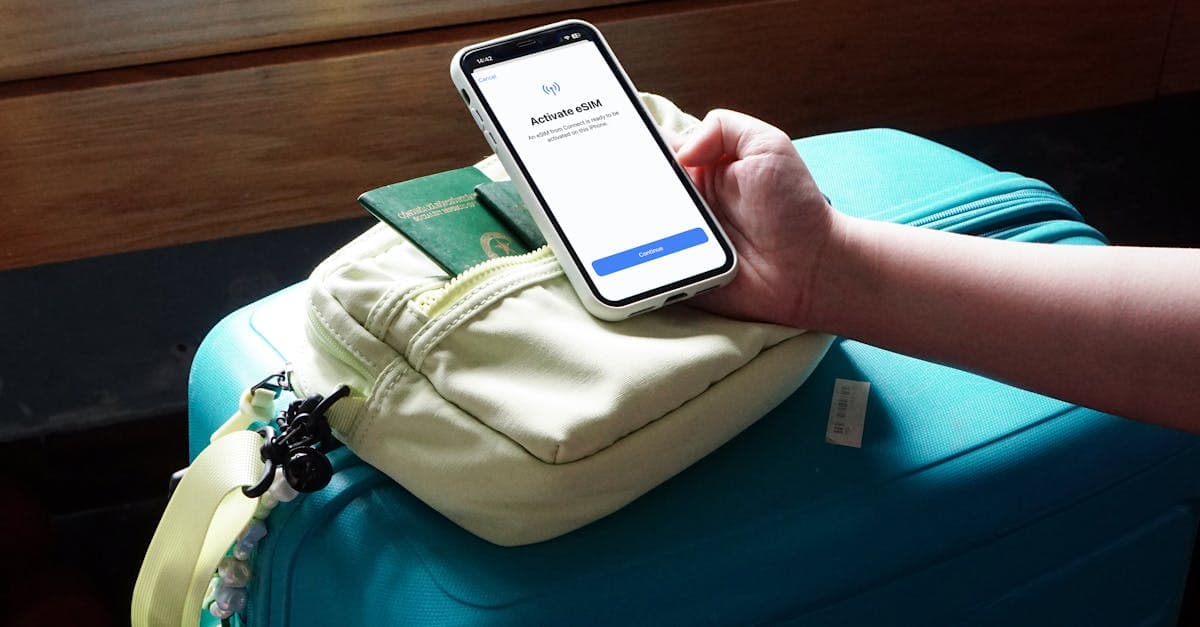
Activating a Turkey eSIM takes around five minutes, provided your confirmation email is already in your inbox. The whole process runs through your phone's native settings, with no app installation required and no physical card to handle.
Buy the plan before you travel. At least 24 hours before departure is sensible, though most providers process orders within minutes. The lead time matters because if anything needs resolving, you want to sort it from home rather than in a departure lounge with 40 minutes on the clock.
Your confirmation email contains a QR code. Open it on a laptop or a second device, not on the phone you're activating the eSIM on.
You cannot scan a QR code displayed on the screen you're using to scan.
On iPhone: go to Settings, then Mobile Data, then Add eSIM. Tap 'Use QR Code', point the camera at the code, and the carrier profile downloads in under a minute.
On Android: the path varies slightly by manufacturer, but Settings, then Connections, then SIM Manager, then Add eSIM covers most models. Some Pixel and Samsung handsets show 'Download a SIM' as the option instead.
Once installed, name the new line 'Turkey Data'. A clear label prevents confusion when your phone prompts you to choose a line mid-trip. Then set the Turkey eSIM as your default data line and leave the UK SIM active for calls and texts. Your British number stays reachable. Bank verification texts still arrive as normal.
Activate before boarding if the airline offers in-flight Wi-Fi, or wait until you land. Either way, data is live before the luggage carousel starts moving. Your phone registers on the Turkish network while you're still walking the arrivals corridor, Google Maps already pulling in the route to your hotel. The Istanbul arrivals hall is loud and the queues are long; none of that matters when you've already got a signal.
Before you tap purchase, one question reliably stops travellers mid-checkout.
Is a Turkey eSIM legal for UK visitors?

No, eSIMs are not illegal in Turkey for tourists. International eSIM plans bought from foreign providers are fully legal for visitors staying under 120 days. The confusion stems from Turkey's IMEI device registration rules, which apply to residents and long-term visitors purchasing domestic SIM cards, not to holidaymakers on a standard package trip thegonegoat.com.
Turkey's telecommunications regulator, the BTK (Bilgi Teknolojileri ve İletişim Kurumu), requires domestic mobile users to register their handsets after an initial grace period. An unregistered phone using a locally-issued SIM can be blocked from Turkish networks. The rule exists to curb grey-market device imports and applies to anyone settling in Turkey long-term.
Foreign visitors using internationally-issued eSIM plans sit outside the BTK's registration framework entirely. You're not buying a Turkish SIM. You're activating a foreign-issued plan that routes data through Turkish network infrastructure.
Those are legally distinct.
Buying a domestic Turkish eSIM directly from Turkcell, Vodafone TR, or Türk Telekom does involve stricter requirements, including passport registration in-store. That's a clear-cut difference from purchasing an international plan online before departure, which requires no in-country paperwork at all.
For UK tourists, the practical conclusion is sound: a Turkey eSIM bought from an international provider carries no legal risk. No registration required, no dodgy workarounds, no risk of your data connection being blocked mid-holiday because your phone failed a compliance check.
Legality is settled. The practical question remains: is an eSIM actually worth arranging for Turkey?
Is it worth getting an eSIM for Turkey?

For most UK travellers, yes. Turkey sits outside the EU, which means every major UK carrier charges a roaming add-on, no exceptions. There's no automatic inclusion in your monthly plan. You either pay the daily rate or sort an eSIM before you fly.
The activation logic is simple. Buy before you pack, scan the QR code at home, land with data already live. No SIM kiosk queues past passport control. No fumbling with a tray tool in the back of a taxi while the driver waits.
Two scenarios make an eSIM optional, though.
A stopover of one or two nights where the hotel offers reliable Wi-Fi is one. If you're not navigating, not posting, and largely stationary, a data plan may not earn its keep. The other: check your existing carrier bundle first. Three's Feel At Home explicitly excludes Turkey travellingweasels.com. EE's Roam Abroad and Vodafone UK's Roam Further both cover it at the daily add-on rates detailed earlier. If your specific carrier cost for your trip length works out lower than a comparable eSIM plan, use it.
For anything from a four-day city break to a two-week beach holiday, the savings against UK carrier daily rates are substantial, as the previous section showed. Your eSIM provider's pricing is fixed upfront, with no mid-trip billing surprises and no automated renewals you didn't notice. That predictability is worth something when you're working through a time-sensitive itinerary and need your data budget to behave.
For most UK travellers heading to Turkey, a dedicated eSIM plan is worth arranging. The next section covers how to pick the right one.
Which eSIM is best for Turkey?

The best Turkey eSIM routes data through Turkcell or Vodafone TR, the two operators with the broadest tourist footprint across Istanbul, Cappadocia, Antalya, and Bodrum. Türk Telekom fills in rural gaps, particularly on Band 20 at 800MHz, so plans drawing on all three operators give the most complete coverage travellingweasels.com.
Three practical filters narrow the field quickly:
- Throttling on unlimited tiers. Some budget unlimited plans drop to near-unusable speeds after the first gigabyte. Read the fair-use policy before purchasing, not after landing in Atatürk.
- Validity period. Match it to your trip exactly. A 7-day plan on an 11-day itinerary means a top-up scramble mid-holiday, often at a worse rate.
- Data volume. A short city break sits comfortably on a budget allowance. A full week or multi-city tour justifies a mid-range plan for better value per gigabyte.
Key fact: HelloRoam's Turkey plans operate on Türk Telekom's network with 4G and 5G support, routing data through the same infrastructure used by domestic subscribers across the country.
Transparent pricing from the entry-level rate noted in the opening section, 24/7 customer support, and no billing adjustments mid-trip make it a solid option for a destination where carrier surprises are the norm.
Confirm hotspot support is included before you buy, particularly if you're travelling with others. Some plans restrict tethering or cap it separately. That's the one detail most people check only after they needed it.
Once those boxes are ticked, your Turkey eSIM is ready to install, and you can be live on the network before your bag comes off the carousel.
eSIM for Turkey
Reviewed by HelloRoam's editorial team. Last updated: 19 April 2026.
Get Connected Before You Go


Frequently Asked Questions
International eSIM plans from reputable providers offer the best value for UK tourists visiting Turkey. Plans start from $2.49 for 2GB of data, with 6 plan sizes available to suit trips from a short city break to a two-week multi-city itinerary. Look for providers running on 5G-capable Turkish network infrastructure with coverage across Istanbul, Cappadocia, and the coast.
Yes, for most UK travellers. Turkey sits outside the EU, so UK carriers charge daily roaming bolt-ons with no automatic plan inclusion. A Turkey eSIM costs £10-£22 for one to two weeks, compared to £35 or more in UK carrier daily charges for the same trip. You activate before flying and land with data already live — no SIM kiosk queues required.
No, eSIMs are not illegal in Turkey for tourists. International eSIM plans purchased from foreign providers are fully legal for visitors staying under 120 days. Turkey's device registration rules apply to residents buying domestic SIMs, not to holidaymakers using internationally-issued eSIM plans. No in-country paperwork or registration is required.
An international eSIM plan is the most convenient option for tourists. Plans start from $2.49 for 2GB, activate via QR code before departure, and run on Turkey's national 5G network infrastructure. No airport kiosk visit, no passport registration, and no physical card to handle. UK tourists staying under 120 days need no additional paperwork.
Turkey eSIM plans start from $2.49 for 2GB of data. Mid-range plans of 3-5GB typically cost £7-£15, while 10GB plans run £16-£22. Unlimited plans range from £16-£45 depending on validity period. With 6 plans available, there is an option to suit most trip lengths and data habits.
Buy your plan at least 24 hours before departure. Open the QR code from your confirmation email on a laptop or second device. On iPhone, go to Settings, Mobile Data, Add eSIM, then scan the code. On Android, go to Settings, Connections, SIM Manager, then Add eSIM. The profile installs in under a minute. No app installation is required.
iPhone XS (2018) and later, Samsung Galaxy S20 series and newer, and Google Pixel 4 and later all support eSIM. On iPhone, go to Settings, General, About — if Available SIM appears, your device is ready. Check your handset is not carrier-locked by contacting your UK network, as locked devices cannot install international eSIM profiles.
5GB suits most travellers for a one-week trip to Turkey. It comfortably covers daily Google Maps navigation, WhatsApp messaging, and social media browsing, with hotel Wi-Fi handling evening use. Only frequent video calls or mobile streaming would push you towards a 10GB or unlimited plan, as video consumes roughly 1GB per hour.
A 3-4 day Istanbul city break needs around 2-3GB for most travellers. This covers Google Maps navigation between landmarks, WhatsApp messaging, email, and regular Instagram browsing without any rationing. Video calls or streaming on mobile data consume around 1GB per hour and will significantly increase your data usage.
A two-week multi-city trip covering Istanbul, Cappadocia, Izmir, and the coast requires 10GB or an unlimited plan. Consistent navigation, real-time photo sharing, and occasional video calls across a fortnight consume data faster than a static beach holiday. Streaming on mobile data during coach journeys between cities is the biggest single drain.
No UK carrier includes Turkey in standard monthly roaming allowances. Turkey is not an EU member state, so EU Roam Like Home rules have never applied there. EE, Vodafone UK, O2, and Three all require paid daily bolt-ons typically costing £3-£6 per day, which can total £35 or more for a one-week trip.
Turkey operates three national mobile networks — Turkcell, Vodafone Turkey, and Türk Telekom — all of which support eSIM and 5G. International eSIM plans route through this infrastructure, providing reliable coverage across Istanbul, Antalya, Bodrum, Cappadocia, and other major tourist destinations throughout the country.
Yes. Most modern smartphones support dual SIM, letting you run a Turkey eSIM for data alongside your UK SIM for calls and texts. Set the Turkey eSIM as your default data line and leave your UK SIM active in the background. Bank two-factor authentication texts and calls to your regular number continue to arrive as normal.
UK carrier daily bolt-ons for Turkey typically cost £3-£6 per day, totalling £35 or more for a one-week trip. A Turkey eSIM covering the same trip costs £10-£22. The realistic saving for a standard one-week holiday sits between £15 and £35, depending on your UK carrier and the eSIM plan selected.
Buy and install your Turkey eSIM at least 24 hours before departure. The profile installs at home over Wi-Fi and can be set to activate on arrival. This means data is live before you leave the arrivals corridor, with no need to find a SIM kiosk, queue at a counter, or connect to crowded airport Wi-Fi.
No registration is required for UK tourists using an internationally-issued eSIM plan. Turkey's BTK device registration rules apply to residents and long-term visitors purchasing domestic Turkish SIM cards, not to holidaymakers. Visitors staying under 120 days on an international eSIM plan face no compliance requirements and no risk of their connection being blocked.
Sources
- travel.vodafone.com — travel.vodafone.com
- Turkey — thegonegoat.com
- eSIM Turkey deals — uswitch.com
- The Best eSIM for Turkey: Airalo, Nomad, Holafly or Jetpac? — travellingweasels.com (2024)
- Best eSIM for Turkey (Türkiye): Top 5 plans for UK ... — wise.com