Singapore Packing List 2026: the Complete Guide to What to Bring, Skip, and Know

Written by: David Chen


15 min read
HelloRoam is a global eSIM provider offering instant mobile data in 170+ countries. Buy prepaid travel eSIM plans with no extra fees, no contracts, and instant activation on any eSIM-compatible device.
15 min read
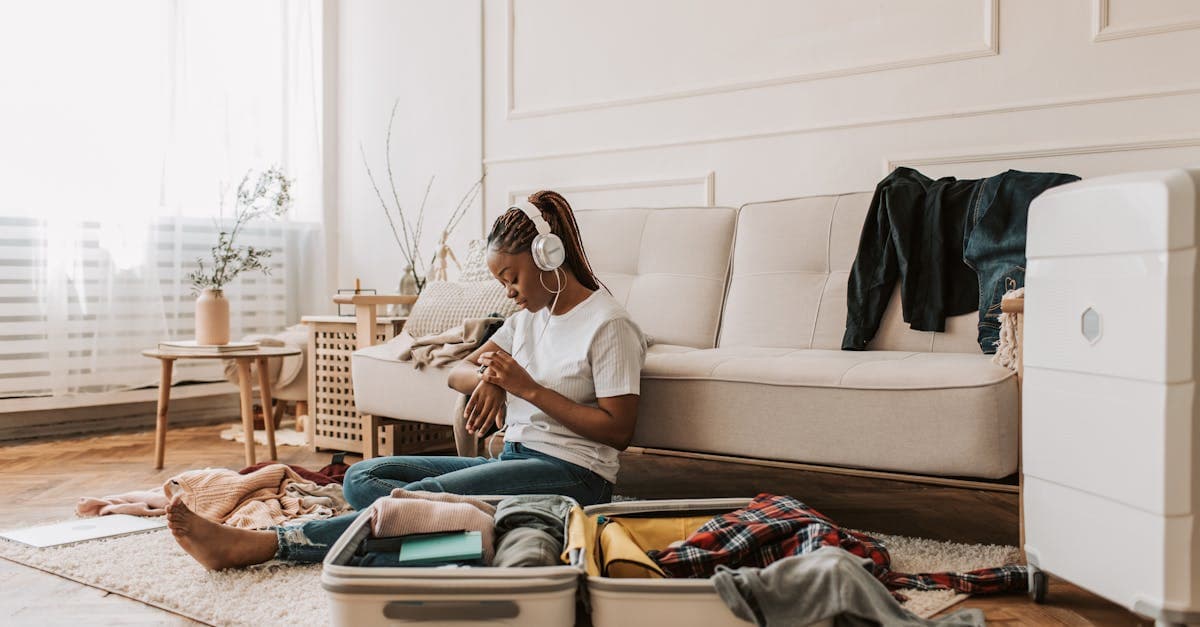
Singapore has no seasons. None at all. The same packing list that works for a January trip works identically for August, because temperatures stay between 26 and 34 degrees Celsius and humidity hovers at 70 to 90 percent every single day of the year. Most destinations reward you for timing your visit well. Singapore doesn't care when you show up.
Most visitors stay 3 to 5 nights, which changes the packing calculus considerably. A city-break profile means carry-on is viable, the checked baggage wait at Changi becomes optional, and you can move faster. But it also means every forgotten item costs more to replace than it would almost anywhere else in Asia. Singapore is one of the continent's priciest cities, and a replacement tube of DEET repellent or a packable jacket bought on Orchard Road will set you back more than if you'd simply packed it from home.
The three mistakes first-timers make consistently: packing for the outdoor heat and ignoring the indoor chill (Singapore's air conditioning is aggressive enough to function as cold storage), stuffing vapes into their luggage without realising that importing them is a criminal offence, and forgetting to complete the SG Arrival Card before flying. That's a digital form required by Singapore's Immigration and Checkpoints Authority, submitted within three days of arrival. Miss it and you're explaining yourself at the immigration desk.
Get those three things right and you're already ahead of most people in the arrivals hall.
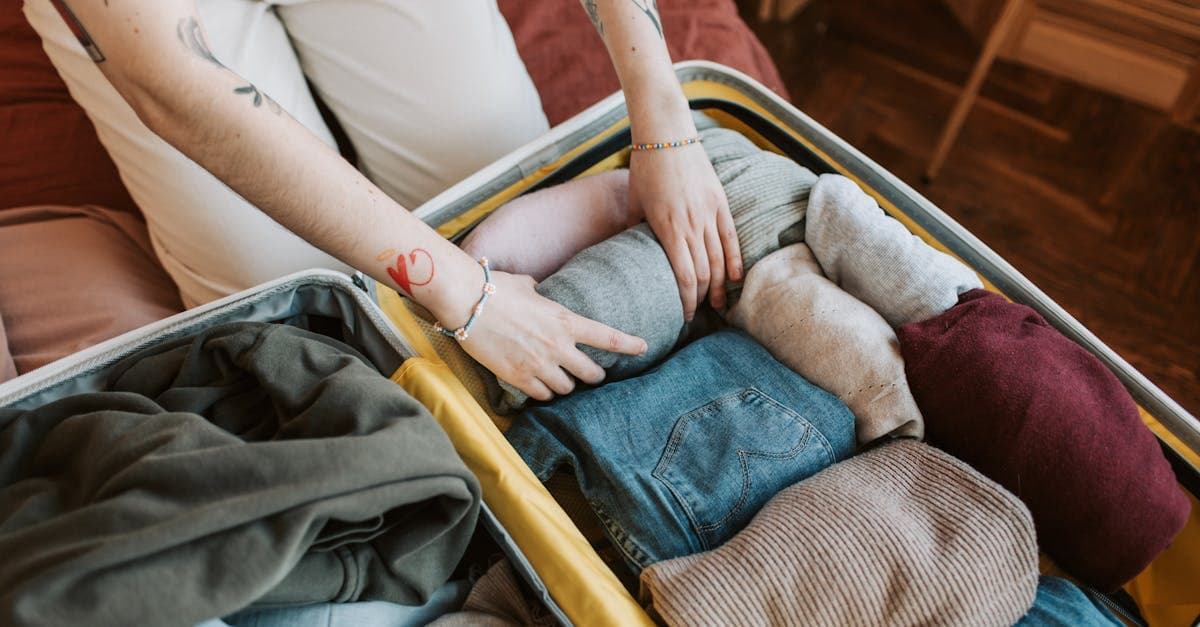
Singapore's indoor air conditioning routinely drops temperatures to 18 to 22 degrees Celsius, cold enough to require a warm layer alongside your breathable outdoor clothes. Step outside and it hits you immediately: thick heat, 30-plus degrees, air so humid it feels like wearing a warm towel. Step into any mall, MRT carriage, restaurant, or hotel lobby and the temperature changes instantly. That's colder than a mild British autumn.
This isn't occasional. Travellers who track their days honestly tend to find they spend roughly half their time (sometimes more) in aggressively cooled indoor environments. The Marina Bay Sands lobby, a hawker centre food court, the National Museum, a taxi flagged down at dusk: all refrigerated.
The fix is a warm-cool packing split. Bring lightweight, breathable clothes for the outdoor heat, plus one packable layer for every indoor environment. A thin cardigan, a compact travel scarf, or a lightweight packable jacket all work. The layer doesn't need to be heavy. It needs to exist.
Moisture-wicking fabrics are the connective tissue here. They handle the sweaty ten-minute walk between air-conditioned venues and dry quickly when you duck back inside. Linen and bamboo blends perform well outdoors; moisture-wicking synthetics cover both ends. Travel forums consistently rank forgetting the indoor layer as the most common first-timer packing regret for Singapore. It's a simple fix for a problem that otherwise trails you around for five days straight.
Forget cotton. In 85 to 90 percent relative humidity, a cotton t-shirt turns into a damp second skin within twenty minutes of stepping outside. Linen breathes and dries fast. Bamboo blends feel comfortable against sweat-prone skin. Moisture-wicking synthetics designed for travel handle both the outdoor heat and the indoor chill without retaining odour or bulk.
Shorts and light dresses are perfectly acceptable across the city, including most restaurants and casual bars. Jeans are possible but notoriously slow to dry after rain or perspiration, and Singapore averages around 178 rainy days per year, making afternoon downpours a near-daily fixture. Lightweight chinos or travel trousers pack smaller, dry faster, and look sharp enough for smarter venues.
On that note: a compact packable umbrella or a thin rain jacket belongs in your packing list without exception. Afternoon rain in Singapore arrives fast and leaves fast, but fast is still enough to soak through if you're caught in the open.
Footwear should prioritise comfort and rain-resilience. A full day of sightseeing covers 5 to 15 kilometres on foot, and Singapore's streets get slick when wet. Slip-ons are practical for temple visits, where shoes come off multiple times on any serious cultural itinerary. Pack at least one smart-casual outfit for rooftop bars and upscale restaurants: some enforce dress codes at the door, and flip-flops won't get you past the host.

Shoulders and knees covered. That's the rule, and it applies across faiths. Hindu temples including Sri Veeramakaliamman in Little India and Sri Mariamman on South Bridge Road, Buddhist sites such as the Buddha Tooth Relic Temple in Chinatown, and Sultan Mosque in Kampong Glam all require modest dress before entry. Singapore has four active religious communities, and most itineraries move between sites from different traditions within the same afternoon.
Remove your shoes before entering Hindu and Buddhist temples. This is enforced without exception. If your footwear takes thirty seconds to unlace, you'll feel that friction acutely by your third temple visit. Slip-ons, as flagged in the clothing section above, save real time here.
Sarongs are available on loan at most major entrances, so you won't be turned away for forgetting. But the loan queue moves slowly during busy periods, and the fabric passes through many hands daily. Bringing your own is cleaner. A single lightweight scarf, folded flat in a day bag, handles every dress code situation you'll encounter across all four faith traditions without adding meaningful weight to your carry-on.
That scarf is, genuinely, the most versatile item in a Singapore packing list. Drape it over your shoulders at a temple entrance, wrap it around your waist as a sarong, pull it over your arms in an overcooled restaurant. One piece of fabric covers most of your cultural access for the entire trip.
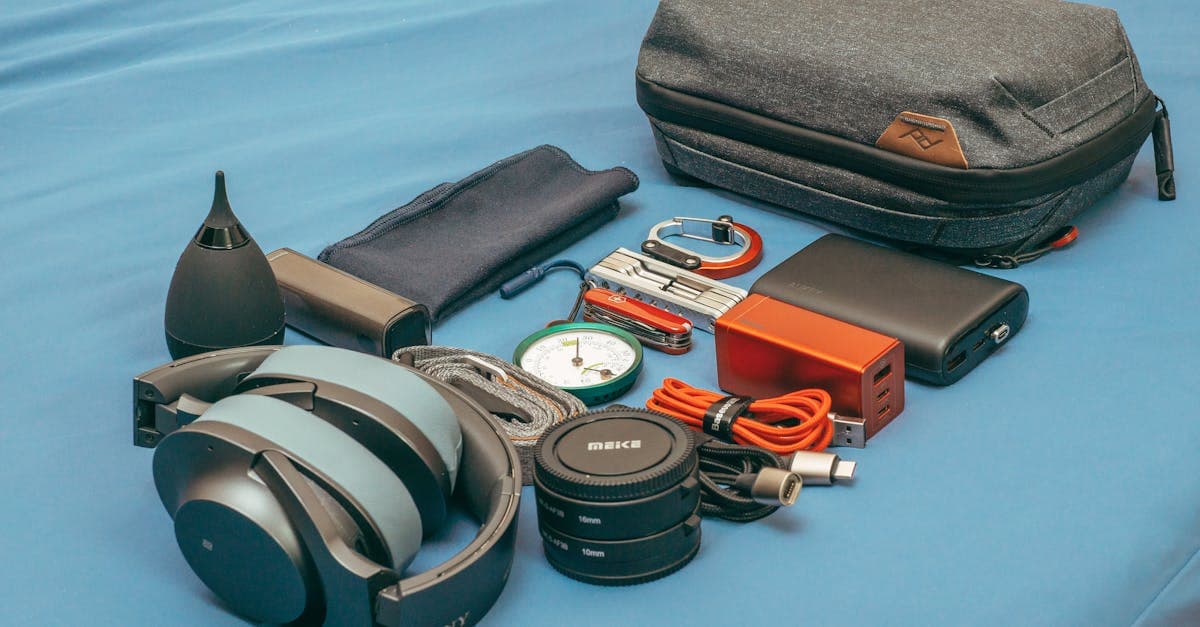
Dengue fever isn't a footnote on Singapore's travel advisory. It's an active public health issue, with outbreak clusters tracked weekly by the National Environment Agency and hotspots appearing across residential areas throughout the year. Pack DEET-based repellent at 20 to 30 percent concentration. Lower strengths don't hold up reliably in Singapore's heat, and bringing it from home costs considerably less than buying it at a Changi pharmacy on arrival.
Sunscreen matters here in a way it doesn't in most city destinations. Singapore's UV index regularly hits 11 to 12, firmly in the extreme classification. SPF 50 or higher is the baseline, and reapplication every two hours applies any time you're spending serious time outdoors. The overcast sky is a genuine trap. Clouds don't block UV at these latitudes, and a grey afternoon can burn just as effectively as full sun.
Good news on water: Singapore's tap supply meets World Health Organization drinking standards. You can drink straight from any hotel tap, which means the filter and purification tablets can stay home entirely.
Most toiletries are easy to source if you forget something. Guardian and Watsons pharmacies operate across the city and have branches inside Changi Airport. Prices run above what most visitors pay at home, so the case for packing your own is stronger than it sounds.
Prescription medication is the one area where improvising on arrival genuinely doesn't work. Singapore's Misuse of Drugs Act covers a wider range of substances than most visitors expect: certain cold and flu remedies, common sleeping pills, and standard prescription painkillers can fall under controlled categories. Every prescription item needs to be in its original packaging, accompanied by a doctor's letter detailing condition and dosage. The Health Sciences Authority maintains a public list of controlled substances. Check it before you pack, not at the immigration counter.

Importing a vape or e-cigarette into Singapore is a criminal offence. Fines reach SGD 10,000 and prosecution is possible. This isn't a grey area where a device gets confiscated and you're waved through. The ban has been in force since 2018 and is actively enforced at the border. Leave every device, pod, and cartridge at home.
Chewing gum is more nuanced than the international headlines suggest. Selling gum is illegal in Singapore. Bringing a small personal supply for your own consumption is technically permitted under current regulations. You just won't find any to buy once you arrive.
Durian is a different kind of restriction. The fruit itself isn't banned. You'll see it at hawker centres and outdoor markets, and it's worth trying once. What you can't do is bring it onto the MRT or into most hotels and taxis. Eat it where you buy it, and don't attempt the commute home with a bag of fresh pods.
Medications containing codeine, tramadol, diazepam, or certain stimulants are controlled under the Misuse of Drugs Act. The same legislation that governs serious drug offences applies to undeclared controlled medicines at the border. A valid prescription and accompanying doctor's letter are your protection. Without documentation, you're relying on customs discretion, which isn't a position worth being in.
Pornographic material and anything Singapore authorities classify as obscene or seditious is prohibited, with definitions that run broader than most Western jurisdictions.
Failing to declare restricted items at the border isn't treated as an administrative oversight here. Fines are real, confiscation is standard procedure, and for vapes and controlled drugs in particular, criminal charges are a genuine outcome rather than a worst-case scenario.
Power adapters first, because this one's easy to get wrong. Singapore uses UK-style Type G sockets (3-pin, 230V). If your devices run on a US two-pin, European round-pin, or Australian angled plug, you need a physical adapter. Most modern electronics handle 230V automatically, so a voltage converter usually isn't necessary. Just the plug. Pack one before you leave. Affordable adapters are harder to track down in Singapore than you'd expect.
Singapore consistently places in the global top five for mobile performance. Average download speeds across the island sit between 200 and 350 Mbps, according to Ookla Speedtest 2025 rankings. Navigation, streaming, and video calls all run without friction. The infrastructure is genuinely world-class.
For data, three practical routes exist. Physical SIM cards from Singtel, StarHub, M1, and various MVNOs (mobile virtual network operators) are sold at arrival halls across all four Changi terminals. An eSIM can be purchased and activated before departure. Carrier roaming on your home plan works, but the costs add up quickly.
The government's Wireless@SG network covers more than 5,000 hotspots including MRT stations and public libraries. It's free, but requires a one-time registration step, and outdoor areas including hawker centres have consistent gaps in coverage. Navigating a full day independently with Google Maps, booking rides on Grab, and finding restaurants on the fly isn't workable on public WiFi alone.
Multi-stop itineraries are where roaming charges become genuinely painful. Combining Singapore with Kuala Lumpur or Bali is common. Carrier roaming is typically billed per country, and costs across that kind of short multi-destination trip can reach USD 50 or more. A regional data plan covering Southeast Asia as a single package is a significantly more sensible way to budget the connectivity side of the trip.
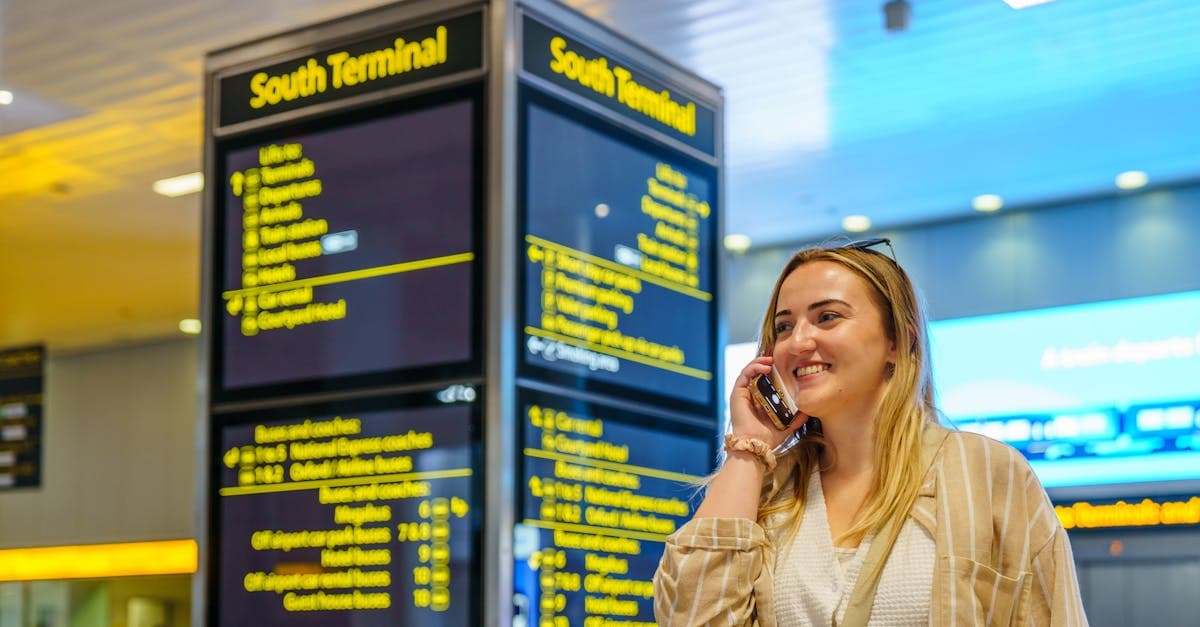
An eSIM is a digital SIM purchased and activated before departure, connecting your phone to Singapore's network automatically on landing with no queue, no passport check, and no waiting at airport desks. The physical SIM desks in Changi's arrival halls can build queues of 20 to 40 minutes during peak arrival windows. After a long-haul flight, with a hotel check-in or an onward connection counting down, that's a real cost in time and composure.
An eSIM cuts around all of it. You purchase and activate the plan before you leave home. Your phone connects to Singapore's network automatically on landing, which means you're navigating from immigration through baggage claim to the taxi stand without touching a data setting.
Hello Roam offers Singapore eSIM plans starting at $1.76 for 1GB (7-day validity), with options scaling to $7.04 for 5GB (30 days), $34.00 for 50GB (30 days), or $20.35 for unlimited data across a 7-day window. Plans run on Singtel and StarHub networks, both of which provide 5G coverage across the island. For travellers extending into Southeast Asia, Hello Roam's regional coverage includes destinations like Bali, Bangkok, and Kuala Lumpur on the same plan, which removes the need to source a new SIM each time you cross a border.
Physical SIMs at Changi remain genuinely competitive on data-per-dollar for heavy users. SGD 10 to 30 covers 10 to 100GB, and that's solid value. The trade-off is the queue, the passport check, and the fact that it all happens at the end of a long flight before you've reached the city. For a short trip where the goal from the moment you clear immigration is to start exploring, the friction-free option wins on most measures.
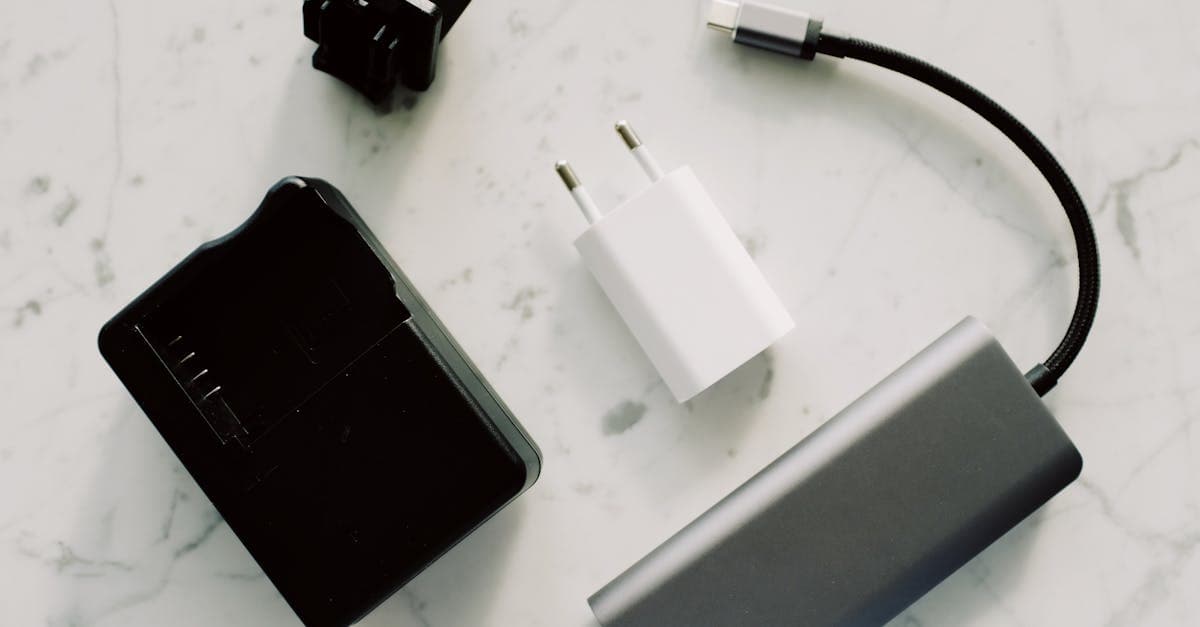
Singapore runs on Type G sockets: the same three-pin rectangular plugs you'd find in the UK, Hong Kong, and Malaysia. If your kit already includes a UK plug, you're sorted. Everyone else needs an adapter.
The voltage is 230V at 50Hz. Almost every modern laptop, phone charger, and camera battery pack is rated 100 to 240V and handles this automatically. The confirmation is printed on the power brick itself: look for "Input: 100-240V." Those devices need only a plug adapter, nothing more.
The exception is older single-voltage appliances. Some North American hair dryers and curling irons are built for 120V only. Plug one into a Singaporean socket without a voltage converter and you'll destroy the appliance in seconds. Check the rating before you travel.
Type G adapters are available in the Changi arrivals halls for SGD 5 to 15. That's a reasonable fallback if you forget, not a reason to skip packing one from home, where they typically cost less.
One genuinely useful detail: most four-star and above hotels in Singapore have USB-A and USB-C ports built into bedside units. For phone charging, you may never need to touch a wall socket at all.
Pack the adapter. Leave the voltage converter panic to North American travellers carrying 2003-era hair tools.
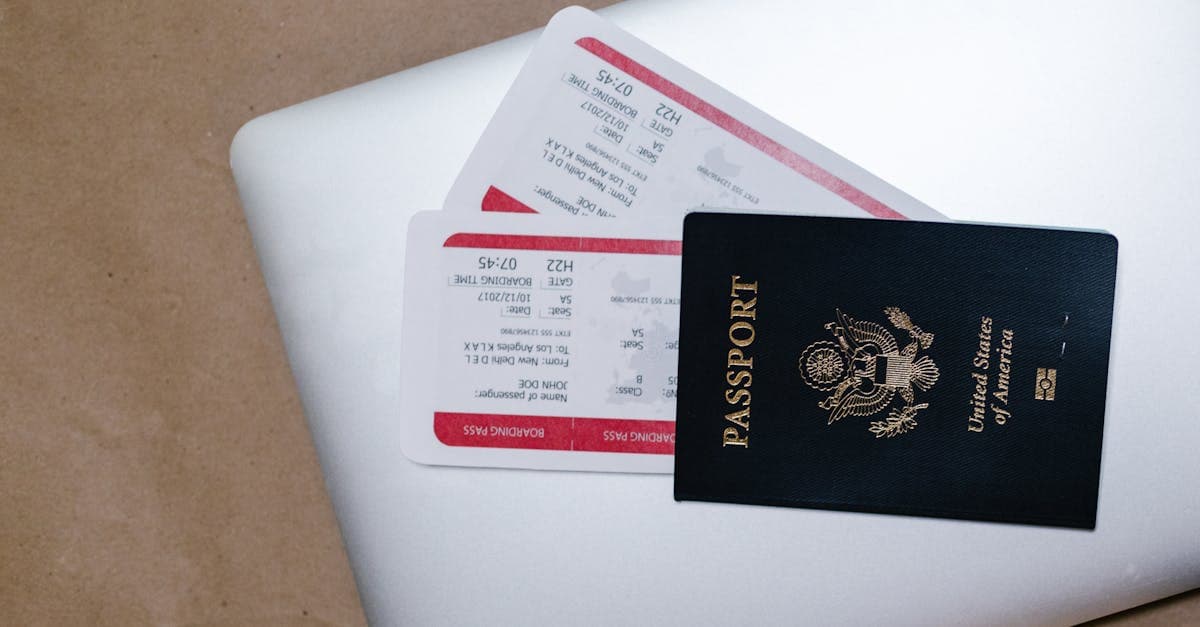
Singapore entry requires a valid passport with at least six months' remaining validity beyond your arrival date, a completed SG Arrival Card submitted online within three days before arrival, and visa confirmation for your nationality. Your passport's expiry date matters more than most travellers expect: Singapore immigration enforces the six-month validity rule strictly, and airlines deny boarding before you reach the gate. Check it now.
The SG Arrival Card (SGAC) is the catch that trips people up most often after the passport. This digital form must be submitted via the ICA website within three days before arrival. It takes around five minutes to complete. Skip it and you face delays at immigration.
Visa requirements: Singapore is visa-free for over 90 nationalities, with permitted stays ranging from 30 to 90 days depending on your passport. The ICA website provides a nationality-specific checker to confirm your allowance before you travel.
Travel insurance isn't legally required for entry. But a single night as an inpatient at a private hospital in Singapore can cost SGD 1,000 or more. That figure makes a comprehensive policy straightforward to justify.
Immigration officers sometimes ask for hotel booking confirmation and evidence of an onward flight. Keep both accessible on your phone, not buried in your email archive.
Before departure, photograph your passport's photo page, insurance policy number, emergency contacts, and hotel address, then save everything to a cloud folder reachable without mobile data. Lost documents in an unfamiliar city are solvable. Lost documents with no backup at all aren't.
Yes. Unequivocally.
Singapore's typical three to five night stay is exactly the trip length that rewards packing light. Add the city's compact MRT-connected layout, where you're rarely dragging bags more than a few hundred metres, and the case for carry-on only becomes obvious.
The strategy centres on three to four mix-and-match base pieces in moisture-wicking fabric, compression packing cubes to reclaim volume, and the realistic expectation that you'll wear things twice. Singapore's humidity means you'll want to rinse light synthetics overnight anyway, which keeps the load manageable.
Laundry isn't an obstacle. Most hotels offer same-day service, and self-service laundromats are common across tourist neighbourhoods including Bugis, Little India, and Tiong Bahru. You're not compromising on comfort.
Things to leave behind: bulky denim (heavy, slow to dry, unnecessary in this climate), more than two pairs of shoes, and full-size toiletries. Guardian and Watsons have branches at Changi itself and near virtually every central hotel in the city. Buy forgotten items on arrival.
Carry-on weight limits are relevant. Major long-haul carriers serving Changi, including Singapore Airlines, British Airways, Qantas, and Emirates, typically allow 7 to 10kg. A well-organised 25L to 30L bag fits comfortably within that.
Singapore is roughly 50km wide. There's no hiking, no beach-to-mountain gear shift, no reason for bulk. This is a city. Pack like it.

Singapore has no seasons. Temperatures stay between 26 and 34 degrees Celsius every day of the year, with humidity hovering at 70 to 90 percent. The same packing list works for January and August equally.
Singapore's indoor air conditioning routinely drops temperatures to 18 to 22 degrees Celsius, colder than a mild British autumn. Malls, MRT carriages, restaurants, taxis, and hotel lobbies are all aggressively cooled. A thin cardigan, compact travel scarf, or lightweight packable jacket is essential for every day of your trip.
Avoid cotton, which turns into a damp second skin within twenty minutes in Singapore's 85 to 90 percent humidity. Linen, bamboo blends, and moisture-wicking synthetics all perform well, handling both outdoor heat and indoor chill without retaining odour or bulk.
Yes. Singapore averages around 178 rainy days per year, making afternoon downpours a near-daily occurrence. A compact packable umbrella or thin rain jacket belongs on every Singapore packing list without exception.
Shoulders and knees must be covered at Hindu temples, Buddhist sites, and mosques across Singapore. You must also remove shoes before entering Hindu and Buddhist temples, so slip-on footwear is strongly recommended. Sarongs are available on loan at most major entrances, but bringing a lightweight scarf is cleaner and faster.
No. Importing a vape or e-cigarette into Singapore is a criminal offence. Fines reach SGD 10,000 and prosecution is possible. The ban has been in force since 2018 and is actively enforced at the border, so every device, pod, and cartridge must be left at home.
Selling chewing gum is illegal in Singapore. Bringing a small personal supply for your own consumption is technically permitted under current regulations, but you will not find any to purchase once you arrive.
No. While durian itself is not banned and is widely available at hawker centres and outdoor markets, you cannot bring it onto the MRT or into most hotels and taxis. You should eat it where you buy it.
Yes. Singapore's tap water meets World Health Organization drinking standards. You can drink straight from any hotel tap, so water filters and purification tablets are unnecessary.
Yes. Dengue fever is an active public health issue in Singapore, with outbreak clusters tracked weekly by the National Environment Agency. Pack DEET-based repellent at 20 to 30 percent concentration, as lower strengths do not hold up reliably in Singapore's heat.
Singapore's UV index regularly hits 11 to 12, which is in the extreme classification. SPF 50 or higher is the baseline, and reapplication every two hours applies when spending time outdoors. Overcast skies are a trap, as clouds do not block UV at these latitudes.
You can, but documentation is essential. Certain common medications including cold remedies, sleeping pills, and prescription painkillers are classified as controlled substances under Singapore's Misuse of Drugs Act. Every prescription item must be in its original packaging accompanied by a doctor's letter detailing the condition and dosage.
Singapore uses UK-style Type G sockets with three pins at 230V. US two-pin, European round-pin, and Australian angled plugs all require a physical adapter. Most modern electronics handle 230V automatically, so a voltage converter is usually unnecessary.
The SG Arrival Card is a digital form required by Singapore's Immigration and Checkpoints Authority and must be submitted within three days before arrival. Failing to complete it means explaining yourself at the immigration desk. It is one of the most commonly overlooked pre-departure steps for first-time visitors.
Prioritise comfort and rain-resilience, as a full day of sightseeing covers 5 to 15 kilometres on foot and streets get slick when wet. Slip-ons are practical for temple visits where shoes must be removed multiple times. Pack at least one smart-casual option, as some rooftop bars and upscale restaurants enforce dress codes at the door.
Singapore consistently ranks in the global top five for mobile performance, with average download speeds between 200 and 350 Mbps according to Ookla Speedtest 2025 rankings. Navigation, streaming, and video calls all run without friction. The government's free Wireless@SG network covers over 5,000 hotspots, but has consistent gaps outdoors including at hawker centres.
An eSIM can be purchased and activated before departure, connecting your phone to Singapore's network automatically on landing with no queue or waiting at airport desks. Physical SIM desks at Changi arrival halls can build queues of 20 to 40 minutes during peak windows. For multi-destination trips combining Singapore with other Southeast Asian countries, a regional eSIM covering multiple countries as a single package is more cost-effective than per-country carrier roaming.
Yes. Most visitors stay 3 to 5 nights, making carry-on viable and allowing you to skip the checked baggage wait at Changi Airport. The trade-off is that any forgotten item is expensive to replace, as Singapore is one of Asia's priciest cities.
The three most common mistakes are packing only for outdoor heat and ignoring the aggressive indoor air conditioning, bringing vapes or e-cigarettes which are a criminal offence to import, and forgetting to complete the SG Arrival Card before flying. Forgetting an indoor warm layer is consistently ranked as the top first-timer packing regret on travel forums.
Pack at least one smart-casual outfit for rooftop bars and upscale restaurants, as some enforce dress codes at the door and flip-flops will not get you past the host. Shorts and light dresses are acceptable across most of the city including casual restaurants.
HelloRoam: your trusted travel eSIM that keeps you online across borders.
Explore Plans