Cheap Flights From Singapore: the Complete 2026 Guide to Budget Travel

Written by: David Chen


13 min read
HelloRoam is a global eSIM provider offering instant mobile data in 170+ countries. Buy prepaid travel eSIM plans with no extra fees, no contracts, and instant activation on any eSIM-compatible device.
13 min read

Timing beats almost everything. Book in the right month and you can find cheap flights from Singapore for SGD 100 to 300 less than the exact same route at peak demand. Same airline, same seat, different price.
September, October, and early November are the year's sweetest stretch. Fares sit in the trough between the post-summer lull and Christmas, demand drops, and airlines actually compete again. Most destination categories benefit: Southeast Asia, Japan, Korea, and even long-haul routes to Europe.
Miss that window? Late January and early February work well too, once Chinese New Year travel clears out. March through April is also solid, particularly to Southeast Asia, where fares can stay quietly competitive until the school holiday creep begins.
Three periods to avoid. Chinese New Year in 2026 runs from around January 28 to mid-February, and prices spike well before the holiday itself. June school holidays push fares upward across nearly every popular route. Mid-December to early January is the priciest stretch of the calendar year.
On lead times: Asia-Pacific routes reward booking six to ten weeks out. For Europe and the US, three to five months of runway is what you need. Book shorter than that and you're competing with everyone else in the same last-minute scramble.
There's also the opposite strategy. Scoot and Jetstar drop last-minute fares within 48 to 72 hours of departure, most consistently on Tuesday and Wednesday flights. These deals are real. The catch is unpredictability, which works fine if your travel dates are flexible.
September through November is the cheapest period for flights from Singapore across most destination categories, with February through April as the second-best window. A month-by-month breakdown covers the full picture.
January splits in two. The first fortnight delivers reasonable fares on most routes. After that, Chinese New Year demand takes over and prices jump: book late-January travel well in advance, or sidestep the holiday window entirely.
February through April is the post-CNY trough, one of the year's best stretches for value travel. Bangkok, Bali, and Ho Chi Minh City see some of their lowest fares here, and there's no real pressure to book far out.
Fares start climbing in May. The June school holiday peak hits family-friendly routes hardest. Book early or shift your dates to early May or mid-July to sidestep the worst of it.
August quietens down on most routes. Japan and Korea attract good deals for travellers who plan ahead, without leaving things to the last minute.
September through November is the most consistently cheap window of the year across nearly all destination categories. Demand drops, fares follow, and the variety of deals is broader than any other period.
December holds value for the first two weeks, then prices increase steeply from around the 15th onward.

Changi Airport handles around 30 to 35 percent of its departures on low-cost carriers, according to Changi Airport Group figures. That's a lot of competition, and you feel it in the fares on popular routes.
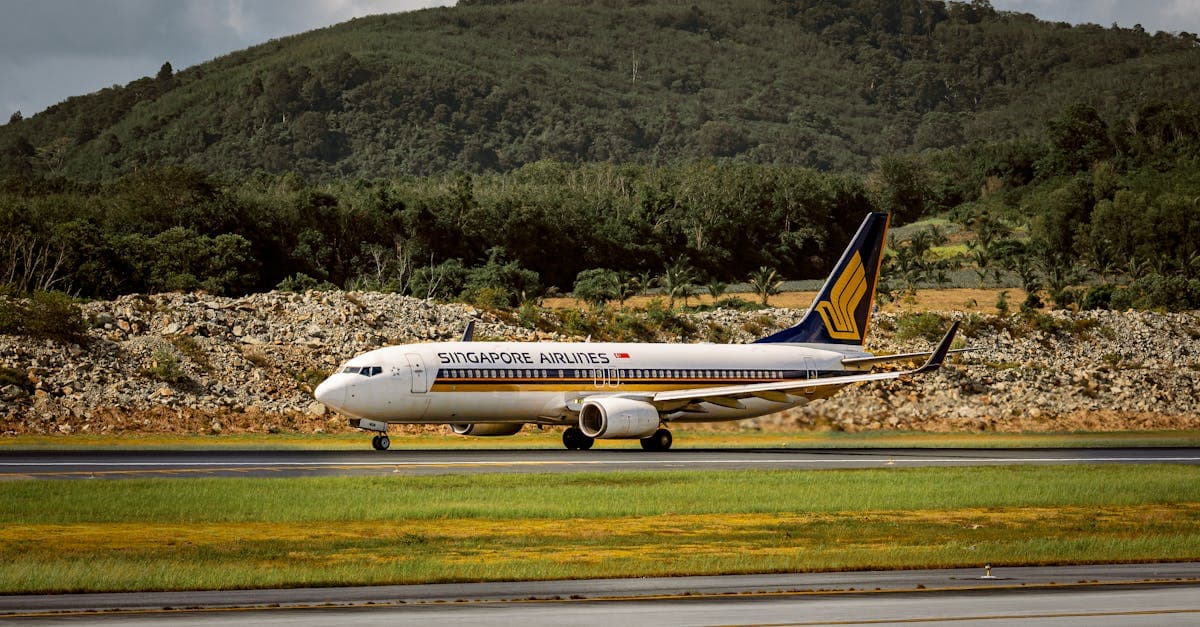
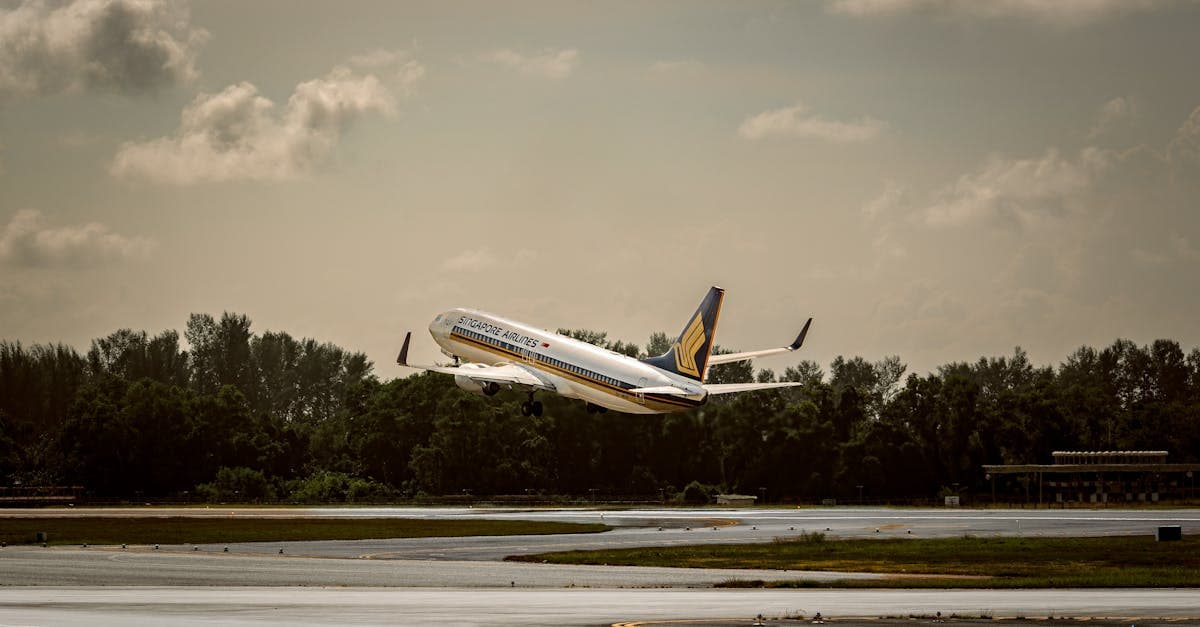
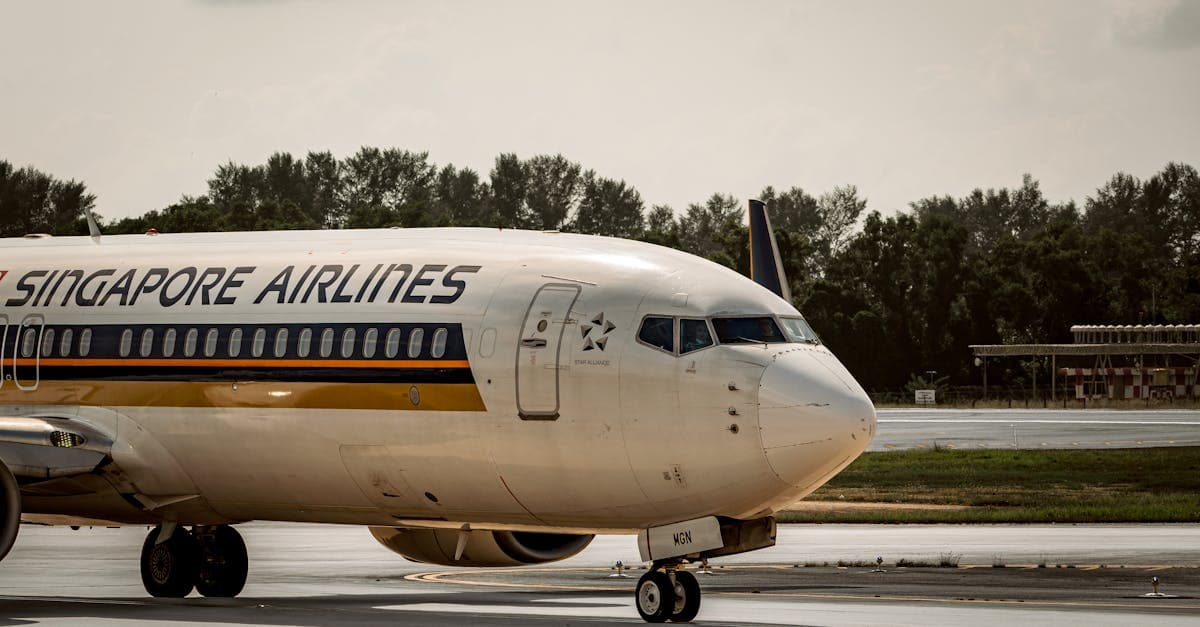
Scoot is the standout for network breadth. Operating from Terminal 1, this Singapore Airlines subsidiary flies to 60-plus destinations: Southeast Asia, Northeast Asia, India, Australia, Greece, and Germany. The Athens and Berlin routes are uncommon for a budget carrier. No other low-cost airline operates nonstop flights from Singapore to mainland Europe.
Jetstar Asia, the Qantas subsidiary also at Terminal 1, is particularly strong on Japan and Korea. It interlines with Qantas for Australia routes, which can generate competitive all-in fares that rival full-service pricing on certain itineraries. Worth checking if you're routing to Sydney or Melbourne.
Then there's Terminal 4. AirAsia and AirAsia X route passengers via Kuala Lumpur from T4, unlocking a wide secondary network across Southeast Asia and beyond. T4 is physically separate from the main terminal complex, with no direct link to Jewel Changi. If you haven't used it before, budget extra time for the bus transfer between terminals.
Other carriers running meaningful Singapore schedules include Batik Air, Cebu Pacific, Lion Air, VietJet Air, IndiGo, and Peach Aviation, covering Indonesia, the Philippines, Vietnam, India, and Osaka respectively.
For anyone hunting cheap flights from Singapore across a range of destinations, the low-cost network at Changi offers more options than almost any other Asian hub.
On routes where both carriers compete, fares rarely diverge by more than SGD 10 to 30. The gap depends on sale timing, not any structural pricing difference between the two airlines.
Where they actually differ is network scope. Scoot covers long-haul routes to Europe and Australia that Jetstar Asia doesn't serve from Singapore. Want a nonstop to Athens on a low-cost ticket? Scoot is the only option. Jetstar Asia focuses on shorter Asia-Pacific sectors, with particular depth on Japan and Korea.
For deals, both carriers run weekly promotions with real discounts. Scoot's "Fly!" newsletter drops every Thursday, with flash sales regularly running 40 to 60 percent below published fares, typically valid for near-term travel. You can subscribe directly on the Scoot website. Jetstar's weekly deal releases have historically included base fares as low as SGD 9 one-way to Kuala Lumpur. That's the advertised floor: add-ons shift the final number considerably.
Those add-ons are the thing to watch on both carriers. Checked baggage, seat selection, and meals all cost extra. A base-fare comparison between the two will mislead you. Build the all-in price for each option, based on what you actually need, before making a call.
Both airlines price their own websites lower than any third-party aggregator to avoid paying OTA commission. Find the deal on Google Flights or Skyscanner, then complete the booking directly with the airline.

Kuala Lumpur is the starting point. It's also the cheapest short-haul option from Changi by a meaningful margin, the one route where a last-minute booking rarely costs you. Bali is the most popular budget short-haul option from Singapore for good reason: competition between Scoot and Jetstar keeps prices honest year-round, and the route runs at high frequency.
Bangkok offers two airports and two slightly different travel calculations. Suvarnabhumi (BKK) is closer to central Bangkok; Don Mueang (DMK) sometimes prices cheaper but sits further out. On a short stay, that extra transfer time matters. Over a week, it usually doesn't.
The table below covers the key routes with budget carrier floors and typical booking prices. For Northeast Asia and Australia, book three to four months ahead to access the lower end of what's available. For Southeast Asia, the sweet-spot typically opens up two to six weeks before departure.
All fares are return economy, taxes included, based on 2025/2026 market pricing.
For Manila, Cebu Pacific and occasional Philippine Airlines promotions are the carriers that consistently hit the budget floor. For Sydney, Jetstar's interline arrangement with Qantas is worth checking before you book each leg separately.

The cheapest ways to fly from Singapore to Europe are Scoot nonstop to Athens (SGD 450 to 750 return) and Turkish Airlines via Istanbul (SGD 620 to 950 return). Most travelers default to the full-service options instead.
Singapore Airlines nonstop to London Heathrow runs SGD 1,100 to 1,800 return. Thirteen hours each way, hard to fault on service. If price isn't the driving factor, it's the clean choice.
Routing through the Gulf cuts that fare by 25 to 40 percent, adding four to eight hours of travel time. Emirates via Dubai, Qatar Airways via Doha, and Etihad via Abu Dhabi all bring returns into the SGD 680 to 1,100 range. All three operate multiple daily departures from Changi, which gives real scheduling flexibility. If your European endpoint is beyond London, the Gulf carriers often connect onward with competitive through-pricing.
Turkish Airlines via Istanbul is the consistent cheapest option. Return fares run SGD 620 to 950, and total journey time stretches to 18 to 22 hours. It's a long day, but for a trip of two weeks or longer, the saving is real.
The route that gets almost no coverage: Scoot nonstop to Athens at 11 hours 45 minutes. Returns of SGD 450 to 750 make it the cheapest entry into mainland Europe from Singapore, and it's faster than any Gulf connection. Athens sits in the Schengen zone; cheap onward European flights connect from there, so your destination doesn't need to be Greece.
SriLankan Airlines via Colombo comes in at SGD 600 to 900 return. A lesser-known routing, but it can undercut the Gulf carriers during off-peak booking windows.
If any layover runs beyond eight hours, add a transit hotel to the total before declaring a winner. A SGD 100 airport room shifts the arithmetic considerably.

Five tools handle most of the searching. The skill is knowing what each one does well and where it drops off.
Google Flights is strongest for flexible-date searching. The calendar view shows how prices vary day by day on any route; mid-week departures often price below weekend ones on popular corridors. One limitation: Scoot and AirAsia fares don't always surface directly in Google Flights results. Cross-check any fare on the airline's own site before booking.
Skyscanner's "Everywhere" destination search and month-view cheapest-day calendar work well for travelers who haven't fixed a destination yet. The price shown in Skyscanner's results frequently differs from the total at OTA checkout. Use it for discovery, then book elsewhere.
Kayak's Hacker Fares feature identifies split-ticketing combinations that occasionally undercut any single-carrier round trip. Its buy-now-or-wait price forecast is useful for timing, though it tends to lag during active Scoot promotions.
Hopper uses machine-learning price prediction and is popular in the Singapore market. The paid "Freeze Price" feature lets you lock a fare for a short window. It's particularly reliable for two to four week booking windows.
Trip.com prices natively in SGD and covers China routes that other platforms often miss. Hotel-and-flight bundles are worth checking when accommodation isn't locked in yet.
Two sources aggregators can't replicate: Singapore deal-sharing Telegram channels, where community members post fares before they hit the major indexes, and credit card portals from DBS, OCBC, and UOB, which regularly surface airline discounts unavailable anywhere else.
To set price alerts: on Google Flights, toggle "Track prices" on any search result and you'll receive email notifications when the fare moves. On Skyscanner, select "Get price alerts" from the results page. Running both on the same route gives the best chance of catching a genuine dip.

A SGD 79 base fare to Bali is a real number. It's just not the full number.
Add a checked bag, a seat selection, and a meal, and the total typically reaches SGD 160 to 200. Every charge is disclosed before checkout, but the gap between the headline price and the booking total catches a lot of travelers off-guard.
Checked baggage is the biggest variable. Scoot and Jetstar both charge SGD 25 to 60 per bag per sector depending on the allowance tier. Buying at the gate always costs more than purchasing it online during booking. Add it at checkout if you need it.
Seat selection runs SGD 5 to 30 per seat per sector. Solo travelers who don't care where they end up can skip it entirely. Groups and families are in a different position: airlines assign seats randomly if you decline, and being seated together isn't guaranteed.
Meals aren't included on any LCC departing Singapore. Buying onboard costs two to three times the equivalent at the departure terminal. For flights over four hours, eat before boarding.
Some OTAs add credit card surcharges of one to three percent at the payment stage. Selecting a bank transfer or debit card option often removes this. Check before confirming.
Carry-on limits differ: Scoot's allowance is 10kg and Jetstar's is 7kg. Bags flagged as oversized at the gate cost SGD 50 to 100. Weigh at home.
Budget airline tickets sold in Singapore include no travel insurance. NTUC Income, FWD, and AIG all offer competitive single-trip policies for Singapore residents. A cancelled flight or medical issue abroad on a cheap ticket with no coverage is a significantly more expensive problem.
The three main options for staying connected after landing are carrier roaming, a local SIM, or an eSIM. Carrier roaming from Singapore costs SGD 15 to 30 per day and can quietly cancel the savings on your flight.
Singapore's carriers charge SGD 15 to 30 per day for data roaming on most destinations. Two weeks in Bali or Bangkok on a carrier plan runs SGD 200 to 400 in data costs alone. Sometimes that's more than the return flight you just spent three hours hunting.
Local SIMs cost considerably less. But there's a catch: you land, find the counter, join the queue, hand over your passport, and physically swap out your SIM. Your Singapore number goes dark until you swap back. Some countries require on-the-spot passport registration at point of sale.
eSIMs solve the friction problem. Activate before departure, keep your Singapore number on the same device, and step off the plane with data already running. Around 55 percent of devices in Singapore are now eSIM-capable as of 2025, so most travelers already have the hardware without realising it.
The total trip cost framing cuts through the noise. Save SGD 300 on cheap flights from Singapore, then spend SGD 200 on carrier roaming? You've recovered less than a third of what you thought you'd saved. Data isn't a footnote in a travel budget. It's part of the fare.
For multi-country Europe trips, a single Schengen-wide eSIM generally costs less than buying separate local SIMs in France, Germany, and Italy combined.
Put the numbers side by side. Singtel's DataRoam Southeast Asia plan runs SGD 30 per day, or SGD 88 per week for 5GB. That weekly rate is comparable to a budget Bali return. StarHub's Roam Like Home sits at SGD 15.90 to SGD 30 per day depending on destination zone, with M1 following a similar tiered structure.
Local SIMs cost considerably less at each destination. A Telkomsel tourist SIM in Bali runs around SGD 5 to 10 for seven days. AIS and DTAC tourist SIMs in Bangkok cost around SGD 8 for 15GB over seven days. Tokyo tourist SIMs, sold at IVS counters inside Narita and Haneda arrivals, typically range from SGD 25 to 40.
The trade-off is always arrival friction: find the right counter, join the queue, complete passport registration, and do a SIM swap that kills your Singapore number until you reverse it at home. Not ideal after a long-haul.
Hello Roam's eSIM activates before departure, so data is live the moment you land. For Europe specifically, a single Hello Roam Schengen eSIM covers France, Germany, Italy, and surrounding countries under one plan, which makes it particularly useful on multi-city trips where you'd otherwise source three or four separate SIMs.
Wifi reliability also shapes how much data you'll actually need. Bangkok and Tokyo deliver strong urban coverage. Bali is inconsistent near the coast. Size your plan for the realistic scenario, not the optimistic one.

September, October, and early November are the cheapest months to fly from Singapore, with fares significantly lower across most destinations including Southeast Asia, Japan, Korea, and Europe. February through April is the second-best window, after Chinese New Year demand clears. These periods see genuine airline competition and broader deal availability.
Three peak periods push fares up: Chinese New Year (late January to mid-February 2026), the June school holidays, and mid-December through early January. Prices spike well before the holidays themselves, so booking late in these windows means paying premium rates. If you must travel during these periods, book three or more months in advance.
For Asia-Pacific routes, booking six to ten weeks out hits the sweet spot. For Europe and the US, aim for three to five months ahead. Budget carriers like Scoot and Jetstar also drop last-minute fares within 48 to 72 hours of departure, most reliably on Tuesday and Wednesday flights, which suits flexible travelers.
The main low-cost carriers at Changi are Scoot (Terminal 1), Jetstar Asia (Terminal 1), AirAsia and AirAsia X (Terminal 4), Batik Air, Cebu Pacific, Lion Air, VietJet Air, IndiGo, and Peach Aviation. Scoot has the broadest network, including nonstop routes to Europe. Terminal 4 operates separately from the main terminal complex and requires a bus transfer.
On routes where both carriers compete, fares typically differ by only SGD 10 to 30, depending on sale timing rather than any structural pricing difference. Scoot covers long-haul routes to Europe and Australia that Jetstar Asia does not serve from Singapore. Both airlines price their own websites lower than third-party aggregators, so always complete the booking directly with the airline after finding the deal.
Kuala Lumpur is the cheapest short-haul route from Singapore, with budget carrier return fares ranging from SGD 25 to 50 at the floor and SGD 60 to 100 at typical sweet-spot pricing. Bali and Penang are also consistently affordable, with strong competition between carriers keeping prices honest year-round. For Northeast Asia, Tokyo returns start around SGD 280 to 420 on budget carriers.
Scoot nonstop to Athens is the cheapest option at SGD 450 to 750 return, with a flight time of 11 hours 45 minutes and Athens located within the Schengen zone for onward European connections. Turkish Airlines via Istanbul runs SGD 620 to 950 return with total journey times of 18 to 22 hours. Gulf carriers like Emirates, Qatar Airways, and Etihad offer returns in the SGD 680 to 1,100 range with more scheduling flexibility.
Yes, Scoot is the only low-cost carrier operating nonstop flights from Singapore to mainland Europe, serving Athens (11 hours 45 minutes) and Berlin. No other budget airline offers direct service from Singapore to Europe. Athens sits in the Schengen zone, making it a useful gateway for onward cheap flights to other European destinations.
Google Flights is strongest for flexible-date calendar searches, though Scoot and AirAsia fares do not always appear directly. Skyscanner's Everywhere search and month-view calendar work well for open-destination searches. Hopper offers machine-learning price predictions and a paid Freeze Price feature, while Trip.com prices in SGD and covers China routes other platforms miss.
On Google Flights, toggle Track Prices on any search result to receive email notifications when the fare changes. On Skyscanner, select Get Price Alerts from the results page. Running both on the same route gives the best chance of catching a genuine fare dip. Singapore deal-sharing Telegram channels often post fares before they appear on major aggregator indexes.
Scoot and Jetstar drop genuine last-minute fares within 48 to 72 hours of departure, most consistently on Tuesday and Wednesday flights. These deals are real but unpredictable, making them suitable only for travelers with fully flexible dates and no fixed accommodation. For most travelers with set itineraries, booking ahead remains more reliable.
Budget carriers charge separately for checked baggage, seat selection, and meals, which are not included in the base fare. A headline fare of SGD 79 to Bali typically reaches SGD 160 to 200 once these add-ons are included. Always build the all-in price based on what you actually need before comparing fares between carriers.
Scoot and Jetstar Asia operate from Terminal 1. AirAsia and AirAsia X use Terminal 4, which is physically separate from the main terminal complex with no direct link to Jewel Changi and requires a bus transfer between terminals. Budget extra time if you are departing from or connecting through Terminal 4.
Don Mueang (DMK) sometimes prices cheaper than Suvarnabhumi (BKK), but it sits further from central Bangkok, which adds transfer time and cost. For short stays, that extra journey time matters; for trips of a week or longer, the distance gap usually becomes less significant. Budget carrier return fares for Bangkok range from SGD 70 to 110 at the floor and SGD 120 to 200 at typical sweet-spot pricing.
Scoot's Fly newsletter drops every Thursday with flash sales regularly offering 40 to 60 percent below published fares, typically for near-term travel. Jetstar's weekly deal releases have historically included base fares as low as SGD 9 one-way to Kuala Lumpur, though add-ons shift the final total considerably. Subscribing directly to airline newsletters is one of the most reliable ways to catch genuine discounts.
Yes, credit card portals from DBS, OCBC, and UOB regularly feature airline discounts that are not available through aggregators or airline websites directly. These deals are tied to specific cards and booking windows, so checking them alongside standard search tools can surface additional savings. Singapore deal-sharing Telegram channels also post card-exclusive fares that aggregators cannot index.
Budget carrier return fares to Sydney start at SGD 350 to 550 at the floor and SGD 500 to 800 at typical sweet-spot pricing. Jetstar's interline arrangement with Qantas is worth checking, as it can generate competitive all-in fares that rival full-service pricing on certain itineraries. Book three to four months ahead to access the lower end of available fares.
No. Scoot and AirAsia fares do not always surface directly in Google Flights results. Google Flights is most reliable for full-service carriers and some low-cost airlines, but budget carrier coverage is incomplete. Always cross-check any fare found on Google Flights directly on the airline's own website before booking.
HelloRoam: your trusted travel eSIM that keeps you online across borders.
Explore Plans