Best Food in Bali: the Complete Guide for Singapore Travellers (2026)

Written by: David Chen


12 min read
HelloRoam is a global eSIM provider offering instant mobile data in 170+ countries. Buy prepaid travel eSIM plans with no extra fees, no contracts, and instant activation on any eSIM-compatible device.
12 min read
Bali is not Java. That single fact explains why the food surprises even seasoned Singaporean travellers who think they know Indonesian cooking from regular hawker centre visits. Bali's Hindu-majority population has shaped a cuisine built around pork, temple ritual, and a spice logic that exists nowhere else in the archipelago.
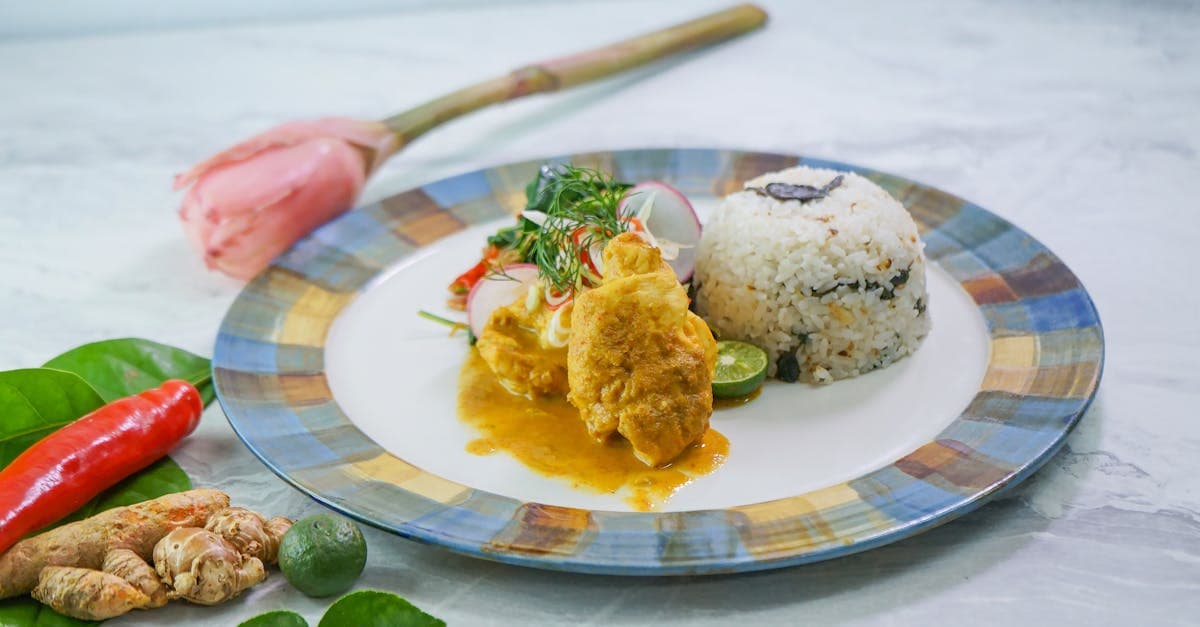
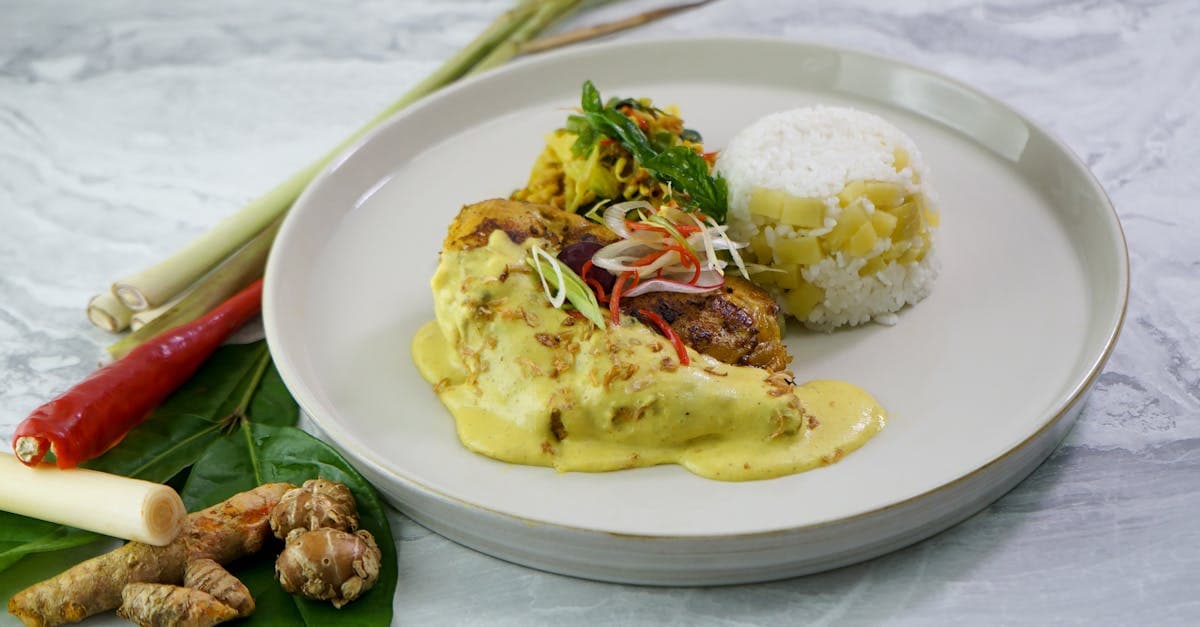
Base genep underlies everything. A wet paste of galangal, turmeric, shallots, garlic, candlenut, and shrimp paste, it is worked into almost every Balinese dish and has no direct equivalent in Singapore's Indonesian food scene, which is dominated by Padang and Javanese traditions. You will recognise individual components from the rempah tradition, but the specific combinations and their ceremonial origins produce something categorically different.
Sambal matah draws the sharpest contrast. Raw shallots, sliced lemongrass, bird's eye chilli, kaffir lime leaf, and coconut oil, combined cold without any cooking. It appears at every warung table across Bali and is found nowhere else in Indonesian cuisine. This is not sambal tumis, not the sweet-sour chilli paste that comes alongside a hawker centre nasi goreng.
Bali sits 2 hours 20 minutes from Changi on a non-stop flight. That places it closer than Hanoi, well within range of a long weekend, and makes it the most accessible genuinely distinct food culture a Singaporean can reach without crossing multiple time zones.
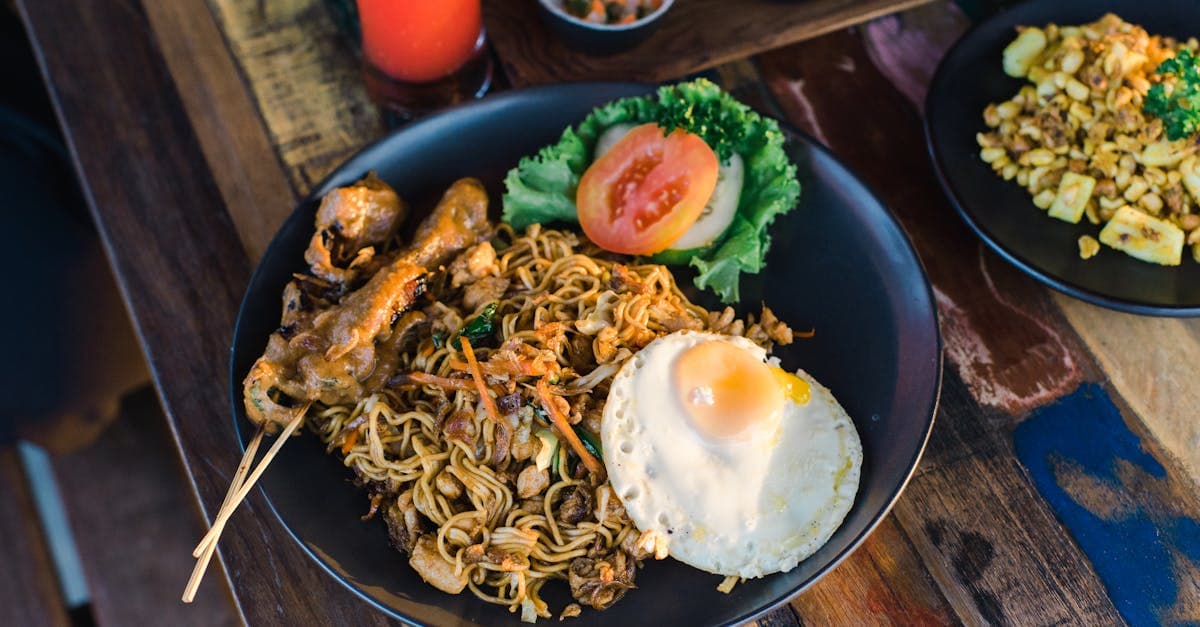
Start with nasi campur. A plate of steamed rice arrives ringed by five to eight small portions: a spoonful of babi guling, a mound of lawar, a skewer of satay lilit, braised jackfruit, and perhaps a curl of crispy pork skin. At a local warung, this runs ~S$2 to S$5, a fraction of what a comparable mixed rice plate costs at any Singapore hawker stall. The variety of flavours and textures in a single order makes it the most efficient introduction to Balinese cooking available.
The food bears almost no resemblance to Indonesian cooking most Singaporeans encounter at home. That scene is dominated by Padang cuisine from Sumatra: rendang, gado-gado, ayam penyet. Balinese cooking is a separate tradition entirely, shaped by Hindu ritual and a pork-centred ceremonial kitchen that has no equivalent north of the Lombok Strait.
Many dishes here began as temple offerings. Lawar was prepared for ceremonial feasts. Babi guling was a ritual centrepiece before it became street food. That lineage gives the cuisine an internal coherence that hybrid port-city cooking rarely achieves, each dish fitting a recognisable logic rather than arriving as an imported hybrid.
Canonical dishes and hidden finds appear in the sections below. Tipat cantok, nasi jinggo, jukut urab: these are staples in local warungs and nearly invisible in English-language coverage, which makes them a reliable signal that a kitchen is cooking for Balinese rather than for visitors. All prices use an approximate SGD 1 to IDR 11,500 conversion rate.
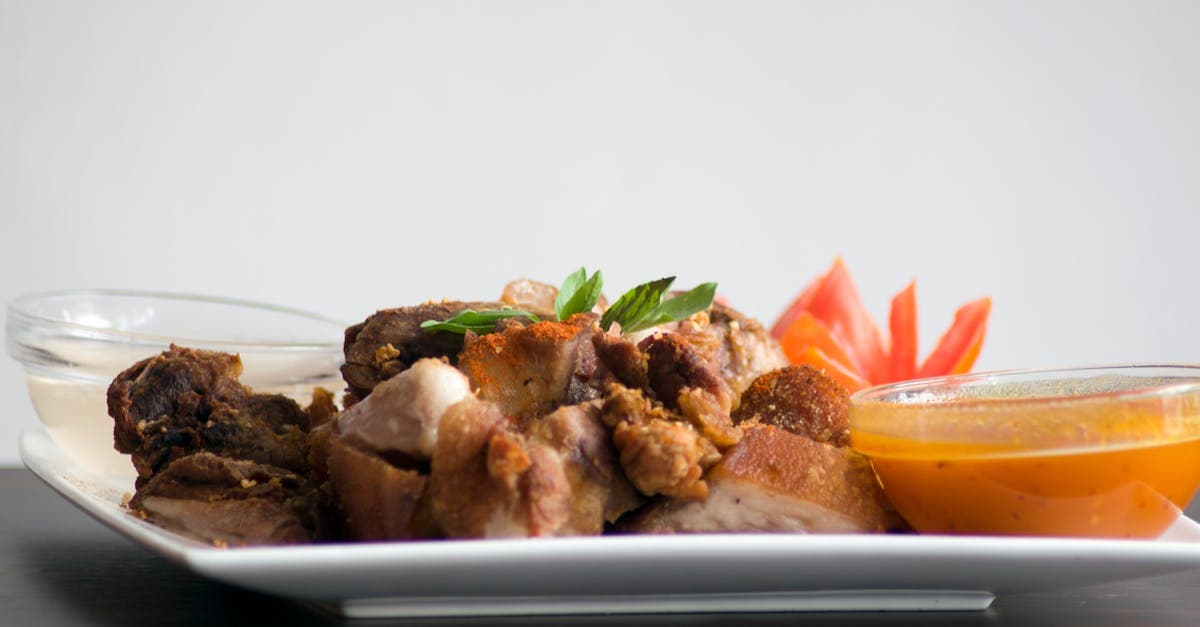
Babi guling defines Bali's food identity more than any other single preparation. Whole suckling pig is slow-roasted with base genep rubbed into every cavity, producing skin that shatters and meat carrying the full depth of the turmeric-galangal paste throughout. A warung plate runs ~S$3.50 to S$6.50. Warung Ibu Oka in Ubud is the canonical reference point, though the price reflects its fame; Warung Babi Guling Pak Malen in Seminyak serves the same tradition at lower cost and with considerably shorter queues.
Satay lilit looks familiar until you pick one up. Minced fish or pork is wrapped around a lemongrass stalk rather than threaded onto bamboo, then grilled over coconut husks. The lemongrass imparts a citrus note into the meat as it cooks. Expect ~S$0.44 to S$1.32 per stick at a market stall.
Bebek betutu requires advance planning. Duck is packed with spice paste into banana leaf and slow-cooked for 8 to 12 hours, producing meat with a layered intensity that quick-grilled dishes cannot match. Most establishments require 24-hour advance notice; Murni's Warung in Ubud prepares it on request. Budget ~S$10 to S$22 per portion.
Lawar costs ~S$1 to S$3. Minced meat with grated coconut, long beans, and spices, the red version includes blood and is the traditional preparation, a distinction that matters for those who want the authentic form. Jukut urab, blanched vegetables with grated coconut, chilli, and lime at ~S$1 to S$2, appears in almost no English-language guide. Order it wherever it appears on a handwritten menu.
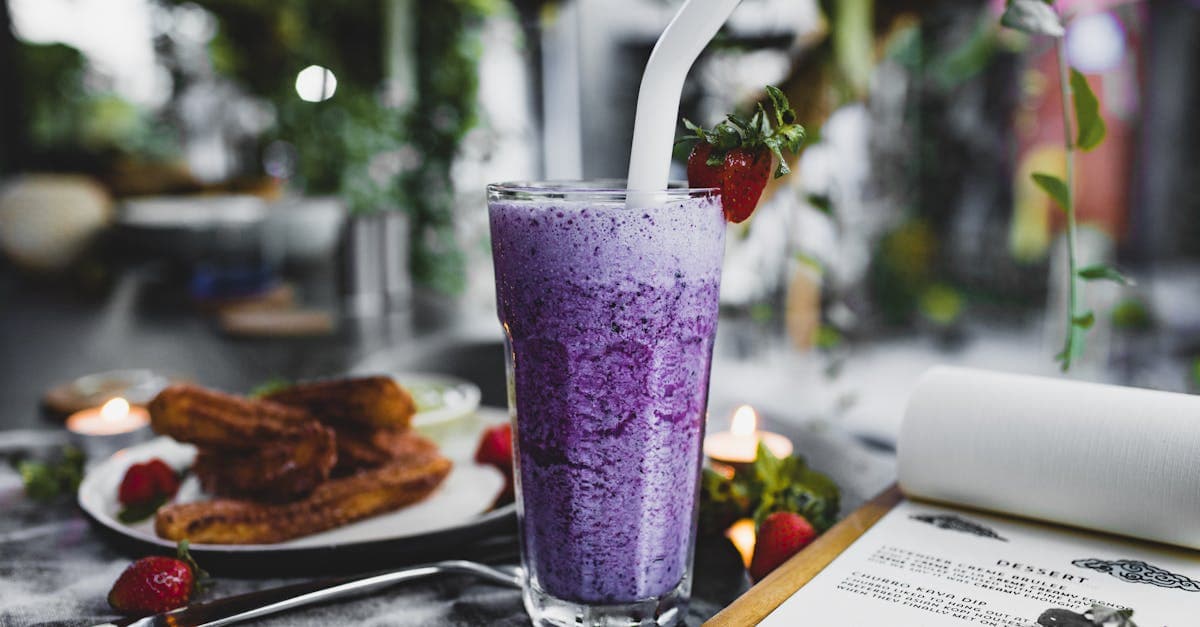
Tipat cantok is consistently overlooked in coverage of Balinese food. Rice cakes are served with blanched vegetables and a kencur-spiced peanut sauce, the kencur (a rhizome in the ginger family) giving the dressing a medicinal sharpness that distinguishes it clearly from standard gado-gado. A plate costs ~S$1.30 to S$2.20, and it is most reliably found as a morning dish at Pasar Badung in Denpasar, before the tourist coaches arrive.
Nasi jinggo receives even less attention online. Tiny banana-leaf parcels of rice with sambal and shredded meat, each costing under S$0.50, are sold at night markets from dusk at venues such as Kreneng Night Market in Denpasar.
Bubur injin works equally well as breakfast or dessert. Black rice pudding with coconut cream at ~S$1.30 to S$2.65, it contains no pork, making it a dependable sweet option for those navigating a cuisine that otherwise uses pork extensively.
Es daluman is the drink to order instead of another fresh coconut. Green jelly made from the daluman plant, served in coconut milk with palm sugar syrup, costs ~S$0.88 to S$1.75 at a market stall. Most tourists walk straight past it.
End with kopi Bali. Locally grown robusta, brewed strong and served in a small glass from ~S$1, it is earthier and more bitter than the commercial espresso most Singaporeans drink daily. Let the grounds settle before the first sip.

Three tiers of eating in Bali, each involving genuine trade-offs. Knowing which to choose determines the quality of your food experience more than the budget you bring.
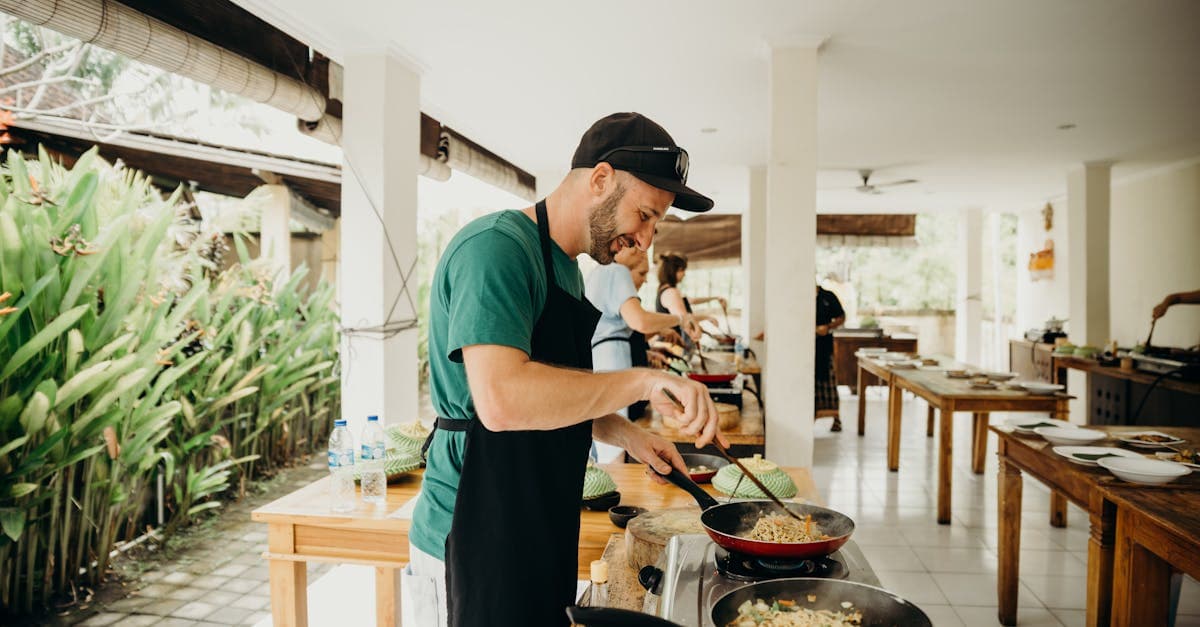
Warungs are family-run kitchens: plastic chairs, no air conditioning, food prepared from scratch each morning. This is where Bali's most honest cooking is found, at prices that make Singapore's hawker centres look expensive. The single most reliable quality indicator is a dense motorbike cluster outside at noon. High local turnover keeps preparation fresh and gives the kitchen no incentive to cut corners. An empty warung at the peak lunch hour is a signal worth noting.
Mid-range restaurants charge roughly IDR 80,000 to 200,000 per main, around S$7 to S$18. They offer English menus, more consistent hygiene standards, and settings that are often genuinely striking. Open-air pavilions, rice paddy views, candlelit entrance walkways: all common at this tier. Recipes generally stay close to authentic Balinese tradition, though some kitchens tone down chilli levels for international guests.
Fine dining is a separate category. Locavore in Ubud holds a position in Asia's 50 Best Restaurants and runs a tasting menu at IDR 1.2 million to 1.8 million (S$105 to S$158). Reservations for peak periods require advance booking of several months. The food earns its reputation.
The most common error: confining meals to the resort pockets of Seminyak or Kuta, where prices run roughly double and dishes frequently drift toward what a Western palate expects rather than what Balinese kitchens actually produce.
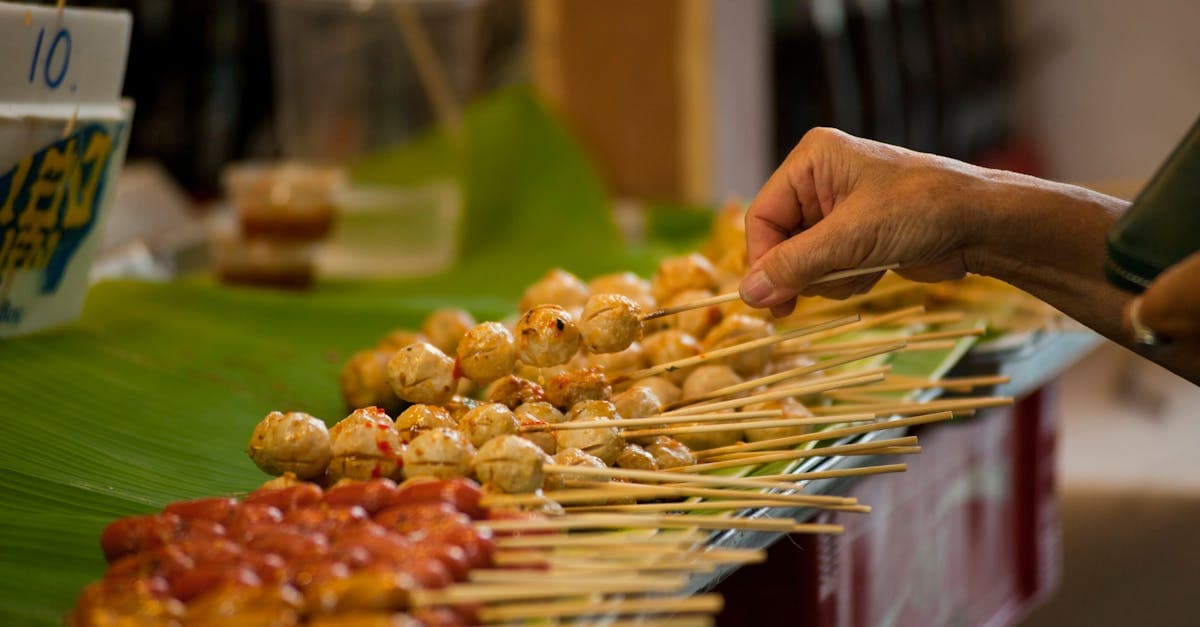
Bali's food geography has a clear internal logic. Ubud draws food-focused travellers and has the deepest concentration of serious kitchens. Seminyak caters to the resort crowd but contains pockets of genuine local value. Canggu serves the longer-stay nomadic contingent. Denpasar and Sanur are where Bali's own population actually eats.
Ubud. Warung Ibu Oka is tourist-priced and often crowded, but it remains the canonical babi guling reference point on any first visit. Murni's Warung has operated since 1974 and takes pre-orders for bebek betutu. Sari Organik requires a walk through rice paddies to reach and serves organic Balinese food in the IDR 60,000 to 150,000 range; it is persistently overlooked in English-language travel coverage.
Seminyak. Warung Babi Guling Pak Malen offers babi guling at IDR 50,000 to 80,000, cheaper and far less crowded than the Ubud institutions. Merah Putih occupies a dramatic double-height interior and serves modern Indonesian at IDR 150,000 to 350,000. Naughty Nuri's, built on pork ribs and cocktails (IDR 180,000 to 300,000), remains reliably full on most evenings.
Canggu. Nook serves affordable local Indonesian plates with rice paddy views. Shady Shack handles plant-based travellers well, at IDR 70,000 to 180,000 per dish.
Sanur. Warung Mak Beng has served the same fried fish since 1941. Unchanged menu, unchanged approach, devoted local following.
Denpasar. Kreneng Night Market opens from 6pm with minimal tourist presence. Gianyar Night Market, around 40 minutes from Ubud by car, offers the best concentration of authentic Balinese street food on the island.
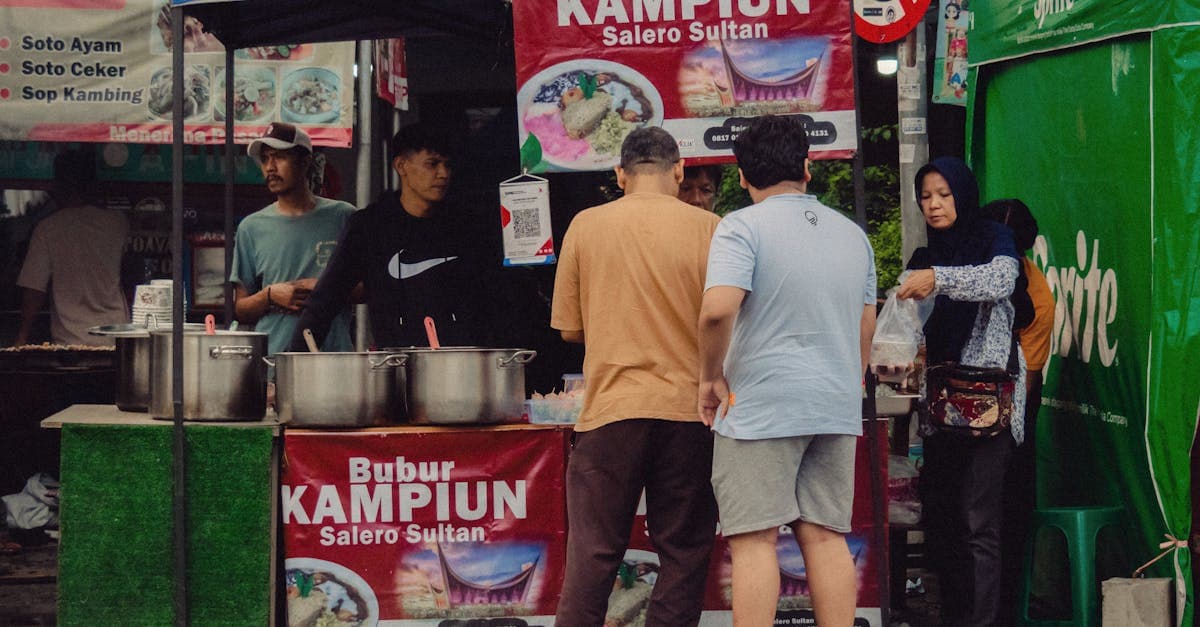
Street food in Bali is generally safe to eat. The precautions are specific and manageable, not a reason to retreat to hotel restaurants for every meal.
Tap water is not safe to drink anywhere on the island. Sealed bottled water or refill stations (available across tourist areas at IDR 5,000 to 10,000 per litre) are the standard. Warungs typically serve bottled water with meals; restaurants at the mid-range level and above always do.
Ice requires more attention. Warungs may use ice produced from tap water. Mid-range and fine dining establishments typically use commercial cylindrical block ice, a reliable visual indicator of safer production standards. If in doubt, skip the ice.
Heat eliminates most of the risk at street level. Dishes cooked to order and served immediately carry substantially lower risk than pre-cooked food displayed at room temperature for several hours. A warung with continuous lunchtime turnover is, in practice, a lower-risk environment than an empty air-conditioned tourist restaurant with a long display counter and no kitchen visible.
High-volume markets such as Gianyar Night Market and Pasar Badung in Denpasar maintain rapid, continuous turnover throughout their operating hours. A packed stall with constant ordering is lower risk than it looks from the outside.
Allergen exposure is the more pressing concern for many Singapore visitors. Peanuts appear in numerous sauces. Shrimp paste (terasi) is present in most sambal. Pork stock is used in dishes that read as vegetarian on the surface. If allergies apply, ask explicitly at every meal and at every warung, without exception.

PayNow and GrabPay don't work in Bali. This catches more Singaporean first-timers off guard than any other practical issue, and the fix is simple: bring rupiah in cash.
Warungs, markets, and street stalls are cash-only. Credit cards are accepted at mid-range restaurants and upmarket establishments, but not at the places that define the best food in Bali. A full day of eating well at warung level runs S$15 to S$25. Warung breakfast: S$2 to S$4. Lunch: S$3 to S$7. Step up to a mid-range restaurant for dinner and budget S$15 to S$35 per person including drinks. The value is exceptional by Singapore standards.
Exchange rupiah at authorised money changers in Kuta or Seminyak, not at Ngurah Rai airport. Rates at the airport are noticeably worse. As of early 2026, S$1 buys approximately IDR 11,500 to IDR 12,000, which makes Bali one of the best-value food destinations reachable from Changi in under three hours.
Carry small denominations. A mix of IDR 10,000 and 20,000 notes covers most warung purchases without requiring change.
For Halal-observant travellers, Bali's food scene requires attention. Pork is central to Balinese cuisine in ways that differ significantly from Singapore's hawker landscape. Fish, chicken, and tofu dishes are widely available at most warungs, but shared cooking surfaces mean cross-contamination is common. Ask before ordering.
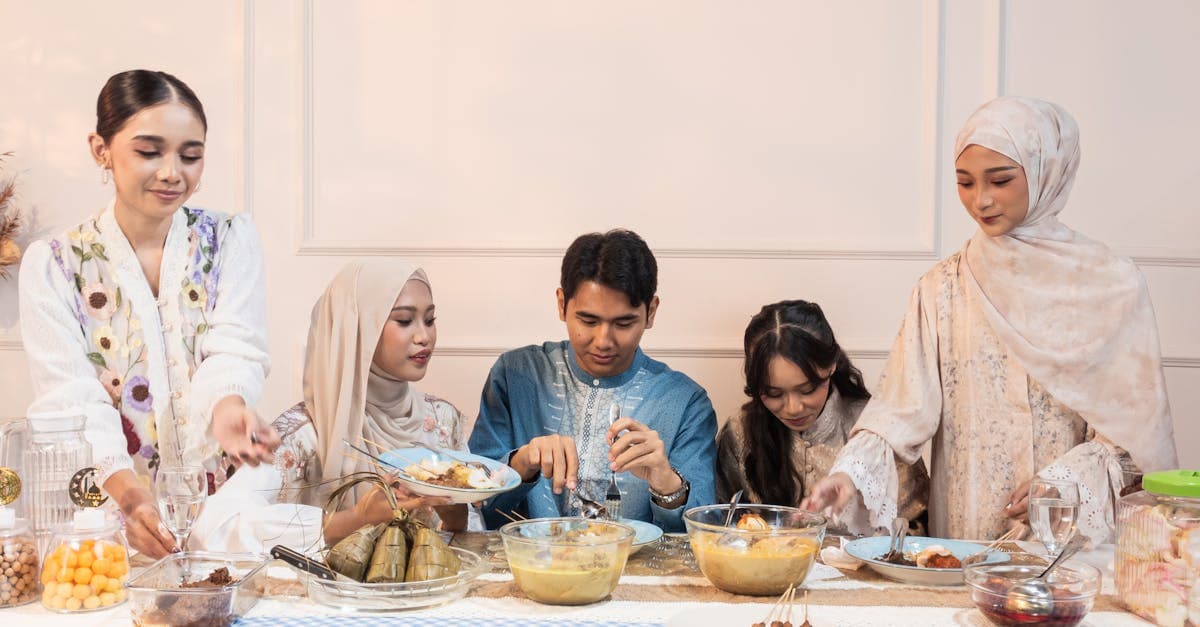
Halal food is available in Bali, particularly in Denpasar and the Kuta-Legian corridor, where the island's Muslim minority is concentrated. The tourist belt in Kuta and Legian has a reliable cluster of halal-certified seafood warungs.
Grilled fish, nasi goreng, gado-gado, tempeh manis, and most vegetable-based dishes are naturally pork-free at these establishments. Lombok-style halal restaurants in Kuta serve familiar dishes without pork or alcohol. Pricing is comparable to standard warungs.
The main precaution at any mixed-kitchen warung is cross-contamination. Pork and non-pork dishes may share the same preparation space. Asking explicitly before ordering is the only reliable safeguard outside of certified establishments.
HalalTrip and Zabihah both list verified halal options across Bali by area, with user-submitted reviews filtered by locality. Download either before departure.
Three dishes to avoid entirely. Babi guling is pork by definition. Lawar may contain blood or minced pork depending on the variant. Broth-based dishes at non-halal warungs commonly use pork stock as their base, regardless of what is visible on the plate.
Reliable mobile data is not optional here. Finding a warung with no English signage, no website, and no online listing means Google Maps is often the only way to locate it. Translation apps for Indonesian-language menus and navigation to night markets both require a live connection.
Singtel, StarHub, and M1 day passes cost S$5 to S$8 for 500MB to 1GB. Run that for a week and the bill approaches S$56. Data is typically throttled after the daily cap, precisely when you need it most.
A Telkomsel tourist SIM offers considerably better value: 14GB across 14 days for around S$9 to S$13, with passport registration required at the counter (roughly 10 minutes). Coverage is reliable across Seminyak, Ubud, and Canggu; more variable in Nusa Penida and Amed.
eSIM is the most practical option for most Singapore travellers. Activate before boarding at Changi, land with data running, and retain the Singapore number for calls and SMS throughout. No SIM swap required.
Airalo's Indonesia plans start at around S$6 for 1GB over seven days, with 10GB available for around S$17.50 over 30 days. Nomad prices a comparable 10GB plan at around S$16. Hello Roam offers Indonesia plans at both 7-day and 30-day intervals without requiring a SIM swap, which suits trips combining Bali with a second destination under a single plan.
WiFi at most warungs is non-existent. Outside the main tourist corridors, guesthouse connections are inconsistent. Treat mobile data as infrastructure from the moment you land.

Babi guling is considered Bali's most iconic dish. It is whole suckling pig slow-roasted with base genep spice paste, producing crispy, shattering skin and deeply flavoured meat. A warung plate costs approximately S$3.50 to S$6.50.
Base genep is a wet spice paste that forms the foundation of Balinese cuisine. It is made from galangal, turmeric, shallots, garlic, candlenut, and shrimp paste, and is worked into almost every traditional Balinese dish. It has no direct equivalent in other Indonesian regional cuisines.
Sambal matah is a raw Balinese condiment made from sliced shallots, lemongrass, bird's eye chilli, kaffir lime leaf, and coconut oil, combined cold without cooking. It is found at warung tables across Bali and is unique to Balinese cuisine, distinct from the cooked sambal tumis common elsewhere in Indonesia.
A full day of eating well at warung level costs approximately S$15 to S$25. Warung breakfast runs S$2 to S$4, lunch S$3 to S$7, and a mid-range restaurant dinner S$15 to S$35 per person including drinks. Prices are significantly lower than comparable meals in Singapore.
Nasi campur is a plate of steamed rice ringed by five to eight small portions including babi guling, lawar, satay lilit, braised jackfruit, and crispy pork skin. It costs approximately S$2 to S$5 at a local warung and is the most efficient introduction to the full range of Balinese flavours.
Satay lilit is a Balinese satay made from minced fish or pork wrapped around a lemongrass stalk and grilled over coconut husks. The lemongrass imparts a citrus note into the meat as it cooks, distinguishing it from bamboo-skewered satay. It costs approximately S$0.44 to S$1.32 per stick at a market stall.
Bebek betutu is a Balinese slow-cooked duck dish. The duck is packed with spice paste in banana leaf and cooked for 8 to 12 hours, producing deeply layered flavour. Most establishments require 24-hour advance notice, and it costs approximately S$10 to S$22 per portion.
Street food in Bali is generally safe to eat with a few specific precautions. Tap water is not safe to drink; use sealed bottled water. Dishes cooked to order and served hot carry low risk. Ice at warungs may come from tap water, so cylindrical block ice at mid-range venues is a safer indicator. High-turnover stalls are reliably safer than empty tourist restaurants with pre-displayed food.
Fish, chicken, and tofu dishes are widely available at most Balinese warungs and are suitable options for halal-observant diners. However, pork is central to traditional Balinese cuisine, and shared cooking surfaces mean cross-contamination is common. Halal-observant travellers should ask explicitly before ordering at every warung.
Balinese food is significantly different from the Indonesian food most Singaporeans encounter at home. Singapore's Indonesian food scene is dominated by Padang and Javanese traditions such as rendang and gado-gado. Balinese cuisine is a separate tradition shaped by Hindu ritual, with pork at its centre and a distinct spice base called base genep not found in other Indonesian regions.
PayNow and GrabPay do not work in Bali. Warungs, markets, and street stalls are cash-only, and the best local food experiences require rupiah in hand. Credit cards are accepted at mid-range restaurants and upmarket establishments, but not at warung level. Bring small denominations such as IDR 10,000 and 20,000 notes.
Exchange rupiah at authorised money changers in Kuta or Seminyak rather than at Ngurah Rai airport, where rates are noticeably worse. As of early 2026, S$1 buys approximately IDR 11,500 to IDR 12,000.
Tipat cantok is a Balinese dish of rice cakes served with blanched vegetables and a kencur-spiced peanut sauce. The kencur rhizome gives the dressing a distinctive medicinal sharpness that sets it apart from standard gado-gado. It costs approximately S$1.30 to S$2.20 and is best found as a morning dish at Pasar Badung in Denpasar.
Denpasar and Sanur are where Bali's local population actually eats, offering the most authentic experience with minimal tourist pricing. Ubud has the deepest concentration of serious food kitchens. Kreneng Night Market in Denpasar and Gianyar Night Market both offer excellent authentic Balinese street food with low tourist presence.
Es daluman is a recommended alternative to fresh coconut. It is a green jelly drink made from the daluman plant, served in coconut milk with palm sugar syrup, costing approximately S$0.88 to S$1.75 at a market stall. Kopi Bali, a strong locally grown robusta coffee served in a small glass from around S$1, is also worth trying.
Bali is approximately 2 hours and 20 minutes from Singapore's Changi Airport on a non-stop flight. This places it closer than Hanoi and within easy reach for a long weekend trip, making it one of the most accessible distinct food cultures available to Singaporean travellers.
Lawar is a traditional Balinese dish of minced meat mixed with grated coconut, long beans, and spices. The red version includes blood and is the traditional preparation. It costs approximately S$1 to S$3 and originated as a ceremonial temple feast dish before becoming everyday warung food.
Nasi jinggo are tiny banana-leaf parcels of rice served with sambal and shredded meat, each costing under S$0.50. They are sold at night markets from dusk, including at Kreneng Night Market in Denpasar. They receive very little coverage in English-language travel guides despite being a genuine Balinese street food staple.
Warung Ibu Oka in Ubud is the canonical reference point for babi guling and is widely recommended for a first visit, though prices reflect its fame. Warung Babi Guling Pak Malen in Seminyak serves the same tradition at lower cost, around IDR 50,000 to 80,000, with considerably shorter queues.
Allergen exposure is a significant concern in Bali for visitors with specific allergies. Peanuts appear in numerous sauces including the dressing for tipat cantok. Shrimp paste (terasi) is present in most sambal preparations. Pork stock is used in dishes that may appear vegetarian on the menu. Anyone with relevant allergies must ask explicitly at every warung and restaurant before ordering.
HelloRoam: your trusted travel eSIM that keeps you online across borders.
Explore Plans