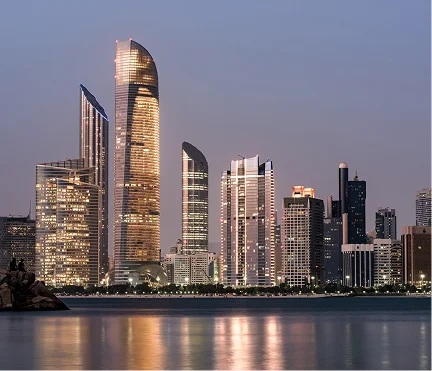
What to Eat in Japan: the Complete Guide for New Zealand Travellers

Written by: David Chen


12 min read
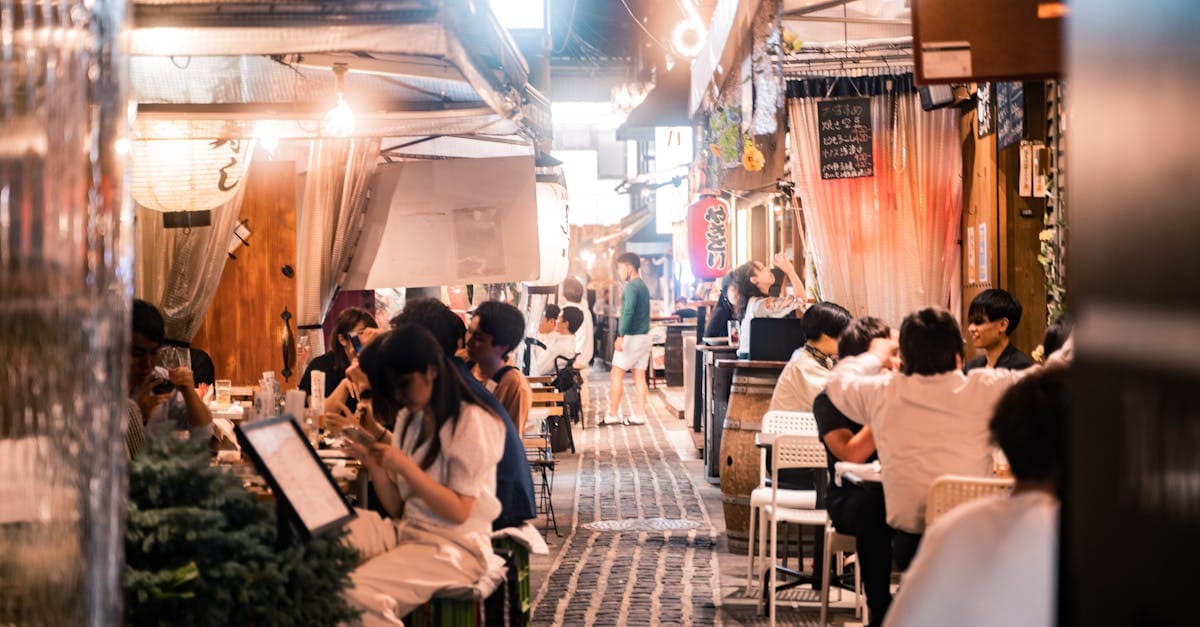
Table of content
What Japanese foods should you try first?
For Kiwi travellers, Japan is unusually approachable food territory. Sushi, ramen and udon are already embedded in NZ's dining culture, so arriving in Tokyo feels less like culinary discovery and more like finally tasting the originals at their source.
Japan tops every serious food ranking. Tokyo alone holds around 200 Michelin-starred restaurants, more than Paris, New York, or any other city that's ever contested the title.
Washoku earned UNESCO Intangible Cultural Heritage status in 2013, the same recognition granted to French gastronomy. That matters beyond the prestige. It marks Japanese cuisine as a living, layered practice built over centuries, not a packaged experience designed for overseas visitors.
The budget range here is wider than almost any other cuisine. A konbini rice triangle costs pocket change. An omakase sushi counter can cost as much as a fine Auckland dinner, and everything between those two points consistently undercuts comparable NZ restaurants at each price tier.
This guide covers where to start, what izakaya eating actually looks like, and why Japan's convenience stores deserve more serious attention than they usually get. Eating better in Japan for less money than at home isn't an exception. It's the standard.
Ramen and sushi: the two dishes that define Japan's food culture
Ramen and sushi are the two dishes most central to Japan's food identity, each supported by tens of thousands of dedicated specialist restaurants competing at an intensity that has no equivalent in New Zealand.
Thirty-five thousand dedicated ramen shops operate across Japan. Not restaurants that also happen to serve ramen, but operations built around a single bowl, competing within the same streets, refining their broths daily because the margin for mediocrity is essentially zero.
The four main regional styles are meaningfully distinct. Sapporo uses a rich miso base suited to Hokkaido winters; Hakata (in Fukuoka) runs tonkotsu, a thick, creamy pork broth; Tokyo's shoyu version is soy-forward and lighter; Kyoto tilts toward chicken. For a first visit, tonkotsu is the one most Kiwi palates respond to quickly. Expect to pay NZ$10 to NZ$18 per bowl, less than a basic Auckland CBD lunch.
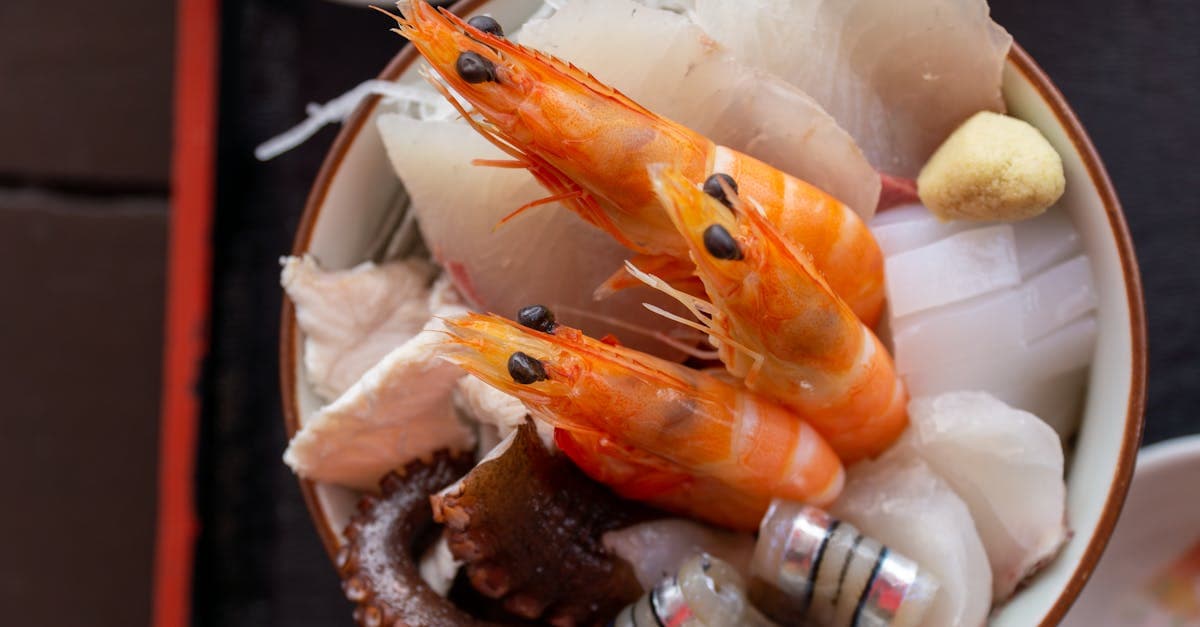
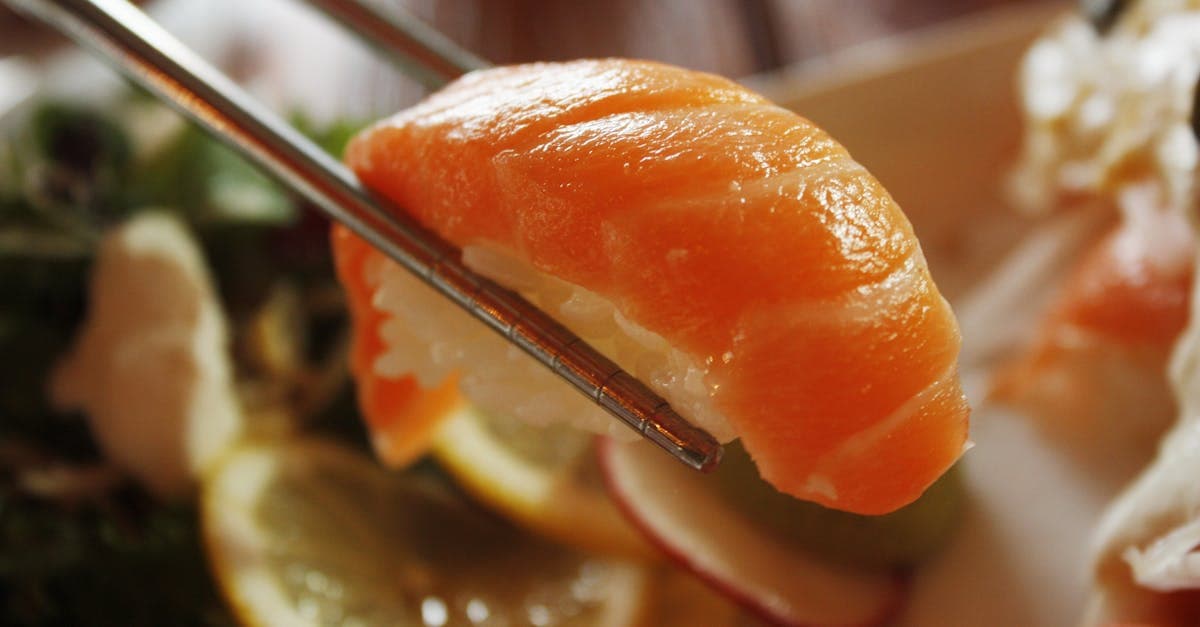
Sushi covers more price tiers than most NZ restaurants suggest. Kaiten (conveyor belt) sushi runs NZ$1.50 to NZ$4 per plate and works well for a quick lunch. Sit-down restaurants cost NZ$30 to NZ$60 per person; supermarket and konbini sushi lands at NZ$5 to NZ$12; omakase, where the chef selects based on the day's best fish, starts around NZ$80 and can reach NZ$300.
Sashimi and sushi aren't the same dish. Sashimi is raw fish only, no rice; sushi always involves vinegared rice, whether draped over a moulded block or rolled in nori. The difference matters when you're pointing at a counter menu.
Japan has around 45,000 sushi restaurants nationally. At that level of competition, mid-range sushi here outperforms most premium NZ options by a noticeable margin.
Street food, izakaya eating and the dishes worth queuing for
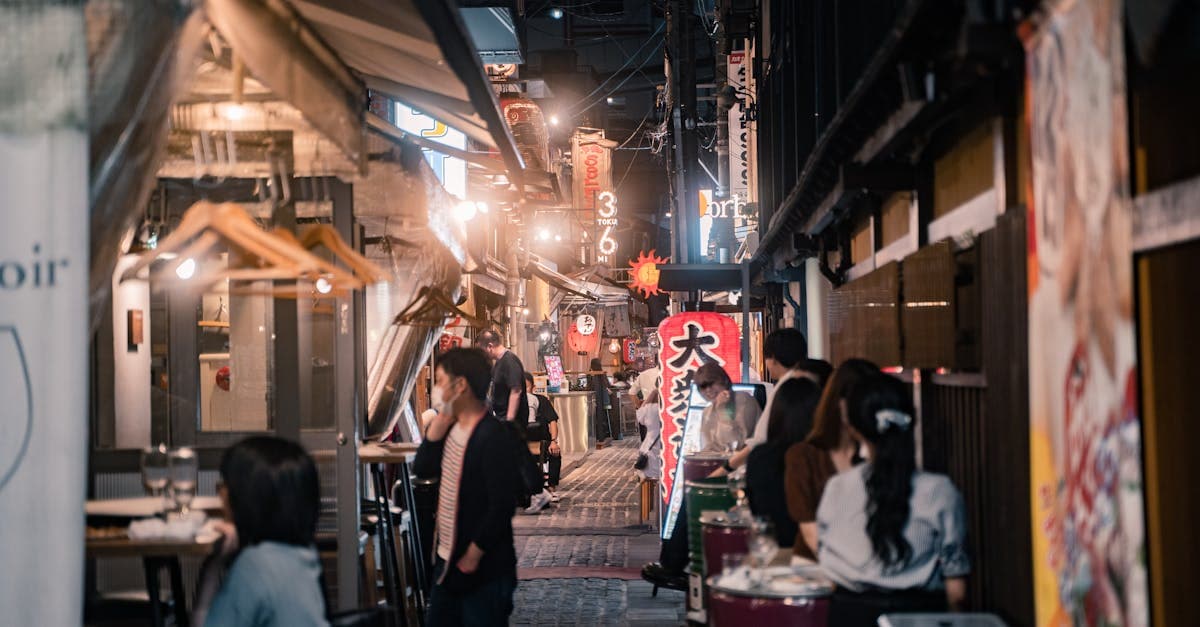
Izakayas are Japan's pubs. Food is the actual reason to go: small shared plates, cold beer, warm sake, and an atmosphere that needs neither a reservation nor a dress code. They suit solo travellers and groups equally.
Yakitori is the izakaya staple. Grilled chicken skewers cooked over charcoal, NZ$2 to NZ$4 each, best at tiny bars built into the space under Tokyo or Osaka railway tracks, the kind you'll only find by navigating on your mobile rather than following a printed tourist map.
Three fried dishes to know before you arrive: tempura (light battered vegetables and seafood), tonkatsu (crumbed pork cutlet with shredded cabbage), and karaage (Japanese fried chicken, noticeably juicier than most NZ versions). Full set meals with rice and miso come in under NZ$15 at most lunch counters.
Takoyaki is Osaka's signature street snack. Octopus balls cooked in a cast-iron mould, sold hot from stands for around NZ$4 to NZ$6 for six pieces. A queue outside a stand is the most reliable quality signal you'll find.
The Japanese breakfast deserves at least one try: miso soup, steamed rice, grilled fish, pickles and tamagoyaki, a sweet layered omelette. It's nothing like the flat white routine back home, and reason enough to book a ryokan for one night.
The konbini experience: Japan's convenience stores are a food destination in their own right
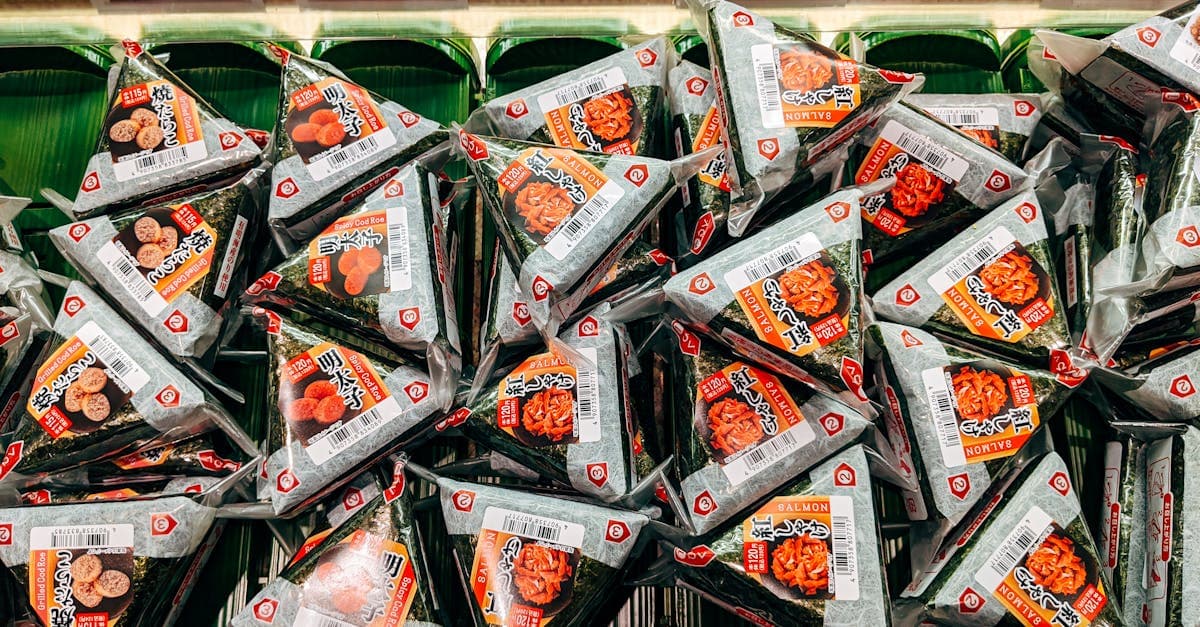
Treat the konbini as a food destination. Japan's three main chains, 7-Eleven, Lawson and FamilyMart, collectively serve around 15 million customers daily, and the quality has nothing in common with what 'convenience store' means back home.
The chilled section is restocked multiple times a day. Onigiri, rice triangles with fillings like salmon, tuna mayo or pickled plum, run NZ$2 to NZ$4 each. The hot counter near the register offers nikuman (steamed pork buns), karaage chicken and, in colder months, oden, a slow-cooked pot of tofu, fish cakes and vegetables served by the piece.
A full konbini meal (two onigiri, a side dish, a drink) comes to around NZ$5 to NZ$9. That covers breakfast, a quick lunch or a late-night snack for a fraction of what you'd spend at any Auckland café.
One thing to skip: imported snacks near the entrance tend to be overpriced. Stick to the chilled section and the hot counter.
Regional variation is real and worth tracking as you move between cities. Hokkaido Lawsons stock local dairy items and seafood products unavailable in Tokyo, and each chain carries prefecture-specific products that don't travel south. Staying on top of what's available at each stop is easier with a reliable data plan; a Japan eSIM from Hello Roam covers 10 days from around NZ$25, considerably less than standard NZ network roaming rates.
NZ travellers consistently list konbini food as a trip highlight rather than an emergency fallback. It's the kind of thing that sounds unlikely before you go and obvious once you do.
Eating in Japan on a budget: what it costs in NZD
Beef rice bowls cost under NZ$8. Yoshinoya, Sukiya and Matsuya, the three main gyudon chains, run 24 hours in most Japanese cities and serve consistent, filling meals at that price. They're the cheapest sit-down option you'll find outside a convenience store.
The mid-range tier runs roughly NZ$20 to NZ$50 per person, covering izakaya dinners, sit-down sushi and local restaurant meals. The value standout is teishoku: a Japanese set lunch of rice, miso soup, a main dish and pickles, available at neighbourhood restaurants for around NZ$13 to NZ$20. The same restaurant typically charges double at dinner for identical food, so it's worth reorganising a day's sightseeing around lunch.
Depachika, the basement food halls found in Japanese department stores, deserve more attention than most travel guides give them. Fresh sushi, prepared dishes and regional pastries are available at mid-range prices with no booking and no menu to navigate. They're particularly useful in Tokyo, Osaka and Kyoto, where major department stores sit close to the main shopping districts.
The splurge tier (omakase sushi, wagyu tasting menus and kaiseki in Kyoto) runs at the price levels covered in earlier sections. The ceiling is high.
For NZ readers, the comparison is stark: a mid-range dinner for two in Auckland averages NZ$100 to NZ$160, while the equivalent quality in Tokyo comes in at roughly half that. Japan is considerably cheaper for food than New Zealand across almost every tier, and the gap only grows once you move away from tourist-facing restaurants.
How do you order food in Japan without speaking Japanese?
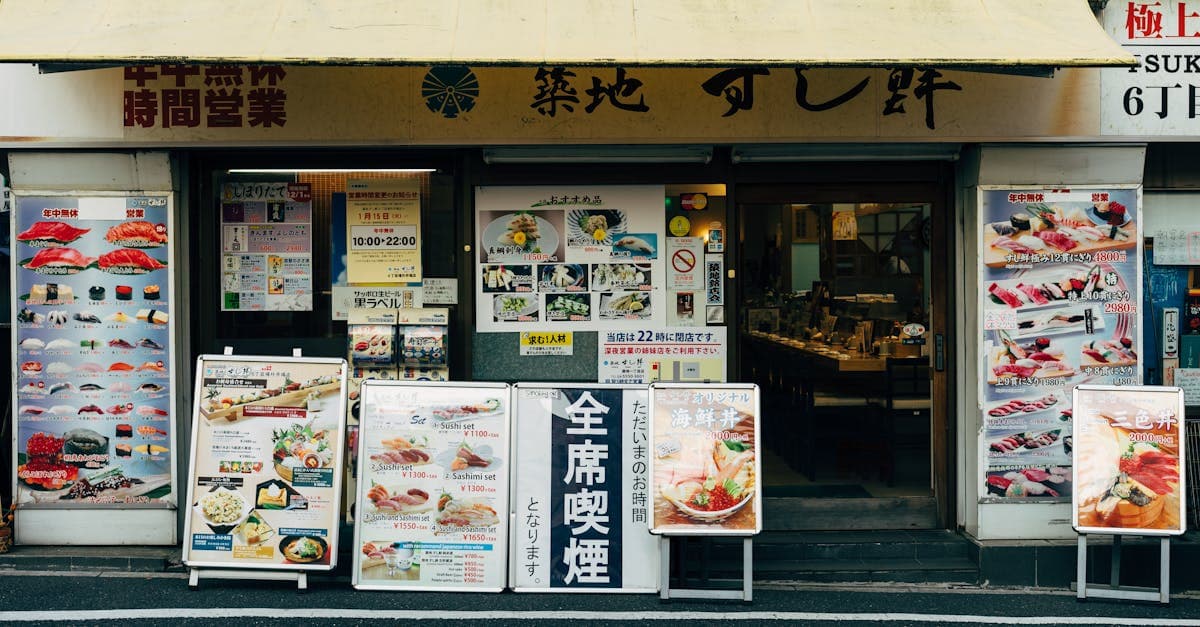
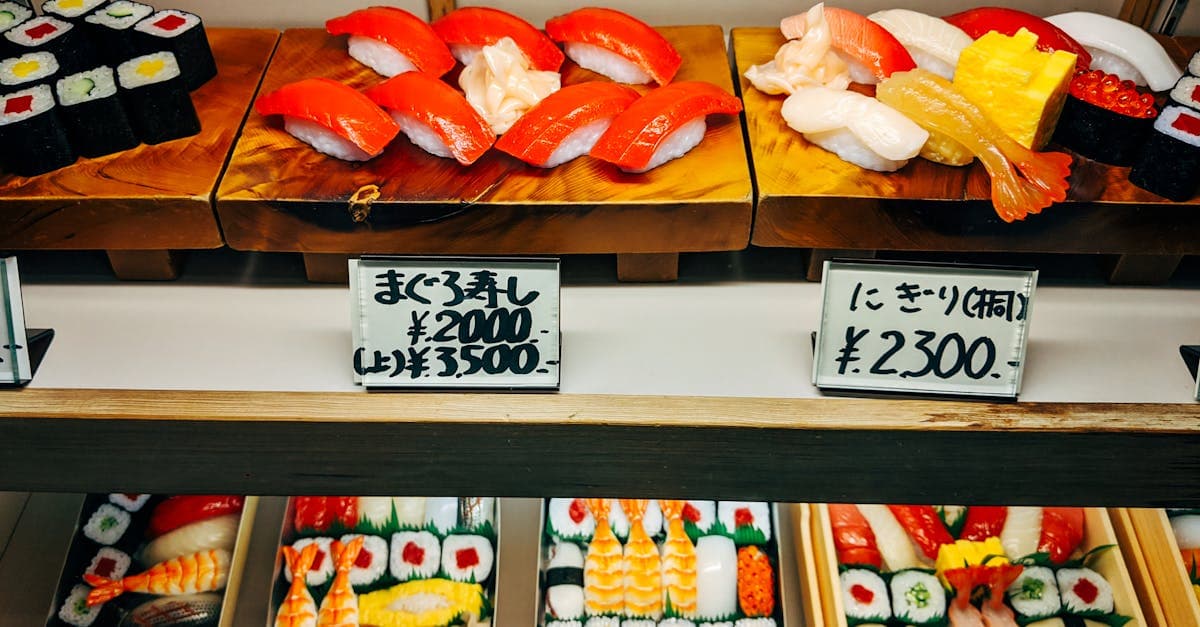
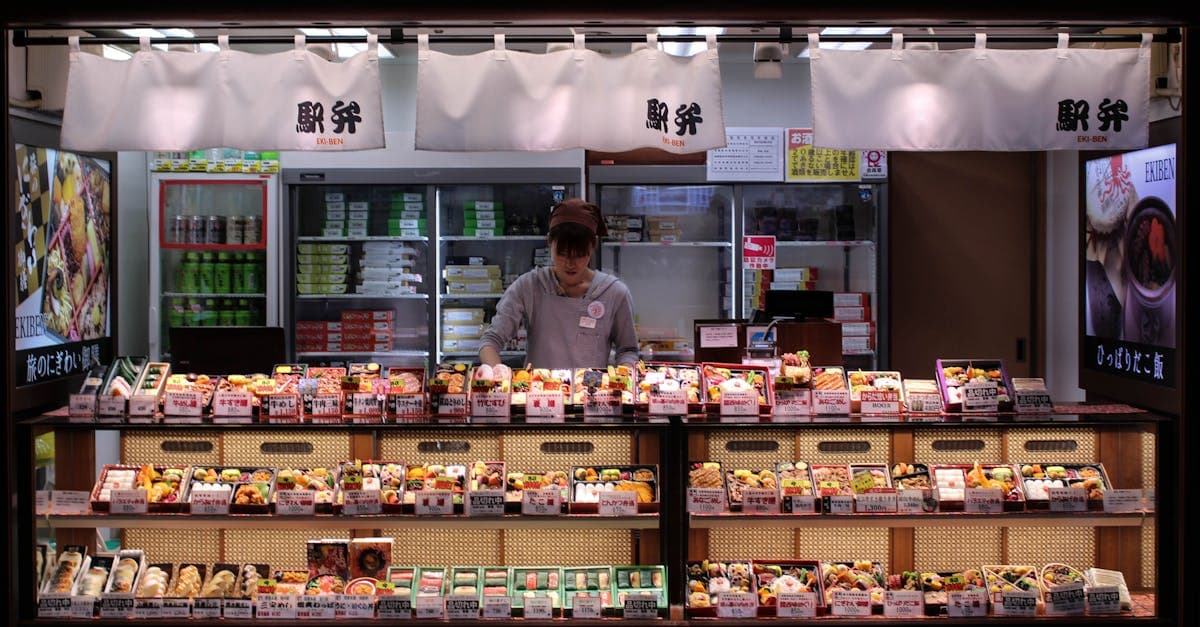
Most Japanese restaurants need no Japanese to enter or order. The plastic food model display outside, called sampuru, shows exactly what's on offer. Point at what you want, hold up fingers for quantity, and you're sorted.
Picture menus are standard at budget and mid-range restaurants. If one doesn't appear, mime leafing through a book and point to your phone camera; staff generally produce one from behind the counter.
Ramen and gyudon chains use a shokken system: buy a meal ticket from a vending machine before you enter, hand it to the staff, then sit down. Most machines now include English-language options, so the process is manageable even on day one.
Google Translate's camera mode is useful for all-text Japanese menus. Point your phone and it overlays live translations in real time. This requires a working mobile data connection; offline translation isn't reliable enough to substitute. Hello Roam's Japan eSIM, a NZ-founded option, activates before you fly so you're connected from the moment you land, no airport counter required.
Five phrases worth learning before you go:
- 'Kore wo kudasai': this one please (point at the item)
- 'Niku nashi de': without meat
- 'Arerugii ga arimasu': I have an allergy
- 'Eigo no menyu arimasu ka?': do you have an English menu?
- 'Oishii!': delicious
Dietary restriction cards beat verbal explanations for complex needs. Equal Eats provides free printable Japanese-language cards that specify restrictions in detail; staff at most restaurants recognise them.
Conveyor belt sushi (kaiten) requires no Japanese at any point. Pick plates off the belt or order via touchscreen, then pay by plate count when you leave.
Regional food guide: what to eat in Tokyo, Osaka, Kyoto and Hokkaido
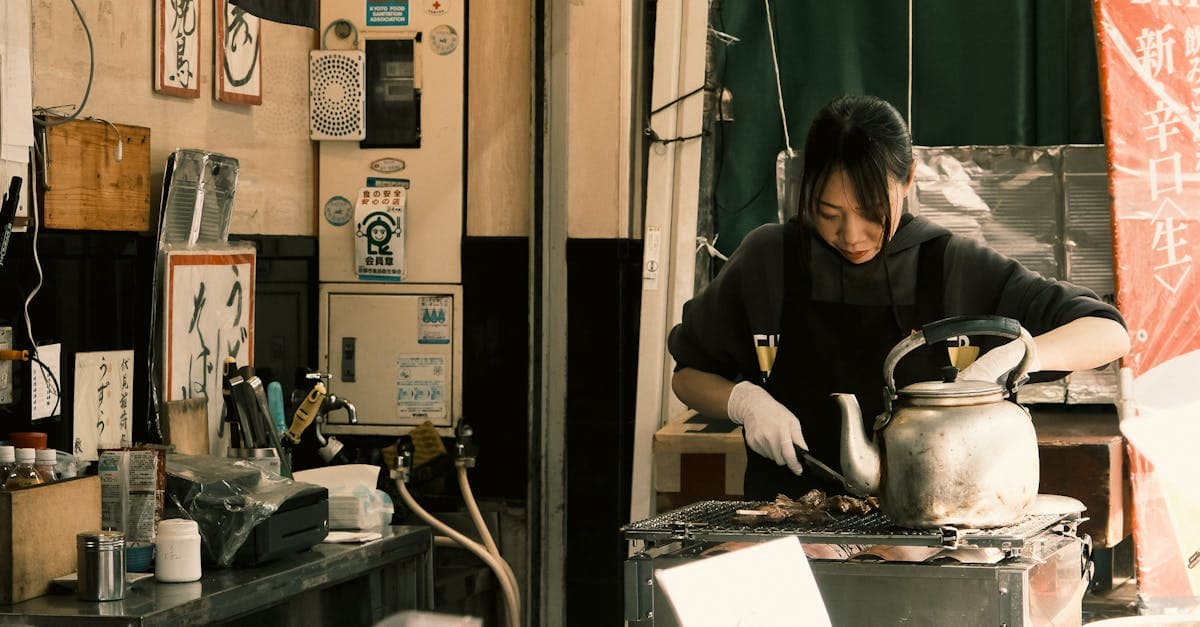
Tokyo and Osaka are both called Japan's food capitals. That comparison flattens two very different eating cultures.
Tokyo's strength is range. Shoyu ramen, tsukemen (thick noodles served alongside an intense dipping broth rather than submerged in it), high-end sushi and the yakitori alleyways under the Yurakucho railway tracks all sit within reach of each other. It's the most expensive city in Japan for food, but also the one where you're likeliest to try something you've never encountered before.
Osaka owns its reputation as Japan's kitchen. Takoyaki (octopus balls cooked on a gridded iron plate), okonomiyaki (a savoury pancake, sometimes assembled at your own tabletop grill) and kushikatsu (deep-fried skewers with a shared dipping sauce and a strict no double-dipping rule) define the eating culture here. Osaka locals order several small dishes and keep going, rather than committing to one main.
Kyoto is the best city in Japan for vegetarians. Kaiseki, Japan's most refined seasonal multi-course cuisine, is centred here alongside yudofu (simmered tofu), agedashi tofu and obanzai: small Kyoto-style home-cooking side dishes. Matcha turns up in everything from savoury broths to soft-serve ice cream.
Hokkaido's food identity stands apart from the rest of the country. Dairy products, including butter, cheese, fresh milk and soft-serve, are exceptional given the region's farming traditions. King crab, scallops and sea urchin are world-class and considerably less expensive than in Tokyo. Sapporo miso ramen originated here and remains the local benchmark.
Fukuoka is worth adding to longer itineraries. Tonkotsu ramen was invented in this city, and the yatai outdoor food stalls along the Naka River are the kind of find that justifies a detour from Tokyo or Osaka.
Can vegetarians and vegans eat well in Japan?
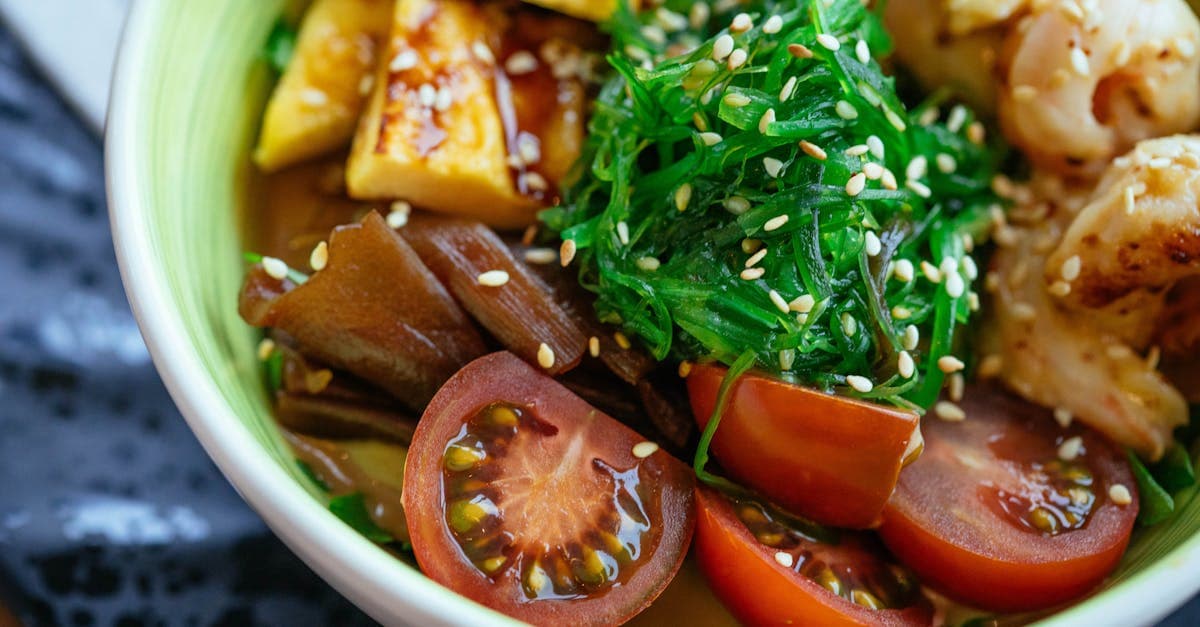
Vegetarians and vegans can eat well in Japan, but hidden animal products require careful navigation. Dashi, a stock made from dried fish flakes (katsuobushi) and kelp, forms the base of miso soup, many sauces and dishes that appear entirely plant-based on the menu. Order the vegetable ramen; the broth is often not meat-free.
Hidden animal products show up in ramen broths, curry sauces and marinades even when the listed ingredients suggest otherwise. Japanese cooking has traditionally not structured menus around the category of 'vegetarian' as NZ cooks understand it.
Shojin ryori, Buddhist temple cuisine that is entirely plant-based, is available in Kyoto and Koyasan. The number of dedicated vegan and vegetarian restaurants in Tokyo and Osaka has expanded considerably since 2020, driven by international tourism. HappyCow lists them by city with user reviews; Vegewel is a Japan-specific app with English support.
Reliable choices at almost any restaurant: plain rice, edamame, vegetable tempura (confirm batter ingredients beforehand) and onigiri filled with umeboshi (pickled plum) or kombu (dried seaweed). Inari sushi, sweet tofu pockets filled with rice, contains no fish and is available almost everywhere.
A Japanese-language dietary restriction card from Equal Eats covers hidden ingredients, not just the obvious ones. Show it to staff before you order. It works more reliably than any verbal explanation.
Staying connected to find Japan's best food
Tabelog is where serious food research in Japan happens. Japan's main restaurant review platform requires a live connection to use properly, and so does Google Maps, HappyCow for vegetarian options, and Instagram when you're trying to track down a specific shop down an unmarked side street. The best ramen in any neighbourhood is rarely on a tourist map.
Japan has free WiFi at konbini, Starbucks and major train stations. Most of those networks require a Japanese phone number to log in, which rather defeats the point. Treating free WiFi as your primary data strategy is optimistic at best.
NZ carrier roaming adds up fast. Spark, Vodafone and 2degrees charge NZ$5 to NZ$15 per day on day passes, or NZ$10 to NZ$15 per 100 to 500MB. On a 10-day trip, that's potentially NZ$80 to NZ$150 in data charges before you've ordered your first bowl of ramen.
Japan eSIM plans cost considerably less. A 10-day plan with 3 to 10GB runs around NZ$25 to NZ$45, your NZ number stays active for WhatsApp and calls, and you configure everything before you board.
Japan's mobile coverage is genuinely strong. Near-complete 4G/LTE nationally, including inside Tokyo Metro and JR tunnels (uncommon for any subway network globally), with solid 5G across Tokyo, Osaka and Kyoto.
Download the Japanese language pack for Google Translate before departure. The camera mode reads menus in real time but performs noticeably better with a live connection. The offline version fills a gap; it just misses context that the live version catches.

David Chen
Travel writer and former digital nomad. 10 years exploring destinations across 6 continents. Specializes in budget travel, expat life, and off-the-beaten-path experiences for American travelers.
Read full bio→Frequently Asked Questions
Start with ramen, sushi and izakaya small plates, as these define Japan's everyday food culture. Tonkotsu ramen is a strong first choice for most Western palates, and kaiten (conveyor belt) sushi offers an accessible, affordable introduction to Japanese sushi quality. Takoyaki, yakitori and tempura set meals are solid follow-ups before exploring more regional specialities.
Budget meals start under NZ$10: a ramen bowl runs NZ$10 to NZ$18, and a full konbini meal (two onigiri plus a side and drink) costs NZ$5 to NZ$9. A mid-range izakaya dinner or sit-down sushi meal runs NZ$20 to NZ$50 per person. Omakase sushi and high-end kaiseki start around NZ$80 and can reach NZ$300 per person.
Sashimi is raw fish served alone, without rice. Sushi always involves vinegared rice, whether moulded into a block and topped with fish (nigiri), rolled in seaweed (maki) or served in another form. The distinction matters when ordering from a counter menu where both appear side by side.
Izakayas are Japan's casual pub-restaurants where small shared plates, cold beer and warm sake are the format. Common dishes include yakitori (grilled chicken skewers), edamame, karaage fried chicken and various fried dishes. No reservation or dress code is needed, and they suit both solo travellers and groups equally well.
The four main styles are Sapporo miso (a rich miso base suited to cold Hokkaido winters), Hakata tonkotsu (a thick, creamy pork broth from Fukuoka), Tokyo shoyu (a lighter, soy-forward broth) and Kyoto's chicken-based version. Tonkotsu is generally the style most Western palates respond to quickly on a first visit. Japan has around 35,000 dedicated ramen shops competing at an intense level across all these styles.
Kaiten sushi, also called conveyor belt sushi, is a restaurant format where plates of sushi circulate on a moving belt past seated customers. You pick plates directly off the belt or order via touchscreen, then pay by the number of plates when you finish. It requires no Japanese and costs roughly NZ$1.50 to NZ$4 per plate, making it one of the most affordable ways to eat sushi in Japan.
Omakase is a sushi experience where the chef selects every dish based on the day's best available fish, rather than you ordering from a menu. It is the highest tier of sushi dining in Japan, starting around NZ$80 per person and potentially reaching NZ$300 or more. The word omakase roughly means 'I leave it to you' in Japanese.
Japan's convenience stores, known as konbini, are a genuine food destination rather than an emergency fallback. The three main chains, 7-Eleven, Lawson and FamilyMart, restock their chilled sections multiple times daily and collectively serve around 15 million customers per day. Onigiri rice triangles cost NZ$2 to NZ$4 each, and hot items like steamed pork buns and karaage chicken are available near the register.
Most budget and mid-range restaurants display plastic food models outside (called sampuru) so you can simply point at what you want. Ramen and gyudon chains use vending machine ticket systems where you buy a meal ticket before sitting down, and most machines now offer English options. Google Translate's camera mode can overlay live translations on Japanese-only menus, though this requires a working mobile data connection.
Five practical phrases are: 'Kore wo kudasai' (this one please, used while pointing), 'Niku nashi de' (without meat), 'Arerugii ga arimasu' (I have an allergy), 'Eigo no menyu arimasu ka?' (do you have an English menu?) and 'Oishii!' (delicious). Dietary restriction cards in Japanese, available free from providers like Equal Eats, are more reliable than verbal explanations for complex needs.
Osaka is known as Japan's kitchen and is most associated with takoyaki (octopus balls cooked in a cast-iron mould), okonomiyaki (a savoury pancake sometimes cooked at a tabletop grill) and kushikatsu (deep-fried skewers served with a shared dipping sauce). The eating style in Osaka favours ordering several small dishes continuously rather than committing to one main. Takoyaki stands selling six pieces for around NZ$4 to NZ$6 are found throughout the city.
Kyoto is the centre of kaiseki, Japan's most refined multi-course seasonal cuisine, and is also the best Japanese city for vegetarian eating. Signature Kyoto dishes include yudofu (simmered tofu), agedashi tofu and obanzai, which are small traditional home-cooking side dishes. Matcha appears across the Kyoto food scene in savoury broths, sweets and soft-serve ice cream.
Hokkaido is renowned for its dairy products, including butter, cheese, fresh milk and soft-serve ice cream, produced from the region's strong farming traditions. Seafood is exceptional there, including king crab, scallops and sea urchin at lower prices than Tokyo. Sapporo miso ramen also originated in Hokkaido and remains the regional benchmark, with regional Lawson convenience stores stocking local dairy and seafood items unavailable elsewhere.
Vegetarians and vegans can find good food in Japan, but hidden animal products are a frequent issue. Dashi, a stock made from dried fish flakes and kelp, forms the base of miso soup, many sauces and dishes that appear plant-based. Shojin ryori, Buddhist temple cuisine that is entirely plant-based, is available in Kyoto and Koyasan, and dedicated vegan and vegetarian restaurants have expanded significantly in Tokyo and Osaka since 2020.
Plain steamed rice, edamame, inari sushi (sweet tofu pockets filled with rice) and onigiri filled with umeboshi (pickled plum) or kombu (seaweed) are reliably vegan at most restaurants and convenience stores. Vegetable tempura is often plant-based but the batter ingredients should be confirmed. Japanese-language dietary restriction cards from providers like Equal Eats help communicate hidden ingredient concerns to restaurant staff.
A teishoku is a Japanese set lunch comprising rice, miso soup, a main dish and pickles, served at neighbourhood restaurants for roughly NZ$13 to NZ$20. The same restaurant typically charges double for the identical food at dinner, making lunch the best-value window for eating at sit-down establishments. Reorganising sightseeing to eat the main meal at lunch rather than dinner makes a noticeable difference to overall food costs.
Depachika refers to the basement food halls found inside Japanese department stores, offering fresh sushi, prepared dishes and regional pastries at mid-range prices with no booking required. They are particularly useful in Tokyo, Osaka and Kyoto, where department stores are clustered near major shopping districts. Depachika are a good option for varied, quality food without the need to navigate a menu or queue for a specific restaurant.
Japan is considerably cheaper for food than New Zealand across almost every price tier. A mid-range dinner for two in Auckland averages NZ$100 to NZ$160, while equivalent quality food in Tokyo comes in at roughly half that. Even at the budget level, a full sit-down meal in Japan costs less than a basic Auckland CBD lunch, and the quality gap at comparable price points consistently favours Japan.
Yakitori is grilled chicken skewered and cooked over charcoal, typically costing NZ$2 to NZ$4 per skewer at izakayas and specialist bars. The best yakitori is found at small establishments built under railway tracks in Tokyo and Osaka, particularly in areas like Yurakucho. A queue outside a yakitori bar is a reliable quality signal in Japan.
Takoyaki are small round balls of batter cooked on a cast-iron gridded mould and filled with octopus, typically topped with sauce, bonito flakes and mayonnaise. They are Osaka's signature street snack and are sold from dedicated stands across the city for around NZ$4 to NZ$6 for six pieces. A visible queue outside a takoyaki stand is a reliable indicator of quality.




Stay Connected with Travel Data
View all destinations

United States

United Kingdom