Budget Travel Southeast Asia: the Complete 2026 Guide for Kiwis

Written by: David Chen


12 min read

HelloRoam is a global eSIM provider offering instant mobile data in 170+ countries. Buy prepaid travel eSIM plans with no extra fees, no contracts, and instant activation on any eSIM-compatible device.
12 min read

Southeast Asia has ranked in the top three international destination regions for New Zealand travellers for years, and Stats NZ international travel data confirms it remains there. The NZD stretches considerably further in Hanoi or Ho Chi Minh City than in almost any other destination reachable in under 12 hours from Auckland.
Post-pandemic price rises are real, and anyone who last visited in 2018 will feel the difference. Accommodation and food in popular tourist areas including Hoi An, Koh Samui and Bali's Seminyak strip have climbed 20 to 40 per cent since 2019. Any guide written before 2022 will underquote you. Even so, Southeast Asia remains exceptional value by global standards.
Here is the comparison that makes it concrete. A month living well in Vietnam, covering guesthouses, three meals a day and local transport, costs roughly what two weeks' rent in Auckland runs. That is not optimistic budgeting. It is the current arithmetic for a traveller who knows where to eat.
The sections below cover what Kiwi travellers need for a budget trip across the region: country-by-country costs in NZD, flight options from New Zealand including from Christchurch and Wellington, visa requirements for NZ passport holders, and connectivity planning for staying online across multiple borders. For travellers wanting city-specific data coverage across the region, Hello Roam's(https://www.helloroam.com/en-NZ/cities-esim) is worth checking before you pack.
The travellers who come home frustrated are usually the ones who booked Phuket in peak season and were surprised it cost double what their mate paid in Vietnam two months earlier. The sections below should prevent that.
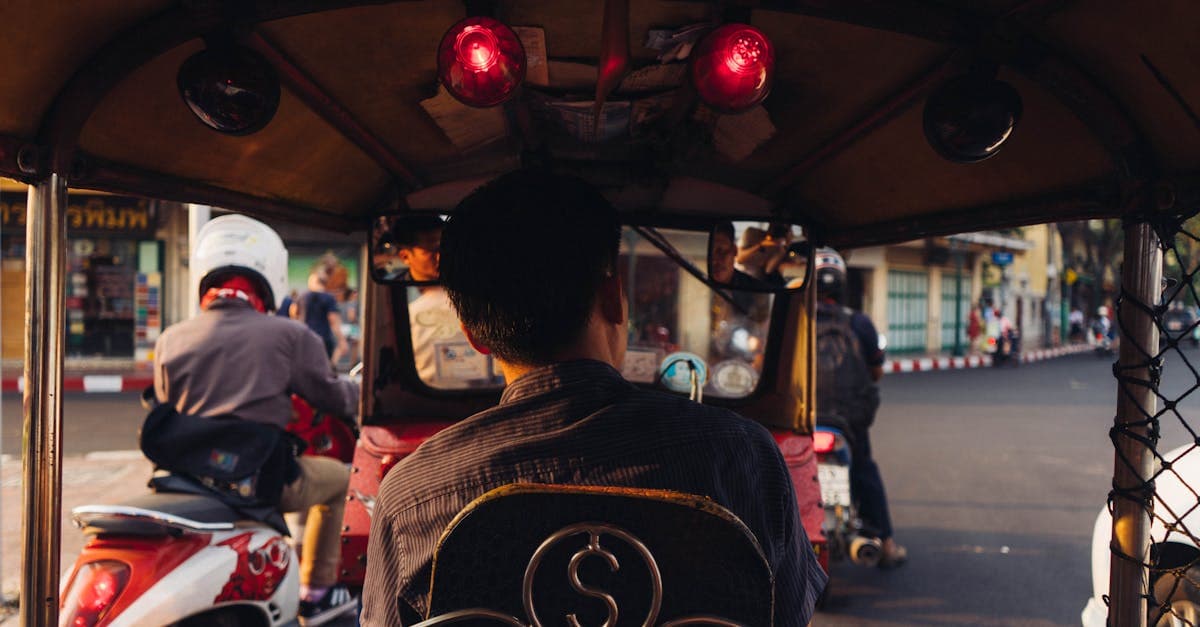
NZ$3,000 covers approximately 30 to 40 days of comfortable budget travel in Vietnam or Cambodia, or 23 to 32 days in Thailand. The NZD is running at around 0.59 to 0.61 against the US dollar in early 2026, which puts it at roughly 21 to 22 Thai baht and between 14,800 and 15,200 Vietnamese dong per Kiwi dollar. Those rates mean the basics of Southeast Asian life, a private guesthouse room, three meals and a slow bus, stay well within reach on a modest budget.
Push towards mid-range and that same budget lasts three to four weeks comfortably in Thailand.
There are exceptions worth building into any itinerary. Bali's Seminyak and Canggu, the Thai islands of Phuket and Koh Samui, and Luang Prabang in Laos all run significantly above the national average for their respective countries. Budget those stops separately at rates closer to Australian domestic travel rather than Southeast Asian backpacker norms.
All figures above exclude flights from New Zealand.
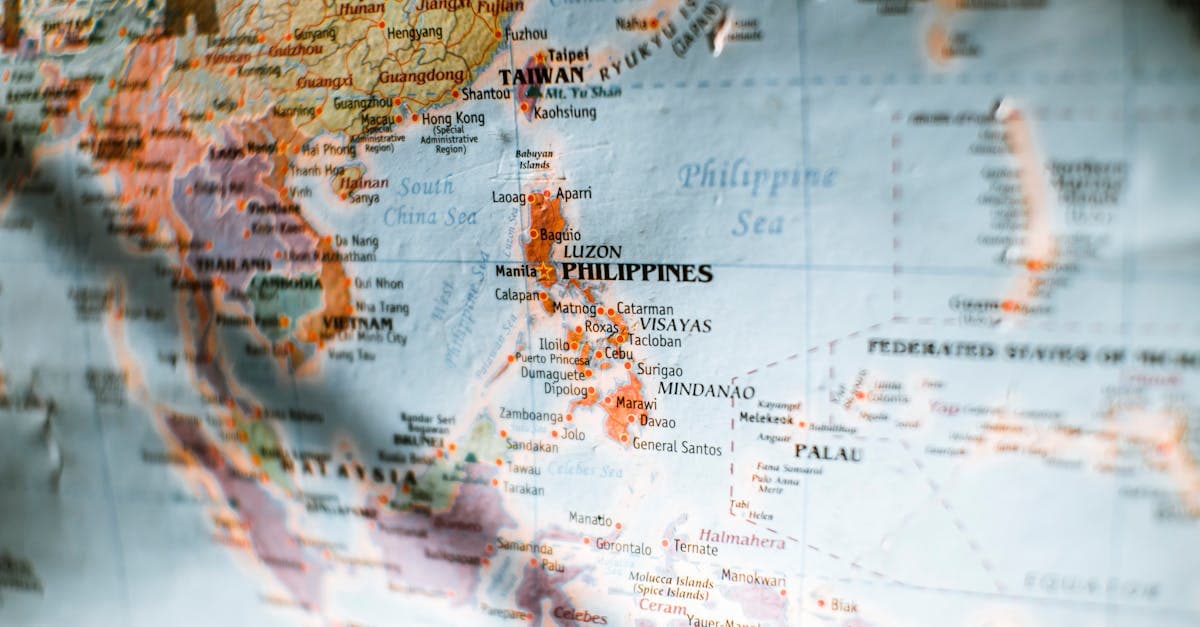
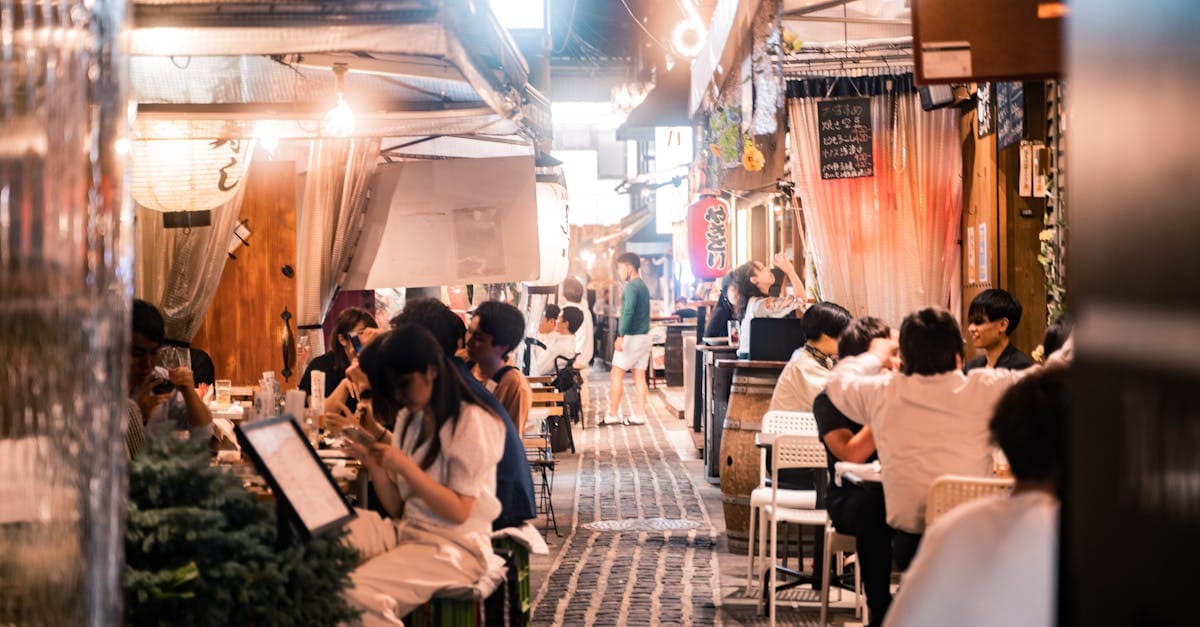
Vietnam remains the clearest budget choice for Kiwi travellers in 2026, and that has not changed much in years. Street food meals in Hanoi and Ho Chi Minh City start at around NZ$2 to NZ$4. Guesthouses in the Hanoi Old Quarter and along the Mekong Delta run NZ$12 to NZ$20 per night. Sleeper trains between cities are cheap and practical, making a north-to-south traverse one of the best-value land journeys in the region. Hoi An outside peak season, roughly April to June or September to October, hits a sweet spot of decent weather and lower tourist prices.
Cambodia sits close behind. Phnom Penh has stayed genuinely affordable compared to its neighbours. Kampot and Kep in the south are underrated stops for travellers looking to avoid the tourist circuit altogether. Siem Reap is more commercial now, but the Angkor Wat entry fee of around NZ$50 per day is one of the few splurges that is hard to argue against.
Laos rewards patience. Daily costs are modest but limited transport options inflate overall trip budgets. Slow boats and minivan connections eat into both time and money, so budget extra transit days rather than squeezing a tighter daily spend.
Thailand lands mid-range by Southeast Asian standards, but the infrastructure justifies it. Bangkok offers solid value for its food variety, street markets and public transport network. Southern island resorts push costs up sharply and consistently.
The Philippines is cheap once you are on Luzon, but domestic flights between islands are unavoidable. Budget for them upfront rather than discovering them mid-trip when options narrow.
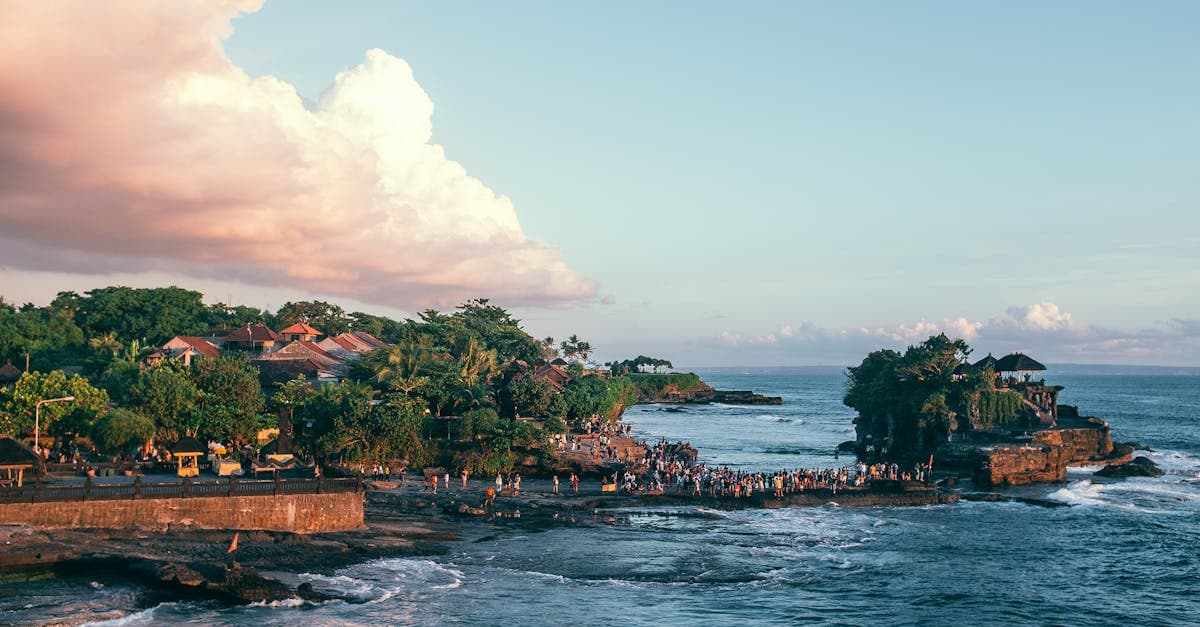
Indonesia's trap is treating Bali as representative. Seminyak and Canggu now run at prices closer to an Australian beach town than a Southeast Asian guesthouse strip. Lombok, central Java and Flores offer dramatically better value with far fewer crowds.
Malaysia closes out the list as the most expensive of the group. Kuala Lumpur's role as an AirAsia hub makes it a practical free stopover when routing through to cheaper destinations elsewhere in the region.
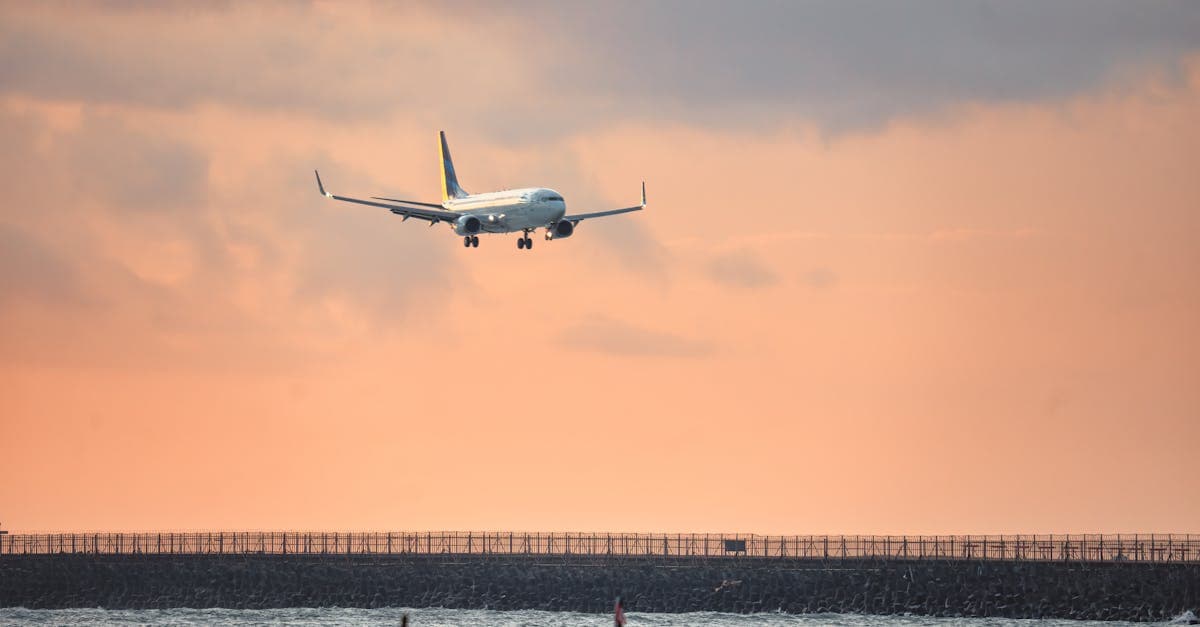
Cheap flights from New Zealand to Southeast Asia route through Bangkok or Singapore as the main gateways, with Auckland to Bangkok taking roughly 11 hours direct and Auckland to Singapore around 10 hours. Bangkok has two airports and the distinction matters. Don Mueang handles budget carriers including AirAsia and Nok Air, making it the smarter arrival point if you are planning cheap onward connections within Southeast Asia. Suvarnabhumi is where Air New Zealand and Thai Airways land. Both serve the same city, but knowing which terminal your budget onward flight departs from before you book a taxi will save you an expensive mistake.
Singapore Changi connects to an enormous range of Asian destinations, though fares from Auckland to Changi tend to run higher than equivalent Bangkok routes.
Travellers from Christchurch or Wellington face an extra calculation. Positioning to Auckland costs both time and money. Transiting through Sydney or Melbourne can sometimes undercut that option, particularly in shoulder season, and the difference can be several hundred NZD. Compare both routes before committing.
Kuala Lumpur's KLIA2 is worth considering as a starting point in its own right. AirAsia's home base offers cheap onward connections across Southeast Asia, often at lower prices than flying direct to smaller regional cities from New Zealand.
Book economy fares 8 to 12 weeks ahead for the best prices from Auckland. January and February often produce sales targeting mid-year departures. NZ school holiday periods in January, July and December push fares higher across all carriers. Kiwis without school-age children who can travel in May or September will find the pricing noticeably friendlier.
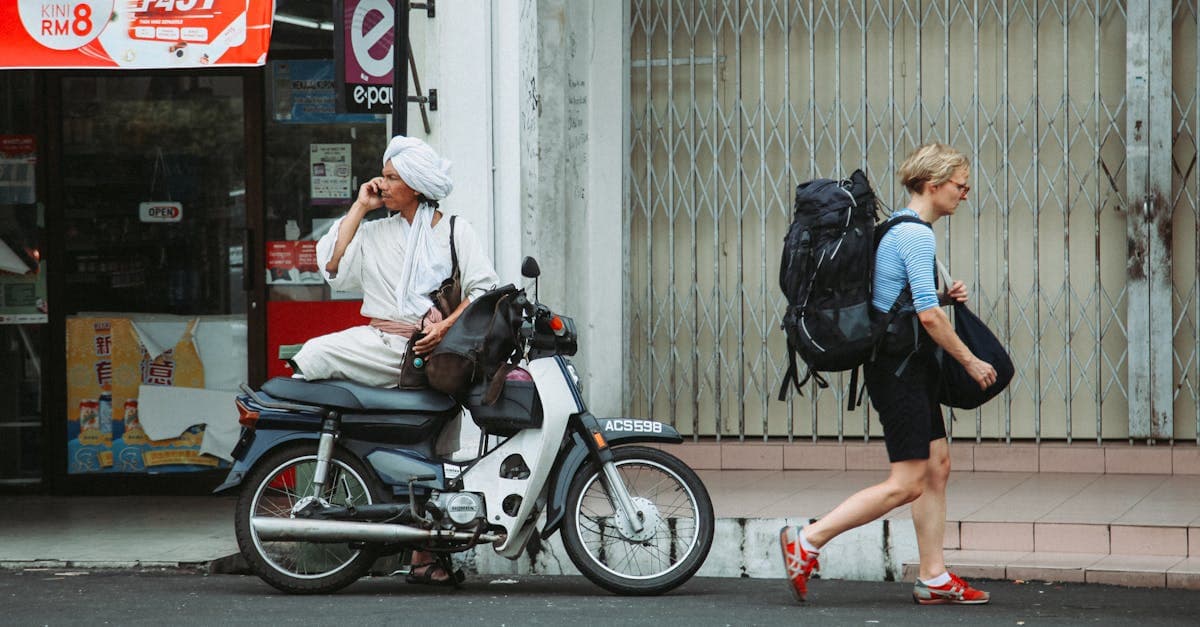
NZ carrier roaming in Southeast Asia is expensive. Spark, Vodafone, and One NZ all charge around NZ$5 to NZ$10 per day, or NZ$30 to NZ$60 per week, before data caps cut speeds back to near-unusable. Run those numbers over a 30-day trip and you're looking at a minimum of NZ$150 to NZ$240, and you'll still hit throttling mid-afternoon once the daily allowance runs out.
WiFi helps, to an extent. Thailand, Vietnam, Singapore, and Malaysia all have solid city coverage; hostels, cafes, and co-working spots tend to be reliable. Step outside the tourist zones and the picture changes. Rural areas in Laos and Cambodia go long stretches without a usable signal. Islands throughout Indonesia and the Philippines are inconsistent at best. Cafe WiFi is fine for messages. It's not reliable enough to navigate with, book transport on, or use in a genuine emergency.
The practical stakes are real. Getting off a bus in an unfamiliar city after dark with no map access is not a situation you want to find yourself in. Confirming a guesthouse, booking an onward ticket, dealing with anything that goes wrong: all of it needs mobile data. The cities give you options. The rural routes, remote islands, and border crossings do not.

For a single-country trip, a local SIM is the most affordable option. For multi-country overland routes, a regional eSIM is more practical, removing the need to swap physical cards at each border crossing. The maths on local SIMs looks good until you reach the first border. In Vietnam, a 30-day plan runs around NZ$6 to NZ$13. In Thailand, NZ$13 to NZ$26. Each is a separate card, a separate number, a separate setup process, and a different language on the packaging.
At most land crossings between Thailand, Laos, Vietnam, and Cambodia, SIM vendors are hit-and-miss. Border prices run higher than city rates, and APN settings (the configuration your phone needs to connect to the local network) are sometimes printed only in the local script. Cross four countries on an overland trip and you're juggling four physical cards, four numbers, and the occasional phone that refuses to register on the new network.
A regional eSIM removes most of that friction. Hello Roam offers a Southeast Asia regional data plan covering the main overland route countries on a single setup; a full month of regional data costs roughly what three to six days of NZ carrier roaming would set you back. QR code, scan at home, active before you board at Auckland.
Check your device before you leave. Most phones released from around 2019 onwards support eSIM, but some budget Android models do not. Go to Settings, then Mobile Data or Cellular, and look for 'Add eSIM' or 'Add Plan.' For a multi-country overland route, one regional eSIM plan is more practical than carrying four separate SIM cards.

A 30-day budget trip to Southeast Asia from New Zealand typically costs NZ$2,500 to NZ$4,500 all-in, including return flights. That's the quick answer. Where you land in that range depends on the countries you visit, how you move between them, and your tolerance for top-bunk sleeping.
Return flights from Auckland are the biggest single variable. Book three to four months ahead and economy returns typically run NZ$700 to NZ$1,200. Wait until the last few weeks and that figure can jump by NZ$300 to NZ$600. Travellers from Christchurch and Wellington should also compare a positioning flight to Auckland against routing through Sydney or Melbourne, as noted in the flights section above.
Daily ground spend breaks across a few main categories: accommodation runs NZ$15 to NZ$35 per night, food NZ$15 to NZ$30 per day, local transport NZ$5 to NZ$15, and activities and entry fees NZ$5 to NZ$20. Vietnam and Cambodia consistently sit at the lower end of those ranges; Thailand tends toward the top. The table below shows 30-day on-ground totals at three spending tiers:
30-day on-ground costs in NZD (excluding flights)
Set aside NZ$300 to NZ$500 as a buffer for visa fees, border taxes, emergency transport, and the occasional room upgrade. Those costs accumulate faster than most first-timers expect.
For scale: 30 days in Europe typically costs Kiwi travellers NZ$8,000 to NZ$12,000 all-in. Southeast Asia at NZ$3,500 is not just more affordable; it is a different order of magnitude.
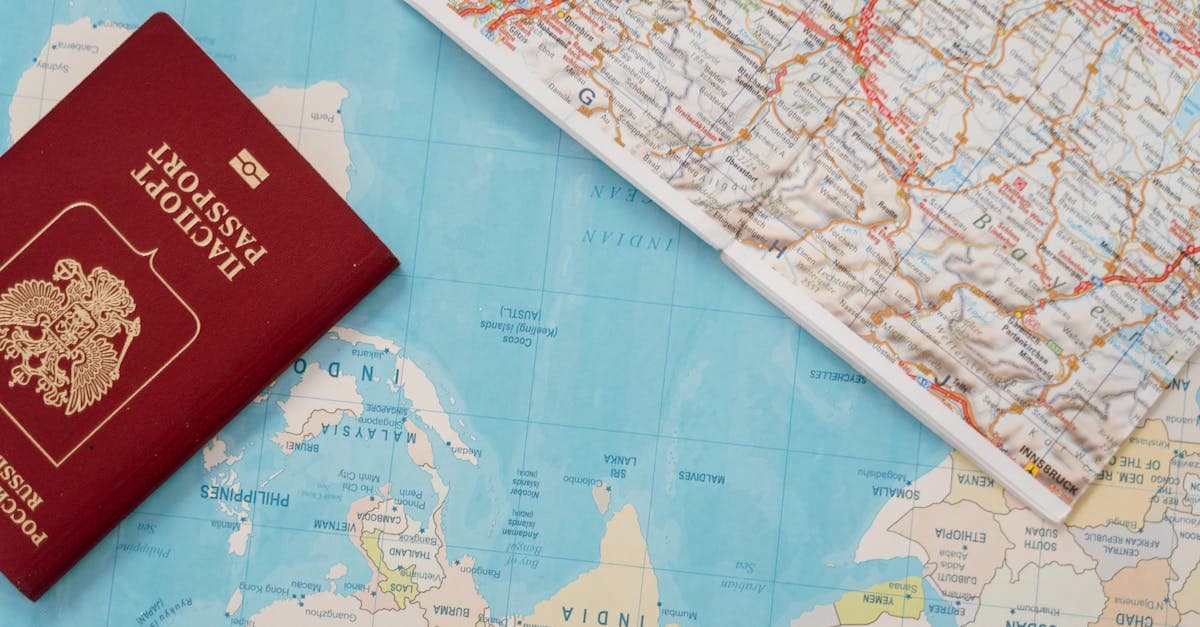
New Zealand passport holders clear the entry hurdle across Southeast Asia without much fuss. Most major destinations offer free entry on arrival or a simple online application, with no embassy visit required.
Thailand grants 30 days entry to NZ citizens at air and land borders. Extensions are available at immigration offices for a fee. Land border entries are capped at twice per calendar year under current rules, which matters for overland travellers doing a multi-country loop that crosses back through Thailand.
Vietnam offers a 45-day e-visa to NZ passport holders through the official Vietnam Immigration portal. Apply at least three working days before departure. The e-visa covers both air and land entry points.
Cambodia accepts e-visa applications and visa-on-arrival at major crossings. Both cost USD 30, payable in US dollars. The online application is the cleaner option if you want documentation sorted before reaching the border.
Indonesia allows 30 days visa-free at major entry points, extendable to 60 days. Bali introduced an international tourist levy in 2024, collected at the airport separately from any visa requirements.
Malaysia gives NZ travellers 90 days visa-free. The Philippines offers 30 days on arrival, extendable through the Bureau of Immigration.
Entry conditions do change, sometimes without much notice. Verify current requirements through Immigration New Zealand and each country's official immigration portal before you depart.
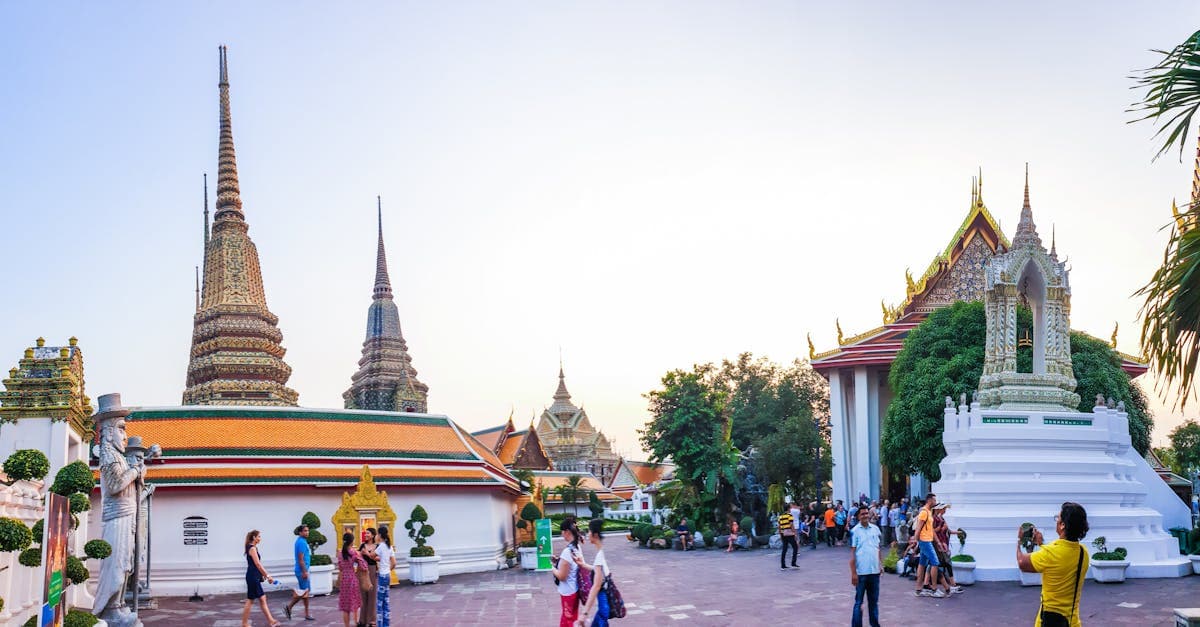
For Kiwis without school-age children, May to June or September to October is the best time to visit Southeast Asia, combining decent weather with lower prices and manageable crowd levels. November through March is the dry season across most of mainland Southeast Asia, but it coincides with New Zealand's summer holiday window, pushing accommodation rates and internal flight prices up.
April and May deserve more credit. The monsoon has not arrived, tourist numbers ease off, and prices follow. Mornings are manageable; afternoons in Thailand and Cambodia get fierce, but that is what guesthouse air-conditioning exists for.
June through September brings rain to mainland Southeast Asia but stays largely fine for southern Thailand, Bali and parts of the Philippines. Wet season rarely means all-day rain; most days deliver heavy afternoon showers and reasonable sunshine on either side.
Typhoon season is the one variable that can genuinely derail an itinerary. The Philippines and Vietnam's east coast face typhoon risk from July through November, which matters if island-hopping in the Visayas or beach time near Da Nang is in the plan.

A 30-day budget trip to Southeast Asia from New Zealand typically costs NZ$2,500 to NZ$4,500 all-in, including return flights. Return economy flights from Auckland usually run NZ$700 to NZ$1,200 booked three to four months ahead. Daily on-ground costs vary by country, with Vietnam at the lower end and Thailand toward the top of the budget range.
Vietnam is the clearest budget choice for Kiwi travellers in 2026. Street food meals in Hanoi and Ho Chi Minh City start at around NZ$2 to NZ$4, and guesthouses run NZ$12 to NZ$20 per night. Cambodia sits close behind, with Phnom Penh remaining genuinely affordable and Kampot and Kep offering underrated value.
NZ$3,000 covers approximately 30 to 40 days of comfortable budget travel in Vietnam or Cambodia, or 23 to 32 days in Thailand. Those figures exclude return flights from New Zealand. Popular tourist areas like Bali's Seminyak, Phuket, and Koh Samui cost significantly more than the national average and should be budgeted separately.
The daily backpacker budget in Vietnam runs around NZ$55 to NZ$70, covering a private guesthouse room, three meals, and local transport. Sleeper trains between cities are cheap and practical. Hoi An outside peak season, roughly April to June or September to October, offers particularly good value.
Thailand's daily backpacker budget runs approximately NZ$70 to NZ$100, making it mid-range by Southeast Asian standards. Bangkok offers solid value for food variety, street markets, and public transport. Southern island resorts including Phuket and Koh Samui push costs up sharply above those averages.
Bali's Seminyak and Canggu areas now run at prices closer to an Australian beach town than a Southeast Asian guesthouse strip, with costs 20 to 40 per cent higher than 2019 levels. Budget travellers should skip those tourist zones and consider Lombok, central Java, or Flores, which offer dramatically better value with far fewer crowds.
Auckland to Bangkok takes roughly 11 hours direct. Bangkok has two airports: Don Mueang handles budget carriers including AirAsia and Nok Air, making it the smarter arrival point for cheap onward connections within Southeast Asia. Suvarnabhumi is where Air New Zealand and Thai Airways land.
Book economy fares 8 to 12 weeks ahead for the best prices from Auckland. January and February often produce sales targeting mid-year departures. NZ school holiday periods in January, July, and December push fares higher across all carriers, so travellers who can fly in May or September will find noticeably better pricing.
Travellers from Christchurch or Wellington face an extra cost for positioning to Auckland. Transiting through Sydney or Melbourne can sometimes undercut that option, particularly in shoulder season, with savings of several hundred NZD possible. Compare both routing options before committing to either.
Spark, Vodafone, and One NZ all charge around NZ$5 to NZ$10 per day, or NZ$30 to NZ$60 per week, before data caps cut speeds to near-unusable. Over a 30-day trip that adds up to a minimum of NZ$150 to NZ$240, with throttling likely mid-afternoon once the daily allowance runs out.
For a single-country trip, a local SIM is the most affordable option. For multi-country overland routes, a regional eSIM is more practical, removing the need to swap physical cards at each border crossing. A Vietnam SIM costs around NZ$6 to NZ$13 and a Thailand SIM NZ$13 to NZ$26, but four countries means four separate cards, numbers, and setup processes.
Most phones released from around 2019 onwards support eSIM, but some budget Android models do not. Go to Settings, then Mobile Data or Cellular, and look for Add eSIM or Add Plan to check. A regional eSIM is scanned via QR code at home and can be active before you board your flight in Auckland.
Thailand, Vietnam, Singapore, and Malaysia have solid city WiFi coverage in hostels, cafes, and co-working spots, but rural areas in Laos and Cambodia go long stretches without a usable signal. Islands throughout Indonesia and the Philippines are inconsistent at best. Cafe WiFi is not reliable enough for navigation, booking transport, or handling emergencies on the road.
Budget accommodation in Southeast Asia typically runs NZ$15 to NZ$35 per night across most countries. Vietnam guesthouses in the Hanoi Old Quarter and Mekong Delta run NZ$12 to NZ$20 per night. Popular resort areas like Bali's Seminyak and the Thai islands sit well above those ranges.
Cambodia's daily backpacker budget runs around NZ$50 to NZ$65, making it one of the cheapest destinations in Southeast Asia. NZ$3,000 covers approximately 35 to 45 days in the country. Phnom Penh and southern towns like Kampot and Kep are the best-value stops; Siem Reap is more commercial but Angkor Wat entry at around NZ$50 per day is widely considered worthwhile.
Accommodation and food in popular tourist areas including Hoi An, Koh Samui, and Bali's Seminyak have climbed 20 to 40 per cent since 2019, and any guide written before 2022 will underquote costs. Even so, Southeast Asia remains exceptional value by global standards. A month living well in Vietnam costs roughly what two weeks' rent in Auckland runs.
30 days in Europe typically costs Kiwi travellers NZ$8,000 to NZ$12,000 all-in. A comparable 30-day Southeast Asia trip runs around NZ$3,500 all-in including flights. That is not just more affordable; it is a different order of magnitude of savings for a similar length of travel.
In early 2026, the NZD is running at around 0.59 to 0.61 against the US dollar, putting it at roughly 21 to 22 Thai baht and between 14,800 and 15,200 Vietnamese dong per Kiwi dollar. Those rates keep the basics of Southeast Asian life, including a private guesthouse room, three meals, and a slow bus, well within reach on a modest budget.
Bali's Seminyak and Canggu, the Thai islands of Phuket and Koh Samui, and Luang Prabang in Laos all run significantly above their national averages. Budget those stops at rates closer to Australian domestic travel rather than Southeast Asian backpacker norms. Siem Reap in Cambodia is also more commercial than the rest of the country.
Laos has a daily backpacker budget of around NZ$55 to NZ$70, similar to Vietnam and Cambodia. However, limited transport options inflate overall trip budgets, as slow boats and minivan connections eat into both time and money. Budget extra transit days rather than squeezing a tighter daily spend when planning a Laos itinerary.
HelloRoam: your trusted travel eSIM that keeps you online across borders.
Explore Plans