Budget Flights to New Zealand in 2026: the Complete Booking Guide

Written by: David Chen


11 min read

HelloRoam is a global eSIM provider offering instant mobile data in 170+ countries. Buy prepaid travel eSIM plans with no extra fees, no contracts, and instant activation on any eSIM-compatible device.
11 min read

Budget flights to New Zealand cost more than comparable long-haul routes, and the structure of the market explains why. From Los Angeles, a genuine sale fare runs around USD 700-900 round-trip. Typical is USD 950-1,400. From London, budget NZD 800-1,000 on a good deal, rising to NZD 1,050-1,400 most of the time. Australia sits in its own category: Jetstar one-way fares between Sydney or Melbourne and Auckland start at around AUD 89 on promotion, settling at AUD 180-350 for a standard booking.
Why does New Zealand cost more than Southeast Asia or Europe at similar distances? No ultra-low-cost carrier operates long-haul into New Zealand. That's the core problem. Routes to Bangkok or Lisbon face constant downward pressure from Wizz Air, AirAsia, IndiGo, and their equivalents. The Pacific long-haul market has no equivalent, and until one enters, fares won't fall the way they have elsewhere.
There's a second factor that's kept prices stickier than pre-2024 levels: Rolls-Royce engine issues affecting Air New Zealand's 787 fleet reduced capacity on key international routes. Fewer seats in the market, less incentive to discount. It's a supply constraint, not a demand surge, which matters for how you read forward price trends.
From the USA or UK, expect to pay roughly USD 100-300 more per round-trip to New Zealand than you would to Australia on the same booking window. More competition on Australian routes explains that gap, and it's not closing any time soon.
December through January and July are the expensive windows. Book inside those dates and you're paying for timing, not for anything better.

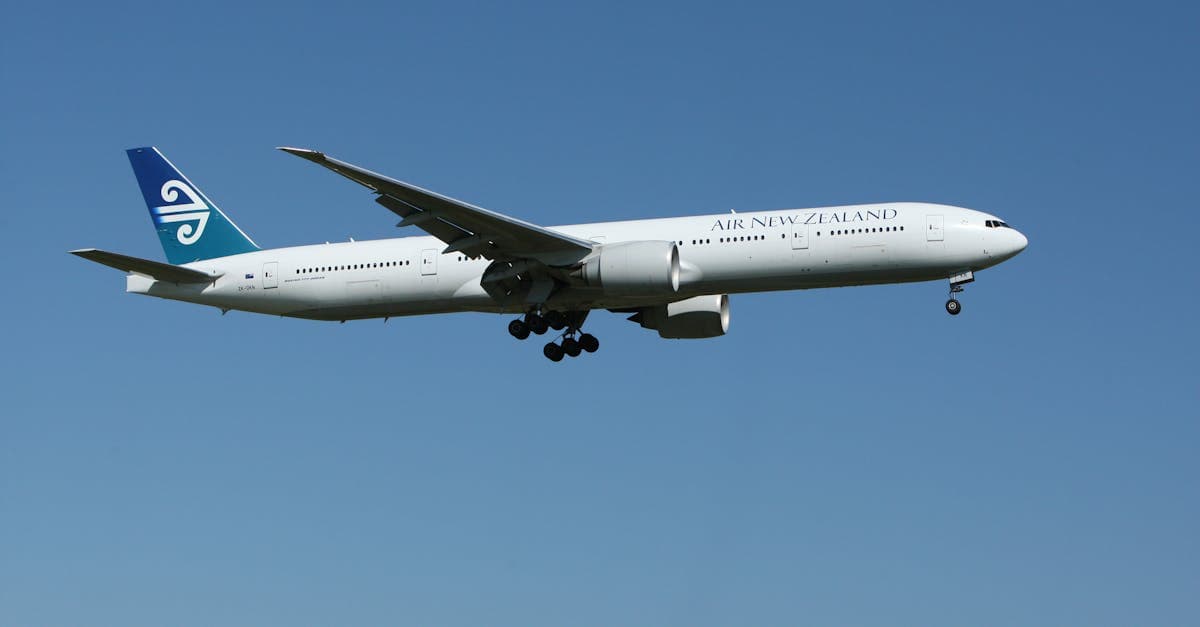
Air New Zealand dominates. That's the short version. The carrier controls the largest share of international routes into Auckland, operates the most reliable direct services from Los Angeles and London, and runs a flash-sale platform called Grabaseat specifically for deals hunters. Sign up for Grabaseat email alerts: sales tend to land on Tuesday and Wednesday nights in New Zealand time, and domestic and Pacific short-haul fares feature most often.
Jetstar is a different animal. It flies trans-Tasman routes between Australia and New Zealand, and does that well at competitive prices. But Jetstar doesn't operate long-haul to New Zealand from the USA or UK. If you see a cheap Jetstar fare to Auckland from London, check the routing: it connects through Australia, which means you're buying two separate products. Jetstar's base fares also exclude checked baggage, so always compare the final total, not just the headline number.
For long-haul cheap flights new zealand from North America, Europe, or the Middle East, Asian hub carriers consistently come in below Air New Zealand's pricing. China Southern routes via Guangzhou, Korean Air via Seoul, Cathay Pacific via Hong Kong, and Singapore Airlines via Singapore all offer lower base fares on long-haul legs, at the cost of extra travel time.
Fiji Airways via Nadi is worth a look if you're departing the western USA. The Pacific stopover routing occasionally hits competitive prices, and for flexible travellers who don't mind breaking the journey, it's a genuine option rather than a consolation prize.
One structural point for context: Bonza, the Australian budget carrier that entered trans-Tasman routes, exited in 2024. No new ultra-low-cost carrier has taken that slot as of 2026. The competitive landscape for New Zealand's international routes remains thin, and that affects everyone shopping for the cheapest ticket.

Grabaseat is the first platform to bookmark. Air New Zealand's own deals hub sends email alerts when sales go live, and the timing matters: promotions typically drop on Tuesday and Wednesday nights in New Zealand time. Domestic routes and short-haul Pacific fares appear most frequently. If your trip starts in Auckland and you need onward domestic legs, this is where you'll find the lowest prices.
Jetstar's deals page covers the trans-Tasman side of the equation. Subscribe to fare alerts there for Australia-to-New Zealand flash sales, where one-way fares drop to around AUD 89-120 when promotions run.
Google Flights is the most practical daily tool for anyone still figuring out their travel window. The date grid and price graph let you scan three to six months of forward fares across a single screen, without visiting individual airline sites. Cheapest days become immediately obvious.
Skyscanner's "cheapest month" filter adds another layer of flexibility. You can compare multiple departure cities side by side, which matters if you're not fixed on a single origin airport.
Error fares are the outlier category, unpredictable but real. Secret Flying and Airfarewatchdog both monitor pricing mistakes across carriers. New Zealand error fares surface a few times a year and can land 40-60 percent below market rate. Airlines occasionally honour them; sometimes they cancel. Set up alerts, move fast, and book refundable accommodation until the ticket is confirmed.
The logic here is simple: no ultra-low-cost carrier flies long-haul directly to New Zealand, but Jetstar does fly between Australia and New Zealand at genuine budget prices. Book those two legs on separate tickets and you've unlocked budget New Zealand access from almost any major departure city.
Here's how it works in practice. Book your long-haul flight to Sydney or Melbourne first, using whichever carrier gives you the best fare on that leg. From Los Angeles, Chinese or Korean carriers via their home hubs typically win on price. From London, a mix of Middle Eastern and Asian carriers covers the ground. From Dubai, direct connections to Sydney are strong and competitive. Then add a Jetstar trans-Tasman one-way to Auckland, priced at around AUD 89-150 on a standard booking, or lower during a flash sale.
The Australian stopover doesn't have to be wasted time. A 6-24 hour Sydney or Melbourne layover can be scheduled deliberately: arrive in the morning, leave luggage at the airport, take the train to the city centre, eat something decent, and catch an evening Jetstar departure north to Auckland. No extra accommodation needed if the timing works.
Two caveats, both serious. First: these are separate tickets. If your long-haul flight is delayed and you miss the Jetstar connection, no airline owes you a rebooking. Build in at least 12 hours between your international arrival and the Jetstar departure. Second: check transit visa requirements for your nationality before booking. Some passports require a visa for entry to Australia even during a short stopover, and that's not a surprise you want at check-in.

The two-stop route via Australia saves USD 100-270 per person compared to a direct Los Angeles to Auckland flight. Here's what each option costs, based on typical economy fares.
On a two-person trip, that gap becomes USD 200-500 in round-trip savings. Enough for a domestic New Zealand circuit, or several nights' accommodation in Queenstown.
The trade-offs are real. The two-stop routing adds 6-24 hours of travel time depending on the connection. You're also holding two separate tickets, which means separate missed-connection risk (the caveats covered in the previous section apply here). Some passport holders also need an Australian transit visa even without leaving the airside area, so verify your requirements before booking.
When does direct beat two-stop? If Air New Zealand has a Grabaseat sale running, the direct fare can undercut the combined two-stop total, particularly for travellers already departing from Australia where the trans-Tasman leg is the shorter stretch. Use Google Flights' multi-city search to price both legs simultaneously and compare against the best direct fare before committing to either option. Let the numbers make the call, not the assumption that two stops always saves money.
Timing matters more than airline loyalty points on a trip to New Zealand. The cheapest months to fly are May, June, and September, when New Zealand's autumn and early spring overlap with low tourist volume and no school holidays driving demand.
Month-by-month price guide:
Queenstown breaks this calendar. ZQN fares spike from July through September because of ski season demand, reversing the typical winter low. Book any winter Queenstown travel at least three months ahead.
For international flights from the US or UK, 3-6 months ahead is the target booking window. Domestic New Zealand flights are more forgiving: 4-6 weeks ahead works for most routes, though Queenstown again requires that longer lead time.
Australian school holidays inflate trans-Tasman fares during July, September through October, and December through January. Booking from Australia? Those blackout windows apply to your search too.

International fares get all the focus, but domestic flights inside New Zealand catch plenty of travellers unprepared. A standard Auckland-Queenstown-Christchurch circuit costs NZD 300-600 per person in economy, depending on how far ahead you book and which carrier you use.
Key routes and what to budget:
Air New Zealand and Jetstar both serve most of these routes, and the real price gap is smaller than the headline fares suggest. Jetstar usually wins on base fare, but adds fees for checked luggage. Air New Zealand includes 23 kg of checked baggage on most economy tickets, which closes the gap once you price a bag each way.
For the lowest fares, fly midweek. Tuesday and Wednesday departures are consistently cheaper than Friday and Sunday slots. Air New Zealand drops Seat Sale fares on Thursday nights, so set a calendar alert. Book 4-6 weeks ahead for best availability on most routes.
One comparison worth making before you default to a flight: intercity buses and rental cars can actually undercut domestic flights on North Island routes once airport transfers are factored in. Hamilton, Tauranga, and Rotorua are all within straightforward driving distance of Auckland. Run the full door-to-door cost before assuming the flight is the budget choice.

Your carrier's standard roaming rates in New Zealand will cost more than you expect. AT&T's International Day Pass runs USD 12 per day, reaching USD 168 for a standard two-week trip. Verizon's TravelPass is USD 10 per day, totalling USD 140 over the same period. EE customers in the UK pay around NZD 4 per day, roughly NZD 56 for 14 days.
New Zealand sits outside all major UK free-roaming zones. Vodafone UK, EE, and O2 customers pay daily roaming add-on fees from the moment they land, every single day of the trip.
The practical alternative is a local eSIM purchased before departure. Hello Roam's New Zealand eSIM costs $15.24 for 10 GB over 30 days, running on the Spark network for the broadest rural coverage in the country. That compares directly with the USD 140-168 in carrier charges noted above for a two-week trip.
Why the network backbone matters: Spark covers around 75-80% of New Zealand's land area, giving it the strongest reach for South Island road trips. One NZ and 2degrees both fall short of Spark's footprint in rural areas, which becomes a real issue once you leave the main highway on the West Coast or head into Fiordland.
Two stretches of road have no coverage at all: SH94 into Milford Sound, and SH6 between Fox Glacier and Haast. Both have gaps of 30-50 km with zero cell signal. Download offline maps via Google Maps or Maps.me before leaving Te Anau or Franz Josef. Signal disappears before you'd think to check.

Short trip or long stay? That's the only decision.
Under 10 days, eSIM is the practical choice. Activate before departure, land with data already running. Hello Roam's NZ plans start at $1.70 for 1 GB and reach $27.98 for 20 GB, with upfront disclosure of which carrier backbone sits under each plan, so you know your rural coverage before you buy. The multi-country Oceania bundle is worth noting: around 70 percent of NZ visitors also cross to Australia, and one eSIM covering both removes a second purchase entirely.
Longer stays shift the numbers. Spark's prepay 20 GB plan at NZD 40 in-country is hard to beat on per-GB cost if you're staying over 14 days with heavy data use.
Coverage choice matters most outside the main cities:
The dead zones on SH94 and the West Coast SH6 stretch affect every carrier without exception. Download offline maps at Te Anau before heading south. No plan solves a 40 km signal gap in Fiordland.

From Los Angeles, a genuine sale fare runs around USD 700-900 round-trip. Typical economy fares cost USD 950-1,400. Peak season fares during December through January or July can reach USD 1,800-2,200 or more.
May, June, and September are the cheapest months to fly to New Zealand. These months coincide with New Zealand's autumn and early spring, when tourist volume is low and no major school holidays are driving demand. July is a sharp spike due to New Zealand school holidays and Southern Hemisphere winter break.
Air New Zealand dominates international routes and runs a flash-sale platform called Grabaseat. For long-haul routes from North America, Europe, or the Middle East, Asian hub carriers such as China Southern via Guangzhou, Korean Air via Seoul, Cathay Pacific via Hong Kong, and Singapore Airlines via Singapore consistently offer lower base fares. Jetstar serves trans-Tasman routes between Australia and New Zealand at competitive prices.
Jetstar does not operate long-haul flights to New Zealand from the USA or UK. It flies trans-Tasman routes between Australia and New Zealand. If a Jetstar fare from London appears cheap, it connects through Australia, meaning you are buying two separate products.
Grabaseat is Air New Zealand's own deals platform for flash sales. Sales typically drop on Tuesday and Wednesday nights in New Zealand time, with domestic routes and short-haul Pacific fares appearing most frequently. Signing up for Grabaseat email alerts is the most reliable way to catch promotions.
Jetstar one-way fares between Sydney or Melbourne and Auckland start at around AUD 89 on promotion, with standard bookings settling at AUD 180-350. During flash sales, fares can drop to around AUD 89-120 one-way.
The two-stop route via Australia can save USD 100-270 per person compared to a direct Los Angeles to Auckland flight. On a two-person trip, that gap represents USD 200-500 in round-trip savings. However, these are separate tickets with no missed-connection protection, so at least 12 hours should be built in between the international arrival and the onward Jetstar departure.
For international flights from the US or UK, 3-6 months ahead is the recommended booking window. Domestic New Zealand flights are more forgiving, with 4-6 weeks ahead working for most routes. Queenstown flights require a longer lead time due to ski season demand from July through September.
No ultra-low-cost carrier operates long-haul into New Zealand. Routes to destinations like Bangkok or Lisbon face constant downward pressure from carriers such as Wizz Air and AirAsia, but the Pacific long-haul market has no equivalent. Additionally, Rolls-Royce engine issues affecting Air New Zealand's 787 fleet reduced seat capacity on key international routes, creating a supply constraint that kept fares stickier than pre-2024 levels.
A standard Auckland-Queenstown-Christchurch circuit costs NZD 300-600 per person in economy depending on booking timing. Sale fares on routes like Auckland to Wellington start at NZD 49, Auckland to Christchurch from NZD 59, and Auckland to Queenstown from NZD 89. Typical fares are higher, ranging from NZD 80-320 depending on the route.
December and January are the most expensive windows due to Christmas and New Year demand. July also sees a sharp price spike from New Zealand school holidays and the Southern Hemisphere winter break. Queenstown specifically has higher fares from July through September due to ski season demand.
Secret Flying and Airfarewatchdog both monitor pricing mistakes across carriers. New Zealand error fares surface a few times a year and can be 40-60 percent below market rate. Airlines occasionally honour them but sometimes cancel bookings, so it is advisable to book refundable accommodation until the ticket is confirmed.
Jetstar usually wins on base fare for domestic New Zealand routes, but adds fees for checked luggage. Air New Zealand includes 23 kg of checked baggage on most economy tickets, which closes the price gap once a bag is priced each way. The real difference between the two carriers is smaller than headline fares suggest.
From London, a good deal runs around NZD 800-1,000 round-trip, with typical fares at NZD 1,050-1,400. Asian hub carriers such as China Southern, Korean Air, Cathay Pacific, and Singapore Airlines consistently offer lower base fares than Air New Zealand on long-haul legs, at the cost of extra travel time.
Google Flights is the most practical daily tool, with its date grid and price graph allowing you to scan three to six months of forward fares across a single screen. Skyscanner's cheapest-month filter lets you compare multiple departure cities side by side. Grabaseat covers Air New Zealand flash sales, and Jetstar's deals page covers trans-Tasman promotions.
Intercity buses and rental cars can undercut domestic flights on North Island routes once airport transfers are factored in. Hamilton, Tauranga, and Rotorua are all within straightforward driving distance of Auckland, so running a full door-to-door cost comparison is worthwhile before defaulting to a domestic flight.
Bonza, the Australian budget carrier that entered trans-Tasman routes, exited in 2024. As of 2026, no new ultra-low-cost carrier has taken that slot, meaning the competitive landscape for New Zealand's international routes remains thin.
Transit visa requirements vary by nationality when stopping in Australia. Some passports require a visa for entry to Australia even during a short stopover, and this should be verified before booking. It is an important check to make before committing to the two-stop strategy.

Best eSIM for Japan in 2026: a Guide for New Zealand Travellers

New Zealand Travel Itinerary Template: Plan Your Perfect NZ Road Trip in 2026

Best Time to Visit Rarotonga From New Zealand: Month-by-Month Guide 2026

25 Best Things to Do in Bali: the Complete Guide for New Zealand Travellers in 2026
HelloRoam: your trusted travel eSIM that keeps you online across borders.
Explore Plans