Best Places to Visit in Thailand for Indian Travellers in 2026

Written by: David Chen


14 min read
HelloRoam is a global eSIM provider offering instant mobile data in 170+ countries. Buy prepaid travel eSIM plans with no extra fees, no contracts, and instant activation on any eSIM-compatible device.
14 min read
According to tripadvisor.in, Bangkok, Chiang Mai, Phuket, Krabi and Koh Samui cover the range of what Thailand offers: urban energy, mountain culture and island beaches within a single trip. Direct flights connect six major Indian cities to Bangkok, making Thailand one of the more accessible short-haul destinations from the subcontinent. For the itinerary breadth it delivers, very few Southeast Asian alternatives match both the variety and the price point.
Data connectivity is cheaper to arrange from India than at the destination. Indian carrier roaming packs for Thailand start at ~INR 999 per day for limited data, a cost that accumulates significantly over a longer stay. Hello Roam's local eSIM plans for Thailand activate before departure, covering major Thai networks without any physical SIM to track or swap. That eliminates the airport queue at Suvarnabhumi entirely. Your Jio or Airtel number stays live throughout for calls and one-time passwords, which keeps UPI and banking access intact across the trip.
India was Thailand's third-largest source market in 2025, with roughly 2.1 million arrivals, up 18 per cent year-on-year. That figure reflects a genuine match between what Thai tourism offers and what Indian travellers look for: beach variety, urban culture, accessible food options, and a price range that suits both a solo backpacker and a multi-generational family bucketlistbums.com.
According to holidify.com, Bangkok and Chiang Mai anchor the cultural half of any itinerary. Phuket, Krabi and Koh Samui handle the beach half makemytrip.com. Most Indian travellers combine two or three of these on a 10-day trip, which gives enough time to do justice to each without rushing between airports.
Direct flights depart from Mumbai, Delhi, Chennai, Bengaluru, Hyderabad and Kolkata to Bangkok. Budget carriers including IndiGo and SpiceJet use Don Mueang Airport (DMK); full-service carriers land at Suvarnabhumi (BKK), 30 kilometres southeast of the city centre. Phuket Airport (HKT) is the more practical entry point for beach-first itineraries. Return airfare runs ~INR 18,000 to ~INR 35,000, depending on airline, season, and how early you book.
Indian citizens can use the visa-on-arrival at Thai airports for THB 2,000 (~INR 4,800). During Diwali and December peak season, the queue at Suvarnabhumi for this process can stretch past an hour. The Thai e-Visa, applied online before travel, costs the same and clears you through arrival without waiting.
A 7 to 10-day trip from India, covering flights, accommodation and activities, typically runs ~INR 80,000 to ~INR 1,40,000. A solo traveller on midrange guesthouses and local transport can do it for ~INR 50,000. A couple with a mix of nicer hotels and guided day trips fits within ~INR 2 lakh. Thailand's destination range is wider than Bali or Vietnam at comparable price points — and that breadth is its core appeal for the Indian market.
Two airports serve Bangkok, and which one you use depends entirely on your airline. Suvarnabhumi (BKK) handles full-service carriers including Air India; Don Mueang (DMK) is the terminal for IndiGo, SpiceJet and Thai AirAsia X. The two are at opposite ends of Bangkok's metropolitan sprawl, so confirm before booking your airport transfer.
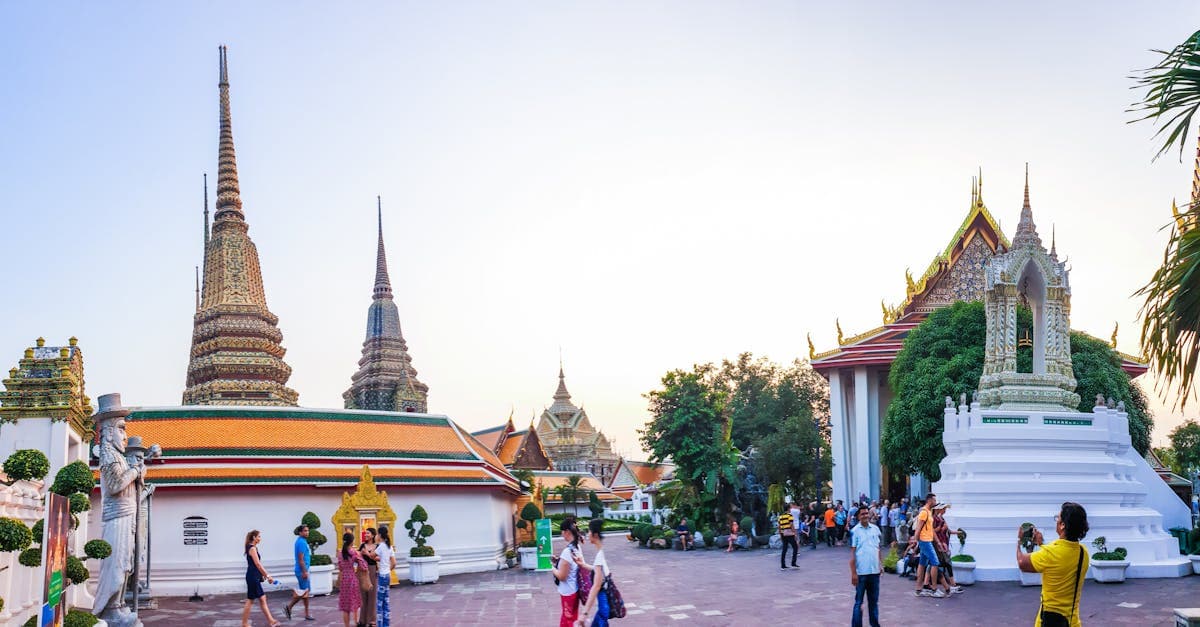
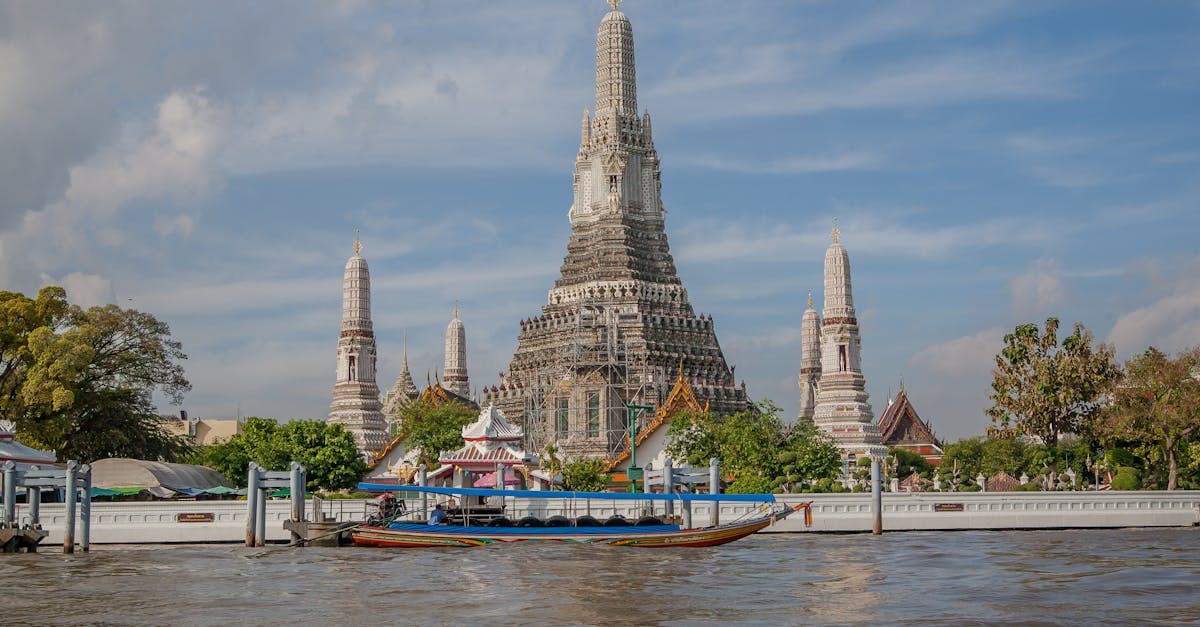
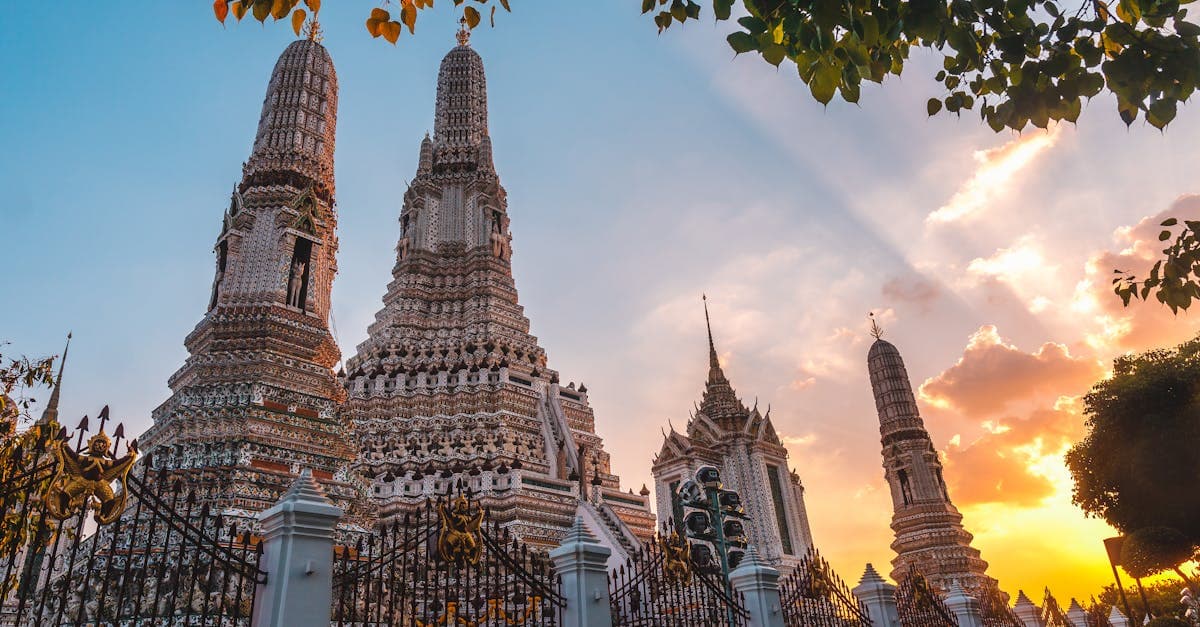
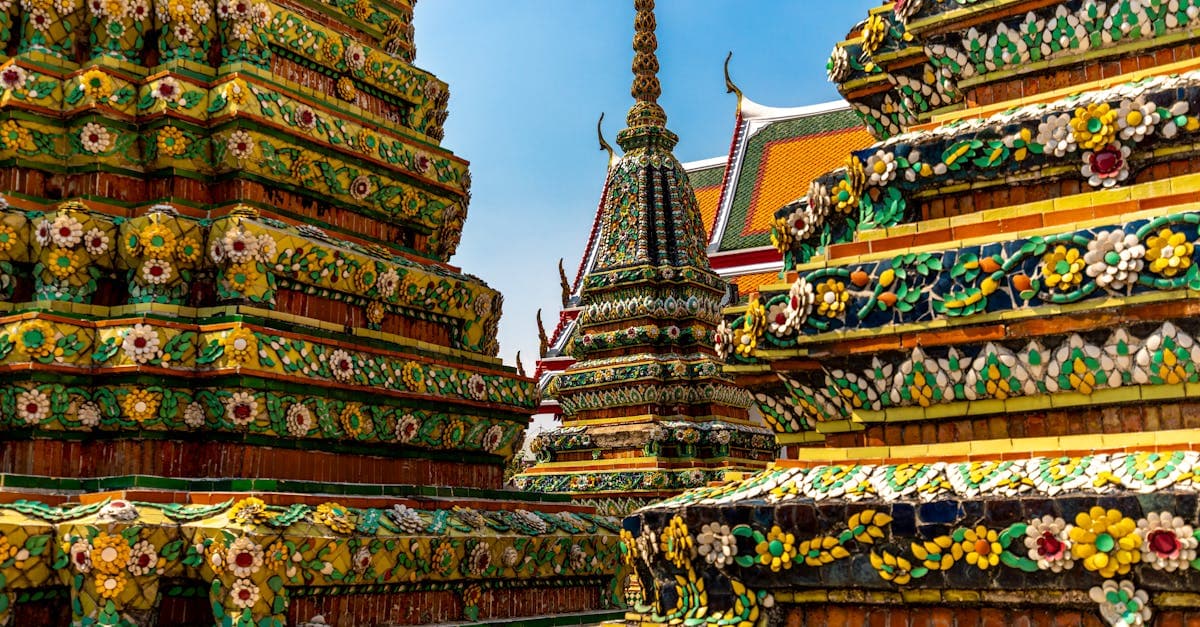
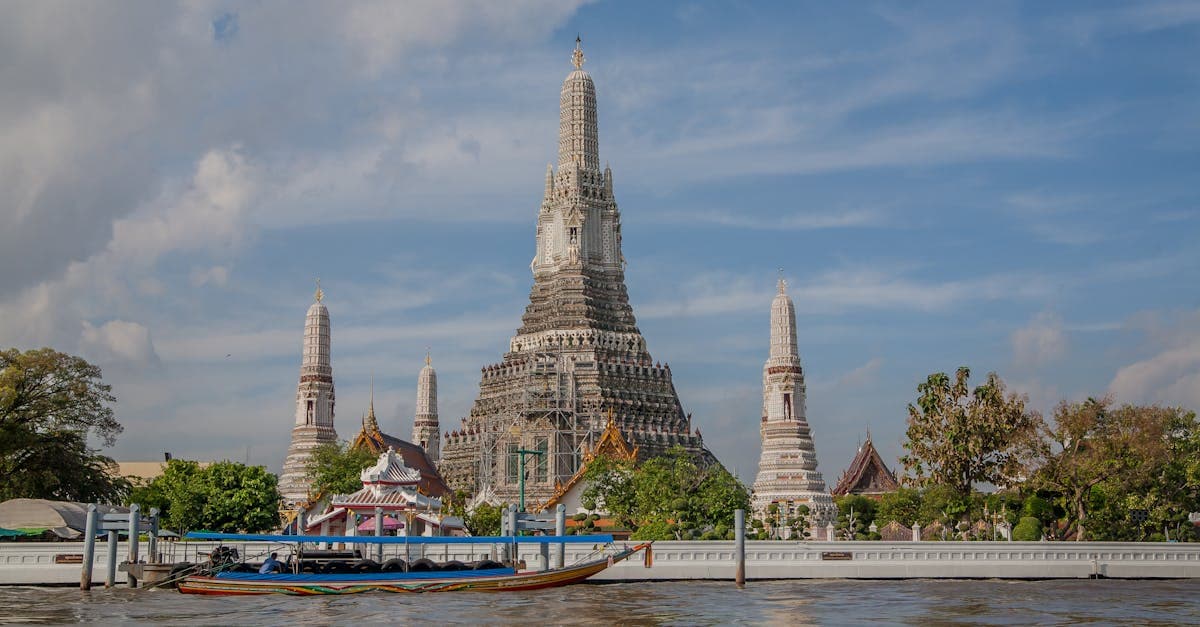
The Grand Palace and Wat Pho (home to the reclining Buddha) are the mandatory Bangkok sights tripadvisor.in. Both sit near the Chao Phraya riverfront, making them convenient to combine in a single morning. Plan at least half a day for the Grand Palace and two hours for Wat Pho; dress code is strict, with shoulders and knees covered required at both entrances without exception.
Where you stay shapes the version of the city you experience. Sukhumvit puts you on the BTS Skytrain network, close to shopping malls and nightlife. Silom is quieter and suits business itineraries. The Chao Phraya riverside, particularly around Chinatown, offers more atmosphere and often better value for money.
Pahurat, Bangkok's Little India district immediately adjacent to Chinatown, stocks Indian groceries, spices and vegetarian thali. For travellers uncertain about food options in the first couple of days, it functions as a useful anchor.
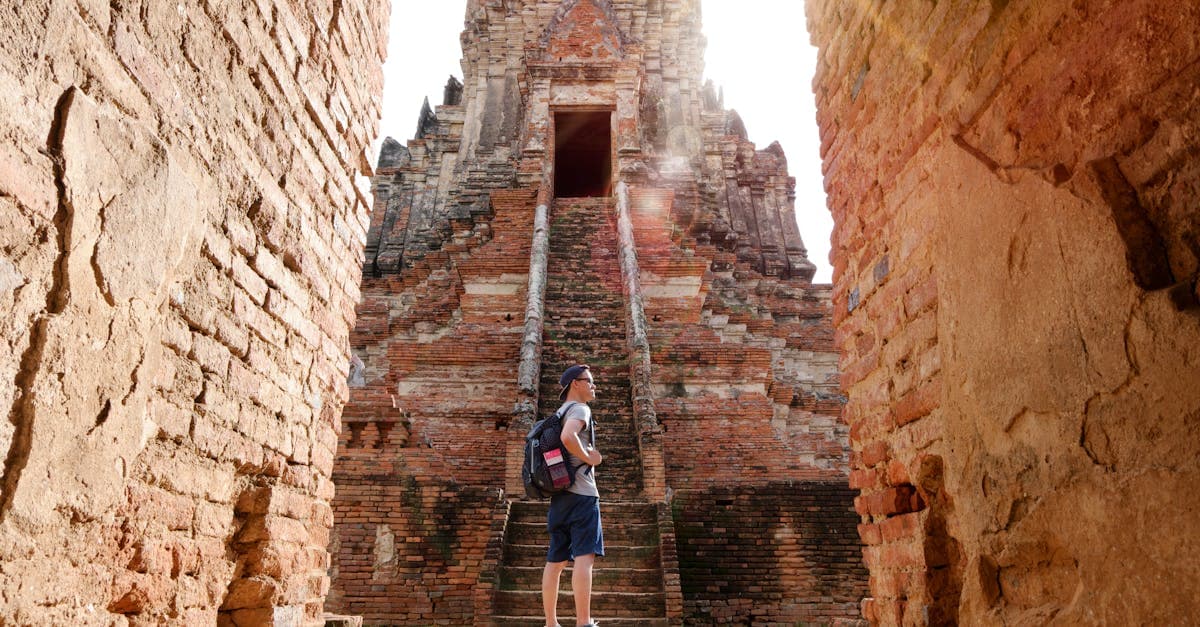
Outside the city, Ayutthaya's UNESCO World Heritage temple ruins are 80 kilometres north, reachable by train from Bang Sue Grand Station in around 1.5 hours klook.com. Khao Yai National Park, also a UNESCO World Heritage site, is 2.5 hours by road from Bangkok and a reliable choice for wildlife hikes and waterfall photography.

Temperature drops the moment you land in Chiang Mai. Between November and February, the city holds at 18 to 25 degrees Celsius, a genuine contrast to Bangkok's year-round humidity and a logical complement to a southern beach leg. The one-hour flight from Bangkok takes less time than most domestic Indian routes; the 10-hour overnight train is a slower but worthwhile alternative for those wanting a break from airports.
Elephant Nature Park, an ethical rescue sanctuary outside the city, is the single most-cited reason Indian visitors extend their northern itinerary. The focus is rehabilitation, not riding shows. Advance booking in peak season is essential.
Doi Suthep temple stands at 1,676 metres and is reached by songthaew (shared red truck taxi) from the Old City in roughly 30 minutes. The valley view from the top, on a clear morning, justifies the trip on its own.
Accommodation in Chiang Mai splits along clear personality lines. The Old City suits heritage guesthouses and easy walking access to temples. Nimman Road is more contemporary: boutique hotels, co-working cafes and a significant digital nomad presence make it a distinct neighbourhood within the same city.
Chiang Rai, three hours north by road, rewards a day trip or overnight stop. The White Temple (Wat Rong Khun) and Blue Temple are the primary draws. Pai, 150 kilometres northwest via 762 mountain curves, is a small hill town with hot springs, bamboo bridges and a night bazaar, and is best saved for the dry season. Sukhothai's historical park, on the UNESCO World Heritage list, is five hours from Chiang Mai or seven from Bangkok, and offers intact ruins with substantially fewer visitors than Ayutthaya.

Phuket gets direct flights from Delhi, Mumbai and Chennai. IndiGo and Air India both operate these routes, which removes the Bangkok layover for anyone whose priority is the beach.
Where you base yourself shapes the experience considerably. Patong is loud and relentless: jet skis, beach bars, water sports from early morning. Kata and Karon are the family options, calmer and noticeably less crowded. Kamala is the mid-range choice with fewer crowds, sitting between Patong's energy and the quieter south.
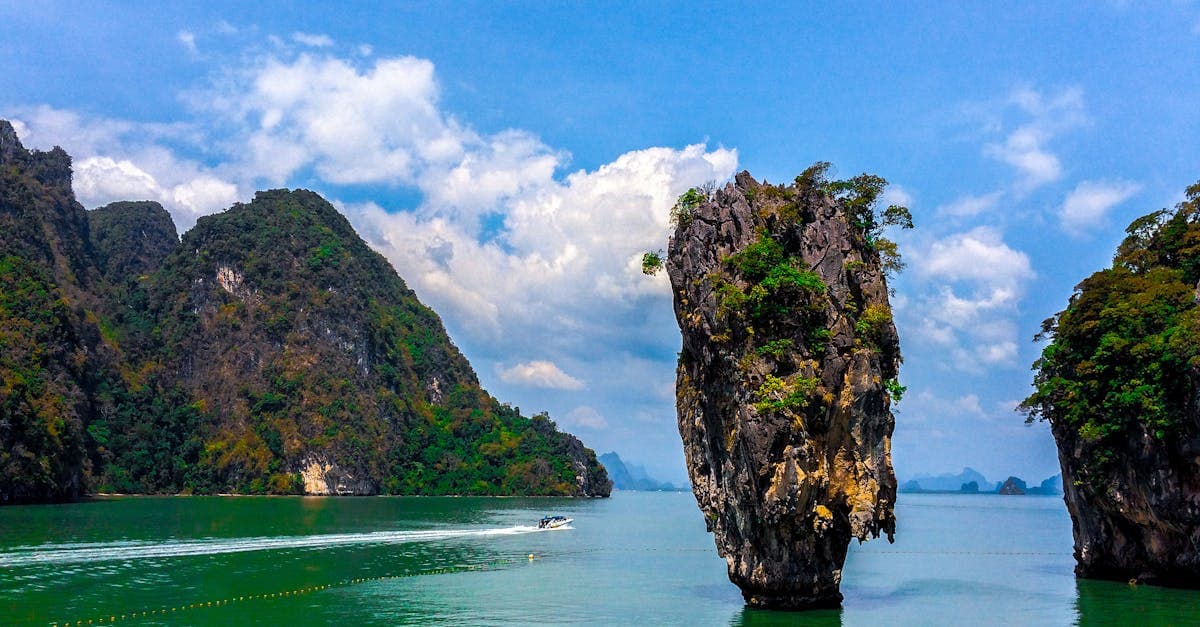
Getting from Phuket to Krabi takes roughly three hours by shared van (THB 250, ~₹600) or ninety minutes by speedboat during the dry season. Krabi delivers on the visual promise: limestone karsts rising from turquoise water, Railay Beach accessible only by longtail boat, and the Tiger Cave Temple for those willing to make the climb.
The Phi Phi Islands are forty-five minutes by speedboat from either Phuket or Krabi. At Maya Bay, the arrival window matters: before 9am you get quiet sand; after 11am you're sharing it with the Phuket day-tour fleet.
Koh Lanta, a two-hour ferry from Krabi, is quieter and more honest on value, with mid-range options running ₹3,000 to ₹5,000 per night, suited to couples and families. One practical note: the Andaman coast runs dry from October to April. Between May and September, heavy rain suspends boat services to smaller islands entirely.

Koh Samui is the default honeymoon destination for Indian couples travelling to Thailand, and the accommodation range earns that status. Chaweng has beach clubs and nightlife proximity; Bophut's Fisherman's Village is quieter, with boutique hotels along a cobbled street; Lamai covers the mid-range ground. Rates across these three areas span ₹6,000 to ₹30,000 per night.
Getting to Koh Samui requires a choice. Bangkok Airways operates the USM airport with an effective monopoly on direct air access, and the fares reflect that. The sensible alternative: fly to Surat Thani and take the Raja Ferry, a 1.5-hour crossing that saves considerably on the ticket.
Koh Tao is two hours from Koh Samui by high-speed catamaran (THB 600) and one of the most affordable places in Southeast Asia to get PADI-certified. Three-day open water courses run ₹12,000 to ₹15,000. Koh Pha-Ngan is on the same route; most visitors time their arrival around the Full Moon Party calendar.
Pattaya is two hours from Bangkok by bus (THB 120), has one of Thailand's largest Indian communities, and Jomtien Beach suits families better than the main seafront. The Gulf coast runs dry from January to September, the exact inverse of the Andaman calendar. When Phuket is under monsoon, Koh Samui stays reliable.
Pick one region and seven days in Thailand is more than enough. Try to combine Bangkok, the north and a beach destination in the same week and the itinerary becomes mostly airport transit.
The cultural version is clean. Two days in Bangkok cover the Grand Palace, Chatuchak and the Pahurat market tripadvisor.in; day three goes to Ayutthaya as a day trip. Days four through seven belong to Chiang Mai, with Doi Suthep and the Elephant Nature Park as the headliners.
The beach version works equally well: two days in Bangkok, Phuket for days three and four, then Krabi or Koh Samui to finish. AirAsia Thailand domestic fares run THB 500 to THB 1,500 (~₹1,200 to ₹3,600); Bangkok to Phuket is 1.5 hours in the air.
Ten days is the practical sweet spot for anyone wanting Bangkok, one beach destination and Chiang Mai without the feeling of passing through rather than arriving. Diwali travellers with five or six days should drop island-hopping and commit to Bangkok plus one coast.
November to February delivers reliable dry weather across most regions and suits any trip length. March is worth considering: conditions hold, crowds ease, and hotel rates begin to soften.
Thailand ranks 28th globally for mobile internet speed. The average 4G speed in urban areas is 55 Mbps, with 5G available in Bangkok, Phuket and Chiang Mai city centres on AIS and True Move H networks. Cities are rarely a connectivity issue; smaller islands and mountain towns are a different matter.
Bangkok hotel and mall WiFi is fast. Chiang Mai has solid digital infrastructure, built over years of digital nomad traffic. Signal in Phuket and Krabi is reliable in town areas but weakens at beach ends and on the water. For Pai, Mae Hong Son and island interiors, download offline tiles in Google Maps or Maps.me at your hotel before heading out.
Indian carrier roaming is the expensive option. Airtel's Thailand day pack runs just under ₹1,000 for 1 GB of high-speed data before throttling kicks in; Jio's day pass is ₹2,199. Both work in an emergency, but neither makes sense on a trip lasting more than a day or two.
Tourist SIM cards from AIS, True Move H or dtac are available at Suvarnabhumi Airport arrivals, Phuket International Airport and Krabi's ferry pier. Seven-day plans with 15 GB run THB 299 to THB 399 (~₹700 to ₹900). Hello Roam's eSIM provides access to AIS and True Move H, activates before you leave India, and carries flexible data allowances and validity options, removing the airport SIM queue entirely.
Before departure, install Google Maps for city navigation and Grab for ride-hailing. Grab operates throughout Thailand and consistently undercuts metered taxis at tourist areas.

The UPI problem trips up most Indian travellers who choose a physical tourist SIM. AIS and True Move H packs offer solid data value at Bangkok airport counters, in the price range covered in the connectivity section above. Ejecting your Jio or Airtel SIM to use one means losing banking OTPs, UPI transaction alerts and incoming calls for the full duration of your trip. Miss one OTP and a card payment fails.
An eSIM runs a Thai data line while your Indian number stays live on the physical SIM slot simultaneously. No swapping, no hunting for a SIM tool at the airport, no risk of losing a card somewhere in a beach bag.
Compatibility needs confirming before you book. iPhones from the XS (2018) onwards support eSIM. Samsung Galaxy S and A series from 2020 onwards are reliable. Xiaomi and Realme handsets below ~₹20,000 typically lack eSIM hardware. On iPhone: Settings > Mobile Data > Add eSIM. On Samsung: Settings > Connections > SIM manager.
The numbers make the case clearly. Airtel roaming for a 10-day Thailand trip totals ~₹9,990. A Thailand eSIM data plan runs under ~₹1,500. The saving of ~₹8,000 or more pays for three nights in a decent Chiang Mai guesthouse, or a return Koh Phi Phi ferry with change left over.
Two lakh rupees for two people over 10 days is a workable budget with room to spare. Per person at mid-range: flights at the airfare range cited in the opening sections; hotel stays ~₹20,000 to ~₹28,000 for the trip; food and local transport ~₹8,000 to ~₹10,000; activities and entry fees ~₹5,000 to ~₹10,000. That puts the per-person total at ~₹70,000 to ~₹1,00,000, comfortably inside the ₹2 lakh combined envelope.
The baht runs at 1 THB to ~₹2.40 in March 2026. A Bangkok street food meal costs THB 60 to THB 80, which translates to ~₹145 to ~₹195. Three full meals at a night market come to under ~₹600.
Solo travellers can cover 7 to 10 days for around ~₹65,000 using budget guesthouses, street food and overnight buses between cities. At the other end, ₹2 lakh per person covers 5-star resorts, private transfers and fine dining in Koh Samui or Phuket without compromise.
UPI and Google Pay are not accepted in Thailand. Use a zero-forex multi-currency card (Niyo Global, Scapia or HDFC Regalia) or withdraw baht from local ATMs. Thai ATMs charge THB 220 per withdrawal, ~₹530 each time. Withdraw larger amounts to reduce the per-transaction cost.
The choice depends on what you want from a trip. Thailand delivers variety in a way few destinations can: Bangkok's urban energy, Chiang Mai's mountain temples, Phuket's Andaman coast and Koh Samui's Gulf islands, all within a single itinerary travellikeanna.com. Bali concentrates its appeal on one island, with Hindu temple culture, rice terrace walks and beach clubs. Neither is objectively superior.
Flights favour Thailand. Bangkok receives direct services from Delhi, Mumbai, Chennai, Bengaluru and Kolkata on IndiGo and Air India. Bali's Ngurah Rai Airport is served by fewer Indian city pairs, with most routes requiring a transit stop.
Visa is simple for both destinations. Thailand's visa-on-arrival carries the fee covered in an earlier section; Bali has been visa-free for Indian passport holders since 2023.
Vegetarian travellers will find Ubud in Bali more straightforward. The density of dedicated vegetarian and vegan restaurants there is genuinely high. Thailand has Indian-friendly options in every tourist city, but identifying them requires more effort and menu-reading.
On value, mid-range accommodation is broadly comparable across both. Thailand is cheaper on food, local transport and inter-city flights. Bali's private villa rates can undercut equivalent Koh Samui resorts at the same luxury tier, which surprises most travellers.
Honeymoon comparison: Bali leads in Ubud and Seminyak on romantic atmosphere. Koh Samui and Krabi match Bali's beaches at slightly lower all-in costs.
First-time travellers from India wanting breadth and urban range should choose Thailand. Those wanting depth in a single place tend to leave Bali more satisfied.

Bangkok and Chiang Mai anchor the cultural half of any itinerary, while Phuket, Krabi and Koh Samui handle the beach half. Most Indian travellers combine two or three of these on a 10-day trip, which gives enough time to do justice to each without rushing between airports. For beach-first itineraries, Phuket Airport is a more practical entry point than Bangkok.
Seven days in Thailand is more than enough if you pick one region. The cultural version covers two days in Bangkok, a day trip to Ayutthaya, and four days in Chiang Mai. The beach version works as two days in Bangkok followed by Phuket and then Krabi or Koh Samui. Trying to combine Bangkok, the north and a beach destination in the same week turns the itinerary into mostly airport transit.
Thailand's destination range is wider than Bali at comparable price points, which is its core appeal for the Indian market. Thailand offers urban culture in Bangkok, mountain experiences in Chiang Mai, and multiple distinct beach coasts, giving a single trip more variety than Bali typically provides. For Indian travellers, direct flights to Bangkok from six major cities also make Thailand more accessible.
Yes, a couple with a mix of nicer hotels and guided day trips can complete a 7 to 10-day Thailand trip from India within approximately INR 2 lakh. A solo traveller on midrange guesthouses and local transport can do it for around INR 50,000. The overall budget range for a 7 to 10-day trip covering flights, accommodation and activities is typically INR 80,000 to INR 1,40,000.
Indian citizens can use the visa-on-arrival at Thai airports, which costs THB 2,000 (approximately INR 4,800). During peak season such as Diwali and December, the visa-on-arrival queue at Suvarnabhumi can stretch past an hour. The Thai e-Visa, applied online before travel, costs the same and allows you to clear arrival without waiting in the queue.
It depends on your airline. Budget carriers including IndiGo and SpiceJet use Don Mueang Airport (DMK), while full-service carriers including Air India land at Suvarnabhumi (BKK), 30 kilometres southeast of the city centre. The two airports are at opposite ends of Bangkok's metropolitan sprawl, so confirm before booking your airport transfer.
November to February delivers reliable dry weather across most of Thailand and suits any trip length. March is also worth considering as conditions hold, crowds ease and hotel rates begin to soften. The Andaman coast including Phuket and Krabi runs dry from October to April, while the Gulf coast including Koh Samui is reliable from January to September.
Return airfare from India to Bangkok runs approximately INR 18,000 to INR 35,000, depending on airline, season and how far in advance you book. Direct flights depart from Mumbai, Delhi, Chennai, Bengaluru, Hyderabad and Kolkata. Phuket also has direct flights from Delhi, Mumbai and Chennai on IndiGo and Air India, removing the Bangkok layover for beach-first itineraries.
The journey from Phuket to Krabi takes roughly three hours by shared van at THB 250 (approximately INR 600), or ninety minutes by speedboat during the dry season. Krabi offers limestone karsts, Railay Beach accessible only by longtail boat, and the Tiger Cave Temple. Boat services between smaller islands are suspended entirely between May and September during the monsoon.
The Grand Palace and Wat Pho, home to the reclining Buddha, are the mandatory Bangkok sights. Both sit near the Chao Phraya riverfront and can be combined in a single morning. Plan at least half a day for the Grand Palace and two hours for Wat Pho, and note that a strict dress code requiring covered shoulders and knees is enforced at both sites.
Tourist SIM cards from AIS, True Move H or dtac are available at Suvarnabhumi Airport arrivals, Phuket International Airport and Krabi's ferry pier, with 7-day plans offering 15 GB running THB 299 to THB 399 (approximately INR 700 to INR 900). An eSIM from providers like Hello Roam activates before you leave India and covers AIS and True Move H networks, removing the airport SIM queue entirely. Indian carrier roaming packs start at around INR 999 per day for limited data, which becomes costly over a longer stay.
Thailand ranks 28th globally for mobile internet speed, with average 4G speeds of 55 Mbps in urban areas. 5G is available in Bangkok, Phuket and Chiang Mai city centres on AIS and True Move H networks. Signal is reliable in town areas but weakens at beach ends and on the water, and for Pai, Mae Hong Son and island interiors, downloading offline maps before heading out is recommended.
Yes, Chiang Mai is a strong complement to Bangkok, especially between November and February when temperatures hold at 18 to 25 degrees Celsius. The one-hour flight from Bangkok costs THB 500 to THB 1,500, and the 10-hour overnight train is a slower alternative. Key highlights include the Elephant Nature Park ethical sanctuary, Doi Suthep temple at 1,676 metres, and the Old City heritage guesthouses.
Kata and Karon beaches in Phuket are the family options, calmer and noticeably less crowded than Patong. On Koh Samui, Lamai covers the mid-range ground, while Bophut's Fisherman's Village suits quieter family stays. Jomtien Beach in Pattaya is also noted as better suited to families than the main seafront, and Pattaya is just two hours from Bangkok by bus.
Elephant Nature Park is an ethical elephant rescue sanctuary located outside Chiang Mai, focused on rehabilitation rather than riding shows. It is the single most-cited reason Indian visitors extend their northern Thailand itinerary. Advance booking during peak season is essential due to high demand.
Pahurat, Bangkok's Little India district adjacent to Chinatown, stocks Indian groceries, spices and vegetarian thali. For travellers uncertain about food options in the first couple of days, it functions as a useful anchor. Pattaya also has one of Thailand's largest Indian communities, offering further options for Indian cuisine.
Speedboats connect Phuket and Krabi to the Phi Phi Islands in about 45 minutes. Koh Tao is two hours from Koh Samui by high-speed catamaran at THB 600, and Koh Pha-Ngan is on the same route. Note that between May and September, heavy rain suspends boat services to smaller islands on the Andaman coast entirely.
Ten days is the practical sweet spot for anyone wanting Bangkok, one beach destination and Chiang Mai without the feeling of passing through. Travellers with only five or six days should drop island-hopping and commit to Bangkok plus one coast. Domestic AirAsia Thailand fares run THB 500 to THB 1,500, and the Bangkok to Phuket flight takes just 1.5 hours.
HelloRoam: your trusted travel eSIM that keeps you online across borders.
Explore Plans