Bangkok Street Food Guide for Indian Travellers: Best Dishes, Areas and Prices in 2026

Written by: David Chen


16 min read
HelloRoam is a global eSIM provider offering instant mobile data in 170+ countries. Buy prepaid travel eSIM plans with no extra fees, no contracts, and instant activation on any eSIM-compatible device.
16 min read
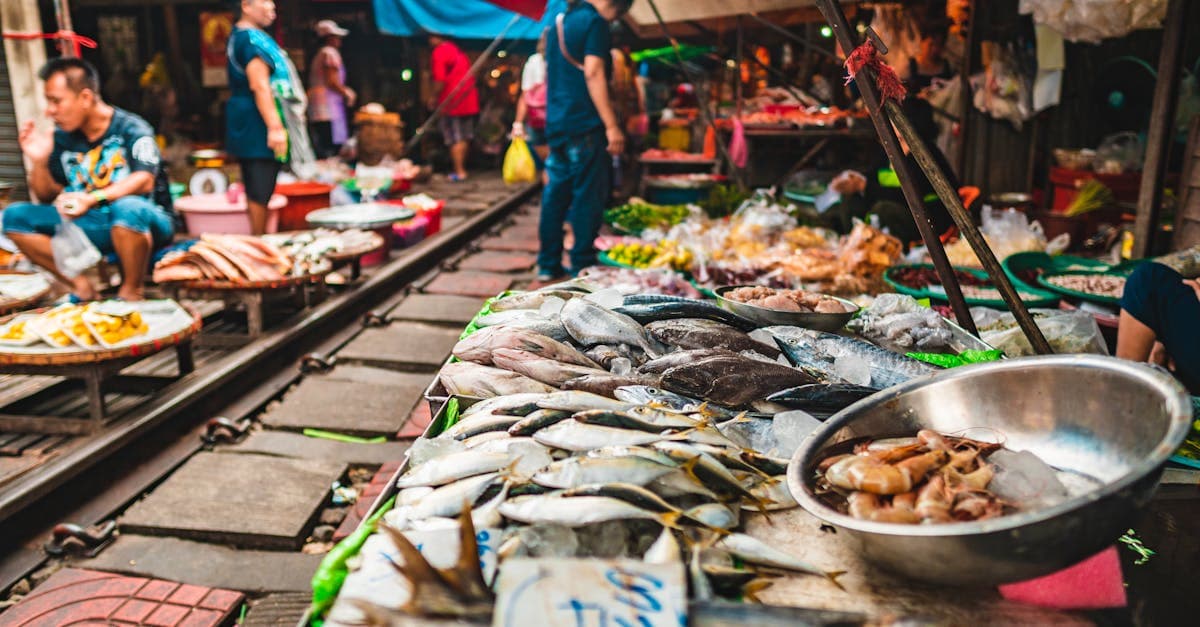
Bangkok leads the global street food rankings. According to Lonely Planet, CNN Travel, and TasteAtlas, it has held that position for five consecutive years through 2025, which reflects genuine culinary infrastructure rather than a promotional cycle.
Over 50,000 registered vendors operate across the city; the actual count including unregistered stalls likely exceeds 1 lakh. A full meal costs 40 to 150 THB, roughly ₹105 to ₹395 at current exchange rates. That's less than a single dish at a café inside Mumbai's Terminal 2. A full day of eating, from breakfast rice porridge through a late-night roast duck plate, runs between ₹790 and ₹1,580. Thailand's street food sector contributes approximately $60 billion USD to the national economy annually.
India sends 35 to 40 lakh tourists to Thailand each year, placing the country consistently among the top five source markets for the Thailand Tourism Authority. Most of those visitors eat street food. Very few plan it with any method.
Bangkok's hawker culture has faced serious pressure. In 2017, PM Prayuth's administration cleared stalls from major roads in a widely criticised urban clean-up. Vendors adapted, reconstituting in denser clusters on adjacent streets. The food scene emerged largely intact.
This guide is structured specifically for Indian visitors: rupee prices throughout, a dedicated section on vegetarian and Jain navigation, and practical connectivity advice, because in Bangkok your phone is nearly as important as your appetite.
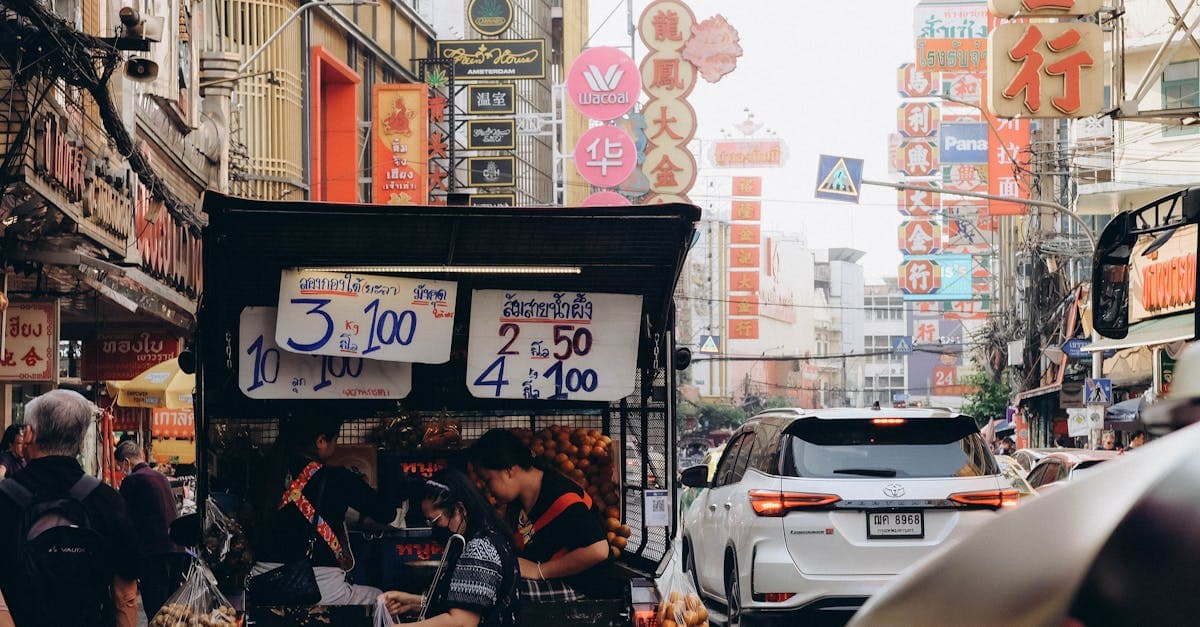
According to migrationology.com, Yaowarat Road is Bangkok's most celebrated food street. With over 300 active stalls on any given evening and a concentration of Chinese-Thai cooking that has few equivalents in Asia, this Chinatown thoroughfare earns its reputation in every travel ranking that names it.
The question itself, though, is limiting. Bangkok's best street food is not concentrated on one address; it is distributed across distinct neighbourhoods with different price points, cuisine types, and operating windows. Planning a trip around Yaowarat alone misses a substantial portion of what the city offers.
Timing matters more than location. Or Tor Kor Market and Ratchawat Market peak before 10am and close shortly after. Yaowarat and Chatuchak are night destinations, with real crowds from 7pm to 10pm. Arriving at the wrong hour is the most common mistake, and no navigation skills compensate for it.
Khao San Road deserves a direct note. Prices there run 50 to 100 percent above equivalent dishes at local markets, and the food is calibrated for cautious first-timers rather than anyone genuinely interested in what Bangkok eats day to day.
The five areas that define a serious Bangkok street food circuit are Yaowarat, Ratchawat (Sriyan Market), Or Tor Kor, Chatuchak Weekend Market, and Silom Road, each covered in detail below.
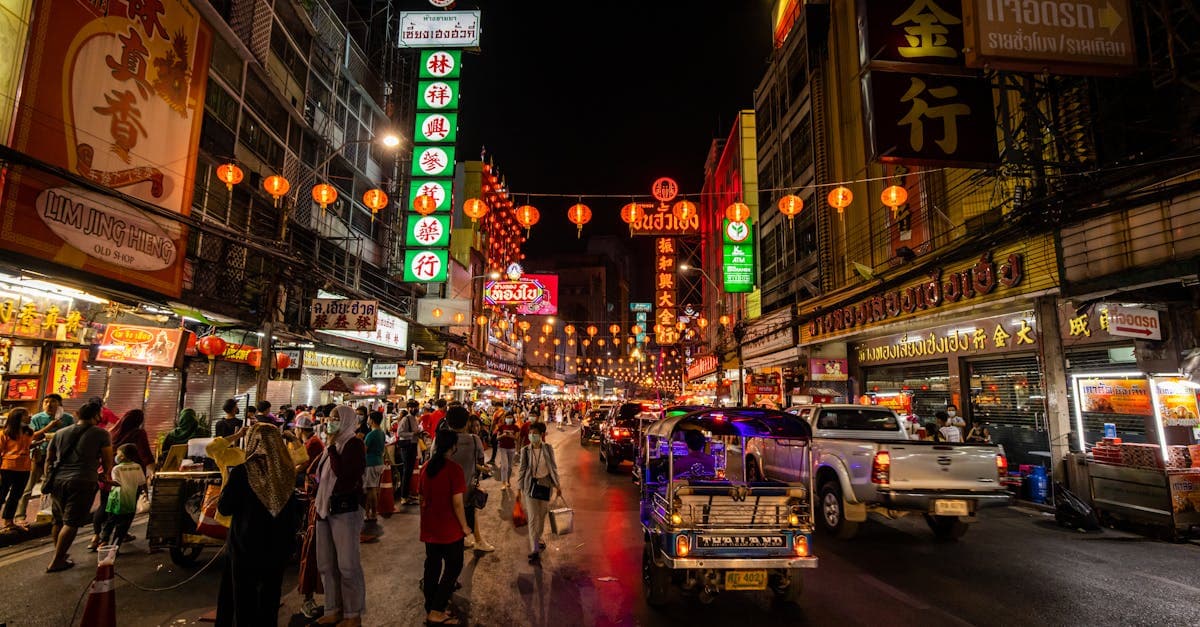
According to migrationology.com, three hundred stalls operate on Yaowarat Road after dark. They extend through the connecting sois (side lanes) that branch off the main artery, making this one of the densest street food corridors in Asia, comparable in intensity to Chandni Chowk during the evening rush.
The food here is Chinese-Thai: roast duck, hoi tod (oyster omelette), steamed crab, Peking duck, and jok (rice porridge cooked in clay pots). Hasan, a roast duck vendor with decades of local reputation in this area, is cited consistently by Bangkok food writers as the standard for the dish. Non-vegetarian visitors should find it.
Opening hours are 6pm to midnight daily, with peak crowd arriving between 7pm and 9pm. Per-dish prices run 50 to 120 THB (₹132 to ₹316). Getting there: take the MRT to Hua Lamphong or Charoenkrung station, then walk. English signage is minimal and stalls spread through unlabelled lanes, making reliable mobile data essential for Google Maps navigation. Hello Roam's Thailand eSIM plans, starting at ₹900 for 7-day coverage, address precisely this kind of data-dependent day out.
Vegetarian visitors will find Yaowarat limited. Jay (Buddhist vegetarian) stalls exist but are sparse relative to the seafood focus; Or Tor Kor and Ratchawat are considerably better choices for travellers avoiding meat.
Ratchawat Market prices run 30 to 50 percent below Yaowarat, without the markup that pushes costs up at tourist-facing areas. Known locally as Sriyan Market, this is a neighbourhood eating ground in the plainest sense: curry stalls, grilled meats, noodle soups, and fruit vendors who have occupied the same spots for years. No English signage, no picture menus.
Or Tor Kor Market, adjacent to Chatuchak, operates on different logic entirely. A premium fresh-produce market rather than a fast street food strip, it is widely cited as the best source of mango sticky rice in the city, at 60 to 100 THB (₹158 to ₹264), according to travelinsighter.com. Mornings only; it closes around noon. The quality difference between mango sticky rice here and at a tourist-facing evening stall is significant.
Chatuchak Weekend Market runs on Saturday and Sunday only. Primarily a shopping destination, it has food stalls scattered across its sections covering a wide range of cuisines. The most organised cluster sits near Gate 4. Queue length, at any of these markets, is the most reliable indicator of which stalls are worth the wait.
Silom Road Night Market is the most central option on this list, accessible from BTS Sala Daeng. Pricing is uneven, with some tourist-facing stalls raising costs above local-market rates. Best suited to visitors based in Silom or Sathorn who want street food close to base without travelling to Ratchawat.
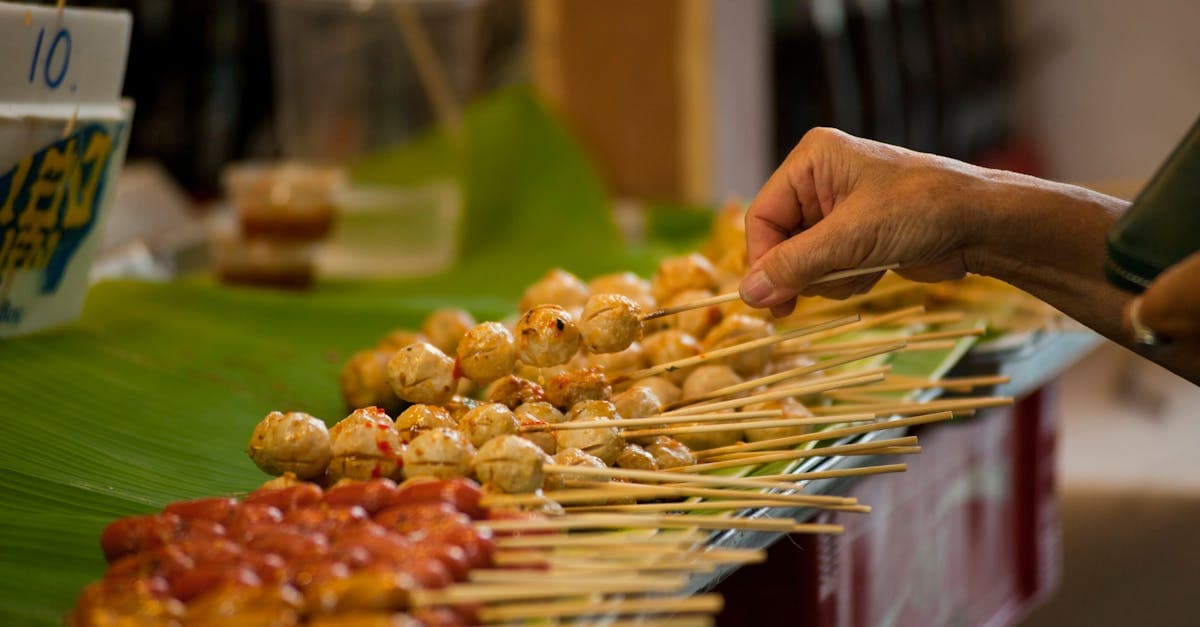
According to live-less-ordinary.com, three dishes dominate every Bangkok street food list: Pad Thai, Mango Sticky Rice, and Tom Yum Goong. The more useful answer is twelve. Bangkok's street food circuit rewards going beyond the obvious three, and the rest of the list consists of dishes that are neither obscure nor hard to find at any of the areas covered above.
Spice calibration matters before you order. Thai street food sits milder than most north Indian cooking but sharper on the sour and aromatic profile. Think milder than a Delhi chaat masala, more fragrant than a typical Kerala fish curry. Some dishes, particularly som tum and certain boat noodle preparations, can push harder than the presentation suggests.
The more critical caveat is fish sauce. Nam pla (fish sauce) and kapi (shrimp paste) are base ingredients in Thai cooking and present in dishes that look vegetarian at non-jay stalls. A pad thai at a standard stall almost certainly contains fish sauce, whether or not the menu says so. This is the most consistent dietary problem Indian visitors encounter in Bangkok, not spice levels.
Each dish in the sections below includes a THB price range, a rupee equivalent, vegetarian status, and a brief note on what to expect at the stall.
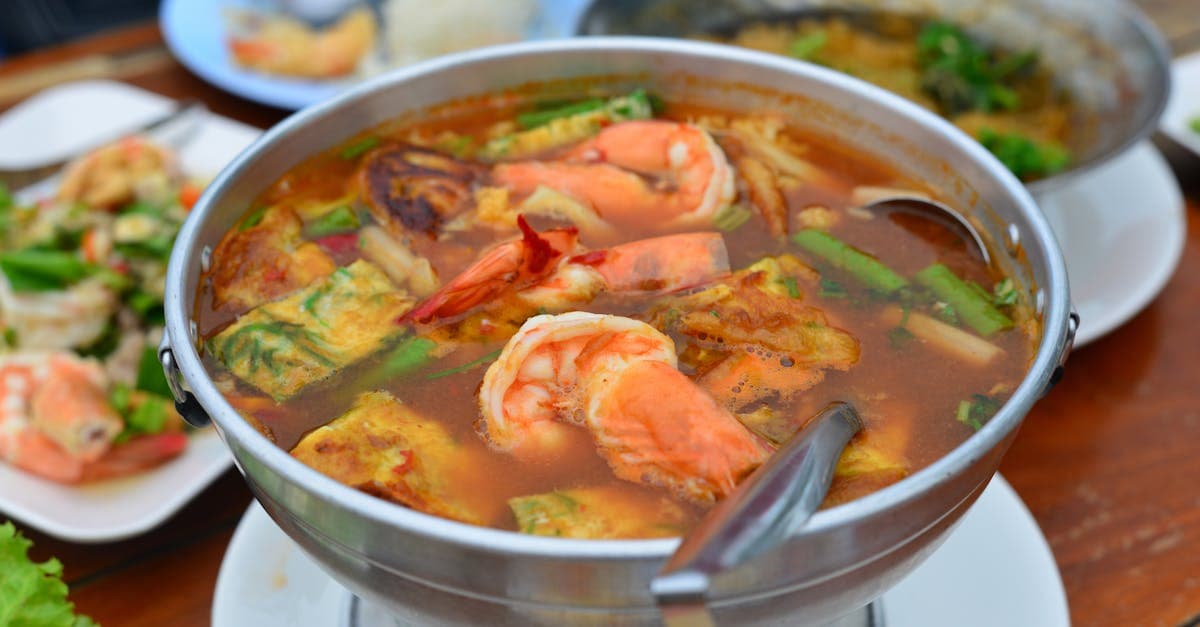
Pad Thai is Bangkok's most recognisable dish for a reason. At 50 to 80 THB (around ₹130 to ₹210) at a street stall, it costs less than a cold coffee at most Indian airport cafes. Standard versions contain fish sauce and egg. At a jay stall, order 'Pad Thai jay' for a fully vegan preparation without either.
Som Tum, the green papaya salad, runs 40 to 60 THB (around ₹100 to ₹160). Sour, and often sharper on the chilli than what Thai restaurants in India tend to serve. The default version contains dried shrimp; 'Som Tum jay' is the vegetarian order, and vendors at major Bangkok markets recognise the term.
Tom Yum Goong, the spiced prawn soup, costs a similar amount per cup: sour, lemongrass-forward, and assertive on the finish. No street stall version is vegetarian.
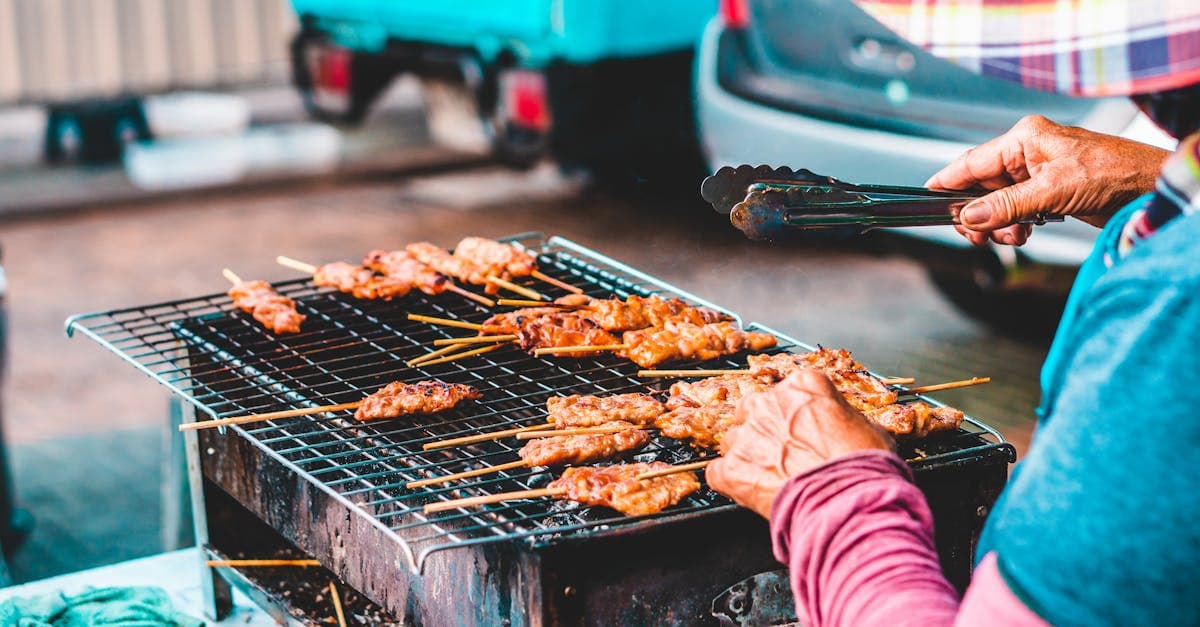
Satay sticks are 20 to 30 THB each (~₹53 to ₹79), chicken or pork, with a peanut dipping sauce that is usually vegetarian. Confirm at the stall before assuming.
Boat noodles (Guay Teow) arrive in small bowls at 20 to 30 THB each, in the same price range as satay sticks. Order three or four at a sitting; the portions are intentionally small and meant to be eaten in rounds. Some versions use pork blood broth, so ask before ordering if that is a concern.
Khao Pad, Thai fried rice at 50 to 80 THB, has widely available jay versions across all Bangkok markets. Tod Mun Pla (fish cakes), sold at Yaowarat stalls in portions of three to four at 30 to 50 THB, is not vegetarian.
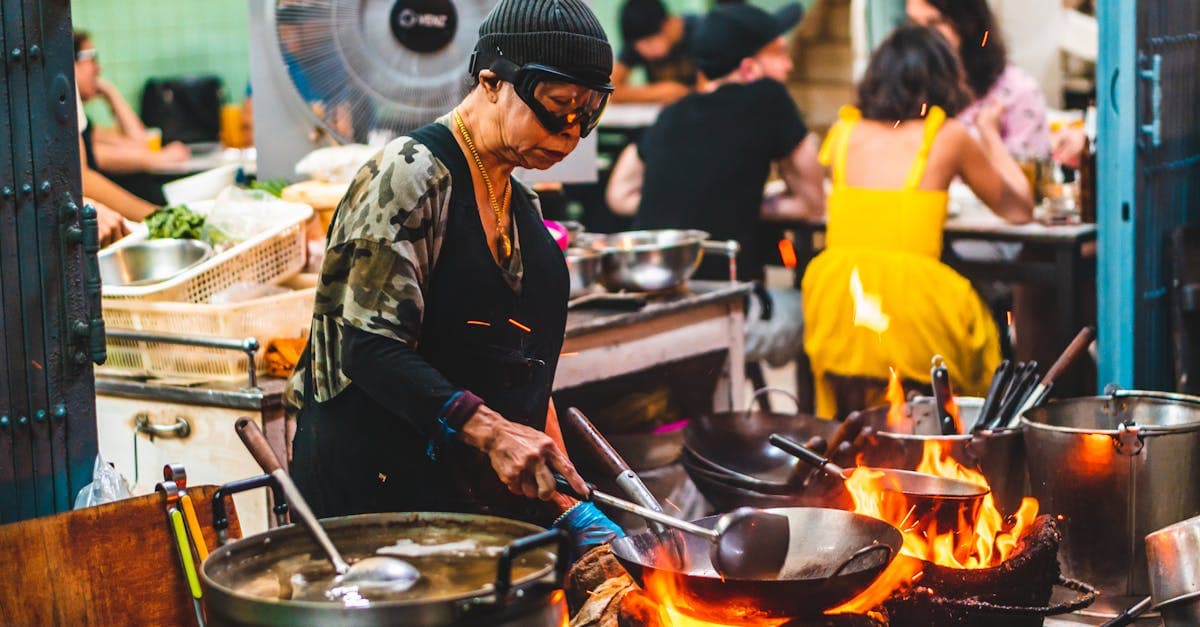
One Bangkok street cook holds a Michelin star. Jay Fai operates a small stall on Dinso Road and prepares her crab omelette over a wood-fire wok, wearing ski goggles against the heat. The dish costs 1,100 to 1,300 THB (~₹2,900 to ₹3,430), placing it in a different category from anything else in this guide. Booking several weeks in advance is standard. Whether or not the price suits your trip, understanding why Jay Fai's stall is internationally cited as a benchmark for Bangkok street cooking gives useful context about what this city's food culture can produce at its most serious.
Siu Mai, the steamed pork or shrimp dumplings at Yaowarat, run 30 to 50 THB for a portion (around ₹80 to ₹130). The Teochew Chinese community that built Chinatown brought this dumpling tradition to Bangkok; these stalls are a direct culinary legacy of that history. Not vegetarian.
Mango Sticky Rice (Khao Niao Mamuang) is fully vegetarian and the city's most consistent dessert, as live-less-ordinary.com confirms. Or Tor Kor Market in the mornings is the best source, as noted in the area guide above. Peak mango season is April to May; March visitors will find decent fruit, but not the best of the year.
Cha Yen, Thai iced tea, is 20 to 30 THB (~₹53 to ₹75) at any market: orange-coloured, sweet, made with condensed milk, and more practical than bottled soft drinks in Bangkok's heat. Jok, the morning rice porridge at 40 to 60 THB, is gone from most stalls by 10am. Roti Mataba, near the Democracy Monument area at a similar price, has egg or chicken filling in a flaky layered pastry that Indian palates will find immediately familiar.
Fresh coconut at 30 to 50 THB is available at every market and the most dependable hydration option across all areas from March through May.
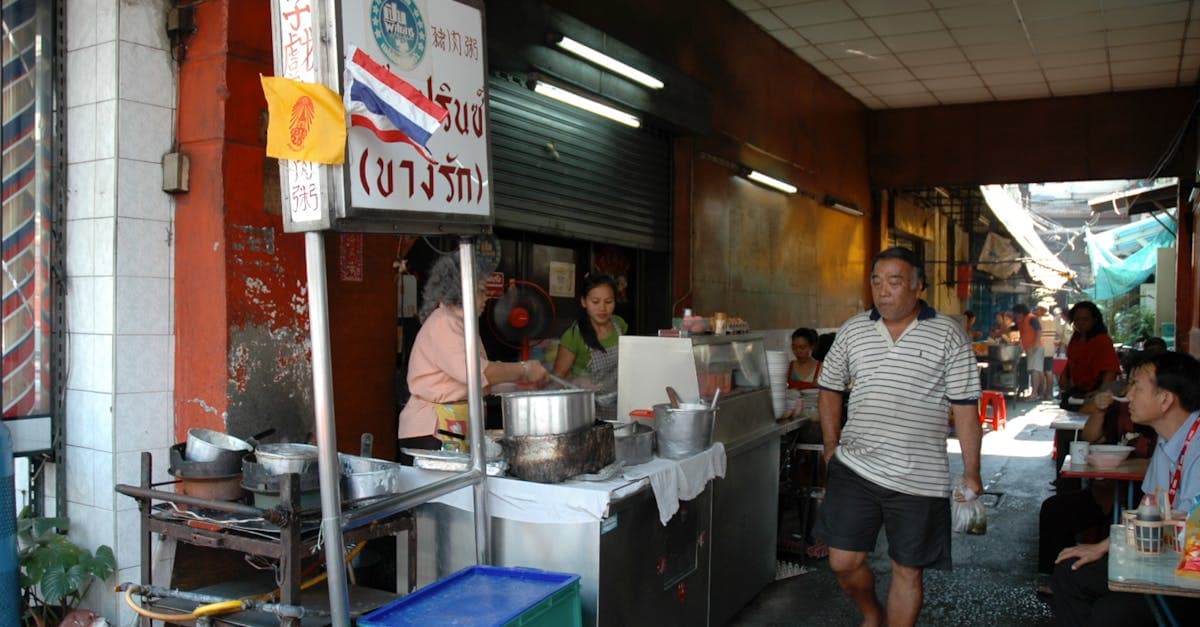
Look for the yellow flag with Thai script at the stall entrance. That marks a jay (เจ) stall, operating on Buddhist vegetarian principles that exclude meat, fish, and pungent vegetables. It is the only reliable vegetarian guarantee at Bangkok street markets; at any other stall, the risk of fish sauce or shrimp paste in the dish is real and largely invisible on any English-language menu.
Nam pla (fish sauce) and kapi (shrimp paste) are foundational to Thai cooking. A vegetable stir-fry, a noodle soup, a som tum at a non-jay stall almost certainly contains one or both. This isn't a labelling failure; it's how the cuisine is structured. The solution is practical: eat at jay stalls, or use specific ordering phrases at every other stall.
Three phrases worth saving as a screenshot on your phone: 'mai sai nam pla' (no fish sauce), 'mai sai kung' (no shrimp), 'aahaan jay' (jay food). Showing the text to the vendor is more reliable than pronunciation at a busy stall.
Jain travellers face an additional layer. Thai cooking uses garlic and shallots in almost every preparation. At a jay stall, asking 'mai sai kratiam, mai sai hom' (no garlic, no onion) may get results, though options narrow considerably. According to travelinsighter.com, dedicated jay stalls at Or Tor Kor and Ratchawat Market offer the best chance of accommodation.
Reliably vegetarian at jay stalls: Mango Sticky Rice, Khao Pad jay, Som Tum jay, Pad Thai jay, fresh tropical fruit, and coconut. Jay stall density is highest at Ratchawat, Or Tor Kor, and Chatuchak; at Yaowarat, they become more visible on Buddhist holy days.
HappyCow lists vegetarian and vegan-friendly options near Bangkok's major markets. Using it at the stall requires an active mobile data connection; Wi-Fi at street food markets is generally absent, which makes downloading the app and nearby listings before you leave your hotel a sensible step.
Halal options are available: Yaowarat has halal-certified Chinese-Thai stalls, and the Roti Mataba area near Democracy Monument is the most dependable halal street food cluster in central Bangkok.
Accidental fish sauce exposure is a cultural misunderstanding, not a food safety emergency. Knowing the yellow flag system and the ordering phrases above turns Bangkok's street food scene from an anxious guessing game into a manageable one, even for Jain travellers.

The working exchange rate throughout this article is ₹2.60 to ₹2.65 per Thai Baht, as of 20 March 2026; all rupee figures in earlier sections use this conversion.
Price reference
Daily budget
₹800 per day covers three meals and snacks at local markets, provided you stay away from tourist-facing venues. ₹1,500 per day allows a market-and-restaurant mix. ₹2,500 per day includes premium options such as Jay Fai or riverside dining in the Chao Phraya area.
Payment and currency
Street stalls are cash-only throughout Bangkok. Some indoor food courts accept PromptPay QR code payments; Google Pay and PhonePe have no acceptance at Thai street stalls.
Exchange currency at Superrich (branches near Asok BTS and Central World), which consistently offers the best rates in the city. Airport money changers run 3 to 5 percent worse; hotel exchange desks are the least favourable option by a considerable margin.
Thai bank ATMs charge approximately 220 THB (roughly ₹580) per withdrawal regardless of amount. Withdraw larger sums less frequently to limit that cumulative cost. As a practical calibration: a full day of Bangkok street food across three meals and snacks typically costs less than one meal at Indira Gandhi International's Terminal 3 food court.
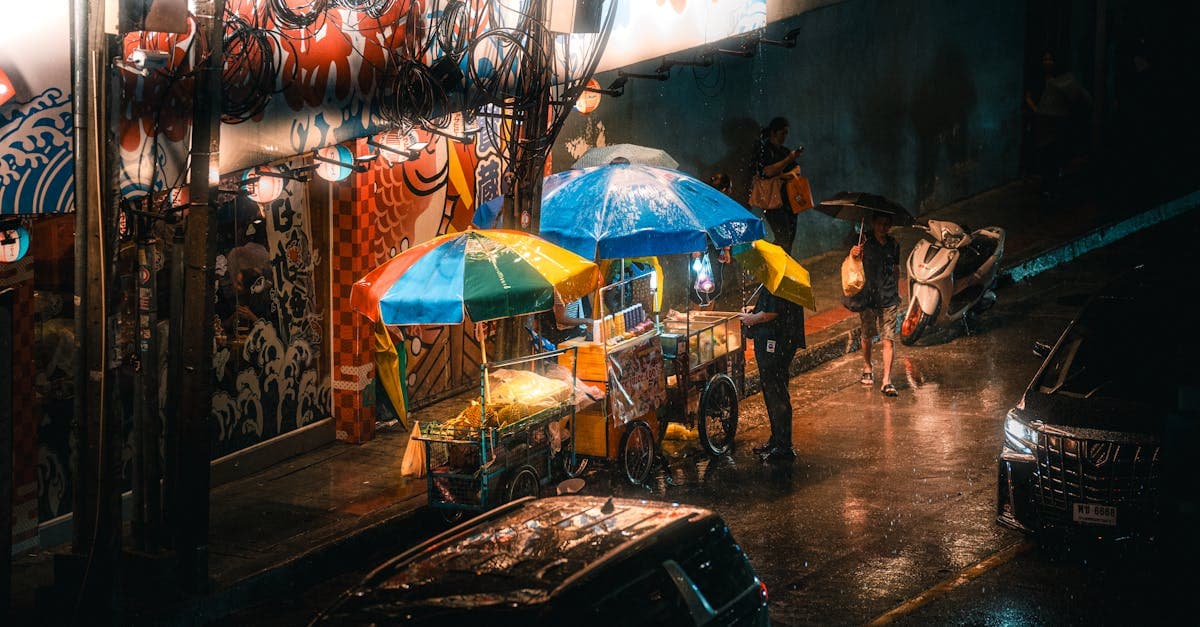
Bangkok street food hides inside unlabelled sois (side streets) with no English signage at the entrance. Google Maps is not a convenience in that setting; it is the primary navigation tool. Layer in Google Translate's camera mode for Thai-only menus, Grab for moving between food zones, HappyCow for vegetarian stall filtering, and Wongnai (Thailand's main restaurant review platform) for real-time ratings, and a reliable data connection becomes the thread that holds a food-focused Bangkok day together.
Coverage is strong throughout the city: 4G reaches at least 95 percent of Bangkok's area, with 5G available in Sukhumvit, Silom, and Siam. The main street food zones, including Yaowarat, Chatuchak, and Silom, all maintain solid 4G signal through the evening.
WiFi at market stalls is largely nonexistent. Some shopping centres near food areas offer public networks, but reliability is inconsistent. Download an offline Google Maps tile for the Bangkok area before leaving your accommodation; it is a useful backup, not a substitute for live data.
For a street food-focused day, 500MB of data covers maps navigation, real-time translation, Grab bookings, and searches with reasonable headroom. That is the practical minimum to plan around.
Since Bangkok street stalls are cash-only, Grab is the standard method for moving between food areas. Booking a ride requires active mobile data. Offline maps alone cannot book transport or translate a Thai-only menu.
The AIS Tourist SIM counter in Suvarnabhumi Airport's arrivals hall (Concourse B) offers 15GB over eight days for approximately ₹530 equivalent. True Move H has a counter alongside. Allow 15 to 30 minutes for the queue during peak arrival windows; IndiGo, Air India, and Thai Airways flights from Delhi and Mumbai tend to land in clusters, and the counters fill quickly.
Indian carrier roaming
Jio's International Daily Pack runs ₹575 per day for 1GB; Airtel's World Pack is ₹549 per day for the same daily allowance. Both are reasonable for a one- or two-day layover. Seven consecutive days on Jio daily roaming reaches ₹4,025, at which point the maths shifts decisively.
eSIM option
An eSIM activates from India before departure: no SIM swap at the airport, no queue, and your existing Jio or Airtel number stays live for incoming calls and OTPs throughout the trip. Hello Roam's Thailand eSIM plans cover 5GB to 15GB over 7 to 15 days; the entry-level pricing is referenced in the Yaowarat section of this article. Against a seven-day Jio roaming total of ₹4,025, the saving runs to ₹2,600 to ₹3,125 depending on the data tier chosen.
For travellers who prefer to compare options before committing, Airalo's Thailand plans run $8 to $18 USD (roughly ₹670 to ₹1,510).
Device compatibility
iPhones from the XS model onwards support eSIM. Samsung Galaxy S21 and above supports dual eSIM. Mid-range Redmi and Realme Android phones below ₹20,000 typically do not support eSIM. Check under Settings, then Connections, then SIM manager before purchasing a plan.
According to live-less-ordinary.com, the working-Bangkok meal is Khao Man Gai (poached chicken rice served with clear broth) at a shophouse counter, typically 50 to 70 THB. At the upper end of that range, that works out to roughly ₹185. It appears at almost no tourist-facing night market.
Morning
Bangkok's morning staples are Jok (rice porridge) or Khao Tom (rice soup), eaten before 9am with small savoury accompaniments. Pa Tong Ko, the Thai-Chinese fried dough served with hot soy milk, is the other common choice. Both appear at Ratchawat Market and Or Tor Kor before 10am and are largely absent from tourist-facing menus by the time most visitors arrive.
Evening
According to live-less-ordinary.com, Isaan cuisine, from Thailand's northeastern region, defines local evening-meal culture. Som Tum, Larb (minced meat salad), and Gai Yang (grilled chicken) are the staples at neighbourhood stalls across the city. These stalls are not formatted for tourists: plastic chairs, Thai-only signage, no photo displays of dishes, and long queues of Thai customers are the reliable identifiers.
Ratchawat Market and Or Tor Kor offer the most accessible entry points to authentic local eating for Indian visitors. Both require reliable Google Maps navigation to reach from central Bangkok, which reinforces the point made in the connectivity section above.

Yaowarat Road in Bangkok's Chinatown is the city's most celebrated food street, with over 300 active stalls operating every evening and a dense concentration of Chinese-Thai cooking. However, the best street food in Bangkok is distributed across several distinct neighbourhoods, including Ratchawat Market, Or Tor Kor, Chatuchak Weekend Market, and Silom Road, each with different price points, cuisine types, and operating hours.
Pad Thai, Mango Sticky Rice, and Tom Yum Goong dominate every Bangkok street food list, but the full circuit rewards going beyond these three. Other essential dishes include Som Tum (green papaya salad), Satay sticks, Boat Noodles, Siu Mai dumplings, Jok (rice porridge), and Cha Yen (Thai iced tea). Spice levels sit milder than most north Indian cooking but are sharper on the sour and aromatic profile.
Locals eat at neighbourhood markets like Ratchawat Market (Sriyan Market) and Or Tor Kor Market, where prices run 30 to 50 percent below tourist-facing areas. Common local staples include curry stalls, grilled meats, noodle soups, jok (morning rice porridge), and fresh tropical fruit. Or Tor Kor is widely cited as the best source of mango sticky rice in the city.
Bangkok's most celebrated street food destinations include Yaowarat Road in Chinatown, Ratchawat Market (Sriyan Market), Or Tor Kor Market near Chatuchak, Chatuchak Weekend Market, and Silom Road Night Market. These five areas make up a serious Bangkok street food circuit, each covering different cuisine types, price points, and operating windows across the city.
A full meal at Bangkok street stalls costs 40 to 150 THB, roughly 105 to 395 Indian rupees at current exchange rates. A full day of eating, from breakfast rice porridge through a late-night roast duck plate, runs between 790 and 1,580 rupees. Individual dishes like Pad Thai cost 50 to 80 THB (around 130 to 210 rupees) and satay sticks are 20 to 30 THB each.
Vegetarians should look for stalls flying a yellow flag with Thai script, which marks a jay stall operating on Buddhist vegetarian principles that exclude meat, fish, and pungent vegetables. At non-jay stalls, fish sauce (nam pla) and shrimp paste (kapi) are foundational ingredients that appear even in dishes that look vegetarian. Or Tor Kor and Ratchawat Market have the best concentration of dedicated jay stalls.
Three phrases are essential: mai sai nam pla (no fish sauce), mai sai kung (no shrimp), and aahaan jay (jay food). Showing the Thai text to a vendor at a busy stall is more reliable than attempting pronunciation. Jain travellers can add mai sai kratiam, mai sai hom (no garlic, no onion), though options narrow considerably.
A jay stall follows Buddhist vegetarian principles and excludes meat, fish, fish sauce, shrimp paste, and pungent vegetables. These stalls are identified by a yellow flag with Thai script at the entrance. They are the only reliable vegetarian guarantee at Bangkok street markets, as other stalls routinely include fish sauce or shrimp paste in dishes that appear vegetarian.
Yaowarat Road street food stalls are open from 6pm to midnight daily, with peak crowds arriving between 7pm and 9pm. Or Tor Kor Market and Ratchawat Market, by contrast, operate in the mornings and close around noon, making timing a critical factor when planning a Bangkok street food itinerary.
Khao San Road is not recommended for travellers genuinely interested in what Bangkok eats day to day. Prices there run 50 to 100 percent above equivalent dishes at local markets, and the food is calibrated for cautious first-timers rather than authentic Bangkok street cooking.
Jay Fai is a Bangkok street cook who holds a Michelin star and is known for her crab omelette, prepared over a wood-fire wok on Dinso Road. The dish costs 1,100 to 1,300 THB (approximately 2,900 to 3,430 Indian rupees), placing it in a different category from standard street food. Booking several weeks in advance is standard.
Or Tor Kor Market, adjacent to Chatuchak, is widely cited as the best source of mango sticky rice in Bangkok, at 60 to 100 THB (158 to 264 rupees). The market operates in the mornings and closes around noon. Peak mango season is April to May, so March visitors will find decent fruit but not the best of the year.
Boat noodles, known as Guay Teow, are small bowls of noodle soup priced at 20 to 30 THB each, intentionally small and meant to be eaten in rounds of three or four. Some versions use pork blood broth, so it is worth asking before ordering. They are available at the street food areas covered in this guide, including Yaowarat and local markets.
Chatuchak Weekend Market runs on Saturday and Sunday only and is primarily a shopping destination with food stalls scattered across its sections. The most organised food cluster sits near Gate 4. It covers a wide range of cuisines but is not as focused a food destination as Yaowarat or Or Tor Kor.
Reliable mobile data is essential for navigating Bangkok street food areas, particularly Yaowarat, where English signage is minimal and stalls spread through unlabelled lanes. Google Maps navigation depends on consistent connectivity. An eSIM with Thailand data coverage ensures access to navigation and market information throughout the trip.
Ratchawat Market, known locally as Sriyan Market, is a neighbourhood eating ground with curry stalls, grilled meats, noodle soups, and fruit vendors who have occupied the same spots for years. Prices run 30 to 50 percent below Yaowarat, with no English signage or picture menus. It is one of the best options in Bangkok for eating without the tourist markup.
At jay stalls, the following dishes are reliably vegetarian: Mango Sticky Rice (Khao Niao Mamuang), Khao Pad jay (vegetarian fried rice), Som Tum jay (vegetarian papaya salad), Pad Thai jay, fresh tropical fruit, and coconut. Outside of jay stalls, dishes that appear vegetarian often contain fish sauce or shrimp paste as base ingredients.
HelloRoam: your trusted travel eSIM that keeps you online across borders.
Explore Plans