What to Eat in Bali: the Complete South African Food Guide (2026)

Written by: David Chen


16 min read
HelloRoam is a global eSIM provider offering instant mobile data in 170+ countries. Buy prepaid travel eSIM plans with no extra fees, no contracts, and instant activation on any eSIM-compatible device.
16 min read

Nasi goreng for breakfast, babi guling at a lunchtime feast, sate lilit from a roadside grill as the sun drops toward the Indian Ocean. That's what to eat in Bali condensed into one day. The island's food culture is built on spiced rice dishes, coconut-rich sides and fire-cooked meats, all grounded in Hindu Balinese tradition that makes this island unlike anywhere else in Indonesia. Warung plates start at ~R18.
You'll spend most of your trip tracking down back-street warungs and early-morning markets, and you'll need data to do it properly. Google Maps to find the right spots, Google Lens to decode handwritten menus, GrabFood when your feet give out. Hello Roam's Local eSIM for Indonesia bills in rands, activates before you fly and covers Indonesia from ~R150 a week. SA telco roaming packs run ~R300 to R600 for the same seven days. The saving speaks for itself.
According to intrepidtravel.com, Bali offers one of Southeast Asia's most distinct food cultures, built around spiced rice dishes, ceremonial pork roasts and vibrant street snacks available from as little as ~R18 a plate. The island's Hindu majority sets it apart from every other Indonesian island. Know what to order and you'll eat extraordinarily well for almost nothing.
Nasi goreng is Indonesia's national dish: wok-fried rice with egg, kecap manis and whatever protein the cook has on hand. Every warung serves it, from ~R18 to ~R60, and it's the right order when you're jet-lagged, hungry and not yet ready to make decisions. Mie goreng is the noodle counterpart, equally popular and slightly lighter on the stomach if you've been eating rice at every sitting.
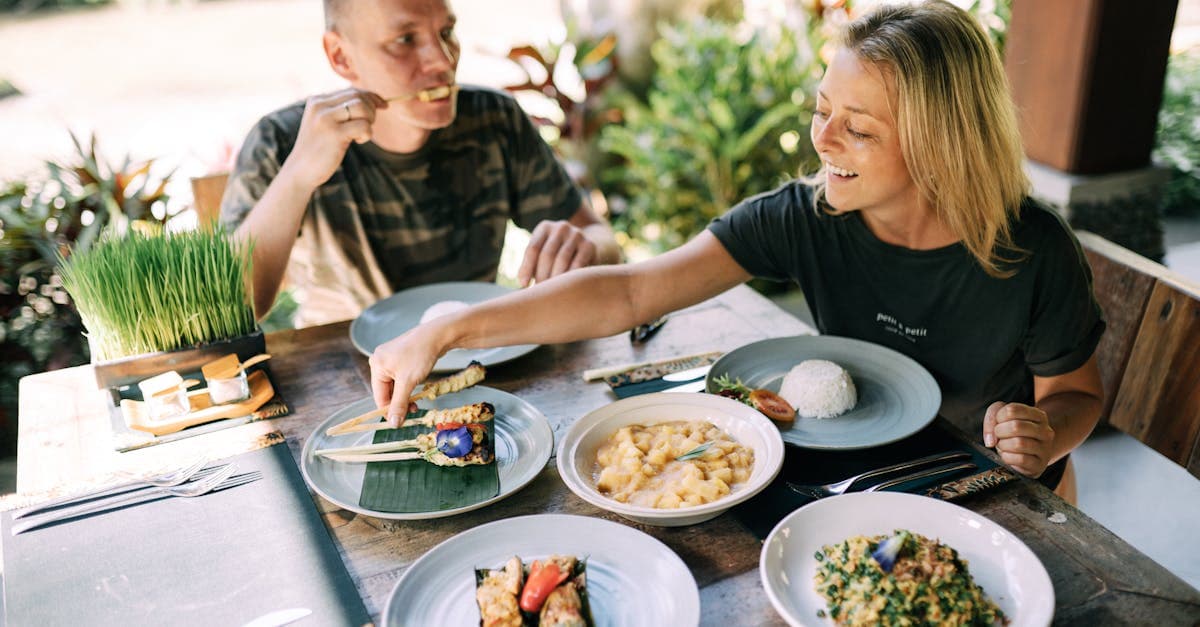
Nasi campur is where the island's cooking really reveals itself. According to willflyforfood.net, a mound of steamed rice arrives surrounded by four to six small side dishes: a sliver of babi guling, some lawar, a spoonful of sambal, a piece of tempeh. It's the best single-plate introduction to the full range of Balinese flavours.
Sambal is the condiment Bali runs on. A chilli paste served alongside almost every meal, it ranges from mild to genuinely fiery depending on region and cook. Order it on the side first until you know where you stand.
Gado-gado is a peanut sauce salad with boiled vegetables, tofu and tempeh, satisfying enough to work as a full vegetarian meal. It's plant-based by default unless shrimp paste has been added to the sauce, which it sometimes is, so it's worth checking.
Then there's babi guling: spit-roasted suckling pig seasoned with base genep spice paste, cooked over open flame until the skin cracks, as intrepidtravel.com notes. If you've grown up around a braai, this will feel like a homecoming. Dedicated babi guling stalls in Ubud and Gianyar are worth planning your day around.
Sate lilit is minced seafood wrapped around lemongrass stalks and grilled over coconut husks, as willflyforfood.net describes. Unlike any satay you'll find on the mainland. Pepes ikan takes a different approach: fish steamed inside banana-leaf parcels with fragrant spice paste, delicate and aromatic, best eaten straight from the leaf.
For street snacks, seek out jajanan pasar (also called jaje bali) at Badung Market or Gianyar Night Market early in the morning. According to urbandiaries.in, these are colourful rice-flour sweets made with palm sugar, gone well before noon. Cool off with es campur: a mixed iced dessert of grass jelly, coconut milk, sweet corn and palm sugar syrup, made for Bali's midday heat.
Honourable mentions: bebek betutu (whole duck slow-roasted in banana leaf for up to 12 hours, intensely smoky), lawar (minced meat and grated coconut salad, heavily spiced) and pisang goreng (fried banana, cheap, everywhere, consistently good).
Want to cook these yourself? Half-day classes at providers like Casa Luna, Paon Bali and Lobong Culinary in Ubud include a market visit, spice paste preparation and three to four dishes. Prices run from ~R855 to ~R2,280, and at current rand-dollar rates that's a genuinely worthwhile half-day for anyone serious about the food.
Bali is most famous for nasi goreng, babi guling and a rich spiced cuisine rooted in Hindu Balinese tradition, according to intrepidtravel.com. The island's food culture distinguishes it clearly from every other part of the Indonesian archipelago, catching most visitors completely off-guard when they arrive expecting beaches.
Bali's majority Hindu population makes the island unique within Indonesia. Pork is central to Balinese ceremonial cooking, and dishes like babi guling and sate babi appear freely on menus you simply won't encounter on Java, Lombok or Sumatra. It isn't just a different island; it's a different culinary world within the same country.
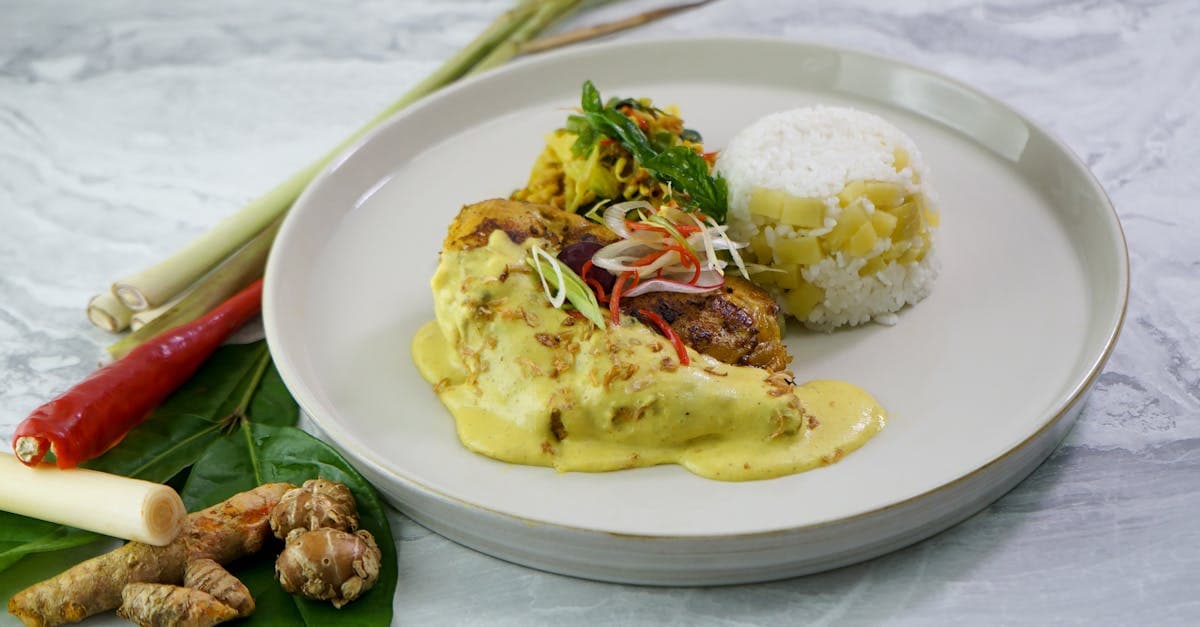
The flavour foundation binding everything together is base genep: a spice paste built from galangal, turmeric, lemongrass, coriander, ginger and chilli, as intrepidtravel.com notes. Most traditional Balinese dishes start here. The paste gets roasted or sautéed before anything else goes in, creating a deep, earthy fragrance that becomes instantly recognisable after your first market visit.
How does it compare to Thai food? Both cuisines are complex and aromatic, but Balinese cooking is heavier on coconut and turmeric, with less reliance on fresh herbs. Thai food leans harder on basil, lime and fish sauce, producing brighter, sharper flavours. Neither is better; they're genuinely distinct experiences, and for SA travellers deciding between the two destinations, that distinction is actually useful information rather than a cliché.
Bali's food scene in 2026 runs the full range from humble warung plates to internationally recognised fine dining, as baliholidaysecrets.com notes. The vegan cafe culture in Ubud and Canggu is particularly well-developed, making this one of Asia's most accessible destinations for plant-based travellers.
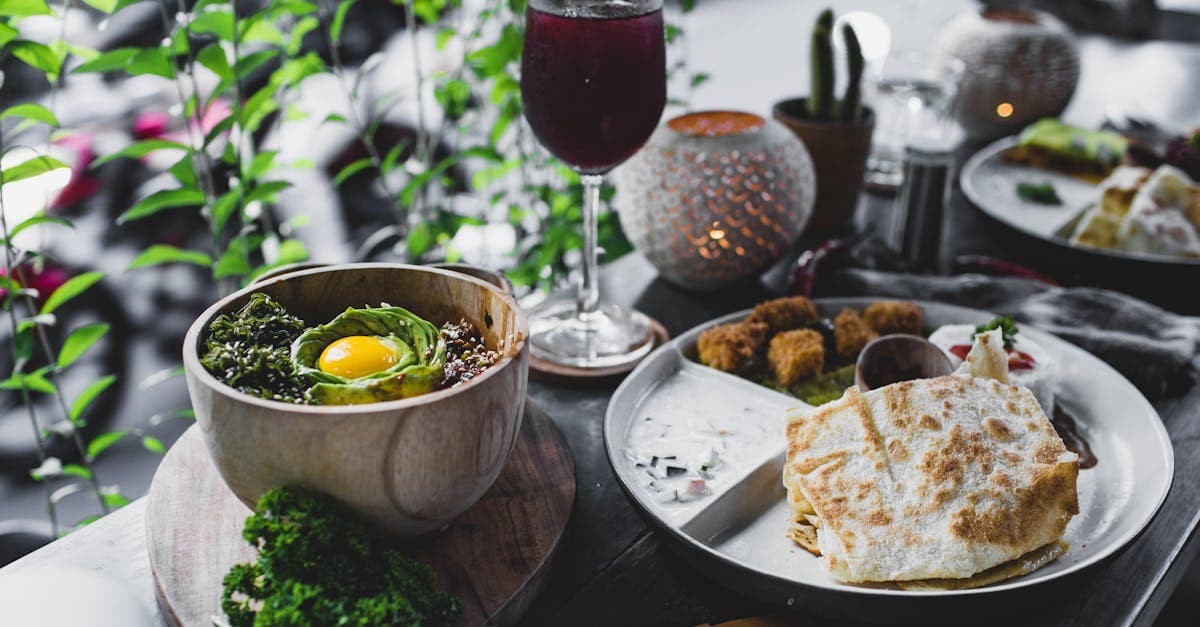
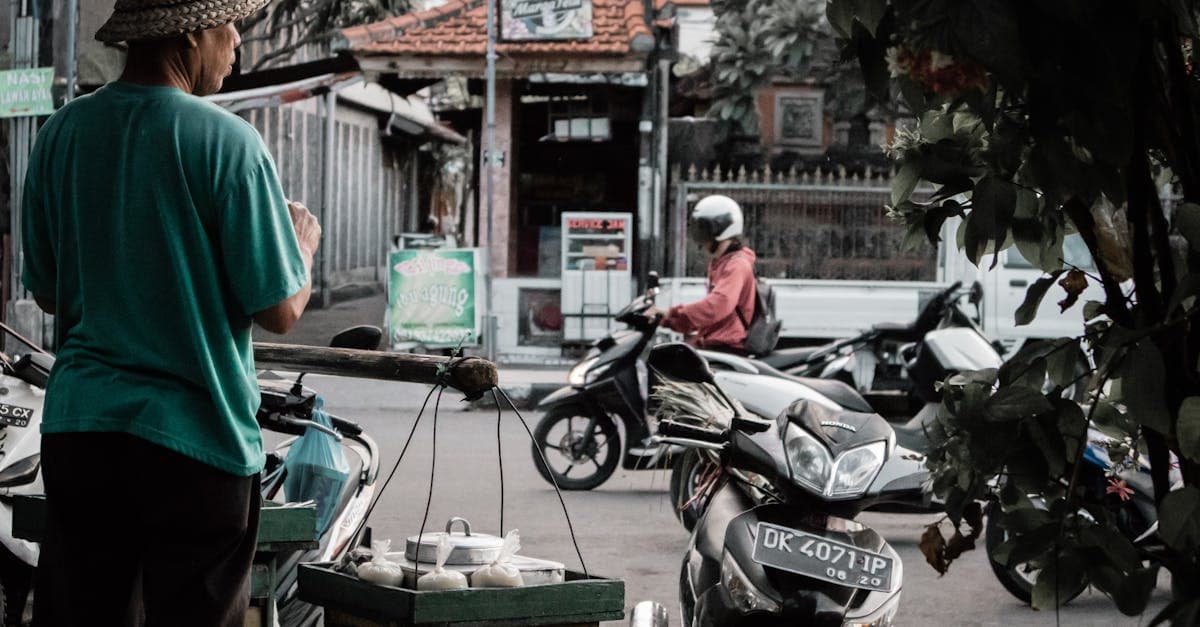
By 06:00, the best warungs in Ubud and Denpasar are already busy. Balinese locals typically start the day with nasi jinggo (small banana-leaf parcels of rice with chilli sambal and a few side dishes), bubur ayam (rice porridge topped with shredded chicken and fried shallots) or reheated nasi campur from the previous evening. The early morning is consistently the cheapest eating window of the entire day.
At traditional markets like Badung in Denpasar, the stalls selling jajan pasar are worth arriving early for. Klepon are small pandan-flavoured rice balls filled with liquid palm sugar that burst when you bite them. Dadar gulung are green crepe rolls filled with sweetened shredded coconut. Onde-onde are sesame-coated glutinous rice balls with a palm sugar or mung bean centre. All made fresh, all deeply local, and gone long before the tourist cafes open their doors.
The breakfast culture in Canggu looks different: smoothie bowls, avocado toast and acai plates at beachside cafes that open late and price accordingly. Ubud warungs tend to offer a better balance, with local dishes alongside familiar cooked options.
A full local breakfast at a warung costs between ~R20 and ~R50, which makes it the strongest meal-per-rand value of the day. The jajan pasar at Badung Market sells out by 09:00. Set your alarm accordingly.

A warung isn't a restaurant. It's a family kitchen with a few mismatched chairs out front, home-style Balinese food served from whatever's in the pots, and prices that reflect the fact that locals eat there every day.
Tourist restaurants in Bali have genuinely gotten better. Many offer reliable hygiene standards, English menus, air-conditioning, dietary labelling and cocktail lists. For travellers with dietary restrictions, that clarity is worth paying for. The premium, though, can reach up to ~R475 for a plate that a warung serves for a fraction of that.
The honest truth is that some of Bali's most memorable meals happen at spots with no decor, a handwritten menu in Bahasa Indonesia and a cat asleep under the table. The food is cooked fresh, the portions are generous and the atmosphere is entirely real.
Tourist restaurants earn their premium when you need cocktails, air-conditioning or a menu you can read. For everything else, pick the place with the longest queue of locals.
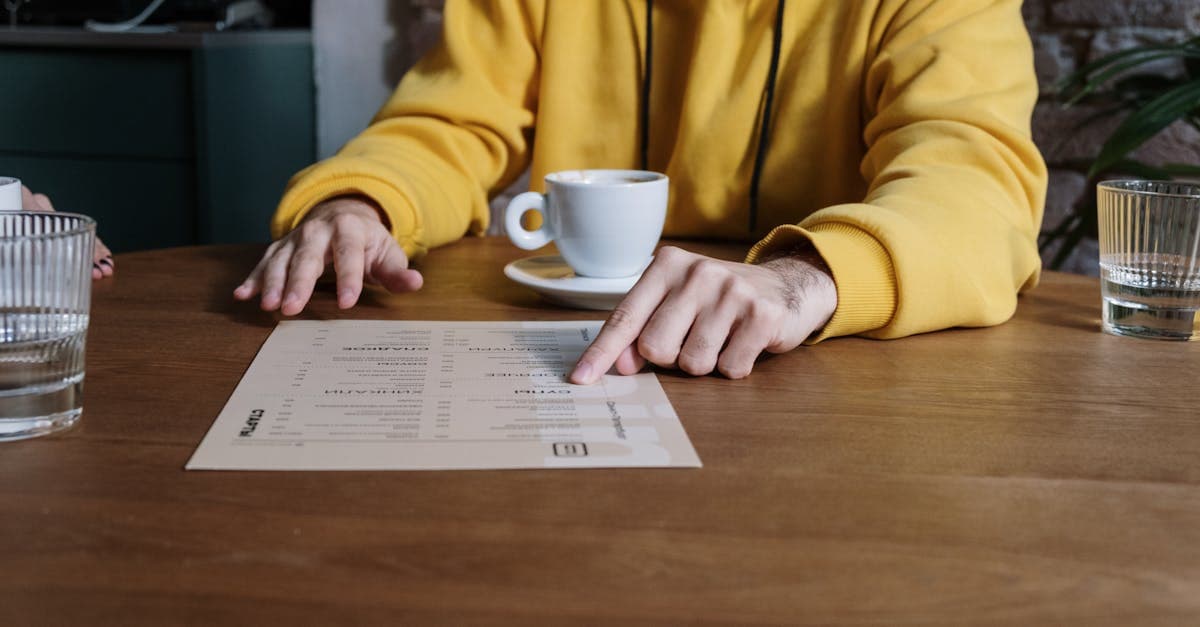
Walk into a traditional warung and you'll often find the day's food already cooked and displayed in trays or a glass-fronted case near the entrance. Point at what you want, hold up fingers for quantity, and the transaction largely handles itself. No Indonesian required.
A few phrases do make a real difference:
Google Lens doubles as a live menu translator. Open the camera, hover it over printed Bahasa Indonesia text and get an instant translation. The catch: it needs an active mobile data connection.
So do GoFood and GrabFood, Bali's dominant food delivery apps, which require data for browsing, placing orders and tracking deliveries across Canggu, Seminyak, Ubud and most main towns. Hello Roam covers Indonesia with ZAR billing and pre-departure activation, so your data connection is ready before you clear customs at Ngurah Rai.
Tipping isn't expected at warungs, but rounding up to the nearest ~R10 or leaving small change is a gesture that lands well. One seasonal caveat: during Nyepi and Galungan, many warungs close entirely. Check the Balinese Hindu calendar before planning your food-heavy days.
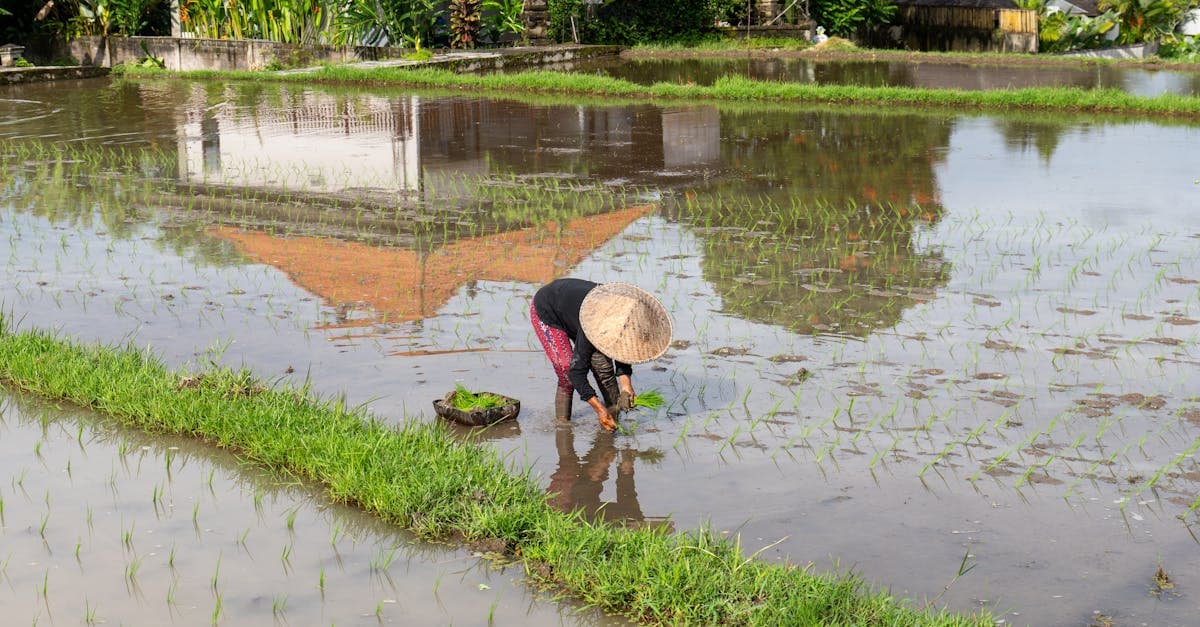
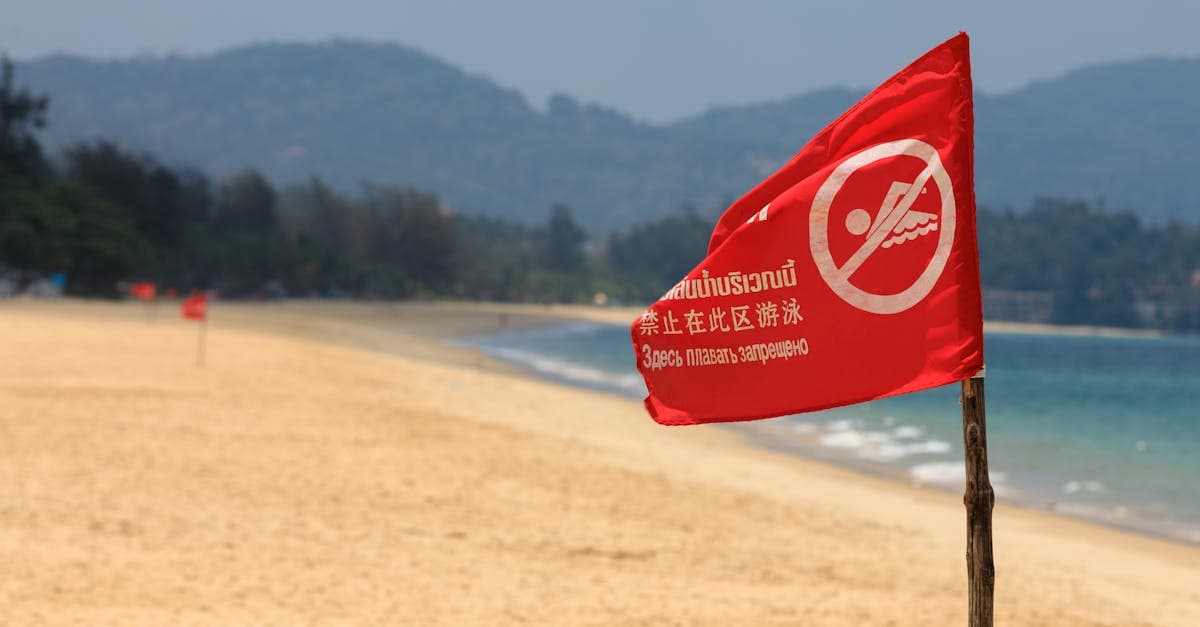
Tap water is the main culprit. Don't drink it, don't brush your teeth with it and don't accept ice unless you know what kind you're getting.
Between 30 and 50 percent of visitors experience some degree of gastrointestinal disruption during a Bali trip. That makes Bali belly one of the most-searched food safety topics before any Indonesia departure. Most cases are mild and short-lived, but prevention comes down to a handful of straightforward rules.
Ice is where people most often go wrong. Cylindrical ice with a hollow centre is factory-produced from filtered water and safe to use. Crushed or irregularly shaped ice is more likely sourced from tap water. Tourist restaurants almost universally use factory ice; warungs are more variable. When in doubt, drink from sealed bottles.
Raw elements carry more risk than cooked ones. Salad garnishes, raw vegetable accompaniments and uncooked chilli sauces are worth treating cautiously. Fully cooked food served piping hot carries significantly lower risk. At street stalls and food markets, including Badung Market and Gianyar Night Market (both outstanding cultural experiences), choose busy stalls where food is cooked visibly in front of you rather than pre-cooked dishes sitting under heat lamps.
A few cultural dos and don'ts sit alongside these food safety principles. Dress modestly when eating near temple grounds. Accept any food offered with both hands as a mark of respect. Avoid pointing at food or people with your left hand, which is considered unclean in Balinese Hindu tradition.
What to eat in Bali is only half the equation. Knowing what to skip protects the rest of your trip.
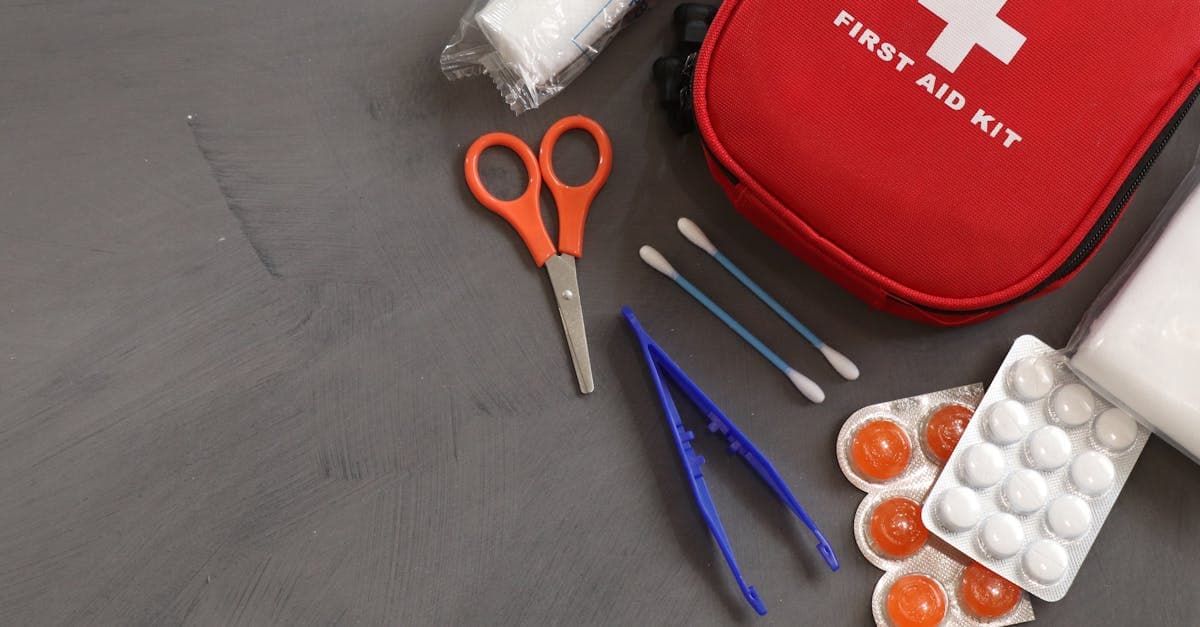
Stock your kit in South Africa before you fly. Tourist pharmacies in Seminyak and Kuta carry the same basics, but at prices well above what you'd pay at Dis-Chem or Clicks. Four over-the-counter items are worth packing:
For more serious cover, consult a travel medicine clinic before departure about whether to carry ciprofloxacin or azithromycin for severe bacterial infections. Both require a prescription and shouldn't be self-administered without medical guidance.
Check that your travel insurance policy explicitly covers gastrointestinal illness and outpatient treatment in Bali. Clinic visits run from ~R500 to ~R2,000 per consultation depending on the facility and area.
The reassuring part: the large majority of Bali belly cases resolve within 24 to 48 hours with proper oral rehydration and rest. Hospitalisation is rare. Start Rehidrat early, keep food plain, and most cases pass before they disrupt more than a single day of your trip.
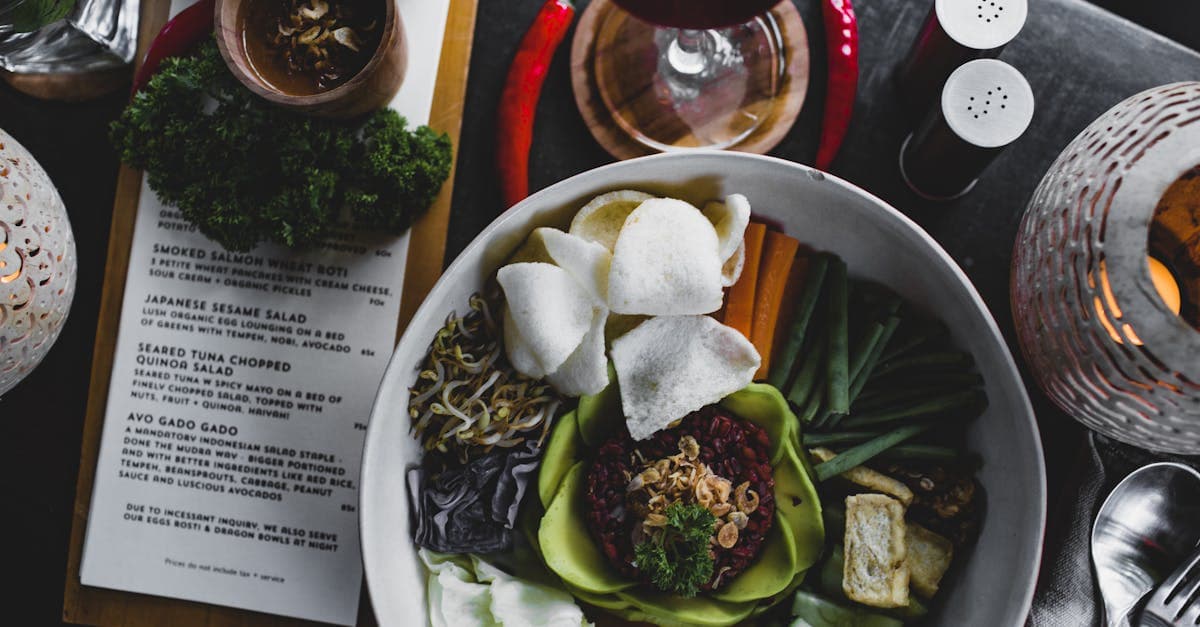
Bali is probably the easiest island in Southeast Asia to eat well as a vegetarian or vegan. That's not by chance. The Hindu Balinese culture produces a natural abundance of rice, vegetable and legume dishes that predate the global plant-based restaurant movement by centuries. Cape Town and Johannesburg have both seen substantial growth in plant-based communities over recent years, and many of those travellers put Bali on the shortlist specifically for this reason.
The genuinely plant-based dishes are worth learning by name. Gado-gado is the most recognisable: blanched vegetables, tofu and tempeh in peanut sauce. Always verify the sauce contains no terasi before ordering, because some warungs add fermented shrimp paste to deepen the flavour. Nasi goreng sayur replaces the standard egg-and-meat combination with seasonal greens. Tempeh manis, sweet fried tempeh glazed in kecap manis, consistently surprises first-timers who associate Indonesian food primarily with pork and chicken. Jackfruit lawar substitutes for the traditional pork version and handles the spicing well. Most jajan pasar morning market sweets including klepon, dadar gulung and onde-onde are made from rice flour, coconut and palm sugar with no animal products.
The hidden traps need naming directly. Terasi (fermented shrimp paste) sits in the base of most sambal recipes even when no meat is visible on the plate. Fish sauce is standard in many stir-fry sauces, and dried anchovies sometimes arrive at the bottom of a vegetable dish without any mention. Say this phrase before you order, not after: saya vegetarian, tidak ada daging, ikan atau udang (I am vegetarian, no meat, fish or shrimp).
Dedicated vegan kitchens in Ubud and Canggu can print ingredient lists on request. That kind of transparency is rare across Southeast Asia and it's a genuine differentiator for plant-based travellers deciding between Bali, Thailand and Vietnam.
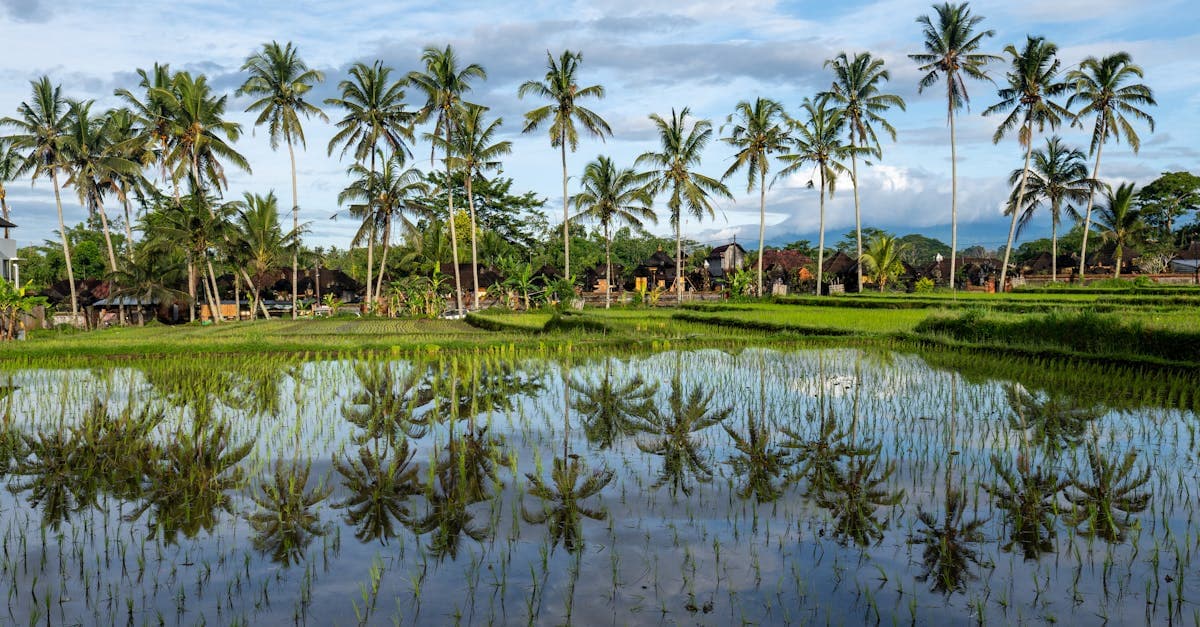
Ubud has the deepest plant-based dining scene on the island. Canggu runs it close. Seminyak is improving, though it remains more mixed and requires more selective ordering.
In Ubud, three restaurants justify booking before you arrive. Sayuri Healing Food specialises in raw plant-based cooking, a rarity anywhere in the region. Alchemy runs one of Southeast Asia's more substantial salad bars alongside cold-pressed juices and has been an anchor for vegan travellers for years. Kafe sits in central Ubud and serves whole-food comfort meals at prices that suit most SA budgets.
Demand at all three rises sharply in July and August, when Bali's peak season overlaps with South African winter travel schedules. Book ahead.
Canggu moves faster and skews toward the active-visitor crowd. Nude does superfood bowls with a consistent standard. Motion Nutrition pitches squarely at the protein-focused plant-based athlete, with a menu that reads more like a sports supplement label than a café. For something quick between surf sessions, Nalu Bowls delivers affordable smoothie bowls without a long wait.
In Seminyak, Merah Putih and Motel Mexicola both carry strong vegetable-forward sections on otherwise omnivore menus. Neither is a fully vegan kitchen, but both handle dietary requests competently and are reliable choices when eating with a mixed group.
Nusa Penida operates on different terms altogether. Vegetarian and vegan options on this island are genuinely limited. Pack snacks before the day trip and do your research in advance. The HappyCow app locates vegan-friendly venues across Bali as you search, but needs an active data connection to load results and maps.
Google Maps knows where the back-street warung with the best nasi campur in Seminyak is. You don't, until you've been twice or someone sends you the pin. Reliable mobile data isn't a travel luxury in Bali. It's the difference between finding that place and ending up eating mediocre food at a tourist markup.
The use cases are concrete and specific. Google Maps navigates to warungs and morning markets with no English signage and no visible street number. Google Lens reads handwritten Balinese menus as you point your phone at them, covering script that doesn't map cleanly to standard Indonesian. GrabFood and GoFood (Indonesia's equivalent of Uber Eats) deliver to most villas and hotels across the main tourist corridors.
Instagram's location search surfaces food posts from visitors who were at the same warung hours before you, which is a surprisingly reliable way to verify whether a place is still worth visiting. Every one of these functions requires a live connection.
Standard Vodacom or MTN roaming in Indonesia without a data add-on can reach ~R200 to ~R400 per megabyte. That's not a typo. A single map search could cost more than a warung meal. SA telco weekly roaming packs bring that figure down considerably (as covered earlier in this guide), but a week of active navigation, menu translation and food delivery will exhaust the data allowance faster than most travellers expect.
A full side-by-side comparison of travel eSIM and local SIM options appears directly below. WiFi is worth understanding separately: cafés and co-working spaces in Canggu and Seminyak typically deliver 20 to 100 Mbps, reliable enough for calls and extended work sessions. Central Ubud is consistent; Nusa Penida and north Bali are not. If your itinerary includes either, don't plan around café WiFi as your primary fallback.
Five options sit between a South African traveller and reliable data in Bali. The differences matter most when you're navigating to a warung at 07:00 or translating a menu at a roadside stall with no English on the walls.
A few things the table doesn't capture.
The local SIM wins on absolute cost but comes with real-world friction: a spare physical nano-SIM slot in your handset, a queue at the Ngurah Rai Airport kiosk and some form-filling on arrival. Several Indonesian apps including GoFood and Grab use SMS verification tied to your local number, which adds a small registration step that eSIM users avoid entirely.
Holafly is the right call for heavy users who stream content or make regular video calls. Unlimited data removes the anxiety of tracking daily usage, but USD billing and no South African support desk are genuine trade-offs if something goes wrong mid-trip.
Airalo sits between the two: flexible plan lengths, a generally smooth activation process and competitive pricing, with minor currency conversion costs on each payment.
SA telco roaming packs (Vodacom and MTN) are worth keeping as an emergency backup but don't make economic sense as your primary data source across a full week in Bali, as established earlier. Sort your connection before you land. The first thing most travellers want in Bali is a good warung, and you'll need a working map to find it.

Bali is most famous for nasi goreng, babi guling (spit-roasted suckling pig) and a rich spiced cuisine rooted in Hindu Balinese tradition. The island's majority Hindu population makes pork central to ceremonial cooking, setting Bali apart from every other island in the Indonesian archipelago. The flavour foundation of most traditional dishes is base genep, a spice paste built from galangal, turmeric, lemongrass, coriander, ginger and chilli.
Balinese locals typically start the day with nasi jinggo (small banana-leaf parcels of rice with chilli sambal), bubur ayam (rice porridge with shredded chicken and fried shallots) or reheated nasi campur from the previous evening. At traditional markets like Badung in Denpasar, fresh jajan pasar sweets such as klepon, dadar gulung and onde-onde are sold from early morning and sell out before 09:00. A full local breakfast at a warung costs between roughly R20 and R50.
Avoid tap water entirely — do not drink it, brush your teeth with it, or accept ice unless you know it is factory-produced (cylindrical with a hollow centre). Between 30 and 50 percent of visitors experience gastrointestinal disruption, with ice being the most common culprit. Raw salad garnishes, uncooked chilli sauces and pre-cooked food sitting under heat lamps at quiet stalls carry higher risk than fully cooked dishes served piping hot.
Do accept any food offered with both hands as a mark of respect, and dress modestly when eating near temple grounds. Do choose busy stalls where food is cooked visibly in front of you rather than dishes sitting pre-cooked. Do not point at food or people with your left hand, which is considered unclean in Balinese Hindu tradition. Be aware that many warungs close entirely during Nyepi and Galungan, so check the Balinese Hindu calendar before planning food-heavy days.
Nasi goreng is Indonesia's national dish — wok-fried rice with egg, kecap manis and whatever protein the cook has on hand. Every warung serves it, and it is considered the ideal order when jet-lagged and not ready to make decisions. Prices range from roughly R18 to R60 at a warung, compared to R95 to R190 at a tourist restaurant.
Babi guling is spit-roasted suckling pig seasoned with base genep spice paste and cooked over an open flame until the skin cracks. It is a cornerstone of Balinese ceremonial cooking and appears on menus you simply will not find on Java, Lombok or Sumatra due to Bali's Hindu majority. Dedicated babi guling stalls in Ubud and Gianyar are worth planning your day around, with warung portions costing roughly R45 to R95.
Nasi campur is a mound of steamed rice surrounded by four to six small side dishes — typically a sliver of babi guling, some lawar, a spoonful of sambal and a piece of tempeh. It is considered the best single-plate introduction to the full range of Balinese flavours. Warung prices run from roughly R25 to R75, while tourist restaurants charge R110 to R285.
Sate lilit is minced seafood wrapped around lemongrass stalks and grilled over coconut husks, a distinctly Balinese take on satay unlike anything found on the Indonesian mainland. It is one of Bali's signature street dishes and widely available at roadside grills. Warung prices typically range from R25 to R65.
Bali, particularly Ubud and Canggu, is considered one of Asia's most accessible destinations for plant-based travellers. Dishes like gado-gado (peanut sauce salad with boiled vegetables, tofu and tempeh) are vegetarian by default, though shrimp paste is sometimes added to the sauce so it is worth checking. The vegan cafe culture in Ubud and Canggu is particularly well-developed.
Gado-gado is a peanut sauce salad with boiled vegetables, tofu and tempeh, satisfying enough to work as a full vegetarian meal. It is plant-based by default, though shrimp paste is occasionally added to the peanut sauce. Warung prices range from roughly R20 to R65.
Es campur is a mixed iced dessert of grass jelly, coconut milk, sweet corn and palm sugar syrup, designed for Bali's intense midday heat. It is widely available as a street snack or warung dessert. Prices start at roughly R18 to R45 at a warung.
A warung is a family kitchen with a few mismatched chairs out front, serving home-style Balinese food at prices that locals eat at every day — typically R18 to R95 for a main dish. Tourist restaurants offer English menus, air-conditioning, reliable hygiene labelling and cocktail lists, but charge up to five times more for the same plate. For travellers with dietary restrictions the clarity is worth paying for; for authentic flavour, the warung with the longest queue of locals is usually the better choice.
At most traditional warungs, the day's food is already cooked and displayed in trays or a glass-fronted case near the entrance — point at what you want and hold up fingers for quantity. A few useful phrases are: tidak pakai daging (no meat), tidak pedas (not spicy) and berapa harganya (how much does this cost). Google Lens can also translate printed Bahasa Indonesia menus in real time, provided you have an active mobile data connection.
Both cuisines are complex and aromatic, but Balinese cooking is heavier on coconut and turmeric, with less reliance on fresh herbs. Thai food leans harder on basil, lime and fish sauce, producing brighter and sharper flavours. The two are genuinely distinct culinary experiences rather than interchangeable Southeast Asian options.
Jajan pasar (also called jaje bali) are colourful traditional rice-flour sweets made with palm sugar, sold at markets like Badung in Denpasar and Gianyar Night Market from early morning. Popular varieties include klepon (pandan rice balls filled with liquid palm sugar), dadar gulung (green coconut crepe rolls) and onde-onde (sesame-coated glutinous rice balls). They sell out well before noon, so early morning is the only reliable window to find them.
Sambal is a chilli paste served alongside almost every meal in Bali, ranging from mild to genuinely fiery depending on the region and the cook. It is one of the island's defining condiments and appears on the table at warungs and tourist restaurants alike. Ordering it on the side until you know your heat tolerance is the safest approach on your first few days.
Cylindrical ice with a hollow centre is factory-produced from filtered water and is generally safe. Crushed or irregularly shaped ice is more likely sourced from tap water and is best avoided. Tourist restaurants almost universally use factory ice; warungs are more variable, so ordering drinks from sealed bottles is the safest default.
Half-day cooking classes in Ubud at providers like Casa Luna, Paon Bali and Lobong Culinary include a market visit, spice paste preparation and three to four dishes. Prices range from roughly R855 to R2,280 at current rand-dollar rates. Classes typically start with a morning market tour before moving into hands-on cooking.
HelloRoam: your trusted travel eSIM that keeps you online across borders.
Explore Plans