Thailand Travel Guide for South Africans (2026): Everything You Need to Know

Written by: David Chen


13 min read
HelloRoam is a global eSIM provider offering instant mobile data in 170+ countries. Buy prepaid travel eSIM plans with no extra fees, no contracts, and instant activation on any eSIM-compatible device.
13 min read
Quick Answer: Thailand Travel Guide
Thailand is cheap, visa-free for South African passport holders, and world-class for beach, city, and culture travel flightcentre.co.za. That's the honest short version. With 1 ZAR buying roughly 2.0 to 2.2 Thai Baht, a plate of pad thai costs R22 to R45, and a one-hour Thai massage runs R90 to R180. You'll feel the exchange rate within about ten minutes of landing.
The one thing most travel guides skip: don't rely on your SA SIM for data in Thailand. Vodacom and MTN charge R149 to R299 per day for roaming here. On a two-week trip, that's potentially R4,186 just for data. Hello Roam offers ZAR-billed eSIM plans that run on Thai networks, install before you leave home, and activate the moment your flight touches down in Bangkok. No SIM-swapping at 2am after a 19-hour journey. Check Hello Roam's Thailand eSIM plans before you pack.
Why South Africans Are Choosing Thailand in 2026
The rand gets a proper workout in Thailand. A realistic all-in two-week trip, including return flights from Johannesburg, accommodation, food, and internal travel, typically lands between R35,000 and R45,000. A mid-range daily budget in-country runs around R675 to R1,575. A full-day ethical elephant sanctuary experience in Chiang Mai costs R1,125 to R1,575. Those are numbers that make people book again before they've even unpacked.
South African passport holders receive 30 days entry at the border with no pre-arrangement, no embassy queues, and no visa fees. For a passport that faces restrictions across much of the world, that genuinely matters.
The variety is what pushes Thailand ahead of the obvious SE Asia alternative. A single itinerary can cover Bangkok's food markets and rooftop bars, Chiang Mai's temple circuit and jungle trekking, the Andaman coast (Phuket, Krabi, the Phi Phi Islands), and the Gulf coast islands (Koh Samui, Koh Phangan). Bali gives you one island. Thailand gives you a whole country, with stronger tourist infrastructure and cheaper internal flights, at a similar overall price point.
The safety comparison is worth stating plainly. Violent crime rates in Thailand run significantly lower than South Africa. Solo travellers, couples, and families all find that a different kind of ease sets in fairly quickly, one you don't always get when travelling in SA itself.
When Is the Best Time to Visit Thailand from South Africa?
According to pentravel.co.za, November to February is the best time to visit Thailand from South Africa: cool, dry, and rarely above 32 degrees C across most of the country. Thailand has two coastlines with opposite monsoon cycles, so timing matters more here than on most long-haul destinations. Get it right and you're on a perfect beach. Get it wrong and you're watching rain from a guesthouse terrace.
This window overlaps directly with SA's December and January school holidays, which means peak demand everywhere. Book 3 to 4 months ahead to secure return fares of R12,000 to R16,000 from Johannesburg. Leave it last-minute and you're looking at R18,000 to R22,000.
March to May brings serious heat (35 to 38 degrees C), but the Andaman coast stays calm and clear. Phuket, Krabi, and the Phi Phi Islands are at their beach best through this period. It aligns squarely with SA Easter school holidays and sidesteps the December rush entirely.
Here's the distinction that catches people out: from May onwards, heavy monsoon rain hits the Andaman coast. Phuket in July is genuinely wet and not ideal for first-time visitors. But the Gulf coast (Koh Samui, Koh Phangan, Koh Tao) stays considerably drier from June to August, which lines up almost exactly with SA winter school holidays.
SA school holiday quick guide: - December/January: Best overall conditions. Book 3 to 4 months ahead. Premium fares guaranteed. - Easter: Andaman coast ideal (Phuket, Krabi, Phi Phi Islands). Comfortable heat, clear water. - June/July: Gulf coast islands only. Skip Phuket and the Andaman side this month. - September: Transitional period. Bangkok and Chiang Mai work well; beaches are mixed across both coasts.
Getting to Thailand from South Africa and Around the Country
South Africa has no direct flights to Thailand. All routes go via a Gulf hub: Dubai with Emirates, Doha with Qatar Airways, or Abu Dhabi with Etihad. Total journey time from Johannesburg or Cape Town lands between 16 and 19 hours depending on your connection.
OR Tambo (Johannesburg) has more departure frequency and often slightly lower base fares than Cape Town. Cape Town travellers typically connect through Johannesburg or book a direct Gulf hub routing. Peak season adds 20 to 40 percent to base fares, so the booking window matters as much as the airline choice.
Inside Thailand, AirAsia dominates budget domestic routes. Bangkok to Phuket takes roughly 1.5 hours and starts from around R225 each way. Bangkok to Chiang Mai books from approximately R200. Both routes live on the AirAsia app and regularly run sales worth catching.
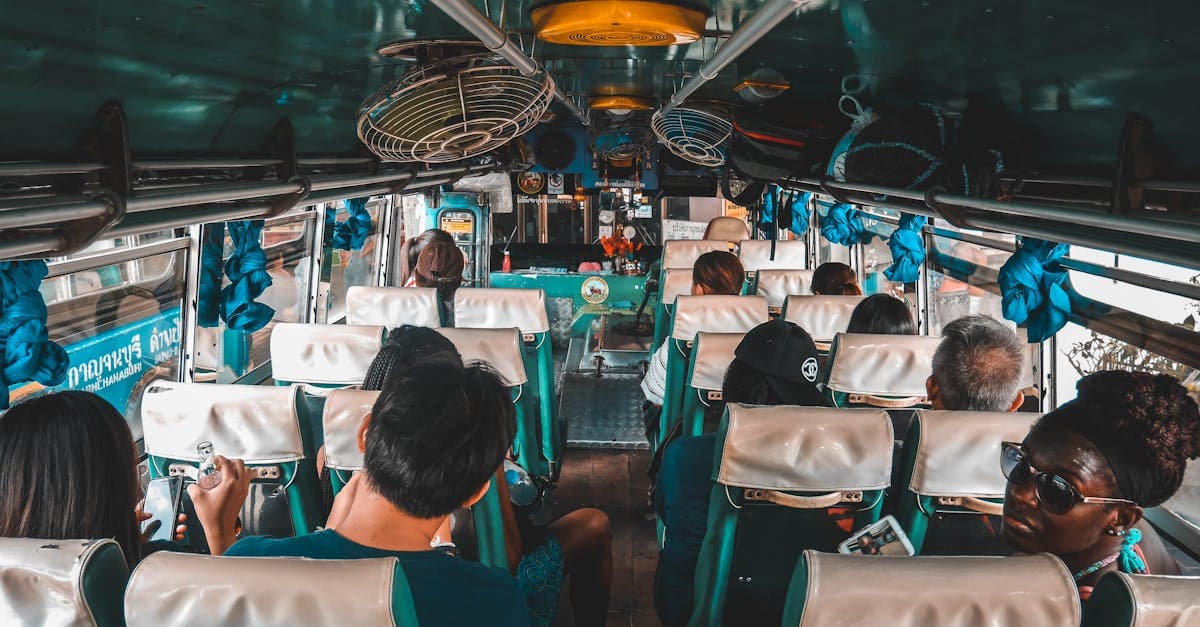
Bangkok itself is genuinely easy to navigate. The BTS Skytrain is clean, reliable, and stops at every tourist area worth visiting. For ground transport, use Grab rather than metered taxis or tuk-tuks, particularly on your first trip. Grab confirms the price before you get in. No negotiating, no meter disputes.
Getting to the Gulf coast islands requires a ferry via Surat Thani, the main hub for Koh Samui, Koh Phangan, and Koh Tao. A combined bus or train plus ferry ticket from Bangkok runs roughly R200 to R360. It takes longer than flying, but the journey is part of the experience and connects you to the islands at a fraction of the airfare cost.
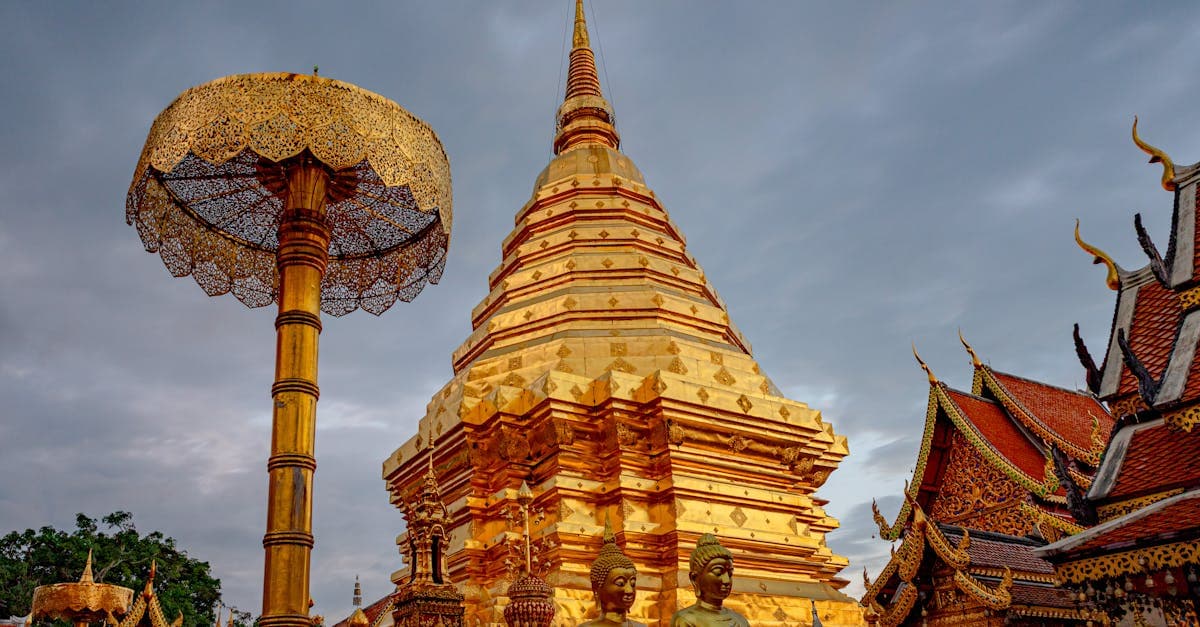
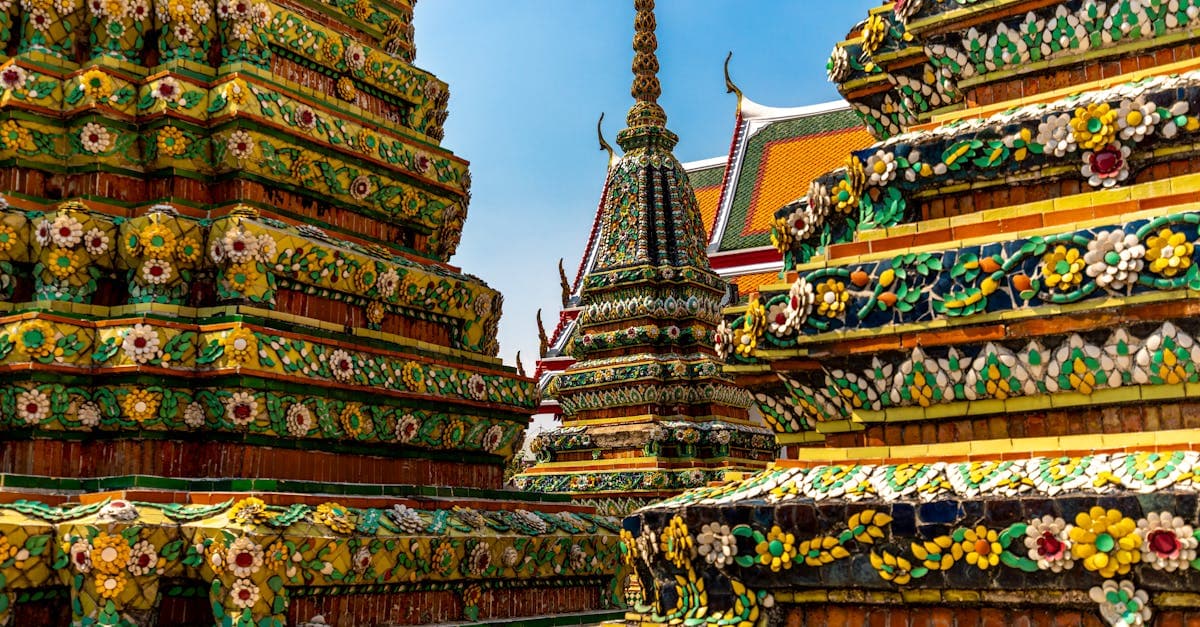
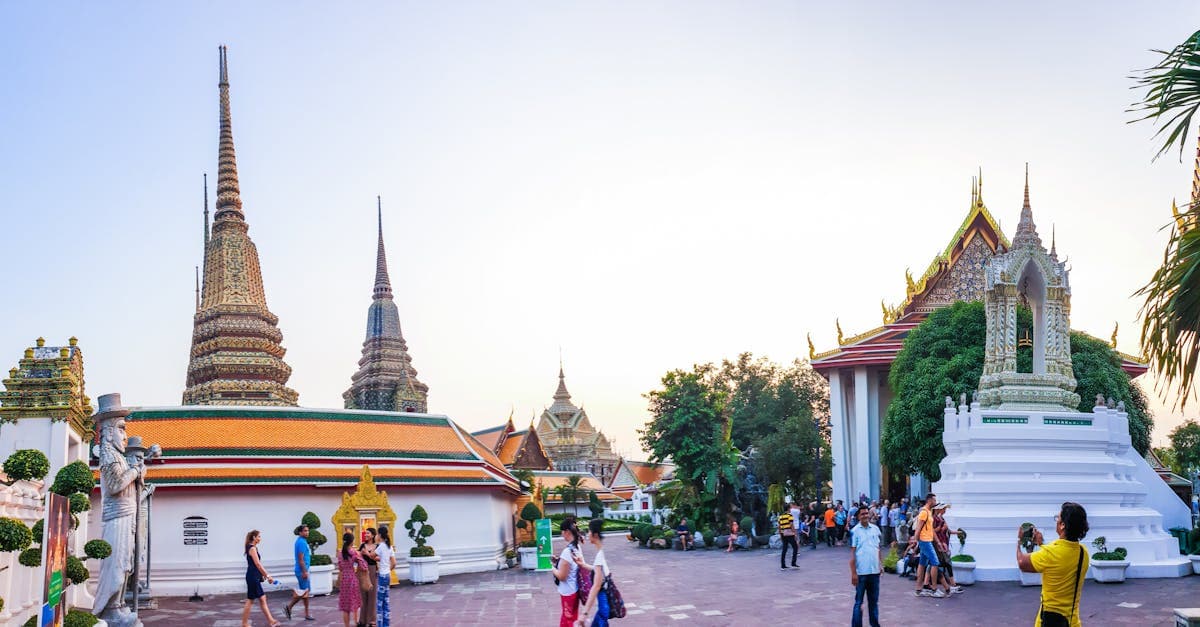
Bangkok is unavoidable, though not in a bad way. The city rewards two to three days minimum. The Grand Palace and Wat Pho, home of the giant reclining Buddha, are non-negotiable: block out a full morning, wear covered shoulders and long trousers, and arrive before 10am to beat the crowds. Take the river ferry to Yaowarat (Bangkok's Chinatown district) after 6pm for the best street food in the city. Chatuchak Weekend Market is worth half a day on Saturdays or Sundays. Reserve one evening for the rooftop bars: the views over the city at dusk justify the premium.
Chiang Mai operates at a different pace. The old walled city contains more than 300 temples within a few square kilometres lonelyplanet.com. Ethical elephant sanctuaries sit in the hills outside town (half-day programme costs were covered in an earlier section). Thai cooking classes run half or full-day, and hill tribe trekking takes you into proper jungle above the city. Culture seekers often stay a week; two to three days is a realistic minimum.
Phuket has beaches for every preference: Patong for nightlife, Kata Noi for quiet stretches, Bang Tao for upmarket resorts. It also makes the best day-trip base in the country. Phang Nga Bay (the James Bond Island speedboat route), Phi Phi Islands and the Similan Islands for diving are all accessible from here.
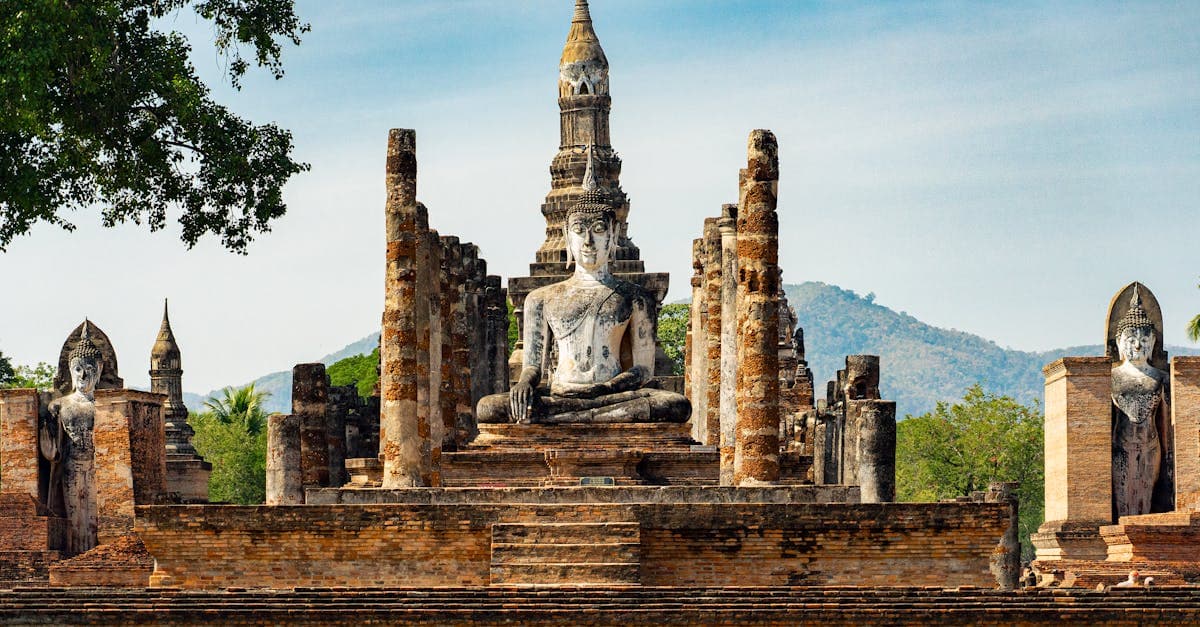
Ayutthaya earns a day trip from Bangkok. It's 1.5 hours north by train, UNESCO-listed lonelyplanet.com, and the ruined temple complex delivers an atmosphere that photographs consistently undersell.
A 14-day itinerary covering Bangkok, Chiang Mai and one island group is fully achievable. The practical challenge isn't finding things to do: it's deciding what to cut.
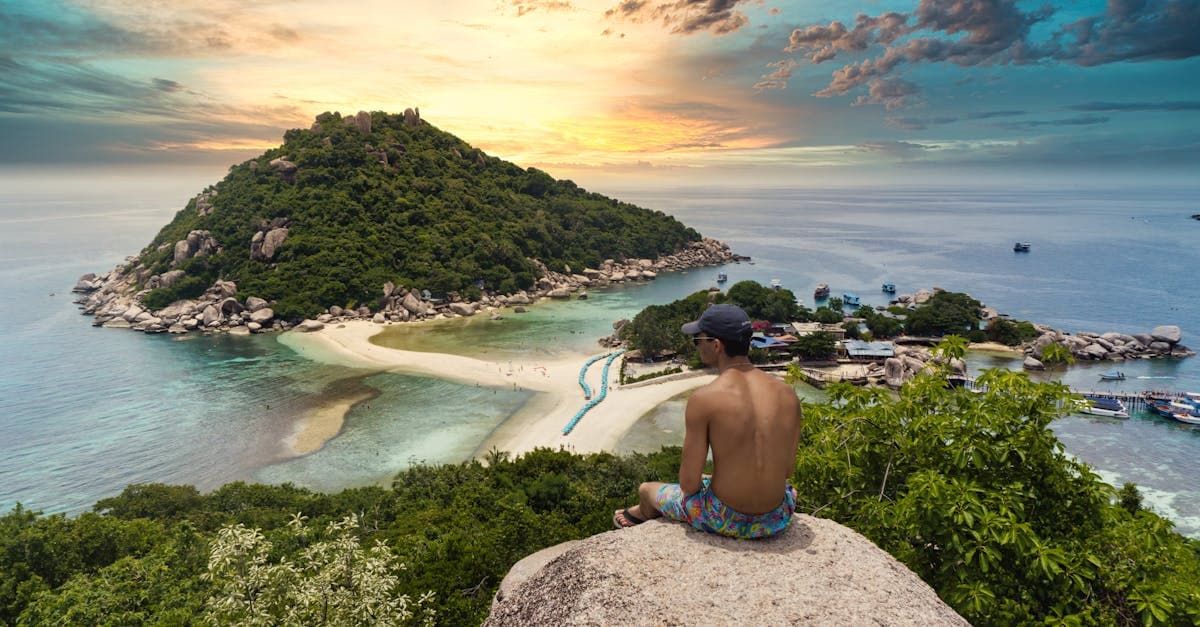
Most visitors make it to Phuket. Fewer reach Phi Phi Ley. Almost none plan specifically around the full moon.
Maya Bay on Phi Phi Ley is one of Thailand's most photographed spots, but you can't just show up anymore. National park authorities operate timed visitor access to protect the coral after years of overcrowding damaged the reef. Book your speedboat day trip from Phuket or Krabi in advance.
As theblondeabroad.com notes, Koh Phangan's Full Moon Party at Haad Rin beach draws between 20,000 and 30,000 revellers every month. Accommodation books out weeks ahead of full moon dates. Outside party weekends, the island shifts entirely: yoga retreats, wellness centres, quiet beaches. Two very different destinations sharing one GPS pin.
According to lonelyplanet.com, Koh Tao is one of the most affordable places on the planet to earn a PADI Open Water certification, at around R2,250 to R2,700 for the full course. June to September is the recommended window: clear water, strong visibility, consistent marine life.
Ferry networks connect Koh Samui, Koh Phangan and Koh Tao in under two hours each. Book through Lomprayah or Seatran. Combined Bangkok-to-Koh Samui train-and-ferry packages are available and significantly cheaper than flying.
Koh Samui has its own international airport (USM) and the strongest infrastructure in the Gulf island chain. Reliable connections, upmarket resorts and a solid restaurant scene make it the natural base for the whole Gulf cluster.
Standard Vodacom and MTN roaming rates of R149 to R299 per day make a 14-day Thailand trip genuinely expensive before you've bought a single meal. Two weeks of mobile data at carrier rates adds up to a figure that dwarfs most other line items in the trip budget.
Hello Roam cuts through that with ZAR-billed plans: no forex conversion, no surprise charges when your statement arrives after the trip. Install the eSIM before leaving South Africa and your phone connects from the moment you land in Bangkok. Hello Roam provides coverage on AIS and TrueMove networks in Thailand, covering Bangkok, Chiang Mai, Phuket, Koh Samui and all major tourist corridors with solid 4G/LTE. A 30-day plan costs around R300 total. That's roughly equal to a single day of carrier roaming.
Prefer a physical SIM? AIS and TrueMove counters operate 24 hours at Suvarnabhumi, Don Mueang, Phuket and Chiang Mai airports. The AIS Traveller SIM (30GB for 30 days) costs around R270. Bring your passport: staff set it up on the spot. Single-SIM phone users lose access to their SA number while the Thai SIM is active.
AIS is the strongest carrier for islands and rural areas. TrueMove performs well across city centres and tourist hubs. 4G/LTE is the practical standard at every major destination. 5G is live in Bangkok, Chiang Mai and Phuket city, though LTE handles maps, Grab, video calls and translation apps without issue.
Free WiFi covers virtually every 3-star hotel, café and 7-Eleven in the country. On Koh Tao and remote islands like Koh Lipe, cellular signal drops noticeably. A data plan matters more there than anywhere.
The 30-day visa exemption for South Africans is genuine, but 'visa-free' doesn't mean 'arrive unprepared'. Immigration officers at Suvarnabhumi check for a return ticket, first-night accommodation confirmation and evidence of accessible funds. Your passport needs at least six months of validity beyond your planned entry date.
Temple etiquette is taken seriously. Cover shoulders and knees at all temple complexes, remove shoes before entering shrine interiors, and don't point your feet at Buddhist statues or imagery. Disrespecting monks, temples or the Thai royal family carries legal consequences under Thai law: treat it as a firm rule, not a suggestion.
Thai ATMs dispense Baht directly and are widely available. FNB and Capitec global accounts carry lower forex fees than converting cash at South African banks or airport exchange counters. Street food vendors are cash only. Restaurants and shopping malls accept cards.
No mandatory vaccines are required for entry. Hepatitis A, typhoid and up-to-date tetanus are recommended by most travel clinics onthegotours.com. Tap water is not safe to drink. Bottled water is cheap and available on every corner. Mosquito repellent is essential in jungle and rural areas.
Three scams worth knowing before you land: unsolicited tuk-tuk city tours that end at overpriced gem shops, taxi drivers who refuse to use the meter (use Grab and skip the negotiation entirely), and jet ski damage claims in Phuket (photograph the vehicle front-to-back before you ride).
Night markets and street food stalls open from around 5pm to 6pm across Bangkok, Chiang Mai and every coastal resort town. That evening window is when Thailand makes its strongest argument for itself.
Can You Travel to Thailand While Pregnant?
The real considerations for pregnant travellers are Zika exposure, the long-haul flight, and travel insurance coverage. Bumrungrad International and Bangkok Hospital in Bangkok are internationally accredited, with maternity and obstetrics departments that routinely treat international patients. Private medical care in Thailand is affordable by South African standards. That's genuinely good news.
Zika is present in Thailand at low levels. Both the World Health Organisation and the South African Department of Health advise pregnant travellers to consult their doctor before visiting any Zika-affected region. DEET-based mosquito repellent isn't a suggestion here. It's essential throughout the trip.
The flight is the bigger practical concern. Most airlines accept pregnant passengers up to 36 weeks, but many require a medical certificate after 28 weeks. The journey from South Africa involves one or two connecting legs and up to 19 hours of total travel. Check your airline's specific policy before booking anything.
Standard travel insurance is where people get caught out. Most policies exclude pregnancy-related claims entirely. You need a policy with explicit maternity cover, and verify the exact wording before you leave home.
On timing: the early to mid second trimester (14 to 26 weeks) is generally the safest window for long-haul travel. Third-trimester travel on this route requires specific medical clearance from your obstetrician.
Practical basics: stay hydrated through the flight and layovers, and skip raw street food and unpeeled fruit.
What Is the 3 Day Rule in Thailand?
The '3-day rule' sounds official. It isn't. The term circulates in backpacker and digital nomad communities as shorthand for Thai immigration scrutiny of travellers making repeated back-to-back visa-free entries (border runs). Officers may question travellers who cross multiple times in quick succession without credible evidence of genuine tourist activity.
None of this touches a standard South African holiday. One entry with a return flight booked, 30 days in the country, depart as scheduled. The rule concerns long-stay travellers attempting to extend their time indefinitely through serial border crossings, which is a completely different situation.
If you need more than 30 days, apply for a 60-day Tourist Visa before departure at the Royal Thai Embassy, 794 George Avenue, Arcadia, Pretoria. You'll need your passport, two passport photos, a completed visa application form, and recent bank statements. Apply in person before you travel.
At Suvarnabhumi Airport, carry a printed or digital return ticket, accommodation confirmation for your first night, and evidence of sufficient funds for the stay. These are standard expectations for all nationalities at Thai immigration, not anything uniquely demanding for South African passport holders.
Thai immigration at Suvarnabhumi is straightforward for genuine tourists with documentation in order. Enter, explore for 30 days, leave on schedule. The 3-day rule simply doesn't come into it.

South African passport holders are entitled to 30 days entry at the Thai border with no pre-arrangement, no embassy queues, and no visa fees. Immigration officers at Suvarnabhumi airport check for a return ticket, first-night accommodation confirmation, and evidence of accessible funds. Your passport must have at least six months of validity beyond your planned entry date to avoid being refused entry.
The 30-day visa exemption for South Africans is genuine but immigration officers at Suvarnabhumi check for a return ticket, accommodation confirmation, and proof of accessible funds. Temple etiquette is strictly observed: cover shoulders and knees, remove shoes before entering shrine interiors, and never disrespect monks, temples, or the Thai royal family, as this carries legal consequences under Thai law. No mandatory vaccines are required for entry, though Hepatitis A, typhoid, and up-to-date tetanus are recommended by most travel clinics.
After 6pm in Bangkok the street food scene comes alive, particularly in Yaowarat, Bangkok's Chinatown district. Taking the river ferry to Yaowarat after 6pm is recommended for the best street food in the city. Evening is also prime time for Bangkok's rooftop bars, with views over the city at dusk worth at least one night of the premium pricing.
No mandatory vaccines are required for entry into Thailand, though most travel clinics recommend Hepatitis A, typhoid, and up-to-date tetanus before departure. Thailand has strong tourist infrastructure across Bangkok, Chiang Mai, Phuket, and Koh Samui, with widely available hospitals and medical facilities in all major tourist areas. Any specific health concerns should be discussed with a travel clinic before booking.
Yes, South African passport holders receive 30 days entry at the Thai border with no pre-arrangement, embassy queues, or visa fees. Immigration officers check for a return ticket, first-night accommodation confirmation, and evidence of accessible funds. Your passport must have at least six months of validity beyond your planned entry date.
November to February is the best time to visit Thailand from South Africa, offering cool and dry weather rarely above 32 degrees C. This window overlaps with SA's December and January school holidays, so return flights from Johannesburg should be booked 3 to 4 months ahead to secure fares of R12,000 to R16,000, rising to R18,000 to R22,000 last-minute. March to May suits the Andaman coast, while June to August is better suited to the Gulf coast islands such as Koh Samui and Koh Phangan.
A realistic all-in two-week trip including return flights from Johannesburg, accommodation, food, and internal travel typically costs between R35,000 and R45,000. A mid-range daily budget in-country runs around R675 to R1,575, with a plate of pad thai costing R22 to R45 and a one-hour Thai massage running R90 to R180. Return flights from Johannesburg during peak season cost R12,000 to R16,000 when booked in advance.
There are no direct flights from South Africa to Thailand. All routes connect via a Gulf hub: Dubai with Emirates, Doha with Qatar Airways, or Abu Dhabi with Etihad, with total journey times of 16 to 19 hours from Johannesburg or Cape Town. OR Tambo offers more departure frequency and often slightly lower base fares than Cape Town.
Hello Roam offers ZAR-billed eSIM plans that install before you leave South Africa and activate the moment your flight lands, with a 30-day plan costing around R300 total. Alternatively, AIS and TrueMove SIM counters operate 24 hours at Suvarnabhumi, Don Mueang, Phuket, and Chiang Mai airports, with the AIS Traveller SIM offering 30GB for 30 days at around R270. Standard Vodacom and MTN roaming rates of R149 to R299 per day are the most expensive option and can add over R4,000 to a two-week trip.
Standard Vodacom and MTN roaming rates in Thailand run R149 to R299 per day. On a 14-day trip, that equates to R2,086 to R4,186 in data costs alone before accounting for any other travel expenses. A Hello Roam eSIM 30-day plan costs around R300 total, and an AIS Traveller SIM offering 30GB for 30 days costs approximately R270 purchased at the airport.
The Grand Palace and Wat Pho, home of the giant reclining Buddha, require covered shoulders and long trousers and are best visited before 10am to beat the crowds. Yaowarat, Bangkok's Chinatown district, is the top street food destination and comes alive after 6pm via the river ferry. Chatuchak Weekend Market is worth half a day on Saturdays or Sundays, and at least one evening should be reserved for the rooftop bar views over the city.
The BTS Skytrain is clean, reliable, and connects every major tourist area in Bangkok. For ground transport, Grab is strongly recommended over metered taxis or tuk-tuks because the price is confirmed before you get in the vehicle, eliminating negotiation or meter disputes. This is particularly important on arrival when you are unfamiliar with typical fare ranges.
Cover shoulders and knees at all temple complexes in Thailand and remove shoes before entering shrine interiors. Do not point your feet at Buddhist statues or imagery. Disrespecting monks, temples, or the Thai royal family carries legal consequences under Thai law and must be treated as a firm rule rather than a suggestion.
Phuket is the most accessible Andaman coast island and serves as the best base for day trips to Phi Phi Islands, Phang Nga Bay, and the Similan Islands for diving. Koh Samui on the Gulf coast has its own international airport, the strongest infrastructure in the Gulf island chain, and reliable ferry connections to Koh Phangan and Koh Tao. Koh Tao is one of the most affordable places globally to earn a PADI Open Water certification, at around R2,250 to R2,700.
Koh Tao is one of the most affordable places on the planet to earn a PADI Open Water certification, at around R2,250 to R2,700 for the full course. June to September is the recommended window, offering clear water, strong visibility, and consistent marine life. The island is reachable from Bangkok via a combined bus or train and ferry ticket for roughly R200 to R360.
Violent crime rates in Thailand run significantly lower than South Africa. Solo travellers, couples, and families find that a different level of ease sets in fairly quickly compared to travelling in South Africa itself. Standard precautions apply, particularly around using Grab rather than unmetered taxis and being aware of temple etiquette to avoid any legal issues.
HelloRoam: your trusted travel eSIM that keeps you online across borders.
Explore Plans