eSIM Thailand: the Complete Guide for South African Travellers in 2026

Written by: James Harrington


13 min read

Table of content
Quick Answer: esim thailand

An eSIM for Thailand is the smartest connectivity decision you'll make before boarding. According to ais.th and true.th, AIS and True Move H both offer dedicated eSIM tourist plans in 2026. You buy online, scan a QR code, and land at Suvarnabhumi with data already running.
The cost case is stark. Vodacom roaming in Thailand runs around ~R250 to R350 per day with a data pack active. Without a pack, rates can reach R100 or more per megabyte. A quality eSIM plan covers a full 10-day trip at a fraction of that.
Hello Roam's Thailand eSIM plans are priced in ZAR, which removes the currency conversion anxiety that catches SA travellers off guard. No surprise dollar charges on your statement, no ZAR-to-USD guesswork at checkout.
Airport SIM counters at Suvarnabhumi run 20 to 45 minutes of queuing during peak arrivals. If you're landing late after a connecting flight from Dubai or Doha, that's the last thing you need. An eSIM set up before departure skips all of that.
What Is an eSIM and How Does It Work for Thailand Travel?

Forget the plastic SIM card. An eSIM is a digital SIM built directly into your device, with no physical slot swap required. Both AIS and True Move H support eSIM tourist plans in 2026, giving you genuine network choice before you even board the plane.
Setup takes five minutes at most. Purchase a plan online before departure, receive a QR code by email, open your device settings, and scan. On iPhone: Settings, then Cellular, then Add eSIM. On Android: Settings, then Connections, then SIM Card Manager. Select the eSIM as your active data line and you're done.
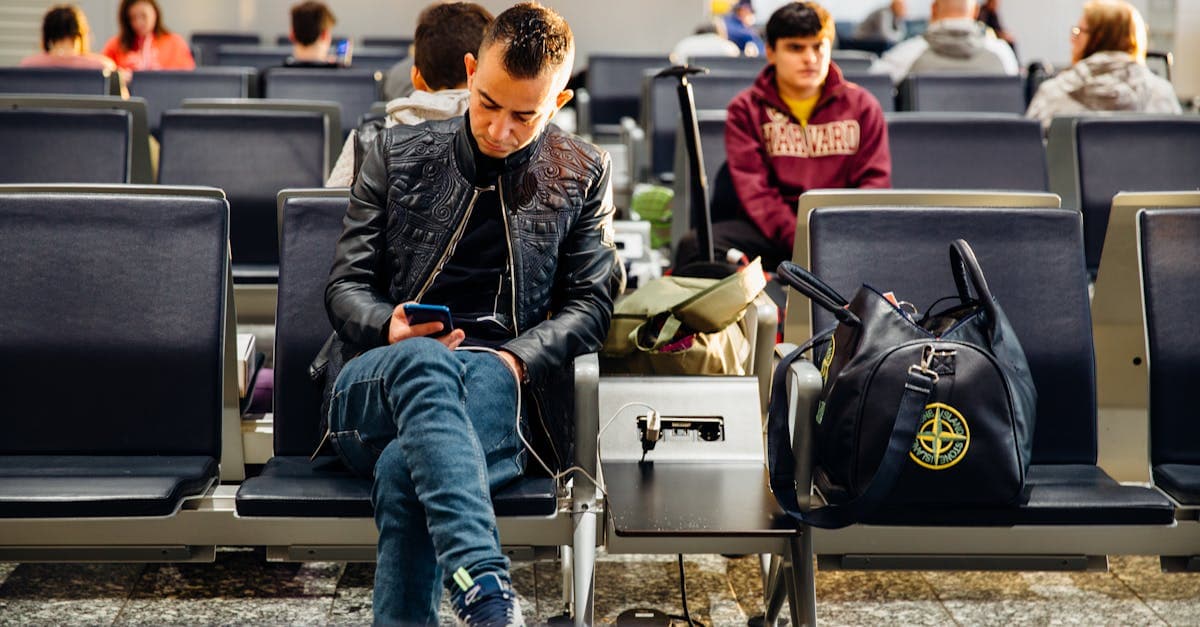
The advantage for South African travellers is specifically the timing. Land at Suvarnabhumi at midnight after a 14-hour connecting flight and your data is already live. No counter queue in arrivals. No hunting for a 7-Eleven at 1am to top up a physical SIM.
There's a dual-SIM benefit that matters for banking back home. The Thailand eSIM carries your data while your South African physical SIM stays active in the same device. FNB, Capitec, and Absa OTPs keep arriving without interruption. That's not a minor detail when you're approving international card transactions from a hotel lobby in Bangkok.
eSIM uptake among international tourists visiting Thailand grew around 60 percent year-on-year between 2024 and 2025. AIS and True Move H have both built dedicated tourist-facing eSIM plans to serve that demand.
Is Your South African Phone eSIM-Compatible?

Your phone might have eSIM hardware and still not activate on a Thai network. Carrier locks imposed by South African operators are the most common reason, and most global eSIM guides don't flag it at all.
Here's which devices are compatible:
DeviceiPhone XS, XS Max, XR
eSIM SupportYes
DeviceiPhone 11 through 16 series
eSIM SupportYes
DeviceSamsung Galaxy S20 and newer
eSIM SupportYes (check for carrier lock)
DeviceSamsung Galaxy A series (most models)
eSIM SupportNo
DeviceGoogle Pixel 3 and newer
eSIM SupportYes
DeviceOnePlus 9 and newer
eSIM SupportYes
Vodacom-locked Samsung Galaxy handsets and some Telkom-locked devices restrict eSIM functionality even when the chipset supports it. If you bought your Samsung on a Vodacom or MTN contract, call your carrier and request an unlock at least one week before travel. Don't leave this for the night before departure.
How to verify: on iPhone, go to Settings, then Cellular, then Add eSIM. If the option appears, you're compatible. On Samsung Android, go to Settings, then Connections, then SIM Card Manager, and look for an option labelled Add Mobile Plan.
Most iPhones sold in South Africa since 2019 are already unlocked and won't hit this problem.
Thailand Mobile Network Coverage in 2026
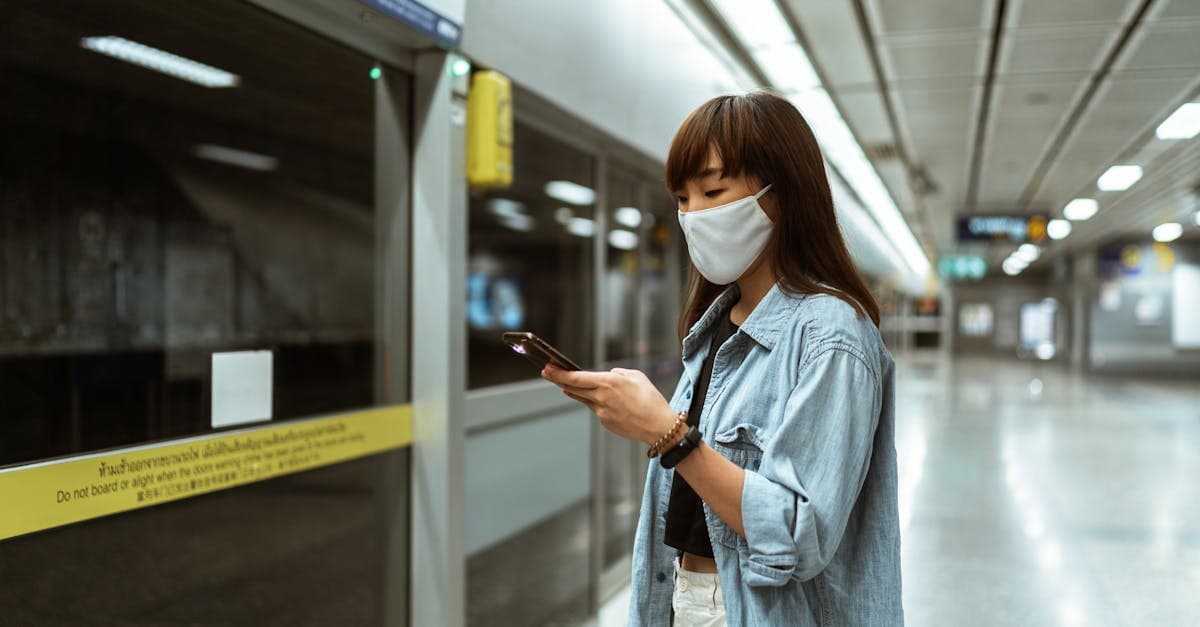
Two networks handle the bulk of Thailand's tourist traffic: AIS and True Move H. As reported by true.th, True Move H absorbed DTAC between 2023 and 2024, picking up the combined infrastructure of what were previously two separate operators. That merger expanded True Move H's coverage considerably, particularly in urban areas.
According to mobimatter.com, 4G LTE covers around 96 percent of Thailand's population. Average download speeds on 4G run 60 to 80 Mbps, which handles streaming, Maps, and video calls comfortably. Bangkok city centre, Phuket town, Chiang Mai, and Pattaya have live 5G zones pushing above 200 Mbps on compatible handsets. For most SA tourists, 4G is what you'll actually use, and it's more than adequate.
The regional split is practical. According to ais.th, AIS leads on the southern islands: Phuket, Koh Samui, Koh Tao, Phi Phi, Koh Phangan, and Koh Lanta. True Move H has the stronger urban 5G footprint for Bangkok and Pattaya. Build your plan choice around where you're spending most of your time.
Island connectivity is trickier than the coverage maps suggest. Resort and cafe Wi-Fi on Koh Tao and Phi Phi frequently runs slower than 4G mobile data, constrained by submarine cable capacity. Some providers advertise high uptime figures for Thailand broadly, but actual island performance varies. AIS consistently outperforms on remote southern islands ais.th, and that's worth factoring into your decision.
During Songkran in April and peak season from November to February, expect temporary slowdowns at busy tourist sites. Chiang Mai bucks the congestion trend: both networks deliver fast, consistent speeds there year-round, which is why it's become a significant digital nomad hub.
eSIM vs South African Roaming: The Real Cost in Rands

A 10-day Thailand trip on Vodacom's daily data roaming pack costs R2,500 to R3,500 in total. That calculation is based on the per-day rate flagged in the opening section. Forget to activate the pack before landing and you're paying the catastrophic per-megabyte rate mentioned there too.
MTN's daily roaming pack for Thailand runs roughly R200 to R300, bringing a 10-day trip to R2,000 to R3,000. Cell C and Telkom are the harder conversation: their roaming agreements in Thailand are limited or unreliable, so even the costly option isn't guaranteed to work consistently.
OptionVodacom roaming
10-Day Total (ZAR)~R2,500-R3,500
21-Day Total (ZAR)~R5,250-R7,350
ZAR BillingYes
Pre-DepartureYes
OptionMTN roaming
10-Day Total (ZAR)~R2,000-R3,000
21-Day Total (ZAR)~R4,200-R6,300
ZAR BillingYes
Pre-DepartureYes
OptionHello Roam eSIM
10-Day Total (ZAR)~R250-R600
21-Day Total (ZAR)Check Hello Roam site
ZAR BillingYes
Pre-DepartureYes
OptionAiralo eSIM
10-Day Total (ZAR)~R90-R285
21-Day Total (ZAR)Check Airalo site
ZAR BillingNo (USD)
Pre-DepartureYes
Hello Roam bills in ZAR, removing the currency conversion layer entirely. No foreign transaction fees on your FNB, Capitec, or Absa card. Airalo's plans convert to roughly R90 to R285 at current exchange rates, though the actual rand cost moves with the currency.
At March 2026 rates, one rand buys approximately 1.8 to 2.0 Thai baht. That context explains why the 5 to 10 times cost difference between carrier roaming and a pre-departure eSIM amounts to a saving of R2,000 to R3,000 on a standard 10-day trip. The maths makes the decision straightforward.
Which SIM Card Is Best for Tourists in Thailand?
For a South African heading to Thailand, the right SIM comes down to two things: cost and banking continuity. Cost is obvious. Continuity is the part most travellers miss until their OTP messages stop arriving mid-trip.
Hello Roam is the strongest all-round choice for SA travellers. It prices in ZAR, accepts standard SA payment methods, and offers customer support in the SA timezone. If something goes wrong before you board at OR Tambo, you're talking to someone who understands that context. Coverage includes Bangkok, Phuket, Koh Samui, and Pattaya.
As noted by theanxioustravelguy.com, Airalo offers Thailand eSIM plans between around $5 and $15, converting to well under R300 at current rates. Strong global reputation, USD-priced, reliable if you're comfortable with that billing format.
Holafly targets heavy users: unlimited data, no cap, priced around $17 to $27. Worth considering if you're hotspotting a laptop throughout the trip or if Thailand is one leg of a broader Southeast Asia itinerary.
ProviderHello Roam
Data TypeFixed + unlimited
ZAR PricingYes
SA-Timezone SupportYes
Pre-DepartureYes
ProviderAiralo
Data TypeFixed data
ZAR PricingNo (USD)
SA-Timezone SupportNo
Pre-DepartureYes
ProviderHolafly
Data TypeUnlimited
ZAR PricingNo (USD)
SA-Timezone SupportNo
Pre-DepartureYes
ProviderAirport SIM
Data TypeFixed + unlimited
ZAR PricingNo (THB)
SA-Timezone SupportNo
Pre-DepartureNo
Airport SIM kiosks at Suvarnabhumi, Don Mueang, Phuket, and Chiang Mai charge 299 to 599 THB for tourist plans, roughly R150 to R300. Solid value for what you get. The catch is those peak-arrival queues flagged at the outset, plus swapping your SA SIM means banking OTP messages stop arriving, as covered earlier.
How to Set Up Your Thailand eSIM Before You Fly

Getting your Thailand eSIM installed takes under five minutes. Do it from home in South Africa, not from a confused arrivals hall after a 14-hour connecting flight.
Step 1: Select your plan. For a seven-day trip, choose at minimum 5GB. For 10 to 14 days, opt for 10GB or more. Purchase through Hello Roam's Thailand eSIM plans in ZAR using a standard SA card. Your QR code arrives by email within minutes.
Step 2: iPhone setup. Settings, then Cellular (or Mobile Data), then Add eSIM, then Use QR Code. Scan the code from the email.
Step 3: Samsung Android setup. Settings, then Connections, then SIM Card Manager, then Add Mobile Plan, then Scan Carrier QR Code.
Step 4: Configure your lines. Label the eSIM "Thailand Data". Set your SA SIM as the primary line for calls and SMS so banking OTPs arrive on your SA number.
Step 5: Timing. Install the eSIM profile before leaving South Africa. Switch mobile data to the Thai eSIM only after landing in Bangkok. This prevents roaming charges at stopover airports in Dubai or Doha.
If the QR scan fails, request a manual activation code from Hello Roam support. Make sure your device is unlocked and connected to Wi-Fi before trying again. Carrier-locked handsets, flagged in the compatibility section above, will block activation at this step regardless of network.
Frequently Asked Questions About eSIM Thailand

The questions SA travellers ask most before a Thailand trip, answered directly.
Do you actually need an eSIM for Thailand? No. Physical tourist SIMs are sold at every international airport and most 7-Eleven stores across the country. An eSIM is faster and more flexible, but not mandatory. If your phone isn't compatible, an airport physical SIM is a workable fallback.
What are the disadvantages of using an eSIM? Three real ones. eSIM profiles are device-specific: if your phone is lost or stolen, the profile can't transfer to a replacement handset. QR codes are typically single-use, so the activation link can't be re-scanned on a second device. And older phones don't support eSIM at all. If device compatibility is a concern, the phone checklist earlier in this article tells you exactly where your handset stands.
Can I use WhatsApp with a Thai eSIM? Yes. WhatsApp works on any data connection. Messages, calls, and file sharing all function normally on Thai eSIM data.
How much data does a Thailand trip actually consume? According to mobimatter.com, a seven-day holiday typically uses 3 to 8GB depending on your habits. Maps, social media, and occasional video calls push most travellers toward the top of that range. Choose at least 5GB for a week; opt for 10GB or more for a fortnight.
Thailand is one stop on a Southeast Asia trip. What now? A single-country Thai eSIM won't cover Vietnam, Malaysia, or Singapore. If those destinations are also on the itinerary, choose an Asia-wide plan rather than stacking multiple single-country options.
Before you land, download Google Maps or Maps.me offline packs for Bangkok, Phuket, and Chiang Mai. Navigation is the heaviest data draw on day one in any unfamiliar city.
Do You Need an eSIM for Thailand?

Technically, no. Thailand doesn't require any specific SIM format at the border, and tourist connectivity options are available at every international airport. But "available after you land" and "ready before you clear customs" are meaningfully different things.
Airport SIM kiosks at Suvarnabhumi and Don Mueang sell tourist plans on the spot. That sounds fine until you're joining a slow-moving counter queue at 1am after a connecting flight through Dubai. Hotel SIMs are an option but typically charge more for equivalent data. Your SA carrier's daily roaming pack reaches Thailand too, though the daily cost, as laid out in the comparison section above, stacks up uncomfortably across 10 or 14 days.
The case for eSIM comes down to timing and banking. You land with data already live. No queue, no SIM ejector pin, no blank screen when your Grab driver is calling in arrivals. Because your SA SIM stays in the second slot, SMS verifications from your bank arrive to the right number from the moment you touch down.
Thailand's 4G coverage is reliable across every main tourist destination: Bangkok, Phuket, Chiang Mai, Koh Samui, and Pattaya. Any data SIM handles navigation, messaging, and streaming comfortably in those areas.
For SA travellers with a compatible, unlocked device departing from OR Tambo or Cape Town International, a pre-departure Thailand eSIM is the sensible starting point. The queue alone justifies the decision.
What Are the Disadvantages of Using an eSIM?
eSIM has real limitations. They won't stop most travellers, but knowing them in advance prevents surprises at Suvarnabhumi or mid-trip on a remote Thai island.
Device age is the most common barrier. Phones manufactured before 2019 typically lack eSIM hardware, and older Samsung and Huawei handsets that remain popular in SA often fall into that category. If your device isn't on a compatible list, a physical SIM card at the airport counter is the practical alternative.
SA carrier lock is a specific trap worth checking. Vodacom-locked Samsung devices and some Telkom-locked handsets may reject third-party eSIM profiles at activation. If your phone was purchased on a SA contract and hasn't been unlocked, contact your carrier before travel. The unlock is free but processing can take a few business days.
An eSIM profile is also device-specific. You can't remove it and hand it to a travel companion the way you'd pass a physical SIM. Hotspot tethering handles data sharing, though it draws more battery than a single-device setup.
Top-up flexibility differs as well. Physical tourist SIMs in Thailand can be recharged at any 7-Eleven or Big C store across the country. eSIM top-ups require an active internet connection and go through the provider's app or website, which is worth planning for if you're running low in a patchy coverage area.
One practical step before you leave: save your original QR code email somewhere accessible offline. Deleting an eSIM profile from device settings removes it permanently, and reinstallation requires that original code.
The overall cost gap against SA carrier daily roaming, as shown in the comparison section earlier, makes these trade-offs manageable on any trip of reasonable length.
Can I Use WhatsApp with a Thai eSIM?
Yes, without any adjustment. WhatsApp routes through mobile data, and a Thai eSIM supplies that data like any other connection. Voice calls, video calls, and group messages all function normally.
Your SA phone number stays put. WhatsApp is tied to the number on your South African SIM, not to the eSIM's data line. As long as your SA SIM is physically in the device alongside the Thai eSIM, your account, chat history, and contacts remain intact and unchanged.
The split works cleanly: SA SIM carries calls and SMS, Thai eSIM carries data. That arrangement, outlined in the device setup section, also covers banking OTPs. Verification messages from FNB, Capitec, Absa, and Standard Bank route to your SA number as they would at home. International transactions that trigger an SMS check go exactly where they're supposed to.
Set the Thai eSIM as your default data connection in settings and every app routes through it automatically. Nothing requires mid-trip adjustment.
Data consumption adds up faster than it looks. A one-hour WhatsApp video call uses roughly 200 to 350MB. If daily calls home are part of your routine, factor that into your plan choice before you leave rather than hunting for a top-up with a low signal on a Thai island. Hello Roam's Thailand eSIM plans are priced in ZAR with local SA customer support, which makes sizing up before departure a straightforward decision with no currency conversion guesswork involved.
Stay Connected with Travel Data
View all destinations

United States


United Kingdom