Things to Do in Dubai: the Complete Guide for UK Visitors (2025)

Written by: Sarah Mitchell


16 min read
HelloRoam is a global eSIM provider offering instant mobile data in 170+ countries. Buy prepaid travel eSIM plans with no roaming fees, no contracts, and instant activation on any eSIM-compatible device.
16 min read
No visa. No adaptor. Seven hours from Heathrow and you step off into one of the most efficiently run tourist destinations in the world. Card payments work almost everywhere, and the UAE uses Type G sockets, the same flat-pin standard as UK plugs, so your chargers travel without complaint.
Before booking anything, get the geography straight. Dubai breaks into five distinct zones: Downtown (Burj Khalifa, the Mall, the Fountain), Old Dubai (Deira and Bur Dubai, the historic creek district), Palm Jumeirah, the Marina to the west, and the desert, which begins about 30 minutes from the centre. Most first-timers try to cover all five. Pick three and do them properly.
The booking rule applies to anything genuinely popular. The Museum of the Future and Burj Khalifa sunrise slots sell out days to weeks in advance, and walk-up prices at busy periods run two to three times the advance rate. A ten-minute session before you fly pays for itself.
October to April is the comfortable window for outdoor activity. July and August temperatures regularly exceed 40C, which constrains everything beyond air-conditioned interiors. The city runs year-round; the question is what kind of trip you want.
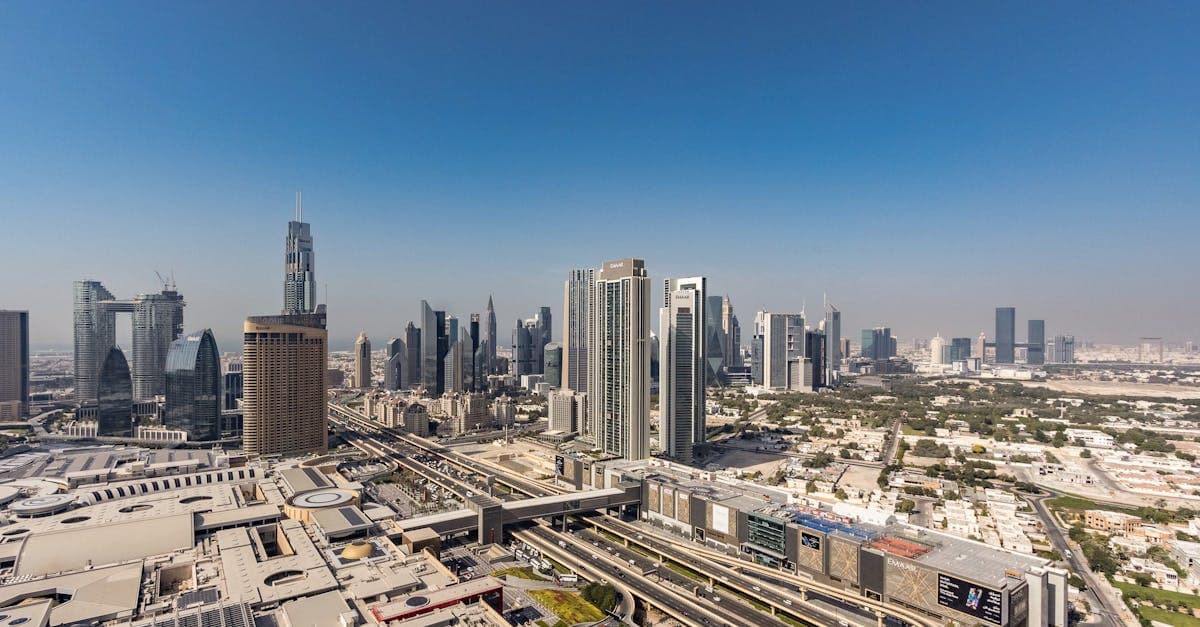
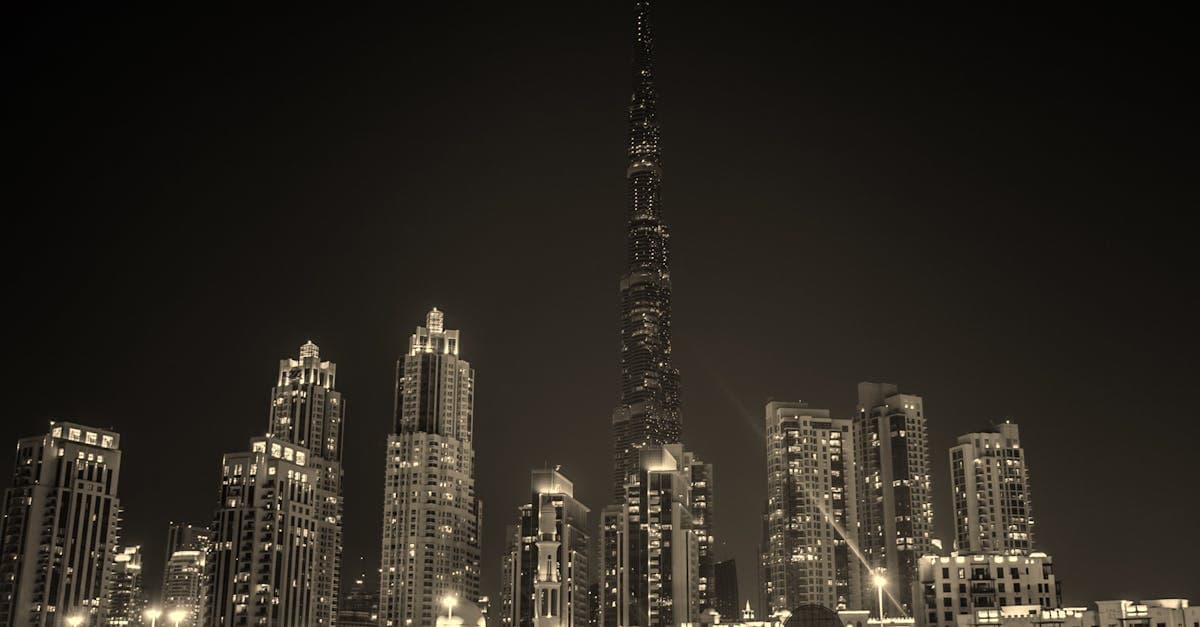
According to tripadvisor.co.uk, levels 124 and 125 of the Burj Khalifa (At the Top) cost around AED 149 booked in advance, roughly £30, and walk-up prices at busy times regularly reach AED 300 or more. The gap between those two figures is the entire case for planning ahead.
At the Top SKY, on level 148, operates with significantly smaller groups per session. It costs more, but for anyone who finds standard observation decks oppressively crowded, that trade-off makes obvious sense.
The Museum of the Future is the building that stops people mid-sentence. Its torus-shaped form, inscribed with Arabic calligraphy, is striking from the pavement. The immersive experience inside draws less attention than it deserves; it's fully worth the visit, but it books out weeks ahead with reliable consistency.
Dubai Frame connects two 150-metre towers with a glass-floored bridge, Old Dubai visible on one side and the new city on the other. It's arguably the best-value ticket in Dubai, and far less hectic than the Burj Khalifa on a busy afternoon.
According to bloggeratlarge.com, the Dubai Fountain on Burj Lake is entirely free. Shows run every 30 minutes from 6pm; the best vantage point is the Souk Al Bahar terrace at lake level, which puts you close enough to feel the water.
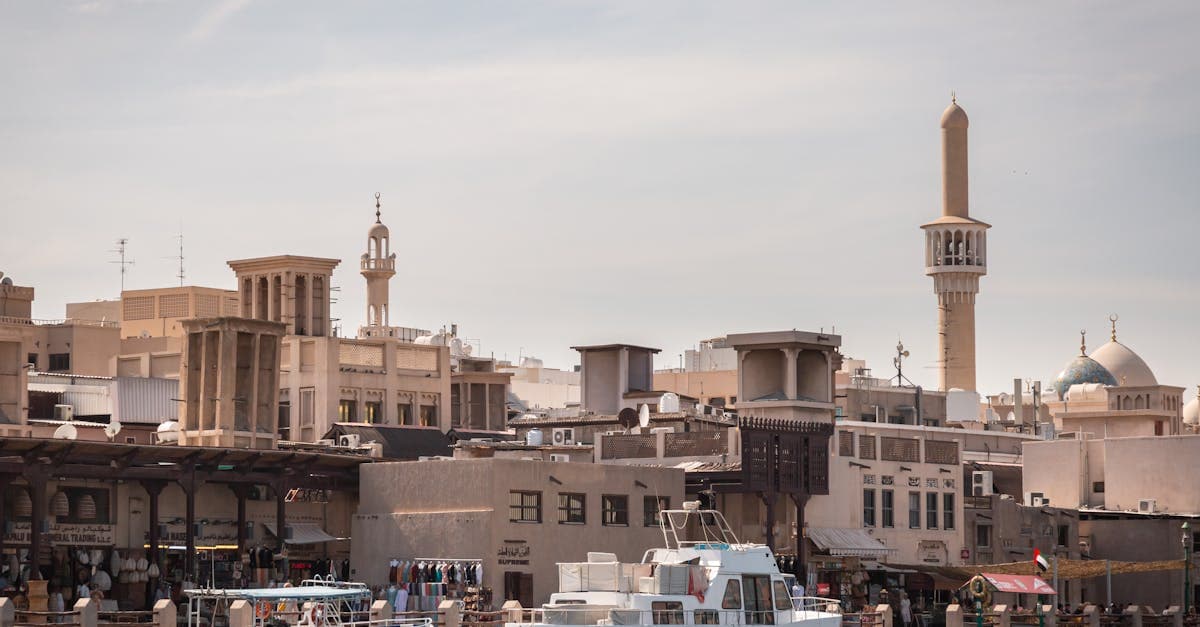
Al Fahidi is Dubai's best-preserved historic district, centred on the former Al Bastakiya quarter dating to the 19th century: wind towers above narrow sand-coloured lanes, small galleries in converted courtyard houses, independent cafes that bear no relation to the gleaming food courts 20 minutes away. Entry is free, and a full morning here costs nothing beyond coffee.
The creek crossing from Bur Dubai Abra Dock costs AED 1 per person, approximately 20p, in a traditional wooden boat. It's the oldest form of transport still operating in the city, and the view back towards the skyline from the water is one of the better photographs available in Dubai.
From the Deira side, the Gold Souk is a short walk. According to handluggageonly.co.uk, an estimated ten tonnes of gold are on display at any given time across hundreds of small shops. Bargaining is standard practice; mornings are considerably quieter than afternoons.
The Spice Souk sits a few minutes further on, making it a natural continuation. Saffron, frankincense, dried limes and rose water are the main draws, and it's most efficiently visited directly after the Gold Souk.
Out in the Al Quoz industrial district, Third Line Gallery is the city's most credible contemporary art space. Entry is free, it opens Tuesday to Saturday, and the 15-minute taxi ride from the centre is the most useful piece of local knowledge you can act on.
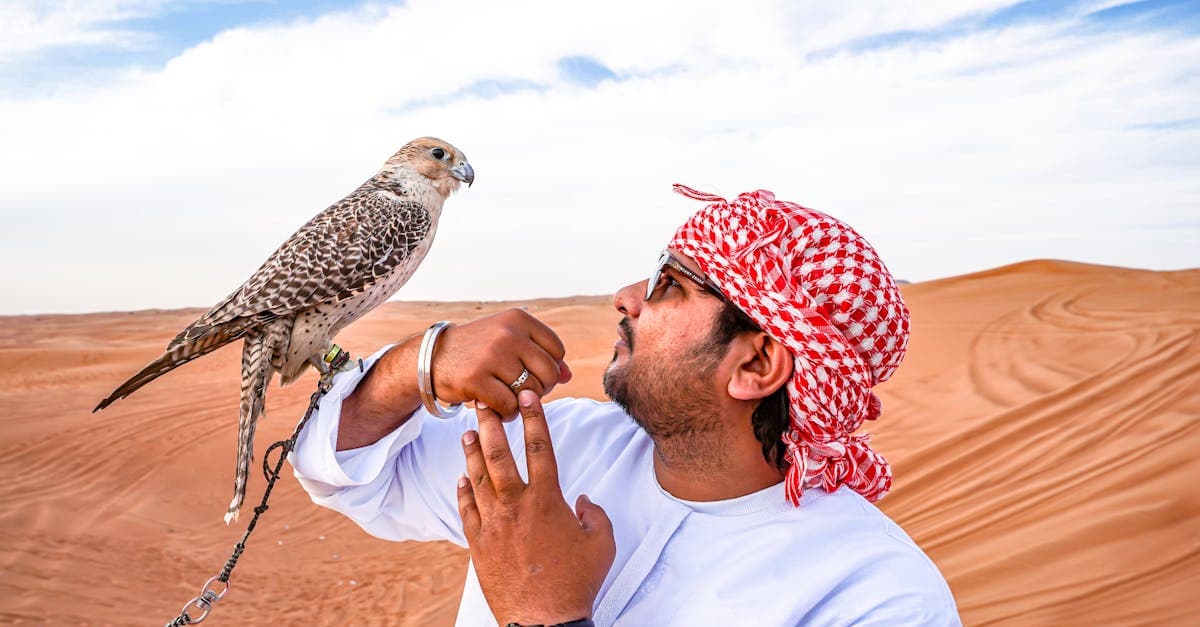
The standard desert safari combines dune bashing by 4x4, camel riding and a Bedouin camp dinner with live music. According to tui.co.uk, half-day and overnight options run from around £50 to £150 per person depending on operator and duration, and most operators offer both.
Sunrise is the specific reason to choose the overnight version. Most operators schedule a 4am wake-up to watch the light clear the dunes, and it's the single most memorable experience available within an hour of central Dubai. The half-day trip is perfectly enjoyable; the overnight is the one people talk about afterwards.
Falconry demonstrations feature at most camps, usually included in the package price. The falcon is the UAE national bird, and the sessions carry genuine cultural weight rather than the feel of a token add-on. Worth paying attention to.
Less visited but worth the detour: Hatta, a mountain enclave around 1.5 hours east of Dubai. Kayaking on the Hatta Dam reservoir, mountain biking trails and a heritage village make it a credible alternative to the standard desert circuit, and it's significantly less crowded than the main route.
One practical note before heading out. Most desert camps have limited WiFi; some have none at all. For the journey out and back through the desert, an eSIM keeps navigation and messaging running: Hello Roam's eSIM for United Kingdom provides access to UAE local networks, which means you're not dependent on whatever the camp can offer. Download offline maps for Dubai and the UAE before leaving the hotel as well. Signal in remote desert areas is intermittent regardless of which network you are on.
According to timeoutdubai.com, Friday brunch is a cultural institution built around the UAE's weekend, and five-star hotels run it as a full production: unlimited food stations, free-flowing drinks, a 1pm start that reliably becomes 4pm. Prices run from around AED 250 to AED 450 per person (~£50 to ~£90), depending on the venue and whether the drinks package includes spirits. Book at least a week ahead at popular venues.
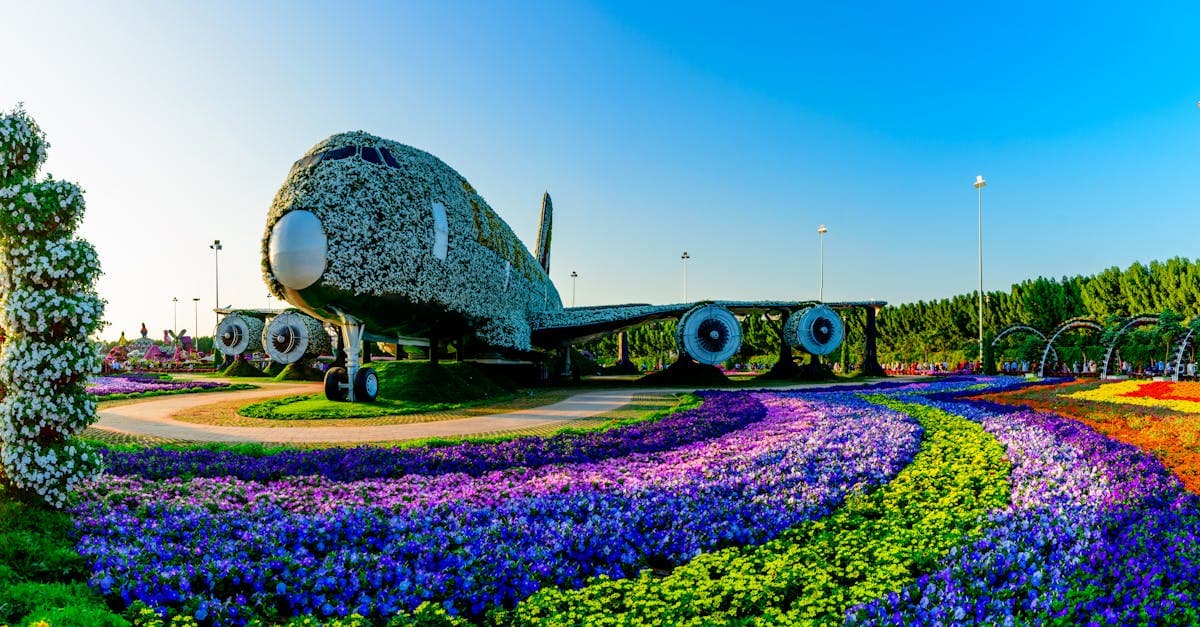
The Dubai Miracle Garden is worth an hour if you're visiting between November and April, when 150 million flowers across 72,000 square metres are actually in bloom myfreerangefamily.com. It shuts entirely for summer. Genuinely photogenic, noticeably crowded on Fridays and weekends. A weekday morning visit is a different experience.
Global Village runs from October to April, set on the outer edge of the city. Pavilions from over 90 countries, street food, cultural performances and carnival rides, all for around AED 15 (under £3) to enter myfreerangefamily.com. It's an evening out rather than a sightseeing stop, and distinctly popular with UAE residents over tourists, which usually signals good value.
For budget eating, avoid the marina. Karama, Deira and Satwa are working neighbourhoods with South Asian and Middle Eastern food at AED 20 to AED 40 per head at local restaurants, no tourist inflation included.
Alcohol is available at licensed venues: hotel bars and most hotel restaurants. Souk areas and neighbourhood restaurants don't serve it. Prices in hotel bars track broadly with central London.
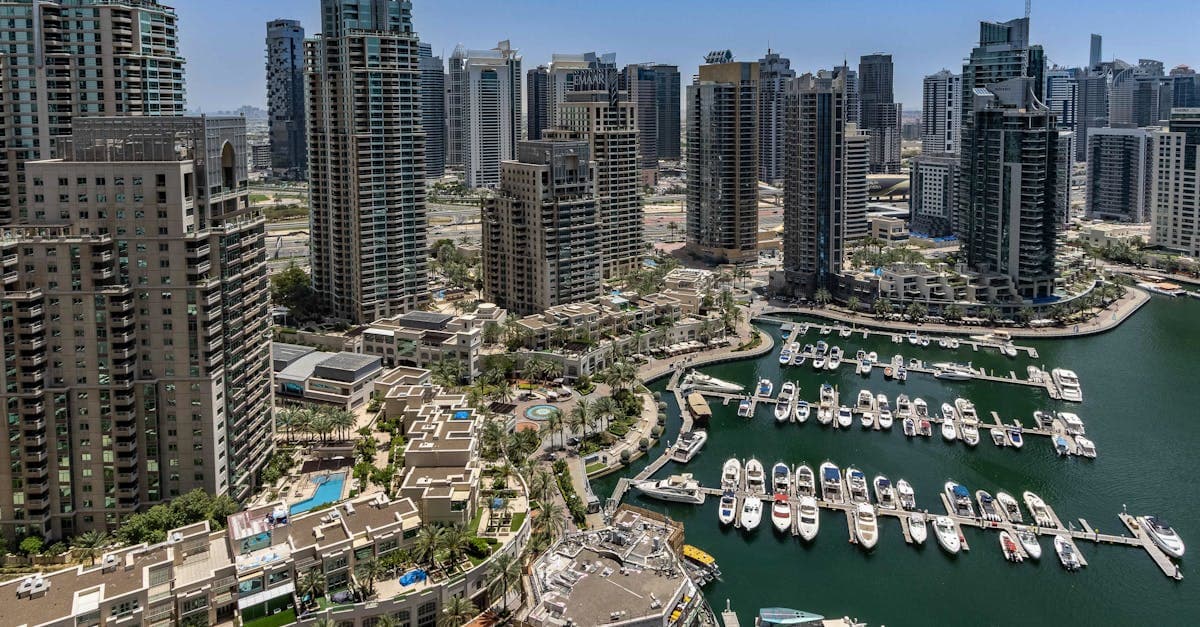
According to travel-lush.com, Dubai's best free activities include the Dubai Fountain, Jumeirah Beach, the Marina Walk and Al Fahidi historic district. Choreographed fountain shows at Burj Lake run every 30 minutes from 6pm, visible from multiple free viewpoints around the perimeter. 275 metres of water, light and music, no ticket required.
Jumeirah Beach runs for 2km of clean, lifeguarded public coastline between the Jumeirah Beach Hotel and the Burj Al Arab travel-lush.com. Free access, no enforced sun lounger hire. Kite Beach, further along the same stretch, adds a large playground, an outdoor gym and a cluster of food trucks. It's where Dubai residents actually go at weekends, which tends to be a reliable guide to quality.
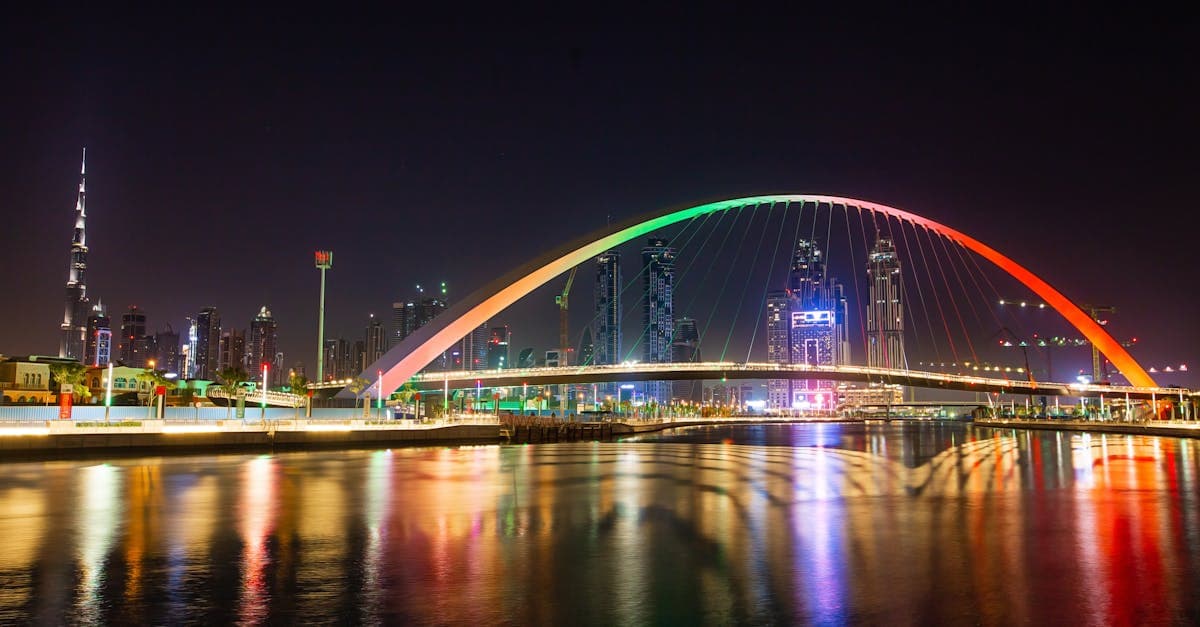
The Dubai Marina Walk is a 7km waterside boardwalk, free at any hour, and considerably more impressive after dark when the marina towers are fully lit. The Dubai Canal Walk in Business Bay traces a flat, well-maintained path from the sea inlet through to Downtown, popular with early risers.
Al Fahidi, covered in the Old Dubai section above, remains one of the best free hours in the city. Several galleries inside also charge nothing, including the Sheikh Mohammed Centre for Cultural Understanding.
The abra creek crossing costs the amount noted earlier: negligible, and culturally significant out of all proportion to its price.
All of that said: in July and August, outdoor time in Dubai carries genuine heat risk, not mere discomfort. The free options above are considerably more enjoyable between October and April. Summer in Dubai is genuinely testing; anyone who says otherwise has spent the entire time indoors.
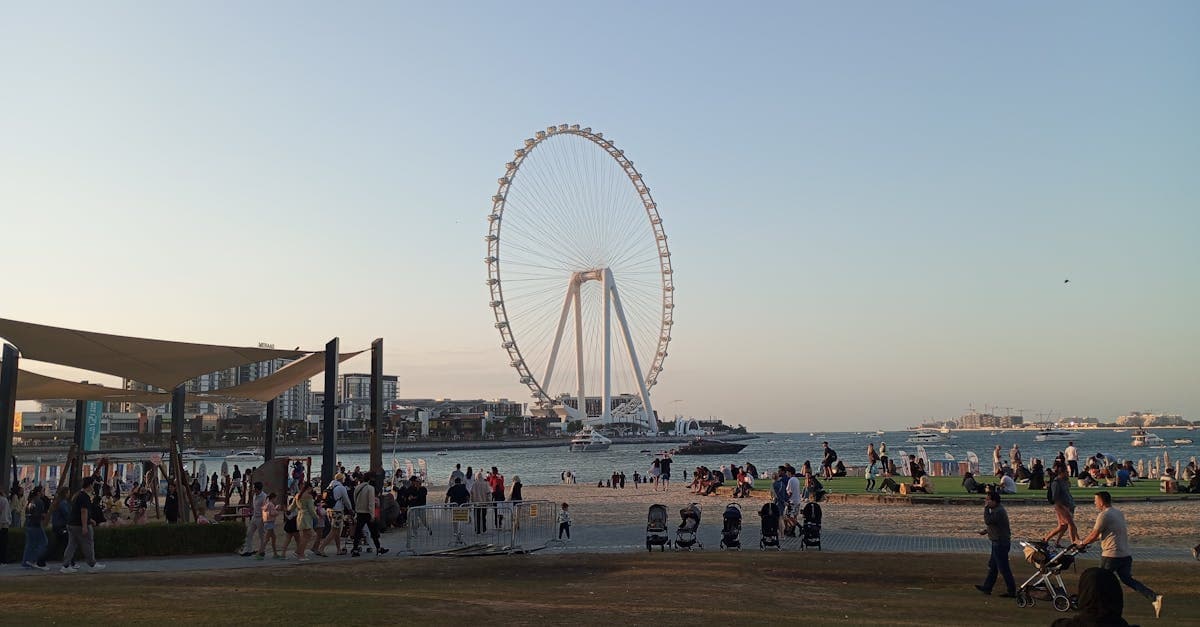
According to myfreerangefamily.com, Dubai has built its family offer with unusual seriousness over the past decade, and the density of theme parks, water parks and child-specific experiences gives it a genuine claim as an alternative to Orlando for UK families planning a significant trip.
Several practical advantages apply. GMT+4 puts the city three to four hours ahead of UK time, which tends to keep younger children on a workable approximation of a British sleep schedule. Direct flights from the UK are short enough to avoid serious jet lag in either direction. British-compatible sockets mean no adaptor required (as noted at the start). English is widely spoken in hotels, malls and tourist areas, with no language friction at the moments that actually matter.
October half-term falls close to ideal timing. Temperatures sit between 25 and 30 Celsius, the summer heat is genuinely finished, and some hotels reduce rates as the peak season is still building rather than in full swing. All major attractions are open and operational.
The Go City Explorer Pass covers major paid attractions on an entry-count basis: two, three or five admissions from a pool of sites. Worth calculating against individual ticket prices before buying. For families visiting three or more paid attractions in a week, it generally comes out ahead.
Kite Beach's playground is large, free and well-maintained. A swim, an hour on the equipment and a food-truck lunch covers a full day without a substantial bill. Dress code for children is relaxed: standard UK beach and holiday clothing is appropriate throughout, with modest swimwear a courteous choice away from the beach.
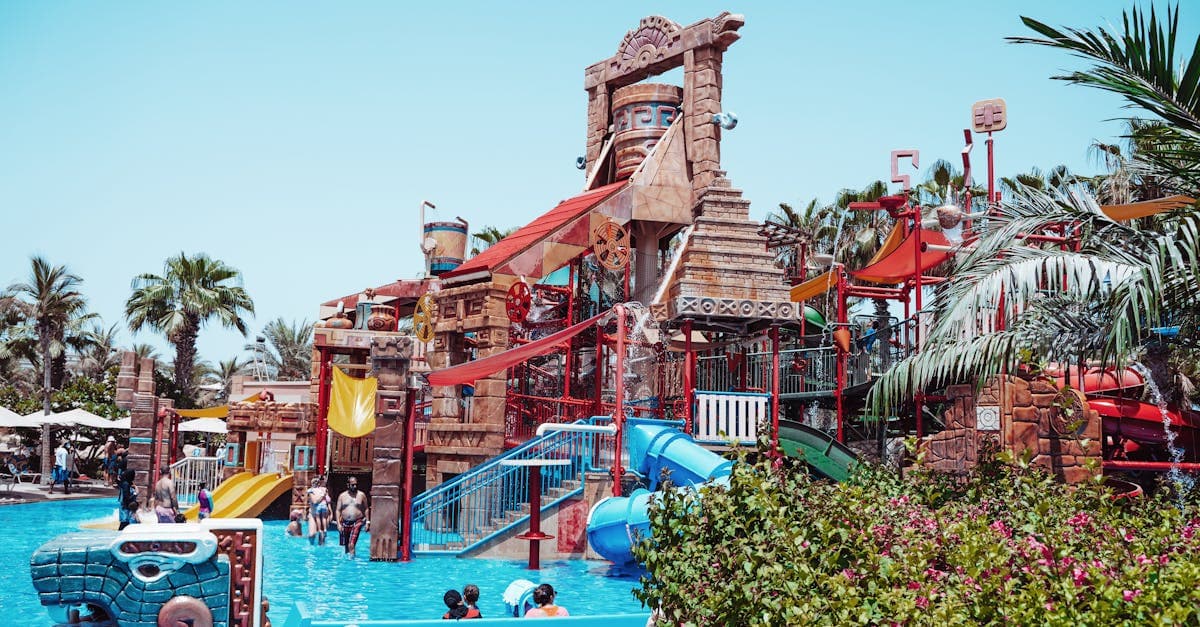
According to tui.co.uk, Aquaventure at Atlantis The Palm is the flagship water park. Adult tickets run around AED 375 (~£75), children around AED 310 (~£62), both including access to the private beach. It's large, professionally run, and on a hot day genuinely one of the more satisfying ways to spend money in the city. Wild Wadi at Jumeirah Beach is smaller, less crowded and cheaper, better suited to younger children and good value by Dubai's standards.
The indoor parks deserve more credit than they typically receive. According to myfreerangefamily.com, IMG Worlds of Adventure holds the claim of world's largest indoor theme park, with Marvel, Cartoon Network, Jurassic Park and Lost Valley zones spread across a vast, fully air-conditioned space. Budget a full day. Legoland Dubai is designed for ages two to twelve; combined tickets with Motiongate and Bollywood Parks are available, though older children tend to exhaust the rides in half a day.
KidZania is an indoor interactive city where children take on adult occupations, from aviation to medicine. More engaging than it sounds. Ages four to sixteen get the most from it; allow three to four hours rather than the two the booking page implies. Green Planet is an indoor tropical rainforest with free-flying birds and over 3,000 plant species. One to two hours is sufficient, and it works well as a reset between the larger parks on a busy itinerary.
On timing: advance booking cuts admission prices by 20 to 30 per cent at most attractions. During UK school holiday periods, queue times at the popular parks rise substantially. Buy tickets before you leave home.
UAE networks are genuinely fast. Urban 4G delivers 60 to 100 Mbps on average, and 5G is active across commercial zones and tourist districts, placing Dubai among the fastest mobile environments in the Middle East.
The UK roaming picture is considerably less impressive. EE charges around £2 per day; O2 runs a Travel Bolt-On at approximately £3.99 per day; Three charges around £5 per day, because the UAE is not included in its Feel at Home list. Seven days on a UK carrier costs somewhere between £14 and £35 depending on your network. That adds up quietly and appears on the bill after you've landed home.
The detail that catches nearly every UK visitor off guard: WhatsApp audio and video calls are blocked on UAE networks by national regulation. So are FaceTime and Skype voice calls. WhatsApp text messages, photos and documents work without restriction. The block applies to tourists the same as residents, and switching networks makes no difference.
Local SIM cards are available from Etisalat (e&) and du at Dubai Airport on arrival. Both operators offer tourist SIMs for around AED 55 to 75 (approximately £11 to £15), covering 5 to 10GB valid for 30 days. Passport registration is required at the kiosk.
An eSIM sidesteps the queue entirely. Scan the QR code at home before flying, and the plan activates the moment you land. Hello Roam's Dubai eSIM offers per-day and per-GB pricing with no bill shock, 24/7 customer support, and connectivity on both e& and du networks.
Compatible devices include iPhone XS and later, Samsung Galaxy S20 and later, and Google Pixel 6 and later. The handset must be carrier-unlocked before a third-party eSIM will function.
For desert days specifically: download Google Maps offline for Dubai and the UAE before leaving the city. Remote camps have limited connectivity, and navigation apps need cached data to function.
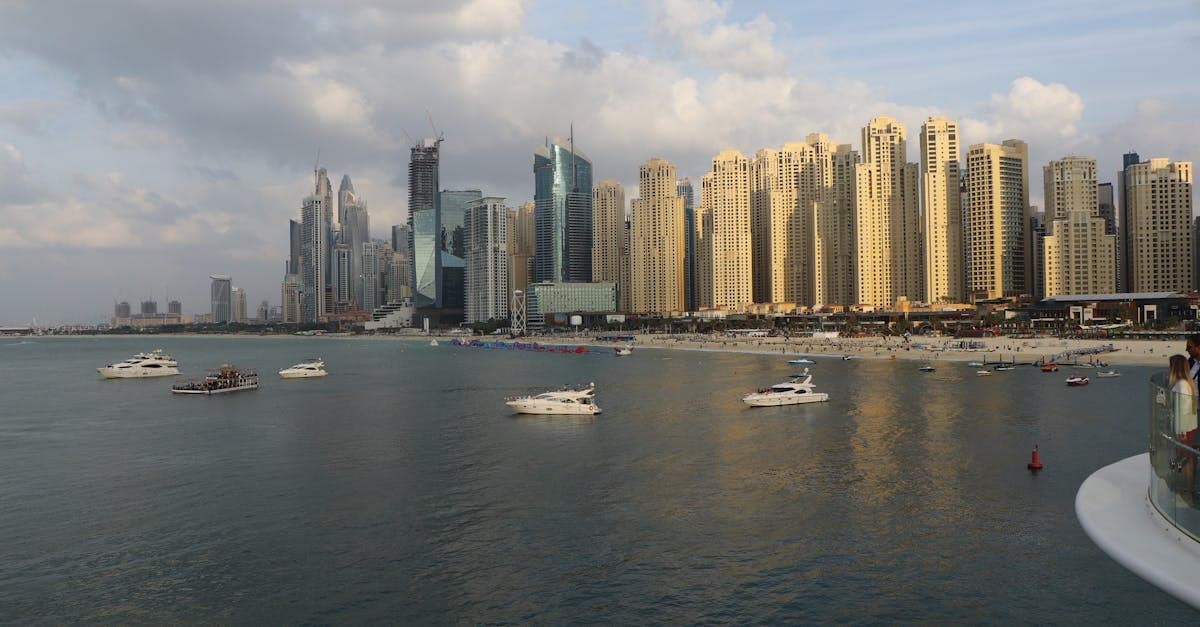
Six things earn their place on every itinerary, regardless of budget or travel style.
Book the Burj Khalifa in advance, specifically level 124 at sunset rather than sunrise. The 30-minute lift queue is part of the experience; golden hour from the observation deck justifies the ticket price without qualification. According to handluggageonly.co.uk, walk-up at peak times runs to approximately £60, so booking ahead matters.
Cross Dubai Creek by abra. The fare covered in the Old Dubai section above and the roughly 10-minute crossing represent the most culturally honest activity available in the city. Nothing else in Dubai costs less or tells you more.
A desert overnight belongs on the list not for the dune bashing but for the sky. Sleeping under a genuinely dark sky one hour from a city of high-rises captures the Dubai paradox better than any photograph taken from a rooftop bar.
According to bloggeratlarge.com, the Dubai Fountain shows at Burj Lake run every 30 minutes from 6pm and cost nothing. Most visitors walk past without pausing. That is a mistake.
The Museum of the Future earns its place not for the architecture (globally famous, much photographed) but for the immersive experience inside. It is less discussed than the exterior and more interesting. Allow two hours rather than one.
Four full days covers the major sights without feeling rushed. Six to seven days gives room for a desert overnight, an Abu Dhabi day trip and an afternoon with nothing scheduled at all.
Just about, if you're disciplined, and considerably more comfortable if you're splitting accommodation costs with someone.
At around £79, the $100 daily equivalent covers budget travel without much breathing room. Three-star hotels run from approximately £45 to £65 per night. Meals at local restaurants cost roughly £5 to £10. A Metro day pass costs AED 22, around £4.40. Those three items together leave very little for anything else.
Paid attractions fracture the budget quickly. The Burj Khalifa walk-up ticket runs to approximately £60. Book online in advance, as noted in the skyline section above, and the price drops considerably, but even the advance rate takes a meaningful slice from a £79 daily limit. Treat paid attractions as planned items, not spontaneous decisions.
Mobile data is a hidden line item. The UK roaming costs detailed in the connectivity section above add a genuine amount to the total trip spend. A local SIM or eSIM is the straightforward fix for anyone watching the budget.
A more realistic daily comfort budget is £120 to £150 per person, covering one paid attraction, mid-range meals and reliable data. The luxury tier starts around £300 per day and has no visible ceiling. Dubai is one of those cities where spend scales smoothly upward to meet whatever aspiration you arrive with.
The rules are real. Getting them wrong, even accidentally, carries consequences worth understanding before you land.
Dress: cover shoulders and knees in souks, shopping malls and non-beach public areas. Swimwear is appropriate at beaches and hotel pools. Standard UK summer clothing handles most situations without adjustment.
Carry some AED cash for souk bargaining, neighbourhood restaurants and small transactions where cards are not accepted. Everywhere else, payment by card is near-universal.
Do not photograph government buildings, military installations or individuals without permission. For women specifically, explicit consent is required, and the legal consequences of ignoring that are not trivial.
On communication apps: the VoIP block detailed in the connectivity section applies equally to tourists. Plan international calls before you leave rather than assuming your usual apps will behave as they do at home.
The three-finger gesture, index, middle and ring fingers raised together, is a UAE national pride symbol associated with Emirati identity, most visible around UAE National Day on 2 December. Visitors will observe it; they are not expected to replicate it.
During Ramadan, eating, drinking and smoking in public during daylight hours is prohibited for everyone, tourists included. Most restaurants remain open, typically screened from street view.
UK driving licences are valid for car hire without an International Driving Permit, though ride-hailing via Uber or Careem is simpler for most visitors. Tipping is customary rather than mandatory: 10 to 15 per cent in restaurants, and AED 10 to 20 for hotel porters and housekeeping staff.

The Burj Khalifa observation deck, the Museum of the Future, Old Dubai's Al Fahidi district, and the Dubai Fountain are essential first-timer stops. A desert safari, particularly the overnight version to catch sunrise over the dunes, is the experience most visitors talk about long after returning. Book the Burj Khalifa and Museum of the Future well in advance, as both sell out days to weeks ahead and walk-up prices can be two to three times the advance rate.
In the UAE, raising three fingers is a neutral numerical gesture and carries no offensive meaning. Dubai places a strong emphasis on cultural respect, and visitors are expected to be mindful of local customs, particularly around dress codes in non-beach settings and public conduct. The city's cultural institutions, including the Sheikh Mohammed Centre for Cultural Understanding in Al Fahidi, offer free entry and context on Emirati traditions.
It is possible to have a full day in Dubai on around $100 if you prioritise free and low-cost activities. The Dubai Fountain, Jumeirah Beach, Al Fahidi, and the Marina Walk are all free, and the abra creek crossing costs roughly 20p. Local restaurants in Karama, Deira and Satwa serve meals for AED 20 to 40 (around $5 to $11), though paid attractions like the Burj Khalifa and desert safaris will push daily costs well beyond that figure.
Book popular attractions like the Burj Khalifa and Museum of the Future in advance, as walk-up prices at busy periods run two to three times the advance rate. Bargaining is standard practice in the Gold and Spice Souks, and mornings are considerably quieter for shopping. Alcohol is available only at licensed venues such as hotel bars and restaurants; neighbourhood restaurants and souk areas do not serve it. Modest swimwear is a courteous choice away from the beach, and outdoor activity in July and August carries genuine heat risk due to temperatures regularly exceeding 40C.
Levels 124 and 125 (At the Top) cost around AED 149 when booked in advance, roughly £30. Walk-up prices at busy times regularly reach AED 300 or more, so advance booking is strongly recommended. Level 148 (At the Top SKY) operates with smaller groups per session and costs more, but offers a less crowded experience.
October to April is the most comfortable window for outdoor activity, with temperatures sitting between 25 and 30 Celsius at peak times. July and August regularly exceed 40C, which limits outdoor activity to short periods and carries genuine heat risk. October half-term is particularly well-timed, as summer heat has ended and some hotels reduce rates before the peak season builds fully.
The Dubai Fountain runs choreographed shows every 30 minutes from 6pm with no ticket required, best viewed from the Souk Al Bahar terrace. Jumeirah Beach and Kite Beach offer free public access, while the Marina Walk (7km) and Dubai Canal Walk are open at any hour. Al Fahidi historic district, several galleries inside it, and the Sheikh Mohammed Centre for Cultural Understanding all charge no entry fee.
Dubai has invested heavily in family-oriented infrastructure over the past decade, with a high density of theme parks, water parks and child-specific experiences. Practical advantages for UK families include GMT+4 time (limiting jet lag), direct short-haul flights, Type G sockets compatible with British plugs, and widely spoken English in tourist areas. October half-term coincides with ideal temperatures and all major attractions being open and operational.
The Dubai Fountain on Burj Lake is the world's largest choreographed fountain system, stretching 275 metres with water jets, lights and music. Shows run every 30 minutes from 6pm and entry is entirely free from multiple viewpoints around the lake perimeter. The best vantage point is the Souk Al Bahar terrace at lake level, which puts visitors close enough to feel the water.
Half-day and overnight desert safari options run from around £50 to £150 per person depending on the operator and duration. Most packages include dune bashing by 4x4, camel riding and a Bedouin camp dinner with live music. The overnight version is recommended for the 4am wake-up to watch sunrise over the dunes, which most visitors describe as the single most memorable experience available near Dubai.
The Dubai Frame connects two 150-metre towers with a glass-floored bridge, offering views of Old Dubai on one side and the modern city on the other. It is widely considered the best-value ticket in Dubai and is significantly less crowded than the Burj Khalifa on a busy afternoon. The glass floor provides a direct downward view across both the historic and contemporary skylines.
Traditional wooden abra boats cross Dubai Creek from Bur Dubai Abra Dock for AED 1 per person, approximately 20p. The crossing is the oldest form of transport still operating in the city and provides a direct view back towards the skyline from the water. The Deira side is a short walk from both the Gold Souk and the Spice Souk.
The Dubai Miracle Garden is a floral park featuring 150 million flowers across 72,000 square metres, including large-scale displays such as a full-size Airbus A380 covered in flowers. It opens between November and April and shuts entirely for summer. Weekday morning visits are significantly less crowded than Fridays and weekends.
Karama, Deira and Satwa are working neighbourhoods with South Asian and Middle Eastern restaurants serving meals for AED 20 to AED 40 per head, with no tourist pricing. These areas offer significantly better value than the Marina, where restaurant prices are inflated for tourist footfall. Food trucks at Kite Beach are also a cost-effective option for a casual meal.
Aquaventure at Atlantis The Palm is the flagship water park, with adult tickets around AED 375 (~£75) and children around AED 310 (~£62), both including private beach access. Wild Wadi at Jumeirah Beach is smaller, less crowded and cheaper, and is better suited to younger children. Both operate year-round, though the cooler months between October and April are the most comfortable for outdoor water parks.
UK passport holders do not require a visa to enter the UAE for tourism. The UAE uses Type G sockets, the same flat-pin standard as UK plugs, so British chargers and adaptors work without modification. English is widely spoken in hotels, malls and tourist areas throughout Dubai.
Global Village is a seasonal outdoor event running from October to April on the outer edge of Dubai, featuring pavilions from over 90 countries alongside street food, cultural performances and carnival rides. Entry costs around AED 15, under £3, making it one of the most affordable evenings out in the city. It draws predominantly UAE residents rather than tourists, which is generally a reliable indicator of good value.
HelloRoam: your trusted travel eSIM that keeps you online across borders.
Explore Plans