eSIM for Europe: the UK Traveller's Complete Guide (2025)

Written by: Sarah Mitchell


12 min read

HelloRoam is a global eSIM provider offering instant mobile data in 170+ countries. Buy prepaid travel eSIM plans with no roaming fees, no contracts, and instant activation on any eSIM-compatible device.
12 min read

An eSIM for Europe lets you arrive with data already running. Purchase a plan online, receive a QR code by email, scan it before departure, and you're connected the moment the wheels touch down. No plastic card, no airport kiosk queue, no fumbling at arrivals.
Coverage on regional plans typically spans 40 or more countries, from France and Germany to Georgia and Albania. Data validity usually starts on first use rather than purchase date, so buying ahead costs nothing extra.
Post-Brexit, British carriers charge daily roaming fees for EU travel, and that cost accumulates across a fortnight's holiday faster than most people expect.
Hello Roam's eSIM for United Kingdom plans are priced in GBP and cover European destinations, which sidesteps the currency conversion confusion that catches out travellers on US-based competitors. Dual SIM support means your British number stays active for calls and bank verification texts throughout. The eSIM handles data independently, so you're not choosing between staying reachable and staying online.
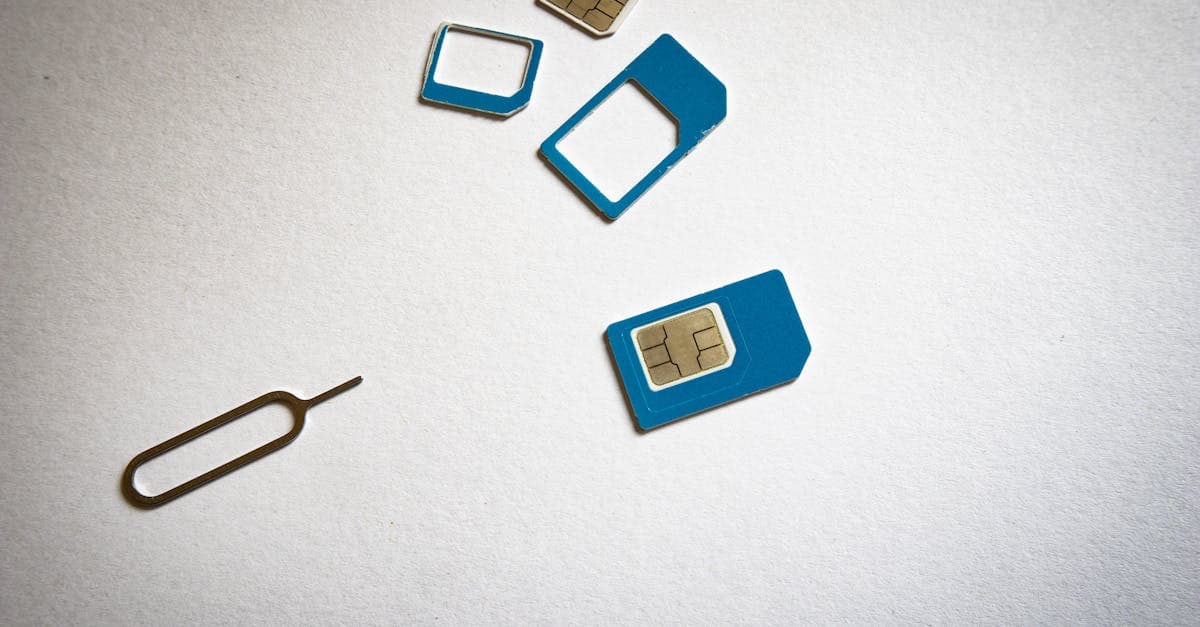
Your phone almost certainly already contains an eSIM. The chip is soldered in at manufacture; installing a plan means activating a digital profile on existing hardware by scanning a QR code. No physical card changes hands at any point.
For European travel, the process is this: purchase a data plan online before you depart, receive a QR code by email, scan it from your living room, and your phone is ready to connect the moment you land. Providers set data validity from first use rather than purchase date, meaning buying a week or more in advance carries no extra cost.
The GSMA ratified the eSIM standard in 2016. Consumer adoption accelerated from 2018, with the Apple Watch Series 3 among the first mainstream devices to support it. By 2024, 73% of new smartphones shipped with eSIM support according to GSMA, with 4.7 billion eSIM-capable devices projected globally by 2028.
An eSIM runs alongside your existing UK SIM rather than replacing it. Most modern phones support two simultaneous profiles. Your British number stays active for incoming calls and authentication texts; the eSIM manages data as a separate profile. Which sounds involved but, in practice, requires no ongoing management once installed.

Most smartphones made in the past few years are eSIM-capable, and the list includes every iPhone from the XR and XS onwards. Samsung's Galaxy S20 series and later qualify, as does the Google Pixel 3 and all subsequent Pixel models. Virtually every Android flagship from 2022 onwards supports eSIM, with mid-range handsets following from 2023.
One group worth flagging separately: iPhone 14 models sold in the United States carry no physical SIM tray at all. They're eSIM-only. UK travellers who purchased a US-market iPhone 14, 15 or 16 cannot insert a physical SIM under any circumstances, which makes a travel eSIM not a convenience but a requirement.
To check whether your iPhone supports eSIM: open Settings, tap Cellular, and look for the 'Add eSIM' option. If it appears, you're compatible.
For Android, the path varies by manufacturer:
Phones sold through UK carriers on a subsidised contract may be eSIM-locked, a detail most comparison guides skip. If yours is locked, the QR code installation will fail. Contact your network operator to confirm compatibility before you buy, and request an unlock if needed.

On 1 January 2021, the UK left EU roaming protection rules. Until that point, most British travellers used their phones across France, Spain, and Germany without paying anything extra. The end of that arrangement is, for many people, the most tangible ongoing cost of Brexit.
By 2022, every major UK carrier had reintroduced EU roaming charges. The current picture: EE charges £2 a day on its Roam Abroad add-on; O2's Roam Boost runs to £5.99 a day; Vodafone sits at £1 to £2 depending on plan tier; Sky Mobile charges £5 a day. Three UK is the exception, with its Go Roam scheme still covering EU roaming on eligible plans at no extra daily cost, though data is capped at 12GB per month.
The maths is unambiguous. A 14-night trip to France on EE's Roam Abroad costs at least £28 in data access fees. The same fortnight on O2 Roam Boost totals £83.86. Research from 2024 found that 62% of UK travellers were caught off guard by roaming charges after Brexit, with the average unexpected bill reaching around £45 per trip.
A Europe eSIM removes the daily-rate model. Costs are fixed before departure, with no currency exchange for a local SIM and no airport kiosk queue at arrivals. No charge accumulating in the background while you check Google Maps.
Keeping your UK SIM active in the primary slot while the eSIM handles data preserves banking two-factor authentication texts, WhatsApp calls, and incoming UK calls without interruption. That's the practical advantage most travellers don't factor in until they're already at the gate. Hello Roam's European plans carry UK-based support hours, which provides genuine recourse if activation fails mid-trip or data runs short.
For most UK travellers on EE, O2, Vodafone or Sky, the maths favour a Europe eSIM on any trip of three days or more.
Seven days on EE's Roam Abroad costs £14. A fortnight costs twice that. A comparable 10GB Europe eSIM plan for the same period runs around £17, a saving of roughly £11. At EE's daily rate, a family of four over ten days pays around £80 in roaming charges. Four individual Europe eSIM plans for the same trip cost around £48, saving roughly £32.
Three UK is the exception. Their Go Roam remains free on eligible plans, subject to the monthly data cap discussed in the previous section. Travellers who stay comfortably within that allowance won't save money by switching.
Holafly's unlimited fifteen-day plan runs around £25. Airalo's 10GB regional option for thirty days costs approximately £21, though it's priced in US dollars, which adds friction when comparing costs directly in sterling.
One practical option: share a single eSIM via a mobile hotspot for companions whose handsets can't support eSIM directly. On a group trip, the economics become even more favourable.
Business travellers gain a different advantage. Predictable, GBP-denominated costs are straightforward to itemise on expense claims. Some eSIM providers issue VAT receipts for UK business purchases. Airport SIM kiosks, almost universally, do not.

The baseline is consistent: all 27 EU member states are covered as standard across reputable providers. The variation starts beyond that core.
Most plans extend to the UK, Switzerland, Norway, Iceland and Liechtenstein, covering EEA countries outside the EU proper. Better-quality providers also include Turkey, Georgia, Albania, Serbia, Bosnia, North Macedonia, Kosovo and Montenegro, making a single eSIM viable for Balkan itineraries, an Istanbul city break, or a Caucasus trip without mid-journey plan changes.
Russia, Belarus and most CIS states fall outside standard Europe plans. Check the full country list before purchasing if your itinerary touches those destinations.
For the most common UK travel routes, there's nothing to worry about. France, Spain, Italy, Greece, Portugal, Germany, the Netherlands and Croatia all sit within standard coverage on every serious provider. A single plan handles a complete Interrail journey or a multi-country road trip without switching at any border.
Coverage transparency varies significantly between providers. The best publish the exact local network per country, not simply a tick-box list of country names. Knowing which operator your eSIM uses in rural Romania or on a Greek island tells you far more than a generic 'covered' label.

4G is effectively universal across Western Europe, with gaps now rare outside genuinely remote terrain. 5G is active in major city centres: Paris, Amsterdam, Berlin, Madrid and Rome all have operational networks, though coverage thins quickly beyond central districts.
Eastern European infrastructure has quietly caught up. Poland, the Czech Republic, Romania and Hungary regularly deliver 4G speeds that match or exceed those in France or Italy, a consequence of sustained network investment across the region over the past decade.
Balkan coverage is patchier. Capital cities are well served, but rural areas can be inconsistent, and some budget eSIM plans fall back to 3G in parts of Albania, Bosnia or rural Serbia. For typical sightseeing itineraries, it's adequate. For remote hiking or extended stays in smaller towns, manage expectations.
Rural Spain, Southern Italy and the Greek islands present a counterintuitive picture. Mobile data is consistently more reliable in those destinations than café or hotel Wi-Fi, which congests badly during peak season.
Airport SIM kiosks at Paris CDG, Amsterdam Schiphol and Madrid Barajas typically charge between £20 and £30 for a basic local SIM. A pre-purchased eSIM bypasses that cost entirely. Travel eSIMs connect directly to local network operators rather than routing through UK carrier infrastructure, which tends to reduce latency in tourist-heavy areas.
Purchase your plan online. A QR code arrives by email within seconds, with no waiting for a physical card.
Once installed, leave the eSIM in standby. Data validity starts on first use, not on the purchase date, so buying early costs nothing extra. Most providers allow installation up to thirty days in advance. The QR code is single-use; save the confirmation email securely or screenshot it before you leave.
Assign your UK SIM to calls and texts and the eSIM to mobile data. This preserves your WhatsApp number and ensures banking two-factor authentication texts reach your UK number as normal.
If the QR scan fails, check that the handset is carrier-unlocked, connect to Wi-Fi, and retry. A phone purchased on a locked UK carrier contract won't accept a third-party eSIM profile, regardless of the QR code.
Security is tighter than with a physical card. An eSIM profile is tied to the device's IMEI number, cannot be cloned or intercepted, and requires physical access to the handset to activate, making it considerably more resistant to SIM-swap fraud.
For full network transparency and 24-hour in-app support across Europe, Hello Roam's Europe eSIM plans publish the exact local network per country before you buy.

No single provider wins across every metric. Choosing an eSIM for Europe comes down to trip length, data habits, and tolerance for limited support.
Holafly built its reputation on unlimited data. Plans run from ~£16 for five days to ~£33 for thirty, which sounds generous until the terms become apparent: some destinations apply a daily speed cap once you exceed a threshold, making 'unlimited' more elastic than the branding suggests.
Airalo is the largest global eSIM marketplace. The breadth of regional coverage suits travellers who also need plans for North America or Asia. For UK buyers, the friction is USD pricing on every transaction, with no clean GBP receipt for expense claims.
Mobimatter positions itself as the cheapest per-GB option, with entry-level plans from ~£0.24/GB mobimatter.com. The interface reads more like a wholesale aggregator than a consumer product. Experienced eSIM users will navigate it fine; first-timers may find it opaque.
Simify markets directly at UK travellers and claims over 350,000 customers. The branding is confident, though published network specifics are lighter than the more transparent alternatives.
On trip length: under five days, a pay-per-GB bundle is sufficient. Six to fourteen days suits a mid-tier data package. Thirty days or a working trip across several European cities favours an unlimited or monthly rolling plan.
A note on groups: each device requires its own eSIM. For a companion whose handset lacks eSIM hardware, sharing a hotspot from one plan avoids a second subscription entirely. Any provider worth choosing should publish exact network coverage by country, state clearly when data expires, offer GBP billing, and provide accessible customer support if something goes wrong.
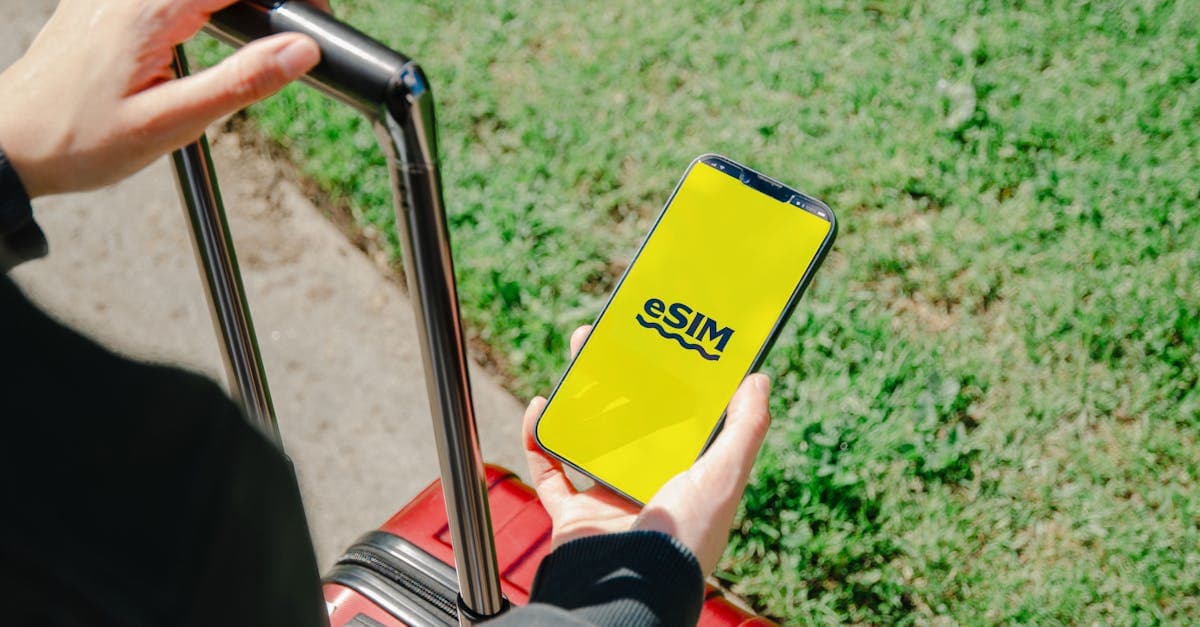
The case for switching depends on which network you're on at home. For travellers on EE, O2, Vodafone or Sky, any European trip of three days or more almost always comes out cheaper with a travel eSIM than with a carrier roaming add-on.
Families see the clearest saving. Four people paying daily roaming fees across a ten-day trip accumulate costs quickly, and combined savings in the range of ~£20 to ~£50 are realistic depending on carrier. Owners of US-market iPhone 14 handsets face a different situation entirely: those models have no physical SIM tray, so a travel eSIM is not merely a cheaper option but the only workable one.
The main exception is Three UK. Go Roam remains free on eligible Three plans, subject to a monthly data cap. A Three customer on a two-week trip who stays within that limit may see little financial advantage from switching.
There are genuine drawbacks worth knowing before you commit. An installed eSIM cannot be transferred to another device, so a mid-trip phone change creates a problem. Travel eSIM plans are data-only: the eSIM number itself cannot receive calls or texts, and your UK SIM in the primary slot handles those, as covered earlier. QR codes are single-use. Lose email access before scanning and you will need customer support to reissue one.
Carrier lock is a specific risk for handsets bought on UK contract. Some operators block eSIM installation until the device is fully unlocked. Confirm this with your operator before purchasing a plan.
On the practical side, an eSIM cannot be lost down a drain, bent in a wallet, or left at home. The QR code sits permanently in your inbox, retrievable at any point before or during the trip.
A one-night city break is borderline. A ten-day EU trip on a standard UK carrier plan is not: the cost maths comes down clearly in favour of a travel eSIM, and a fixed-price data package removes any residual worry about an unexpected bill on your return.

No single provider wins across every metric. Holafly suits travellers who want unlimited data, though some destinations apply daily speed caps. Airalo offers the broadest global coverage but prices in USD. Mobimatter offers the lowest per-GB cost but is better suited to experienced users. Hello Roam is designed specifically for UK travellers, with GBP pricing, dual SIM support, and published local network details per country.
Phones sold on subsidised UK carrier contracts may be eSIM-locked, causing QR code installation to fail. The QR code is single-use, so losing it before activation can cause issues. Some budget plans fall back to 3G in parts of the Balkans or rural areas. Providers like Airalo price in USD, which adds friction for UK buyers comparing costs in sterling.
For most UK travellers on EE, O2, Vodafone, or Sky, an eSIM is worth it on any trip of three days or more, since daily roaming fees accumulate quickly. An eSIM provides a fixed, predictable cost before departure, keeps your UK number active for calls and banking texts, and eliminates airport kiosk queues. Three UK's Go Roam is the exception, as it still covers EU roaming free on eligible plans.
For most UK travellers, yes. Seven days on EE's Roam Abroad costs £14, while a comparable 10GB Europe eSIM plan runs around £17 for a longer validity period, saving roughly £11. A family of four on EE over ten days pays around £80 in roaming charges versus around £48 for four individual eSIM plans. Three UK's Go Roam remains free on eligible plans, so those travellers may not save by switching.
An eSIM is a chip soldered into your phone at manufacture. Installing a plan means activating a digital profile by scanning a QR code — no physical card is needed. For European travel, you purchase a plan online before departure, receive a QR code by email, and your phone is ready to connect the moment you land. Data validity starts on first use, not on the purchase date, so buying in advance costs nothing extra.
Most smartphones made in the past few years support eSIM, including every iPhone from the XR and XS onwards, Samsung Galaxy S20 series and later, and Google Pixel 3 and all subsequent Pixel models. Virtually every Android flagship from 2022 supports eSIM, with mid-range handsets following from 2023. iPhone 14, 15, and 16 models sold in the US are eSIM-only and have no physical SIM tray at all.
Open Settings, tap Cellular, and look for the Add eSIM option. If it appears, your iPhone is eSIM-compatible. iPhones from the XR and XS onwards all support eSIM, including US-market iPhone 14, 15, and 16 models, which are eSIM-only with no physical SIM tray.
On Samsung, go to Settings, then Connections, then SIM Manager. On Google Pixel, go to Settings, then Network and Internet, then SIMs. On other Android devices, search for SIM within the Settings app. If an Add eSIM option appears, your device is compatible.
All 27 EU member states are covered as standard across reputable providers. Most plans also include the UK, Switzerland, Norway, Iceland, and Liechtenstein. Better providers extend coverage to Turkey, Georgia, Albania, Serbia, Bosnia, North Macedonia, Kosovo, and Montenegro. Russia, Belarus, and most CIS states typically fall outside standard Europe plans.
Purchase your plan online and a QR code will arrive by email. On iPhone, go to Settings, Cellular, then Add eSIM and scan the code. On Samsung, go to Settings, Connections, SIM Manager, then Add eSIM. On Google Pixel, go to Settings, Network and Internet, SIMs, then Add. Once installed, assign your UK SIM to calls and texts and the eSIM to mobile data.
Most providers allow installation up to thirty days before travel. Data validity starts on first use, not on the purchase date, so buying early carries no extra cost. The QR code is single-use, so save the confirmation email or screenshot it before you leave.
Yes. An eSIM runs alongside your existing UK SIM as a separate profile. Most modern phones support two simultaneous profiles. Your British number stays active for incoming calls, banking two-factor authentication texts, and WhatsApp while the eSIM handles your data independently.
On 1 January 2021, the UK left EU roaming protection rules that previously allowed most British travellers to use their phones across Europe at no extra cost. By 2022, every major UK carrier had reintroduced EU roaming charges. Research from 2024 found that 62% of UK travellers were caught off guard by roaming charges after Brexit, with the average unexpected bill reaching around £45 per trip.
EE charges £2 a day on its Roam Abroad add-on. O2's Roam Boost costs £5.99 a day. Vodafone charges £1 to £2 depending on plan tier. Sky Mobile charges £5 a day. Three UK is the exception, with its Go Roam scheme still covering EU roaming on eligible plans at no extra daily cost, though data is capped at 12GB per month.
4G is effectively universal across Western Europe. 5G is active in major city centres including Paris, Amsterdam, Berlin, Madrid, and Rome, though coverage thins beyond central districts. Eastern European countries like Poland, the Czech Republic, Romania, and Hungary regularly deliver 4G speeds matching Western Europe. Balkan coverage is patchier in rural areas, and some budget plans fall back to 3G in parts of Albania, Bosnia, or rural Serbia.
Yes. An eSIM profile is tied to the device's IMEI number, cannot be cloned or intercepted, and requires physical access to the handset to activate. This makes it considerably more resistant to SIM-swap fraud compared to a physical SIM card.
A phone purchased on a locked UK carrier contract will not accept a third-party eSIM profile, and the QR code installation will fail. Contact your network operator to confirm compatibility before you buy, and request an unlock if needed. This is a detail most comparison guides skip, so it is worth checking before purchasing.
HelloRoam: your trusted travel eSIM that keeps you online across borders.
Explore Plans