The Ultimate UK Packing List: What to Bring for Summer, Winter and Carry-on Travel

Written by: Sarah Mitchell


14 min read
HelloRoam is a global eSIM provider offering instant mobile data in 170+ countries. Buy prepaid travel eSIM plans with no roaming fees, no contracts, and instant activation on any eSIM-compatible device.
14 min read
London receives around 600mm of rain a year, spread across more than 133 days rather than concentrated into any single season. Pack for rain in June as readily as in October.
Summer temperatures sit between 15 and 25 degrees Celsius, which sounds manageable until you factor in wind chill and the fact that a sunny July morning can become a grey, drizzling afternoon before lunch. The 'four seasons in one day' cliché persists because it's accurate, not because it makes for more colourful travel copy. Forecasters treat UK weather variability as a genuine difficulty, not a national quirk.
The UV index is trickier than most visitors expect. Under overcast British skies, levels can still reach moderate to high in summer. Visitors spend two cloudy days outdoors and return with a burn they didn't anticipate, largely because sunscreen tends to vanish from packing lists when there's no obvious sunshine to justify it.
Winter divides the country quite sharply. London holds between 2 and 10 degrees Celsius from December through February, while Scotland and Northern England drop below zero regularly from November onwards. Arriving with a London-weight coat for a Highland January is one of the more reliably uncomfortable packing miscalculations.
Shoulder season, March to May and September to November, is the period that catches most travellers off guard. Temperature swings of several degrees within the same week are common, and no forecast reliably holds beyond three or four days.
The practical answer is a three-layer system: a thin base layer against the skin, a mid-layer fleece or jumper for warmth, and a packable waterproof outer shell that folds small intrepidtravel.com. That shell earns its place at the top of any UK packing list regardless of month, destination, or trip length.
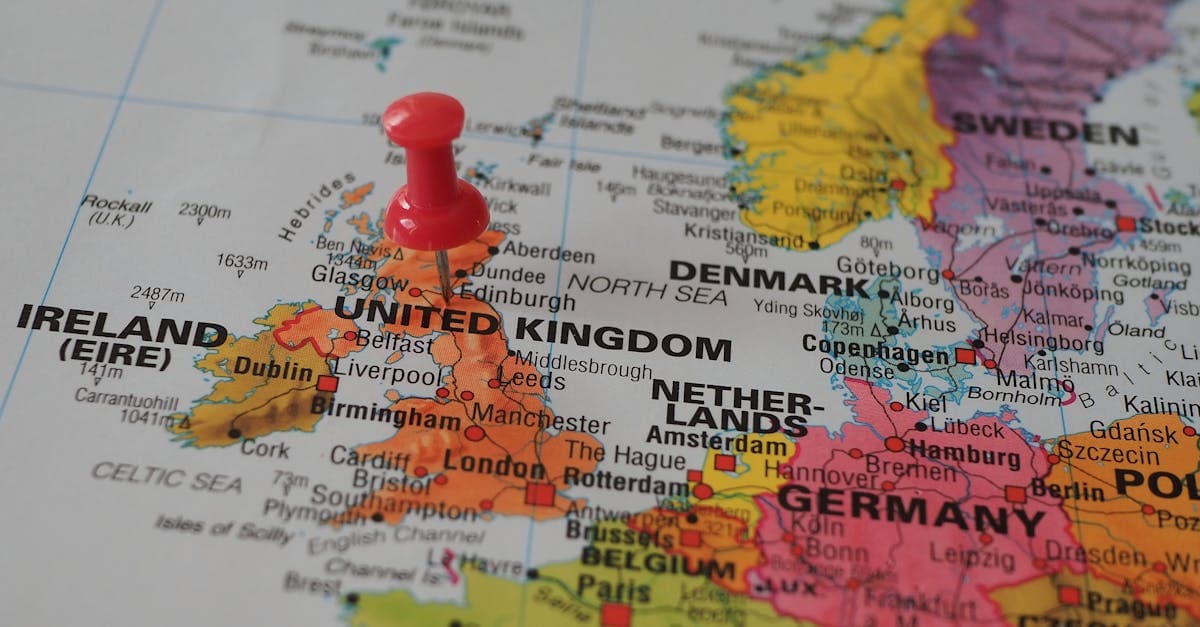
Fifteen to twenty kilometres of walking is a typical London day, mostly across hard pavement and cobblestones. Comfortable, broken-in footwear takes priority over everything else in the bag.
Edinburgh and Glasgow require an extra layer even in July. The Highlands sit 5 to 8 degrees colder than London on the same calendar day, and a warm spell in the capital tells you almost nothing about conditions further north. Walking boots or waterproof trail shoes are non-negotiable for Highland and Cairngorms paths; trainers become a liability on wet hillside terrain.
Between May and September, any visit to the Scottish Highlands also requires midge repellent. Midges are small biting insects that swarm in still, humid conditions and show considerable resistance to standard insect repellent. Dedicated midge-specific repellents are widely available across Scotland; the formulations sold at home are largely ineffective.
Wales combines Scotland-level rainfall with milder temperatures overall. A solid waterproof is essential, but cold-weather layers can be noticeably lighter than for a Scottish trip. Cobblestones in Bath, York and Edinburgh demand shoes with grip and ankle support; ballet pumps and smooth-soled trainers become treacherous on wet stone.
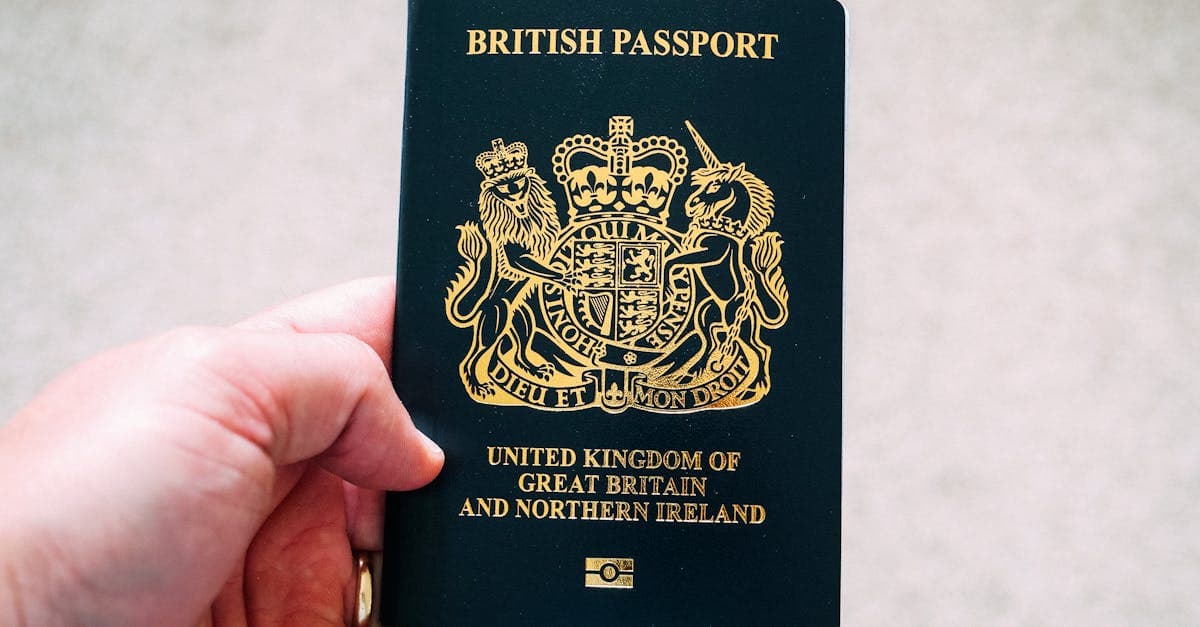
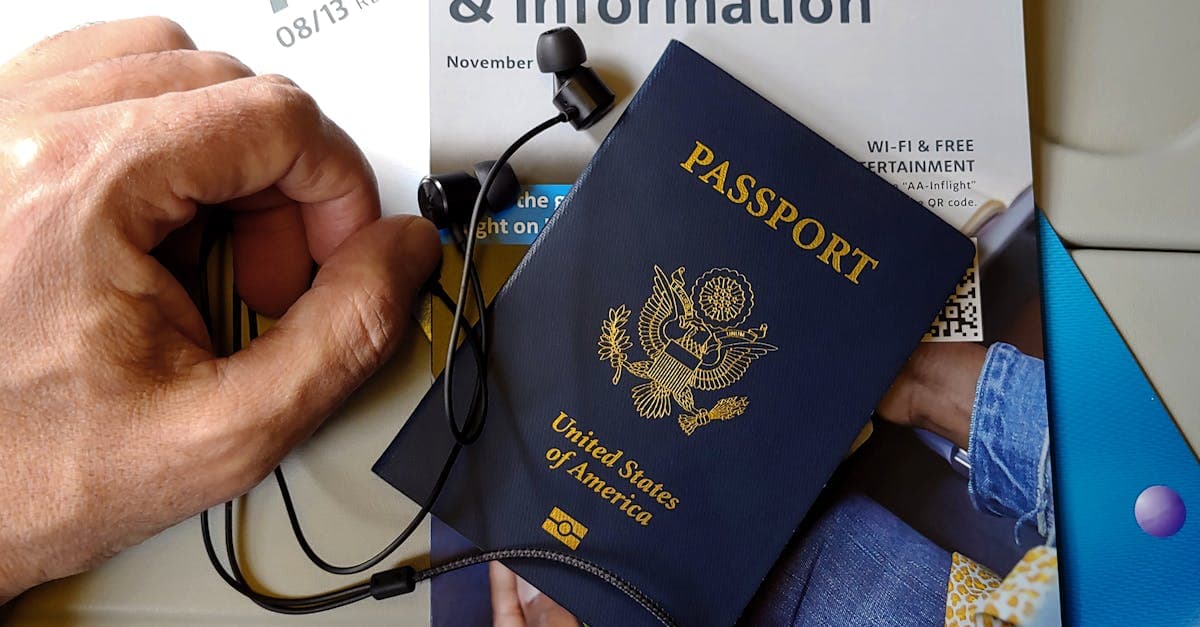
A full, valid passport is the first item on any UK packing list. EEA citizens who previously entered on a national identity card no longer have that option following Brexit, and the rules apply at every UK port of entry.
The Global Health Insurance Card (GHIC), which replaced the European Health Insurance Card (EHIC) for EU visitors, covers necessary state medical treatment in UK public hospitals. It does not cover repatriation, private hospital fees, or cancellation costs. Comprehensive travel insurance is still needed alongside it, checked for pre-existing conditions and any adventure activities planned.
Contactless payment by card or phone is accepted almost universally across UK shops, restaurants, pubs and Transport for London services. GBP cash remains useful for rural markets, some independent pubs, and smaller guesthouses; a small amount on arrival is a sensible precaution before locating a cash machine.
London visitors should load an Oyster card or use contactless directly on Transport for London services. Single paper tickets cost considerably more than either alternative.
Since Brexit ended free EU roaming in the UK, EU visitors now face carrier surcharges that can reach ~£30 to ~£70 across a week-long trip. Hello Roam's eSIM for United Kingdom activates before you board, keeping your home number active alongside a local data plan, with no airport queue on arrival.
Store digital copies of your travel insurance details, passport data page and hotel confirmations in an encrypted cloud folder. Drivers should carry their licence and check whether their nationality requires an International Driving Permit.
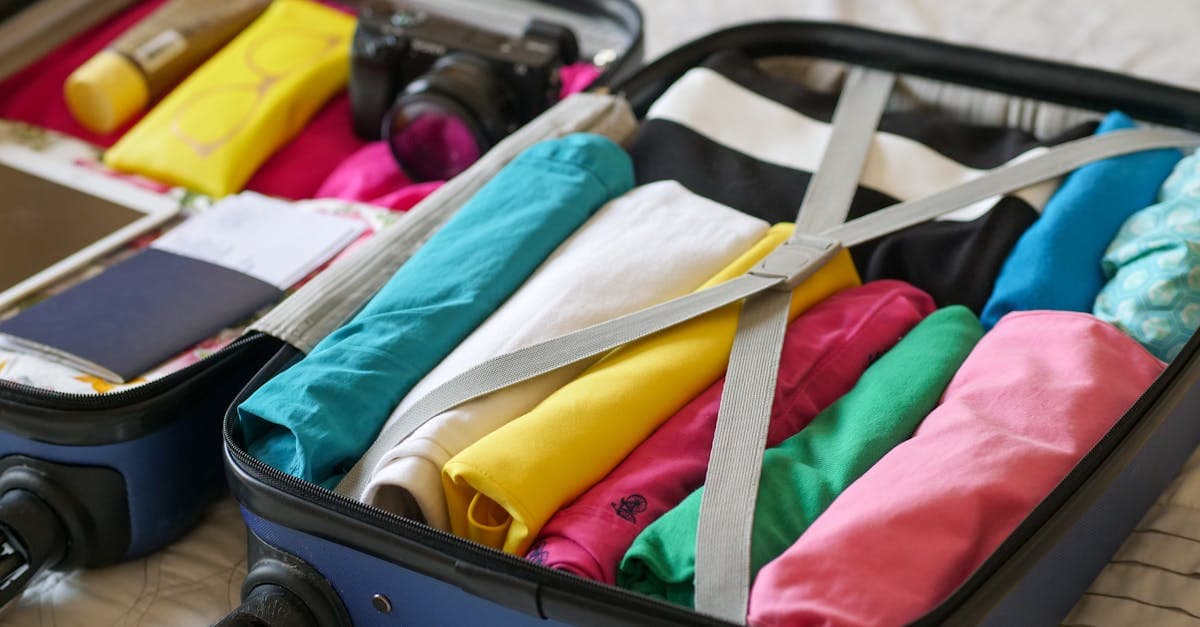
Versatility beats volume on most UK trips. According to gap360.com, a capsule wardrobe of neutral colours that mix and match freely keeps the case light while absorbing the weather variability that defines packing for the country.
A waterproof jacket that folds flat belongs on every UK packing list, for every season and every region. No other clothing item does useful work across as many conditions.
For summer, five or six lightweight tops, two pairs of trousers or jeans, one smart-casual outfit for a restaurant or theatre evening, and a light jumper or cardigan cover most itineraries. Sunscreen is routinely omitted even from summer packs; UV levels can be deceptive on overcast days.
Winter calls for extra layers rather than an entirely different wardrobe. A thermal base layer, a mid-weight fleece or chunky knit, and a waterproof outer layer form the core. A warm hat, gloves and scarf make outdoor sightseeing in January or February considerably more bearable.
Footwear: limit to two pairs for carry-on compliance. One comfortable, waterproof walking shoe for daily use, one smart-casual option for evenings. That combination handles the majority of UK itineraries.
Toiletries should be travel-sized for cabin bag compliance. Boots and Superdrug stock most brands at reasonable prices, so running short of anything is a minor inconvenience rather than a problem.
Prescription medications should travel in original packaging with the prescription label intact. A letter from a GP is advisable for controlled substances or injectable medications.
A lightweight daypack earns its place for full days of sightseeing, carrying a jacket layer, water, and a phone charger. Swimwear is frequently left off UK packing lists and regularly regretted: hotel spas in the Cotswolds, coastal stays, and city hotels with pools all make it worth including tui.co.uk.
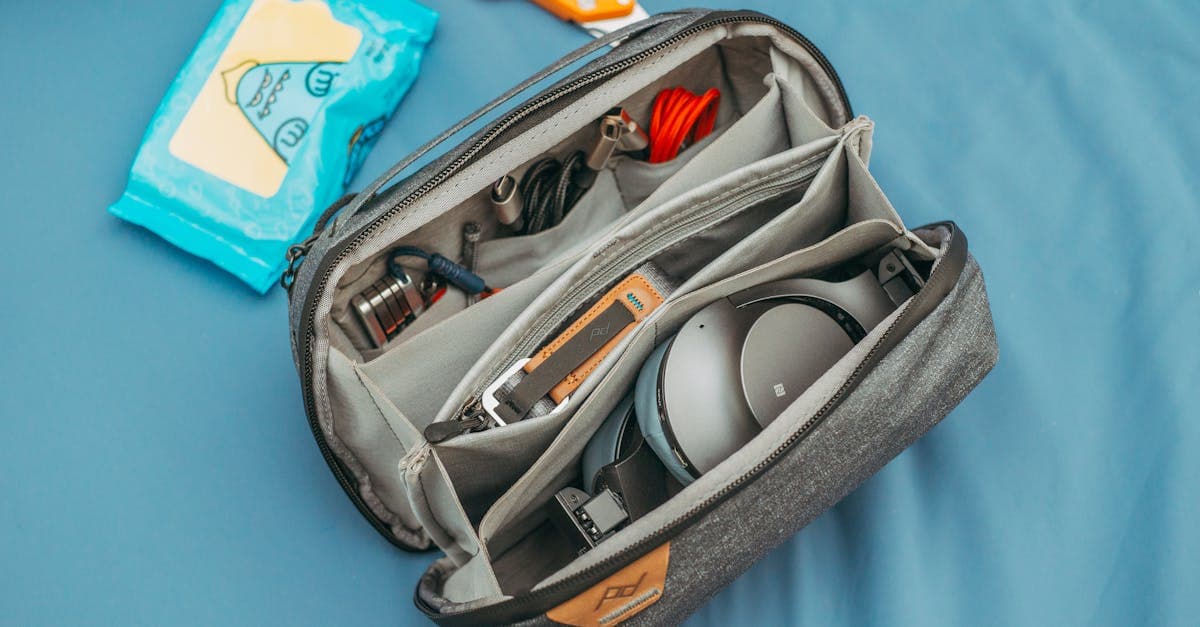
Type G plugs catch more international visitors off guard than any other item on this packing list. Three rectangular pins in a triangular arrangement, running at 230V and 50Hz: nothing in continental Europe, North America or Australasia resembles them. Pack an adapter before you leave eaglecreek.com. Airport retailers at Heathrow and Gatwick stock them, but at two to three times the high-street price.
A power bank of at least 10,000mAh has become standard kit for full sightseeing days. Contactless payment, navigation, photography and constant app use running simultaneously can drain a phone well before midday. Buy one before travelling; decent models are available throughout the UK, but the point is having it from day one.
Most UK hotels provide hair dryers, including budget chains. Confirm this before packing, because they take disproportionate bag volume for the rare occasion a property doesn't supply one.
Scotland specifically rewards a compact travel tripod, spare SD cards and a lens filter. West coast light and the Cairngorms landscape justify the extra weight for anyone with a camera.
Post-Brexit roaming charges have created a new category of travel expense that didn't exist before 2022. International visitors who haven't arranged local data access before boarding will notice the cost quickly. A pocket Wi-Fi router suits travelling groups but adds weight and requires managing a separate SIM. For solo travellers, an eSIM is the lighter option: scan a QR code, activate the plan, and arrive already connected.
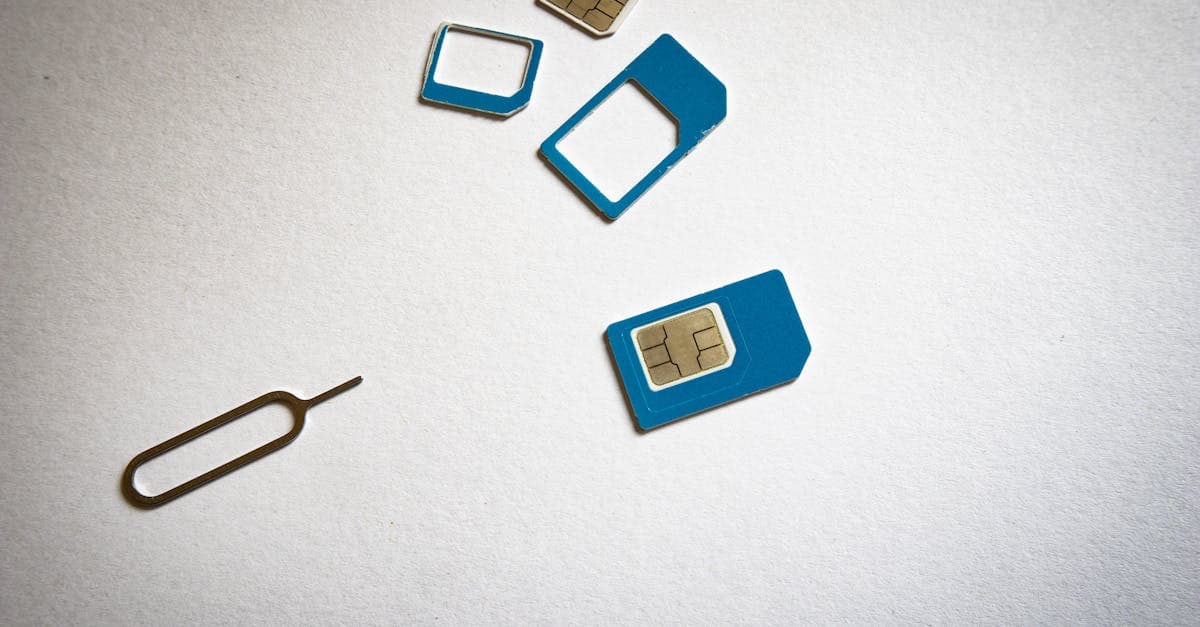
The UK left the EU roaming zone in 2022. That single change made mobile data one of the most expensive items to get wrong on a trip here.
Most EU carriers now charge per megabyte (typically €0.20 to €0.50 without an add-on) or apply a daily pass of €5 to €15 for UK access. T-Mobile's international day pass runs at USD 5; AT&T and Verizon charge USD 10 per day. Australian carriers including Telstra and Optus charge AUD 10 to 15 per day. Over ten days, those charges accumulate to the total already cited in the documents section above.
Physical tourist SIMs are worth serious consideration if your handset is unlocked. Giffgaff provides 15GB on a 30-day plan for £10, stocked at Tesco, Argos and airport newsagents. SMARTY operates pay-as-you-go on the Three network without a contract. Both require a free physical SIM tray slot, which isn't a given on newer dual-eSIM devices. There's also the matter of queuing at arrivals after a long flight.
An eSIM removes that queue. Activate before your flight by scanning a QR code and land in the UK already connected. Your home number stays active in a second profile on the same device. Hello Roam's UK eSIM plans support instant activation before boarding, which means reaching baggage reclaim with signal rather than searching for a kiosk stand.
Physical SIMs still win on raw cost for multi-week stays with a compatible handset. For a standard one or two-week trip, the eSIM case rests on those twenty minutes at arrivals you'd rather spend elsewhere.
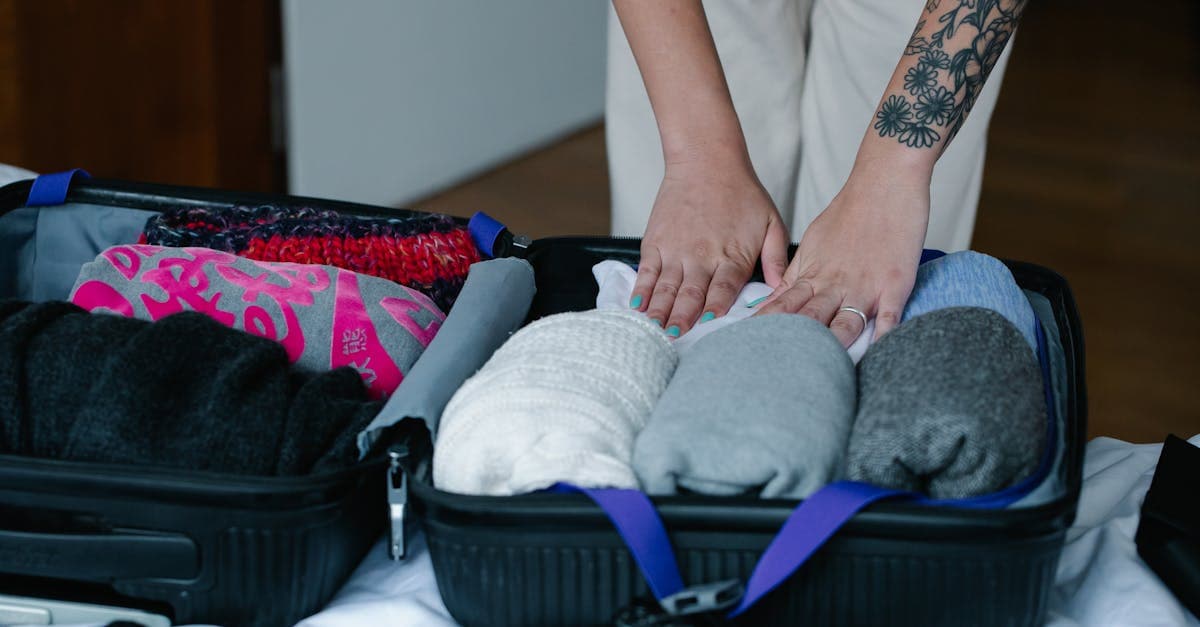
Packing carry-on only for a UK trip is achievable with a capsule wardrobe of neutral, mix-and-match clothing, a maximum of two pairs of shoes, and strict adherence to the 100ml liquids rule. Ryanair and easyJet dominate European routes into UK airports and apply some of the strictest cabin bag restrictions in the industry, with rules that change periodically.
Ryanair's free personal item is 40 x 20 x 25cm; the paid cabin bag allowance rises to 55 x 40 x 20cm. EasyJet's free small bag is 45 x 36 x 20cm. Always confirm current dimensions on the airline's website before packing: policies have been revised more than once in recent years.
A 10-day UK trip fits in carry-on with the layering approach outlined earlier. Wear the bulkier pair of shoes on travel day, as footwear consumes disproportionate volume regardless of how carefully everything else is packed.
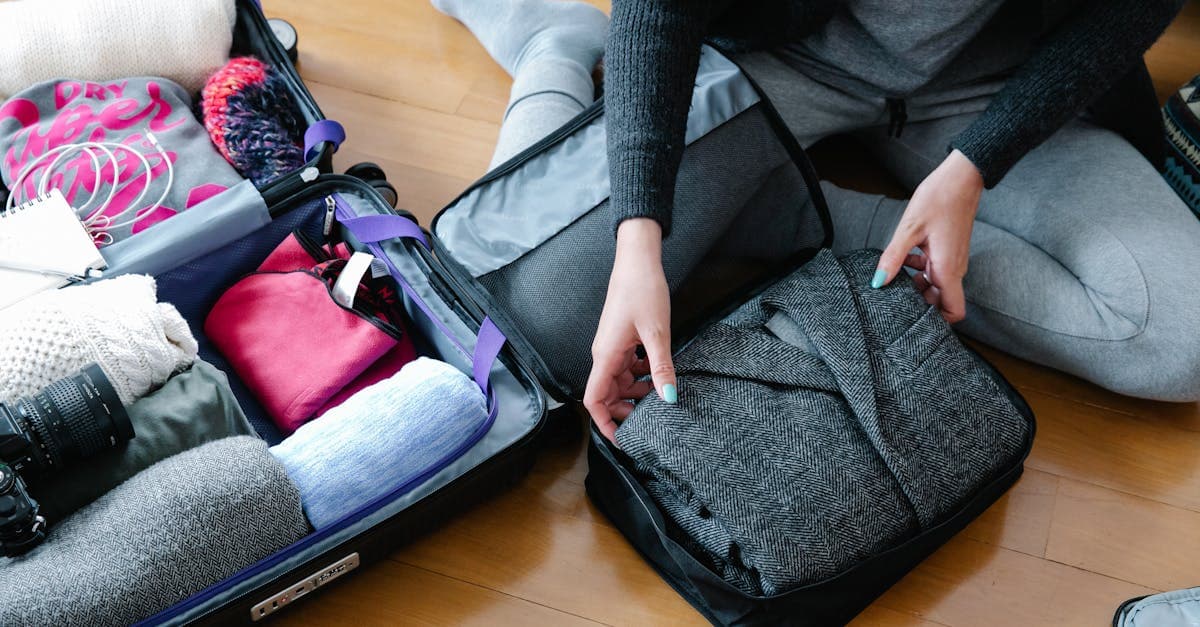
Roll garments rather than fold them. This recovers more internal space than most travellers expect, particularly with jeans and fleeces. Packing cubes compress soft items further and keep the bag organised by category.
Mid-trip laundry makes a real difference on longer stays. UK high-street laundrettes charge around £5 to £8 per self-service load; most hotels provide laundry services if the local option feels inconvenient. One wash at the midpoint of the trip extends a four-day wardrobe across a full 10-day stay without checking in any luggage.
Final check before zipping: the liquids rule. Individual containers must not exceed 100ml, packed in a transparent bag no larger than one litre. Post-Brexit, UK airport regulations on liquids have been subject to revision; verify current requirements before your departure date.
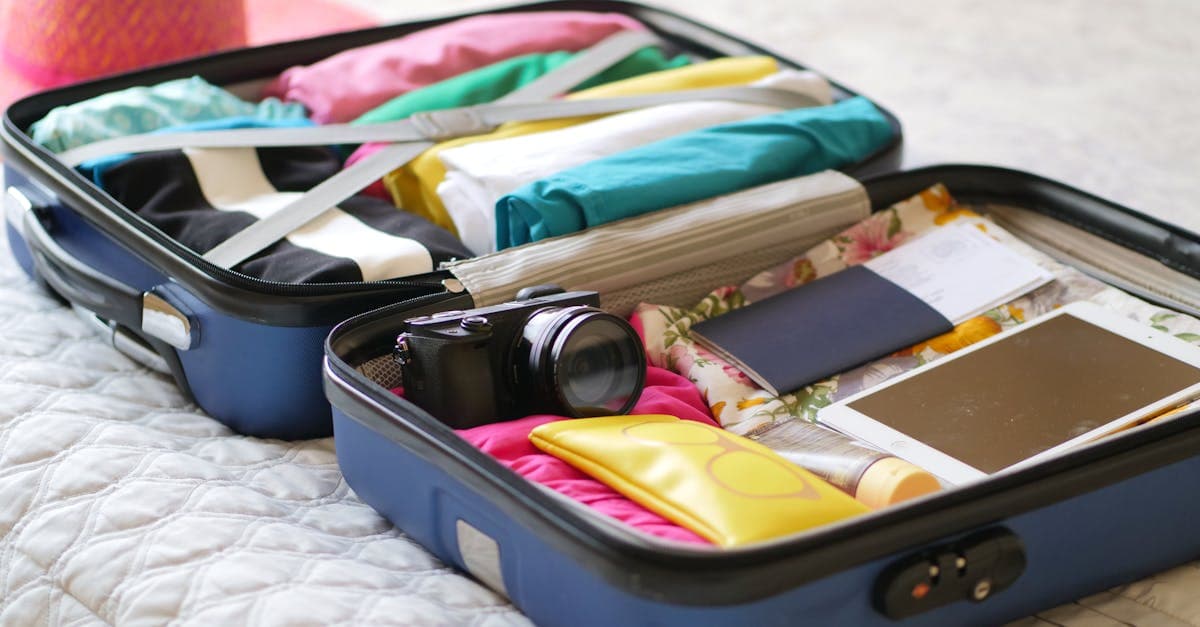
Everything on a UK packing list falls into one of five categories. Treat the structure as a mental framework rather than an exhaustive inventory.
Documents: Valid passport, travel insurance details including the policy number and 24-hour emergency line, GHIC card, payment cards, GBP cash, and a written emergency contact kept separately from your phone.
Clothing and footwear: A minimum of five outfits built around the layering approach covered earlier, one smart-casual option, a waterproof outer layer, and two pairs of appropriate footwear.
Toiletries and health: Prescription medications in original packaging, a small first aid kit covering plasters, paracetamol and antihistamine tablets, and travel-sized personal care items within the 100ml liquids rules.
Technology: Phone charger cable, a Type G power adapter, a power bank, and a confirmed mobile data arrangement activated before you fly.
Comfort and entertainment: Eye mask and earplugs for overnight trains or long-haul flights, a lightweight travel pillow, and an offline map downloaded ahead of travel eaglecreek.com.
Three items omitted from most packing lists deserve a separate note: a compact umbrella, a reusable water bottle (tap water is safe throughout England, Scotland and Wales), and a small padlock for hostel lockers or left-luggage storage. Of the three, the umbrella is the one that costs you most when you leave it behind.
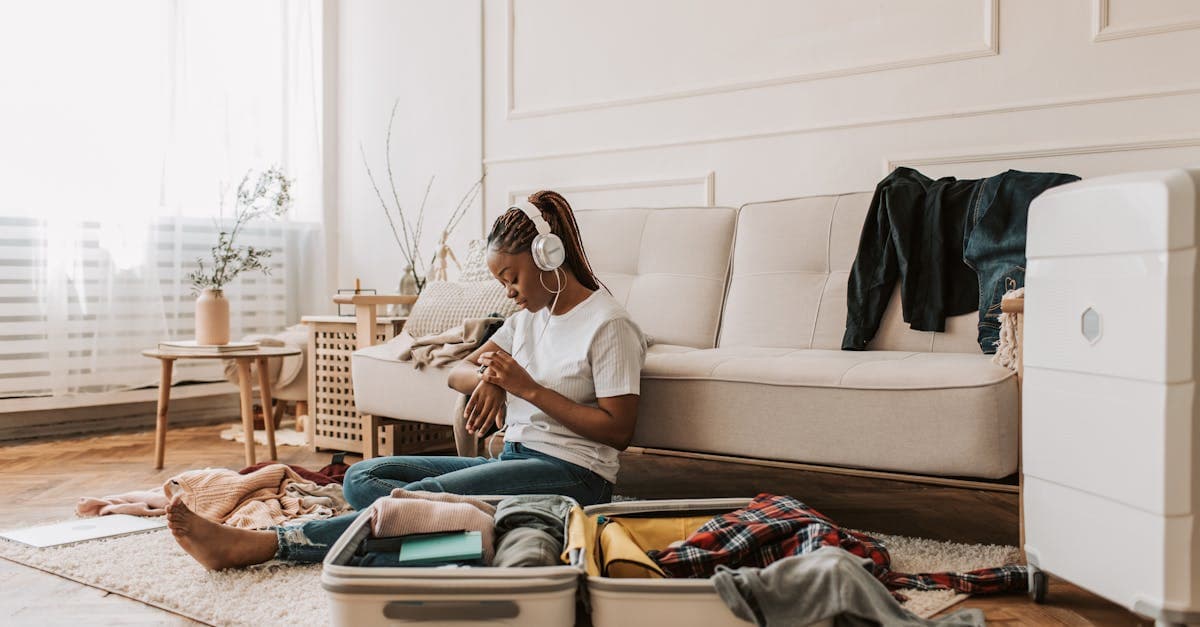
The formula is straightforward: five tops, four bottoms, three pairs of shoes, two accessories, one jacket. Designed for trips of five to ten days, it works by multiplying combinations rather than individual outfits. Five tops paired with four bottoms produces twenty possible pairings from nine items, which is the logic behind the method.
Applied to a UK trip, the single jacket slot means one thing: a packable waterproof. Nothing else earns that position. For Scotland or a winter visit, a mid-layer fleece is worth adding outside the framework entirely.
The five tops work best across a register. Three casual, one smart enough for a restaurant or theatre, and one that can go either way. Four bottoms divide logically into two pairs of trousers in different weights, one smarter option for evenings, and a lighter trouser or skirt for summer. The two accessories suit a scarf and a compact day bag; a scarf earns disproportionate work in the UK, acting as extra insulation under a jacket on unexpectedly cool evenings.
Three pairs of shoes is where the rule strains against carry-on reality. Standard airline cabin bag dimensions don't reliably accommodate three footwear options alongside a week's clothing. Most UK-bound travellers reduce to two pairs and wear the bulkier one on travel day.
The system only functions if the colour palette cooperates. According to gap360.com, neutral tones across all tops and bottoms mean every combination works, which is the point.
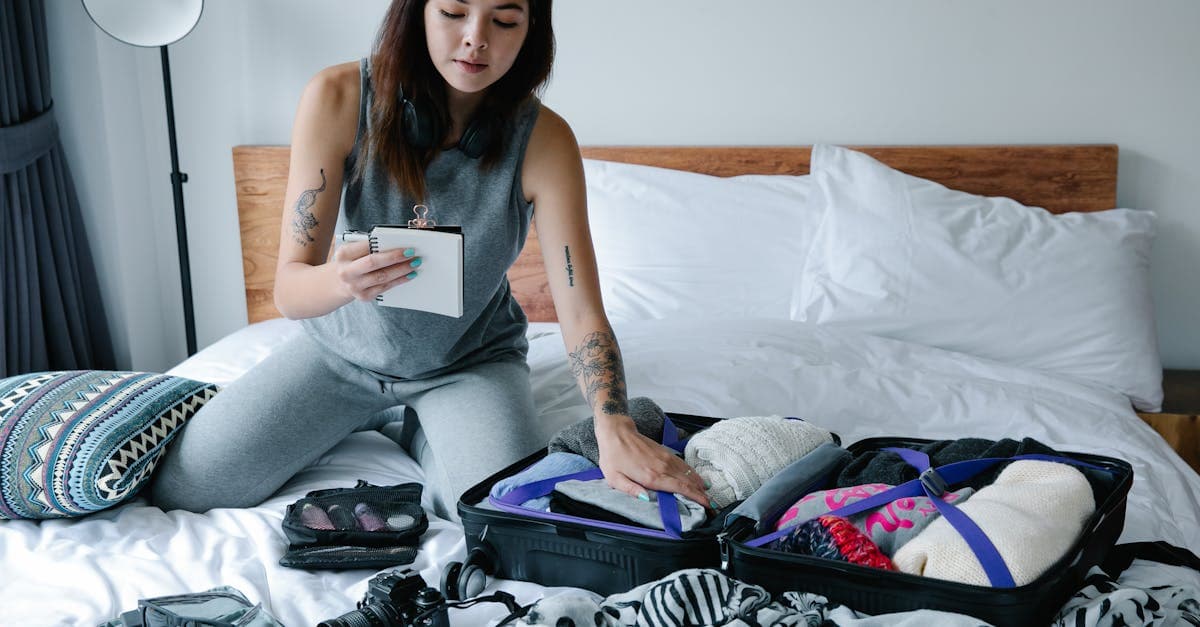
The 3-5-7 rule takes a different approach: three bottoms, five tops, seven accessories. Shoes disappear from the equation entirely, replaced by a flexible accessories category that each traveller configures around their own trip.
Seven items sounds generous. In practice, socks and underwear absorb three or four slots immediately, which leaves the remaining allowance for genuinely useful extras. For a UK trip, that shortlist writes itself: a scarf, a compact umbrella, a portable charger, and a Type G adapter. Building these into a formal framework makes them harder to overlook than a casual reminder to 'sort tech before you go.'
Both the 3-5-7 and the 5-4-3-2-1 rules rest on the same logic: plan for your actual itinerary, not for theoretical worst cases. The traveller who packs 'just in case' tends to wear the same six items regardless.
Neither rule handles outdoor or sports kit. Walkers heading to the Lake District or the Cairngorms should treat technical clothing as a separate category and apply whichever framework only to everyday wear.
A neutral palette ties both systems together. Navy, grey, white and one accent shade mean items combine freely regardless of which rule is applied.
Two items consistently top UK travel regrets. First, a Type G adapter: considerably cheaper from Boots or a supermarket before departure than from any retailer landside at Heathrow. Second, a confirmed mobile data plan: sorting connectivity after landing is consistently the most expensive way to handle it.
Travel insurance documents take no bag space. Saving the policy number and 24-hour emergency line offline to your phone makes a difficult situation meaningfully less stressful. A photograph of your passport data page is worth storing alongside it.
Prescription medications should travel in their original packaging. For controlled substances or trips longer than a fortnight, a GP letter confirming the prescription is advisable when entering the UK.
Midge repellent for Scotland. Avon Skin So Soft spray has developed a well-known reputation among Highlands walkers that its official purpose as a moisturiser does nothing to explain; it outperforms conventional repellents in still, humid conditions.
A compact, foldable umbrella rather than a full-size one eaglecreek.com. Full-size umbrellas invert in British wind and consume bag space their reliability doesn't justify.
Well-worn walking shoes, not new ones. A full London sightseeing day in new footwear reliably ends in blisters before the afternoon is out.
A small medical kit rounds things off:
Ibuprofen is sold in the UK as Nurofen, not under the generic name.

The 5-4-3-2-1 rule is a minimalist packing framework: 5 sets of underwear and socks, 4 tops, 3 bottoms, 2 pairs of shoes, and 1 outer layer such as a waterproof jacket. For UK travel this maps well to a capsule wardrobe of neutral, mix-and-match clothing built around a layering system. The rule helps travellers avoid overpacking while staying prepared for variable conditions.
The 3-5-7 rule suggests packing 3 bottoms, 5 tops, and 7 days of underwear and socks as a baseline for a week-long trip. Applied to UK travel, choosing neutral colours that mix and match freely keeps the total item count low while covering the weather variability typical of British conditions. Mid-trip laundry at UK laundrettes, which cost around £5 to £8 per self-service load, can extend a four-day wardrobe across a full ten-day stay.
Everything on a UK packing list falls into five categories: documents, clothing and footwear, toiletries and health items, technology and adapters, and travel-day essentials. Documents include a valid passport, travel insurance details with a 24-hour emergency line, a GHIC card, payment cards, GBP cash, and a written emergency contact kept separately from your phone. Clothing should be built around a three-layer waterproof system, with two pairs of appropriate footwear.
The items most commonly left off UK packing lists are a Type G plug adapter, sunscreen (UV levels can be deceptively high under overcast British skies), and swimwear (hotel spas, coastal stays and city hotels with pools make it worth including). Scottish Highlands visitors should add midge-specific repellent, as standard insect repellents are largely ineffective against Scottish midges. Arrange mobile data access before departure to avoid post-Brexit roaming charges that can reach £30 to £70 over a week-long trip.
Yes. The UK uses a unique Type G plug with three rectangular pins in a triangular arrangement, running at 230V and 50Hz. Nothing in continental Europe, North America or Australasia uses the same format, so an adapter is essential. Airport retailers at Heathrow and Gatwick stock them but charge two to three times the high-street price, so buy one before you travel.
Visitors have three main options: roaming on their home plan, buying a physical tourist SIM, or activating an eSIM before departure. EU carriers typically charge €5 to €15 per day for UK data since Brexit ended free EU roaming in 2022. Physical SIMs from providers like Giffgaff (15GB for £10 on a 30-day plan) offer better value for multi-week stays on unlocked handsets. An eSIM activates before you board by scanning a QR code, so you arrive already connected without queuing at an airport kiosk.
For a standard one or two-week trip, an eSIM is the most convenient option: it activates before departure via a QR code scan, keeps your home number active in a second profile, and means you arrive with signal rather than searching for a SIM kiosk at arrivals. Physical SIMs offer better raw cost on multi-week stays for travellers with an unlocked handset and a free SIM tray slot. The eSIM case is strongest for those who value a smooth arrival over marginal savings.
Summer in the UK runs between 15 and 25 degrees Celsius, but a sunny morning can become a grey, drizzling afternoon before lunch. Pack five or six lightweight tops, two pairs of trousers or jeans, one smart-casual outfit, a light jumper or cardigan, and a packable waterproof jacket as a non-negotiable outer layer. Include sunscreen even for overcast days, as UV levels can still reach moderate to high under British cloud cover.
Yes, a packable waterproof jacket is the single most important clothing item on any UK packing list regardless of season or region. London receives rain on more than 133 days a year spread across all seasons, and no other item does useful work across as many conditions. A jacket that folds flat takes minimal bag space and earns its place on every trip.
The Highlands run 5 to 8 degrees colder than London on the same calendar day, so extra warm layers are needed even in July. Walking boots or waterproof trail shoes are non-negotiable on Highland and Cairngorms paths, as trainers become a liability on wet hillside terrain. Between May and September, midge-specific repellent is essential; standard insect repellents sold outside Scotland are largely ineffective against Scottish midges.
Yes. The Global Health Insurance Card (GHIC) covers necessary state medical treatment in UK public hospitals, but it does not cover repatriation, private hospital fees, or trip cancellation costs. Comprehensive travel insurance is still required alongside the GHIC, and should be checked for pre-existing conditions and any adventure activities planned.
Yes, a 10-day UK trip fits in carry-on using a capsule wardrobe of neutral mix-and-match clothing, a maximum of two pairs of shoes, and rolling garments rather than folding them. Wear the bulkier pair of shoes on travel day, and use packing cubes to compress soft items. One mid-trip laundry wash at a UK laundrette (around £5 to £8 per load) extends a four-day wardrobe across the full stay.
Ryanair's free personal item must not exceed 40 x 20 x 25cm; the paid cabin bag allowance rises to 55 x 40 x 20cm. EasyJet's free small bag allowance is 45 x 36 x 20cm. These rules have been revised more than once, so always confirm current dimensions on the airline's website before packing.
Limit footwear to two pairs for carry-on compliance: one comfortable, waterproof walking shoe for daily use and one smart-casual option for evenings. Cobblestones in cities such as Bath, York and Edinburgh demand shoes with grip and ankle support, as smooth-soled trainers and ballet pumps become treacherous on wet stone. For Highland and Cairngorms walking, proper walking boots are essential.
Contactless payment by card or phone is accepted almost universally across UK shops, restaurants, pubs and Transport for London services. A small amount of GBP cash is a sensible precaution for rural markets, some independent pubs, and smaller guesthouses before locating a cash machine. London visitors should use an Oyster card or contactless for Transport for London services, as single paper tickets cost considerably more.
A full, valid passport is required. EEA citizens who previously entered on a national identity card no longer have that option following Brexit, and the rules apply at every UK port of entry. Drivers should carry their licence and check whether their nationality requires an International Driving Permit.
Since Brexit ended free EU roaming in the UK in 2022, EU carriers typically charge per megabyte at around €0.20 to €0.50 without an add-on, or apply a daily pass of €5 to €15 for UK access. Over a week-long trip these charges can accumulate to £30 to £70. Arranging a local data solution such as a tourist SIM or eSIM before departure avoids these costs.
Sunscreen is routinely omitted from UK packing lists even in summer, but UV levels can still reach moderate to high under overcast British skies. Visitors frequently return with sunburn after spending two cloudy days outdoors because there is no obvious sunshine to signal the need for protection. Include sunscreen on your packing list regardless of the forecast.
HelloRoam: your trusted travel eSIM that keeps you online across borders.
Explore Plans