Japan Itinerary 2026: the Australian Traveller's 10 and 16-day Route Guide

Written by: Sarah Mitchell


17 min read
HelloRoam is a global eSIM provider offering instant mobile data in 170+ countries. Buy prepaid travel eSIM plans with no roaming fees, no contracts, and instant activation on any eSIM-compatible device.
17 min read
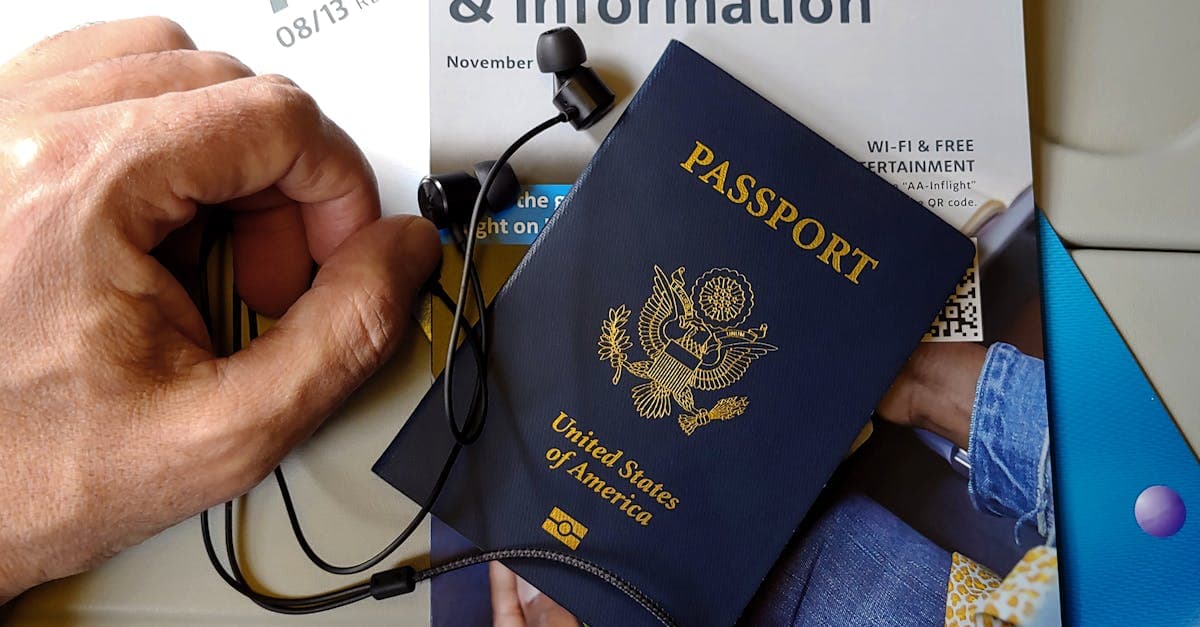
Australian passport holders enter Japan visa-free for up to 90 days. The Australian Electronic Travel Authority applies to other destinations entirely, so there's nothing to register or pre-apply for before flying to Japan. Book, pack, and you're sorted.
Direct flights from Sydney and Melbourne take 9 to 10 hours. From Perth, allow 12 to 14 hours. Qantas, JAL, ANA, and Jetstar all service the route, with JAL and ANA frequently offering stronger availability into Haneda (30 minutes closer to central Tokyo than Narita).
April is the standout window for Australians: cherry blossom season aligns with school holidays, which means crowds are heavier but the spectacle is real. October and November deliver autumn foliage with noticeably fewer tourists. If April is your target, start booking 3 to 6 months out. Flights and accommodation tighten from February, with mid-range Kyoto hotels filling first.
The exchange rate is running in your favour. A$1 buys roughly 100 yen at 2024 to 2026 rates, meaning a bowl of ramen at a proper Tokyo shop (around ¥1,000) works out to about A$10. Japan is genuinely affordable by the standards Australians currently face at home.
Cash is essential from day one. Many smaller restaurants, shrines, and temple shops don't accept cards. 7-Eleven ATMs take Australian cards reliably; Lawson and FamilyMart ATMs work well too. Pull out yen on arrival and keep it topped up.
Tokyo runs at AEDT minus 2 hours in Australian summer, AEST minus 1 hour in winter. Jet lag from Japan is mild compared to long-haul flights to Europe or the Americas.
Ten days or sixteen: the answer depends mostly on your leave balance.
Ten days covers the Golden Route at a sensible pace: Tokyo, Kyoto, and Osaka with a Nara day trip included theinvisibletourist.com. That's the right call for most first-time Australian visitors on standard annual leave. You'll see the highlights without spending every waking hour on a train.
Sixteen days pushes the japan itinerary considerably further. The route extends south to Nachi Falls in the Kii Peninsula, cuts inland to the Kiso Valley post towns of Magome and Tsumago (which see a fraction of Kyoto's visitor numbers), and swings west to Fujiyoshida near Mt Fuji before looping back to Tokyo. More variety, and a quieter version of Japan that the Golden Route doesn't show.
Most Australians work with a 2-week leave block. Factor in one arrival day (jet lag and logistics mean you won't be running at full pace) and one buffer day before the return flight, and you're left with 12 usable sightseeing days. That's comfortable for the Golden Route, and workable for a tighter 16-day version if you move efficiently.
Second-time visitors should lean towards the longer route. If Tokyo, Kyoto, and Osaka are already familiar, the Kiso Valley and the Kii Peninsula reveal a different experience entirely.
The day-by-day sections below map both itineraries, with practical notes on transport, accommodation costs, and where to budget time at each stop.
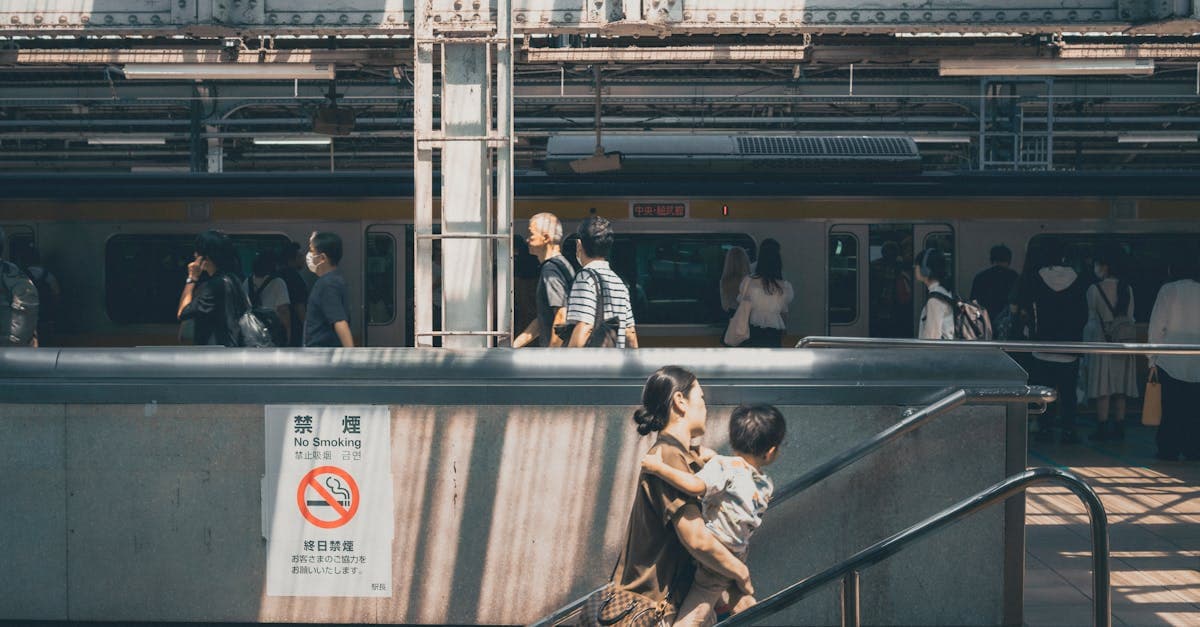
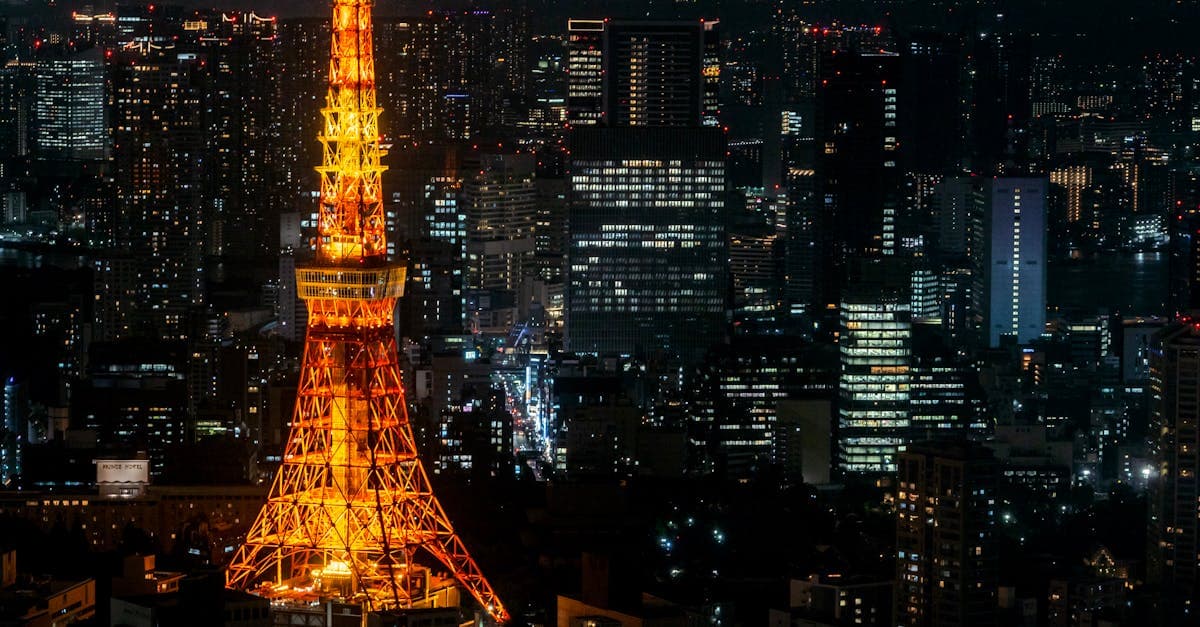
Tokyo demands three nights on a first visit. Arrive at Narita or Haneda: Haneda sits 30 minutes closer to central Tokyo via the Keikyu Line or the Airport Limousine Bus; Narita is further out but the Narita Express (NEX) connects directly to Shinjuku, Shibuya, and Yokohama in under 90 minutes. Both airports have clear English signage. On arrival evening, walk Shinjuku or Shibuya and let the city's scale land.
Day two spans Asakusa (Senso-ji Temple and the Nakamise shopping arcade), Harajuku's Takeshita Street, and Shibuya Crossing at dusk, when the crowd density and the light are both worth the wait. Day three works as either a day trip to Kamakura (Great Buddha, coastal-town atmosphere, 55 minutes from Shinjuku by train) or a deeper run through Akihabara, the Yanaka old-town precinct, or teamLab Borderless.
Before leaving Australia, load a Suica IC card into Apple Wallet or Google Wallet. It covers every train and bus in greater Tokyo, convenience store checkouts, and most vending machines. No ticket machines, no fare calculations.
Activate your eSIM before departure, not at the airport. Landing in Tokyo with navigation and Google Translate's camera feature already running saves real time at baggage claim. Hello Roam's Japan plans include up to 15 days of unlimited data, with dual SIM keeping your Australian number active for banking two-factor authentication and calls home. Set it up via eSIM for Australia before you fly.
Carry cash daily. Izakayas, neighbourhood ramen shops, and shrine entry booths are cash-only throughout Japan, not just outside the cities.
The Shinkansen from Tokyo to Kyoto takes 2 hours 15 minutes on the Hikari service japan-guide.com. Three nights here is the right allocation on the Golden Route, and it's the minimum needed to cover the headline sites without rushing.
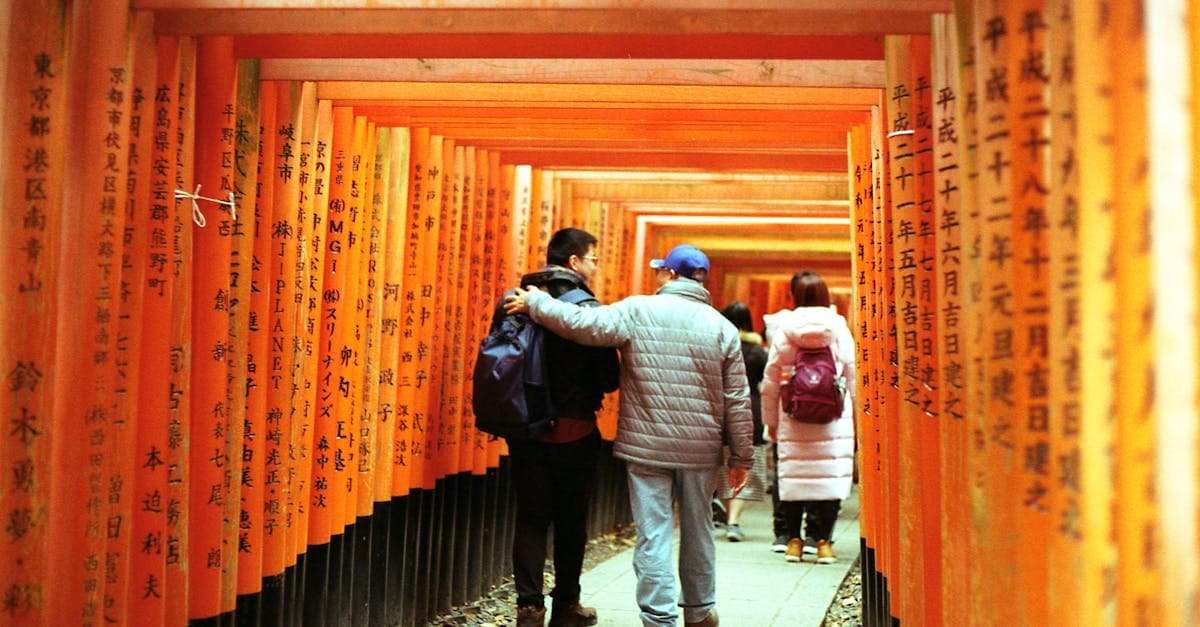
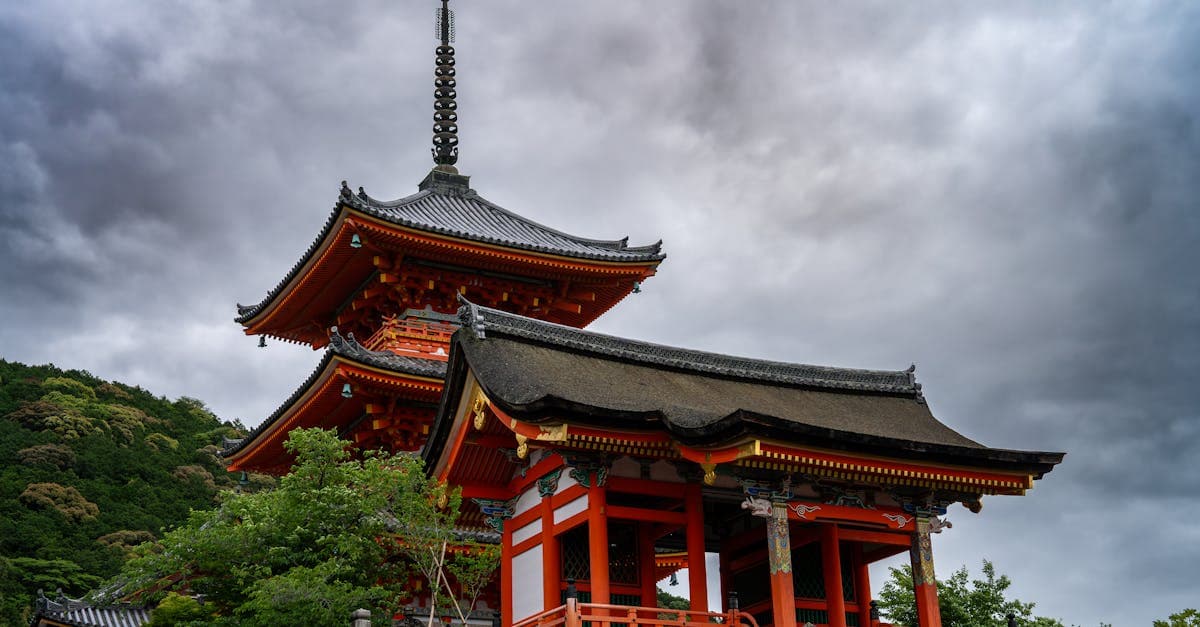
Day four: arrive in Kyoto and head straight to Fushimi Inari Taisha in the late afternoon. By around 4 pm, the day-tour buses have largely cleared. The thousands of vermilion torii gates climbing the hillside read very differently without wall-to-wall crowds japan-guide.com. Give it two hours minimum.
Day five starts at Arashiyama. The bamboo grove is compact (roughly 15 minutes end to end) japan-guide.com, but Tenryu-ji garden immediately next door justifies a full morning. Spend the evening in the Gion district. Photography restrictions in Gion's Hanamikoji street were formalised in 2025, with on-the-spot fines for tourists pointing cameras into private alleys and laneways japan-guide.com. The signs are unmissable.
Day six: Kinkaku-ji (the Golden Pavilion) first thing in the morning before the tour groups arrive in numbers. Nishiki Market for lunch, a narrow covered food arcade running through central Kyoto. An optional side trip to Uji (20 minutes south by JR train) covers the matcha farms the region is known for and the 11th-century Byodoin Temple.
Fushimi Inari before 6 am or after 7 pm is a materially different experience from a midday visit. Kyoto's visitor management measures are actively enforced through 2025 and 2026, and the early-or-late logic applies across most of the major sites.
The Nara day trip via Kintetsu Railway takes 45 minutes from Kyoto japan-guide.com. Todai-ji temple (the Great Buddha), the deer park, and Kasuga Taisha shrine are all walkable from Nara station.
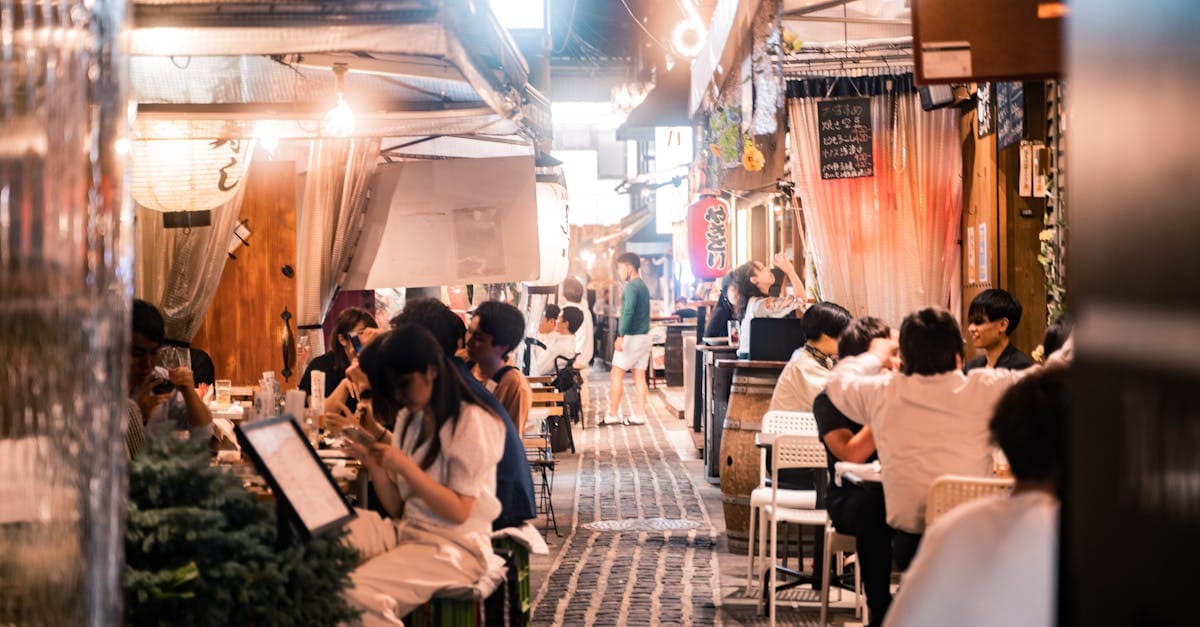
Osaka hotels run 20 to 30 per cent less than comparable Kyoto properties mamamia.com.au. That's not incidental. Base yourself here for the Kansai leg and the difference across two nights is real money.
Day 7 picks up from Nara. After Todai-ji and the deer park in the morning, the Kintetsu Limited Express from Nara to Osaka Namba takes 15 to 30 minutes. Check in, drop your bags, and spend the evening in Dotonbori. The canal-side neon, the animatronic crab signs, and the wall-to-wall food strips are genuinely chaotic, which is the whole point.
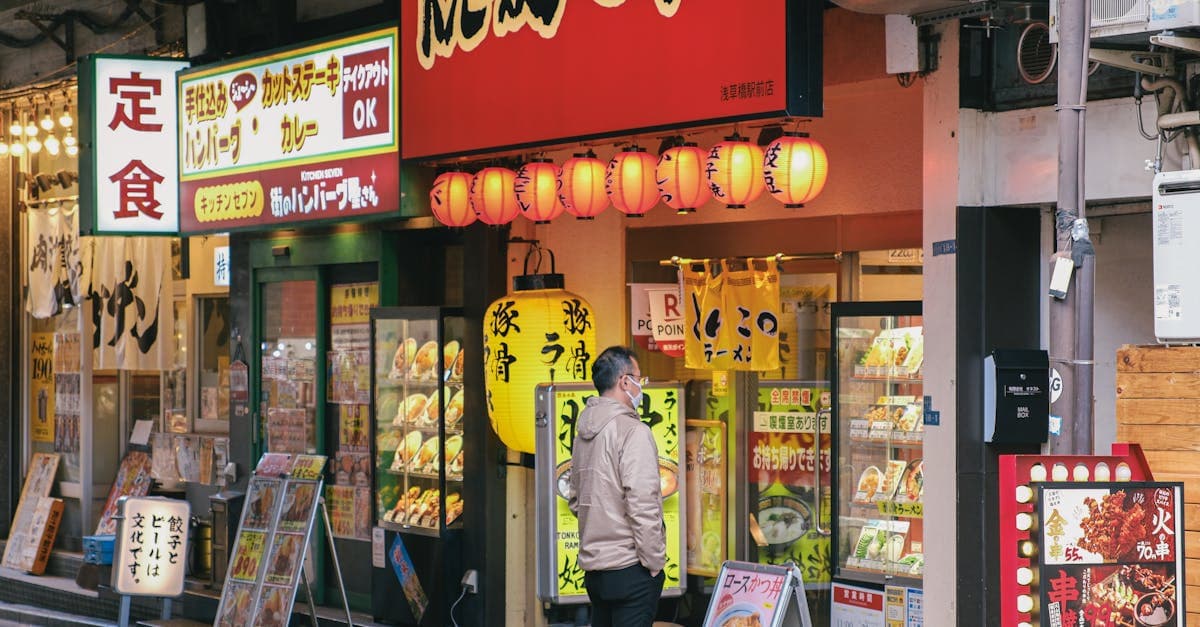
Day 8: Osaka Castle first thing, then Kuromon Ichiba Market for lunch. Kuromon runs 180 stalls of fresh seafood, pickled produce, and hot food eaten standing. Mid-range sit-down restaurants in the area come in at ~A$20 to 40 per person. Street food like takoyaki and okonomiyaki costs ~A$3 to 8 per serve, which means you can eat extremely well on a modest budget. Namba and Den Den Town fill the afternoon if luggage space allows.
Kansai International Airport is 70 minutes from Osaka Namba on the Haruka express, a practical exit point if your return flight is from the west of Japan. Flying home from Tokyo? Shin-Osaka connects directly to the Shinkansen north with no fuss.
Travellers on the 16-day route skip KIX entirely. From Osaka, the itinerary heads south into Wakayama Prefecture.
Most people's japan itinerary wraps up around Osaka. This leg belongs to the ones who stay longer.
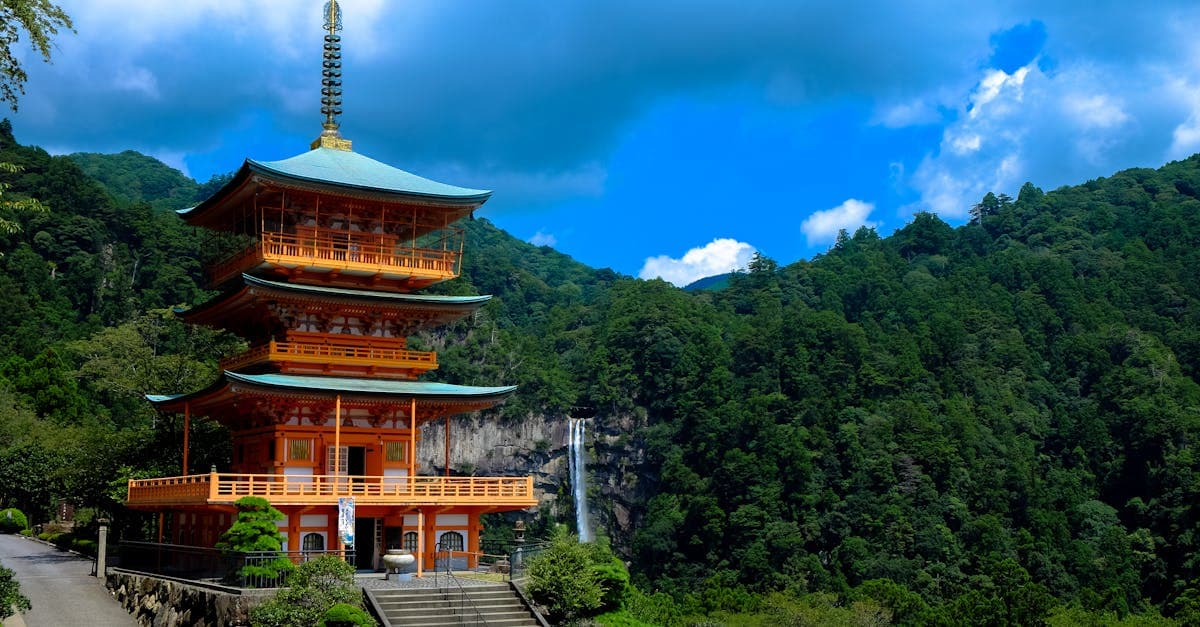
Days 9 and 10 centre on Nachi Falls (那智滝) in Wakayama Prefecture: Japan's tallest single-drop waterfall at 133 metres, set against the three-tiered pagoda of Kumano Nachi Taisha shrine directly above japan-guide.com. The pairing is genuinely arresting. Reach it by limited express from Osaka, around 2.5 hours south. Give it a full day rather than rushing through.
Day 10 starts the shift northeast toward Nagiso station, gateway to Kiso Valley. The connections run through Nagoya or Matsumoto and consume most of an afternoon. Accept this as a travel day. Pick up a bento at a station konbini and let the mountain scenery pass without fighting the schedule.
Days 11 and 12 are Kiso Valley (木曽谷). The Edo-period post towns of Tsumago and Magome sit along the Nakasendo trail, both immaculately preserved. Walk the 8-kilometre cedar-forest path between them and there isn't a car on the road the entire way ashleydobson.com. Ryokan beds in both towns are scarce. Book 3 to 4 months ahead for October or spring.
Public WiFi at Kiso Valley accommodation is thin; some properties have none at all. Docomo-roaming 4G is the reliable navigation option here. Download Google Maps offline before leaving Osaka as a backup. Hello Roam supports Japan coverage on Docomo's network, with 15-day unlimited data plans suited to rural stretches like Kiso Valley. Activate before departure as covered earlier.
Most ryokan in this area have communal onsen baths, shared by all guests without clothing. Tattoos are commonly prohibited. Confirm the policy when booking.
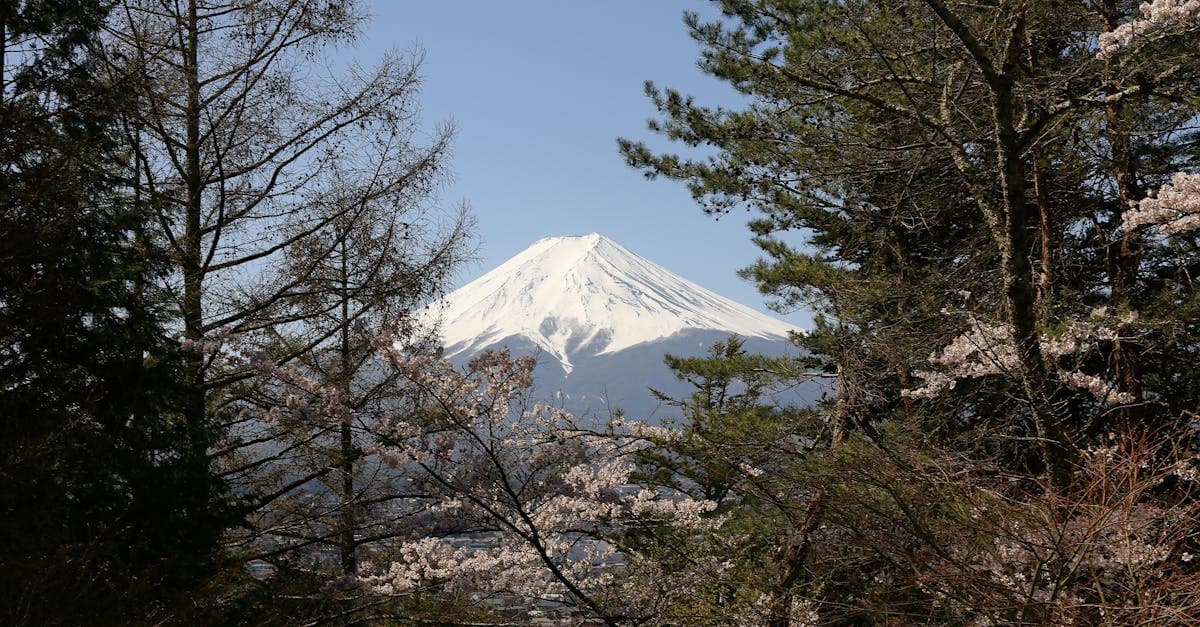
Days 13 to 15 are based at Fujiyoshida, a small city at the foot of Mt Fuji, covering the Fuji Five Lakes area before a final day in Tokyo ahead of departure. Chureito Pagoda, with Mt Fuji rising behind it, is one of the most reproduced images in Japanese travel photography. You'll recognise it from the internet well before you arrive. It holds up in person.
The Fuji Five Lakes area suits a relaxed pace: walking, cycling, lakeside coffee stops. Chureito requires a steep staircase climb from Fujiyoshida Station; go at dawn before the tour groups arrive.
Climbing Mt Fuji is a separate decision. The official season runs July to September. Entry fees at the Yoshida Trail for 2026 are ¥2,000 per person (around A$20) plus a conservation levy japan-guide.com; advance online booking is required during peak weeks. Outside the season, the upper trails are closed.
Not climbing? Hakone makes a strong alternative base: Fuji views across Lake Ashi, the Hakone Open-Air Museum (a genuinely good afternoon), and onsen ryokan within two hours of Tokyo. Logistics are simpler for the final push home.
Day 16: the express bus from Fujiyoshida to Shinjuku takes around two hours. Stop at Tsukiji Outer Market for breakfast, then Ginza or Shibuya for any last-minute shopping. The day before departure, use the takuhaibin luggage-forwarding service (Yamato Transport charges ~A$15 to 25 per bag) to send luggage from Fujiyoshida directly to your Tokyo hotel, so you travel unencumbered on the final morning.
The Narita Express from Shinjuku or Tokyo Station handles the airport transfer. Allow at least two hours before international check-in closes.
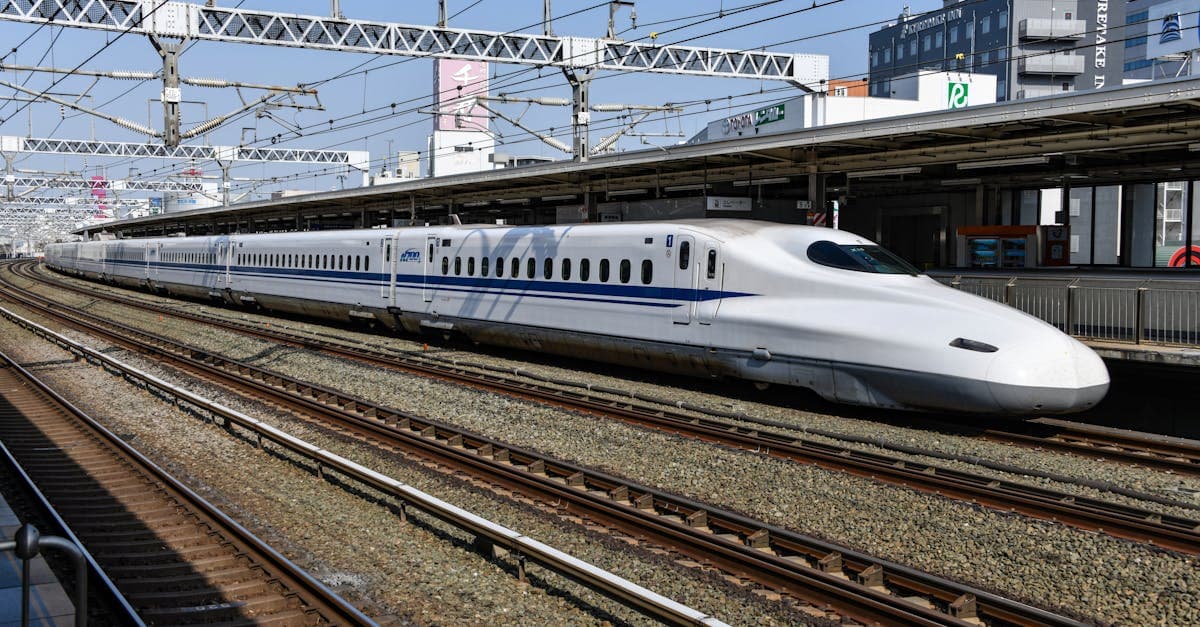
The JR Pass's late-2023 price increase, roughly 70 per cent across all tiers, reset the calculations for most travellers japan-guide.com. The 7-day pass now costs approximately A$485 and only pays off for heavy Shinkansen use: Tokyo to Kyoto, Kyoto to Hiroshima, and back to Tokyo within a single week.
For a one-way Golden Route trip from Tokyo to Osaka, individual Shinkansen tickets often work out cheaper than the pass. Run your actual route through the SmartEX app or Hyperdia before committing. Both show real fares across service types, not estimates.
The 14-day pass (approximately A$785) suits the 16-day itinerary if Hiroshima is included. Know the gaps upfront: it doesn't cover Kiso Valley local trains, the Kintetsu Railway between Kyoto, Nara, and Osaka, or the Haruka express to KIX. Those all require separate payment via IC card or individual ticket.
Suica is the workhorse card for daily movement. Load it onto Apple Wallet or Google Wallet before leaving Australia and it handles city trains, buses, and convenience store purchases across virtually all of Japan. No cash fumbling at station gates.
On the Shinkansen, Nozomi and Mizuho services (the fastest) aren't covered by the JR Pass. Hikari and Kodama are. Reserved seats are free to book at any JR ticket office or through the SmartEX app once you've registered a payment method.
Arriving at Narita, the NEX into Shinjuku is the most direct transfer into central Tokyo. For Haneda, the Suica you've already loaded handles the monorail and all subsequent city transfers without a separate ticket purchase.
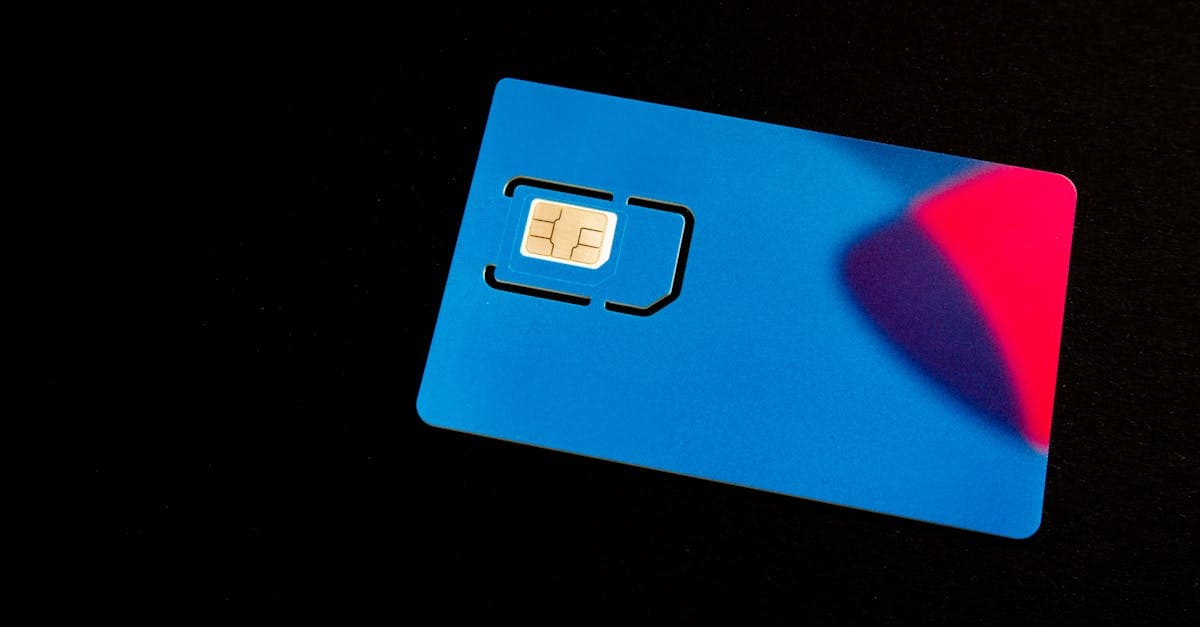
Japan's mobile network delivers 4G across the Golden Route, with 5G live in Tokyo, Osaka, and Kyoto's centre. Public WiFi is reliable at hotels, major stations, and every convenience store. Outside those anchors, particularly in Kiso Valley and on the Nachi Falls trail, public WiFi disappears entirely. Mobile data is the only consistent option on those legs.
Three choices for Australian travellers, in ascending order of value.
Carrier roaming is simple and expensive. Telstra charges around A$15 per day, Optus around A$10. Fourteen days on Optus adds roughly A$140 to your bill before any data overage fees. The convenience is real; the value is not.
Pocket WiFi rental from around A$5 to A$7 per day is available at Narita and Haneda. It connects multiple devices simultaneously, which suits travelling families and groups. The downside: an extra device to carry all day, a battery to manage, and a return deadline at the airport counter before check-in. Travel forums have no shortage of people running late for flights because of that last part.
A local tourist SIM or eSIM wins on value for a 10 to 16-day japan itinerary. Data-only plans from IIJ or Docomo run around A$15 to A$30 for 15 days of 4G LTE. No voice calls included. A physical SIM requires a free slot on your phone and a kiosk visit at the airport on arrival.
eSIM skips the queue entirely. iPhones from XS onward support it, as do most current Android handsets. Activate a Japan data plan before boarding in Sydney or Melbourne and land with data already running. Dual SIM keeps your Australian number live for banking two-factor authentication while you travel.
Four apps to load before departure: Google Maps with Japan offline maps saved, Google Translate with the Japanese language pack downloaded (the camera mode reads menus and signs reliably), HyperDia for train routing, and the Japan Official Travel App.
For a first visit, 14 days is the right length if your leave balance allows it. That's enough for the Golden Route plus Hiroshima and Miyajima Island, or simply more unhurried time in Kyoto, which most travellers underestimate on a fast itinerary.
Ten days covers a solid japan itinerary: Tokyo, Kyoto, Osaka, and a Nara day trip at a reasonable pace. The most common planning mistake is adding a fourth or fifth city to a 10-day trip. Three cities done slowly beats five where you spend more time checking in and out than you do at any actual destination. Japan's trains make city-hopping feel effortless until the accumulated logistics catch up with you.
Fourteen days opens up the options. Hiroshima, a night in Hakone for Fuji views, or a genuinely unhurried approach to Kyoto all become workable.
Sixteen to 21 days suits repeat visitors or those taking extended leave. Kiso Valley, Kyushu (Fukuoka, Nagasaki), Tohoku, and Hokkaido all become viable extensions once the core route is covered.
Cherry blossom timing provides a useful argument for going longer. The sakura front moves north from late March through early May. Twelve to 14 days lets you follow the bloom from Kyoto to Tokyo rather than catching just one city's peak window and hoping the timing holds.
Two days get quietly absorbed by every trip regardless of total length: one for jet lag adjustment on arrival, one as a buffer before the international departure flight. A nominal 10-day booking yields roughly eight days of real sightseeing.
Five minutes late in Japan means paperwork. A delay of that length on the rail network triggers an official delay certificate, the Ensen Shomeisho, which employers and schools accept as a valid excuse for lateness. The existence of such a document, routinely issued at station gates, tells you something about the baseline expectations around punctuality here.
The cultural context is useful to understand before you arrive. Arriving on time is the minimum expectation at restaurants, guided tours, and group experiences. Arriving five minutes early is considered polite. Arriving late without notice is a genuine breach of social norms, not a minor inconvenience that gets waved through with a smile.
For Australians used to Sydney or Melbourne's metro systems, the adjustment takes a day or two to internalise. Shinkansen departure times are literal. Doors close one to two minutes before the listed departure, not a minute or two after. A last-second dash to the platform that occasionally works at Central Station will not work at Tokyo Station.
The flip side is instructive. When a Japanese train does run late (which is rare), JR staff make repeated apology announcements over the PA and issue delay certificates at the gate. The contrast with a typical Australian rail disruption (a static message board, no apology, no documentation) can feel genuinely startling.
Queue discipline at platform entry points follows the same logic. Waiting zones are marked for each door position, and the system is observed without enforcement. The five-minute rule is one expression of a wider social contract built around respect for other people's time, and that contract extends through most public interactions you'll encounter.
A$5,000 for seven days is comfortable by most standards. It covers mid-range accommodation, three meals daily, local transport, entry fees, and a genuine shopping budget at current exchange rates.
A rough breakdown: accommodation runs A$80 to A$150 per night at business hotels and capsule-style stays. Food costs A$40 to A$80 per day across convenience stores, ramen counters, and the occasional sit-down dinner. Transport runs A$20 to A$40 per day for metro cards and local rail. Activities and entry fees add roughly A$20 to A$30. Daily spend lands between A$160 and A$300 per person. At an average of around A$714 per day, A$5,000 across seven days is generous by Tokyo standards.
The A$2,000 question comes up regularly in travel forums, and the honest answer is yes, achievable on a strict budget: hostel dorm beds from A$30 to A$50 per night, convenience store meals and ramen at around A$12 to A$20 per day, and selective Shinkansen use rather than a blanket rail pass. Not flush, but workable.
Japan is exceptional value for Australians at the moment. Meals, entry fees, and metro fares feel materially cheaper than equivalent experiences in Sydney or Melbourne at current exchange rates. That window may not hold.
Reserve A$500 to A$1,000 for shopping. Electronics, cosmetics, Uniqlo, and food gifts are consistently cheaper in Japan than at home, and the temptation runs high once you're in Akihabara or a department store basement.
Flights are the largest single variable in any Japan budget. Economy from Sydney or Melbourne on Jetstar or JAL runs around A$800 to A$1,200 return when booked three to six months out.

A$5,000 for a week in Japan is generous by most travel standards. At current exchange rates of roughly A$1 to 100 yen, a proper bowl of ramen costs around A$10, street food runs A$3 to 8, and mid-range sit-down meals come in at A$20 to 40 per person. That budget comfortably covers flights, accommodation, transport, and food with room to spare.
In Japan, arriving at least 5 minutes early is considered standard punctuality etiquette, reflecting the country's strong cultural emphasis on timeliness. Japanese trains and Shinkansen services run to the minute, so building buffer time into every connection is practical advice throughout your itinerary. Planning transfers with this precision in mind avoids rushed connections, particularly when moving between Shinkansen and local rail services.
A$2,000 for a week in Japan is workable on a tight budget given that food is affordable, with ramen around A$10 and street food as low as A$3 to 8 per serve. However, flights, Shinkansen fares, and accommodation will consume the majority of that budget. Staying in budget accommodation, eating at convenience stores and street stalls, and limiting Shinkansen legs makes it achievable but leaves little margin.
Ten days covers the Golden Route of Tokyo, Kyoto, and Osaka at a sensible pace and is the right call for most first-time visitors on standard annual leave. Sixteen days extends the itinerary to Nachi Falls, the Kiso Valley post towns, and the Mt Fuji area, revealing a quieter side of Japan the Golden Route does not show. Most Australians working with a two-week leave block have around 12 usable sightseeing days after factoring in arrival and departure buffer days.
Australian passport holders enter Japan visa-free for up to 90 days. There is no registration or pre-application required before flying. The Australian Electronic Travel Authority applies to other destinations entirely and is not relevant to Japan travel.
Direct flights from Sydney and Melbourne to Japan take 9 to 10 hours. From Perth, allow 12 to 14 hours. Qantas, JAL, ANA, and Jetstar all service the route, with JAL and ANA frequently offering stronger availability into Haneda, which is 30 minutes closer to central Tokyo than Narita.
April is the standout window for Australians, as cherry blossom season aligns with school holidays, though crowds are heavier. October and November deliver autumn foliage with noticeably fewer tourists. If April is your target, start booking 3 to 6 months out, as flights and mid-range Kyoto hotels fill from February.
Cash is essential from day one in Japan. Many smaller restaurants, shrines, and temple shops do not accept cards throughout the country, not just outside the major cities. 7-Eleven, Lawson, and FamilyMart ATMs all reliably accept Australian cards for withdrawing yen.
The JR Pass price increased by roughly 70 per cent in late 2023, resetting the value calculation for most travellers. The 7-day pass now costs approximately A$485 and only pays off for heavy Shinkansen use within a single week, such as Tokyo to Kyoto, Kyoto to Hiroshima, and back to Tokyo. For a straightforward one-way Golden Route trip from Tokyo to Osaka, individual Shinkansen tickets may work out cheaper.
A Suica IC card covers every train and bus in greater Tokyo, convenience store checkouts, and most vending machines. You can load it into Apple Wallet or Google Wallet before leaving Australia, removing the need for ticket machines or fare calculations at each station. Setting it up before departure saves real time on arrival.
Visiting Fushimi Inari before 6 am or after 7 pm is a materially different experience from a midday visit. By around 4 pm, day-tour buses have largely cleared and the thousands of vermilion torii gates read very differently without wall-to-wall crowds. Kyoto's visitor management measures are actively enforced through 2025 and 2026, making the early-or-late approach relevant across most major sites.
Photography restrictions in Gion's Hanamikoji street were formalised in 2025, with on-the-spot fines for tourists pointing cameras into private alleys and laneways. The signs are described as unmissable. These measures are part of Kyoto's broader visitor management approach that is actively enforced through 2025 and 2026.
The official Mt Fuji climbing season runs July to September. Outside this season, the upper trails are closed. Entry fees at the Yoshida Trail for 2026 are 2,000 yen per person (around A$20) plus a conservation levy, and advance online booking is required during peak weeks.
Activating an eSIM before departure means you arrive in Japan with navigation and translation apps already running, saving real time at baggage claim. Dual SIM keeps your Australian number active for banking two-factor authentication and calls home. Plans covering Japan on Docomo's network with up to 15 days of unlimited data are well suited to both urban and rural stretches of the itinerary.
Public WiFi at accommodation in areas like Kiso Valley is thin, and some properties have none at all. Docomo-roaming 4G is the reliable navigation option in rural stretches of Japan. Downloading Google Maps offline before leaving a major city like Osaka is recommended as a backup.
Kiso Valley contains the Edo-period post towns of Tsumago and Magome, both immaculately preserved along the historic Nakasendo trail. An 8-kilometre cedar-forest walking path connects the two towns with no cars on the road the entire way. Ryokan accommodation in both towns is scarce and should be booked 3 to 4 months ahead for October or spring visits.
Yamato Transport's takuhaibin service allows you to send bags from your accommodation directly to a hotel elsewhere in Japan, costing approximately A$15 to 25 per bag. This means you can travel unencumbered on travel days, particularly useful when moving from regional areas to Tokyo before a departure flight. It is widely available at hotels and convenience stores throughout Japan.
Osaka hotels run 20 to 30 per cent less than comparable Kyoto properties. Basing yourself in Osaka for the Kansai leg of your itinerary and commuting to Kyoto for day trips can produce meaningful savings across a two-night stay. The Kintetsu Limited Express connects Nara to Osaka Namba in 15 to 30 minutes, making Osaka a practical hub.
The Shinkansen from Tokyo to Kyoto takes 2 hours 15 minutes on the Hikari service. Three nights in Kyoto is the recommended allocation on the Golden Route and the minimum needed to cover the headline sites without rushing. The journey is direct and well-serviced throughout the day.
At 2024 to 2026 rates, A$1 buys roughly 100 yen. This makes Japan genuinely affordable by the standards Australians currently face at home. A bowl of ramen at a proper Tokyo shop costs around 1,000 yen, which works out to approximately A$10.
HelloRoam: your trusted travel eSIM that keeps you online across borders.
Explore Plans