Is Bali Safe for NZ Travellers? a Straight-talking Guide for 2026

Written by: David Chen


11 min read
HelloRoam is a global eSIM provider offering instant mobile data in 170+ countries. Buy prepaid travel eSIM plans with no extra fees, no contracts, and instant activation on any eSIM-compatible device.
11 min read
The Ministry of Foreign Affairs and Trade (MFAT) rates Indonesia at Level 2: 'exercise increased caution.' A lot of Kiwis see that and assume it borders on a travel warning. It doesn't.
The scale runs from Level 1 (normal precautions, the baseline for any overseas trip) through Level 2 (identifiable risks requiring active awareness and preparation) up to Level 3 (avoid non-essential travel) and Level 4 (do not travel). Level 3 is where real restrictions kick in. Bali sits two rungs below that, at the same rating as a number of destinations NZ travellers visit without a second thought.
The Indonesia advisory has been stable at Level 2 for several years. It isn't a reaction to any recent incident or new threat. The rating reflects ongoing structural factors: seismic and volcanic exposure, a historical record of terrorism, and certain health risks. The language has been consistent.
What Level 2 actually requires from you: comprehensive travel insurance that includes medical evacuation cover, genuine awareness of the risks MFAT outlines for Indonesia, and registering your trip before you leave. The current, live advisory is at the(https://safetravel.govt.nz/indonesia). Check it in the week before you fly, as advisories can be updated after incidents.
Trip registration is free and takes around 10 minutes at the(https://safetravel.govt.nz). It's not bureaucratic box-ticking. If a major earthquake or personal medical emergency occurs while you're in Bali, the NZ Embassy in Jakarta can locate and contact registered travellers. The embassy's 24/7 emergency line is +62 21 2995 5800. Add it to your phone before you board at Auckland.
Ordinary risks account for most of the danger, not dramatic ones. In order of actual likelihood: road accidents sit at the top, followed by health issues, petty crime, natural hazards, and terrorism as a distant fifth. That ordering matters because the first two risks are largely within your control.
Five to six million international tourists visit Bali each year, near pre-COVID highs. The vast majority return home without incident, and that baseline matters when reading any risk breakdown.
The 2002 Kuta bombings killed 28 New Zealand nationals, the deadliest terrorist attack on NZ citizens in history. Those deaths are part of NZ's collective memory, and it's understandable that Bali carries weight for Kiwi travellers because of them. The terrorism risk today is substantially lower than in the early 2000s, though it hasn't dropped to zero. Treating it as the primary danger misreads where the actual risk sits.
Preparation and awareness are the right response to Bali's risk profile, not avoidance. Travellers who come unstuck tend to be those who skipped travel insurance, rode a motorbike without a valid licence, or ignored health precautions before departure. Both of those specific risks get their own sections below.
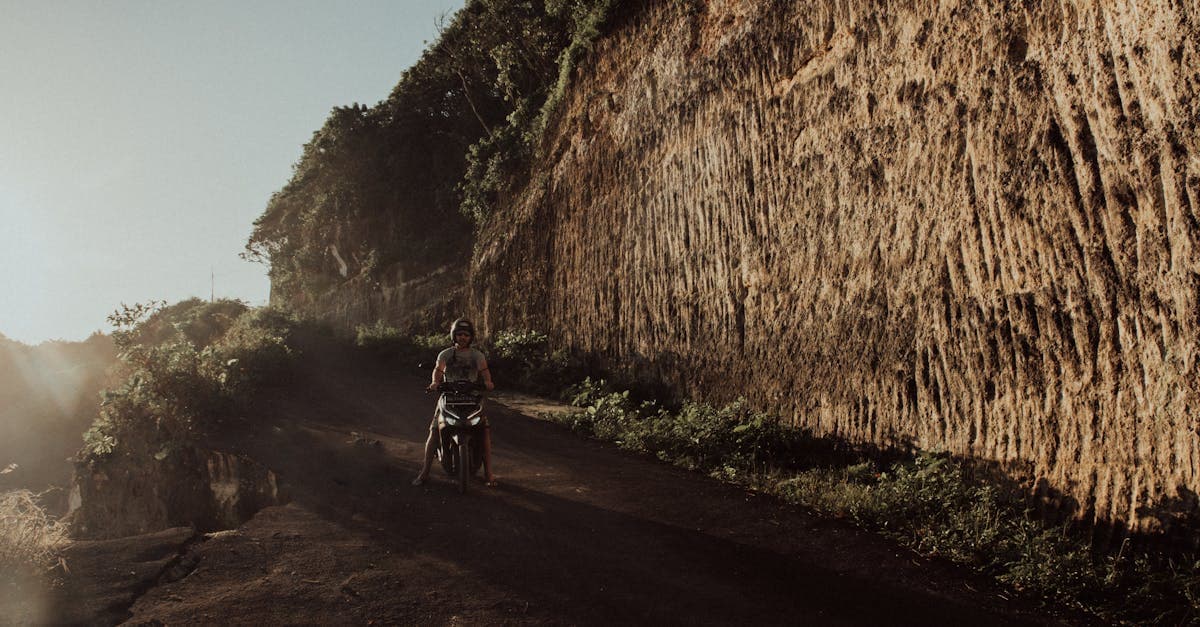
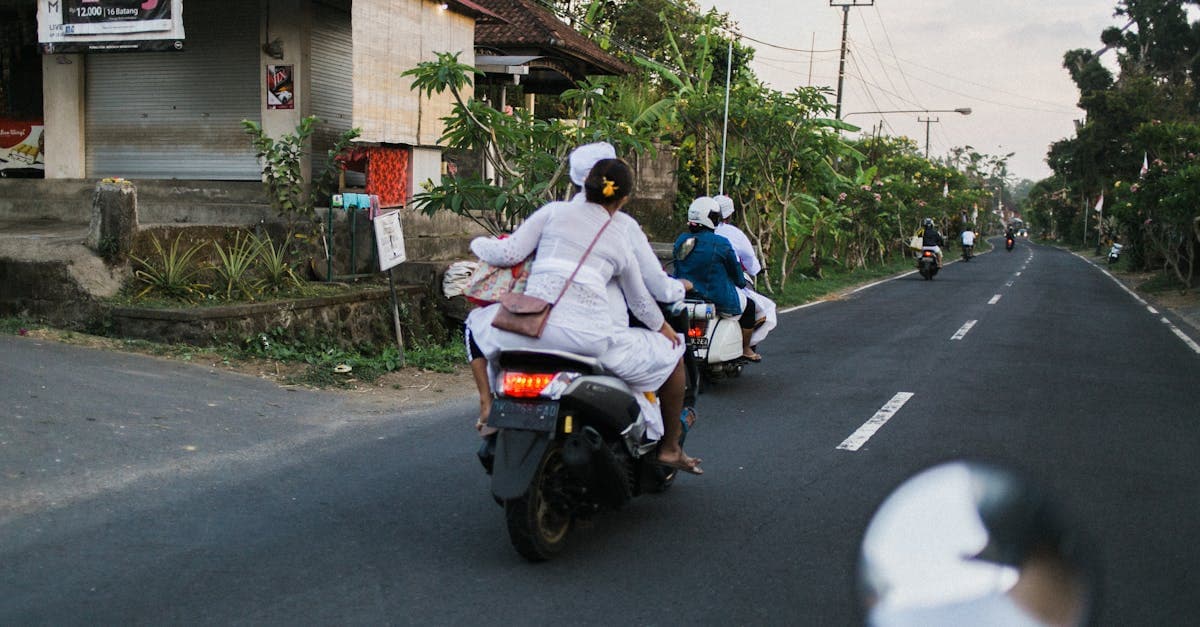
Road accidents are the leading cause of tourist death in Bali, not crime or terrorism. Motorbike incidents account for most of them, with around 30 to 50 foreign tourist deaths estimated each year.
Most NZ travel insurance policies void all cover, including medical treatment, hospitalisation, and emergency evacuation, if you're riding a motorbike without a valid Indonesian licence at the time of an accident. A standard NZ driver's licence doesn't satisfy that requirement. You need an International Driving Permit (IDP) with a motorbike endorsement from the New Zealand AA, at around NZ$45. A car-only IDP won't cover you on a scooter.
Hiring a car with a local driver is the practical alternative. It's widely available across Bali, affordable by NZ standards, and removes the licence and insurance complications entirely.
Traffic in Bali drives on the left, same as New Zealand, and that familiarity can lead to overconfidence. Road surfaces are inconsistent, signage is limited, and local driving behaviour differs considerably from home. Scooters weave continuously, lanes are narrow, and after dark the lighting is often poor.
If you do rent a scooter, confirm the IDP covers motorbikes before you ride and verify in writing with your insurer that motorbike use isn't excluded from your policy. Do both before departure, not after an accident.
Most NZ travellers don't think about rabies before flying to Bali. It's a significant gap. Bali is one of very few SE Asian tourist destinations with active dog rabies, and without post-exposure treatment, the disease is fatal.
Pre-exposure vaccination is available at NZ travel clinics. The course involves three injections spread over several weeks, so book your appointment well ahead of departure. If a dog or monkey bites or scratches you while you're there, seek medical care straight away, regardless of how minor it looks.
Dengue fever is a year-round risk, peaking from November to March. There's no vaccine available in New Zealand. DEET-based insect repellent is the main preventive tool, applied from dawn and in the early evenings when mosquito activity is highest.
NZ travel clinics typically recommend Hepatitis A, Typhoid, and rabies vaccinations for Bali. The right combination depends on your itinerary and health history, so see a travel clinic rather than self-selecting.
Tap water isn't safe to drink anywhere in Bali. Use sealed bottled water or filtered water only. Be careful with ice in drinks and street food from vendors with low turnover, as stomach upsets are common and can knock out a few days of your trip.
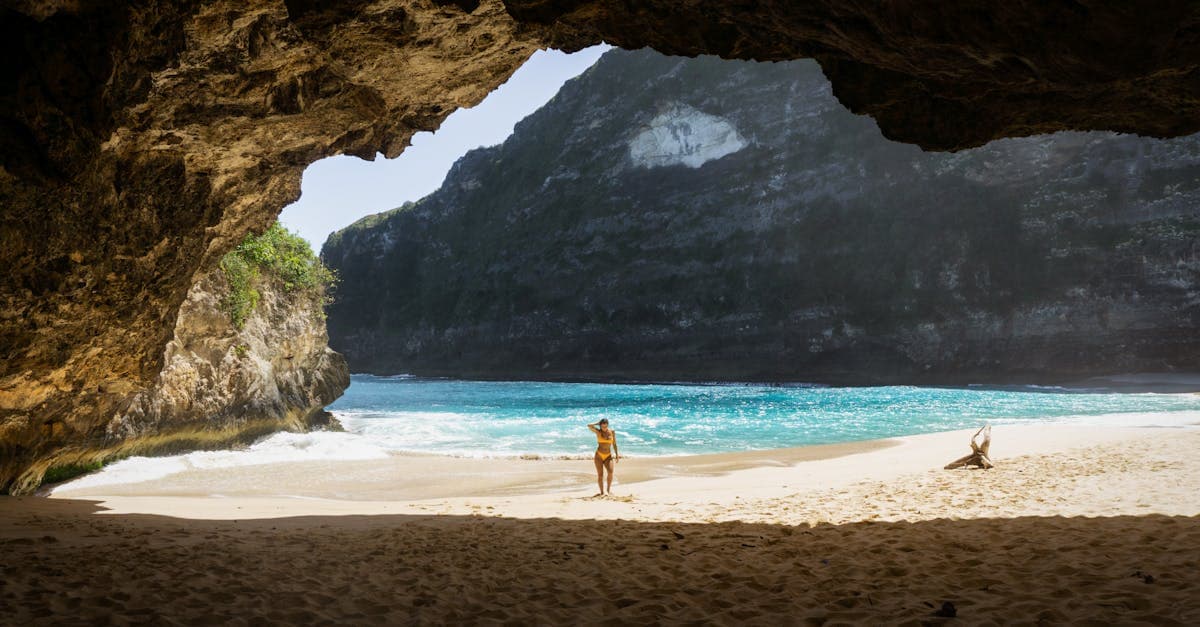
Ubud suits solo female travellers well. The co-working cafes and villa guesthouses around town create a natural community, and the Balinese Hindu culture is genuinely respectful toward foreign women. Most harassment that does occur comes from the nightlife scene in Kuta, not from locals.
Kuta and parts of Legian are worth thinking about carefully when choosing accommodation. Street touts, aggressive nightclub spruikers, and other tourists behaving badly make those areas less comfortable after dark. It's not dangerous in the way some travellers expect, but it's unpleasant in a way that's easy to sidestep by choosing where you stay.
Transport is the practical safety measure that matters most. Use Grab or Gojek rather than flagging a street taxi at night. Both apps show the driver's name, plate, and a live trip tracker, so someone back home can follow your route. That's the same caution you'd apply leaving Ponsonby at midnight.
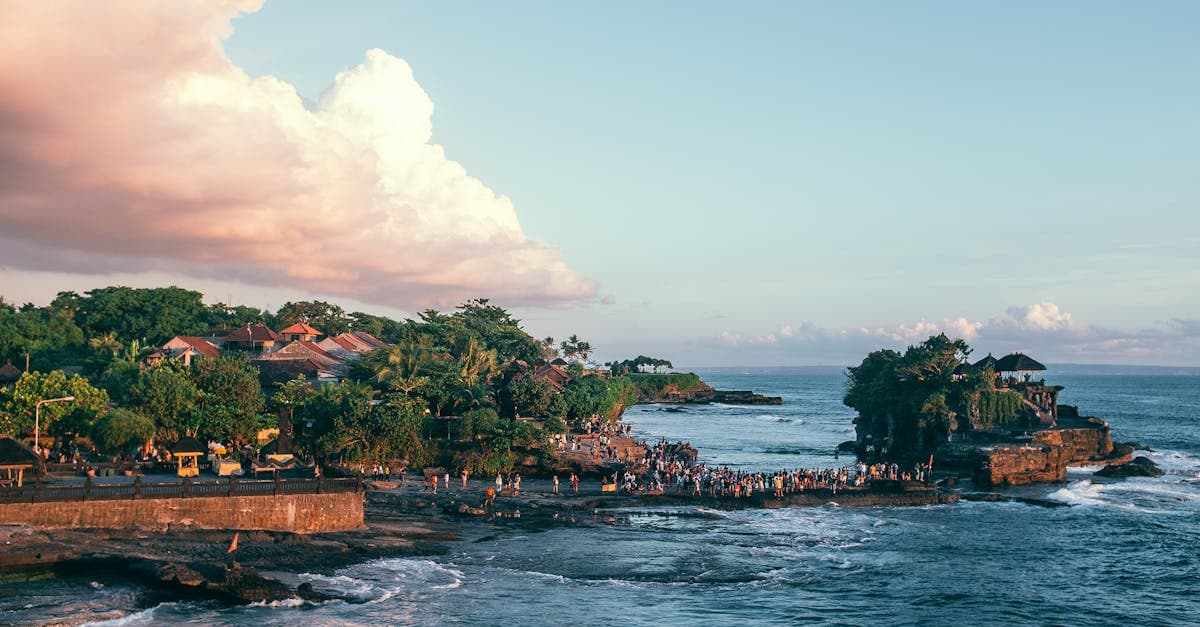
Dress codes at temples aren't negotiable. A sarong is almost always available to hire or borrow at the entrance for a small fee, so there's no excuse for getting turned away at Tanah Lot or Besakih. In villages away from the tourist strip, conservative clothing is genuinely appreciated.
Keep your location shared with whanau back home and your mobile charged. Stick to lit streets at night. None of this is Bali-specific advice; it's standard solo travel practice that happens to apply here too.
ACC stops at the border. Medical evacuation from Bali to Singapore or Darwin for serious trauma costs between NZD 50,000 and NZD 150,000 without insurance, and that's not a figure most travellers budget for. Hospitals in Denpasar manage fractures and infections adequately. Major trauma requires transfer.
The motorbike clause is the piece most travellers overlook. As covered in the road accident section above, most NZ policies void all medical and evacuation cover if you ride without a valid Indonesian licence. Read the specific wording before you hire anything with an engine, and if the policy language is ambiguous, call the insurer and get the answer in writing.
When reviewing a policy, check four things specifically: motorbike riding cover and the IDP requirement, pre-existing conditions, volcanic eruption and flight disruption cover, and emergency evacuation limits. Some policies have an evacuation ceiling that falls well short of actual transfer costs. Ask the insurer directly what the maximum payout is for emergency evacuation before you buy.
Approximate costs for NZ travellers on a two-week trip: around NZD 80 to NZD 150 for travellers aged 25 to 35, and NZD 250 to NZD 500 or more for travellers over 60, depending on pre-existing conditions. Well-known NZ providers include Southern Cross Travel Insurance, Cover-More, and 1Cover. Compare at least two policies before committing.
Buy when you book your flights, not at the airport check-in queue. Cover starts from the purchase date, so you're protected against cancellations before you've even packed. Airport kiosks are convenient and almost always more expensive for equivalent cover.
The right approach depends on how long you're staying. For one to three days, roaming on Spark or One NZ costs around NZD 12 to NZD 30 per day and is perfectly fine for a short trip. For four to fourteen days, an eSIM is considerably cheaper. For fifteen days or more, a Telkomsel tourist SIM purchased at Ngurah Rai airport gives the best data rate for the price and doesn't need pre-activation.
Reliable mobile data isn't optional in Bali. Grab, Gojek, Google Maps, and the BMKG volcanic alert app all require a working connection. If you're hiking near Mt Batur and alerts go out, you want to know about it before someone else does.
Hello Roam offers Indonesia data plans priced in NZD (roughly NZD 15 to NZD 45 for one to ten gigabytes), which removes any exchange rate guesswork. NZ-based customer support is available if something goes wrong mid-trip. Activate before boarding in Auckland and data is live when you clear customs in Denpasar.
For alternatives, Airalo's Indonesia plans start from around USD 4.50 for smaller packages. Holafly offers unlimited daily plans from roughly USD 19 for five days, which suits travellers who don't want to monitor gigabyte usage.
Coverage in the main tourist zones is solid: Kuta, Seminyak, Canggu, and Nusa Dua reach 20 to 50 Mbps on 4G. Head east to Amed or north to Lovina and speeds drop to two to 15 Mbps at best. Download offline maps before leaving the main corridor.
Co-working spaces in Canggu and five-star resorts deliver 50 to 300 Mbps on WiFi. Budget guesthouses often top out at one to ten Mbps on a shared connection. Bring your own data as backup regardless of where you're staying.
Both destinations show up in the same NZ travel conversation, and they carry genuinely different risks. MFAT rates Thailand at Level 1 (normal caution) for most regions, compared to Bali's Level 2 (increased caution). One advisory step apart, but that doesn't make the comparison straightforward.
The nature of the risk differs more than the level does. Petty tourist scams are more organised in Bangkok and Phuket: the gem shop scam and jet ski damage scam are long-running operations that target tourists systematically. Bali has scams too, but they tend to be lower-key and easier to avoid with basic awareness.
Natural hazards are where Bali's profile is clearly higher. Mt Agung eruptions can disrupt flights at short notice, and Bali sits on a more seismically active zone than Thailand's main tourist regions. Thailand's primary natural hazard for tourists is seasonal flooding in the north, which is predictable and avoidable with planning.
The rabies distinction matters. As covered in the health section above, Bali is one of the few SE Asian destinations where dog rabies is active. Thailand doesn't carry this risk. Year-round dengue exposure is shared by both countries.
Motorbike accident risk is comparable, and the IDP and insurance advice from earlier applies equally if you're riding in Thailand.
Neither destination is inherently safer. Which one suits you better depends on which risk profile you're better placed to manage before you leave.
Book the travel clinic appointment first. Everything else can be sorted in a week, but the rabies pre-exposure series requires three appointments spaced over three to four weeks, meaning you need at least six to eight weeks before departure.
The vaccinations and IDP need the most lead time. Sort those first; everything else falls into place in the week before you board.

New Zealand's Ministry of Foreign Affairs and Trade (MFAT) rates Indonesia, including Bali, at Level 2: exercise increased caution. This is two levels below Level 4 (do not travel) and one level below Level 3 (avoid non-essential travel), where real restrictions begin. The rating has been stable for several years and reflects ongoing structural factors such as seismic activity, volcanic exposure, and certain health risks rather than any recent incident.
Bali is safe for NZ travellers who prepare appropriately. Five to six million international tourists visit each year and the vast majority return home without incident. The main risks are road accidents, health issues such as rabies and dengue, petty crime, and natural hazards. Preparation — comprehensive travel insurance, vaccinations, and awareness of local conditions — significantly reduces these risks.
Yes. ACC cover stops at the New Zealand border, and medical evacuation from Bali to Singapore or Darwin for serious trauma costs between NZD 50,000 and NZD 150,000 without insurance. Comprehensive travel insurance with medical evacuation cover is a requirement of MFAT's Level 2 advisory for Indonesia. When comparing policies, check emergency evacuation limits, motorbike riding cover, volcanic disruption cover, and pre-existing conditions clauses.
Road accidents are the leading cause of tourist death in Bali, not crime or terrorism. Motorbike incidents account for most fatalities, with around 30 to 50 foreign tourist deaths estimated each year. Road surfaces are inconsistent, signage is limited, and local driving behaviour differs considerably from New Zealand despite both countries driving on the left.
Yes. A standard New Zealand driver's licence does not satisfy the Indonesian requirement for riding a motorbike. You need an International Driving Permit (IDP) with a motorbike endorsement, available from the New Zealand AA for around NZD 45. A car-only IDP does not cover you on a scooter, and riding without the correct IDP voids most NZ travel insurance policies entirely, including medical and evacuation cover.
Yes. Bali is one of very few Southeast Asian tourist destinations with active dog rabies, and the disease is fatal without post-exposure treatment. Pre-exposure vaccination is available at New Zealand travel clinics and involves three injections over several weeks, so appointments should be booked well ahead of departure. If a dog or monkey bites or scratches you in Bali, seek medical care immediately regardless of how minor the wound appears.
No, tap water is not safe to drink anywhere in Bali. Use only sealed bottled water or filtered water. Exercise caution with ice in drinks and street food from vendors with low turnover, as gastrointestinal illness is common and can disrupt several days of your trip.
Bali is generally considered safe for solo female travellers with appropriate precautions. Ubud is particularly well-suited, with a natural traveller community and a respectful local culture. Most harassment that does occur is associated with the Kuta nightlife scene. Using Grab or Gojek instead of street taxis at night, keeping your location shared with someone back home, and dressing conservatively near temples are the key practical measures.
NZ travel clinics typically recommend Hepatitis A, Typhoid, and rabies vaccinations for Bali. The right combination depends on your specific itinerary and personal health history, so it is best to consult a travel clinic rather than self-selecting. The rabies vaccine course requires three injections spread over several weeks, so book your appointment well ahead of departure.
Dengue fever is a year-round risk in Bali, peaking from November to March. There is no dengue vaccine currently available in New Zealand. DEET-based insect repellent applied from dawn and in the early evenings, when mosquito activity is highest, is the main preventive measure.
Trip registration is free and takes around 10 minutes at safetravel.govt.nz. It is not a bureaucratic formality — if a major earthquake or personal emergency occurs while you are in Bali, the NZ Embassy in Jakarta can use registration details to locate and contact you. The embassy's 24/7 emergency line is +62 21 2995 5800, which you should save to your phone before boarding.
The best option depends on trip length. For one to three days, roaming on Spark or One NZ costs around NZD 12 to NZD 30 per day. For four to fourteen days, an eSIM such as those offered by Hello Roam (NZD 15 to NZD 45 for 1–10GB) or Airalo is considerably cheaper. For stays of 15 days or more, a Telkomsel tourist SIM purchased at Ngurah Rai airport offers the best data rate. Reliable mobile data is essential for using Grab, Gojek, Google Maps, and volcanic alert apps.
Coverage in the main tourist zones including Kuta, Seminyak, Canggu, and Nusa Dua reaches 20 to 50 Mbps on 4G. In more remote areas such as Amed in the east or Lovina in the north, speeds drop to two to 15 Mbps at best. Download offline maps before leaving the main tourist corridor as a precaution.
MFAT rates Thailand at Level 1 (normal caution) for most regions, compared to Bali's Level 2 (increased caution), but the nature of the risks differs significantly. Thailand has more organised tourist scams, while Bali carries higher natural hazard risks due to volcanic and seismic activity, and is one of the few Southeast Asian destinations with active dog rabies. Motorbike accident risk is comparably high in both countries.
Bali has scams but they tend to be lower-key compared to destinations like Bangkok or Phuket, where gem shop and jet ski damage scams operate as organised operations targeting tourists. Basic awareness and not engaging with unsolicited approaches significantly reduces your exposure in Bali. Stick to metered or app-based transport (Grab or Gojek) to avoid overcharging.
Grab and Gojek are the recommended transport apps for Bali. Both show the driver's name, plate number, and a live trip tracker, which allows someone back home to monitor your route. This is especially important for solo travellers at night and avoids the overcharging common with unmetered street taxis.
For a two-week trip, approximate costs for NZ travellers are around NZD 80 to NZD 150 for travellers aged 25 to 35, and NZD 250 to NZD 500 or more for travellers over 60, depending on pre-existing conditions. Well-known NZ providers include Southern Cross Travel Insurance, Cover-More, and 1Cover. Buy when you book your flights rather than at the airport, as cover starts from the purchase date and protects against pre-departure cancellations.
Bali sits on a seismically active zone and Mt Agung eruptions can disrupt flights at short notice. MFAT's Level 2 rating for Indonesia partly reflects this ongoing geological exposure. Downloading the BMKG volcanic alert app and ensuring you have a working mobile data connection while hiking near Mt Batur or other volcanic areas is strongly recommended.
Check four specific things: motorbike riding cover and the IDP requirement, pre-existing conditions exclusions, volcanic eruption and flight disruption cover, and the maximum payout for emergency medical evacuation. Some policies have an evacuation ceiling that falls well short of actual transfer costs from Bali to Singapore or Darwin. If any policy language is ambiguous, contact the insurer and get the answer in writing before departure.
Yes, modest dress is required to enter Balinese Hindu temples such as Tanah Lot and Besakih. A sarong is almost always available to hire or borrow at the entrance for a small fee. In villages away from the main tourist areas, conservative clothing is also genuinely appreciated by local communities.
HelloRoam: your trusted travel eSIM that keeps you online across borders.
Explore Plans