Best Time to Visit Rarotonga From New Zealand: Month-by-month Guide 2026

Written by: David Chen


13 min read
HelloRoam is a global eSIM provider offering instant mobile data in 170+ countries. Buy prepaid travel eSIM plans with no extra fees, no contracts, and instant activation on any eSIM-compatible device.
13 min read
May or September. Those are the best months to visit Rarotonga for NZ travellers who want solid dry-season conditions without paying school holiday airfares. The dry season runs May to October, but within that window, the shoulders on either side of July consistently deliver the strongest combination of weather quality and value.
Air New Zealand flies direct from Auckland in around 3.5 to 4 hours. No connection, no overnight transit. That makes Rarotonga accessible for a standard week off in a way that Bali or Japan can't quite match from Auckland. But timing around the NZ school calendar matters before you commit. July is when conditions peak, and so do prices. May and September sit close to July in weather quality. They don't sit close in airfare.
The NZ school holiday calendar drives the pricing rhythm. July aligns with the main winter break. May and September don't. Booking in either shoulder month means less competition for flights and accommodation, and return fares that are several hundred dollars cheaper per person. That's the core argument of this guide.
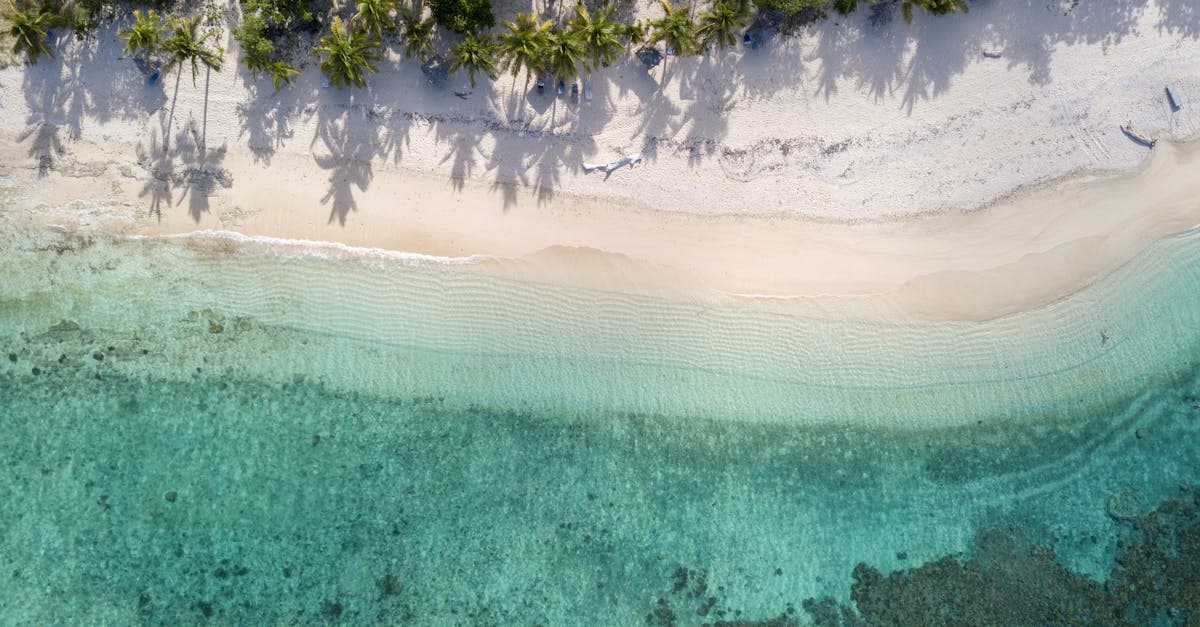
Rarotonga's two seasons look tidy on a calendar. What they actually mean for your trip depends on which activities are on the list.
The dry season runs May to October: temperatures between 23 and 26 degrees C, monthly rainfall of 65 to 100mm, and cyclone risk effectively zero. It's also when water visibility peaks on the outer reef, reaching 15 to 30 metres. That's the difference between a memorable dive and an expensive grey blur.
Wet season (November to April) is warmer, not colder. Temperatures run 27 to 29 degrees C. The trade-off is 130 to 260mm of monthly rainfall and real cyclone exposure. The Cook Islands' official cyclone season runs 1 November to 30 April, with January and February carrying the highest risk. Travel insurance isn't optional during those months.
Water temperature stays warm year-round: around 24 degrees C in the dry season, around 27 degrees C in the wet. Swimming is viable every month. Visibility on the outer reef isn't. From November to March, rainfall stirs up sediment and degrades underwater clarity significantly. A snorkelling morning planned around peak-season photos can disappoint badly during the wet months.
For activity planning, one distinction matters more than any other: Muri Lagoon is calm and sheltered in every season. Kayaking, stand-up paddleboarding, and family snorkelling in the lagoon work year-round without needing a favourable weather window. Outer reef diving is a different matter. Surge and reduced visibility during the wet months make it unreliable, and no honest operator will promise good conditions.
January and February deserve specific mention. In a bad cyclone year, flights cancel, resorts close, and weeks of planning evaporate. Comprehensive travel insurance for those months isn't caution, it's the minimum sensible call.
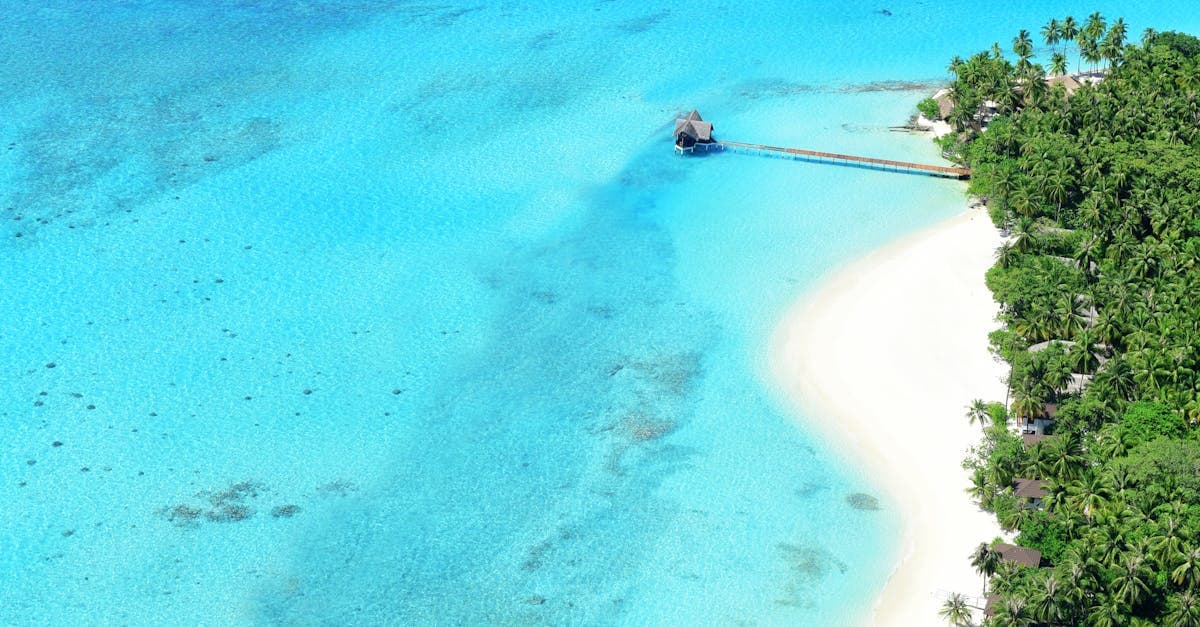
Picking a specific travel window? Here's what each month in the calendar actually delivers.
January and February. Cyclone risk is at its annual peak. The Cook Islands Billfish Tournament draws a dedicated fishing crowd during these months, but disruption is a genuine possibility if a storm tracks nearby. Return flights from Auckland are at their annual cheapest, around NZD 600 to 900. Come for the fishing or the budget. Carry comprehensive insurance either way.
March and April. The wet season winds down. Rainfall eases, conditions improve week by week, and you'll have beaches largely to yourself. Outer reef visibility improves by late April. A quiet, affordable entry point to the island.
May. The first full dry-season month, and the step-change is noticeable. Blue skies become reliable, reef clarity sharpens, and the crowds haven't arrived yet. Return fares run NZD 800 to 1,100. Near-July conditions for considerably less money and without the school holiday noise.
June. Dry-season conditions are fully established. A window of value before NZ school holiday pricing arrives. Fares typically sit in the NZD 1,000 to 1,600 range.
July. The driest month and the most popular. Te Maeva Nui Constitution Week (late July to early August) brings traditional dances, island sports, and cultural performances. A real reason to pay peak prices. Fares hit NZD 1,500 to 2,000 or more during NZ school holidays. Book at least five months ahead.
August. Humpback whales begin passing through the Cook Islands Whale Sanctuary. Te Maeva Nui runs into early August. Fares ease after the July peak but stay above shoulder levels.
September. Post-school-holiday pricing brings fares back to NZD 800 to 1,100, matching May. Whale watching continues. Conditions stay excellent and beaches are noticeably quieter than August. The strongest single month for flexible NZ travellers.
October. The Round Rarotonga Road Race (26km around the island) attracts runners from across the Pacific. Whale watching season closes. Quiet beaches, uncrowded dive sites, still firmly dry-season weather.
November. The Tiare Flower Festival opens the month. Vaka Eiva, one of the Pacific's largest outrigger canoe festivals, runs in late November. A compelling cultural draw, but the wet season officially begins 1 November.
December. Rainfall rises steadily and Christmas demand pushes fares to NZD 1,200 to 2,000 or more. The highest prices of the year for the most weather-variable conditions.
July has a compelling case. It's the driest month, water clarity is at its annual best, and Te Maeva Nui Constitution Week (late July to early August) brings traditional dances, island sports, and performances with no equivalent in any other month. For travellers planning specifically around Te Maeva Nui, the premium is justified.
The commitment involved is real, though. Popular dive operators and resorts fill their July calendars months before the season opens. Five months of lead time is the minimum, not a buffer. And flight costs during NZ school holidays make July the most expensive return trip in the calendar, a gap worth measuring against what the shoulder months actually offer.
May and September sit at 24 to 26 degrees C with around 80 to 100mm of monthly rainfall. July's rainfall is around 65mm. That's not a meaningful difference in daily experience. What is meaningful: shoulder fares run NZD 400 to 900 less per person than the July school holiday prices cited in the previous section, before accommodation is factored in. Six to eight weeks of booking lead time is typically sufficient for May or September, versus five months for July.
September has one advantage May doesn't. The humpback whale watching season runs August to October in the Cook Islands Whale Sanctuary, so September delivers dry-season snorkelling AND a wildlife activity that July simply can't offer. That combination tilts the value calculation firmly toward shoulder season for anyone without fixed school-date constraints.
Who should choose peak? Families with school-age children don't have much flexibility. Te Maeva Nui attendees planning around Constitution Week should book late July or early August specifically, and commit early. Travellers with fixed annual leave in July or August should stop deliberating.
Everyone else: May or September.

Yes, the wet season suits budget travellers, anglers, and festival-goers. The cheapest flights from Auckland depart in January and February, and that pricing tells you exactly what the season is for.
For budget-first travellers, the numbers work. Accommodation typically runs 20 to 40 percent cheaper than peak-season rates across the wet months. Combine that with the lower fare ranges noted in the earlier monthly breakdown, and a January trip costs significantly less than the same itinerary in July.
The events case is genuinely strong. Vaka Eiva, the Pacific's largest outrigger canoe festival, takes over Rarotonga in late November every year. It brings competitive racing, cultural performances, and a community atmosphere that isn't packaged for tourists. If Pacific paddling culture interests you at all, this festival is a legitimate reason to choose the wet season deliberately.
Early November brings the Tiare Flower Festival, a cultural introduction to the island that draws modest crowds compared to the July rush. Anglers already have the Billfish Tournament in their calendar, covered in the month-by-month section above.
The honest trade-offs: water visibility for diving and snorkelling degrades significantly between November and March. And the cyclone risk peaks in January and February. Comprehensive travel insurance isn't optional in those months. Without adequate cover, a grounded flight or extended weather delay can turn from inconvenient into genuinely expensive.
The wet season works when Rarotonga's beach is secondary to budget, a specific event, or fishing.
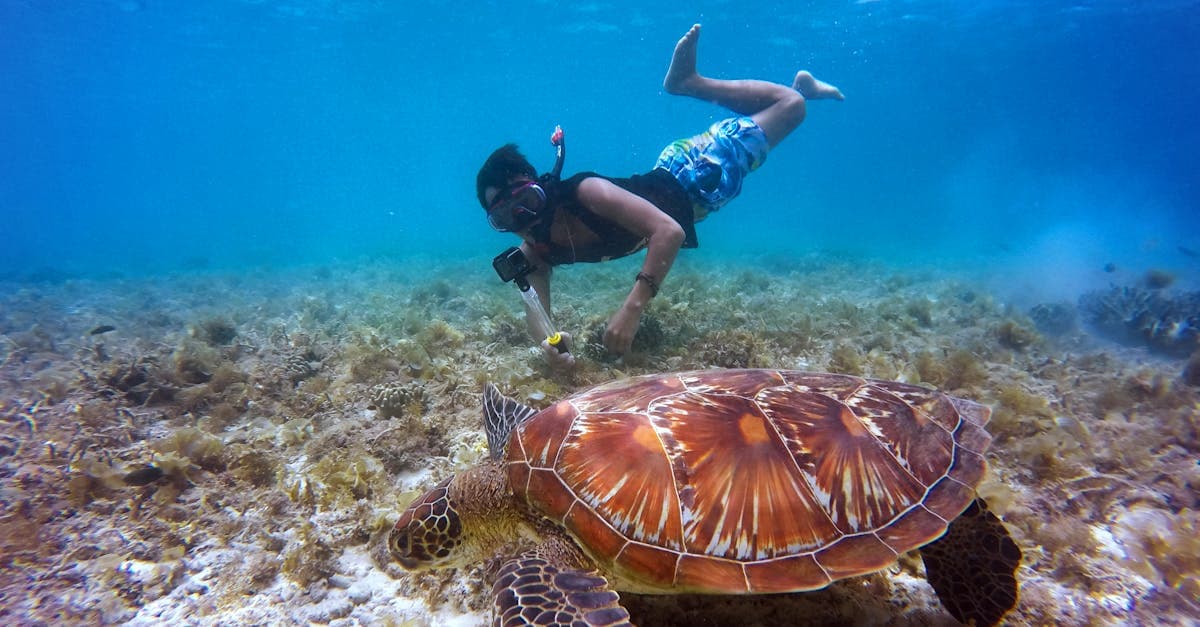
The best time for snorkelling and diving in Rarotonga is May to October, with peak underwater visibility from June to August. Humpback whale watching runs August to October. Two snorkelling experiences exist on the island, determined by where you enter the water.
Muri Lagoon, on the island's southeastern side, is sheltered and calm in every month of the year. Casual snorkellers can get in the water in February and find healthy reef fish and coral without worrying about swell or surface chop.
Out past the barrier reef, visibility can reach 30 metres or more during the dry season from May to October. From November through March, sediment and wet-season runoff cut that substantially.
Pass diving, which uses Rarotonga's natural channels through the barrier reef, is at its best from June to September. Reliable conditions, strong water clarity, the most predictable window for underwater work.
Humpback whales migrate through the Cook Islands Whale Sanctuary from August to October, with tours departing from Avarua. Genuinely underreported for an activity this good.
September sits at the centre of the activity calendar: whale watching still running, reliable dive visibility, settled weather, and flight prices that have eased back from the July spike. Water temperature stays warm enough for comfortable swimming year-round at the range noted in the seasons section, so marine life is present in every month, but dry-season conditions are where you'll actually see it clearly.
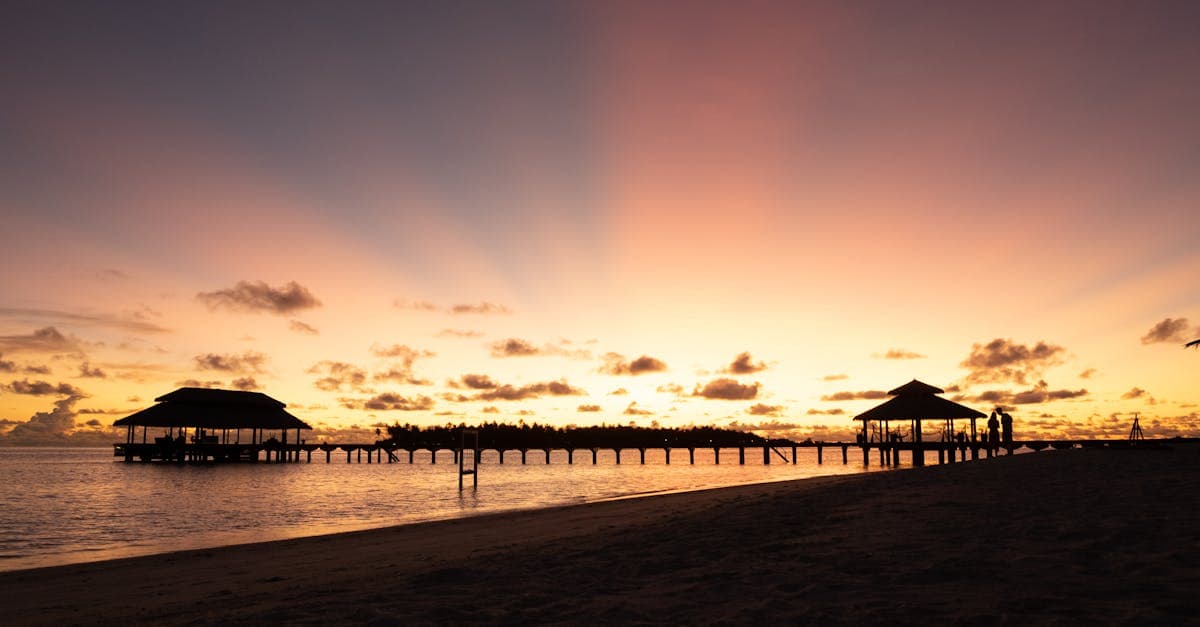
Your NZ phone will connect in Rarotonga. What you pay for data depends entirely on whether you sorted anything before boarding.
Cook Islands sits outside standard roaming plans from all three major NZ carriers: Spark, One NZ, and 2degrees. Nothing activates automatically when you land. The specific plan names and costs are covered in the next section, but the short version is that arriving without a plan sorted first carries real financial risk.
The local network is Bluesky, formerly Telecom Cook Islands. It runs 4G LTE along Rarotonga's main coastal road and through Avarua. Coverage gets patchy heading inland and thins out on outer islands like Aitutaki. For beach clubs, restaurants, and the tourist zone around Avarua, it handles everyday use without issue.
Three practical options exist for NZ travellers. Add a carrier roaming pack before departure. Activate a Cook Islands eSIM before you board, which means no SIM swap on arrival and coverage working from the moment your flight lands. Or buy a local Bluesky SIM at the airport arrivals hall in Avarua, costing around NZD 15 to 30 for 2 to 5GB of prepaid data, the cheapest route for stays of five days or more.
Resort WiFi is available at most mid-range properties, typically running at 5 to 20 Mbps. Fine for messaging and video calls. For anything requiring sustained reliability, supplement hotel WiFi with mobile data.
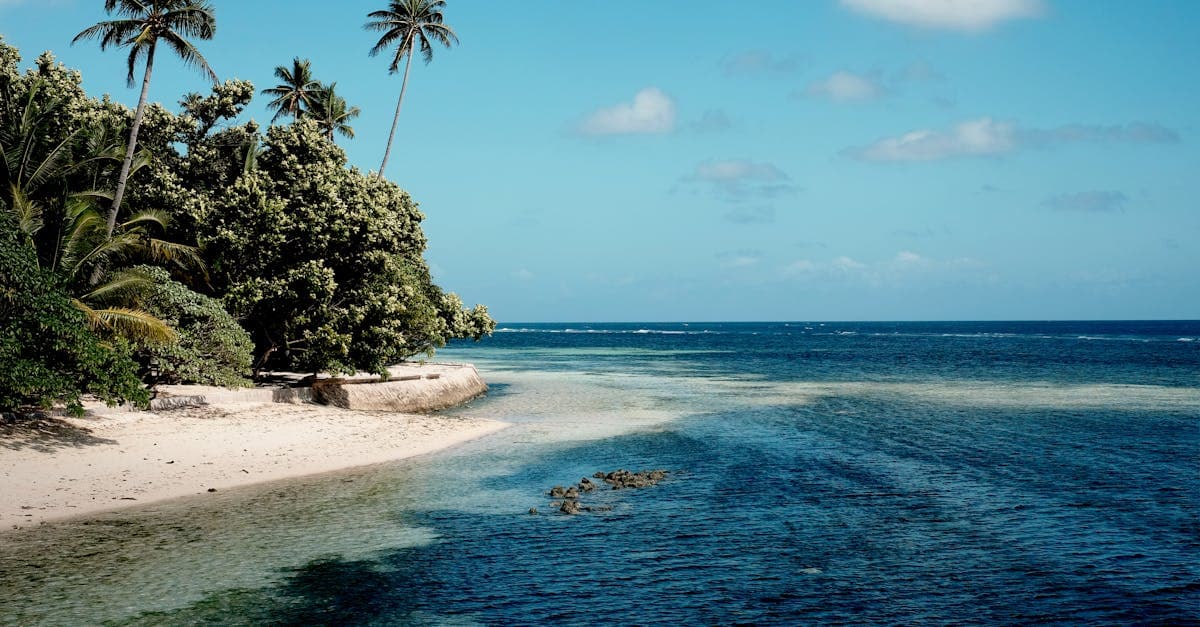
A week of casual data use in Rarotonga without a plan in place can cost NZD 50 to NZD 200 or more in roaming charges. It's not a billing glitch. It's expected behaviour from plans that simply don't include Cook Islands.
Spark's Roam Like Home doesn't cover Cook Islands. A separate daily add-on is required, priced at NZD 6 to 10 or more per day. One NZ's Roam Further also excludes Cook Islands, defaulting to standard international per-megabyte rates that compound quickly once background apps start refreshing. 2degrees requires a specific Pacific pack that isn't applied automatically to any existing plan.
Background data alone, apps refreshing while the phone sits in a bag, can drive charges higher than most people anticipate. Turning off mobile data entirely and relying on resort WiFi is one way to manage it, though impractical if you need maps or messaging while you're out.
Hello Roam offers a Cook Islands eSIM that activates before departure. No carrier add-on required, no SIM swap on arrival. Current plan options and pricing for Cook Islands are listed on the Hello Roam website.
The simplest prevention is a five-minute carrier check before you leave. Pull up your carrier's Cook Islands roaming page, confirm exactly what applies to your current plan, and act before boarding. That's the entire fix.
Three options cover data in Cook Islands, and the right one comes down to how long you're staying and whether you want everything sorted before you board.
Hello Roam eSIM activates before departure from New Zealand, runs on the Bluesky network, and skips the physical SIM swap entirely. That pre-departure setup matters more than it sounds: arriving at Rarotonga Airport without a data plan means either queuing at the Bluesky counter in arrivals or navigating setup on patchy airport WiFi. For short and medium-length stays, it's the most convenient route. Check helloroam.com for current Cook Islands plans and pricing.
Airalo is the main eSIM alternative, also routing through Bluesky with confirmed Cook Islands coverage. Packages run around USD $5 to $15 depending on your data allowance. Support is async (chat and email), which suits most situations but is slower if something goes wrong mid-trip.
Local Bluesky prepaid SIM is the cheapest option by a clear margin. Grab one at Rarotonga Airport arrivals hall or in Avarua town for NZD $15 to $30. The data allowance stretches further than either eSIM at the same price, which is why it makes sense for stays of five or more days. The trade-off is physical: you'll pull your NZ SIM and need to keep it safe until you're home.
Coverage is reliable along Rarotonga's coastal ring road and in Avarua. Move inland or into valley areas and signal drops off. Downloads reach up to 25 Mbps under clear conditions, though peak-season congestion pulls that figure down noticeably.
Short visit: eSIM sorted before departure. Longer stay: the physical SIM swap is worth it for the savings.

May and September are the best months to visit Rarotonga for NZ travellers. Both offer solid dry-season weather with temperatures of 24 to 26 degrees C and monthly rainfall of 80 to 100mm, without the peak school holiday airfares of July.
Rarotonga's dry season runs from May to October. Temperatures sit between 23 and 26 degrees C with monthly rainfall of 65 to 100mm, and cyclone risk is effectively zero during this period.
The Cook Islands official cyclone season runs from 1 November to 30 April, with January and February carrying the highest risk. Comprehensive travel insurance is strongly recommended if visiting during those months.
Air New Zealand flies direct from Auckland to Rarotonga in around 3.5 to 4 hours. There is no connection or overnight transit required.
July is the peak tourist season in Rarotonga. It is the driest month and coincides with the NZ winter school holidays and Te Maeva Nui Constitution Week. Return fares from Auckland can reach NZD 1,500 to 2,000 or more, and popular resorts and dive operators should be booked at least five months in advance.
Te Maeva Nui is Cook Islands Constitution Week, held in late July to early August. It features traditional dances, island sports, and cultural performances and is the most significant cultural event on Rarotonga's calendar.
The best time for snorkelling in Rarotonga is May to October, when outer reef visibility can reach 15 to 30 metres. Muri Lagoon is sheltered and suitable for snorkelling year-round, but outer reef clarity degrades significantly from November to March due to wet-season runoff and sediment.
Humpback whales migrate through the Cook Islands Whale Sanctuary from August to October. Whale watching tours depart from Avarua, and September is particularly well-regarded as it combines whale watching with dry-season diving conditions and lower shoulder-season airfares.
The best time for diving in Rarotonga is May to October, with peak underwater visibility from June to August. Pass diving through the barrier reef is most reliable from June to September, offering clear water and settled conditions.
Yes, the wet season suits budget travellers, anglers, and festival-goers. Accommodation typically runs 20 to 40 percent cheaper than peak-season rates, flights in January and February are at their annual cheapest, and events like Vaka Eiva (late November) and the Billfish Tournament (January to February) are compelling reasons to visit. The main trade-offs are reduced diving and snorkelling visibility and real cyclone risk in January and February.
Vaka Eiva is one of the Pacific's largest outrigger canoe festivals, held in late November in Rarotonga. It features competitive racing, cultural performances, and a community atmosphere. It is a legitimate reason to visit during the wet season for those interested in Pacific paddling culture.
Return airfares from Auckland to Rarotonga vary significantly by season. Shoulder months like May and September typically run NZD 800 to 1,100, July school holiday fares reach NZD 1,500 to 2,000 or more, and January to February budget fares can be as low as NZD 600 to 900.
Water temperature in Rarotonga is warm year-round. It sits around 24 degrees C during the dry season (May to October) and around 27 degrees C during the wet season (November to April), making swimming viable in every month.
Your NZ phone will connect in Rarotonga, but Cook Islands sits outside the standard roaming plans of Spark, One NZ, and 2degrees, so nothing activates automatically on arrival. You need to add a carrier roaming pack before departure, activate a Cook Islands eSIM before boarding, or purchase a local Bluesky SIM at Avarua airport for around NZD 15 to 30.
Rarotonga's local network is Bluesky, formerly Telecom Cook Islands. It runs 4G LTE along the main coastal road and through Avarua. Coverage can be patchy inland and on outer islands like Aitutaki, but it handles everyday use reliably in the tourist zone.
January and February offer the cheapest flights from Auckland, with return fares typically around NZD 600 to 900. These months also see the lowest accommodation rates, at 20 to 40 percent below peak-season prices, though they fall within the wet season and peak cyclone risk period.
September is considered the strongest single month for flexible NZ travellers. It offers post-school-holiday pricing with return fares around NZD 800 to 1,100, continued dry-season weather and diving conditions, noticeably quieter beaches than August, and humpback whale watching that July cannot offer.
The Round Rarotonga Road Race is a 26km running event around the island held in October. It attracts runners from across the Pacific and falls within the dry season, when beaches are uncrowded and dive sites are quiet.
Best eSIM for Japan in 2026: a Guide for New Zealand Travellers

New Zealand Travel Itinerary Template: Plan Your Perfect NZ Road Trip in 2026
Budget Flights to New Zealand in 2026: the Complete Booking Guide
25 Best Things to Do in Bali: the Complete Guide for New Zealand Travellers in 2026
HelloRoam: your trusted travel eSIM that keeps you online across borders.
Explore Plans