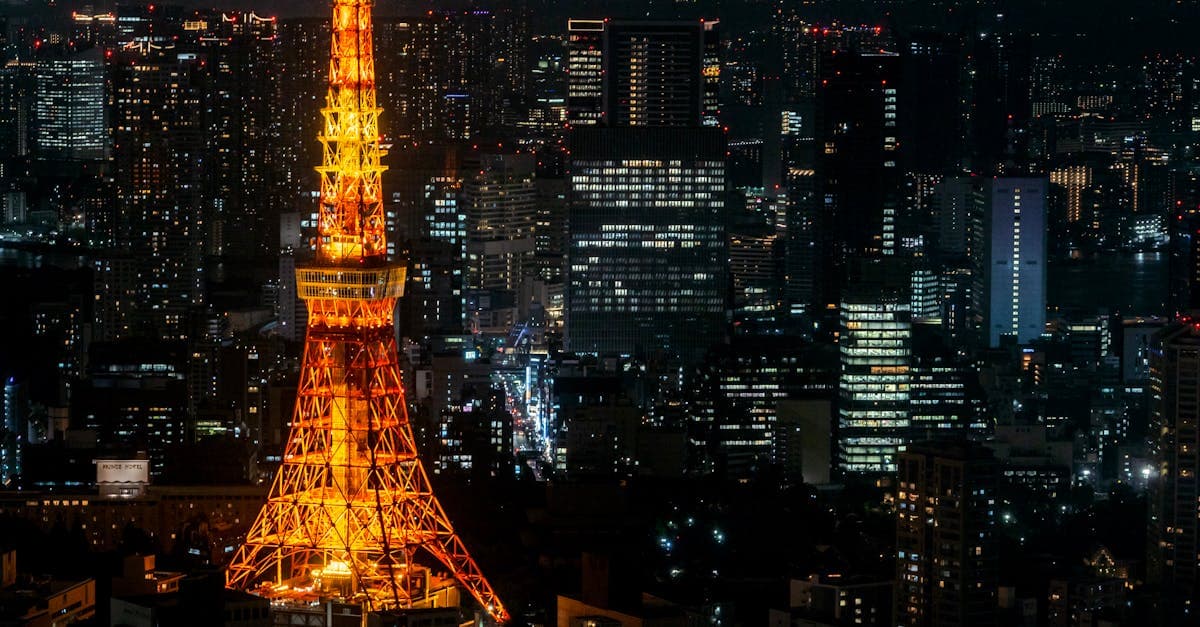
Best Time to Visit Japan: a Month-by-month Guide for 2026

Written by: Sarah Mitchell


13 min read
HelloRoam is a global eSIM provider offering instant mobile data in 170+ countries. Buy prepaid travel eSIM plans with no roaming fees, no contracts, and instant activation on any eSIM-compatible device.
13 min read
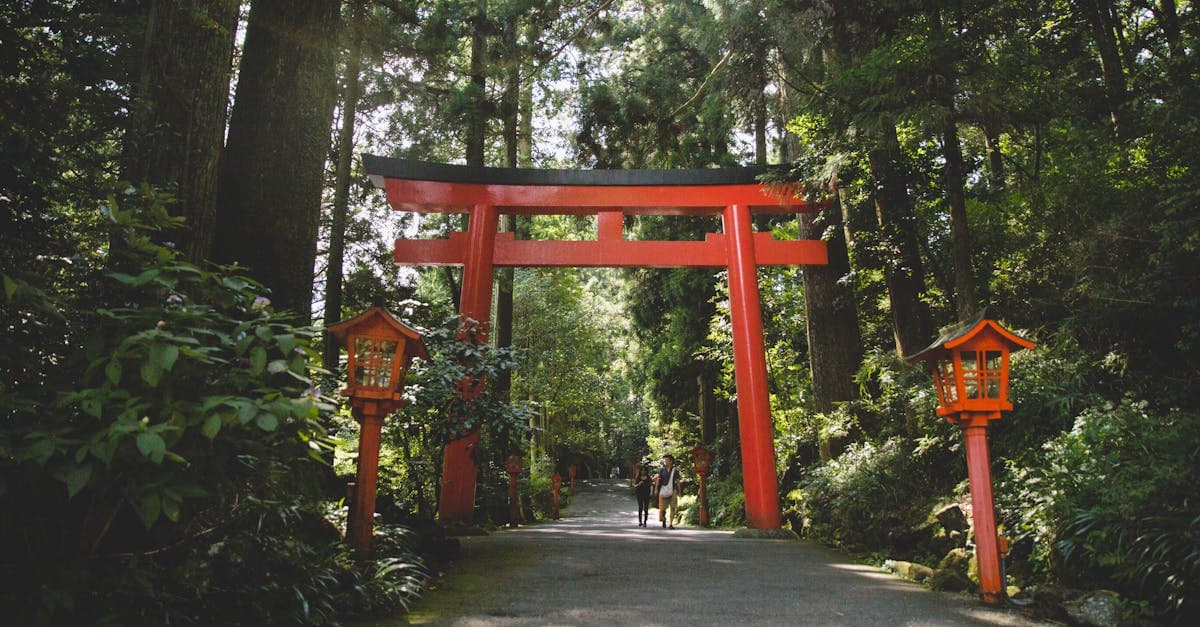
Tokyo's cherry blossoms typically peak late March to early April boutiquejapan.com. The 2025 window ran March 25 to April 5, with Kyoto following 5 to 7 days later. Hokkaido doesn't bloom until late April to early May, giving travelers with flexible itineraries a separate northern window to work with.
Hotels near prime hanami spots sell out 6 to 9 months in advance. Japan's hotel room supply runs roughly 14% below domestic demand even in shoulder periods, and peak sakura pushes last-minute options out of reach in major cities at any price. Rates during cherry blossom season in Tokyo and Kyoto routinely track above Paris or London for comparable dates.
The crowds have crossed a threshold that makes spring worth reconsidering for some travelers. Since 2024, Maruyama Park, the Meguro River, and Kyoto's Philosopher's Path have all introduced entry controls, photography restrictions, and paid access points. The bloom is still extraordinary. But you're managing a structured, high-volume event, not strolling through quiet streets.
Spring fares from the US run well above the winter range shown in the table above. Across a two-week trip, that flight premium is meaningful before you account for elevated hotel rates.
The Japan Meteorological Corporation publishes daily bloom progress updates starting weeks before peak. The 2026 cherry blossom forecast is expected to track late-March norms for Tokyo, though actual timing shifts by a week or more based on winter temperatures. Build that variability into your arrival date before committing to non-refundable tickets.
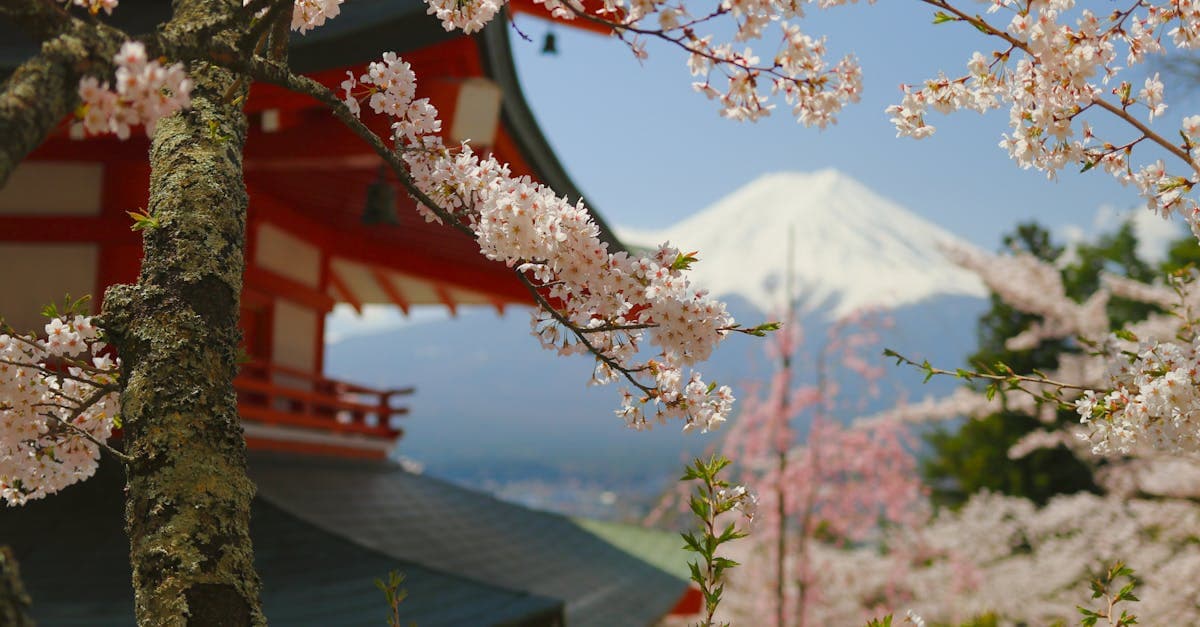
Spring is Japan's most demand-intensive travel season, with cherry blossom crowds intrepidtravel.com and Golden Week combining to produce the highest prices and tightest availability of the year. Golden Week runs April 29 to May 6 and represents Japan's single largest domestic travel period. Shinkansen between Tokyo and Osaka or Kyoto sell out 3 to 4 weeks in advance. Hotels at popular destinations run 2 to 3x their already-elevated late spring rates, making this the most expensive week of the year for foreign visitors on the main tourist circuits. Travelers whose dates overlap should book all bullet train tickets and accommodation at least 4 to 6 weeks ahead.
The stronger play is to reroute entirely. Tohoku, northern Kyushu, and Shikoku draw far fewer domestic tourists during Golden Week. All three offer comparable castle towns, coastline, and mountain scenery at normal prices, with Shinkansen seats actually available. The cultural depth is real.
For spring itineraries spanning cherry blossom season into Golden Week, the 14-day Japan Rail Pass gives you the flexibility to move between regions as domestic crowds shift. Secure hanami accommodation to the advance booking window mentioned in the previous section. Then download the Japan Meteorological Corporation bloom tracker before departure and use it to dial in your precise timing as the sakura front moves north.
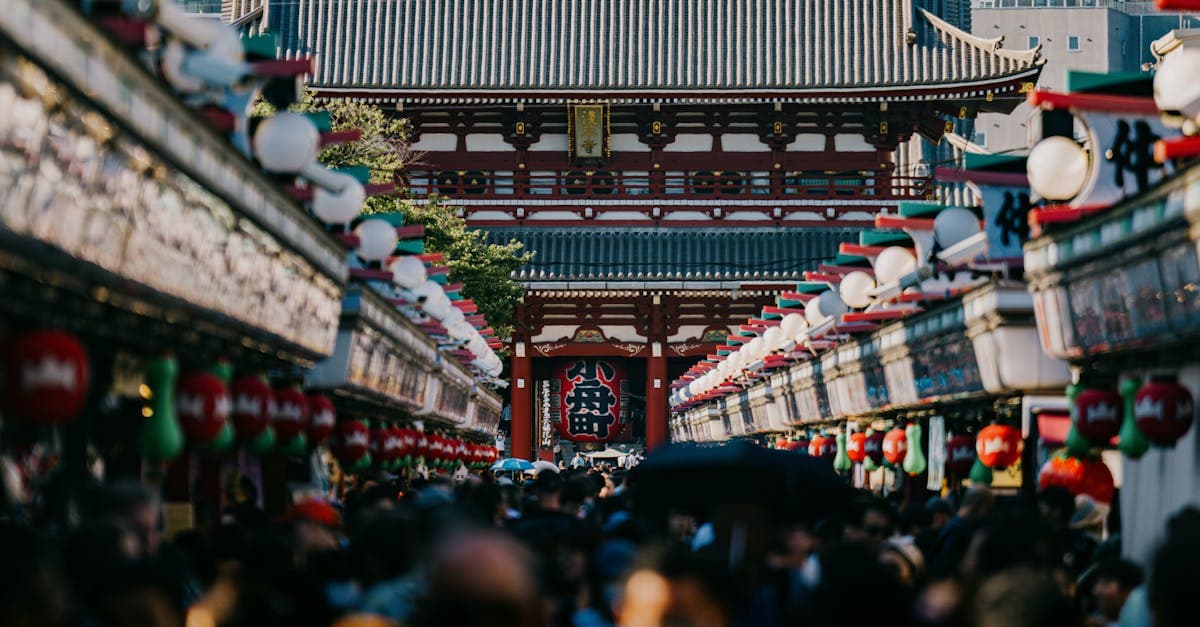
Travelers who shift to summer after Golden Week trade peak-season pricing for heat and humidity. High humidity is summer's defining feature in Japan, not just the heat. July and August in Tokyo average 77 to 95°F (25 to 35°C) with humidity above 80% on most days, making it the most physically demanding season for visitors from the US. The trade-off is real savings: flights drop considerably below the spring peak and hotel availability loosens significantly.
Japan's summer festival calendar is a genuine reason to visit despite the conditions. Gion Matsuri in Kyoto runs all of July. Obon falls in mid-August. Regional fireworks festivals (hanabi taikai) run every weekend from late July through August, and some are worth building a leg of your itinerary around.
Rainy season (tsuyu) runs early June to mid-July on the mainland, with rain on roughly half of all days and humidity hitting 85 to 90%. Okinawa enters tsuyu about two weeks earlier than the mainland. Typhoon season peaks August to September, averaging 2 to 3 significant storms affecting Honshu per season. Real-time mobile data for storm tracking is a practical necessity at this point in the calendar. Hello Roam's eSIM for United States covers the Docomo and SoftBank networks with instant activation before departure, at ~$15 to $25 for seven days.
Late June and the first two weeks of September give summer travelers the best return. Post-tsuyu skies clear by late June. Early September sits past the peak typhoon window and precedes the fall foliage price increases.
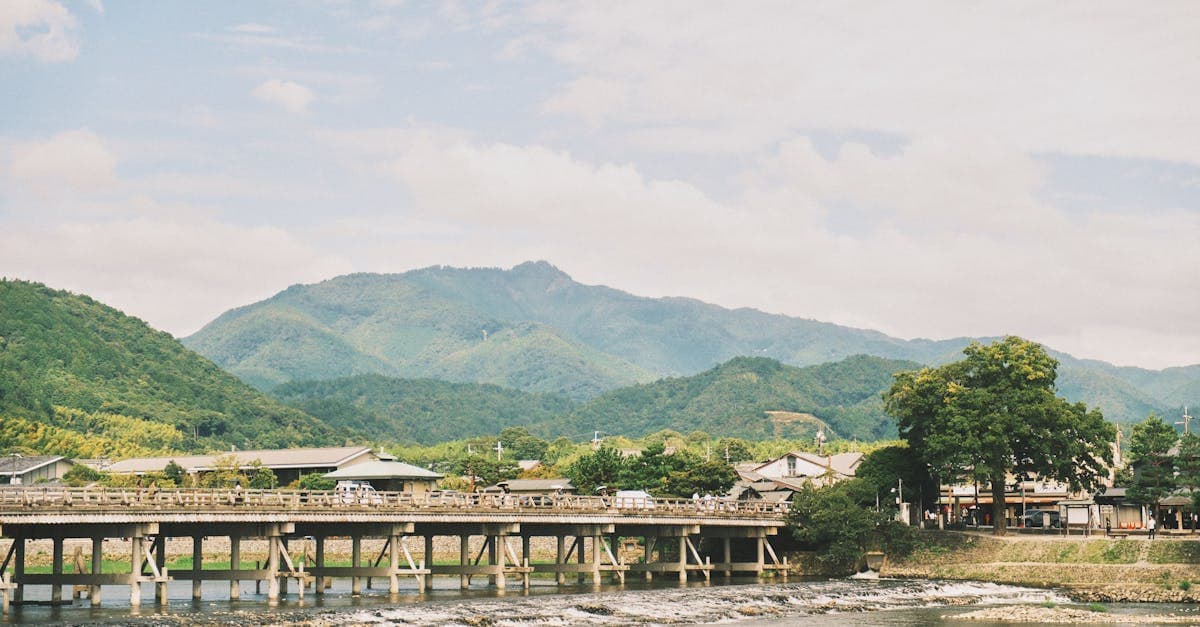
Tokyo in July sits at 25 to 35°C (77 to 95°F) with humidity that regularly exceeds 80%. It's the most physically demanding season for American visitors, and the tradeoff is real: flights drop to $700 to $1,000 round trip and hotel availability opens up significantly compared to spring peak.
Before the heat fully arrives, rainy season (tsuyu) runs early June to mid-July. Expect precipitation on roughly half of all days and humidity climbing to 85 to 90%. Okinawa enters tsuyu about two weeks earlier than mainland Japan, which matters if your itinerary includes the southern islands. Crowds thin and prices follow.
Summer's strongest case is the festival calendar. Gion Matsuri in Kyoto runs the entire month of July, a centuries-old procession that fills the city's streets with lanterns and floats. Obon celebrations arrive in mid-August, when millions of Japanese return to their hometowns for ancestral observances, and regional fireworks festivals (hanabi taikai) run every weekend from late July through August. These aren't tourist-facing spectacles. They're worth planning a trip around.
Typhoon season peaks from August into September, with an average of two to three significant storms affecting Honshu per season. Travel insurance isn't optional here. Neither is real-time storm tracking, which requires reliable mobile data to use effectively. The cleaner windows within summer are late June after the heaviest rains clear, or the first two weeks of September before fall foliage pricing begins.
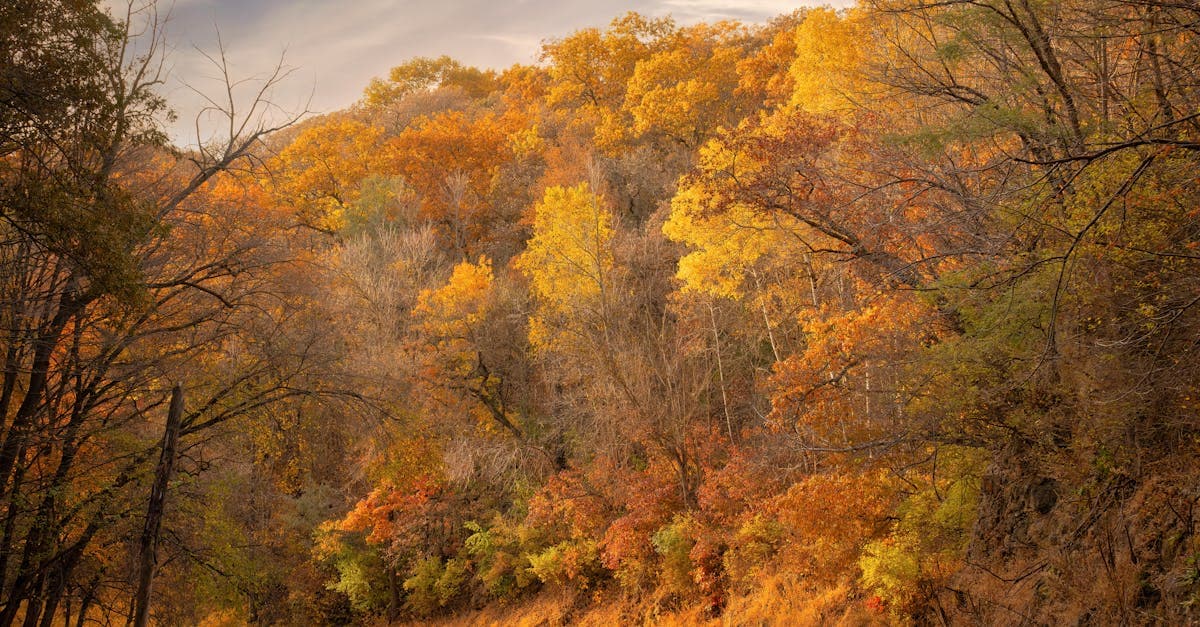
Nikko's maples peak in mid-October, well before Kyoto's foliage crowds build. That timing creates a six-week window for US travelers: catch Tohoku and Nikko in mid-to-late October, shift to Kyoto for peak koyo (fall color) in mid-to-late November, or linger into Tokyo's late-November-to-early-December color stretch.
October is the season's underrated value window. Typhoon activity drops sharply, Tokyo temperatures settle into 13 to 20°C (55 to 68°F), and hotel rates run measurably below what those same properties charge once the Kyoto foliage rush peaks in November. Repeat visitors consistently rank fall as their preferred season enchantingtravels.com, and October specifically comes up most often when you push them to name a month.
Foliage timing is also more predictable than cherry blossoms. The koyo front moves steadily south and down in elevation, sparing you the week-long forecast anxiety that accompanies sakura planning.
Winter opens a completely different Japan. Hokkaido's Niseko and Furano offer some of the best powder skiing in Asia, and the Sapporo Snow Festival in February draws roughly 2 million visitors in a single week around the massive snow sculptures lining Odori Park. January and February produce the cheapest flights of the year, well below any other season. Onsen culture also peaks in winter, an angle the tourism marketing reliably undersells.
New Year, known as Oshogatsu, runs January 1 to 3. Many restaurants and shops close for the holiday. Visiting Meiji Jingu in Tokyo or Fushimi Inari in Kyoto for hatsumode, the first shrine visit of the new year, is one of the more culturally specific experiences available to foreign visitors across any season.
Japan's geography reshapes every seasonal calculation. Kyushu winters are mild at around 15°C (59°F), making Fukuoka and Nagasaki solid winter city-break options. Okinawa stays warm year-round at 18 to 22°C (64 to 72°F), effectively a separate destination category: beach and diving when the rest of Japan is in wool.
January and February are consistently the cheapest months for US travelers instagram.com. Round-trip flights from major US gateways run $600 to $850, and Tokyo hotel rates land 30 to 40% below spring peaks, making winter the most affordable season by a clear margin.
June is the second budget window instagram.com. Rainy season depresses demand enough that flights and hotel availability improve noticeably. A prepared itinerary, one that builds in museum days, covered market visits, and ramen shops on heavy-rain afternoons, handles the weather without much disruption.
The table below focuses on hotel costs and booking lead times by season, data most competitor articles skip entirely.
Booking lead time matters as much as season selection. Spring and fall foliage trips require six months of advance planning to secure reasonable hotel options near popular sites. January departures can typically be booked 6 to 8 weeks out with solid availability, which is unusually flexible for a long-haul destination.
The yen exchange rate has added another layer of value for US travelers. The yen traded at 150 to 160 per USD through 2024 to 2025, lowering in-country costs roughly 20 to 30% compared to pre-2022 rates. Winter 2026 continues that trend for travelers comfortable with cold weather.
Rail pass strategy shifts with the season. The 14-day Japan Rail Pass (currently ~$479) delivers maximum value when your itinerary spreads across multiple regions in fall or winter. Spring visitors concentrated on the Tokyo-to-Kyoto corridor may not recoup the cost.

Japan has historically been the world's largest pocket WiFi rental market, a quirk no other major tourist destination shares. That market is eroding fast. eSIM has overtaken rental devices as the practical choice for most US travelers, and understanding why matters more here than elsewhere.
Data is non-negotiable for Japan navigation. Google Maps and Hyperdia are essential for routing Shinkansen connections, subway transfers, and bus-to-trailhead segments that Japanese travelers handle intuitively. Free WiFi exists at major stations and on Shinkansen cars, but convenience store and restaurant connections are inconsistent, and rural areas have almost none.
US carrier roaming adds up quickly. AT&T's International Day Pass and Verizon TravelPass both run $12 per day. On a two-week trip, that's $168 to $240 in charges before any in-country spending. T-Mobile Magenta includes 5 GB of high-speed data internationally, then drops to 256 kbps, which is inadequate for the continuous map routing Japan's transit system demands.
Japan's networks have one technical wrinkle worth knowing before you leave home. NTT Docomo offers the widest rural coverage and supports the most US-compatible frequency bands. Some budget Android phones miss Band 19, the lower-frequency channel that extends coverage into rural areas and on hiking trails. If your itinerary includes the Japan Alps or remote onsen towns, confirm your device's band support in advance.
The data needs extend well beyond maps. Real-time cherry blossom bloom trackers updated daily by the Japan Meteorological Corporation, restaurant reservations via Tabelog, QR-code menus, PayPay mobile payments, and transit IC cards via Apple Pay all require a live connection. In Japan, your phone is infrastructure.
Four options cover most US travelers' connectivity needs in Japan, and they're not equally suited to every itinerary.
Activation timing and support access affect real-world Japan travel more than they would in a simpler destination. Transit complexity, data-dependent reservation systems, and the bandwidth demands of real-time navigation mean a connectivity gap has outsized consequences.
Hello Roam activates before you leave the US, runs on Docomo or Softbank coverage, and includes 24/7 customer support from the moment you land. During cherry blossom season, that instant-on matters specifically: your bloom tracker is running before you clear baggage claim, with no rental booth queue consuming time you could spend at a bloom site.
Airalo is the well-reviewed budget option among US travelers. Setup requires the Airalo app before departure, and there's no live support. For straightforward city itineraries, that tradeoff works. For rural or mountainous routes where Band 19 coverage becomes relevant, the support gap is a genuine consideration, not a theoretical one.
Pocket WiFi is declining for good reason. Nightly charging, airport counter pickup, and rural signal degradation are hard to justify now that eSIM coverage has expanded across Japan's major networks.
For Japan connectivity, the question isn't whether to get data. It's which format fits your itinerary.
$5,000 covers a comfortable 10 to 14-day Japan trip for most US travelers, with timing as the deciding factor. Book in January or June and you'll likely come in under budget. Cherry blossom season adds $350 to $600 in flight and hotel premiums, pushing the same itinerary to $5,500 to $6,000.
The major 10-night costs break down like this: accommodation at $80 to $140 per night ($800 to $1,400 total), the 14-day JR Pass at the price covered in the budget section above, food at $40 to $60 per day for a 14-day total of $560 to $840, and activities plus entry fees generally running under $400. Add the round-trip flight at each season's pricing noted earlier and a spring trip typically lands between $4,000 and $5,500 before shopping.
The yen is working in US travelers' favor right now. At 2025 exchange rates, $100 converts to roughly 15,500 yen. A 5,000 yen counter-ramen dinner in Shinjuku costs about $3.25 less than it would have at 2019 rates, and that gap compounds across 14 days of eating.
Winter travelers can complete a 12-night trip for $3,500 to $4,000 all-in. Cherry blossom travelers targeting Kyoto and Tokyo at comparable hotel quality should budget $5,500 to $7,000. The $5,000 figure works, just not during peak sakura week.
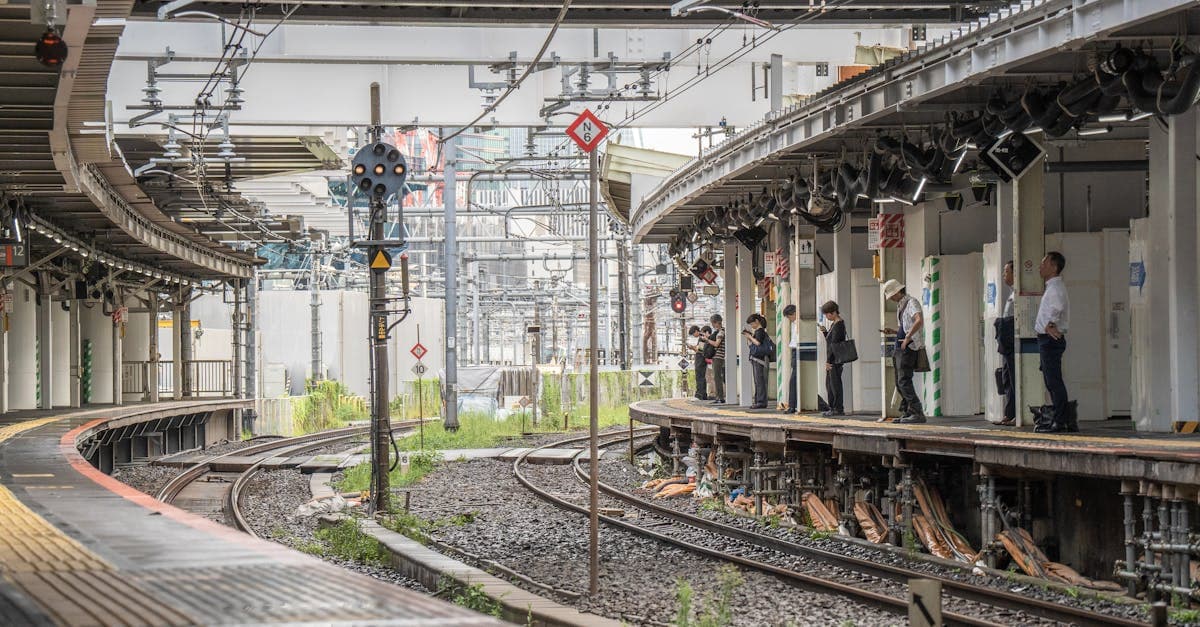
Japan's Shinkansen logs an average annual delay of under 30 seconds across the entire network. That single fact explains the social logic behind the five-minute rule: in Japanese professional and hospitality contexts, arriving at the stated time is functionally late. Five minutes early is on time.
Most guided experiences, including Arashiyama bamboo boat tours, tea ceremony bookings, and kaiseki dinners, start at the scheduled minute with no grace period. A subway delay that puts you at the door exactly at reservation time may cost you the entire experience.
Build a five-to-ten-minute buffer into every scheduled activity, especially the first week navigating Tokyo or Osaka's multi-line subway systems. Assuming a clean transfer is a planning error. The Yamanote and Midosuji lines run reliably, but a miscounted stop or a platform change is easy enough when everything is in kanji.
The math is direct: a missed pre-paid $80 tea ceremony due to a three-minute delay costs you that amount regardless of what season you're visiting. Kaiseki dinners in Kyoto often run considerably higher, and cancellation windows are typically 24 to 48 hours out. Calling ahead the moment a delay becomes apparent, via a data-connected phone, salvages most situations that a buffer alone cannot.

January and February are consistently the cheapest months for US travelers, with round-trip flights from major US gateways running $600 to $850 and Tokyo hotel rates landing 30 to 40% below spring peaks. June is the second budget window, as rainy season depresses demand enough that flights and hotel availability improve noticeably. A prepared itinerary that builds in indoor activities handles the June weather without much disruption.
October is consistently named the best month by repeat visitors, offering mild temperatures of 13 to 20°C (55 to 68°F), lower prices than spring, and minimal typhoon risk. Late March to early April is the most popular window for cherry blossoms but brings the highest prices and largest crowds of the year. For budget-focused travelers, January and February offer the lowest costs across flights, hotels, and rail.
Yes, $5000 can cover a two-week trip if you travel in winter or summer. Winter round-trip flights run $600 to $850, Tokyo hotels average $110 to $180 per night, and the 14-day Japan Rail Pass costs around $479. The yen exchange rate of 150 to 160 per USD lowers in-country costs by roughly 20 to 30% compared to pre-2022 rates, adding further budget flexibility.
Tokyo's cherry blossoms typically peak late March to early April, with Kyoto following 5 to 7 days later. Hokkaido doesn't bloom until late April to early May, giving travelers with flexible itineraries a separate northern window. The 2026 forecast is expected to track late-March norms for Tokyo, though actual timing shifts by a week or more based on winter temperatures.
Hotels near prime cherry blossom viewing spots sell out 6 to 9 months in advance. Japan's hotel room supply runs roughly 14% below domestic demand even in shoulder periods, and peak sakura pushes last-minute options out of reach in major cities at any price. Rates during cherry blossom season in Tokyo and Kyoto routinely track above comparable dates in Paris or London.
Golden Week runs April 29 to May 6 and represents Japan's single largest domestic travel period, combining multiple public holidays. Shinkansen between Tokyo and Osaka or Kyoto sell out 3 to 4 weeks in advance, and hotels at popular destinations run 2 to 3 times their already-elevated late spring rates. Travelers whose dates overlap should book all bullet train tickets and accommodation at least 4 to 6 weeks ahead.
Tokyo in July averages 25 to 35°C (77 to 95°F) with humidity regularly exceeding 80%, making it the most physically demanding season for visitors from the US. Rainy season (tsuyu) runs early June to mid-July, with precipitation on roughly half of all days and humidity climbing to 85 to 90%. Typhoon season peaks August into September, averaging 2 to 3 significant storms affecting Honshu per season.
Gion Matsuri in Kyoto runs the entire month of July, a centuries-old procession filling the city's streets with lanterns and floats. Obon celebrations arrive in mid-August, when millions of Japanese return to their hometowns for ancestral observances. Regional fireworks festivals (hanabi taikai) run every weekend from late July through August.
Nikko's maples peak in mid-October, while Kyoto's peak foliage arrives in mid-to-late November and Tokyo's color stretches from late November into early December. The koyo front moves steadily south and down in elevation, making fall foliage timing more predictable than cherry blossoms. This creates a six-week window for US travelers to follow the color across multiple regions.
October is an underrated value window for visiting Japan. Typhoon activity drops sharply, temperatures settle into a comfortable 13 to 20°C (55 to 68°F) in Tokyo, and hotel rates run measurably below what those same properties charge once the Kyoto foliage rush peaks in November. Repeat visitors consistently rank fall as their preferred season, with October coming up most often when naming a specific month.
Oshogatsu is Japan's New Year holiday, running January 1 to 3, during which many restaurants and shops close. Visiting Meiji Jingu in Tokyo or Fushimi Inari in Kyoto for hatsumode, the first shrine visit of the new year, is one of the most culturally specific experiences available to foreign visitors. January is also one of the cheapest months of the year for flights and hotels.
eSIM has overtaken pocket WiFi rentals as the practical choice for most US travelers. US carrier roaming options like AT&T International Day Pass and Verizon TravelPass run $12 per day, totaling $168 to $240 on a two-week trip. Japan's NTT Docomo network offers the widest rural coverage and supports the most US-compatible frequency bands.
T-Mobile Magenta includes 5 GB of high-speed data internationally, then drops to 256 kbps. That reduced speed is inadequate for the continuous map routing Japan's transit system demands. For navigation-heavy travel involving Shinkansen connections, subway transfers, and remote areas, a dedicated eSIM or local data plan is a more practical option.
The 14-day Japan Rail Pass costs approximately $479 and delivers maximum value when your itinerary spreads across multiple regions such as Tohoku, Kyushu, or Hokkaido alongside the main Honshu circuit. Fall and winter travelers covering significant ground benefit most from the pass. Spring visitors concentrated on the Tokyo-to-Kyoto corridor may not recoup the full cost.
The yen traded at 150 to 160 per USD through 2024 to 2025, lowering in-country costs roughly 20 to 30% compared to pre-2022 rates. This makes meals, local transport, and accommodation considerably more affordable than in previous years for travelers from the US. Winter 2026 continues that trend, compounding the already-low seasonal prices.
HelloRoam: your trusted travel eSIM that keeps you online across borders.
Explore Plans