Best Europe SIM Card for Canadians in 2026: eSIM Vs Physical Options Compared

Written by: Sarah Mitchell


12 min read
HelloRoam is a global eSIM provider offering instant mobile data in 170+ countries. Buy prepaid travel eSIM plans with no roaming fees, no contracts, and instant activation on any eSIM-compatible device.
12 min read
According to traveltomtom.net, Rogers, Bell, and Telus each charge CAD $12 to $15 per day for European roaming. That's the complete daily fee, activated the moment your phone connects to a foreign network and uses any data: check your email, open a map, receive a push notification, and the day is billed. No Canadian carrier offers a pay-per-megabyte option in Europe; the full daily rate applies from the first byte transferred.
That per-day structure carries a detail worth understanding before you leave. SMS and incoming calls are generally bundled into the daily fee, keeping your Canadian number reachable while you're abroad. Outgoing international calls are charged separately on top, not folded into the flat daily rate.
A dedicated Europe SIM card purchased as an eSIM from providers like Hello Roam, Nomad, and Airalo typically costs CAD $20 to $45 for the entire trip, not per day, according to traveltomtom.net. That gap works out to a saving of 70 to 85 per cent over the carrier roaming rate. The table below shows how quickly the daily charge compounds across standard trip lengths.
eSIM range reflects flat-rate 30-day plans from major providers. Carrier totals calculated at $12 to $15/day.
The eSIM cost for ten- and fourteen-day trips looks nearly identical in that table. Most flat-rate plans price the same whether your trip runs ten days or two weeks, while the carrier fee adds another full daily charge with every morning you wake up in Europe.

Choosing between a physical Europe SIM card and an eSIM comes down to three questions: does your phone support eSIM, how many countries does your trip cover, and would you rather handle setup before boarding or after landing? Neither option is inherently better; the right choice depends on your itinerary and your device.
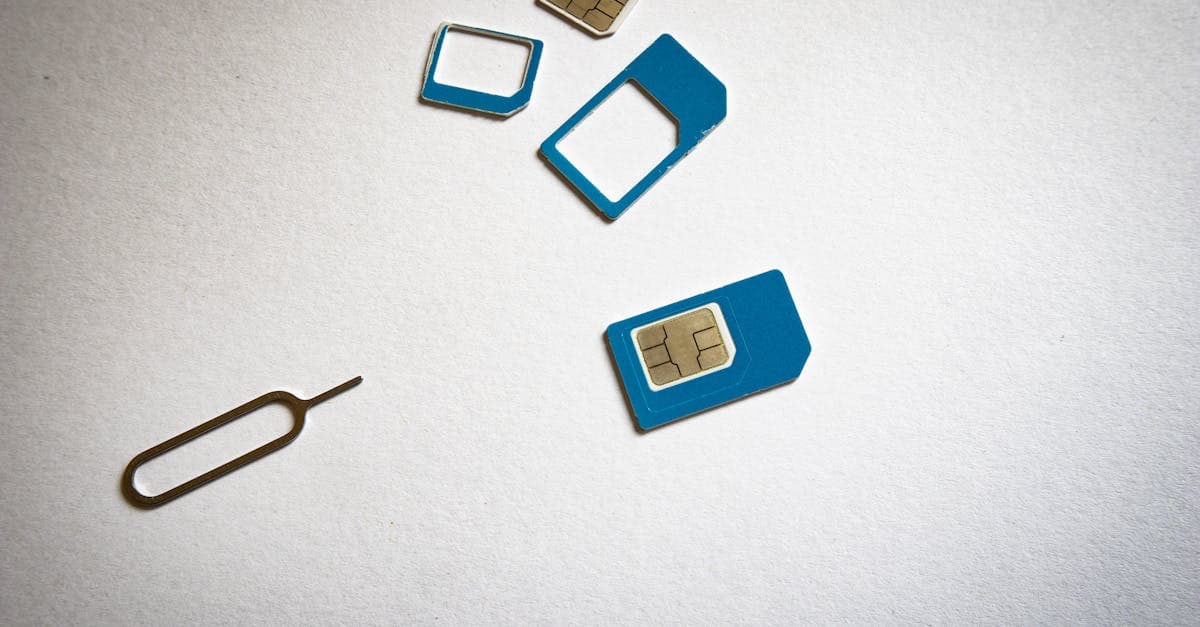
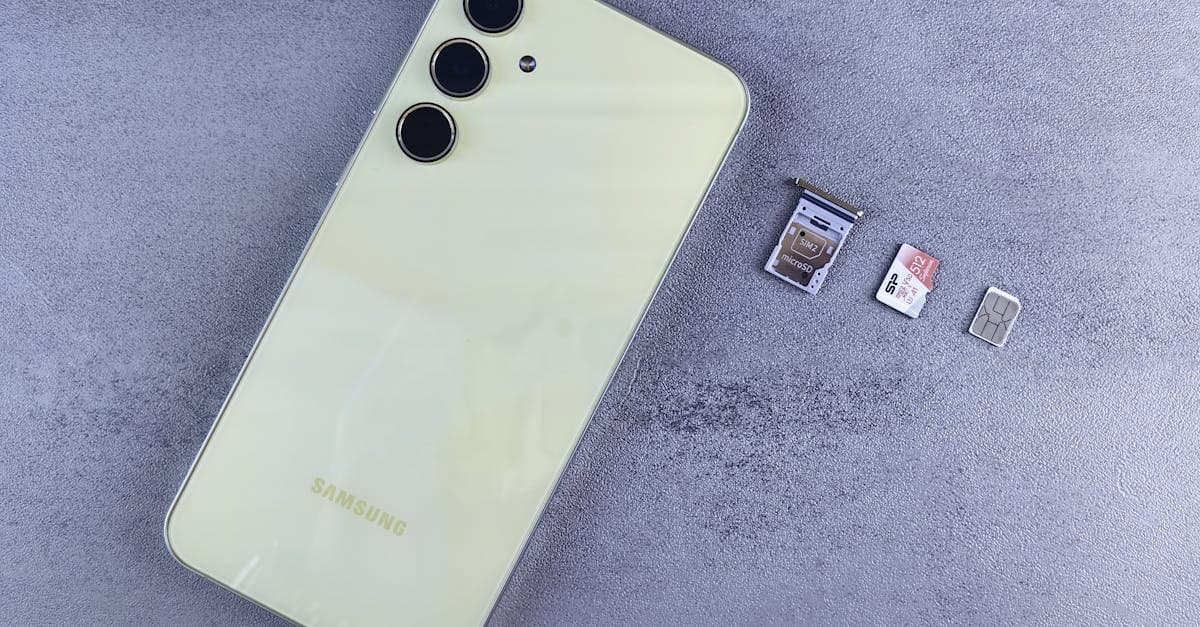
A physical SIM is a chip you swap into your unlocked phone on arrival. You can pick one up at airport kiosks, carrier shops, and convenience stores across Western Europe. They work on any unlocked phone, older models included, and a SIM purchased locally in France, Germany, or Spain benefits from EU Roam Like Home rules: a single EU-issued card covers all 27 member states plus Iceland, Liechtenstein, and Norway at no extra charge.
The trade-off is straightforward but easy to overlook until you land. Insert a foreign SIM and your Canadian number goes offline. No incoming calls, no texts, no authentication codes from your bank until you swap the original card back in. Travellers who rely on SMS for two-factor login need a second device or a different strategy.
An eSIM is a digital SIM profile downloaded to your phone before departure, with no physical card swap required. Setup takes roughly five to ten minutes. On dual-SIM capable devices, which include most recent iPhones and many current Android flagships, you can keep your Canadian number active and run a European data plan simultaneously on the same handset.
Before finalizing, confirm whether the UK or Switzerland appear on your itinerary. Both countries fall outside EU Roam Like Home, so a plan marketed as a full-coverage "Europe eSIM" may not include London or Zurich by default.
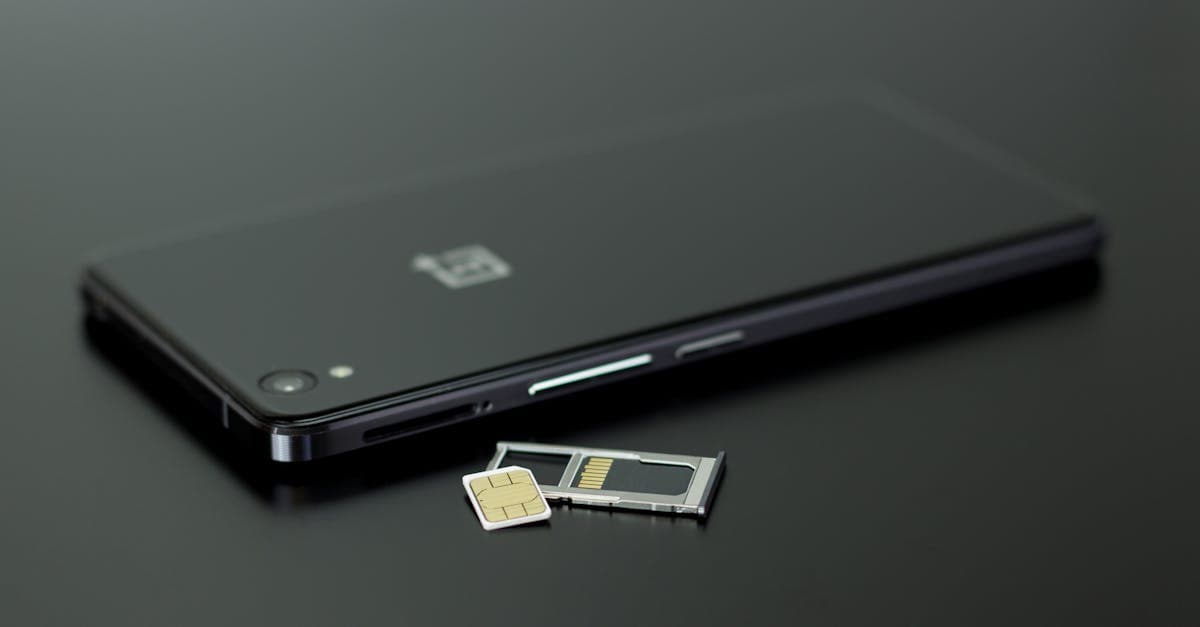
The CRTC required Canadian carriers to unlock all newly sold phones by December 2017. Devices purchased after that date are unlocked by default and will accept any compatible SIM or eSIM without restriction. Phones bought before that cutoff from Rogers, Bell, or Telus may still be carrier-locked and will reject a foreign SIM outright.
Checking takes about thirty seconds. On iPhone, go to Settings > General > About and scroll down to Carrier Lock. If it reads "No SIM Restrictions," you're clear to proceed. On Android, open Settings > About Phone; if a specific carrier name appears under the Network field instead of "Unlocked," the device likely needs attention before your trip.
Rogers, Bell, and Telus all offer free unlocking through their online account portals. Processing typically takes 24 to 48 hours. Request the unlock at least two business days before your departure date. Airport counters do not process unlock requests in real time, so leaving this until check-in will not work.
eSIM compatibility follows a separate timeline from unlock status. iPhone XS (2018) and all later models support eSIM. The iPhone 14 models sold in the United States removed the physical SIM tray entirely and operate as eSIM-only devices. On Android, Google Pixel 3 and later and Samsung Galaxy S20 and later all support eSIM, though mid-range devices from both brands vary and should be checked against the manufacturer's eSIM compatibility list before you buy a plan.
Without an unlocked phone, neither a foreign physical SIM nor a third-party eSIM profile will activate on the device.

Four providers consistently appear in Canadian travel communities when European connectivity comes up: Hello Roam, Nomad, Airalo, and Holafly.
Hello Roam's eSIM for Canada is designed for Canadian travellers, covering 30 or more European countries with plans at CAD $35 to $45 for 30 days of data. Plan pages list coverage country by country rather than relying on a single aggregate map, making it straightforward to verify specific destinations before purchasing. Customer support is available around the clock.
traveltomtom.net reports that Nomad is Canadian-founded, with its Europe plan covering more than 30 countries at roughly CAD $23 for 10 GB over 30 days. Airalo's footprint spans 39 European countries with a comparable 10 GB/30-day structure at around CAD $25, the widest geographic coverage among the four, per traveltomtom.net. Holafly takes a different approach: unlimited data at roughly CAD $37 for 10 days, suited to heavy streamers or travellers who rely on data-heavy navigation.
One detail to verify before checkout: some plans count validity from the purchase date, not the date of first data use. A 10-day plan bought three days before departure loses three days of coverage before you land. Confirm the activation trigger before completing the purchase.
Both Hello Roam and Nomad accept CAD-denominated purchases directly, which sidesteps foreign transaction fees on most Canadian credit cards. Community forums consistently cite in-city signal quality in Paris, Amsterdam, and Barcelona as the primary differentiator among providers. Headline pricing and country counts narrow the field; reliable coverage in those three cities is where a plan proves its actual value.
According to traveltomtom.net, the EU's Roam Like Home regulation, active since June 2017, is the architecture behind every multi-country European plan. Any SIM issued in an EU member state can be used across all 27 member states at domestic rates, with no surcharge applied. Three members of the European Economic Area (EEA), Iceland, Liechtenstein, and Norway, fall under the same terms. In practice, a SIM purchased in a Berlin phone shop works in Lisbon, Riga, and Bucharest with no additional plan changes.
Eastern Europe is fully covered. Croatia, Bulgaria, Romania, Hungary, Poland, Czech Republic, Slovakia, and Slovenia all carry the same Roam Like Home protections as France or Germany. A SIM activated in Warsaw functions at identical rates in Amsterdam.
The boundary stops at the EU's edge. Balkan countries outside the union, including Serbia, Albania, North Macedonia, Kosovo, and Bosnia and Herzegovina, fall entirely outside Roam Like Home protections. A plan labelled "Europe" that doesn't name these destinations explicitly won't cover them.
Signal quality in rural and mountainous areas doesn't always match what coverage maps suggest. The Alps, Pyrenees, southern Italy, and the Balkan highlands all have inconsistent 4G connectivity. A local domestic SIM typically outperforms a roaming eSIM in these zones, where handoffs between towers can interrupt active sessions. In urban centres and along major transport corridors, that gap narrows considerably.
5G is expanding across Western European city cores but remains limited outside urban boundaries. 4G LTE is the practical standard for most of the continent.

Britain's formal exit from the EU on 31 January 2020 severed the Roam Like Home protections that once applied to UK carriers. UK networks are no longer obligated to offer EU roaming benefits, and an eSIM or SIM listing EU countries does not automatically include the United Kingdom. The omission is rarely prominent in marketing copy.
Switzerland presents the same problem from a different angle. It has never been an EU or EEA member and has never been subject to Roam Like Home rules. A plan covering all 27 EU destinations still hits a data wall at the Swiss border.
Canadians combining Paris with London, or Rome with a detour through Zurich, need a plan that lists both the EU countries and the UK or Switzerland by name as covered destinations. A quick check of the country list before purchasing takes two minutes and prevents a costly gap mid-trip.
Plans that include the UK and Switzerland alongside EU coverage tend to cost slightly more than EU-only plans, though the difference typically falls under ~$10 CAD. For any itinerary that crosses those borders, the modest premium is easy to justify.
Before purchasing, download or screenshot the provider's full country list and cross-reference it against each stop on your itinerary. Multi-country trips that bridge EU borders are where coverage gaps surface most reliably. If a provider doesn't display a complete country list before checkout, treat that as a reason to look elsewhere.

Most eSIM installations complete in under 10 minutes from purchase to installed profile, no store visit required. The process works the same whether you're setting things up at home a week before departure or finalizing details the morning of your flight.
Purchase through the provider's website or app, select your plan, and complete checkout. A QR code arrives by email or appears inside the app.
On iPhone: Settings, then Cellular, then Add Cellular Plan. Scan the QR code. The profile installs within seconds.
On Android: Settings, then Connections, then SIM Manager, then Add eSIM. Scan the same code.
Install the eSIM profile before leaving home, but don't assign it as your default data line until you land. Many plans count validity from first data use rather than purchase date, so early installation carries no cost penalty. On a dual-SIM phone, designate the European eSIM for data and keep your Canadian plan as the default for calls and SMS. That configuration ensures banking notifications, 2FA codes, and calls from home continue arriving on your Canadian number throughout the trip.
Before heading to the airport: if the QR scan fails, confirm your device's operating system is current and that you're on a stable Wi-Fi connection at home. Provider support resolves most profile download errors quickly. Sorting out a failed installation from your living room is far easier than troubleshooting it between connections at a European transit hub.

Four variables shape which Europe SIM makes sense for your trip: duration, countries visited, whether your itinerary crosses into the UK or Switzerland, and your phone type. There's no single answer that covers every traveller.
Short trip under 10 days to major Western European cities: an eSIM wins on cost and convenience. Activate before landing and navigation works from the arrivals hall.
Extended backpacker route through Eastern Europe and the Balkans warrants careful review of coverage maps. Rural signal quality on local domestic networks often exceeds what a roaming eSIM can deliver in mountainous or low-density areas, and several Balkan destinations fall outside EU Roam Like Home protections entirely, as outlined above.
Family travel with multiple devices: compare providers on multi-device bundle pricing. Per-person costs can drop considerably depending on plan structure.
Business travellers who need a Canadian number reachable throughout the trip benefit most from the dual-SIM configuration covered in the previous section.
If your itinerary includes London or Zurich, confirm the plan names both the UK and Switzerland as covered destinations before you buy. Don't assume "Europe" includes them.
Phones without eSIM support are well-served by a physical SIM from a carrier shop in France, Germany, or Spain. Orange and Free in France, Telekom in Germany, and Yoigo in Spain are all available at major airports and in city centres.
A WiFi-only strategy isn't realistic for most European travel. Navigation apps, transit platforms, and real-time translation all require consistent connectivity, and public networks at popular tourist sites get congested quickly in peak season. For a 7 to 14-day trip through Western Europe, a standard data plan handles typical usage comfortably, including navigation, social media, and occasional video calls.
Yes, with the right starting point. Any SIM issued in an EU member state carries Roam Like Home protections automatically, covering all EU member states plus the three EEA additions covered in the section above. One card purchased in Paris works in Warsaw, Lisbon, and Stockholm at no added cost.
Buying on arrival is practical in the five most-visited markets. France (Orange travel.orange.com, Free Mobile), Germany (Deutsche Telekom, O2), Spain (Vodafone, Yoigo), Italy (TIM, Windtre), and the Netherlands (KPN, Lebara) all carry prepaid SIMs at airport carrier shops and international convenience chains including Relay, Inmedio, and WHSmith. Prices at European stores generally fall within the range noted in the earlier comparison; airport kiosks sometimes charge a small premium over city-centre carrier shops.
The process has real friction points, though. France, Germany, and Italy require passport verification at point of sale, which adds a queue on an already-long arrival day. Language barriers at smaller kiosks are common. Albania, North Macedonia, and Kosovo fall outside EU membership, so local SIMs carry no Roam Like Home coverage and are difficult to locate in smaller cities. An eSIM purchased before departure sidesteps all of this.
WiFi supplements mobile data in the bigger cities. Amsterdam, Stockholm, and Tallinn deliver consistently fast connections; Paris, Berlin, Barcelona, Prague, and Vienna are reliable in hotels and most cafes. Rome, Lisbon, and Athens are more variable. Rural France, southern Italy, and mountainous regions see the sharpest drops, and intercity trains are unreliable for anything beyond basic messaging.
An eSIM also leaves no physical plastic behind, unlike a prepaid card purchased abroad and discarded at journey's end.

The best SIM for Europe depends on your trip duration, the countries you plan to visit, whether your itinerary includes the UK or Switzerland, and whether your device supports eSIM. For trips under two weeks, a flat-rate eSIM from providers like Hello Roam, Nomad, Airalo, or Holafly typically costs CAD $20 to $45 total, compared to CAD $12 to $15 per day with Canadian carrier roaming. Verify that the UK and Switzerland are listed as covered destinations if your itinerary crosses those borders, since neither country falls under EU Roam Like Home protections.
Four providers are consistently recommended for Canadian travellers: Hello Roam, Nomad, Airalo, and Holafly. Hello Roam covers 30 or more European countries with plans at CAD $35 to $45 for 30 days, Nomad covers 30 or more countries at around CAD $23 for 10 GB over 30 days, Airalo covers 39 European countries at around CAD $25 for the same data allowance, and Holafly offers unlimited data at around CAD $37 for 10 days. Both Hello Roam and Nomad accept Canadian dollar payments, which avoids foreign transaction fees on most Canadian credit cards.
Hello Roam, Nomad, Airalo, and Holafly are the four eSIM providers most frequently cited in Canadian travel communities. Hello Roam and Nomad are both designed with Canadian travellers in mind, accept CAD-denominated purchases, and cover 30 or more European countries. Airalo offers the widest geographic coverage at 39 countries, while Holafly suits heavy data users with an unlimited data option. Confirm whether your specific destinations, including the UK and Switzerland, are listed on the provider's coverage page before purchasing.
No single SIM card covers every European country, but EU Roam Like Home rules mean any SIM issued in an EU member state works across all 27 EU countries plus Iceland, Liechtenstein, and Norway at domestic rates. The UK and Switzerland fall entirely outside this framework and are not automatically included. Balkan countries such as Serbia, Albania, Kosovo, and Bosnia and Herzegovina also sit outside EU protections and require a plan that explicitly names them as covered destinations.
Rogers, Bell, and Telus each charge CAD $12 to $15 per day for European roaming, billed from the moment your phone uses any data on a foreign network. Over a 7-day trip that totals approximately CAD $84 to $105, and over 14 days it reaches CAD $168 to $210. A dedicated Europe eSIM from providers like Hello Roam or Airalo typically costs CAD $20 to $45 for the entire trip, representing a saving of 70 to 85 per cent compared to carrier roaming rates.
A physical SIM must be swapped into your unlocked phone on arrival and can be purchased at airport kiosks and carrier shops across Western Europe, but inserting a foreign SIM takes your Canadian number offline. An eSIM is a digital profile downloaded to your phone before departure with no physical card swap required, and on dual-SIM capable devices you can keep your Canadian number active for calls and SMS while running a European data plan simultaneously. Setup for an eSIM takes roughly five to ten minutes and can be completed at home before your flight.
Yes, your device must be unlocked. The CRTC required Canadian carriers to unlock all newly sold phones by December 2017, so devices purchased after that date are unlocked by default. Phones bought before that cutoff from Rogers, Bell, or Telus may still be carrier-locked and will reject a foreign SIM or eSIM profile. Rogers, Bell, and Telus all offer free unlocking through their online account portals, with processing typically taking 24 to 48 hours.
On iPhone, go to Settings, then General, then About, and scroll down to Carrier Lock. If it reads No SIM Restrictions, the device is unlocked and ready for a foreign SIM or eSIM. On Android, go to Settings, then About Phone; if a specific carrier name appears under the Network field instead of Unlocked, the device likely needs to be unlocked before use. Request unlocking through your carrier's online portal at least two business days before departure, as airport counters do not process unlock requests in real time.
iPhone XS from 2018 and all later iPhone models support eSIM, and iPhone 14 models sold in the United States are eSIM-only devices with no physical SIM tray. On Android, Google Pixel 3 and later and Samsung Galaxy S20 and later support eSIM, though mid-range devices from both brands vary. Check the manufacturer's eSIM compatibility list before purchasing a plan to confirm your specific model is supported.
Not automatically. Britain left the EU on 31 January 2020, ending its participation in Roam Like Home protections, so UK networks are not obligated to offer EU roaming benefits. An eSIM or SIM that lists EU countries does not automatically include the United Kingdom. If your itinerary includes London or other UK destinations, verify that the UK is explicitly named as a covered country on the provider's plan page before purchasing.
Not by default. Switzerland has never been an EU or EEA member and has never been subject to Roam Like Home rules, so a plan covering all 27 EU destinations does not include Switzerland unless it is explicitly listed. Travellers combining EU countries with stops in Zurich or Geneva need a plan that names Switzerland as a covered destination. Plans that include Switzerland alongside EU coverage typically cost slightly more, though the difference usually falls under CAD $10.
Purchase a plan through the provider's website or app and a QR code will arrive by email or appear in the app. On iPhone, go to Settings, then Cellular, then Add Cellular Plan, and scan the QR code. On Android, go to Settings, then Connections, then SIM Manager, then Add eSIM, and scan the same code. The profile typically installs within seconds and the entire process takes under 10 minutes.
Install the eSIM profile before leaving home, but do not assign it as your default data line until you land in Europe. Many plans count validity from first data use rather than the purchase date, so early installation carries no cost penalty. If the QR code scan fails, confirm your device's operating system is current and that you are on a stable Wi-Fi connection, as resolving installation issues from home is far easier than troubleshooting between connections at a European transit hub.
Yes. Croatia, Bulgaria, Romania, Hungary, Poland, Czech Republic, Slovakia, and Slovenia all carry EU Roam Like Home protections equivalent to France or Germany. A SIM activated in Warsaw functions at identical rates in Amsterdam or Bucharest. However, Balkan countries outside the EU, including Serbia, Albania, North Macedonia, Kosovo, and Bosnia and Herzegovina, fall outside these protections and require a plan that explicitly covers them.
EU Roam Like Home is a regulation active since June 2017 that allows any SIM issued in an EU member state to be used across all 27 EU member states plus Iceland, Liechtenstein, and Norway at domestic rates with no surcharge. In practice, a SIM purchased in Berlin works in Lisbon, Riga, and Bucharest without any plan changes. The regulation does not extend to the UK or Switzerland, both of which require explicit coverage on any plan you purchase.
HelloRoam: your trusted travel eSIM that keeps you online across borders.
Explore Plans