Backpacking Southeast Asia: the Complete Guide for New Zealanders (2026)

Written by: David Chen


12 min read

HelloRoam is a global eSIM provider offering instant mobile data in 170+ countries. Buy prepaid travel eSIM plans with no extra fees, no contracts, and instant activation on any eSIM-compatible device.
12 min read

Nine hours to Bali, thirteen to Bangkok. For a first major overseas trip from New Zealand, backpacking Southeast Asia is about as accessible as long-haul gets.
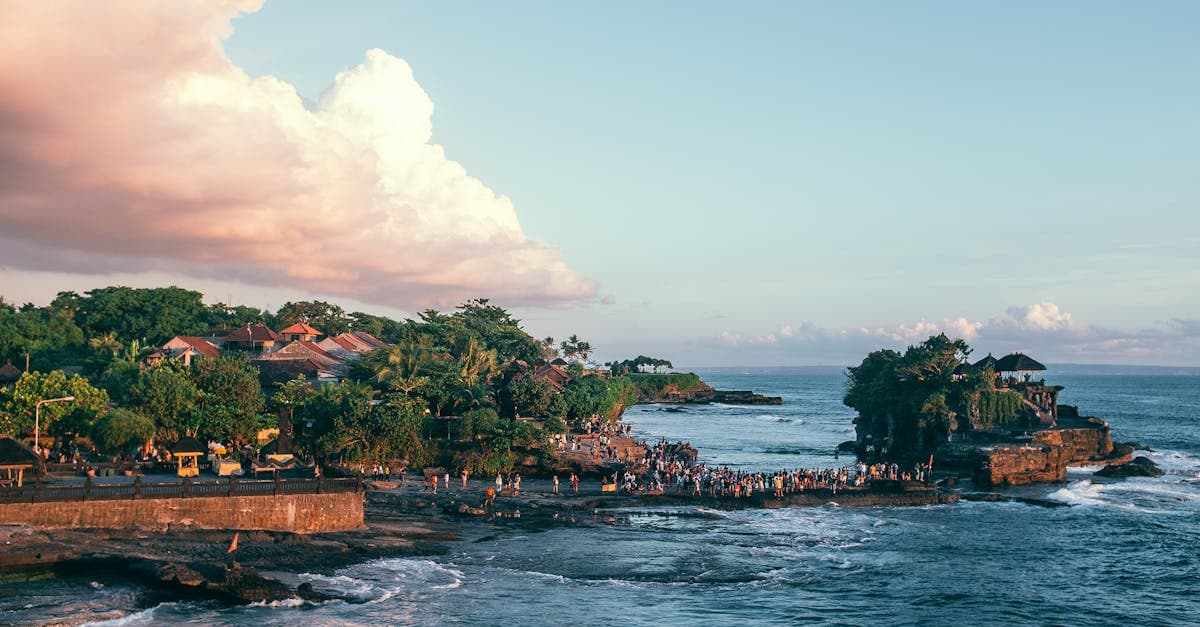
Compare it with South America. Return flights from Auckland to Lima or Buenos Aires typically run NZD 1,800 to 3,500, and the journey can push well past 20 hours. Southeast Asia flights cost considerably less and arrive considerably sooner. Bali is the closest entry point to the region from Auckland, making it the most popular first stop for Kiwis watching their budget.
Your NZD goes further in Southeast Asia than almost anywhere else at this flight distance from Auckland. Accommodation, food and transport are priced at a level where budget travel feels genuinely comfortable rather than a constant exercise in restraint.
English works well across the main backpacker circuits. Thailand, Vietnam, Malaysia and Bali all function in English in tourist areas, guesthouses and transport hubs, which lowers the barrier considerably for first-timers who aren't ready for a fully unfamiliar language environment.
Visa access for NZ passport holders is strong. Thailand now offers 60 days visa-free (most guides still say 30 days; the extension came through in 2024). Malaysia gives 90 days, Vietnam 45 days, and most other countries offer at least 30 days either visa-free or on arrival, no advance application needed.
The timing suits NZ travellers, too. Southeast Asia is warm year-round, and a June to August departure falls naturally into the NZ winter. Getting away from a Wellington southerly for a few months has rarely cost this little.

The full cost of an eight-week trip from Auckland, covering flights, visas, travel insurance, daily spend and a buffer for the unexpected, comes to roughly NZD 5,070 to 6,530 all-in. You won't find that breakdown quoted in NZD anywhere else. Virtually every backpacker budget guide is denominated in US dollars, which tells you nothing useful when you're transferring from a Kiwibank account.
Flights are the biggest single line item. Return flights from Auckland to Bangkok run NZD 900 to 1,800, depending on how far ahead you book and which hub you connect through. Bali is cheaper at NZD 600 to 900 return, under ten hours from Auckland. Booking a multi-city flight (into Bangkok, out of Bali) often costs less than two separate returns, and the route moves geographically rather than against itself.
Visas and travel insurance together sit at NZD 310 to 570 for a standard multi-country trip, depending on which countries you include and the level of cover you choose.
Daily spend averages around NZD 60 for a budget traveller, covering accommodation, food and local transport. Over 56 days, that's NZD 3,360 before extras.
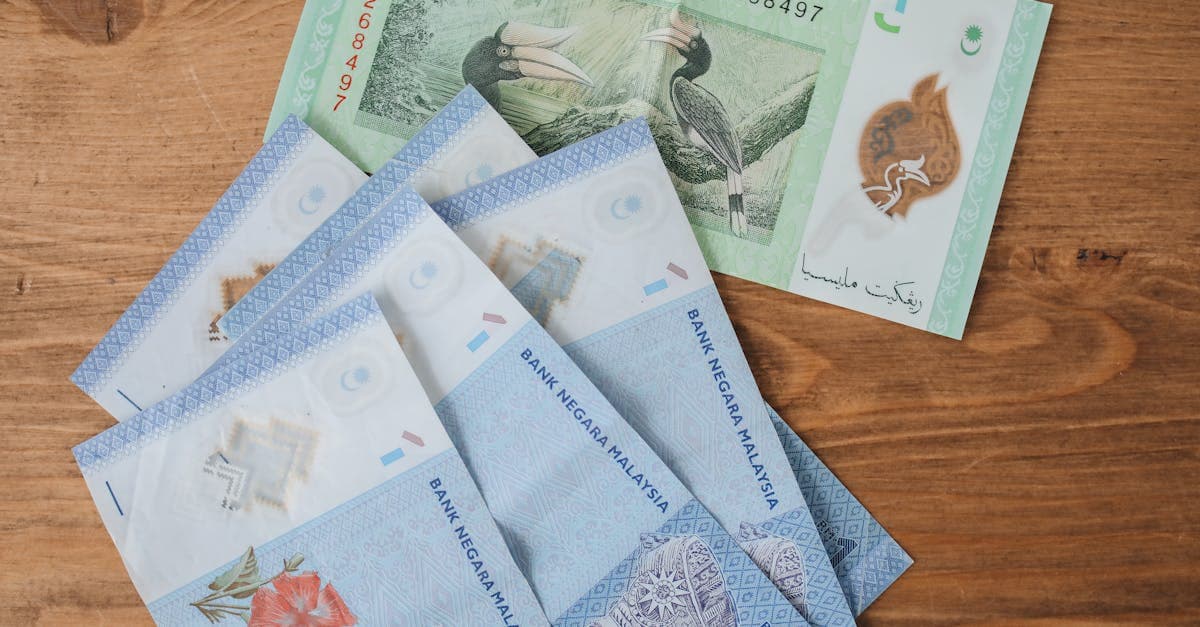
A trap many New Zealanders don't see coming is the cost of their own bank card. Kiwibank, ANZ and ASB all charge foreign transaction fees of 2 to 3 percent on purchases, plus around NZD 10 per ATM withdrawal. On an eight-week trip those fees accumulate quickly. A Wise card or a dedicated travel money card cuts that down significantly, saving NZD 100 to 300 compared with a standard NZ bank card on a typical trip.
Laos is the cheapest country on the circuit, and by a reasonable margin. A backpacker covering accommodation, food and local transport can get by on NZD 30 to 55 a day.
All figures below use an NZD to USD exchange rate of approximately 0.58, as at early 2026. They cover hostel beds, street food and local buses, not tours, activities or alcohol.
Thailand's upper range surprises some travellers, but that NZD 82 ceiling assumes island resorts and tourist restaurants. Stick to guesthouses and street food and you'll land comfortably closer to the lower end.
The Philippines and Bali sit higher mainly because of activities and accommodation rather than food. If diving, surfing or organised day trips are on the agenda, budget for those separately rather than folding them into the daily figure.

The Banana Pancake Trail exists because it works. Thailand, Laos, Cambodia and Vietnam over six to eight weeks gives first-timers a circuit with reliable transport links, established hostel infrastructure and enough geographical variety to hold your attention across the full run.
The logistics are well-worn. You can book each leg as you go without mapping every night in advance. Bangkok to Chiang Mai runs as an overnight train. Chiang Mai to Luang Prabang in northern Laos goes by slow boat over two days, one of the more memorable overland journeys in the region. From Luang Prabang, buses connect south to Vientiane, and from Vientiane you can take a sleeper bus or catch a budget flight into Hanoi to begin the Vietnam leg.
For Kiwis with limited annual leave, Thailand plus Bali over three to four weeks is more realistic. Fly into Bangkok, cover the north and islands, then cross to Bali for the second half. Booking a multi-city ticket (into Bangkok, out of Bali) usually works out cheaper than buying both legs separately, and the route moves with you rather than against you.
The Vietnam Spine suits travellers who prefer depth over breadth. Hanoi to Ho Chi Minh City by sleeper train covers the country's full length over two to three weeks, with enough natural stopping points (Hue, Hoi An, Da Nang) to avoid the feeling of passing through rather than arriving.
One firm note: the New Zealand Ministry of Foreign Affairs and Trade currently advises against all travel to Myanmar. Leave it off any itinerary until that advisory changes. The rest of the classic route holds up without it.

Thailand now gives NZ passport holders 60 days visa-free. If you've read anywhere that it's 30 days, that information is out of date. The change happened in 2024 and the majority of travel guides online haven't caught up yet.
Here's where NZ passports stand across the main SEA countries in 2026:
Vietnam's 45-day visa-free access is also newer than most guides reflect. A Hanoi-to-Ho Chi Minh City trip at a comfortable pace fits inside that window without extension paperwork. Malaysia's 90-day allowance is generous enough to treat as a base if your trip extends beyond the mainland circuit.
Cambodia is the one entry cost to budget for. Apply online before you leave, allow a couple of days for processing, and pay the USD 36 fee at that point.
On flights: Book December and January departures two to three months ahead. Those dates coincide with NZ school leavers and gap year travellers, which means seats fill and prices reflect the demand. September and October departures are 20 to 40 per cent cheaper on average and still deliver decent weather across most of mainland SEA.
For Bali, Jetstar and AirAsia both operate one-stop connections from Auckland at the lower end of the price range. Singapore Airlines via Singapore and Thai Airways are the main reliable options for Bangkok. The open-jaw routing mentioned earlier, in via Bangkok and out via Bali, remains worth checking against two separate returns before you commit.
Using your NZ carrier in SEA is genuinely not worth it. Spark, One NZ and 2degrees all charge around NZ$10 to $15 per day for roaming, or NZ$10 per 100MB beyond your existing plan. Fine for a weekend across the Tasman; not workable across six weeks and four countries.
The practical alternative is a local SIM bought in-country at the airport or a nearby phone shop. Costs in NZD:
Total local SIM spend across those four mainland countries runs around NZ$34 to $70 for the trip. Decent data allowances for not much money.
Before going that route, check whether your mobile is carrier-locked. Mobiles purchased on Spark, One NZ or 2degrees plans are often locked to that carrier, which means a foreign SIM simply won't register. Request an unlock from your carrier (usually free after six months of service) before you leave. Don't leave this until the night before your flight.
WiFi quality also varies. Bangkok, Chiang Mai and Bali offer reliable hostel and cafe connectivity, which reduces how hard your local SIM needs to work. Laos and island destinations like Koh Phangan are inconsistent, so don't rely solely on WiFi in those spots.
The trade-off comes down to cost versus time. Local SIMs are cheaper and the data allowances are solid. eSIMs cost a little more but skip the physical card swap, the airport kiosk queue, and the carrier unlock requirement altogether, which is relevant if your phone is still locked to a NZ network.

Time is the real argument. Each border crossing on a standard SEA circuit takes 15 to 60 minutes to find a working local SIM, activate it, load credit and confirm data is live. Multiply that across three or four crossings on the Banana Pancake Trail and you're looking at a minimum of three to four hours of admin saved over the trip.
The cost premium for choosing eSIM over separate local SIMs across four countries sits at roughly NZ$30 to $50 on a trip that runs well above NZ$5,000 all-in. As trade-offs go, it's not a significant one.
Hello Roam's regional SEA eSIM plans are priced in NZD, which removes foreign transaction fees at the point of purchase. Support operates during NZ business hours, which matters if something goes wrong at an inconvenient timezone. Their regional plans cover multiple SEA countries on a single data allocation, so there's no juggling separate SIM accounts or topping up at each new border.
For travellers whose NZ mobiles are still carrier-locked, an eSIM is the more practical option. A phone with a dual-SIM slot and eSIM capability doesn't require a physical carrier unlock to get the eSIM working. The setup process is straightforward and the steps are covered above.
If you're already planning to get your phone unlocked before you leave and don't mind stopping at a kiosk on arrival, local SIMs remain a perfectly reasonable choice. For anyone who'd rather sort connectivity before boarding and not think about it again, the eSIM premium is worth it.

Honest answer: yes, with caveats. The main backpacker circuit through Thailand, Vietnam, Cambodia and Bali is well-established, with decades of traveller infrastructure and large communities of solo travellers of all kinds.
The realistic risks are financial, not physical. Tuk-tuk overcharging, gem scams in Bangkok, bag snatching from motorbikes and commission touts near bus stations are far more common than violent crime. Booking through established hostels and staying alert to obvious setups handles most of it.
Solo female travel specifically: Thailand and Vietnam both have large communities of women travelling independently and are widely considered among the safer choices in the region for solo women. Standard precautions apply, the same as anywhere you'd travel alone.
Before you book, check the NZ Ministry of Foreign Affairs and Trade SafeTravel website for country-specific advisories. Individual country situations can shift, and MFAT updates its guidance when they do.
Health preparation takes more lead time than most people expect. Book a travel doctor appointment in NZ at least six weeks before your flight. Hepatitis A, typhoid and tetanus are the baseline vaccinations to update, and your doctor will advise on anything additional based on your specific itinerary.
Travel insurance is non-negotiable. Southern Cross Travel Insurance is a well-known NZ option, but read the adventure activities exclusions carefully before you sign. Motorbiking in Bali, scuba diving off the Thai islands and ziplining in Laos are among the activities most commonly left out of standard policies. Confirm those are explicitly covered before you leave Auckland.
Download the Grab app before you land. It covers Thailand, Vietnam, Malaysia and Indonesia, and using it removes a large portion of the transport scam exposure that catches first-time visitors. Where Grab doesn't reach, a recommendation from hostel staff on a reliable local driver beats flagging down the nearest tuk-tuk every time.

September and October airfares from Auckland run 20 to 40 percent cheaper than peak summer departures, and northern SEA is drying out just as you arrive. It's the closest thing to a free lunch in long-haul travel planning.
December and January are when NZ school leavers and gap year travellers flood the trail, which means they coincide with SEA's peak tourist season. Hostels fill fast. Attractions get crowded, prices climb, and the decent guesthouses book out weeks in advance. If those months are unavoidable, start locking in accommodation at least two to three months out.
Monsoon timing is more complicated than most guides suggest. Thailand's north is dry from November onwards, but the south coast stays wet from November through to March. Vietnam runs almost the opposite: the north is dry in winter, the south in summer. That inconsistency is actually useful on longer trips, because you can shift between regions and countries to follow drier conditions.
The broad pattern for mainland SEA: October to April is dry across most destinations. May to September brings heavier rain, particularly in Thailand and Cambodia, but also lower prices and quieter guesthouses.
NZ winter departures (June to August) are popular with Kiwis who want to escape the cold. They line up well with dry season across northern countries. Book ahead regardless, since the appeal of escaping a NZ July is not unique to you.

An eight-week backpacking trip from Auckland covering flights, visas, travel insurance, daily spend and a contingency buffer costs roughly NZD 5,070 to 6,530 all-in. Flights are the biggest single cost, followed by daily spend averaging around NZD 60 per day for accommodation, food and local transport.
Return flights from Auckland to Bangkok typically cost NZD 900 to 1,800 depending on how far ahead you book and which connecting hub you use. Bali is cheaper at NZD 600 to 900 return and is under ten hours from Auckland, making it the closest Southeast Asian entry point for Kiwis.
Thailand now gives New Zealand passport holders 60 days visa-free. This changed in 2024 and many travel guides online still incorrectly state 30 days. No advance application is required.
New Zealand passport holders can enter Vietnam visa-free for up to 45 days. This is a relatively recent change and many guides have not updated to reflect it. A Hanoi to Ho Chi Minh City trip at a comfortable pace fits within this window without needing an extension.
Cambodia's e-Visa costs approximately NZD 62 (USD 36) for New Zealand passport holders. You apply online before departure, allow a couple of days for processing, and pay the fee at the time of application. It grants 30 days on arrival.
Laos is the most affordable destination on the main backpacker circuit, with daily budgets ranging from NZD 30 to 55 covering a hostel bed, street food and local transport. Cambodia and Vietnam are similarly affordable at NZD 33 to 65 per day.
The Banana Pancake Trail is the classic backpacker circuit through Thailand, Laos, Cambodia and Vietnam, typically completed over six to eight weeks. It has reliable transport links, established hostel infrastructure and well-worn overland routes, making it well suited to first-time backpackers.
For Kiwis with limited annual leave, Thailand plus Bali over three to four weeks is a practical option. Fly into Bangkok, cover the north and islands, then continue to Bali for the second half. Booking a multi-city ticket into Bangkok and out of Bali is usually cheaper than two separate returns.
Both work well, but they suit different travellers. Local SIMs cost NZD 34 to 70 total across four mainland countries and offer strong data allowances, but require finding a kiosk at each border, activating the SIM and potentially unlocking your phone. eSIMs cost a little more but let you set up connectivity before you leave, skip physical card swaps and work even if your phone is carrier-locked.
Local SIM costs vary by country. Thailand runs NZD 14 to 28 for 20 to 30GB over 30 days, Vietnam NZD 8 to 17, Indonesia NZD 7 to 15, Cambodia NZD 5 to 10, and Laos NZD 3 to 7. Total local SIM spend across four mainland countries typically runs NZD 34 to 70 for the trip.
No. Spark, One NZ and 2degrees all charge around NZD 10 to 15 per day for international roaming, or NZD 10 per 100MB beyond your existing plan. Across a six-week multi-country trip this becomes very expensive. A local SIM or travel eSIM is a far more practical alternative.
If your phone was purchased on a Spark, One NZ or 2degrees plan in New Zealand, it may be carrier-locked and unable to register a foreign SIM. Request an unlock from your carrier before you leave, which is usually free after six months of service. Do not leave this until the night before your flight.
September and October departures are typically 20 to 40 percent cheaper than December and January, and still offer decent weather across most of mainland Southeast Asia. December and January coincide with NZ school leavers and gap year travellers, which fills seats and pushes prices up. Book those peak dates two to three months ahead.
The main backpacker circuit through Thailand, Vietnam, Cambodia and Bali is well-established and generally considered safe, with decades of traveller infrastructure. The realistic risks are financial rather than physical, including tuk-tuk overcharging, gem scams, bag snatching and commission touts. Booking through established hostels and staying alert to obvious setups handles most of these.
Thailand and Vietnam both have large communities of women travelling independently and are widely considered among the safer choices in the region for solo female travel. Standard solo travel precautions apply. Check the NZ Ministry of Foreign Affairs and Trade advisories for current guidance before booking.
No. The New Zealand Ministry of Foreign Affairs and Trade currently advises against all travel to Myanmar. Leave it off any itinerary until that advisory changes. The rest of the classic Banana Pancake Trail routes work well without it.
Yes. Kiwibank, ANZ and ASB all charge foreign transaction fees of 2 to 3 percent on purchases, plus around NZD 10 per ATM withdrawal. Using a Wise card or a dedicated travel money card instead can save NZD 100 to 300 compared with a standard NZ bank card across an eight-week trip.
Bali is under ten hours from Auckland, making it the closest Southeast Asian entry point for New Zealand travellers. It is also among the most affordable entry points, with return flights typically costing NZD 600 to 900.
New Zealand passport holders can enter Malaysia visa-free for up to 90 days. This generous allowance makes Malaysia a practical base for travellers extending beyond the mainland circuit, with no advance application or arrival fees required.
A multi-city flight routes you into one city and out of another, such as flying into Bangkok and departing from Bali. This approach often costs less than buying two separate return tickets and means the route moves geographically with your itinerary rather than against it. It is worth comparing against two individual returns before booking.
HelloRoam: your trusted travel eSIM that keeps you online across borders.
Explore Plans