25 Best Things to Do in Bali: the Complete Guide for New Zealand Travellers in 2026

Written by: David Chen


13 min read
HelloRoam is a global eSIM provider offering instant mobile data in 170+ countries. Buy prepaid travel eSIM plans with no extra fees, no contracts, and instant activation on any eSIM-compatible device.
13 min read

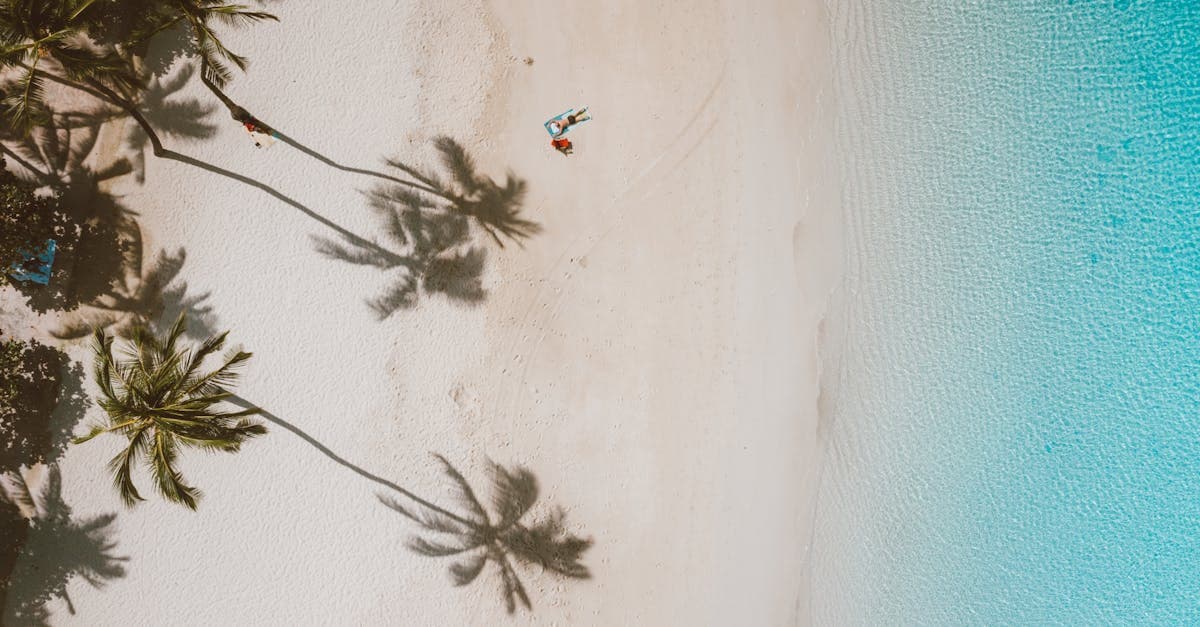
Eight to ten hours from Auckland, one stopover, and you're in Bali. That's shorter than most NZ travellers expect, and for a destination this culturally rich, it's genuinely hard to beat.
Air New Zealand, Jetstar, and Scoot all connect through Singapore, Sydney, or Melbourne. Return fares from Auckland typically run NZD 700 to 1,400 when booked six to ten weeks ahead. Wellington and Christchurch travellers add a short domestic connection to the routing.
The NZD performs exceptionally well once you land. A comfortable mid-range day, covering accommodation, three meals, scooter hire, and an activity or two, costs around NZD 80 to 130. Warung meals (local roadside eateries) regularly come in under NZD 3.50. That kind of value is rare this close to home.
Bali's character aligns well with how many NZ travellers like to travel. The surf culture is serious, Uluwatu and Canggu producing waves that draw international surfers year-round. Ubud runs on yoga retreats, organic cafes, and temple visits. The island's Hindu heritage is unlike anything in the Pacific, ceremony and incense woven into daily life in a way that still catches first-time visitors off guard.
School holiday timing works in your favour too. Bali's dry season runs from roughly May to September, overlapping with Term 2 and Term 3 break windows.
NZ passport holders receive a Visa on Arrival for USD 35, valid 30 days and extendable once to 60 days. The e-VOA option processes the same application online before you fly, skipping airport queues. Also budget for Bali's USD 10 tourist levy, introduced in February 2024 and payable via QR code at Love Bali kiosks or in advance through the Love Bali portal.
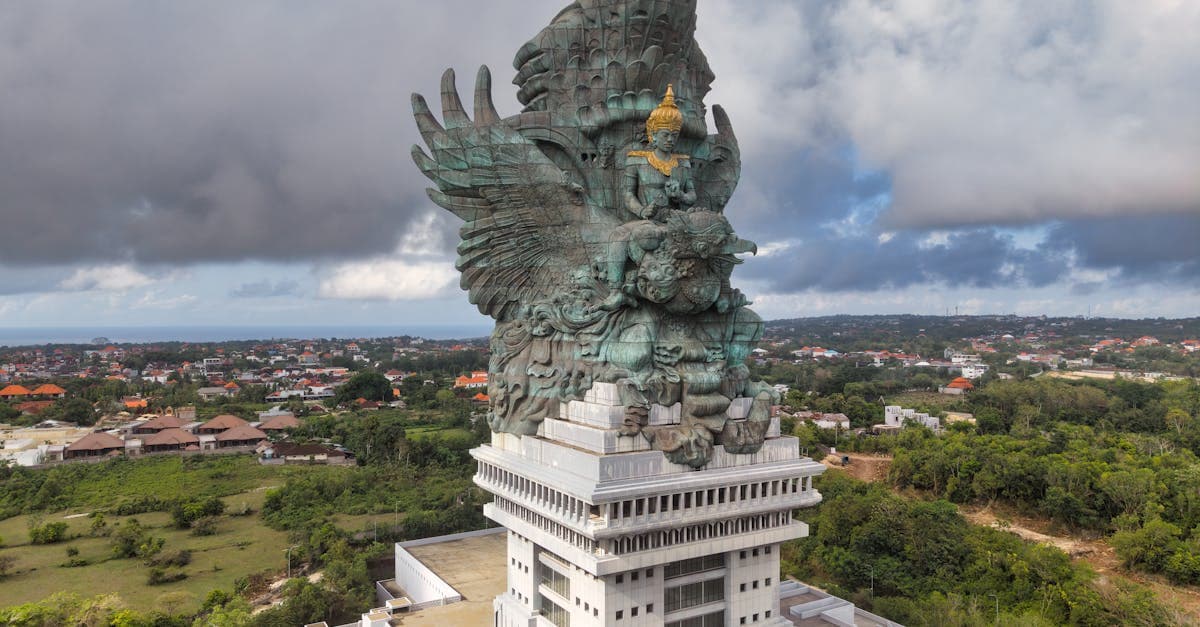
Bali packs a remarkable variety of things to do into one relatively small island. Cultural temples, volcanic treks, jungle sanctuaries, and serious surf breaks are all within striking distance of each other. Here's where first-timers should actually spend their days.
Tegallalang Rice Terraces, north of Ubud, deliver exactly the tiered-paddy scenery you've seen across every travel feed. They earn the reputation. Go before 8am and you'll have them largely to yourself; by mid-morning the tour buses have filled the viewing spots and prices at terrace-side cafes have climbed accordingly.
Uluwatu Temple clings to a clifftop above the Indian Ocean on Bali's southern tip. Entry runs NZD 12 to 15. The Kecak fire dance performed at sunset in the open-air amphitheatre is consistently one of the island's most impressive cultural experiences, and the cliff views alone justify the drive to the Bukit Peninsula.
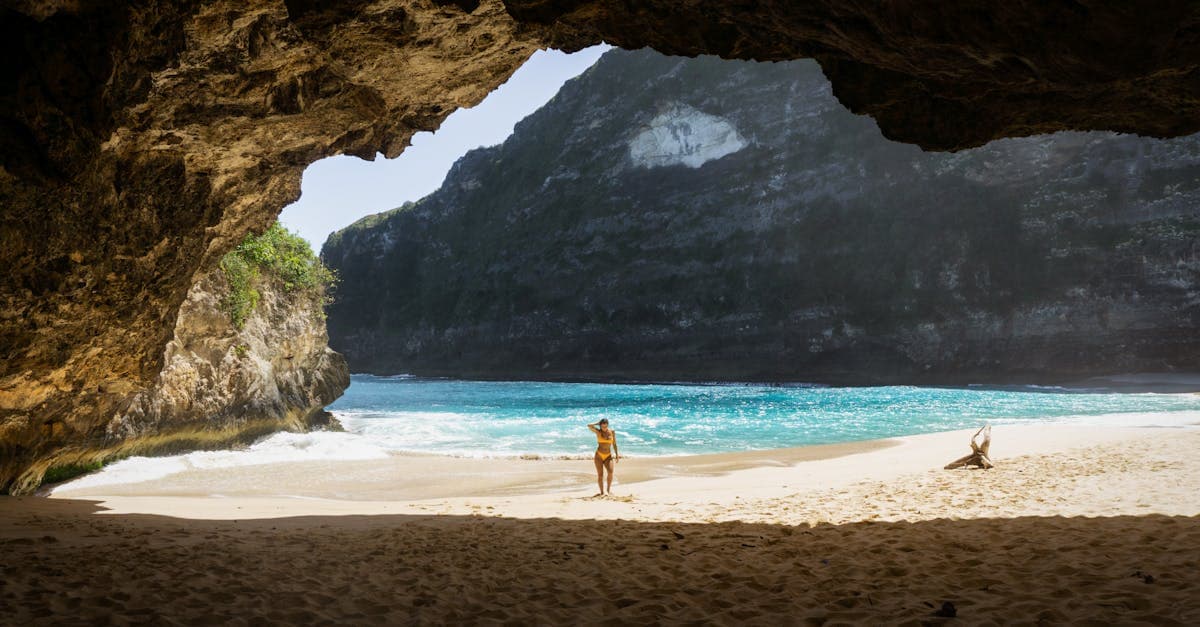
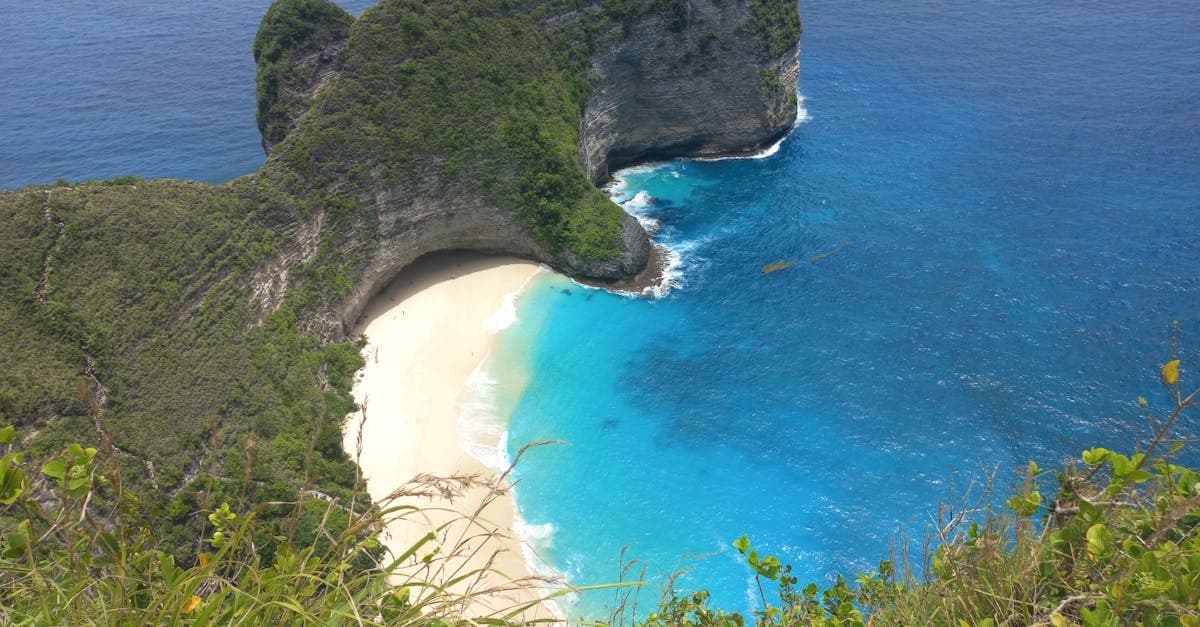
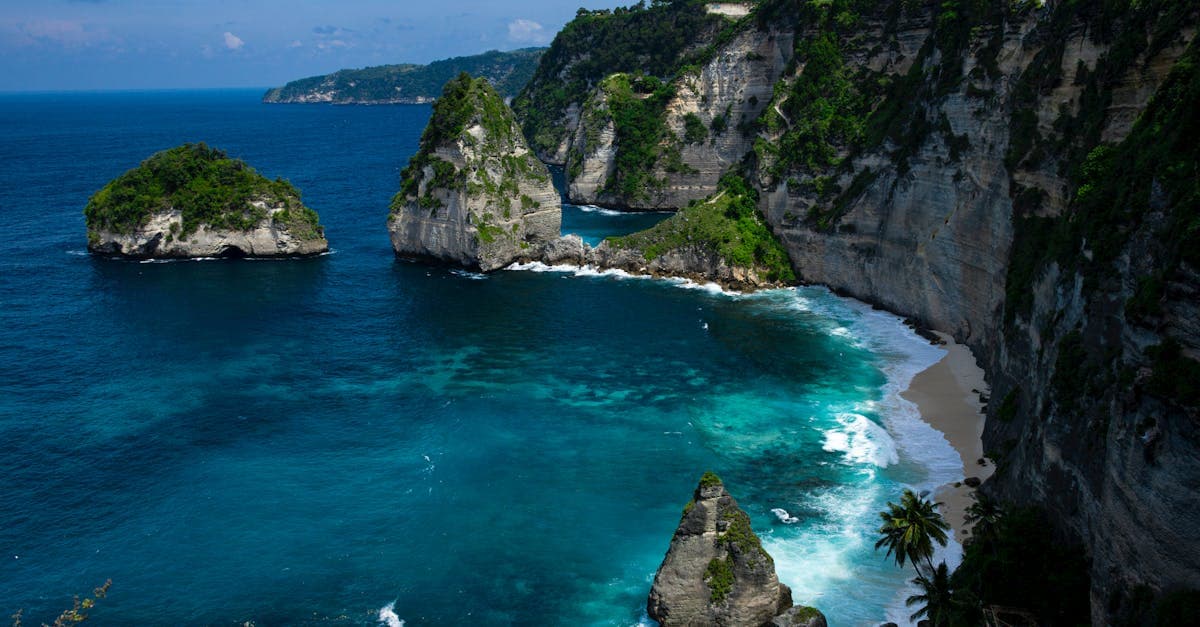
Nusa Penida is the essential day trip from the main island. Take a fast boat from Sanur's harbour. Three sights anchor most itineraries:
Mount Batur requires an early start, specifically a 2am one. The two-hour hike from the base reaches the 1,717m volcanic rim at dawn, with panoramic views over Lake Batur when the cloud cooperates. Guides are compulsory and most Ubud guesthouses arrange transfers and transport.
Back in Ubud, the Sacred Monkey Forest Sanctuary houses 700 long-tailed macaques in a forested Hindu temple complex. Entry is NZD 4 to 6. A Balinese cooking class, beginning at the morning market before moving into a family compound kitchen, runs NZD 30 to 55 per person.
Uluwatu and Canggu offer serious surf for intermediate and advanced riders. Beginners can book lessons from NZD 35, most schools including board hire. The Bali Swing experiences at Zen Hideaway and Alas Harum position jungle swings over rice terrace valleys for dramatic shots; sessions run NZD 20 to 40.
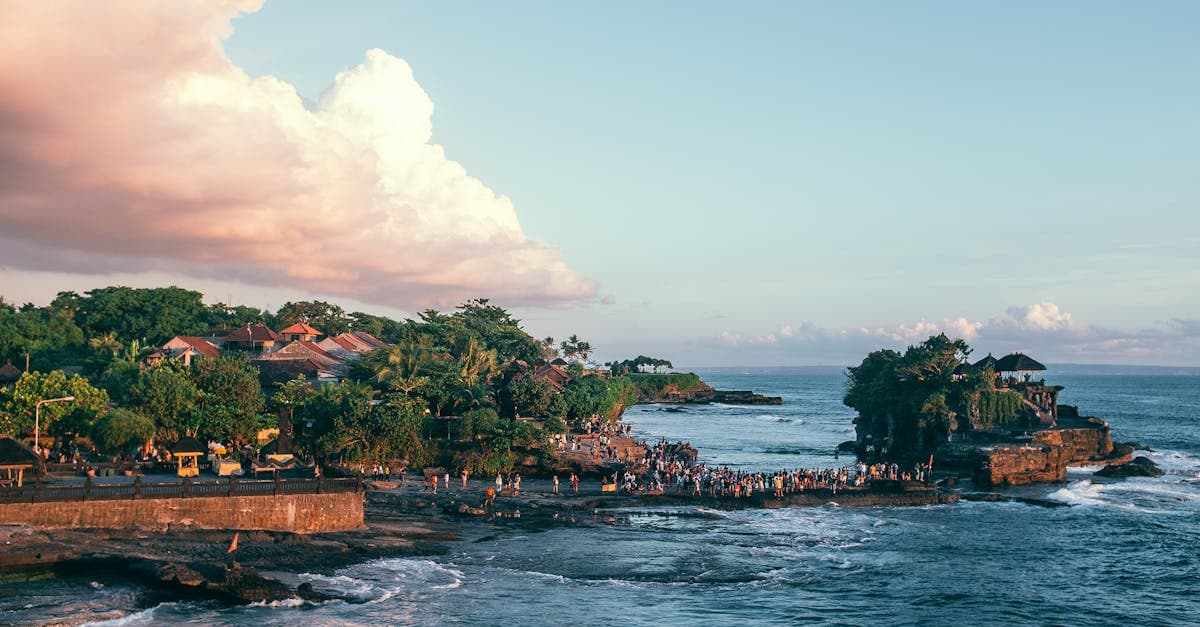
Tanah Lot, Bali's most-photographed sea temple, sits on a coastal rock formation about an hour west of Seminyak. Visit at high tide for the classic image of the temple completely surrounded by water.
South Bali gets crowded. These corners of the island rarely do.
Sidemen Valley sits in Bali's eastern interior, offering rice terrace scenery that can match Tegallalang without the entrance kiosks and souvenir vendors. On clear mornings, Mount Agung fills the northern skyline. A handful of family guesthouses provide rice paddy views from the breakfast table at prices that feel almost absurd by NZ standards.
Amed, on Bali's northeast coast, is a quiet fishing village that's become the island's best base for snorkelling and freediving. The USAT Liberty, an American cargo ship torpedoed during World War II, rests just offshore at neighbouring Tulamben and is accessible to snorkellers as well as divers.
Head into the highlands to Munduk and you'll find coffee and clove plantations, twin crater lakes (Tamblingan and Buyan), and walking trails to waterfalls that see almost no international visitors. The temperature drops noticeably up there. Accommodation is inexpensive.
Penglipuran Village, near Bangli, is among Bali's best-preserved traditional settlements. A car-free bamboo forest corridor runs through the centre, and the compound architecture follows ancestral building guidelines, giving the entire village a visual coherence you won't find anywhere else in Bali.
For rice terraces with real scale, Jatiluwih is the answer. A UNESCO World Heritage Site covering 600 hectares of working farmland, it dwarfs Tegallalang in scope while receiving a fraction of the visitor numbers.
Tukad Cepung Waterfall requires a short walk through a cave to reach. Plan your visit around midday, when shafts of light break through the rock above the falls and illuminate the pool below.
North Bali, centred on the fishing town of Lovina and the reefs of Menjangan Island in West Bali National Park, is the region most international visitors skip entirely. New fast-boat connections from Serangan have significantly reduced travel time to the north. Dolphin watching operates off Lovina at dawn. Menjangan offers some of the best diving in Indonesia.
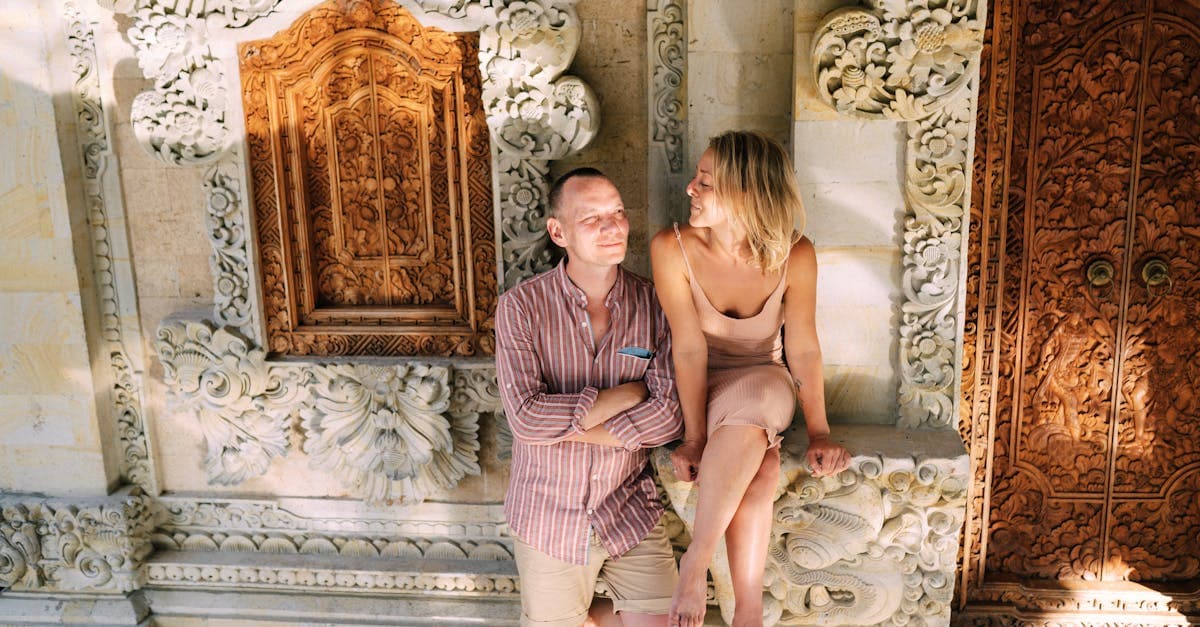
Connectivity in Bali follows a clear geography. Canggu's co-working spaces deliver reliable speeds. Take a fast boat to Nusa Penida and you're back to patchy 3G. North Bali and the highlands around Munduk have limited coverage across large stretches.
NZ carrier roaming works, but the cost adds up. Spark charges around NZD 14 per day on its Data Roaming Day Pass. One NZ and 2degrees run closer to NZD 10 per day. Ten days on a home carrier plan adds NZD 100 to 140 to the bill.
Three practical options exist for NZ travellers. Staying on your home carrier's roaming plan is the most convenient and the most expensive: your NZ number stays active, no setup required, and that daily charge accumulates from the moment you land. An Indonesian local SIM from Denpasar airport or a 7-Eleven runs roughly NZD 8 to 12 for a month's worth of data, exceptional value if your phone accepts a physical SIM swap and you don't mind your NZ number going offline while away. An eSIM sidesteps both issues: no physical swap required, and your NZ number stays reachable for calls and texts while data routes through a local Indonesian network.
Hello Roam offers Indonesia eSIM plans starting from $2.28 for 1GB over 7 days, with options scaling for longer stays or heavier data use. Compare plans and activate before boarding at(https://www.helloroam.com/en-NZ/local-esim).
For a 10-day trip mixing Ubud, Nusa Penida, and coastal time, a 10 to 15GB plan covers maps, messaging, and video calls without running short. Sort connectivity before you fly and one less thing needs figuring out in the arrivals hall.
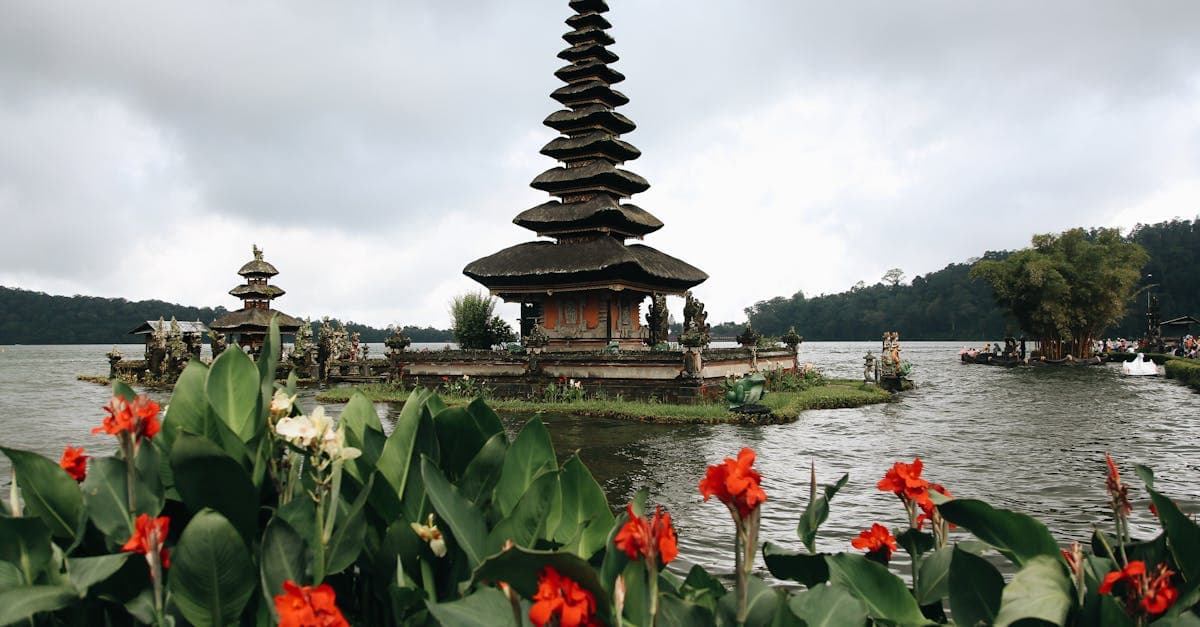
Three NZ carriers, three different price points, one consistent problem: daily caps that throttle your connection before breakfast.
Spark's Data Roaming Day Pass runs approximately NZD 14 per day in Indonesia. One NZ's Travel Pass comes in at NZD 10 per day, with 2degrees matching that rate. Affordable on day one. Less so by day seven.
All three plans include a daily data allowance, and once that cap is hit, speeds slow significantly. Navigation still functions, barely. Streaming stops. Video calls become unreliable. For travellers who need to work remotely or navigate Bali's famously unsigned back roads, a throttled connection is a real operational problem, not a minor inconvenience.
The cumulative cost is the bigger issue. Add it up over a standard 10-day trip and you're paying the total flagged in the previous section, on top of what's otherwise an extremely affordable destination. That's real money for a service that doesn't guarantee full-speed data all day.
Short stays of two to three days? Roaming makes sense. Convenience outweighs the premium. But for anyone planning a week or longer, it's the most expensive connectivity option by a significant margin. Your NZD goes a long way in Bali, just not when it's funding a daily roaming charge.

Walking out of Denpasar arrivals, you'll pass at least three SIM card stalls before you reach the taxi rank. Indonesian local SIMs are genuinely cheap. Telkomsel Simpati and XL Axiata tourist packs cost NZD 5 to 12 for 10 to 30GB of data, valid for 30 days. That's a fraction of any NZ carrier plan.
The catch is the swap. A local SIM means pulling your NZ card and going dark on your NZ number for the trip's duration. Missed calls, undelivered texts, two-factor authentication codes that never arrive. For anyone who can't go fully offline on their primary number, that's a genuine trade-off.
eSIM removes that problem entirely. Most NZ phones sold since 2020 support eSIM: iPhone XS and later, Samsung Galaxy S20 and later, and Google Pixel 3 and later all qualify. You load a separate data profile onto the same device, keep your NZ number active on the physical SIM, and use the eSIM for Indonesian data.
Hello Roam sells Indonesia eSIM plans priced in NZD, with plans purchasable and installed before you fly. That's worth more than it sounds. Activating a local SIM at an airport stall while jet-lagged and trying to read Indonesian packaging is not the frictionless experience the price implies. Hello Roam's plans run on a local Indonesian carrier network, delivering speeds comparable to the SIMs you'd buy at the terminal, without the hassle of a physical swap.
For a week or more in Bali, the eSIM option delivers cost savings close to a local SIM, full local network speeds, and a NZ number that stays on for incoming calls. That combination is hard to beat.
The exchange rate alone explains why NZ travellers keep coming back. At roughly IDR 9,200 to 9,800 per NZD, your dollar covers real ground. A plate of nasi campur at a warung costs NZD 1.50 to 3.50. A full day's scooter hire runs NZD 7 to 12. These aren't promotional estimates; they're what you actually pay eating and moving like a local.
Budget travellers can get by on NZD 40 to 60 per day. That covers a guesthouse bed or hostel dorm, three warung meals, and a hired scooter. Comfortable, not luxurious.
The mid-range daily spend outlined in this guide's opening section suits most visiting New Zealanders. Step up to a private villa room, restaurant dinners, and one or two paid activities per day, and you're in that bracket. At the top end, five-star villas, beach club day passes, and a private driver (NZD 55 to 75 for a full day) push costs to NZD 200 to 400 or more per day.
Activities stack up quickly. A Nusa Penida day trip runs NZD 55 to 90 depending on the operator. The Mount Batur sunrise trek costs NZD 40 to 65. A cooking class in Ubud typically runs NZD 30 to 55. The Uluwatu Kecak entry price noted earlier remains one of the better-value paid experiences on the island.
Two fees catch first-timers off guard. The Visa on Arrival covered at the start of this guide is one. A separate USD 10 tourist levy applies on top of that, paid via QR code at Love Bali kiosks in Bali or through the official portal before departure. The two fees are unrelated and both mandatory.
A mid-range 10-day trip, excluding flights, typically runs NZD 800 to 1,300 on the ground. Return flights from Auckland add NZD 700 to 1,400 depending on airline, routing, and booking window.
April is when things get good. Bali's dry season runs from April through October, and July and August are the sunniest, driest months of the year. That's also when beach accommodation prices peak and Kuta fills with package tourists.
The wet season, November through March, gets a bad reputation it doesn't fully deserve. Afternoon downpours are common and sometimes heavy. But mornings are typically clear, accommodation rates drop, and the island quietens considerably. Waterfalls run fuller. Rice terraces turn a deeper green. For photographers and anyone who finds peak-season Bali overwhelming, those months have real appeal.
NZ school holidays sit directly on top of Bali's busiest windows. The July term break aligns with peak dry season. The late January to early February summer holiday falls in wet season but remains popular with NZ families. Book early for both. Three months minimum for July flights and accommodation; more if you're particular about villas.
Shoulder months, specifically April to June and September through October, offer the most balanced conditions. Weather is reliable, rates are more competitive, and you're not sharing Tegallalang with every tour group on the island.
Nyepi, the Balinese Day of Silence, typically falls in March and results in Denpasar airport closing for a full 24 hours, with all outdoor activity prohibited across the island. Check the exact date before booking. Arriving the day after Nyepi is fine; arriving on the day is not possible.
September is Bali's quiet sweet spot for NZ travellers: dry, uncrowded, and priced well below the July peak.
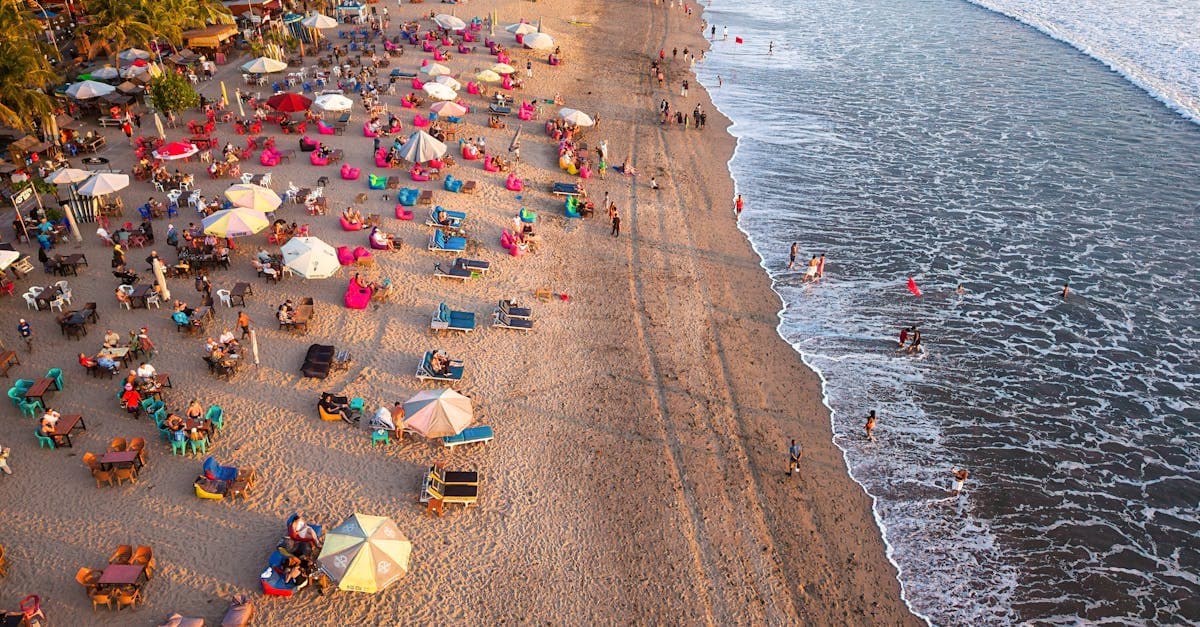
Bali deported more tourists in 2024 and 2025 than in the previous decade combined. That's not a scare tactic, it's a practical heads-up: the island has genuinely tightened its tourist conduct rules, and enforcement is visible.
The visa is straightforward. NZ passport holders collect a Visa on Arrival at Denpasar for the fee noted earlier in this guide, valid 30 days and extendable once for a further 30 days. Indonesia's e-VOA portal allows advance payment and priority processing online before you fly, skipping the airport queue entirely.
Hindu temples require a sarong, worn over your clothing. Most entrances have them available for NZD 1 to 2. Shoulders should also be covered. Since 2024, fines of up to IDR 1 million apply for nudity in public, disrespectful conduct at sacred sites, or riding in temple precincts. The deportations were widely reported incidents, not edge cases, and enforcement has increased noticeably since then.
Tap water isn't safe to drink anywhere on the island. Bottled water costs around NZD 0.50 per litre from convenience stores. Many accommodations offer large refill dispensers, which cuts the cost considerably.
Gojek and Grab both work reliably across south and central Bali. Book through the app so the price is locked before you get in. For non-app taxis, always agree on a fare before you move.
Comprehensive travel insurance with medical evacuation cover is worth having before you board. Private hospitals in Bali are capable and well-equipped, but the bills without coverage can be genuinely painful.

Flights from Auckland to Bali take approximately eight to ten hours with one stopover, typically through Singapore, Sydney, or Melbourne. Wellington and Christchurch travellers add a short domestic connection. Airlines including Air New Zealand, Jetstar, and Scoot operate this route.
A mid-range 10-day trip excluding flights typically costs NZD 800 to 1,300 on the ground. Return flights from Auckland add NZD 700 to 1,400. Budget travellers can manage on NZD 40 to 60 per day, while mid-range travellers spend NZD 80 to 130 per day covering accommodation, meals, transport, and activities.
NZ passport holders receive a Visa on Arrival for USD 35, valid for 30 days and extendable once to 60 days. An e-VOA option allows you to process the same application online before flying, skipping airport queues. A separate USD 10 tourist levy, introduced in February 2024, is also mandatory and paid via QR code.
Bali's dry season runs from roughly May to September, which overlaps conveniently with New Zealand's Term 2 and Term 3 school holiday windows. This period offers the most reliable weather for outdoor activities, beach time, and hiking.
Top experiences include visiting Tegallalang Rice Terraces before 8am, watching the Kecak fire dance at Uluwatu Temple, taking a fast boat to Nusa Penida to see Kelingking Beach and Angel's Billabong, doing the Mount Batur sunrise trek, and visiting the Sacred Monkey Forest in Ubud. A Balinese cooking class and a session at the Bali Swing are also popular.
Bali introduced a USD 10 tourist levy in February 2024, separate from and in addition to the Visa on Arrival fee. It is payable via QR code at Love Bali kiosks on arrival or in advance through the official Love Bali portal before departure. Both the visa fee and the tourist levy are mandatory.
Spark charges approximately NZD 14 per day on its Data Roaming Day Pass in Indonesia. One NZ and 2degrees both run closer to NZD 10 per day. A 10-day trip on a home carrier plan adds NZD 100 to 140 to your bill, and all three plans throttle speeds once the daily data cap is reached.
A local Indonesian SIM from Denpasar airport costs NZD 5 to 12 for 10 to 30GB of data valid for 30 days, but requires swapping your NZ SIM and going offline on your NZ number. An eSIM lets you keep your NZ number active for calls and texts while routing data through a local Indonesian network, and can be purchased and installed before you fly.
Most NZ phones sold since 2020 support eSIM. Compatible models include iPhone XS and later, Samsung Galaxy S20 and later, and Google Pixel 3 and later. You load a separate Indonesian data profile onto the same device without removing your physical NZ SIM.
A 10 to 15GB plan is sufficient for a 10-day trip mixing areas like Ubud, Nusa Penida, and the coast. This covers maps, messaging, and video calls without running short. Note that connectivity in Bali varies: Canggu co-working spaces are fast, while Nusa Penida and the highlands around Munduk have limited coverage.
A Nusa Penida day trip by fast boat from Sanur typically costs NZD 55 to 90 depending on the operator. Key sights include Kelingking Beach with its famous T-Rex cliff viewpoint, Angel's Billabong natural rock pool, and Broken Beach sea arch.
The Mount Batur sunrise trek costs NZD 40 to 65. It requires a 2am start, takes about two hours to reach the 1,717m volcanic rim, and guides are compulsory. Most Ubud guesthouses arrange transfers and transport for the trek.
Lesser-visited highlights include Sidemen Valley for rice terrace scenery without the crowds, Amed on the northeast coast for snorkelling and the USAT Liberty shipwreck at Tulamben, Munduk in the highlands for waterfalls and crater lakes, Jatiluwih for UNESCO-listed rice terraces covering 600 hectares, and Menjangan Island for some of Indonesia's best diving.
A Balinese cooking class in Ubud typically costs NZD 30 to 55 per person. Most classes begin at the morning market before moving into a family compound kitchen, covering traditional dishes using local ingredients.
WiFi quality varies significantly by location. Canggu's co-working spaces deliver reliable speeds suitable for remote work. Nusa Penida drops to patchy 3G, and north Bali and highlands like Munduk have limited coverage across large stretches. A local data SIM or eSIM is recommended as a backup for consistent connectivity.
Food is extremely affordable for NZ travellers. Warung meals at local roadside eateries regularly cost under NZD 3.50, and a plate of nasi campur costs NZD 1.50 to 3.50. The NZD exchange rate of roughly IDR 9,200 to 9,800 per NZD makes eating and moving like a local very cost-effective.
Tukad Cepung Waterfall in Bali requires a short walk through a cave to reach. The best time to visit is around midday, when shafts of light break through the rock above the falls and illuminate the pool below, creating a dramatic natural light display.
The Kecak fire dance is performed at sunset in an open-air clifftop amphitheatre at Uluwatu Temple on Bali's southern tip. Entry to the temple runs NZD 12 to 15. It is consistently regarded as one of Bali's most impressive cultural experiences, combining dramatic Indian Ocean cliff views with traditional Balinese performance.
HelloRoam: your trusted travel eSIM that keeps you online across borders.
Explore Plans