14 Most Affordable Vacation Destinations for Canadians in 2026

Written by: Sarah Mitchell


15 min read

HelloRoam is a global eSIM provider offering instant mobile data in 170+ countries. Buy prepaid travel eSIM plans with no roaming fees, no contracts, and instant activation on any eSIM-compatible device.
15 min read
Mexico, Colombia, and Vietnam currently offer the lowest all-in costs for Canadians planning a 10-day international trip thebrokebackpacker.com. The Mexican peso and Colombian peso both sit favourably against the Canadian dollar right now, and Vietnam's dong delivers strong on-ground purchasing power. Standard Big Three carrier roaming adds ~$140 CAD to any 10-day trip at ~$14 CAD per day, a line item that most published budget guides skip entirely.
Switching to a travel eSIM before departure is the fastest fix. Hello Roam's eSIM for Canada covers 190+ destinations with plans that cost a fraction of that roaming figure for comparable trip lengths. Booking flights in January, February, or March from YYZ, YVR, or YUL nets the steepest discounts. Factor in exchange rates, on-ground costs, and connectivity, and a well-planned trip to Mexico City or Medellín stays well within a realistic Canadian travel budget.

Affordable means a 10-day all-in trip under $2,000 CAD per person, departing from a Canadian gateway airport. "All-in" covers return airfare, accommodation, food, activities, and connectivity (eSIM or roaming). That definition draws a clear line between genuinely affordable destinations and places that simply have a handful of inexpensive hotels surrounded by high prices.
The USD/CAD rate affects this math more than most travellers anticipate. With the Canadian dollar sitting between 1.36 and 1.43 against the US dollar through 2025 and into 2026, any destination priced in US dollars becomes structurally expensive. Mexico's peso, Colombia's peso, Vietnam's dong, Georgia's lari, and Morocco's dirham all offer strong purchasing power against the loonie right now. That alignment is why these five countries consistently dominate Canadian budget itineraries.
The true cost formula has three components: return flight from a Canadian gateway airport (YYZ, YVR, YUL, YEG, or YYC), daily on-ground spend covering accommodation, food, and activities, and connectivity. Most published destination lists address the first two and omit the third entirely. Rogers, Bell, and Telus all charge a flat daily rate for international roaming, and that total accumulates quickly across a longer trip. That line item rarely surfaces in any travel publication's cost breakdown.
Booking windows matter more than most people expect. Latin American and European flights hit their price floors roughly 6 to 10 weeks before departure. Southeast Asia requires more lead time, with 10 to 16 weeks out typically producing the best fares. January, February, March, and November consistently undercut the rest of the year from Canadian airports, the post-holiday and pre-spring shoulder period when leisure travel demand softens most sharply.

Seven destinations meet the criteria across price, flight availability from Canadian airports, and connectivity infrastructure. The table below provides 10-day estimates per person departing from Toronto Pearson (YYZ).
Mexico and Colombia anchor the low end. Georgia offers the cheapest daily on-ground spending in the group, though the connecting flight from Canada raises the total. Vietnam and Bali follow, with elevated flight costs offset by daily budgets that rarely exceed $100 CAD. Portugal is the most expensive in this set but comes in well below typical Western European benchmarks.
Georgia and Morocco both require at least one stopover from Canadian airports; neither destination has direct service from YYZ or YVR. Google Flights alerts on the YYZ-Istanbul or YYZ-Casablanca routes are the most reliable way to track fares for those two. For YVR departures, connections through European hubs are standard.
Each destination gets a subsection below, grouped by region and covering best traveller profile, optimal season, and connectivity. The Caribbean cluster, which draws the largest volume of Canadian winter holiday traffic, leads off.
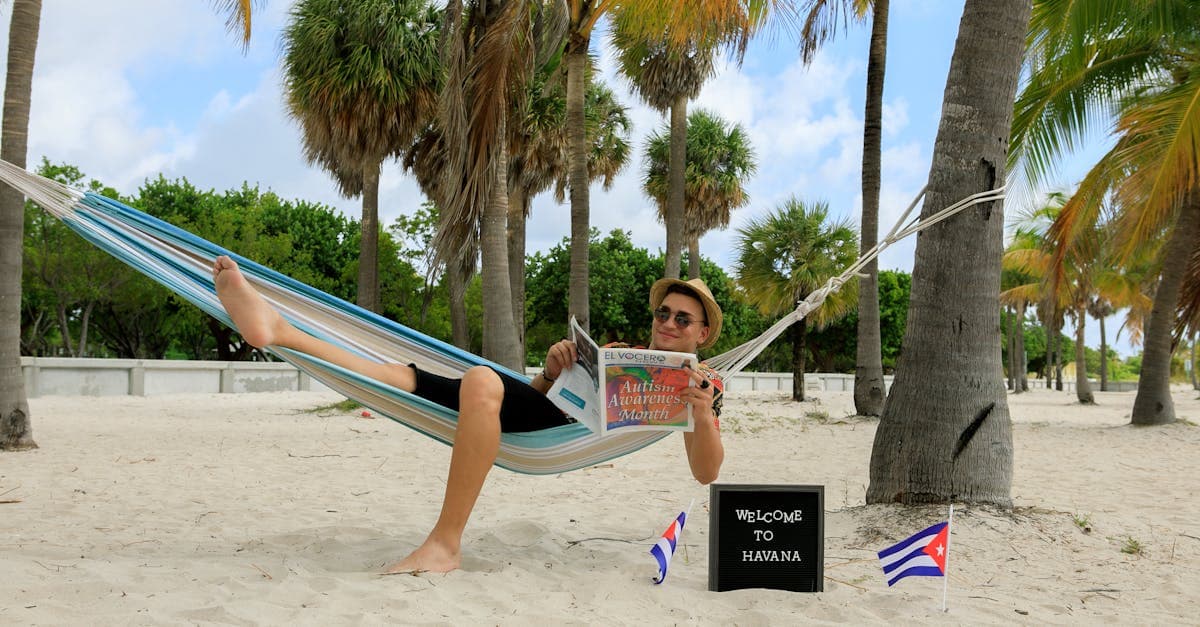
Cuba is one of the few Caribbean destinations where Canadian travellers face none of the restrictions that apply to US citizens. That fact sets it apart in the regional mix, alongside Mexico and the wider Caribbean corridor that generates Canada's largest share of outbound winter holiday traffic.
Mexico splits cleanly into two trip types. Mexico City and Oaxaca suit independent travellers: affordable street food, local transit, and accommodation across a wide price range keep daily spending well within the figures from the table above. Cancun and the Riviera Maya run on all-inclusive pricing, where the upfront package cost is higher but daily spending beyond the resort stays minimal. Neither approach is wrong; the gap between the two styles is significant enough that it's worth settling before you book.
Cuba's direct charters from YYZ, YUL, and YVR serve Varadero, Cayo Coco, and Havana. All-inclusive packages for 10 days frequently land between ~$1,200 and ~$2,000 CAD per person, covering flights, transfers, accommodation, and meals sunwing.ca. The Dominican Republic and Jamaica operate on similar charter economics, with a competitive Canadian market holding prices in check. Food and accommodation outside resort zones in both countries cost considerably less than the resort rate.
Connectivity diverges sharply across this cluster. Rogers' North America add-on covers Mexico and holds up well for trips under 10 days, making it cost-competitive with a local SIM for shorter visits. Cuba's internet infrastructure is limited throughout the island, including inside resort areas, so download offline maps and entertainment before departure. For Mexico, travel eSIMs activate before you board, and Hello Roam's plans cover the main tourist corridors reliably from Cancun to CDMX. Dominican Republic and Jamaica both have solid LTE infrastructure from local networks.
Families and couples looking for affordable warm weather without a transcontinental flight find the most consistent value in this cluster, particularly through all-inclusive packages booked during the winter shoulder months.

Return flights from Toronto or Vancouver to Hanoi or Ho Chi Minh City range from roughly $950 to $1,500 CAD. Once you land, Vietnam's daily costs stay modest: roughly $60 to $100 CAD covers accommodation, meals, and local transport expedia.ca. A full 10-day trip comes in at around $1,470 to $2,600 CAD all-in. Book 10 to 16 weeks before departure; January, February, and November consistently offer the cheapest fares from Canadian airports.
According to expedia.ca, Thailand is great for travellers on a budget, and it runs roughly $65 to $110 CAD per day, suiting first-time Southeast Asia travellers from Canada particularly well. AIS eSIM activation is the most straightforward in the region: a QR-code install and solid 4G coverage nationwide with no counter paperwork required.
Cambodia has the lowest on-the-ground costs in Southeast Asia. The routing is the catch: a stopover in Bangkok or Kuala Lumpur adds one to two days of travel time each way from Canada. Angkor Wat is a genuine cultural draw that makes the longer journey worthwhile.
Bali's 10-day all-in cost falls between roughly $1,550 and $2,600 CAD. Physical SIMs require IMEI registration at the point of purchase; an eSIM sidesteps that entirely. Connectivity is reliable in Canggu and Ubud, patchy in rural areas.
The strongest case for the long-haul flight from Canada to Asia is a multi-country circuit. Combining Vietnam, Thailand, and Bali across three to four weeks spreads the airfare across three distinct experiences and reduces the cost-per-destination considerably weareglobaltravellers.com.

Portugal is the lone Western European country here that fits the 10-day all-in benchmark, with return flights at roughly $700 to $1,000 CAD and off-peak total costs of around $1,800 to $2,950 CAD. WiFi quality is consistently the strongest of any budget destination in this guide, with nationwide coverage from multiple competing carriers.
Georgia (the country, not the US state) is the most underrated option on this list thewanderfulme.com, running roughly $60 to $95 CAD per day, with a 10-day all-in of around $1,430 to $2,400 CAD. Rogers and Bell standard roaming passes may not cover Georgia, which can result in higher-tier billing. Confirm your carrier's coverage classification before purchasing a day pass.
Albania has the lowest daily costs in Europe indietraveller.co. The Ionian Riviera rivals Greece and Croatia on coastline quality at a fraction of the price, and charter connections from Western Canada via European hubs have expanded in recent years.
Bulgaria offers reliable EU-standard 4G at Eastern European prices. Sofia connects to major Canadian airports via London or Frankfurt, and eSIM support is solid across the country.
Sarajevo combines Ottoman old-town architecture and Dinaric Alps access with some of the continent's lowest daily city costs. Romania adds Gothic castles, Carpathian mountain scenery, and medieval towns (Brasov and Sighisoara) to the Balkans circuit, with strong eSIM support throughout.

According to weareglobaltravellers.com, Colombia offers strong value for budget travellers, and Bogotá is the most accessible South American city from Canadian airports by total journey time, with the all-in 10-day trip cost running roughly $1,230 to $2,070 CAD. Medellín and Cartagena are the two primary tourist cities, both with established safety records for international visitors in 2026.
Bolivia is South America's cheapest destination per day and better suits itineraries of three weeks or longer, since routing from Canada requires two to three connections. Lake Titicaca and the Uyuni Salt Flats are the main draws, both genuinely unlike anything else in the hemisphere.
Morocco's 10-day all-in comes to roughly $1,550 to $2,580 CAD, with daily costs between roughly $65 and $105 CAD. Connectivity is the variable to plan around: Medina walls in older city districts block WiFi substantially, making mobile data essential. Saharan regions carry no signal.
Egypt offers competitive value for history-focused travel. Nile cruise packages from Cairo compare favourably with equivalent European river journeys, and most Canadian routes connect via London or Dubai.
Sri Lanka suits two-to-three-week itineraries built around beaches, tea highlands, and ancient temples. Local SIMs are inexpensive and available without complicated registration.
One connectivity note covering Morocco, Egypt, and Georgia: Rogers, Bell, and Telus may classify these destinations under higher-tier or non-standard roaming rates. Check your carrier's plan tier before purchasing a day pass.

Every Canadian budget travel guide accounts for flights, hotels, and food. Almost none of them include the phone bill. At the standard Big Three daily rate, a 14-day trip adds $196 CAD before you've eaten a single meal at your destination. That figure is consistently absent from affordable vacation destination roundups, which is why many Canadians come home to a larger bill than expected.
A destination-specific eSIM for the same 10-day trip typically costs between $8 and $20 CAD total. The savings versus standard carrier roaming are substantial, as noted in the cost comparison above.
Under CRTC regulations, all handsets sold in Canada since roughly 2017 are legally network-unlocked. No carrier call required. iPhones from the XS and XR generation (2018 onward) and Samsung Galaxy S20 and later support eSIM alongside a physical SIM simultaneously; your Canadian number stays active for banking 2FA, CRA notifications, and work logins while the travel eSIM handles data.
On connectivity quality across the destinations in this guide: Portugal leads on overall WiFi infrastructure. Vietnam is the fastest for urban data speeds in Southeast Asia. Morocco's Medina districts block WiFi substantially, making cellular data essential in the old cities; the Sahara carries no signal. Georgia may fall outside your carrier's standard roaming tier, worth confirming before you leave.

Latin America and European routes hit their lowest return fares when booked six to ten weeks out. Southeast Asia requires more runway: ten to sixteen weeks from Canadian gateways such as YYZ and YVR. Waiting until three weeks before departure typically costs a hundred dollars or more extra per ticket.
Google Flights price alerts are the most reliable starting point. Flytrippers.com catches Canadian-specific deals from regional airports that the major booking engines often miss. Hopper's price prediction tool tells you whether to buy now or hold.
Timing matters as much as the tool. January, February, March (post-holiday), and November consistently return the cheapest fares from all five major Canadian departure airports. Summer and March Break carry a premium across every destination in this guide.
Calculate the true all-in cost before committing: return flight plus accommodation plus daily food and activities plus travel insurance plus connectivity. Most budget guides stop at flight and hotel. That gap between their estimate and your credit card statement is where the surprise lives.
A few steps that belong in every booking:

Return flights to Mexico remain the cheapest from any Canadian gateway, which makes it the default starting point for any budget comparison indietraveller.co. Cancun and Mexico City are both well served from YYZ, YVR, and YUL, and the total ten-day trip cost sits at the lower end of the ranges covered earlier in this guide.
Colombia offers a different kind of value. Bogotá, Medellín, and Cartagena deliver European-quality urban infrastructure at developing-world prices, with return flights from Toronto in the mid-range noted in the destination breakdown.
Vietnam's edge is purely the on-the-ground spending. Daily costs there rank among the most competitive globally for a destination with established tourism infrastructure expedia.ca. The higher long-haul flight cost spreads comfortably across a two-week trip, which is precisely where Southeast Asia starts winning the overall comparison.
Georgia is the most underrated option on this list. Daily costs run close to Vietnam's; flights connect through European hubs rather than US connections; and Tbilisi costs meaningfully less for a comparable week than Lisbon does.
The key variable: Latin American destinations win on flight cost from Canada, while Southeast Asia wins on daily ground spending once you arrive. Trips of seven to ten days favour Latin America. Two weeks or more tilt toward Vietnam or Thailand. Staying on your Canadian carrier's standard roaming plan adds the daily charge described in the connectivity section to every day of the trip, which shifts the total comparison considerably.
Two destinations sit at the top of any quality-to-cost comparison for Canadians, for reasons that don't overlap. Portugal offers world-class food, historic architecture in Lisbon and Porto, and Atlantic beaches at prices well below comparable destinations in France or Spain. Vietnam offers Halong Bay, Hoi An's old town, and Hanoi's street food culture: landscape and cultural density that competes with places costing far more weareglobaltravellers.com.
Portugal has a practical edge as well. It carries the best WiFi infrastructure of any destination in this guide, making it the default choice for anyone working remotely while travelling. The all-in trip costs are covered in the destination breakdown; what matters here is that the quality arrives at an affordable price, not a premium one.
Colombia belongs in this conversation. Cartagena's walled colonial city and Medellín's coffee-region surroundings offer genuinely distinctive experiences at the costs noted in the South America section.
Bali runs comparable in total price to a week in southern Spain, with terraced rice fields, temple culture, and a developed wellness infrastructure. Connectivity is reliable in Canggu and Ubud but thins out in outlying areas.
Albania's Ionian Riviera offers turquoise water and Ottoman hilltop towns with almost no crowds. It's the least-visited beach coast in Europe and among the cheapest per day on this list indietraveller.co. Routing from Canada typically adds a connection through Rome or Vienna.
The answer depends on priorities: Portugal for European culture and reliable data connections, Vietnam for sensory and cultural depth at the daily cost described in the destination breakdown, Albania for empty beaches at some of Europe's lowest daily rates.
Trip length changes the answer more than any other variable. For seven-to-ten-day trips from Canada, Mexico wins on the combination of the cheapest available return fare from any Canadian gateway and affordable on-the-ground daily spending thebrokebackpacker.com. It's also the most forgiving destination logistically: short flight time, no visa requirement for Canadians, and widespread English in tourist areas.
For trips of two weeks or more, Southeast Asia delivers better total value once the long-haul flight cost spreads across more days. Vietnam ranks first in this category. Daily costs sit at the lower end of the range covered in the destination breakdown, and destinations across the country (Hanoi, Hoi An, Ho Chi Minh City) sustain a longer trip naturally.
Bolivia and Georgia have the cheapest per-day costs in their respective regions. The trade-off is routing complexity from Canada, which typically adds one or more connections to your travel day. Both destinations justify the effort on extended trips of three weeks or more, where the routing cost amortizes.
Cambodia and Bolivia offer the lowest daily costs in their regions but carry thinner connectivity infrastructure and fewer direct flight options from Canadian airports. For a traveller who needs reliable mobile data throughout, that matters.
The budget maximizer that rarely appears in these guides: swapping your Canadian carrier's standard roaming for an eSIM saves the equivalent of one to two nights of accommodation in Vietnam or Colombia on a ten-day trip. The saving covered in the connectivity section is real money when the goal is keeping the total under two thousand dollars a person.

Mexico City, Medellín in Colombia, and Vietnam offer the best combination of low cost and quality experience for most travellers. A 10-day trip to Mexico or Colombia can come in under $2,000 CAD all-in from Toronto, with strong food scenes, culture, and natural beauty. Vietnam similarly keeps daily on-ground costs to $60–$100 CAD while delivering diverse landscapes and cities.
Mexico and Colombia currently offer the lowest all-in costs for Canadians, with 10-day trips running roughly $1,150 to $2,070 CAD from Toronto. The favourable exchange rate of the Mexican peso and Colombian peso against the Canadian dollar makes these two destinations exceptionally affordable right now compared to most alternatives.
Mexico, Colombia, Vietnam, Georgia, and Morocco are among the most affordable destinations for Canadians in 2025–2026. The Canadian dollar holds strong purchasing power against currencies like the Mexican peso, Colombian peso, Vietnamese dong, Georgian lari, and Moroccan dirham, all of which deliver better on-ground value than destinations priced in US dollars.
Vietnam and Georgia offer the lowest daily on-ground costs for budget travellers, at roughly $60 to $100 CAD per day. Colombia is the most accessible low-budget South American destination from Canadian airports, with a 10-day all-in trip running approximately $1,230 to $2,070 CAD. Cambodia has the lowest on-the-ground costs in Southeast Asia but requires a longer routing from Canada.
A truly affordable 10-day trip is defined as under $2,000 CAD per person all-in, covering return airfare from a Canadian gateway airport, accommodation, food, activities, and connectivity. Mexico and Colombia anchor the low end at roughly $1,150 to $2,070 CAD, while Portugal, at the higher end of the budget list, runs $1,800 to $2,950 CAD.
January, February, March, and November consistently offer the cheapest fares from Canadian airports, as leisure travel demand softens sharply in the post-holiday and pre-spring shoulder period. Latin American and European flights hit their lowest prices roughly 6 to 10 weeks before departure, while Southeast Asian fares are best booked 10 to 16 weeks in advance.
Rogers, Bell, and Telus all charge a flat daily rate for international roaming of approximately $14 CAD per day, adding roughly $140 CAD to a 10-day trip. This cost is rarely included in published travel budget guides but is a significant line item. Switching to a travel eSIM before departure can reduce this cost considerably.
A travel eSIM is a digital SIM card that installs via QR code and activates before you leave home, replacing your carrier's expensive roaming plan. Hello Roam's eSIM covers 190-plus destinations with plans that cost a fraction of standard carrier daily roaming rates. It works across most tourist corridors from Cancun to Vietnam, and no physical SIM swap is required at the airport.
Yes, Vietnam is one of the most affordable long-haul destinations for Canadians. Return flights from Toronto or Vancouver run $950 to $1,500 CAD, daily on-ground costs average $60 to $100 CAD covering accommodation, meals, and local transport, and a full 10-day trip comes to roughly $1,470 to $2,600 CAD all-in. January, February, and November are the cheapest months to fly.
Medellín and Cartagena, the two primary tourist cities in Colombia, both have established safety records for international visitors in 2026. Bogotá is the most accessible South American city from Canadian airports by total journey time. The 10-day all-in cost for a Colombia trip runs roughly $1,230 to $2,070 CAD from Toronto.
Portugal is the most affordable Western European destination on this list, with 10-day all-in costs of roughly $1,800 to $2,950 CAD. Return flights from Toronto run $700 to $1,000 CAD, and Lisbon and Porto offer the strongest WiFi quality of any budget destination in the guide, with nationwide coverage from multiple competing carriers.
Cuba's internet infrastructure is limited throughout the island, including inside resort areas. Canadian travellers should download offline maps, entertainment, and any needed documents before departure. Reliable mobile data connectivity cannot be counted on during a Cuban trip, regardless of which Canadian carrier you use.
With the Canadian dollar sitting between 1.36 and 1.43 against the US dollar through 2025 and into 2026, any destination priced in US dollars becomes structurally expensive for Canadians. Destinations with weaker local currencies against the loonie, such as Mexico, Colombia, Vietnam, Georgia, and Morocco, deliver significantly stronger on-ground purchasing power.
Georgia offers daily on-ground costs of roughly $60 to $95 CAD, making it the most underrated and one of the most affordable options for Canadians in Europe. A 10-day all-in trip runs approximately $1,430 to $2,400 CAD, though at least one stopover is required from Canadian airports. Note that Rogers and Bell standard roaming passes may not cover Georgia, so confirm your carrier's coverage classification before departure.
A 10-day trip to Bali from Canada costs roughly $1,550 to $2,600 CAD all-in, with daily on-ground spending of $65 to $110 CAD. Connectivity is reliable in popular areas like Canggu and Ubud but patchy in rural areas. A travel eSIM is recommended to sidestep the IMEI registration required when purchasing physical local SIMs in Indonesia.
Albania has the lowest daily costs in Europe, with the Ionian Riviera offering coastline quality comparable to Greece and Croatia at a fraction of the price. Georgia, Bulgaria, Bosnia-Herzegovina, and Romania all offer Eastern European pricing with strong eSIM support. Portugal is the most affordable Western European option, with 10-day all-in costs around $1,800 to $2,950 CAD.
Morocco's 10-day all-in cost runs roughly $1,550 to $2,580 CAD, with daily spending of $65 to $105 CAD. Mobile data is essential in Morocco because Medina walls in older city districts block WiFi substantially and Saharan regions carry no signal at all. Canadian carriers may classify Morocco under higher-tier roaming rates, so check your plan before purchasing a day pass.
Toronto Pearson (YYZ), Vancouver International (YVR), and Montreal Trudeau (YUL) are the primary Canadian gateway airports that consistently produce the lowest international fares. Edmonton (YEG) and Calgary (YYC) also serve as departure points. Booking in January, February, or March from these airports nets the steepest discounts across most international routes.
HelloRoam: your trusted travel eSIM that keeps you online across borders.
Explore Plans