The Complete Guide to Food Tours in Rome: Best Tours, Neighborhoods and Prices (2026)

Written by: Sarah Mitchell


13 min read
HelloRoam is a global eSIM provider offering instant mobile data in 170+ countries. Buy prepaid travel eSIM plans with no roaming fees, no contracts, and instant activation on any eSIM-compatible device.
13 min read
Condé Nast Traveler readers have consistently ranked Rome among Europe's top three food cities, and the reason isn't a single Michelin-starred moment. It's the accumulation of a thousand small ones. Cacio e pepe at a zinc-topped counter. Suppli from a paper cone outside a market stall. Carciofi alla giudia crisped golden in the Jewish Ghetto.
Roman cuisine is built on cucina povera, a peasant cooking tradition that turned cheap, abundant ingredients into extraordinary dishes through centuries of refinement. The city has never relied on luxury ingredients. Carbonara uses guanciale and egg yolks. Trippa alla romana is offal braised in tomato with mint. These aren't dishes born from excess; they're the result of working-class neighborhoods figuring out how to eat brilliantly on almost nothing.
That history runs deep. Ancient trade routes brought spices and olive oil through Roman ports. The Jewish Ghetto contributed more than 2,000 years of culinary tradition, including the fried artichoke that now appears on every serious food tour itinerary. The neighborhood of Testaccio, once a slaughterhouse district, became the anchor of Roman working-class food culture through the 20th century.
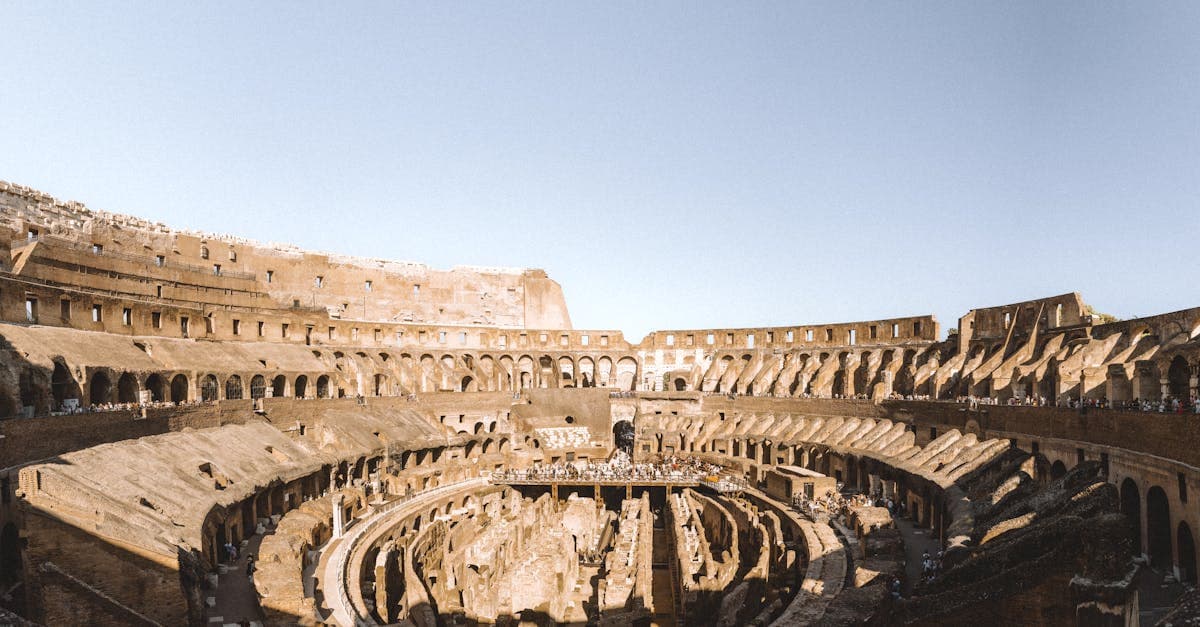
US visitors have caught on. Food tours now outsell museum skip-the-line tickets on major booking platforms, a shift that says something real about what travelers want from Rome in 2025 and 2026. The food tour has replaced the audio guide as the entry point to understanding the city.
Rome's best food tour neighborhoods are Testaccio, Trastevere, the Jewish Ghetto, and Trionfale Market, each offering a distinct angle on local food culture. Picking the wrong area can still tank an otherwise well-run tour, since the geography you choose shapes whether you eat what locals actually eat or a polished version of Roman cuisine calibrated for visitors who don't know the difference. That distinction is worth taking seriously before you book.
Four neighborhoods dominate the Rome food tour conversation, and they are not interchangeable. Prati, near the Vatican, is convenient but tourist-priced. The Historical Center and Campo de' Fiori deliver atmosphere and accessibility, with kitchens calibrated for high foot traffic. None of that is disqualifying, but you're trading authenticity for ease.
Two areas earn repeat visits from travelers who've already done Rome. The Trionfale Market is the largest food market in the city, operates largely off the main tourist circuit, and anchors the private tour itinerary at foodtourrome.com. Vendors here sell to local families and professional cooks. Prices reflect that.
The Jewish Ghetto is smaller and slower-paced but carries a culinary tradition stretching back 2,000 years. Most mainstream travel guides give it a paragraph. A properly run food tour spends real time there, covering carciofi alla giudia, cured meats, and the particular story of how Roman-Jewish cuisine survived centuries of pressure and shaped the broader food identity of the city. That context is worth the extra walk.
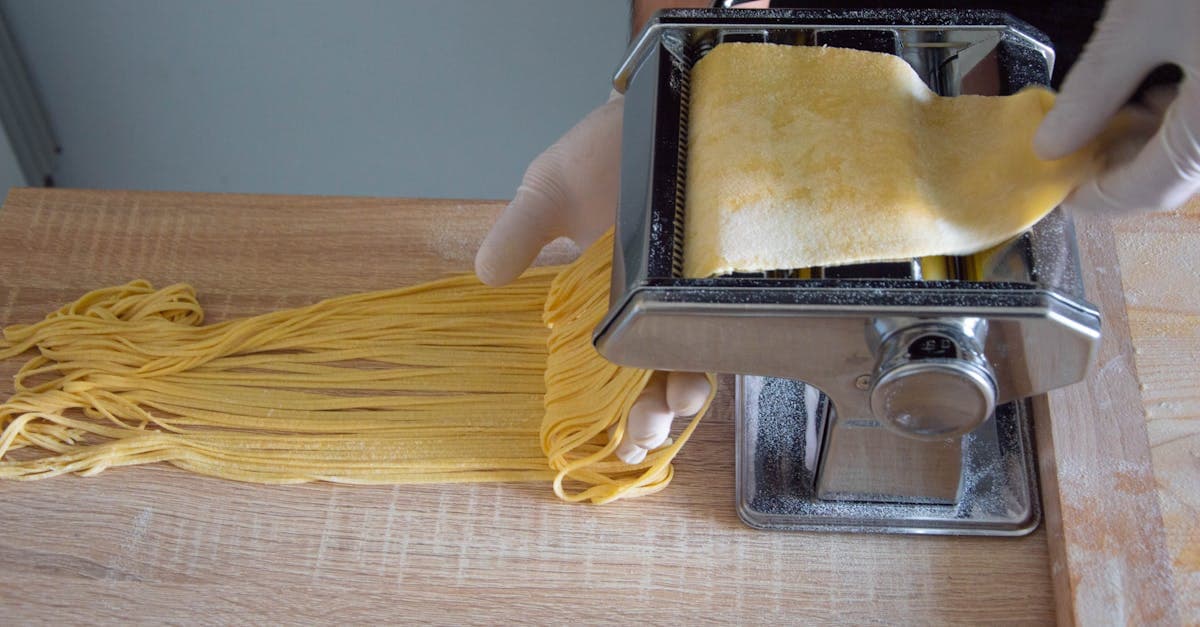
The slaughterhouse closed decades ago, but Testaccio still carries the culinary DNA of Rome's original working-class culture. The neighborhood's identity is built on offal: tripe, rigatoni with pajata (cured intestine), fried sweetbreads. Alongside the organ meats, you'll find suppli, maritozzi stuffed with cream, and artichokes cooked three different ways depending on which vendor you're standing in front of.
Testaccio Market is the neighborhood's centerpiece. The indoor covered market sells fresh produce, aged cheese, charcuterie, and street food at prices that reflect local demand, not tourist tolerance. This is why Eating Europe anchors its flagship tour here, at ~$95 to $115 per person for groups capped at 12 eatingeurope.com. The vendor access and layered food culture in close proximity make it the most efficient single-stop education in Roman cuisine you can get in a half-day.
That said, Testaccio isn't for every traveler. If your idea of a good meal in Rome is a white-tablecloth setting and a pasta you recognize on sight, this is the wrong neighborhood. The appeal here is the opposite of performance Italian food. It's a market stall, a paper plate, and something you've genuinely never heard of before. Adventurous eaters treat that as the entire point.
One practical note: the market floor is cobblestone and genuinely uneven. Wear shoes rated for 3 to 4 hours of walking before you arrive. This is not a recommendation to ignore.
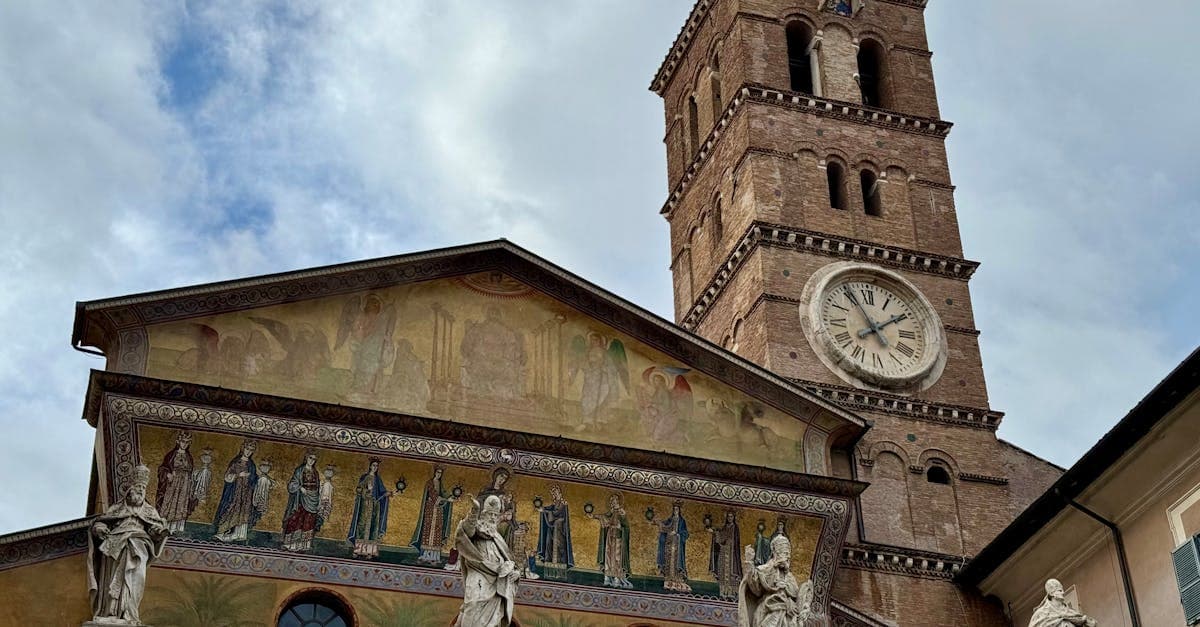
No neighborhood in Rome photographs as well as Trastevere. Medieval winding streets, vine-covered facades, and warm evening light generate 50 to 100 shareable moments per tour. The food, fortunately, backs up the scenery.
Eat suppli al telefono (fried rice balls where the mozzarella stretches like a telephone wire when you pull them apart), tonnarelli cacio e pepe at a proper trattoria, porchetta carved from a whole pig, and artisan gelato from family-run shops that have operated for decades without much changing. The flavors here are richer and more celebratory than Testaccio's market-stall intensity. A different register, not a lesser one.
Two operators run strong Trastevere circuits. Devour Tours (~$79 to $99) leans value, with wine pairings integrated throughout and itineraries that favor less-trafficked spots over the obvious stops. Walks of Italy (~$99 to $125) brings more cultural narrative, contextualizing the food within the neighborhood's layered history. Both cap groups at 12; both draw consistent praise for guide quality across major booking platforms tripadvisor.com.
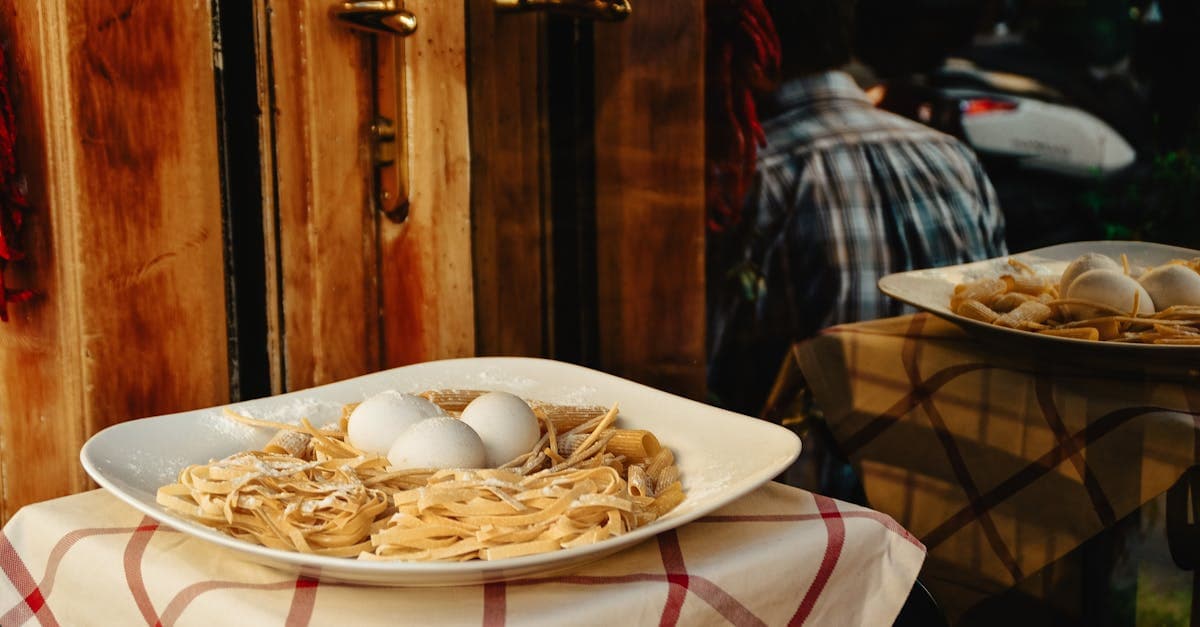
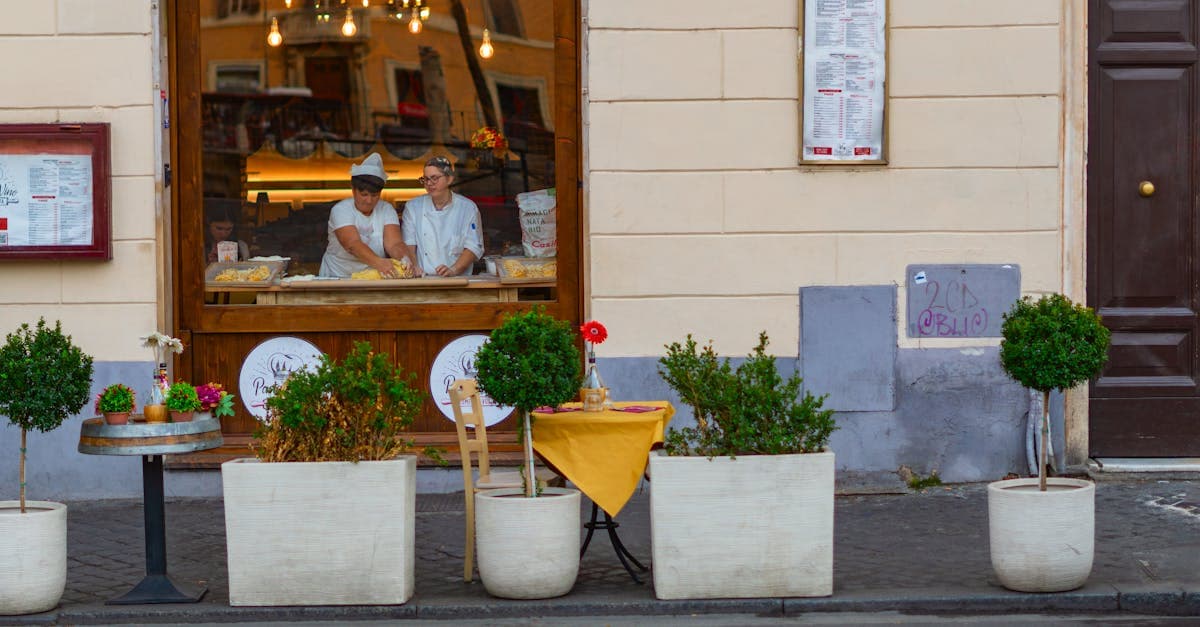
Trastevere also hosts a concentration of standalone culinary classes: a Fresh Pasta Making Class and a Rome Pizza Making Class using one of the city's oldest wood-fired ovens both run as separate bookings. For travelers who want to carry a skill home alongside the meal, these pair naturally with an evening tour. Tours starting around 6 PM have a structural advantage here: the candlelit alleys reach peak atmosphere after the afternoon tourist rush clears, and the wine-forward itineraries that define Trastevere's character feel entirely right in the evening light.

Eating Europe holds a 4.9/5 rating on Viator across more than 2,500 reviews, which is the highest sustained score among Rome food tour operators on the platform eatingeurope.com. For a product this dependent on individual guide quality and day-to-day vendor access, that consistency matters. It's the operator most cited by American travel media. The Testaccio anchor explains why.
Five operators cover the market across two formats. The first three run small-group tours capped at 12 guests with fixed neighborhood itineraries. The last two operate private-format tours, trading group energy for full schedule flexibility and customized routes.
Devour's Jewish Ghetto circuit deserves specific attention. It covers dishes shaped by the neighborhood's Sephardic Jewish community, including preparations that predate the rest of Roman cuisine. If you've already done Trastevere, this is the stronger second-tour option.
Walks of Italy layers historical commentary onto tastings. The food quality holds, but the experience prioritizes cultural context over caloric volume. Right fit for travelers who'd otherwise hire a separate history guide alongside the food component.
Rome Food Tour operates privately out of Trionfale Market, where professional chefs do their produce shopping foodtourrome.com. At ~$150-$250 per person, the price covers exclusivity and a market that standard tour itineraries don't reach. The Food and Wine Tour in the Historical Center runs a four-venue VIP itinerary at ~$200+ per person, best suited to travelers whose schedule keeps them near central landmarks rather than Testaccio or Trastevere.
Booking platforms add 10-15% in service fees. Booking directly with any of the small-group operators saves $10-$15 per person and typically provides more flexible cancellation terms. Book 2-4 weeks out for April through October. December and February open up last-minute availability at lower prices and smaller groups.
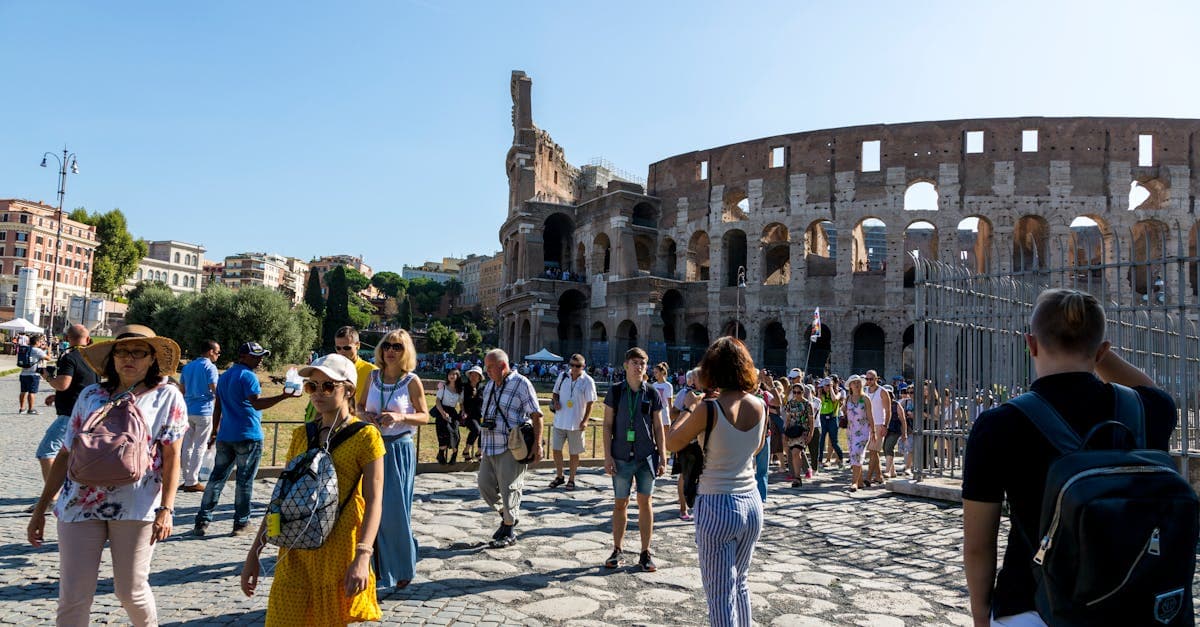
Three to four hours, 8-12 tasting stops, a maximum of 12 guests. That structure holds across every reputable operator in Rome and is the core distinction between a curated food tour and a large walking lunch with strangers.
Stops alternate between formal sit-downs at family-run trattorias and market stalls where you eat standing while a vendor explains the product in Italian and your guide translates in real time. The pacing is unhurried. You move between stops at conversation speed, not commuter speed.
Morning tours, typically starting at 9 AM, reach markets at peak freshness and low foot traffic. Evening tours running roughly 6-9 PM trade that market access for atmosphere and lean heavier on wine stops. Both formats are valid; they deliver different experiences built around the same core dishes.
What to bring:
Most operators handle vegetarian and gluten-free diners with 48 hours notice. Vegan requests work best in Testaccio, where the market's produce focus gives guides more to work with. Religious dietary restrictions are worth a direct conversation with the operator before booking.
The guide's value extends well beyond commentary. Ask for specific vendor names worth revisiting solo, request help reading Italian-only menus, and note producer names for cheese and charcuterie stops. That information doesn't surface on review sites, and it often becomes the most practically useful takeaway from the entire tour.
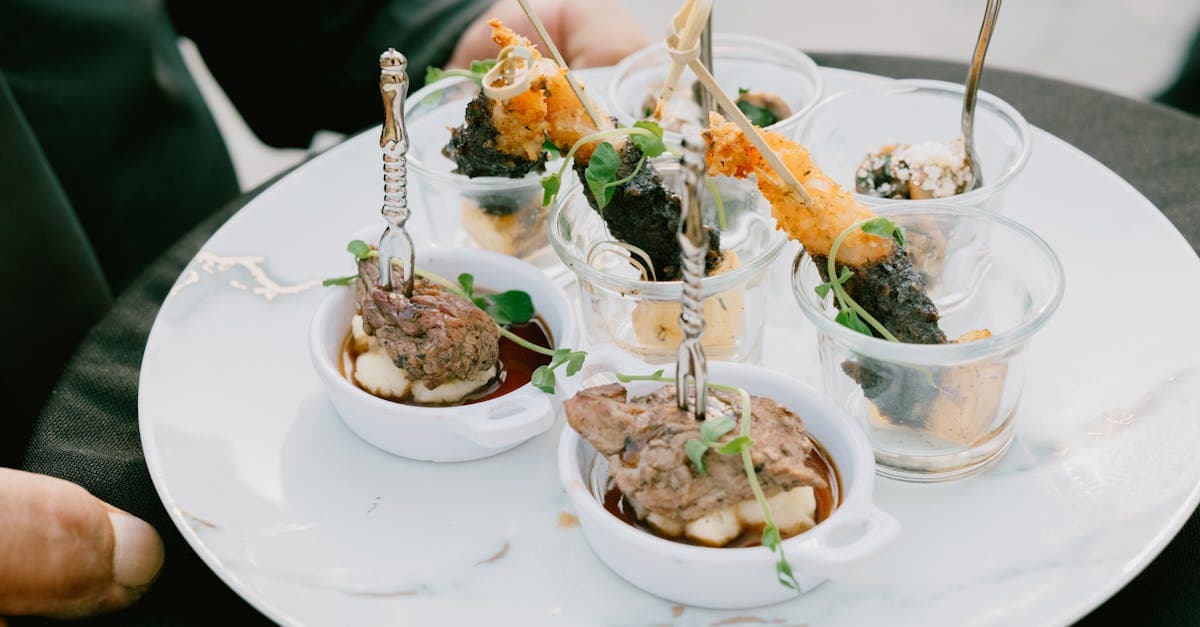
Suppli comes first. Always. Rome's original street food: a fried rice ball packed with ragu and molten mozzarella, hot enough that the cheese stretches when you bite through it. Most Testaccio tours open here because there's no cleaner introduction to the neighborhood's culinary identity.
Cacio e pepe and carbonara arrive at a legitimate trattoria, not a restaurant positioned 200 feet from the Colosseum. Real carbonara uses guanciale (cured pork cheek, not bacon) and a yolk-heavy emulsion that doesn't break. Most visitors have had carbonara before. They haven't had it like this.
Pajata and trippa alla romana are the tour's honest moment of reckoning. Pajata is veal intestine, traditionally cooked with the curdled milk still inside. Trippa alla romana is tripe stewed slowly in tomato with pecorino. Guides offer context before anyone commits. Both dishes belong to cucina povera, and both make considerably more sense after two or three earlier stops have grounded you in what that tradition actually means.
Carciofi alla giudia runs February through May, and spring tours catch this Jewish-style deep-fried artichoke at full quality: thin, crisp, salted, and nothing like the artichoke preparations most Americans have encountered. Tours in late winter and early spring are reliably better for this dish than anything in summer.
Regional wines appear at two or three stops. White Frascati from the Castelli Romani hills and Cesanese, a red native to Lazio, are the standard pours. Both are produced within an hour of Rome and rarely appear on American wine lists.
Tours close with gelato or maritozzi, the cream-filled brioche Romans have been eating for breakfast and dessert since the 19th century. The spot your guide selects will not be near the Spanish Steps.
Budget ~$220-$300 for a couple on a mid-range food tour and you've covered everything: tour fee, gratuity, and round-trip transport to Testaccio or Trastevere. That number excludes post-tour drinks and market purchases, which are discretionary.
The spread across operators is real. Small-group tours sit well below the private-format options covered in the operator comparison above. The premium for private formats buys exclusivity and custom routing, not a higher caliber of ingredients or more food per stop.
Tipping in Italy works differently than in the US. Restaurant servers generally don't expect the 20% American standard. Food tour guides are the exception. They operate on thin margins, and $15-$25 per person is what guides running strong tours expect. The upper end of that range is earned, not obligatory.
Seasonal pricing adds 10-15% during peak summer months (June through August). Shoulder seasons in November, February, and March deliver the same tours at base pricing, with groups that frequently run under the 12-person cap. Those quieter months also mean more one-on-one time with guides and vendors.
Booking platforms charge a service fee on top of what operators set directly. Going direct, as outlined in the comparison above, avoids that markup and typically comes with better cancellation windows. Over two people, the savings from direct booking cover the metro fare to Testaccio and back, with cash to spare.
A travel eSIM is the most reliable connectivity option for American visitors in Rome, providing full 4G speeds from $11 to $27 for a week with no in-store setup required. Public Roma WiFi requires an Italian mobile number to register, which disqualifies most American visitors before they've ordered their first coffee. Hotel connections degrade through century-old stone walls. Café speeds average 5-10 Mbps and drop mid-session.
On a food tour, a data gap costs you more than convenience. Testaccio's street grid is genuinely disorienting; Google Maps running in the background is the difference between arriving on time and missing the opening stop entirely. Market stalls post handwritten Italian menus that a translation app handles in seconds. Tour operators send last-minute meeting point changes via WhatsApp. You're also going to photograph every plate.
T-Mobile's included international tier sounds reasonable until you try to render a Trastevere map in real time. The AT&T and Verizon roaming option charges at the daily rate noted earlier, and that compounds into a meaningful expense over a full week.
Activate your eSIM before the flight. A 3-5 GB plan covers a full week of navigation, translation, and photo sharing at every tasting stop.
For most first-time and second-time visitors, yes. A $100 tour replaces hours of pre-trip research and eliminates the real risk of a wasted dinner at a tourist-facing spot positioned near a major monument.
The price covers more than the food itself. Vetted vendors, tasting portions calibrated for a full circuit rather than a single sitting, and context that turns a fried rice ball into a story about the working-class history of an entire neighborhood: that combination is genuinely hard to replicate solo.
Tours aren't the right call for everyone. Repeat visitors who already know Testaccio Market, budget travelers who prefer to wander without a schedule, and anyone with deep prior experience in Italian regional cooking will find more value eating independently.
There's a practical move worth building into any post-tour day: return to Testaccio Market alone, buy from the vendors your guide introduced, and pay the local prices. You know the stall, you know the product, and you need no one to explain it.
Before you book, the practical details:
Spring tours fill fast. Reserve any April or May date at least two to four weeks out.

A Rome food tour is a guided culinary experience lasting 3 to 4 hours with 8 to 12 tasting stops and a maximum of 12 guests. Stops alternate between sit-down family-run trattorias and market stalls, covering dishes like suppli, cacio e pepe, carbonara, and carciofi alla giudia. Regional wines from Lazio typically appear at 2 to 3 stops.
Testaccio is the most authentic choice for serious food lovers, anchoring tours around its indoor covered market with offal dishes, suppli, and aged cheeses at local prices. Trastevere is better for atmosphere and evening tours with wine pairings. The Jewish Ghetto offers a 2,000-year culinary tradition. The Trionfale Market is the city's largest and operates largely off the tourist circuit.
Small-group food tours in Rome typically cost between $79 and $125 per person. Devour Tours runs $79 to $99, Eating Europe charges $95 to $115, and Walks of Italy costs $99 to $125. Private tours such as Rome Food Tour at Trionfale Market range from $150 to $250 per person, while VIP format tours in the Historical Center start above $200.
Eating Europe holds a 4.9 out of 5 rating on Viator across more than 2,500 reviews, the highest sustained score among Rome food tour operators on that platform. The company anchors its flagship tour in Testaccio and is the operator most cited by American travel media. Tours are capped at 12 guests and can be booked via Viator or directly through eatingeurope.com.
Book 2 to 4 weeks in advance for tours running April through October, when demand is highest. December and February offer more last-minute availability, smaller group sizes, and occasionally lower prices. Booking directly with the operator rather than through platforms like Viator saves $10 to $15 per person in service fees and usually provides more flexible cancellation terms.
Bring a small backpack so your hands stay free, roughly $40 in euro cash in small bills since several Testaccio market vendors are cash-only, and comfortable shoes suitable for 1 to 2 miles on uneven cobblestone. Skip breakfast entirely before the tour, as stops are calorically substantial by design.
Most Rome food tour operators accommodate vegetarian and gluten-free diners with 48 hours notice. Vegan requests work best in Testaccio, where the market's produce focus gives guides more flexibility. Religious dietary restrictions are best discussed directly with the operator before booking.
Morning tours, typically starting at 9 AM, reach markets at peak freshness and low foot traffic. Evening tours running roughly 6 to 9 PM trade that market access for atmosphere and lean heavier on wine stops. Both formats cover the same core Roman dishes but deliver noticeably different experiences.
Typical tastings include suppli (fried rice balls with ragu and mozzarella), cacio e pepe, carbonara made with guanciale and egg yolks, trippa alla romana, carciofi alla giudia in season, and regional wines like Frascati and Cesanese from Lazio. Tours close with gelato or maritozzi, a cream-filled brioche traditional to Rome.
Suppli is Rome's original street food: a deep-fried rice ball filled with ragu and molten mozzarella that stretches when bitten, known as suppli al telefono. Most Testaccio tours open with it because it serves as a clean introduction to the neighborhood's working-class culinary identity. It is typically sold hot at market stalls and eaten standing.
Carciofi alla giudia is a Jewish-style deep-fried artichoke originating in the Jewish Ghetto, cooked until thin, crisp, and golden. It runs seasonally from February through May. Spring food tours catch this dish at full quality, and tours in late winter and early spring are reliably better for it than anything in summer.
Cucina povera is a peasant cooking tradition built on cheap, abundant ingredients transformed through centuries of refinement rather than expensive components. Roman classics like carbonara, cacio e pepe, and trippa alla romana all come from this tradition, created by working-class neighborhoods seeking to eat well on limited resources. Understanding cucina povera provides the key context for most dishes served on a Rome food tour.
The Jewish Ghetto carries a culinary tradition stretching back more than 2,000 years, shaped by the neighborhood's Sephardic Jewish community with preparations that predate much of the rest of Roman cuisine. Devour Tours runs a dedicated Jewish Ghetto circuit covering these dishes. It is considered the stronger second-tour option for travelers who have already done Trastevere.
Trionfale Market is the largest food market in Rome and operates largely off the main tourist circuit, where vendors sell to local families and professional chefs. Rome Food Tour anchors its private itinerary here, priced at approximately $150 to $250 per person. The market offers vendor access and pricing that reflect local demand rather than tourist tolerance.
Trastevere is an excellent choice, particularly for evening tours starting around 6 PM when the medieval streets and vine-covered facades reach peak atmosphere. Highlights include suppli al telefono, tonnarelli cacio e pepe, porchetta, and artisan gelato. Both Devour Tours and Walks of Italy run strong Trastevere circuits capped at 12 guests.
Reputable small-group Rome food tour operators cap groups at 12 guests. This group size is a core distinction between a curated food tour and a large walking lunch. Private tour operators like Rome Food Tour at Trionfale Market offer fully exclusive experiences for couples or custom groups at a higher price point.
Devour Tours, priced at $79 to $99, leans toward value with wine pairings integrated throughout and itineraries that favor less-trafficked spots. Walks of Italy, at $99 to $125, brings more cultural and historical narrative, prioritizing context alongside the food. Both cap groups at 12 and draw consistent positive reviews for guide quality.
Yes, Trastevere hosts standalone culinary classes including a Fresh Pasta Making Class and a Rome Pizza Making Class using one of the city's oldest wood-fired ovens, both available as separate bookings. These pair naturally with an evening neighborhood food tour for travelers who want to carry a practical skill home alongside the tasting experience.
HelloRoam: your trusted travel eSIM that keeps you online across borders.
Explore Plans