Best Travel SIM Card for Australia in 2026: eSIM Vs Physical SIM Compared

Written by: Sarah Mitchell


11 min read
HelloRoam is a global eSIM provider offering instant mobile data in 170+ countries. Buy prepaid travel eSIM plans with no roaming fees, no contracts, and instant activation on any eSIM-compatible device.
11 min read
IMGMARKER_PLACEHOLDER_1 for Australian connectivity](https://cdn.sanity.io/images/az24mip8/production/7d51da4efb1d0919e9db268c606bd87d48e6881c-1200x627.jpg)
A travel SIM is a SIM card bought specifically for your destination, physical or embedded, rather than using your home carrier's roaming service. Load a local plan, skip the daily roaming charges, and arrive with working data.
Australia has three major mobile networks: Telstra, Optus, and Vodafone (now merged with TPG). Many travel SIM cards sold to tourists run as MVNOs (mobile virtual network operators), reselling capacity on one of these three without owning any towers. Which underlying network your SIM uses matters more than the brand on the packaging.
The cost contrast is stark. According to wise.com, most home carriers charge around A$10-15 per day for international access. A local prepaid plan covering the same 28-42 day period typically runs A$30-40 total, according to canstar.com.au.
Coverage geography is where Australia diverges from most destinations. The east coast corridor from Brisbane through Sydney to Melbourne is well served by all three networks. Past that corridor, Telstra becomes your only reliable option. The Nullarbor Plain, Northern Territory highways, and outback roads sit largely outside Optus and Vodafone's footprint. If your trip extends beyond the coast, the network behind your travel SIM card matters as much as price.
Before buying, confirm your handset supports Band 28 (700 MHz LTE), which Australia uses widely for rural 4G reach. Phones purchased in some overseas markets don't include it, meaning weaker signal in regional areas even on the right network. 5G is live across CBDs and major suburbs in all capital cities, with rollout continuing into regional hubs.
Beyond the cities, public WiFi isn't a reliable fallback. National parks have none. Mobile data is the only practical option for anyone moving around.
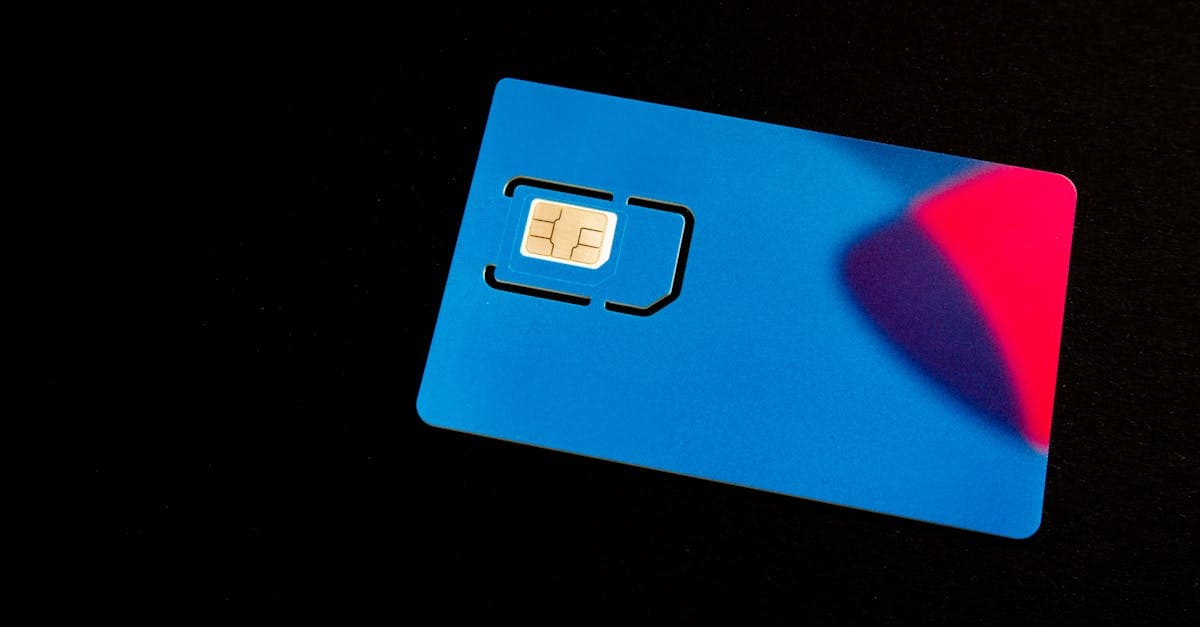
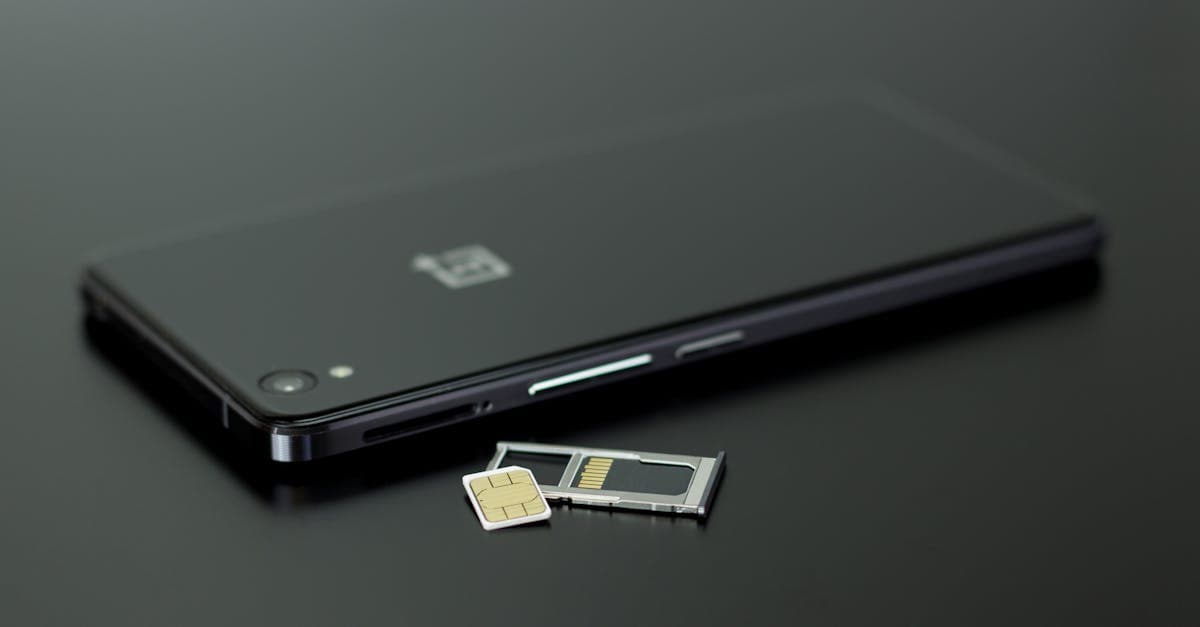
Two formats, one outcome. An eSIM is an embedded chip inside your phone, activated digitally via a QR code or app, with no physical card required. A physical SIM is the traditional removable chip that slots into the SIM tray, available from airport kiosks, carrier stores, or online before departure.
The eSIM's key advantage is timing. Activate before you board, land in Sydney or Melbourne with data already running, walk straight past the arrivals kiosk. For time-poor travellers, that's a genuine win.
Physical SIMs hold an edge where eSIM support is absent. Around 45% of smartphones sold in Australia in 2024 were eSIM-capable, which means a significant share of devices in global circulation still need a physical card. If your handset is a few years old or a budget model, check the spec sheet before purchasing an eSIM plan.
Dual-SIM capability adds a useful layer. Most modern phones run an eSIM and a physical SIM simultaneously, keeping your home number active for calls while an Australian data plan handles everything else. No missed calls while you're working out which lane to take at Circular Quay.
One caveat applies to both formats: your phone must be carrier-unlocked to use a foreign network. Handsets sold on carrier contracts are often locked to the issuing carrier. Confirm this before you travel, not at the departure gate.

The right travel SIM for Australia depends on trip type, duration, and itinerary. Network and format should follow your itinerary, not the other way around.
Short city stays under seven days favour the eSIM. Data needs are modest, activation is instant, and you're unlikely to test coverage limits in Sydney or Melbourne. Convenience is the deciding factor.
East coast road trips of two to three weeks work with either format, but the network matters more than the form factor. Regional stretches between towns drop Optus and Vodafone signal quickly; prioritise a plan running on the Telstra network.
Remote and outback routes are Telstra territory, full stop. The Stuart Highway, Gibb River Road, and the Nullarbor require Telstra coverage, and MVNO eSIM plans don't always guarantee it depending on the plan tier. For these routes, a physical Telstra Visitor SIM is the more predictable choice.
Long stays of three months or more call for a different approach. Renewing a 28-day prepaid plan repeatedly adds cost and admin. A postpaid plan from Optus or Vodafone offers better ongoing value for extended visits.
If your handset doesn't support eSIM, the choice is simple: physical SIM only. Check device specs before committing to anything digital.
Multi-country itineraries covering Australia, New Zealand, Bali, and Japan are simpler on a single multi-country eSIM than sourcing separate SIMs at each stop.

The best travel SIM cards for Australia in 2026 are Hello Roam, Airalo, Telstra Prepaid Visitor SIM, and Optus Tourist SIM. Airport SIM kiosks at Melbourne, Sydney, and Brisbane arrivals are convenient, consistently overpriced, and easily avoided. Plans at those counters typically run 40-60% higher than equivalent options available online or purchased before departure.
Hello Roam offers an eSIM for Australia that activates instantly on your device before departure, with transparent pricing, no daily data caps, and multi-country capability for itineraries that stretch beyond Australia. Everything sorted before you board.
Airalo Australia is a large eSIM marketplace with multiple plan options to compare, per canstar.com.au. It's data-only, network access varies by the specific plan selected, and support can be inconsistent. Useful for shopping around, but confirm which network the plan uses before buying.
Telstra Prepaid Visitor SIM is the strongest choice for anyone travelling beyond the coastal cities: ~A$30 for 30GB over 28 days with hotspot included, as reported by canstar.com.au. Running on the widest national network, it's the sensible default for road trips and outback routes.
Optus Tourist SIM is competitive in metro areas: ~A$30 for 15GB or ~A$40 for 40GB across 28-42 days, according to canstar.com.au. Coverage thins noticeably in regional areas, so it suits city-focused trips more than open-road ones.
For tourists asking which SIM card works best for general travel in Australia, the priorities are coverage breadth, hotspot access, English-language customer support, no lock-in contracts, and clearly stated expiry dates. Most options above hit the majority of those marks. For a multi-country itinerary, Hello Roam handles Australia alongside the rest of the trip on one eSIM.

Comparing travel SIM plans for Australia means evaluating four factors: which network the plan actually runs on, whether hotspot tethering is included, validity against your trip length, and full upfront pricing without speed reductions buried in the terms. Headline data totals come last.
For all of that in one place, Hello Roam's Australia eSIM plans cover the key priorities: transparent pricing, instant delivery before departure, no mid-trip throttling, and a single eSIM that carries across a multi-country itinerary.

According to wise.com, mobile data in Australia costs around AUD $1-2 per GB on local prepaid plans, making a local SIM significantly cheaper than roaming on a home carrier. Travel eSIM plans sit in a similar bracket: around AUD $7 for 1GB on the low end, up to roughly AUD $50 for 20GB depending on the provider.
Roaming on a home carrier is the expensive option by comparison. According to wise.com, US travellers on AT&T, Verizon, or T-Mobile typically pay around USD $10-15 per day, or roughly USD $100-150 for a monthly international add-on. UK carriers (EE, O2, Vodafone UK) charge around AUD 5-8 per day; some bundle plans include Australia, usually with speed caps or strict data limits once you hit a threshold. EU travellers get no relief: Australia sits outside the EU roaming regulation, so standard international rates apply regardless of your home plan.
Either local route typically saves you 80-95% compared to home carrier roaming on equivalent data, as wise.com notes. The airport Wi-Fi reality is worth factoring in too. Sydney and Melbourne both cap complimentary terminal Wi-Fi at 30 minutes. After that, you're on your own. Run the numbers on a 14-day trip: daily international roaming adds up to around AUD $180-210. A local prepaid plan for the same fortnight costs one flat fee, paid once before you board.
Café and hotel connections outside the major cities are variable at best. For anything requiring consistent speeds, a travel SIM card is the more reliable choice.
Setting up a travel SIM before landing means activating an eSIM over Wi-Fi at home, or confirming a physical SIM is carrier-unlocked before departure. eSIM activation requires a live data connection, so don't leave it until you're standing in the arrivals queue.
iPhone (iOS 16 and later): Settings > Cellular > Add eSIM > Use QR Code. Scan the QR code from your provider's email, then set the plan as your primary data line. Five minutes, done.
Android: Steps vary by manufacturer. Samsung uses Settings > Connections > SIM Manager > Add eSIM. Google Pixel: Settings > Network and internet > SIMs > Add SIM. OnePlus differs again. Check your provider's instructions for your specific model before departure.
Once the profile is installed, you can set the eSIM to activate automatically on landing or toggle it manually when you're off the plane. Your provider's confirmation email covers which applies.
Physical SIM swap: confirm your handset is carrier-unlocked, insert the SIM, restart, and check APN settings if data doesn't start automatically.
Three things catch people out. A carrier-locked phone will reject any new profile. Most iPhones hold up to eight stored eSIM profiles, so an older, well-travelled device may already be at capacity. And trying to activate mid-flight with no Wi-Fi is a dead end.
Download offline maps before you leave the house. Google Maps offline areas and maps.me both navigate without a live connection. Turn on data-saving mode and restrict background app refresh to stretch a prepaid allowance across a longer trip.

For most travellers, an eSIM from a reputable provider is the smartest answer, provided your handset supports it. Activation is instant, there's no kiosk queue, and you're online before you clear customs.
The right choice depends on where you're actually going. Sticking to Sydney, Melbourne, Brisbane, or Perth? Optus-backed or Vodafone-backed plans offer solid value in the cities, and you won't need to pay the premium for Telstra's broader national coverage. But the moment your itinerary leaves the coast, that calculation flips. The Stuart Highway, the Kimberley, the roads around Uluru: Telstra (or a Telstra MVNO) is the only network with meaningful signal out there. A cheap city-only travel sim card is no use at a regional campsite with no Optus towers for hundreds of kilometres.
Beyond the network question, weigh these before buying: data allowance against your actual usage patterns, hotspot availability (not all plans include it), plan validity against your trip length, and pricing transparency. Hidden daily throttle caps matter more than the headline data figure.
Travelling a multi-country circuit like Australia, New Zealand, Bali, and Japan? Managing four separate SIMs with different activation steps is more hassle than it's worth. A single eSIM covering the full itinerary cuts the friction considerably. Hello Roam covers exactly that kind of multi-country travel, with transparent pricing and no hidden daily caps.

eSIM has real limitations. The main disadvantages are device incompatibility, dependency on an internet connection for activation and recovery, and profile storage ceilings on older handsets.
Device compatibility is the obvious starting point. iPhones older than the XS don't support eSIM, and plenty of budget Android handsets don't either, including some international variants of otherwise popular models. Before committing to a plan, confirm your specific handset supports eSIM, not just that the model line includes it somewhere.
Losing your phone abroad is where things get genuinely awkward. A physical SIM drops straight into a replacement handset. An eSIM profile needs to be re-downloaded from the provider, which requires a working internet connection. Save your provider's support details offline before you board.
Activation needs a live connection too. Forget to set up your profile before the flight, arrive at an airport without WiFi, and setup stalls until you find a signal elsewhere.
Profile limits matter less on a single trip, but the ceiling exists: most phones store between eight and twenty eSIM profiles before requiring deletions. Frequent travellers may need a tidy-up before adding a new plan.
Australians often ask whether a standard prepaid SIM works overseas. It doesn't. Cross into New Zealand, Bali, or anywhere else, and the plan stops working. A separate travel SIM card or a multi-country eSIM handles those legs of the trip.
For older devices, carrier-locked handsets, or routes where the specific underlying network matters, a physical SIM stays the sensible default.

For most travellers, an eSIM from a reputable provider is the smartest option if your handset supports it — activation is instant and you're online before clearing customs. For Australia specifically, the right choice depends on your itinerary: city-focused trips suit Optus or Vodafone-backed plans, while regional and outback routes require a Telstra-based plan. For multi-country circuits, a single eSIM covering the full itinerary avoids managing separate SIMs at each stop.
The Telstra Prepaid Visitor SIM is the strongest choice for tourists travelling beyond the coastal cities, offering around 30GB over 28 days for approximately A$30, with hotspot included and the widest national network coverage. The Optus Tourist SIM is competitive in metro areas at around A$30 for 15GB or A$40 for 40GB, but coverage thins in regional areas. For multi-country itineraries, Hello Roam's eSIM covers Australia alongside other destinations on a single plan.
Not all smartphones support eSIM — around 45% of phones sold in Australia in 2024 were eSIM-capable, so older and budget devices may require a physical SIM instead. Activation requires a live Wi-Fi or data connection, meaning you cannot set it up mid-flight. Carrier-locked phones will reject any new eSIM profile, and most iPhones hold a maximum of eight stored eSIM profiles, which can be an issue for frequent travellers. Some MVNO eSIM plans also do not explicitly guarantee access to a specific underlying network.
Australian home carrier SIM cards can typically be used overseas via international roaming, but the cost is significant. Most Australian carriers charge around A$10-15 per day for international roaming access, which adds up to roughly A$180-210 over a two-week trip. Purchasing a local SIM or travel eSIM at your destination is a far more cost-effective alternative, typically saving 80-95% compared to home carrier roaming on equivalent data.
A travel SIM card is a SIM purchased specifically for your destination — either physical or embedded (eSIM) — rather than using your home carrier's roaming service. You load a local prepaid plan, which skips daily roaming charges and provides data at local rates. In Australia, many travel SIM brands are MVNOs that resell capacity on one of the three major networks: Telstra, Optus, or Vodafone.
A local prepaid travel SIM plan for Australia typically costs A$30-40 for a 28-42 day period, compared to home carrier roaming charges of around A$10-15 per day. Mobile data on local prepaid plans costs approximately AUD $1-2 per GB, while travel eSIM plans range from around AUD $7 for 1GB up to roughly AUD $50 for 20GB depending on the provider. A local plan for a two-week trip costs one flat fee versus approximately A$180-210 in daily roaming charges.
An eSIM is an embedded chip activated digitally via a QR code or app, requiring no physical card — you can activate it before departure and land with data already running. A physical SIM is a removable chip inserted into the SIM tray, available from airport kiosks, carrier stores, or online. Both formats access the same underlying networks, but eSIM requires a compatible and carrier-unlocked device, while physical SIMs work on a wider range of handsets.
Telstra has the widest national network coverage in Australia, making it the most reliable choice for travel beyond the east coast corridor, including the Nullarbor Plain, Northern Territory highways, and outback roads. Optus and Vodafone provide solid coverage in cities and along the east coast from Brisbane to Melbourne, but their signal drops noticeably in regional and remote areas. For road trips or outback routes, a Telstra-based plan is the only reliable option.
To set up an eSIM, purchase a plan from your provider, then scan the QR code from their confirmation email using your phone's eSIM settings over a Wi-Fi connection at home. On iPhone (iOS 16+), go to Settings > Cellular > Add eSIM > Use QR Code. On Samsung, use Settings > Connections > SIM Manager > Add eSIM; on Google Pixel, go to Settings > Network and internet > SIMs > Add SIM. Activate before boarding, as mid-flight activation is not possible without a Wi-Fi connection.
Yes, your phone must be carrier-unlocked to use a foreign network SIM or eSIM profile in Australia. Handsets sold on carrier contracts are often locked to the issuing carrier and will reject any new SIM or eSIM profile from a different provider. Confirm your phone is unlocked before you travel, not at the departure gate, to avoid being unable to activate your plan on arrival.
Your phone should support Band 28 (700 MHz LTE), which Australia uses widely for rural 4G coverage. Phones purchased in some overseas markets don't include this band, which results in weaker signal in regional areas even when connected to the right network. 5G is available across CBDs and major suburbs in all capital cities, with rollout continuing into regional hubs.
For short city stays of under seven days in Sydney, Melbourne, Brisbane, or Perth, an eSIM is the better choice — activation is instant, data needs are modest, and you're unlikely to test coverage limits in major cities. Convenience is the deciding factor for short urban trips. If your device doesn't support eSIM, a physical SIM from a city carrier store is equally straightforward.
The Telstra Prepaid Visitor SIM is the recommended choice for outback and remote routes such as the Stuart Highway, Gibb River Road, and Nullarbor Plain, as Telstra is the only network with meaningful coverage in these areas. MVNO eSIM plans don't always guarantee Telstra network access depending on the plan tier, so a direct Telstra physical SIM is the more predictable option for remote travel. Budget around A$30 for 30GB over 28 days with hotspot included.
Yes, multi-country eSIM plans cover several destinations — including Australia, New Zealand, Bali, and Japan — on a single profile, avoiding the need to purchase and activate separate SIMs at each stop. This is particularly useful for multi-stop itineraries where managing multiple physical SIMs or separate activations adds unnecessary friction. Providers such as Hello Roam offer multi-country eSIM plans covering Australia alongside other destinations.
Public Wi-Fi is not a reliable fallback in Australia, particularly outside major cities. National parks have no public Wi-Fi, and café and hotel connections outside major cities are variable. Sydney and Melbourne airports cap complimentary terminal Wi-Fi at 30 minutes. For consistent connectivity while moving around, a local travel SIM or eSIM is the more reliable and practical option.
US travellers roaming on AT&T, Verizon, or T-Mobile typically pay around USD $10-15 per day or USD $100-150 for a monthly international add-on. UK carriers charge around AUD $5-8 per day, sometimes with speed caps. A local Australian prepaid plan for the same period costs A$30-40 as a one-time flat fee. Using a local SIM or travel eSIM typically saves 80-95% compared to home carrier roaming on equivalent data.
The key factors to evaluate are: which underlying network the plan runs on (Telstra, Optus, or Vodafone), whether hotspot tethering is included, plan validity against your trip length, and transparent full pricing without speed throttles buried in the terms. Headline data totals matter less than these four factors, and airport kiosk plans consistently run 40-60% higher than equivalent options available online before departure.
HelloRoam: your trusted travel eSIM that keeps you online across borders.
Explore Plans