Best Time to Visit Bali: a Month-by-month Guide for Australian Travellers

Written by: Sarah Mitchell


14 min read
HelloRoam is a global eSIM provider offering instant mobile data in 170+ countries. Buy prepaid travel eSIM plans with no roaming fees, no contracts, and instant activation on any eSIM-compatible device.
14 min read
May, June, September and October: those are your months. These shoulder periods combine consistent sunshine, thinner crowds and pricing well below the July-August peak.
July, August and December are peak season: busiest, most expensive and when better-value properties in Seminyak and Canggu fill first. January through March is wet season. Budget travellers willing to work around afternoon tropical downpours often find genuine value in that window.
A few basics upfront. Bali is a short-haul flight from the east coast with minimal time zone difference, which makes it one of the most accessible international trips Australians can book. Australian passport holders collect a visa on arrival at Ngurah Rai.
For connectivity, Hello Roam's eSIM for Australia covers Bali and 190+ other destinations. Activate before your flight. You land with data running and skip the SIM counter entirely.
For most Australian travellers, May, June, September and October offer the best balance of dry weather, manageable crowd numbers and competitive pricing. July and August are peak season with the highest prices and crowds; January to March suits budget travellers who can handle afternoon rain.
The dry season runs April to October. The wet season covers November to March, with peak rainfall in January and February. That's Bali's fundamental climate rhythm.
Three bands for quick orientation:
Bali sits roughly 5 to 6 hours from Sydney and Melbourne by direct flight. The time zone runs one to three hours behind the east coast depending on Australian daylight saving, so jet lag is effectively a non-issue. That proximity is part of why Bali sits at the top of so many east-coast holiday shortlists.
Australian passport holders receive a visa on arrival (VOA) valid for 30 days, extendable to 60, at a cost of A$35. A 60-day VOA option became available for eligible travellers from 2025, which suits longer stays or anyone weaving Bali into a broader Indonesian itinerary.
One date worth marking if you're travelling in March 2026: Nyepi, Bali's Hindu Day of Silence, falls on 19 March. Ngurah Rai Airport closes for a full 24 hours, the island goes dark, and flights divert to other Indonesian airports. Check your booking carefully if your travel dates fall anywhere near it.
Bali's temperatures barely budge. Year-round highs sit between 29 and 31°C. The sea holds at 27 to 29°C regardless of season, and swimming or snorkelling is viable every month as long as conditions are calm enough for boat access.
What actually changes is rainfall, rainy days per month and humidity. That's where planning decisions live.
The dry season (April to October) delivers low rainfall and reliable sunshine from mid-morning onward. July and August record the lowest humidity of the year, making those months the most comfortable from a pure climate perspective, though that comfort comes at the cost of higher tourist numbers.
Offshore winds from June through September create ideal surf conditions at Uluwatu and Padang Padang on the Bukit Peninsula. If you're planning the surf side of Bali, that's your window.
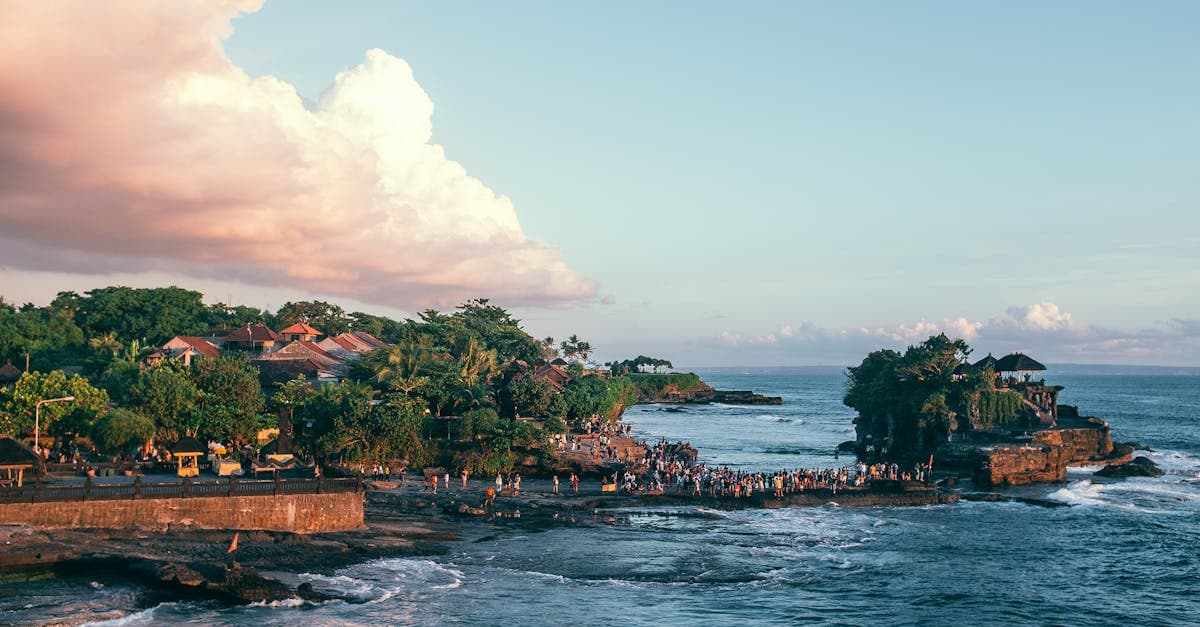
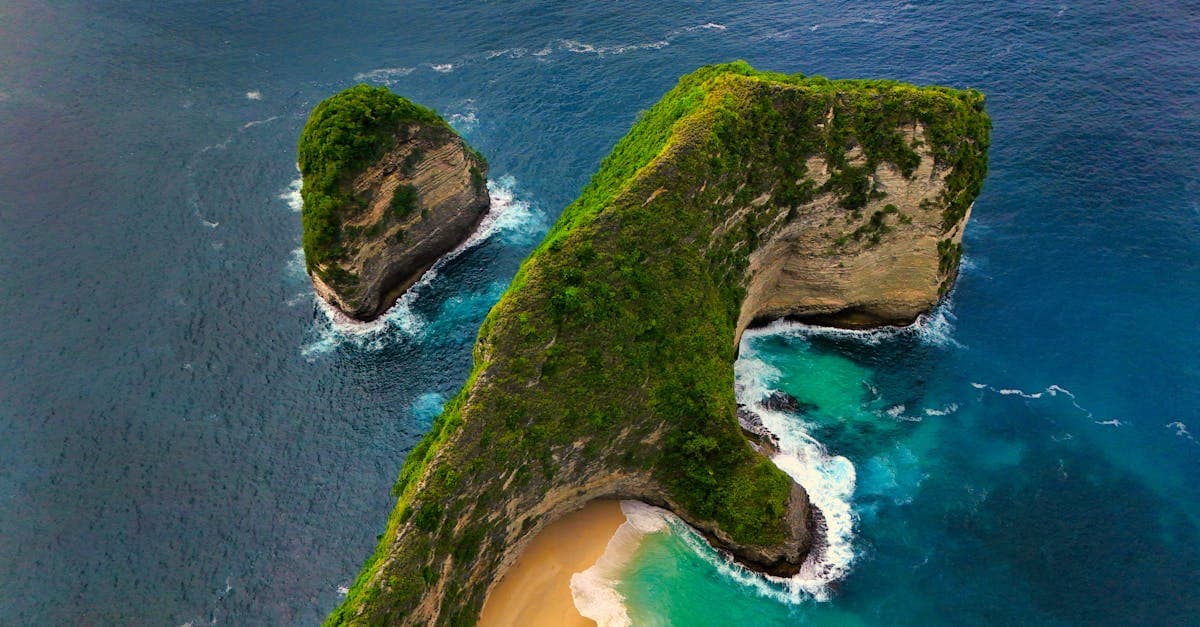
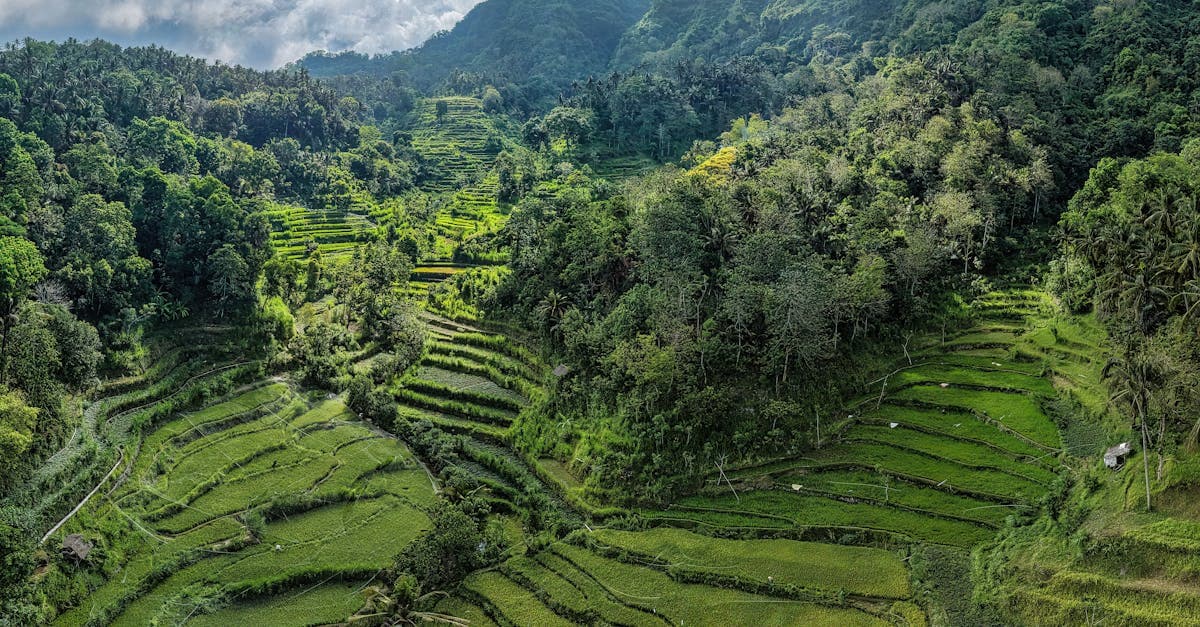
Wet season doesn't write off activities as completely as the name implies. Nusa Penida and Amed remain viable for snorkelling and diving whenever boat access is safe. Tanah Lot and Ubud's Monkey Forest operate normally through the rain, and the rice terraces around Tegalalang turn their deepest green from January onward.
April and November are transitional months. Conditions can flip in either direction within the same week. Climate change has pushed the end of the wet season slightly later in recent years, with April rains occasionally bleeding into what was traditionally the first reliable stretch of dry weather.
September 2026 stands out in the calendar. Galungan, one of Bali's most significant Hindu festivals, falls on 9 September, squarely in the shoulder-season window. Streets fill with penjor bamboo decorations, ceremonies run for ten days through to Kuningan on 19 September, and the cultural atmosphere is genuine without the July-August crowd density.
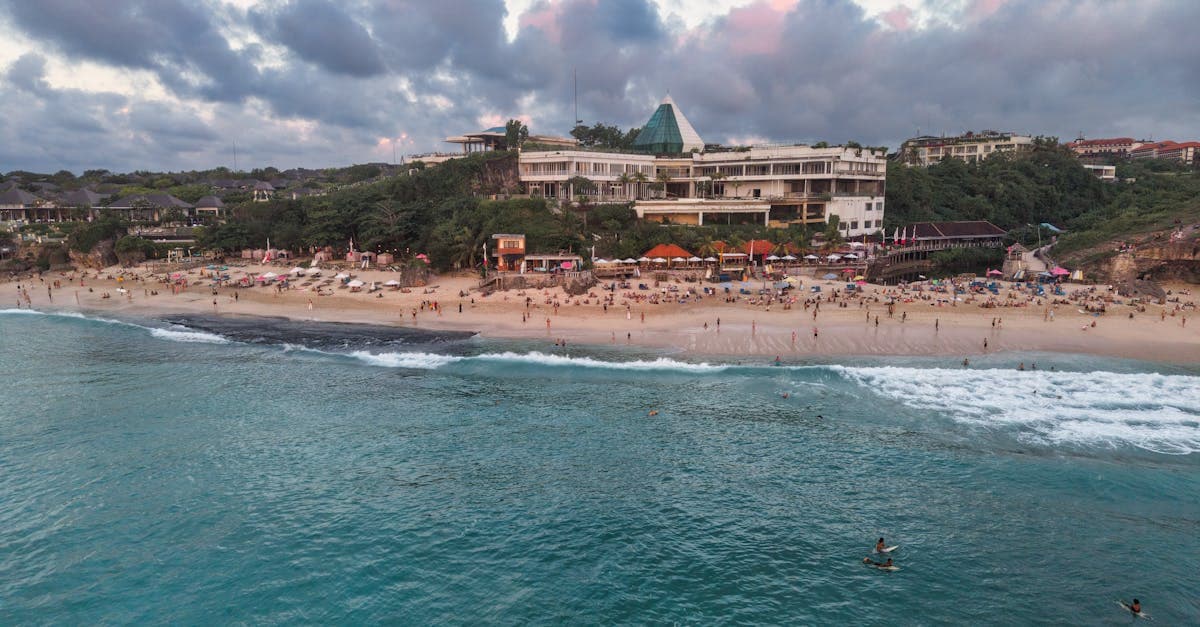
Afternoons are wet from November to March. That's the core of Bali's rainy season, peaking in January and February when the island records more rainy days and higher rainfall than any other time of year. The full monthly breakdown is in the climate table above.
The rain doesn't arrive the way most Australians picture it. Tropical downpours roll in mid-to-late afternoon, last one to two hours, then clear. Mornings are often entirely dry. Front-load your beach time and temple visits, and you're largely sorted.
February is Bali's quietest month by tourist arrivals, drawing around 280,000 to 310,000 visitors. That's notably lower than July and August. For travellers who genuinely want space at the rice terraces and shorter queues at Uluwatu, February is the call.
Wet season doesn't make Bali unvisitable. Hindu ceremonies continue on their own schedule regardless of rainfall. Tirta Empul and the temple complex at Besakih remain fully open. Accommodation rates drop across all categories, and the island's cultural calendar runs as usual.
Quick answer: The rainy season in Bali runs November to March. January is the wettest month overall. February is the cheapest and quietest.

August is Bali's single busiest month. Around 650,000 to 700,000 arrivals land, roads through Kuta and Seminyak back up through peak hours, and accommodation prices sit 30 to 50 per cent above shoulder-season rates. Book anything decent at least six weeks out, or you're working with what's left.
July runs close behind at 620,000 to 680,000 arrivals. The distinction matters for Australians: July is school holiday season and the demographic skews heavily towards families. Bali in July versus October is a materially different place. That's worth stating plainly rather than hedging.
December (550,000 to 600,000 arrivals) compresses its volume into the final fortnight. Properties in Seminyak and Canggu fill completely from around 20 December. The prices available before late November and the prices you find after are not the same numbers.
May, June, September and October pull between 450,000 and 560,000 arrivals with full or near-full dry season conditions and pricing below peak. These four months make the logistics easy: availability, weather and rates cooperate in a way they simply do not in July.
September 2026 earns a specific mention. Galungan falls on 9 September, squarely inside the shoulder window. Streets fill with penjor (tall decorated bamboo poles), temple ceremonies run through the week, and offerings appear on every doorstep across the island. That combination of cultural activity at shoulder pricing does not land in this exact timing every cycle. Travellers visiting that month are genuinely well-positioned.
April (450,000 to 480,000) catches the tail of wet season transitioning into dry. Australian Easter school holidays fall here, making it a practical family option at below-peak rates despite some lingering rain early in the month.
The quiet window runs November through March. February records 280,000 to 310,000 arrivals: the lowest of any month, and the strongest combination of solitude and low prices on the calendar. November is underrated. Wet-season pricing, lighter rainfall than January, and enough island activity for a full trip without the compromise feeling dominant.
Surfing by region: Uluwatu, Padang Padang and Bingin peak June to September, when offshore winds produce consistent 1.5 to 3m south swells. Canggu and Medewi work year-round, best from April through October. Keramas on the east coast is best in the wet months, when north-facing swells wrap in with less competition in the water.
Area by season: Canggu suits dry-season surfers. Ubud works year-round and runs a few degrees cooler than the coast, which counts in the humid months. Amed and Nusa Penida are better accessed when dry-season conditions keep sea crossings and roads cooperative. Seminyak suits shoulder and peak beach holidays. Shoulder months deliver the most practical conditions for solo female travellers: reliable transport, consistent activity options and manageable crowds, without the isolation that wet-season quiet can sometimes produce.
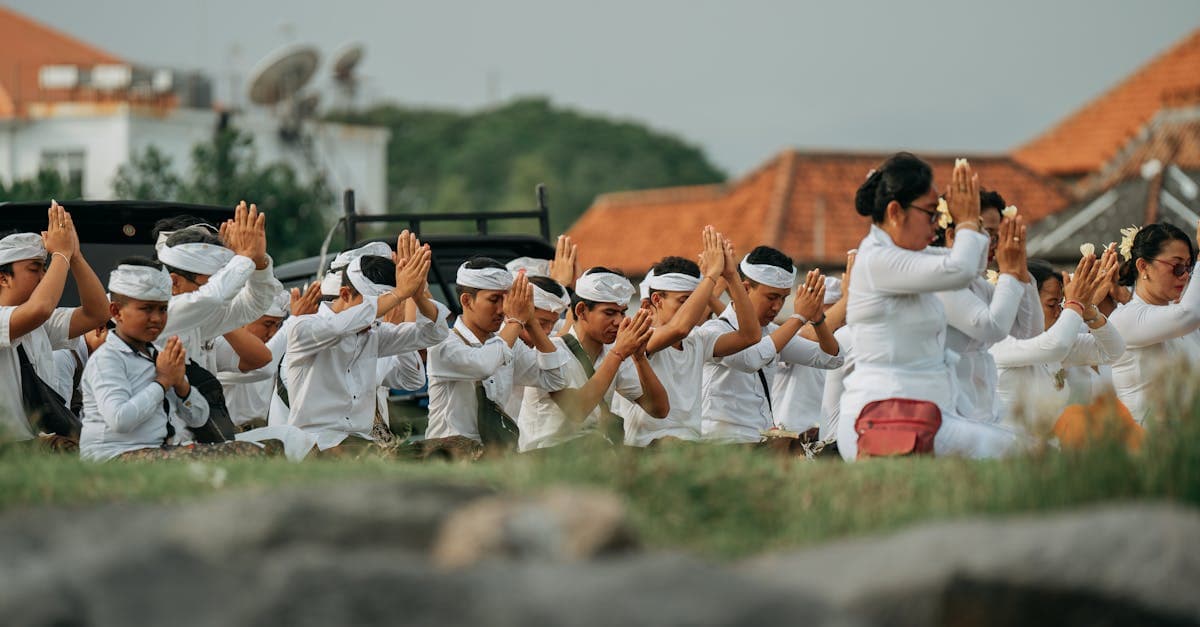
No country closes its international airport for a public holiday. Bali does. Nyepi, the Day of Silence, shuts Ngurah Rai for a full 24 hours, prohibits all street movement island-wide, and cuts mobile data and internet access by government directive. The blackout runs midnight to midnight. No airline operates. No hotel has staff visible outside. No traffic moves.
Urgent for March 2026: 2026 Nyepi falls on 19 March, which is tomorrow at time of publication. Any flight into or out of Bali on 19 March will not operate. Travellers with bookings on that date must reroute via Lombok or reschedule entirely. Airlines and hotels make no exceptions. For future trips: 2025 Nyepi was 29 March. Check the date each year before confirming Bali flights, particularly if you have onward connections.
Galungan runs for 10 days and celebrates the triumph of dharma (goodness) over adharma, closing with Kuningan. Streets fill with penjor, local temples hold ceremonies throughout, and offerings appear on every doorstep across the island. Quiet observation in public areas is generally appropriate; entering private temple ceremonies requires an invitation.
Dates to mark:
September 2026 Galungan lands squarely in the shoulder season with dry-season conditions. Cultural richness at non-peak pricing is a combination worth planning around if your dates allow any flexibility.
Before Nyepi: Mobile data and internet go dark island-wide at midnight. Every SIM, every roaming connection and every eSIM service is affected without exception. Download offline maps, entertainment and remote work files well before the blackout begins, ideally at your departure airport if your arrival date is close to Nyepi.

The best months to visit Bali are May, June, September and October. July and August are the worst for crowds and value. January and February are the worst for weather.
October and July are almost different destinations. Crowd density, road congestion and general atmosphere shift that dramatically between the two months. Choosing to travel outside Australian school holidays is the single biggest lever for improving the experience, full stop.
Best overall: May, June, September and October. Dry or near-dry conditions, arrivals well below peak, pricing below July without the wet-season compromise. September 2026 carries the Galungan bonus for travellers visiting that month.
Best for surfing: June to September at Uluwatu, Padang Padang and Bingin, where offshore winds and consistent south swells combine. Wet-season Keramas suits experienced surfers willing to trade convenience for an uncrowded line-up.
Best for budget: January, February and March. Flights and accommodation drop well below peak rates, with February the quietest and cheapest month of the year.
Best for families on Australian school schedules: July and August, with peak pricing and crowd density as the accepted trade-off. April Easter school holidays also align well, catching late shoulder-season conditions at competitive rates.
Worst for value: July and August. Kuta, Seminyak and Canggu at capacity, mid-range properties booked weeks ahead, prices at their annual ceiling.
Worst for weather: January and February, with the highest rainfall and most rainy days per month on the calendar.
The practical framing: shoulder season outperforms peak on almost every measure except school holiday timing. If the calendar is flexible, May or October. If it's not, July and August still deliver a solid trip. You're just paying more for it and sharing it with considerably more people.
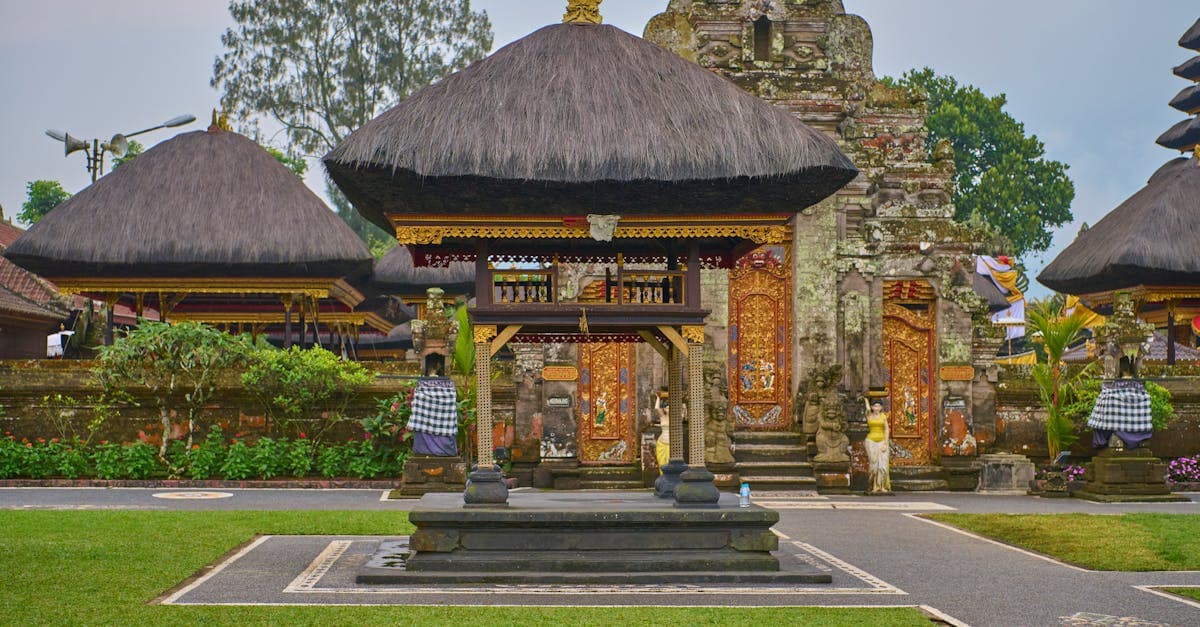
February. The single cheapest month of the year: lowest arrivals of any month, the wet season at a relatively manageable point before March picks up, and accommodation rates at their annual floor. This is where cheap flights and cheap villas land on the same calendar page.
The wet season broadly (November through March) consistently delivers the lowest prices across both flights and accommodation. A mid-range villa running around A$180 per night in July may come in at A$100 to A$110 in February at the same property. That differential covers return flights from the east coast with change to spare, or a meaningful room upgrade for the full trip.
Price range by tier:
Wet-season pricing runs 30 to 40 per cent below July peak for mid-range and above categories. That gap narrows in shoulder months, but so does the rainfall risk.
Budget flights from Sydney or Melbourne via Jetstar, AirAsia and Scoot are typically cheapest when booked 8 to 12 weeks out for wet-season departures. Last-minute availability in January and February is considerably more common than at any other point in the year. In July, last-minute searching means paying the ceiling or selecting from unsold stock.
November is arguably the best-value month overall. Wet-season pricing, lighter rainfall than January or February, and arrivals sitting at 400,000 to 440,000. The island retains enough activity for a complete holiday: restaurants maintain reasonable hours, surf schools run full programmes, tour operators stay open. Travellers willing to adjust afternoon plans around a short downpour will find November delivers well above its price point.
For travellers on a fixed budget who cannot access school holiday flexibility, January and February present the clearest path to Bali without financial pressure. The trade-off is weather. Plan mornings outdoors, keep afternoons flexible.
If the wet season is a firm no, shoulder months (May or October in particular) are the practical answer: dry-season conditions at pricing noticeably below the July ceiling. Not as cheap as February, but you're not managing the trip around afternoon downpours either.
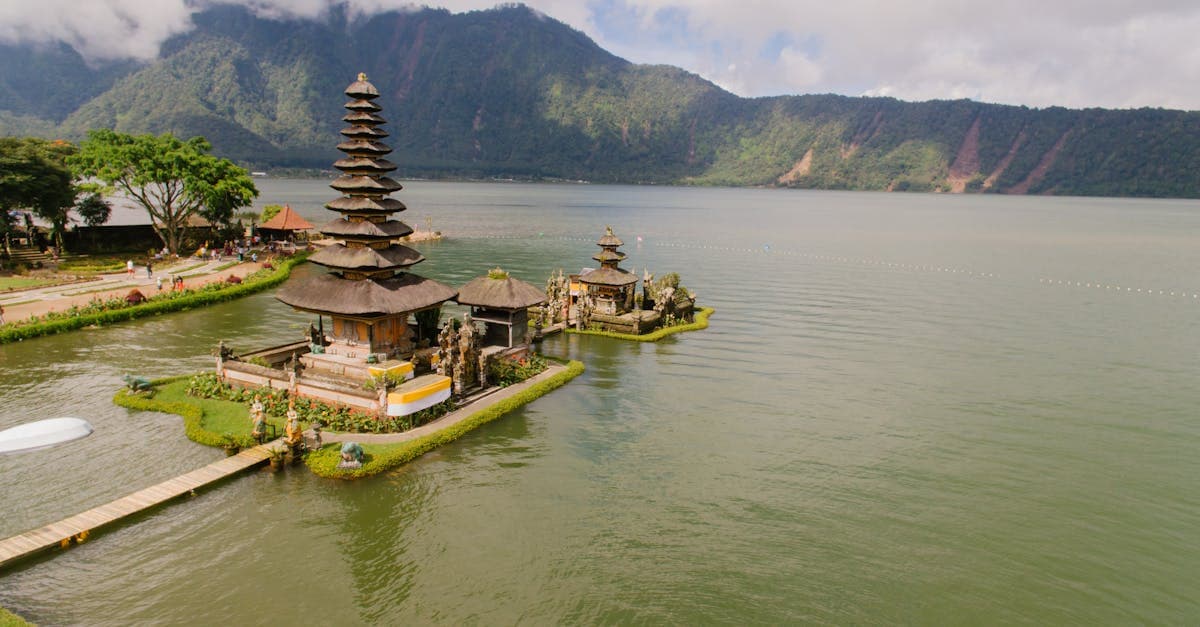
A$1,000 gives you real options in Bali. How far it stretches depends almost entirely on when you travel.
Shoulder season makes the maths comfortable. Budget accommodation sits at A$40 to A$60 a night. Add meals at warungs and the occasional restaurant (A$15 to A$25), scooter hire or a shared driver (A$10 to A$15), and a couple of activities (A$25 to A$35), and most days land between A$90 and A$135. Across seven nights, total spend comes to roughly A$630 to A$945, leaving room for a Nusa Penida day trip.
If the best time to visit Bali for your schedule happens to fall in July or August, A$1,000 requires more discipline. Budget guesthouses replace villas, and meals need to stay almost exclusively at warungs. Any drift into peak-season accommodation pricing pushes the total past A$1,000 before midweek.
Couples travelling together come out considerably ahead. Splitting a villa at the wet-season nightly rates covered in the pricing section above brings the per-person accommodation cost to around A$50 to A$60, which frees up budget for activities or a beach club afternoon.
One cost most budgets miss: connectivity. A local SIM with 10 to 20GB of data runs A$8 to A$15 from the Ngurah Rai arrivals hall. An eSIM activated before departure lands you at the taxi rank with data already running. Neither option is expensive enough to skip.

Coverage across Bali's main tourist zones is reliable. Seminyak, Canggu, Ubud, Kuta and Nusa Dua all run 4G LTE year-round on Telkomsel and XL, the two dominant networks. Season doesn't change that picture.
Remote areas are a different story. The east coast of Nusa Penida, Amed, Munduk and inland Kintamani regularly drop to 2G or 3G. During the wet season, hill road conditions can make moving between locations impractical enough that your accommodation's WiFi becomes the only realistic option.
At Ngurah Rai arrivals, two practical routes: a local tourist SIM or an eSIM. Both Telkomsel and XL have counters in arrivals selling 10GB plans at the price range covered in the budget section above. Queue time runs 20 to 30 minutes in peak season, and some counters require an Indonesian phone number for registration, which can stall setup. Hello Roam offers Bali eSIM plans on the Telkomsel network, activated before your flight departs so you land with data already running, backed by 24/7 Australian-based support if anything goes sideways.
Digital nomads have solid options in both main hubs. Canggu coworking spaces including Dojo and Outpost run 50 to 100Mbps fibre. Ubud's equivalents are broadly comparable. Neither changes meaningfully between dry and wet season, though some spaces scale back hours around Nyepi and Galungan ceremonies.
The Nyepi date covered in the calendar section also affects connectivity in a practical way. Plan for a full 24 hours offline. Pre-download maps, remote work files and any streaming content the night before; once the blackout begins at midnight, no SIM or eSIM plan gets through on any network. Free WiFi at budget guesthouses is unreliable year-round. A SIM or eSIM is worth the outlay from arrival day, especially if you're navigating Kuta traffic or hunting down a specific warung in Ubud's backstreets.

The best months to visit Bali are May, June, September and October, offering dry or near-dry conditions, manageable crowds and pricing below peak season. July and August are the worst months for crowds and value, while January and February are the worst for weather due to the highest rainfall of the year.
The cheapest time to visit Bali is during the wet season, from January to March. February is the quietest month on the calendar, recording only around 280,000 to 310,000 arrivals, and accommodation rates drop significantly across all categories. Budget travellers willing to work around afternoon tropical downpours can find genuine value in this window.
Bali is one of the more affordable international destinations for Australian travellers. Costs are lowest during the wet season from January to March, when accommodation rates drop across all categories and tourist numbers are at their lowest. The Australian visa on arrival costs A$35 for 30 days, which is extendable to 60 days.
The rainy season in Bali runs from November to March, with peak rainfall in January and February. Typical wet-season rain arrives as tropical downpours in the mid-to-late afternoon, lasting one to two hours before clearing, leaving mornings largely dry. January is the wettest month overall, while February is the quietest and most affordable time to visit.
Bali's shoulder season falls in May, June, September and October. These months combine reliable dry weather, crowd numbers well below the July-August peak, and accommodation pricing that is notably more competitive than peak season. They represent the best overall balance of conditions for most travellers.
Bali's temperatures are consistent year-round, with highs between 29 and 31 degrees Celsius and sea temperatures of 27 to 29 degrees. What changes significantly is rainfall and humidity: the dry season runs April to October with low rainfall and reliable sunshine, while the wet season from November to March brings heavier afternoon downpours and higher humidity.
Peak season in Bali is July, August and December. August is the single busiest month, with around 650,000 to 700,000 arrivals, and accommodation prices run 30 to 50 per cent above shoulder-season rates. Properties in Seminyak and Canggu often book out weeks in advance during this period, so early reservations are essential.
The best time to surf Uluwatu, Padang Padang and Bingin on the Bukit Peninsula is June to September, when offshore winds produce consistent south swells of 1.5 to 3 metres. Canggu and Medewi work year-round and are best from April through October, while Keramas on the east coast is best during the wet season months.
Nyepi is Bali's Hindu Day of Silence, during which Ngurah Rai Airport closes for a full 24 hours, all street movement is prohibited island-wide, and mobile data and internet access are cut by government directive. No airlines operate and no hotel staff are visible outside. In 2026, Nyepi falls on 19 March, so any flights on that date will not operate and travellers must rebook or reroute.
Galungan is a 10-day Balinese Hindu festival celebrating the triumph of good over evil, marked by streets filled with tall decorated bamboo poles called penjor and temple ceremonies across the island. In 2026, Galungan falls on 11 February and 9 September, with Kuningan closing the festival on 21 February and 19 September respectively. The September 2026 dates fall squarely in the shoulder season, combining cultural richness with lower crowd numbers.
Australian passport holders receive a visa on arrival at Ngurah Rai Airport, valid for 30 days and extendable to 60, at a cost of around A$35. A 60-day visa on arrival option also became available for eligible travellers from 2025, which suits longer stays or those combining Bali with a broader Indonesian itinerary.
Bali is approximately 5 to 6 hours from Sydney and Melbourne by direct flight, making it one of the most accessible international destinations for east-coast Australians. The time zone difference is only one to three hours behind the east coast depending on Australian daylight saving, so jet lag is effectively a non-issue.
Many activities remain fully viable during Bali's wet season. Temples such as Tirta Empul, Tanah Lot and Besakih remain open, the rice terraces around Tegalalang turn their deepest green from January onward, and Hindu ceremonies run on their own schedule regardless of rainfall. Nusa Penida and Amed are accessible for snorkelling and diving whenever sea conditions allow, and Ubud's Monkey Forest operates normally.
Ubud works well year-round and runs a few degrees cooler than the coast, which is an advantage during the more humid months. The dry season months of May through October offer the most reliable weather, but Ubud's inland location means it remains a practical destination even during the wet season when coastal beaches become less appealing.
If your travel dates fall near Nyepi, check the exact date each year before confirming flights, as Ngurah Rai Airport closes for a full 24 hours with no exceptions. Mobile data and internet go dark island-wide at midnight before Nyepi, so download offline maps, entertainment and any remote work files well in advance, ideally at your departure airport if you are arriving close to the date.
To avoid the largest crowds, travel in May, June, September or October for dry-weather conditions with manageable tourist numbers. February is the quietest month of all, recording the lowest arrivals of any month, though it falls in the wet season. Avoiding Australian school holiday periods, particularly July and the Christmas-New Year fortnight, makes the biggest single difference to crowd levels.
November is an underrated month to visit Bali. It offers wet-season pricing and lighter rainfall than the January and February peak of the wet season, with enough island activity for a full trip. Tourist numbers are well below peak and accommodation rates are lower across all categories, making it a practical choice for travellers who want value without the heaviest rain.
HelloRoam: your trusted travel eSIM that keeps you online across borders.
Explore Plans