Best eSIM Plans for UK Travelers in 2026: Top Picks for US Visitors

Written by: Sarah Mitchell


16 min read

Table of content

Quick Answer: best eSIM plans for UK travelers — top picks 2026

The top UK eSIM picks for 2026 are Hello Roam (best for network transparency and US traveler support), Airalo (largest plan selection), Holafly (unlimited data), Saily (best budget value), and Ubigi (day-pass flexibility). Most one-week UK trips land comfortably within a moderate data plan.
EE leads UK network coverage rankings per Ofcom simcorner.com, and it's the carrier most premium eSIM plans actually route through. Knowing which operator you're connecting to before you buy matters more than most providers admit.
Hello Roam earns the lead slot by disclosing upfront which UK network you're on, what the hotspot policy is, and what happens after your daily data cap. Those three disclosures are the standard competitors should meet but don't. Full pricing, network partners, and throttle thresholds are in the comparison table below.
Why US Travelers Pay Too Much for UK Connectivity

AT&T, Verizon, and T-Mobile all charge $10-$15 per day for international day passes. Run that rate across a seven-day London trip and you're looking at $70-$105 before you've set foot outside the airport. A dedicated UK eSIM covering the same week typically costs $10-$17 total.
Most American travelers can act on this right now. Around 65-70% of US outbound travelers carry eSIM-compatible smartphones. If you bought an iPhone 14, 15, or 16 in the US, your phone is eSIM-only. Apple removed the physical SIM tray from US models starting in 2022. Android users are largely covered: Samsung Galaxy S20+ models, Google Pixel 3a and newer, and most flagship handsets from 2020 onward all support eSIM hardware.
Carrier-locked Android phones are the exception. If your handset was purchased locked to a US carrier, verify your cellular settings before committing to a plan.
This guide covers five providers ranked by network quality, pricing transparency, and hotspot access. For each one, you'll find the actual UK carrier your data routes through (most roundups omit this entirely), the real daily threshold on unlimited plans, and whether tethering is permitted. A dual-SIM setup keeps your US number active while routing UK data on a separate profile. We walk through exactly how to configure that on iPhone and Android later in the guide.
The 5 Best eSIM Plans for the UK in 2026

The five best UK eSIM plans for 2026 are Hello Roam, Airalo, Holafly, Saily, and Ubigi, compared below by network partner, pricing, hotspot access, and daily throttle thresholds.
Quick links: Hello Roam | Airalo | Holafly | Saily | Ubigi
The comparison column that most roundups skip is the one showing which UK carrier each eSIM actually connects to. The difference between EE, O2, Vodafone, and Three matters significantly for rural coverage, particularly if your trip extends to Scotland or Wales jetpacglobal.com. Providers that don't disclose their partner network are making that decision for you.
These five picks are ranked on network quality, pricing transparency, and hotspot access, not on affiliate rates. Pricing shown is for a 5 GB / 30-day plan where available; unlimited 30-day pricing is noted for providers whose model skews toward higher data volumes.
ProviderHello Roam
5 GB / 30 daysCheck site
Unlimited / 30 daysCheck site
UK networkEE (disclosed)
HotspotDisclosed upfront
Daily throttleDisclosed upfront
ProviderAiralo
5 GB / 30 days~$11.00
Unlimited / 30 daysN/A
UK networkNot disclosed
HotspotNot stated upfront
Daily throttleNot stated upfront
ProviderHolafly
5 GB / 30 daysN/A
Unlimited / 30 days~$27-$34
UK networkNot disclosed
HotspotNot stated upfront
Daily throttleNot stated upfront
ProviderSaily
5 GB / 30 days~$9.99
Unlimited / 30 days~$19.99
UK networkNot disclosed
HotspotNot stated upfront
Daily throttleNot stated upfront
ProviderUbigi
5 GB / 30 days~$10.50
Unlimited / 30 daysN/A
UK networkNot disclosed
HotspotNot stated upfront
Daily throttleNot stated upfront
More eSIMs worth considering: Sim Local (airport-pickup hybrid, UK-native pricing), Roamless (pay-as-you-go with no expiry date), Truely (short daily plans), Breeze (budget unlimited option).
The partner network column is absent from every major roundup in this space. That absence tells you something about how those guides are built.
Hello Roam: best for transparency and US traveler support

Hello Roam is the best UK eSIM for US traveler support because it is the only provider in this roundup that discloses its UK partner network (EE, which Ofcom ranks #1 for UK population coverage at 99% simcorner.com), states hotspot and tethering policy clearly in plan details, and publishes the daily data cap threshold before you buy. In practice, that means no surprises when you land at Heathrow and try to pull up your hotel reservation.
The support model reinforces that positioning. Hello Roam offers 24/7 customer service across US time zones, which matters when you're troubleshooting connectivity at 11 p.m. Eastern from a hotel in Edinburgh. Airalo's support is chat-only with no phone option, and Holafly's response times have drawn consistent criticism in travel community forums.
When something goes wrong at an airport, or in a village in the Cotswolds with spotty signal, reaching a person quickly has real value.
Pricing runs competitive with Airalo's mid-range tier. For most US travelers, the eSIM for United States plan page presents options by trip length and data need without requiring you to decode fine print. Saily remains the stronger pick for price-first travelers. Airalo is the right call if plan variety across multiple destinations is the priority.
Airalo: best for marketplace flexibility

Airalo runs the world's largest eSIM marketplace gizmodo.com, and that scale shows directly in the UK plan selection: you'll find more options for UK-only and UK-plus-Europe combinations in one app than any other provider in this comparison. That breadth comes with genuine trade-offs.
Pricing starts around $4.50 for 1 GB over 7 days gizmodo.com, a competitive rate for light travelers who mostly need maps and messaging. The 5 GB and 10 GB tiers land at the rates shown in the comparison table above. For frequent international travelers, the Airalo Discover+ subscription (an annual membership at a flat monthly rate) can undercut per-trip pricing once you're logging four or more international trips per year gizmodo.com.
The fine print problem
Two transparency gaps stand out. Airalo doesn't clearly disclose which UK network its plans route through, so you're landing at Heathrow without knowing whether your eSIM connects to EE, Ofcom's top-rated UK network, or a weaker carrier. The fair-use throttling policy is also buried in the terms of service, with no daily cap figure surfaced on the pricing page. That means speed can drop mid-trip without warning.
Support is chat-only with no phone number or callback option. For straightforward purchases from experienced eSIM users, that's acceptable. For an activation failure at Gatwick with a connecting flight at risk, chat-only support becomes a meaningful limitation.
Airalo works best for travelers who've managed eSIMs before, want maximum plan flexibility, and trust the large base of published user reviews over personalized support.
Holafly: best for heavy data users
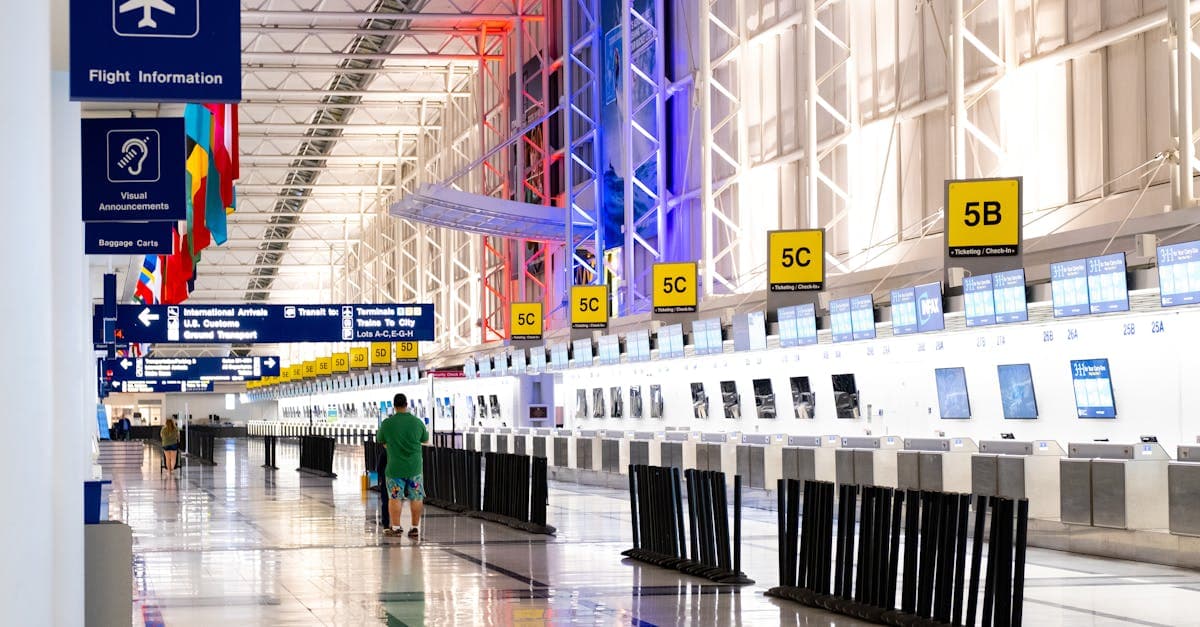
Holafly's catalog is unlimited data, period. No 5 GB option, no 10 GB tier, no plan sizing at all. That simplicity is the pitch, and for a specific traveler it works: someone running video calls from London hotel rooms, streaming on the Eurostar, or sharing a mobile hotspot with a travel partner throughout a two-week trip.
The pricing sits at the top of the market. A 7-day plan starts around $12, and the 30-day rate is the highest across these five providers, as the table above shows.
Every eSIM provider marketing unlimited data throttles speeds after a daily usage threshold. The industry standard before a downgrade is somewhere between 500 MB and 2 GB per day, at which point speeds typically drop to 256-512 kbps, enough for messaging and static maps but not video. Holafly doesn't publish its specific threshold on any publicly visible page.
When Holafly actually makes sense
Light and moderate users are paying for data they won't consume. The math only works if your real-world weekly usage consistently runs 8 GB or more. Below that, tiered plans from Airalo, Saily, or Ubigi cost less and cover the actual usage. Holafly's value proposition is for travelers who genuinely can't predict their consumption and are willing to pay the premium for a fixed-cost plan with no ceiling anxiety.
Customer support has drawn consistent criticism for slow response times across Reddit communities and travel forums uktravelplanning.com. That's documented enough to factor into your decision, particularly for a provider whose primary selling point is worry-free connectivity.
Saily: best budget pick

Saily is the lowest-cost provider in this comparison on both tiered and unlimited plans, built on NordVPN's consumer-trust brand uk.pcmag.com. NordVPN established its reputation in online privacy software, and Saily carries that credibility into the eSIM market. The product is a newer entrant than Airalo or Holafly, with a shorter track record and fewer long-term user reviews, but its pricing undercuts every other provider here.
The entry point is around $3.99 for 1 GB over 7 days, the lowest tiered rate across these five providers. The 5 GB and unlimited tiers land at the figures in the provider table above. For budget-conscious travelers taking a short UK trip of one to two weeks on a predictable usage pattern, those prices represent the clearest value here uktravelplanning.com. You won't face overage charges or tiered penalties mid-trip.
Trade-offs at this price point
Saily's carrier partner network is narrower than Airalo's, which matters if your itinerary extends beyond major UK cities. Community-reported coverage experiences outside London and Manchester are limited, and the brand's customer support capacity hasn't been tested at scale the way more established competitors have. Newer brands take time to accumulate the troubleshooting documentation that experienced travelers rely on when things go sideways.
A few more specialized options are worth knowing about for edge cases. Sim Local runs a UK-native hybrid model with airport pickup available. Roamless operates on a pay-as-you-go basis with no plan expiry, suited to irregular or multi-leg trips where you want data that doesn't expire between visits.
Truely offers granular daily control for travelers who want to pay by the day. Breeze provides Europe-wide coverage that includes the UK, practical if your trip spans multiple countries. For a clean UK-only trip on a defined budget, none of these match Saily's per-GB rate.
Ubigi: best for short city breaks

Three days in London is the itinerary Ubigi was designed for. The day-pass structure means you only pay for days when you actively consume cellular data, a model no other provider listed here offers. Hotel Wi-Fi covers the evenings, cafe Wi-Fi covers the mornings, and you're paying for cellular on the two or three days you actually need it.
Pricing starts around $3.50 for 1 GB over 7 days and reaches around $15.00 for a 10 GB plan over 30 days. There's no unlimited option. Gizmodo included Ubigi in their top two UK eSIM picks gizmodo.com, citing a 7-day equivalent at around $22 as competitive with the broader market, a useful reference point from a recognized technology outlet.
Where Ubigi falls short
The app earns below-average ratings in both major app stores, a consistent pattern across user reviews rather than isolated complaints. For a quick London trip where you activate once and barely touch the app again, that's a minor inconvenience. For an active two-week itinerary where you're checking data usage and potentially topping up in the field, it adds real friction at inconvenient moments.
Ubigi carries low name recognition among US travelers compared to the other providers in this comparison, which translates to fewer published community troubleshooting resources when something goes wrong. The absence of an unlimited tier, combined with a per-GB rate that rises at volume, makes it a poor fit for Scotland road trips, Wales hiking, or any trip longer than a week. This is a city-break-specific product, priced and built accordingly.
Which UK Network Does Your eSIM Actually Connect To?

UK eSIM plans route through one of four national networks: EE, O2, Vodafone, or Three. Most providers don't disclose which carrier backs their plan on the pricing page, and no competitor roundup covers the question at all. For city trips, the omission barely matters. For anywhere else, it determines whether your phone works.
EE holds the top spot in Ofcom's coverage rankings simcorner.com, and it's the carrier that most premium-tier eSIM providers have chosen as their UK routing partner. That Ofcom ranking is cited in the comparison sections above. EE also carries the widest 5G geographic footprint outside major cities.
Three posts the fastest 5G rollout speed in London, Manchester, and Birmingham. Rural coverage is where the comparison falls apart. Three has the weakest performance outside cities of any UK network simcorner.com. If your itinerary includes the Scottish Highlands, a walking route in Snowdonia, or any time in rural Northern Ireland, a Three-backed plan is the wrong call.
O2 and Vodafone announced a network-sharing agreement in 2024, and the gap between them is expected to narrow considerably through 2026 simcorner.com. For city-focused trips, both are reliable options. All four networks now cover most of the London Underground, though not every section of every line.
NetworkEE
Coverage Rank#1 (Ofcom)
Rural UKStrongest
5G Beyond Major CitiesWidest footprint
NetworkO2
Coverage RankStrong
Rural UKGood, improving
5G Beyond Major CitiesGood
NetworkVodafone
Coverage RankStrong
Rural UKGood, improving
5G Beyond Major CitiesGood
NetworkThree
Coverage RankStrong in cities
Rural UKWeakest
5G Beyond Major CitiesLimited
One question to ask before buying any UK eSIM: which of these four carriers backs this plan? For rural itineraries, the answer overrides everything else.
How Much Data Do You Need for a UK Trip?

Most UK travelers need 2-3 GB for a light one-week trip, 6-8 GB for moderate use, or 12-15 GB for heavy use with hotspot sharing. The biggest variable isn't how much you scroll or stream: it's whether you download offline maps before landing. Downloading Google Maps or Apple Maps for the UK before departure cuts navigation data use by 40 to 60 percent on days spent getting around, which meaningfully changes how much plan you actually need.
Usage type drives the second variable. What you do on a data connection separates light users sticking to messaging and maps from moderate users running Instagram and the occasional FaceTime, from heavy users running a hotspot for a travel partner or navigating all day on cellular.
Estimated data needs for a UK trip:
Trip length3-5 days
Light use (maps, email, messaging)1-2 GB
Moderate use (social, streaming, calls)3-4 GB
Heavy use (hotspot, video calls, all-day nav)6-9 GB
Trip length1 week
Light use (maps, email, messaging)2-3 GB
Moderate use (social, streaming, calls)6-8 GB
Heavy use (hotspot, video calls, all-day nav)12-15 GB
Trip length2 weeks
Light use (maps, email, messaging)4-6 GB
Moderate use (social, streaming, calls)11-14 GB
Heavy use (hotspot, video calls, all-day nav)22+ GB
Most first-time UK visitors fall into the moderate category. A tiered plan with a 30-day validity window provides useful buffer for unexpected usage days, whether that's a long Uber ride through London or a video call from Edinburgh.
If Paris, Rome, or Barcelona is also on the itinerary, compare the cost of a UK-only plan against a Europe-wide plan covering 30 or more countries. The price difference is often around $3 to $5, making broader coverage a straightforward upgrade worth checking before you buy uktravelplanning.com.
Airport SIM kiosks at Heathrow and Gatwick charge significantly more than pre-purchased eSIMs, and the activation process takes longer on arrival than installing an eSIM before you board jetpacglobal.com.
How to Set Up Your UK eSIM on iPhone and Android
To set up a UK eSIM, scan the provider's QR code in your phone's cellular settings. The exact menu path differs by device: iPhone uses Settings > Cellular > Add eSIM > Use QR Code; Samsung Galaxy uses Settings > Connections > SIM manager > Add mobile plan; Google Pixel uses Settings > Network and Internet > SIMs > Add eSIM.
Activation timing trips up more first-time eSIM users than the technical setup does. Most providers allow you to activate before leaving home, but a small number require you to be physically in the UK for the plan to go live jetpacglobal.com. Check your provider's terms before boarding, since the answer varies by carrier and plan type.
Both iPhone and Android support eSIM across several hardware generations. Device compatibility basics are covered in an earlier section. iPhone 14 US models and newer ship with no physical SIM tray, making the eSIM slot your only option.
One specific complication with Android: Verizon and AT&T devices may have eSIM disabled at the software level even if the hardware supports it. Contact your carrier before purchasing a UK eSIM to confirm the feature is active on your phone.
For dual SIM setup, the workflow is covered in the intro section. The short version: keep your US carrier eSIM active for calls, texts, and two-factor authentication codes, then set the UK plan as your default data line.
Before boarding, screenshot or print your QR code. Most providers deliver it once by email and don't allow re-downloads after initial delivery. Plans typically begin their validity period on first data use, not on the date you scan the code.
Is 'Unlimited' eSIM Data Actually Unlimited in the UK?
No eSIM sold as "unlimited" delivers unthrottled data all day. Every unlimited plan applies a daily fair-use cap, after which speeds drop sharply. The specific thresholds and post-cap speeds are detailed in the Holafly section above. The short version: expect a steep slowdown after hitting the daily limit, with speeds that handle messaging but not video.
Two providers in this roundup offer unlimited UK plans: Holafly and Saily. Neither publishes its daily cap threshold on the plan page. Both throttle after hitting that limit to a speed range that works for WhatsApp and light browsing, but fails for a Zoom session or a Netflix queue.
ProviderAiralo
Unlimited planNo (tiered only)
Daily throttle disclosedN/A
Post-cap usabilityFull speed to data limit
ProviderHolafly
Unlimited planYes
Daily throttle disclosedNo
Post-cap usabilitySee Holafly section
ProviderSaily
Unlimited planYes
Daily throttle disclosedNo
Post-cap usabilityNot publicly documented
ProviderUbigi
Unlimited planNo (tiered only)
Daily throttle disclosedN/A
Post-cap usabilityFull speed to data limit
For moderate-to-heavy users, a named tiered plan at full speed frequently delivers more usable data per dollar than a throttled unlimited plan. The math only works against you if you're consistently burning through well beyond 15 GB in a week, which most UK trips don't require.
Light users are the exception. If most of your day is spent on building Wi-Fi and mobile data is just for occasional maps and messages, a throttled unlimited plan stays functional after the daily cap. The problem only surfaces when you try to stream video, run a video call, or share a hotspot with someone else.
Can I Keep My US Phone Number Active With a UK eSIM?
Yes, and the mechanics are simpler than most travelers expect. Your AT&T, Verizon, or T-Mobile plan stays on one eSIM slot; the UK data eSIM installs on the second. Set the UK plan as your default data connection, leave the US plan active for voice and SMS, and both run at the same time. (For device compatibility details, see the setup section above.)
Two-factor authentication is where this matters most in practice. Bank apps, work accounts, and financial services that send verification codes to your US number will still reach you. That US eSIM profile stays live regardless of which plan is carrying your mobile data.
One thing to check before purchasing: if you're still on a device payment plan with AT&T, Verizon, or T-Mobile, verify your phone's unlock status first. A locked device may reject the second eSIM profile outright, even if the hardware supports it. Your carrier's online account portal has an unlock-status page, or you can call support directly.
iMessage and WhatsApp both continue working over your UK data connection without any reconfiguration. Your Apple ID and registered phone number carry across both profiles automatically. The UK eSIM handles the data; your US number handles everything else.
Popular Articles

eSIM Guides

Ugnė Zieniūtė
What is a SIM swapping scam Understand and prevent it
SIM swapping scams are on the rise, and it's important to keep your guard up. If you fall victim to this attack, you may not just lose your phone number.
Read More
eSIM Guides
Ugnė Zieniūtė
Turkey SIM card: Where to buy one and how to stay connected
Exploring Turkey could be the adventure of a lifetime, but that adventure will be a lot easier with a reliable internet connection.
Read More
Travel Guides
Ugnė Zieniūtė
Canadian work and holiday visa for Colombians: Complete guide
Do you want a Canadian Work and Holiday visa for Colombians?
Read More
Travel Guides
Ugnė Zieniūtė
30 interesting facts about Spain: What is Spain unique for?
SIM swapping scams are on the rise, and it's important to keep your guard up. If you fall victim to this attack, you may not just lose your phone number.
Read More
eSIM Guides
Ugnė Zieniūtė
Dominican Republic SIM card for tourists: How to stay connected
SIM swapping scams are on the rise, and it’s important to keep your guard up. If you fall victim to this attack, you may not just lose your phone number.
Read More
Travel Guides
Ugnė Zieniūtė
Is Cancun safe in 2025? Travel advisories and safety tips
SIM swapping scams are on the rise, and it's important to keep your guard up. If you fall victim to this attack, you may not just lose your phone number.
Read MoreFrequently Asked Questions
An eSIM is a digital SIM that allows you to activate a cellular plan without a physical SIM card.
You can install an eSIM by scanning a QR code or entering the activation code manually in your device settings.
Most modern smartphones including iPhone XS and later, and many Android devices support eSIM technology.
Yes, most eSIM-capable devices support dual SIM functionality with both eSIM and physical SIM.
eSIM activation typically takes just a few minutes once you scan the QR code or enter the activation details.
Yes, eSIMs use the same security protocols as traditional SIM cards and cannot be physically stolen.
eSIM transfers depend on your carrier policy. Some eSIMs can be transferred while others need to be reissued.
Yes, you need an internet connection (WiFi or mobile data) to download and activate your eSIM profile.
You can store multiple eSIM profiles on your device, though typically only one or two can be active at a time.
If you delete an eSIM, you will need to contact your provider for a new QR code or activation details.
Stay Connected with Travel Data
View all destinations

United States


United Kingdom