Best eSIM for Japan in 2026: the Complete Guide for US Travelers

Written by: Sarah Mitchell


13 min read
HelloRoam is a global eSIM provider offering instant mobile data in 170+ countries. Buy prepaid travel eSIM plans with no roaming fees, no contracts, and instant activation on any eSIM-compatible device.
13 min read
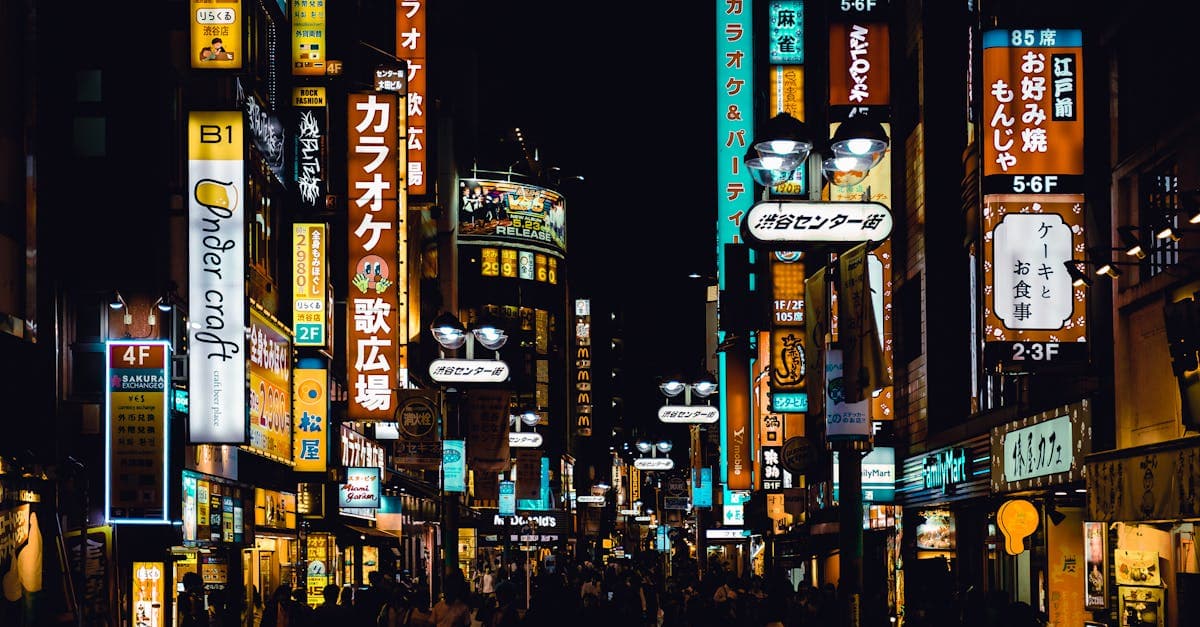
A Japan eSIM is a digital SIM profile that downloads to your compatible phone over WiFi before you fly, connects to Japanese networks on arrival, and requires no physical card swap at the airport. For US travelers, it removes two main connectivity headaches: carrier roaming charges and the time spent queuing for a local SIM at Narita or Haneda.
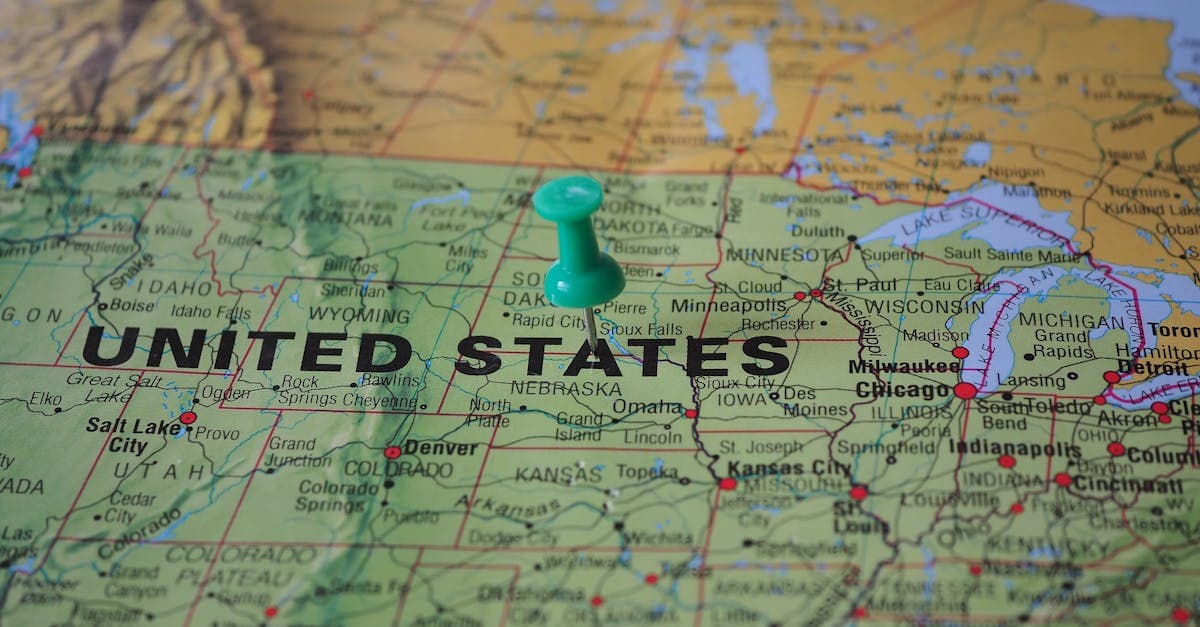
Verizon and AT&T TravelPass charge ~$10 a day for international access. A dedicated Japan eSIM plan covers a full 10-day trip at a fraction of that cost mobimatter.com, and you activate it from home before departure. Hello Roam's Japan plans include 24/7 support and transparent pricing, and you can browse your options through eSIM for United States before you book your flights.
Japan's mobile infrastructure is among the densest in the world. A well-chosen eSIM puts you on those networks from the second you clear customs.
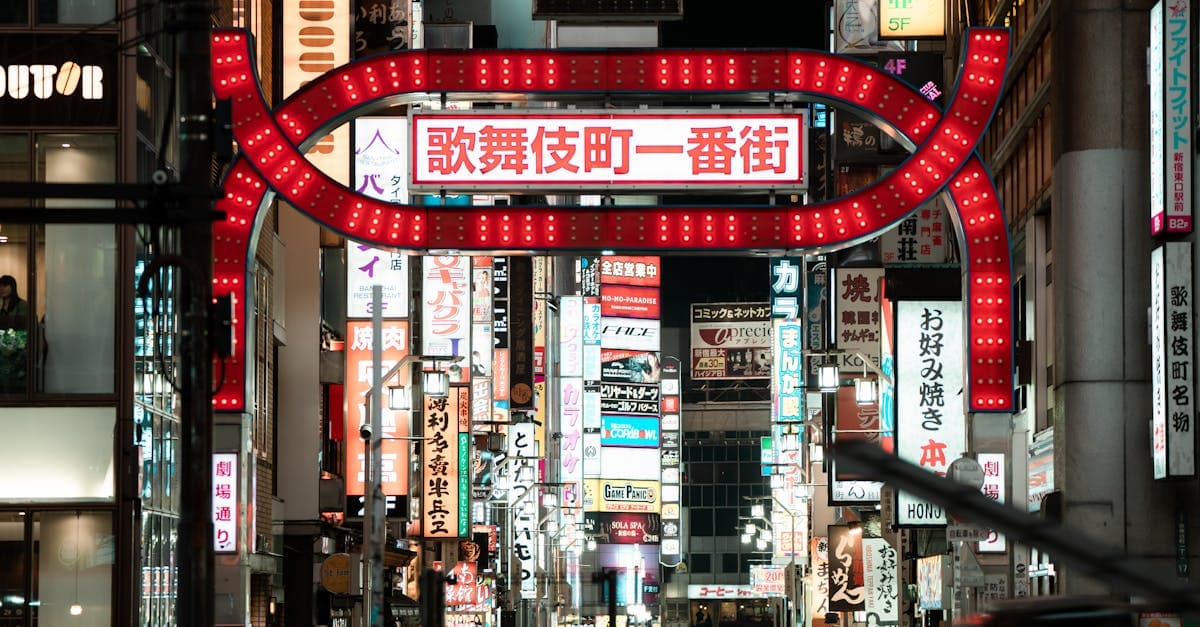
Verizon's TravelPass and AT&T's International Day Pass both charge a flat daily fee for international access. On a 10-day Tokyo itinerary, that adds up to $100 in carrier fees before you've navigated a single alley in Shinjuku.
T-Mobile's International Simple Global throttles free data to 2G speeds, which won't handle Google Maps navigation or real-time translation. Upgrading costs ~$5 a day for a 5 GB daily cap, still roughly three times what a Japan eSIM plan runs over the same 10 days.
Japan's public WiFi doesn't close the gap. 7-Eleven, McDonald's, and most JR stations offer free connections, but each requires email registration and caps individual sessions at 20 minutes. Workable for a quick message, useless for navigating Kyoto on foot.
Pocket WiFi rental still appears at ~$7-10 a day, but the format is fading fast. You're liable if the device is lost, you're managing a second battery, and most programs require mailing the unit back within 48 hours of landing home. eSIM removes all three friction points without adding new ones.
A Japan eSIM from providers like Hello Roam, Airalo, or Holafly covers a full 10-day trip for a fraction of that $100 carrier total. Activation happens over WiFi at home, which also eliminates the 20-40 minute passport-check queue at Narita Terminal 1 or Haneda Terminal 3 during peak arrivals.
Physical SIM kiosks at Japanese airports require a passport, sometimes involve cash, and draw longer lines during Golden Week and cherry blossom season. Buying your eSIM before you board is simply the better option.
Japan runs on three major networks: NTT Docomo, SoftBank, and au (KDDI). Nearly every tourist-facing eSIM operates on either Docomo or SoftBank infrastructure. According to jjesim.com, Docomo holds the advantage in rural prefectures; SoftBank performs well in dense urban corridors. For most standard Japan itineraries, either carrier delivers solid performance.
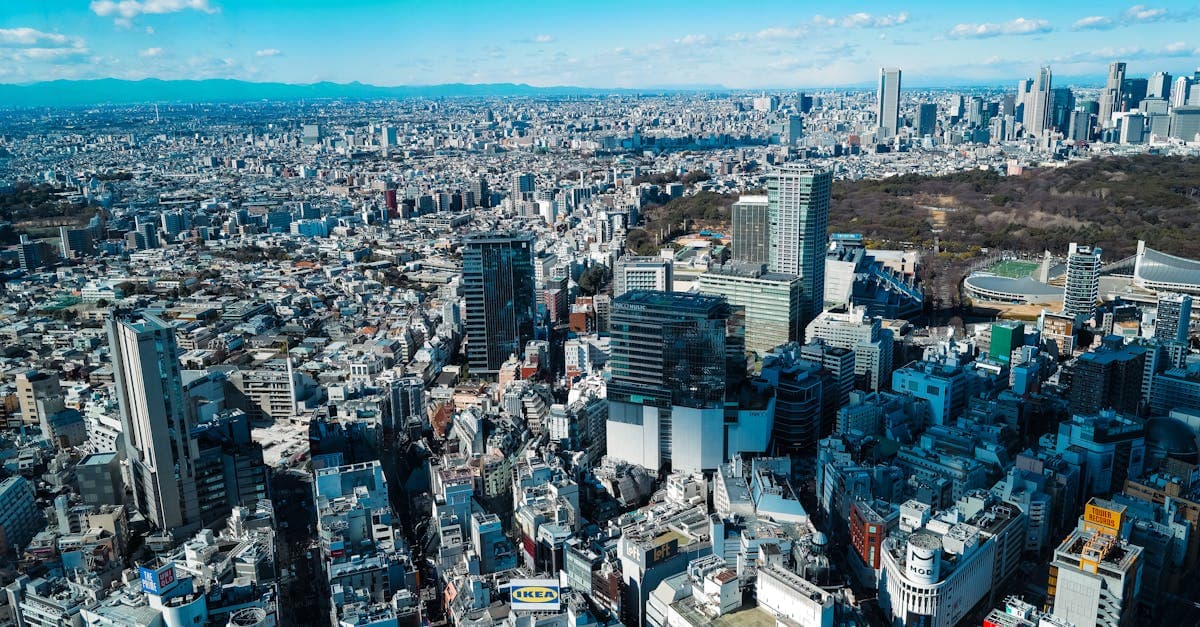
5G is live in central Tokyo, including Shinjuku, Shibuya, and the Marunouchi business district, as well as central Osaka, the Kyoto Station corridor, and Hiroshima. Outside those pockets, 4G LTE covers most of the country at 50-100 Mbps. That's faster than what many US cities deliver on their own LTE networks.
Basement department stores, underground shopping arcades, and most subway platforms in Tokyo and Osaka maintain strong, usable signal. The dense small-cell infrastructure built into Japanese cities makes this possible in a way few American metro areas have replicated.
When comparing eSIM providers, check which network backbone the plan runs on. Docomo-backed plans consistently offer the widest rural reach, which matters if your itinerary includes smaller prefectures, mountain-town ryokans, or less-traveled Japan Rail Pass segments. SoftBank-backed plans perform well in major cities and appear frequently in newer eSIM products.
Most unlocked US iPhones (XR and later) and Android flagships support 4G Band 1 and Band 3, the international LTE standards both carriers operate on. Carrier-unlocked devices from the past five years are almost universally compatible.
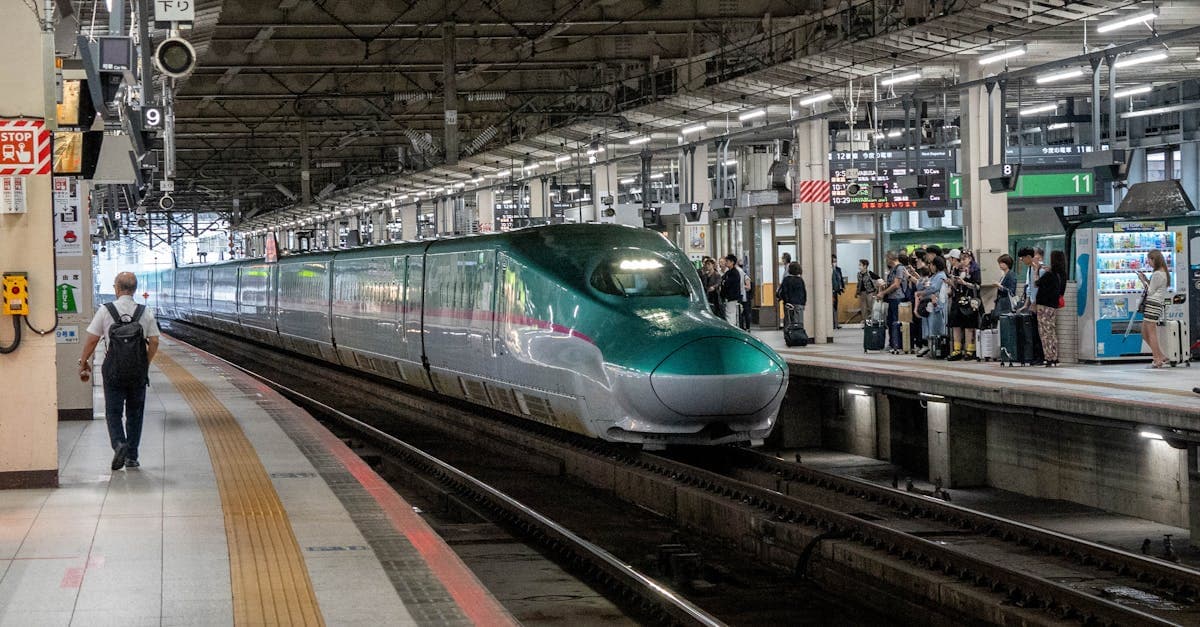
Tokyo Metro platforms carry solid 4G signal on most lines. The signal drops inside tunnels between stations, which is standard behavior for any subway system globally and has nothing to do with your eSIM choice or plan type.
The Shinkansen N700S has onboard WiFi, but it runs at 1-3 Mbps shared across the car. Your eSIM data is faster and more reliable for maps, translation, and messaging during the ride. That gap becomes obvious the moment you need turn-by-turn navigation pulling into a station you've never seen before.
Hokkaido splits into two distinct connectivity environments. Sapporo and the Niseko resort area have reliable 4G LTE. Remote stretches like Daisetsuzan National Park and the eastern Hokkaido coast can run thin. Download offline maps before you leave Sapporo, not after you notice the gap.
Okinawa's main island is well-covered by both major networks. The outer islands, including Miyakojima and Ishigaki, have cellular service but at lower density than the mainland. Save your maps offline before boarding the ferry.
Kyoto holds up better than you'd expect for a city built around quiet lanes and ancient shrines. UNESCO World Heritage sites including Fushimi Inari and Arashiyama have consistent signal despite sitting outside the dense urban core. The Higashiyama district, which feels like a different century on foot, still returns four bars.
Budget 1 GB per day as your baseline for a moderate tourist itinerary. Google Maps navigation, LINE or WhatsApp messaging, and occasional photo uploads to iCloud or Google Photos won't push you much past that figure on a typical sightseeing day.
For trip sizing, the tiers work out roughly as follows. A five-day sprint through Tokyo needs 5-8 GB total. A 10-day itinerary mixing Tokyo, Kyoto, and Osaka lands in the 10-15 GB range. Two full weeks covering cities, day trips, and bullet-train legs typically requires 15-20 GB, depending on how much you're streaming.
Two seasonal windows are worth factoring in. Cherry blossom season (late March through mid-April) and Golden Week (late April through early May) pack Kyoto's parks and Tokyo's riverside hanami spots to capacity. Network congestion at these locations is real. Buying one tier up from your calculated need is a reasonable hedge if your trip falls during either window.
Video calls deserve their own budget line. FaceTime or WhatsApp Video consumes 300-600 MB per hour. A 10-day trip with daily evening calls home can add 3-6 GB before you've opened a single streaming app.
Fixed data plans outperform capped unlimited options for the vast majority of Japan trips. Unlimited plans throttle to around 1 Mbps once the daily full-speed allowance (typically 1-3 GB) runs out. Maps and messaging stay functional at that speed. Video uploads and cloud backups don't.
Japan's core travel apps use modest data: Google Maps, Google Translate, and Hyperdia each consume 50-100 MB per day under normal tourist use. Social media and streaming are where data budgets actually take a hit, with uploads and video consuming 500 MB to over 1 GB per hour.
Downloading offline city tiles for Tokyo, Osaka, and Kyoto before departure is the single most efficient thing you can do for your data budget. Done over home Wi-Fi, it costs nothing from your cellular plan and keeps Google Maps useful even when signal dips in basement restaurants or underground shopping arcades.
Instagram Stories, TikTok uploads, and posting Reels can reach 500 MB to 1 GB per day for active users. Netflix at standard definition runs 700 MB per hour; HD quality reaches 1.5 GB per hour. Both habits are easy to justify when you're three hours into a bullet-train ride with actually solid cellular signal for the first time all day.
The utility apps are far lighter:
Factor your posting and streaming habits into your plan size. Those four utility apps combined add up to a fraction of what a single hour of Netflix consumes.
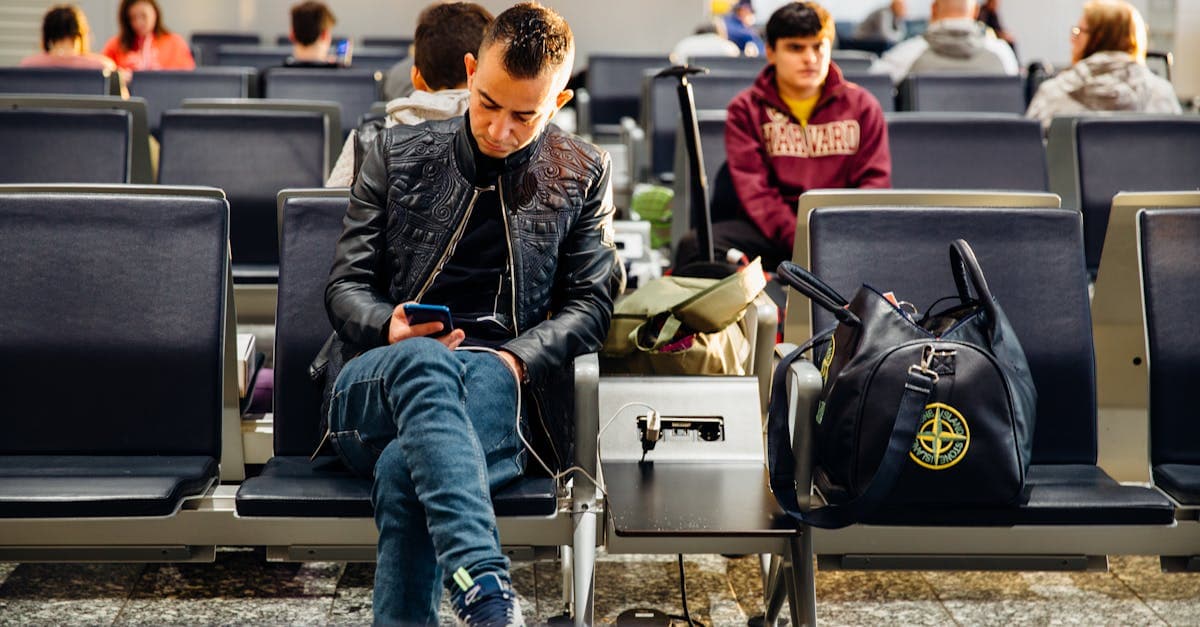
Choosing, buying, and activating a Japan eSIM takes three steps: confirm your device is eSIM-compatible and carrier-unlocked, select a fixed-data plan sized to your trip length, then scan the QR code over home Wi-Fi before departure. iPhone XS is the oldest Apple model with eSIM support. Samsung Galaxy S20 and Google Pixel 3a are the Android compatibility floor. Traveling with an iPhone X or older means you'll need a physical SIM instead.
Before buying, verify your phone is carrier-unlocked. Call your carrier or check Settings > About > SIM Status on Android (iPhone shows lock status in the About screen). US postpaid phones typically unlock after 60-90 days on contract; prepaid devices need a separate unlock request through your carrier's app or support line.
For plan sizing, a fixed-data plan delivers better per-GB value than a capped unlimited option for most 7-14 day trips. As covered above, daily speed caps leave streaming and large uploads unusable once the full-speed allowance is consumed.
Buy on home Wi-Fi before you pack. The eSIM profile downloads in under two minutes and stays dormant on your device until you're ready to activate it. No airport kiosk queue, no passport check at the counter, no risk of your preferred plan being sold out.
iOS activation: Settings > Cellular > Add eSIM > Use QR Code. Scan the QR code from your confirmation email and the profile installs in seconds. Android and Samsung users navigate to Settings > Connections > SIM Manager > Add eSIM; exact menu labels vary by manufacturer and Android version.
Most Japan eSIMs activate automatically when your phone registers a Japanese network tower, typically on descent toward the airport. You can also trigger activation manually in the international arrivals hall after clearing immigration.
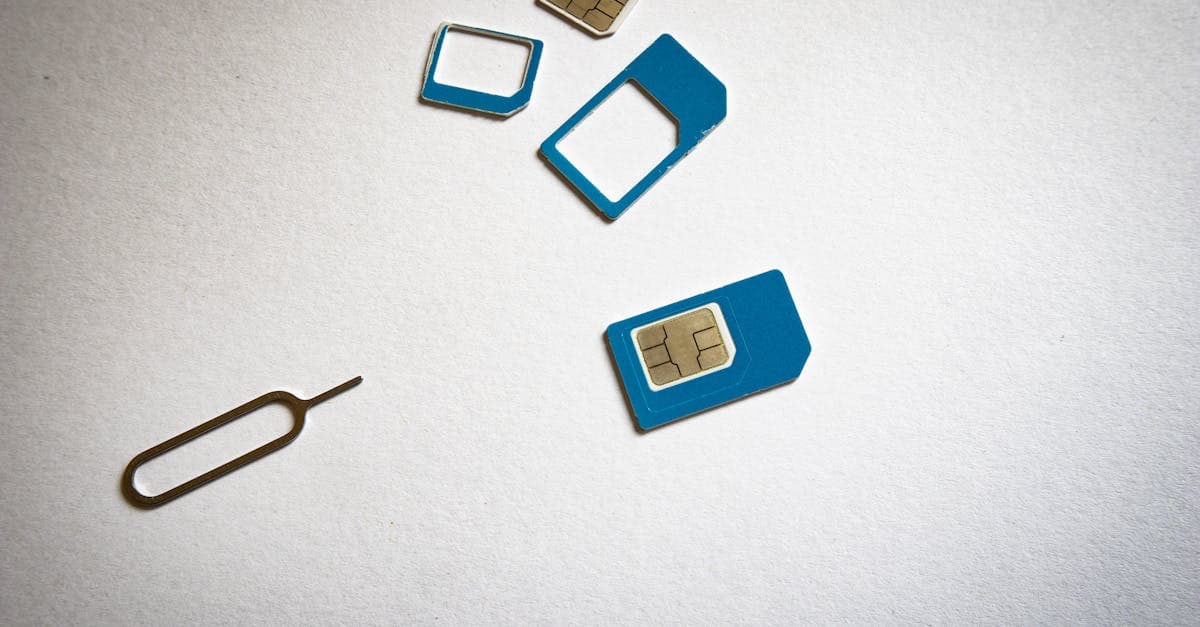
Every iPhone from the XS through current models supports two active lines simultaneously, and most Android flagships do the same. The setup works cleanly: the Japan eSIM carries all your data traffic, while your US physical SIM keeps receiving texts and calls as normal.
Getting the settings right takes about 30 seconds. In Settings > Cellular, designate the Japan eSIM as your primary data line, then toggle data roaming off on the US SIM. That second step is what most travelers miss. Skip it, and your US carrier can still charge international data fees even though the Japan eSIM is handling all the actual traffic.
Two-factor authentication texts from US banks, brokerages, and streaming services keep arriving on your American number without interruption. You don't need to update any account or notify any service that you're abroad.
iPhone 14 US models and later are eSIM-only, with no physical SIM slot at all. These devices store two eSIM profiles and run both simultaneously; the dual-SIM workflow is identical to the physical-SIM setup described above.
WhatsApp and FaceTime Audio route over your data connection, so US contacts can reach you on either platform with no international charges on either end.
One issue to address before departure: eSIM profiles can't be transferred to a replacement handset if your phone is lost or stolen. Screenshot the QR code from your activation email and save it to iCloud or Google Drive before you leave home.

For a trip of three days or more, yes. The math isn't close. A 10-day Japan eSIM plan runs around $2 a day at current market rates, compared to the daily carrier roaming rate covered in the cost section above. That gap adds up fast on a longer itinerary.
Japan's public WiFi works fine for a hotel lobby or a quick email check at a Starbucks. It falls apart as a primary connection for a full sightseeing day: session limits, registration requirements, and spotty transit corridor coverage make it a fallback, not a solution for navigating multiple neighborhoods and a dozen train changes.
The practical case is equally strong. No SIM ejector tool scrounged from a hotel bathroom kit. No queue at the Narita arrival hall at 6 a.m. after a 14-hour flight. No pocket WiFi device to charge, locate in a bag, and return by courier deadline. The eSIM installs before you board.
One scenario where skipping it makes sense: a transit layover with an overnight stay inside a terminal-adjacent hotel. If you're not leaving the airport zone and hotel WiFi covers your needs, a data plan adds nothing.
eSIM profiles are device-bound, which means they can't be physically removed from your wallet or cloned by a pickpocket. SIM-swap attacks require account access, not hardware. For crowded spots like Shibuya Crossing or Osaka's Dotonbori, that's a quiet but meaningful security advantage.
Four providers cover most of what US travelers need for Japan connectivity, and the differences between them are sharper than the marketing suggests.
Hello Roam makes the clearest case for multi-country itineraries. Its regional plans bundle Japan with South Korea, Taiwan, and Southeast Asian destinations in a single purchase, backed by 24/7 chat support and explicit data cap disclosures that some Japan-only providers omit. If your trip crosses into Korea or Taiwan, one regional plan outperforms assembling separate country SIMs.
Airalo's Moshi Japan plan is the budget option for travelers staying within Japan. Plans start at around $4.50 for 1 GB, the brand is widely recognized, and the r/JapanTravel community actively troubleshoots Airalo issues, which functions as informal peer support at no cost.
Holafly suits heavy users: content creators uploading footage, remote workers on video calls, anyone who'd rather not track gigabytes. Its unlimited plan runs around $29 for 14 days, with full-speed data throttled after the daily threshold. Read that throttle policy before buying.
Saily wins on simplicity. Pricing starts under $4, and its activation flow is the most straightforward of the four.
Light users on a short trip do well with Airalo or Saily. Heavy data consumption pushes the math toward Holafly.
A Japan eSIM goes with the phone it's installed on. Lose the device in Tokyo and the data plan goes with it. A physical SIM slides into a backup handset in minutes; an eSIM profile requires going back through the provider's reinstallation process, which itself requires a working internet connection to complete.
Older devices are excluded entirely. iPhone X and earlier models, Samsung Galaxy S10 and earlier, and most sub-$200 Android handsets don't carry eSIM hardware. If you're traveling with a device from that era, check compatibility before purchasing (covered in the device section above).
Most Japan tourist eSIMs are data-only. No local Japanese phone number is included, which means you can't receive calls or SMS on a Japanese number. For travelers who need one, some hotel confirmation systems and reservation platforms require Japanese-number verification. Mobal offers a specialist plan with a local number included mobal.com, though it's a different product category from a standard tourist data SIM.
Activating an eSIM requires downloading a profile over an internet connection. Handle that at home on WiFi before departure, not at the airport, where the free WiFi typically requires its own registration step before it'll work.
One Android-specific catch: some devices carry eSIM hardware but have carrier-installed software locks that block third-party profile installs. Verify your specific model and carrier unlock status before purchasing any plan, because a locked device will reject the profile regardless of which provider you choose.

Providers like Hello Roam, Airalo, and Holafly offer competitive Japan eSIM plans. For the widest rural coverage, choose a plan running on the Docomo network backbone. For city-heavy itineraries, SoftBank-backed plans also deliver strong performance in major urban corridors. Check the carrier network and required data size before purchasing.
For a trip of three days or more, yes. US carrier options like Verizon TravelPass and AT&T International Day Pass cost around $10 per day, adding up to $100 for a 10-day trip. A dedicated Japan eSIM covers the same trip at a fraction of that cost and activates from home with no airport queue required.
A two-week Japan trip typically requires 15-20 GB of data depending on navigation, messaging, and streaming habits. A fixed-data eSIM plan in that range costs significantly less than US carrier roaming fees, which can exceed $100 for just 10 days on plans like Verizon TravelPass or AT&T International Day Pass.
The main drawbacks are device compatibility requirements and the inability to transfer profiles if your phone is lost or stolen. eSIM requires a compatible, carrier-unlocked device — iPhone XS or later, Samsung Galaxy S20, or Google Pixel 3a at minimum. If your device is lost or damaged, the eSIM profile cannot be moved to a replacement handset.
Most tourist-facing Japan eSIM plans run on one of two major network backbones: NTT Docomo or SoftBank. Japan's third major carrier, au (KDDI), is less common in eSIM products. Check the provider's product page to confirm which network your specific plan uses, as this affects rural coverage quality.
Docomo holds the advantage in rural prefectures and less-traveled areas, making it the better choice for itineraries that include small towns, mountain ryokans, or remote Japan Rail Pass segments. SoftBank performs well in major urban corridors. For standard city itineraries covering Tokyo, Osaka, and Kyoto, either carrier delivers solid performance.
Tokyo Metro platforms carry solid 4G signal on most lines. Signal drops inside tunnels between stations, which is standard behavior for any subway system worldwide and is not specific to eSIM or any particular plan. Service resumes promptly when the train pulls into each station.
Yes. Shinkansen trains offer onboard WiFi, but it typically runs at only 1-3 Mbps shared across the car. Your eSIM data connection is faster and more reliable for navigation, translation, and messaging during the ride, especially useful when approaching an unfamiliar station.
Budget 1 GB per day as your baseline, putting a 10-day Tokyo, Kyoto, and Osaka itinerary in the 10-15 GB range. Add extra capacity if your trip falls during cherry blossom season or Golden Week when network congestion is higher, or if you plan daily video calls home, which consume 300-600 MB per hour.
Go to Settings, then Cellular, then Add eSIM, then Use QR Code. Scan the QR code from your confirmation email and the profile installs in seconds. Most Japan eSIMs activate automatically when your phone detects a Japanese network tower, typically during descent toward the airport. You can also trigger activation manually in the international arrivals hall after clearing immigration.
Yes. iPhones from the XS onward and most Android flagships support two active lines simultaneously. Set the Japan eSIM as your primary data line and turn off data roaming on your US physical SIM. Your US number continues receiving calls and texts, and two-factor authentication messages from US banks and services arrive without interruption.
Coverage varies by location. Docomo-backed plans offer the widest rural reach across smaller prefectures and mountain areas. Okinawa's main island is well-covered, while outer islands like Miyakojima and Ishigaki have cellular service at lower density. In remote areas like eastern Hokkaido, download offline maps before leaving the nearest city.
Core apps are lightweight: Google Maps and Google Translate each use about 50-100 MB per day, and train scheduling apps like Hyperdia use just 5-10 MB daily. The major consumers are social media and streaming — Instagram and TikTok uploads can reach 500 MB to 1 GB per day, and Netflix at HD quality runs 1.5 GB per hour.
Japan's public WiFi at 7-Eleven, McDonald's, and JR stations is free but limited. Each network requires email registration and caps individual sessions at 20 minutes, which is workable for a quick message but insufficient for continuous navigation or map use. A dedicated eSIM plan is far more practical for full-day sightseeing.
Fixed data plans deliver better value for most 7-14 day trips. Unlimited plans throttle speeds to around 1 Mbps once the daily full-speed allowance, typically 1-3 GB, runs out. Maps and messaging remain usable at throttled speeds, but video uploads and cloud backups do not. A properly sized fixed-data plan avoids throttling entirely.
iPhone XS is the oldest Apple model with eSIM support, while Samsung Galaxy S20 and Google Pixel 3a are the Android compatibility floor. Most unlocked US devices from the past five years support Japan's 4G Band 1 and Band 3 LTE standards. Older models including iPhone X and earlier require a physical SIM card instead.
Yes. Kyoto maintains consistent cellular signal throughout the city, including at popular sites like Fushimi Inari, Arashiyama, and the narrow lanes of the Higashiyama district. Despite its historic atmosphere, Kyoto is well-covered by both major Japanese networks and returns strong signal even away from the dense urban core.
HelloRoam: your trusted travel eSIM that keeps you online across borders.
Explore Plans