Backpacker Insurance UK 2025: the Complete Guide for Long-term Travellers

Written by: Emily Thornton


20 min read

HelloRoam is a global eSIM provider offering instant mobile data in 170+ countries. Buy prepaid travel eSIM plans with no extra fees, no contracts, and instant activation on any eSIM-compatible device.
20 min read

According to comparethemarket.com, backpacker insurance is a distinct product category built for trips of one to 18 months across multiple countries, structured around the reality that long-term travellers often leave without a confirmed return date. It is not travel insurance with a different name.
The core difference is duration. Standard single-trip policies require a confirmed departure and return. According to moneysavingexpert.com, annual multi-trip plans from mainstream UK insurers cap individual journeys at 30 to 60 days. A four-month circuit through Southeast Asia, or a working holiday year in Australia, falls outside that window. Backpacker policies are built for exactly those trips.
UK providers vary on maximum terms. Most cap at 12 months; True Traveller extends to 18 truetraveller.com, one of the longest periods available on the UK market.
Most UK backpacker policies sit within one of four tiers, each reflecting a different level of protection and trip type. Budget cover provides emergency medical cover only and suits lower-risk itineraries. Mid-range adds an adventure sports component. Comprehensive policies carry higher medical limits, gadget cover, and cancellation protection. Working holiday policies are structured to satisfy minimum cover requirements for visas in Australia, Canada, New Zealand, and Japan.
That last tier is easy to underestimate. Choose a policy that falls short of your destination's visa minimum and your application may not clear the consulate.
Standard policies assume predictable travel: a fixed departure, a fixed return, a clear itinerary. Backpacker policies don't work like that. They accommodate one-way departures, mid-trip destination changes, and extensions purchased before the end date, without requiring a return ticket at the point of purchase.
Annual multi-trip cover is the most common substitution error. It looks flexible, but the per-trip cap on standard annual plans rules it out for any journey running months at a stretch. A year-long career break disqualifies it by definition.
According to condorferries.co.uk, working holiday visas make the distinction concrete. Australia, Canada, New Zealand, and Japan each impose specific insurance thresholds as a condition of the visa. Specialist backpacker policies are designed to meet those thresholds; most mainstream annual plans aren't.

The foundation of any reputable backpacker policy is built across six categories, each with its own limits and sub-limits that matter far more than the headline premium: emergency medical and evacuation; trip cancellation and curtailment; baggage and personal effects; adventure sports; personal liability; and legal expenses.
Medical is the most consequential line. Reputable UK providers offer between £5 million and £10 million in emergency cover. Anything below £2 million is inadequate for the USA, Australia, or Japan, where a single hospital admission can generate bills that dwarf the entire cost of the policy. The USA operates in a different bracket: the minimum of £5 million should be treated as a floor, not a target, the moment North America appears on your route.
Evacuation costs tend to surprise. Repatriating a critically ill patient from Southeast Asia to the UK typically runs between £50,000 and £150,000, depending on the level of medical supervision required in transit. From South America, that figure can reach £200,000 or more. Medical evacuation is among the most common large claims on long-stay backpacker policies.
Destination tiers determine both the price and the scope of cover. UK providers generally organise policies into three bands: Europe, which typically includes Morocco, Egypt, and Israel; Worldwide excluding the USA and Canada; and Worldwide. Adding an unplanned week in New York to a European policy is not a minor admin error; it can void a claim entirely. Confirm your full itinerary sits within the selected tier before purchasing.
Cancellation limits generally run between £3,000 and £7,500. Curtailment cover, which applies when you're forced to cut a trip short mid-journey rather than cancel before departure, is a separate category. The two aren't automatically bundled, so check the policy wording rather than assuming they're included together.
Pre-existing conditions are handled inconsistently across providers. Some exclude all declared conditions outright. Others apply a premium loading. A small number decline cover for more serious conditions altogether, regardless of how stable they've been.
Emergency medical cover on UK backpacker policies ranges from £5 million to £10 million, with £5 million the minimum for any route that includes the USA. Cancellation limits typically run from £3,000 to £7,500, and medical evacuation is among the most common large claims on long-stay policies.
If the USA appears anywhere on your route, including a connection, the higher medical figure applies.
Cancellation cover needs to map to your real trip costs: flights, accommodation deposits, and pre-booked tours. Per-item sub-limits on baggage typically run £300 to £500, which may not cover a laptop or professional camera.
Curtailment is distinct from pre-departure cancellation. It covers early returns due to illness or a family emergency at home. Check both categories appear in your policy documentation before purchasing.
A 24-hour emergency assistance line is standard across reputable policies. Verify it operates via international dial-in from your primary destinations before you commit.
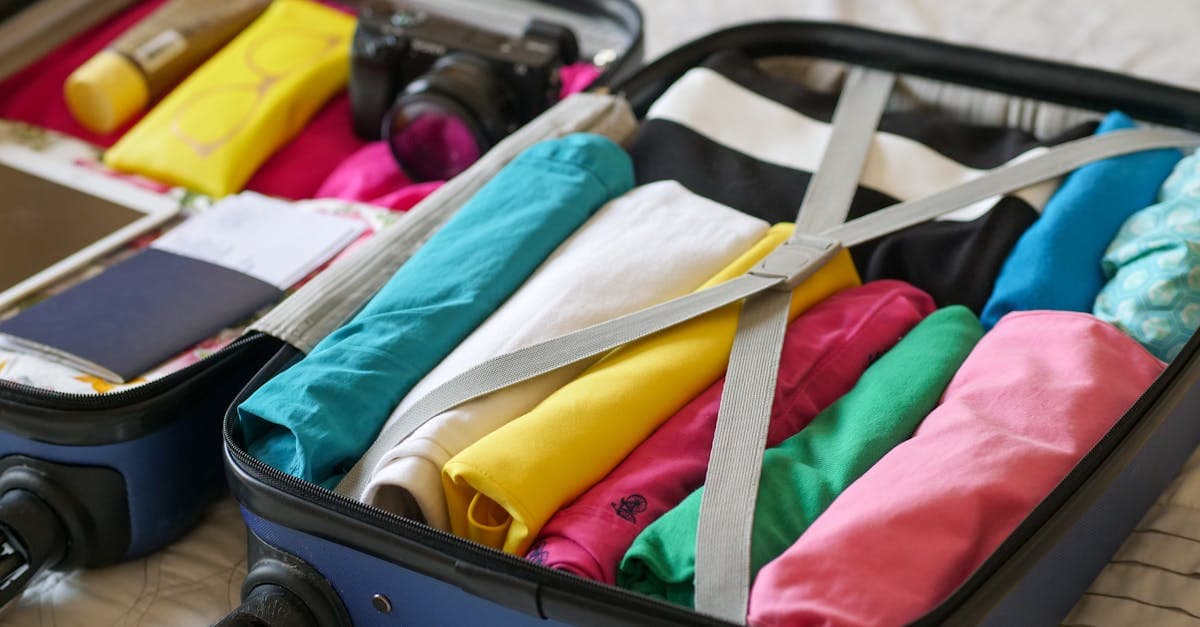
Baggage cover looks reasonable until you read the schedule. Total limits on most UK backpacker policies run from £1,500 to £3,000: adequate for a rucksack of mid-range kit, not for cameras, laptops, or drones at replacement cost. The per-item sub-limits discussed earlier compound the problem for anyone travelling with professional equipment.
Photographers and content creators typically need a separate gadget add-on or specialist gear policy. Standard cover is priced for a leisure traveller's holdall.
Cash cover starts around £200. Personal liability runs from £1 million to £2 million, which matters if you accidentally damage third-party property during motorbiking or watersports.
One clause to read with particular care: the definition of 'unattended baggage'. Most policies void claims if items were left out of direct sight, even momentarily. A bag at the foot of your hostel bed while you use the bathroom qualifies as unattended under most schedules.

The GHIC card does not replace backpacker insurance. It covers emergency medical treatment at local rates within EU and EEA member states only, with no provision for repatriation, trip cancellation, lost baggage, or any destination outside the EU.
The GHIC replaced the EHIC for UK residents after Brexit. Holders are entitled to emergency medical treatment at local rates in EU and EEA member states, which sounds like a workable safety net. For a fortnight in France, it functions as one.
Most UK backpackers don't spend their trips in France. Southeast Asia, Australia, New Zealand, and the Americas fall entirely outside GHIC coverage. The card is also silent on repatriation, private medical care, trip cancellation, and lost baggage.
According to data from Aviva and the Association of British Insurers, around 70% of UK travellers underestimate the cost of medical treatment abroad. The GHIC quietly reinforces that tendency, particularly for anyone whose itinerary moves into non-EU territory after an opening stretch in Europe.
The UK holds bilateral health agreements with Australia, covering emergency GP and hospital treatment under the Medicare system, and with a small number of other countries. Those agreements cover emergency treatment only: no evacuation, no repatriation, and no ancillary cover of any kind.
The GHIC is free to obtain via the NHS website and worth carrying for any EU leg. Just don't mistake having it for having insurance.
Before any European stretch, confirm your mobile network's current roaming policy. Free data on UK networks across the EU is no longer guaranteed post-Brexit. Discovering that while trying to reach an emergency assistance line is the wrong moment for the news.

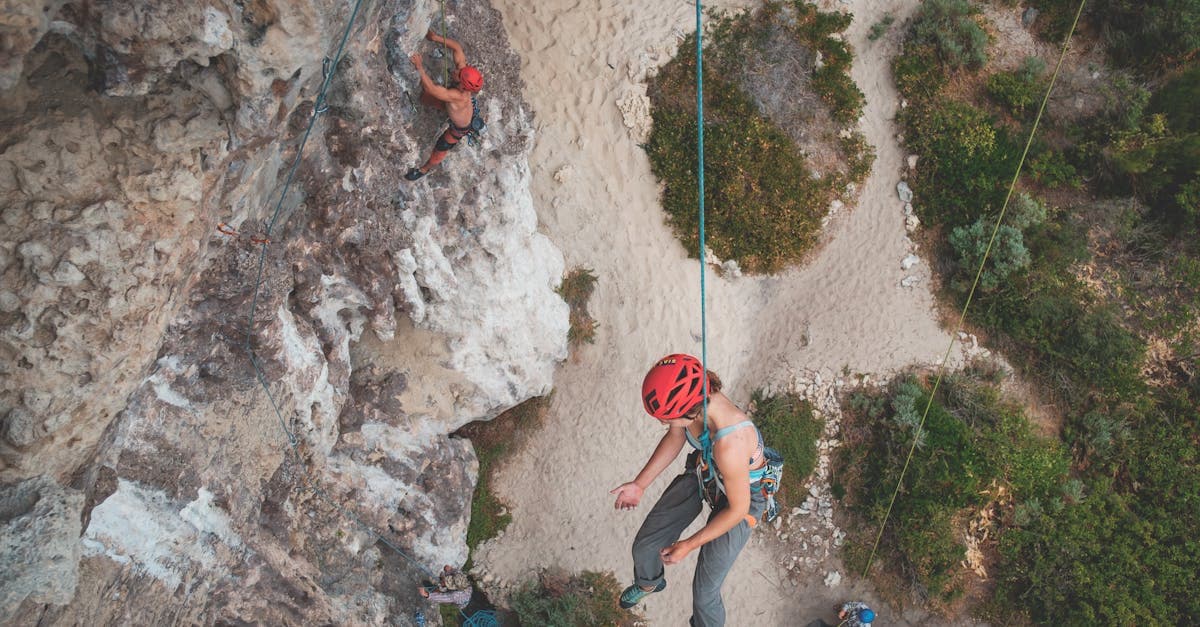
Adventure sports exclusions in practice mean that activities listed on a policy's marketing page may still be excluded in the policy schedule. Standard UK backpacker policies typically exclude motorbiking above 125cc, unguided trekking above 4,500 metres, skydiving, paragliding, bungee jumping, free solo climbing, and white-water rafting above Grade 4.
That list covers a significant share of activities on the average Southeast Asia or South America itinerary.
The 125cc motorcycle limit is worth understanding precisely. A claim is only valid when three conditions are met simultaneously: engine capacity within 125cc, a valid UK motorcycle licence, and an appropriate helmet. Any single condition missing voids the claim, regardless of the circumstances or where the incident occurs.
The core issue isn't duplicity. Product pages are written by marketing teams; policy schedules are written by underwriters. The two documents describe different versions of the same product, and only one governs a claim.
The gap feels widest for activities that seem ordinary. Hiring a scooter in Bali or trekking toward a viewpoint in Nepal doesn't feel extreme. In policy terms, both can fall outside standard cover depending on engine capacity or altitude.
Destination context makes the exclusions concrete. Southeast Asia's primary exposure points are motorbiking and trekking, both staples on routes through Thailand, Vietnam, and Indonesia. In South America, high-altitude routes through Peru and Bolivia routinely push past the standard threshold. Australia and New Zealand generate extreme sports claims that many travellers assume, incorrectly, are straightforwardly included.
Verify your cover against the actual policy schedule before you book an activity, not after a hospital discharge. That's the difference between a paid claim and a rejected one.

Activities typically excluded by default include motorcycle riding above 125cc, high-altitude trekking above 4,500 metres, scuba diving below 30 metres or solo dives, and winter sports such as skiing and snowboarding. Each carries a specific threshold stated precisely in the policy schedule.
Motorcycle riding: most UK policies require a valid UK motorcycle licence, an appropriate helmet, and an engine capacity within the 125cc limit covered in the adventure sports section above. Any one of those three conditions missing and a claim will not stand, regardless of the circumstances or the destination.
High-altitude trekking: Everest Base Camp sits at 5,364 metres, well above the standard policy ceiling. A specific altitude extension is required before departure if your route reaches that height or beyond.
Scuba diving is covered to 30 metres on most standard policies. Solo dives or anything deeper require a specialist add-on, not simply an upgrade to a higher policy tier.
Winter sports, including skiing and snowboarding, require a separate add-on even on dedicated backpacker policies. Inclusion is never automatic.
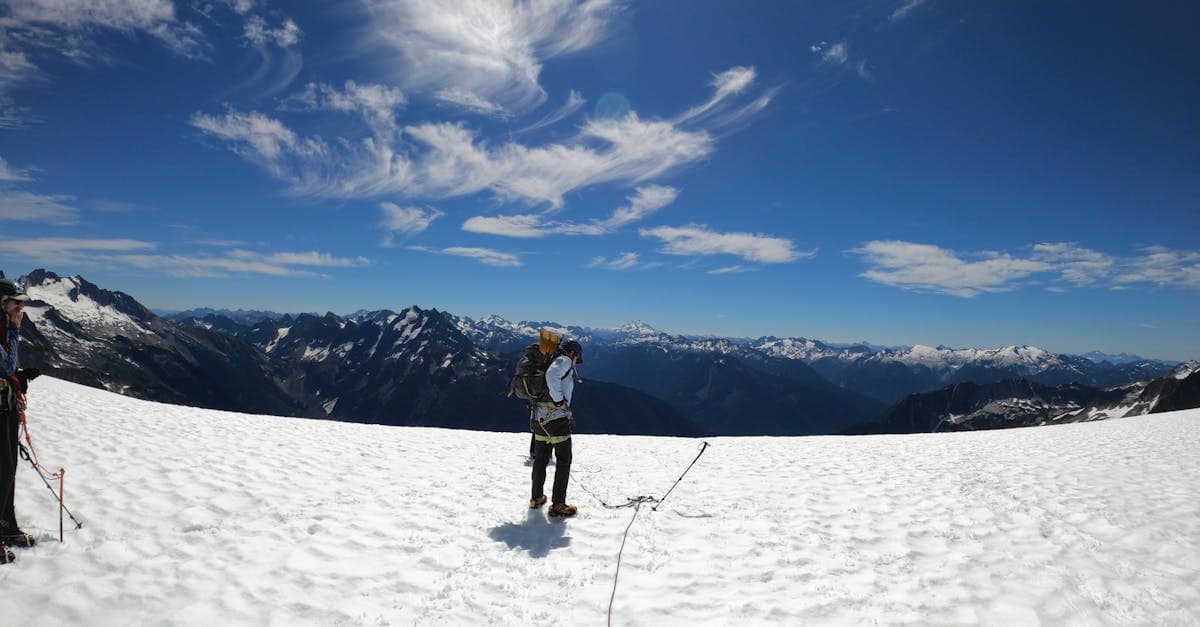
Check the policy schedule, not the homepage. Backpacker insurance marketing often implies broad activity coverage; the schedule shows exactly which sports are named, excluded, or require an add-on tier.
True Traveller truetraveller.com sells tiered activity packs covering progressively more demanding sports. World Nomads builds adventure cover into its Explorer plan as standard, requiring no separate step at purchase, though the base premium reflects that. Declare all planned activities before you buy; adding cover retrospectively after an incident is not accepted by any UK insurer. Budget between ~£50 and ~£150 extra on a 12-month premium, depending on the activity tier.

Choosing the best backpacker insurance means evaluating five criteria beyond price: emergency medical and evacuation limits, adventure sports inclusion, trip duration and extension flexibility, baggage and gadget limits, and the quality of 24/7 emergency support. Few policies score well on all five without trade-offs.
Mid-trip extension deserves particular scrutiny. Confirm whether the policy can be extended before the original end date, and whether you can do so while already abroad. Some insurers process extensions online; others require a phone call before existing cover expires.
Return-home provisions are frequently misread. According to moneysavingexpert.com, a temporary return to the UK for personal reasons should not void remaining cover on a quality backpacker policy. Some policies treat any return as trip termination, a clause that is rarely flagged at point of sale.
Working holiday visa holders face an additional compliance layer. Australia, Canada, New Zealand, and Japan each set minimum insurance thresholds for visa approval. Verify destination-specific requirements before purchasing; not all budget policies meet every country's minimum.
On price: budget worldwide backpacker policies for 12 months run from roughly ~£150 to ~£300. Mid-range cover with an adventure sports add-on typically falls between ~£300 and ~£500. Comprehensive policies covering high medical limits, full gadget protection, and a wide adventure sports tier range from ~£500 to ~£900. The spread reflects genuine differences in what claims actually get paid, not just brochure tiers.
Finally, check whether one-way ticket departures are covered as standard. Backpackers frequently travel without a return booking, and some policies flag this as a material omission in cover.
Three names dominate UK backpacker insurance, each suited to a different traveller profile.
True Traveller truetraveller.com is the UK specialist: cover up to 18 months, UK-based claims handling, and a mid-trip return provision that keeps remaining cover intact. Plan tiers run from True Value (budget) to Traveller Plus (comprehensive).
World Nomads suits late purchasers and those wanting adventure sports included as standard. The Explorer tier requires no separate activity add-on, though the base premium reflects that inclusion. No upper age limit applies, though premiums rise sharply past 45, and cover can be purchased after departure.
According to outbackerinsurance.com, Outbacker is digital-first and restricted to under-40s. Its working holiday focus suits Australia and New Zealand visa trips rather than open-ended career breaks.
A multi-country eSIM belongs alongside any of these on the pre-departure checklist. Hello Roam's plans span 63 countries and keep your UK number active, which matters when an insurer or emergency line needs to reach you mid-claim.
Standard annual multi-trip policies from UK high street insurers are not a valid substitute for any of the above. Per-trip duration caps make them structurally unsuitable for long-term travel.
Policy small print rewards specific questions over general research.
Can the policy be extended mid-trip, and can you do so while already abroad? Does a temporary return to the UK cancel the cover already purchased? Does the policy cover working abroad, whether on a working holiday visa, casual employment, or remote freelancing? What is the 24-hour emergency assistance number, and does it accept international dial-in from your primary destinations? Do you have any pre-existing condition to declare, and are the insurer's terms a loading fee, a targeted exclusion, or an outright decline?
Any insurer who cannot answer clearly in writing before purchase is unlikely to improve once a claim is lodged.
Filing a claim from a hospital waiting room in Chiang Mai is not ideal. It is, however, entirely possible. Most UK backpacker insurers accept claims submitted while you're still abroad, via phone or online portal, with no requirement to wait until you're home.
The single most important rule: ring the 24-hour emergency assistance line before authorising medical treatment above your policy's stated self-authorisation threshold. Not after. Before. The threshold is specified in your policy schedule; the insurer needs advance notice to advise on approved local providers and authorise costs before they are incurred. Treating first and calling later gives the insurer grounds to reject the claim outright, regardless of whether the treatment was medically necessary.
Documentation is the backbone of any successful outcome. Retain every receipt, every medical discharge paper, and any police report obtained. Photograph them the moment you have them and upload to cloud storage immediately. Local phone storage fails; luggage gets stolen; paper gets wet. Don't rely on physical copies alone.
Theft follows different rules. Most policies require a police report filed within 24 hours of discovering the loss. Miss that window and the claim is likely dead before it starts. The most frequently cited rejection reason for theft is the unattended baggage exclusion: leaving a bag out of sight, even briefly, typically voids cover under standard policy wording. Unattended doesn't mean only 'left overnight at the hostel'; it includes a bag set down at a café table while you visited the bathroom.
The order matters. Miss a step and the next becomes significantly harder.
A working UK mobile number is essential throughout. Switching to a local SIM mid-trip can block the SMS identity checks that insurers and banks run when a claim is active, creating delays at exactly the wrong moment.
Failure to ring the assistance line before treatment is authorised remains the most common reason medical claims fail. For theft, the equivalent pitfall is the unattended baggage clause: an unwatched bag typically voids cover under standard policy wording, regardless of circumstances.
Alcohol and substance clauses catch a disproportionate share of motorbike and activity incidents. Most policies exclude any claim arising while the claimant was under the influence, regardless of fault.
Undeclared pre-existing conditions can void an entire policy, not just the directly related claim. Riding a motorcycle without meeting the licence, helmet, and engine capacity requirements covered in the adventure sports section above is the most common adventure-related rejection.
Your phone is as essential as your passport during a travel emergency. Filing a claim, uploading photos of a stolen bag, reaching the assistance line at 3am: each step requires a functioning data connection. Mobile connectivity during a backpacking trip isn't a convenience; it's operational infrastructure.
UK carrier daily roaming rates across the primary backpacking corridors run from £5 per day in parts of Southeast Asia to £20 per day in South America, depending on destination and network. Over a 12-month trip, that cost compounds fast into a figure easily comparable to the insurance premium itself.
Switching to a cheap local SIM at each border trades upfront cost for a different problem. Your UK mobile number goes offline. Hello Roam's multi-country eSIM addresses this: activatable before departure, it operates across the primary backpacking corridors on a single plan, and on dual-SIM handsets your existing UK number remains live throughout. Banks and insurers rely on SMS to that number for identity verification, which becomes critical when a claim is already active.
Whatever connectivity approach you take, the practical requirement is the same: working mobile data and a reachable UK number, in place before your insurer needs either. Sort both before departure.
Buying a local SIM at each border is the traditional approach. It works, but the friction accumulates: queuing at airport kiosks, inconsistent provider quality by country, and losing your UK number for days at a time.
A multi-country eSIM removes that last problem. Running a data plan alongside your UK number (the dual SIM setup described earlier) means your insurer and bank can reach you on the same contact throughout. No gap when you cross a border.
The claims link is practical rather than theoretical. Fast mobile data means receipts photographed and uploaded within minutes of an incident, GPS location shared with emergency assistance teams, and insurer helplines accessible on arrival at each new destination.
UK network roaming costs what earlier sections outlined. A regional eSIM covering the same geography typically runs to a fraction of that daily rate. Activate before departure: arriving with data already working is one less variable to manage on a complicated travel day.
According to moneysavingexpert.com, some providers, World Nomads being the most widely available, sell policies to travellers already abroad. Most impose a waiting period of 24 to 72 hours before cover activates, meaning incidents during that window are not covered. Purchase before departure where possible: mid-trip policies tend to carry higher premiums and more restricted terms.
Covered by most standard policies, though the per-item sub-limit for personal electronics often falls short of current handset replacement costs. Check this figure before buying. Most insurers require both proof of purchase and a police report. A gadget add-on typically raises the sub-limit and reduces the excess on electronics claims specifically.
Yes, in most cases. Conditions such as gallstones require declaration at purchase; cover may be available at a higher premium, excluded entirely, or subject to a specified excess. Non-disclosure carries serious consequences: failing to declare a condition can void a subsequent claim, even one with no connection to the condition itself. Declare everything.
It depends on the type of work. Desk-based remote employment is permitted by most UK providers. Manual or hazardous work (construction, farm work, bar work involving machinery) is excluded under most standard policies. Working holiday visa holders should obtain written confirmation from their insurer before starting any paid work abroad. Verbal reassurance from an agent is not sufficient.
Destination is the biggest single cost variable: the USA adds more to a premium than any other region, reflecting the cost of healthcare there. Duration shapes the total next, followed by age (premiums rise sharply after 45) and the declared activities on your itinerary. Budget cover suits low-risk trips with minimal gear. Adventure sports add-ons and gadget cover push costs into the middle band. Comprehensive policies, combining high medical limits with full activity coverage, sit at the top tier.
A low premium typically signals a low medical limit or narrow activity coverage. That trade-off fails most backpackers before they ever need to file a claim.
No UK law requires it. But consider what the alternative looks like in practice: a single medical evacuation can generate a bill that runs to six figures, and that cost falls entirely on the traveller without cover in place.
Working holiday visas in Australia, Canada, New Zealand, and Japan require proof of adequate cover as a formal visa condition.
The GHIC covers EU emergencies only. For any trip beyond the EU, a dedicated backpacker policy is the only financially sensible option.
Yes. Gallstones must be declared as a pre-existing condition at purchase, without exception. Depending on your treatment history, insurers will either exclude the condition, apply a premium loading to include it, or decline cover. Failing to declare, even for a condition unrelated to a later claim, can void the whole policy. True Traveller truetraveller.com and World Nomads offer online medical screening to get indicative terms before you commit.
Not automatically. Standard policies typically exclude paid employment abroad, casual work included. Working holiday visa holders in Australia, New Zealand, and Canada need a policy that explicitly covers manual labour; Outbacker outbackerinsurance.com and certain True Traveller tiers truetraveller.com are built for this. Digital nomads should confirm gadget cover extends to business use, as most standard policies exclude business equipment. Declare any intention to work at purchase.

Backpacker insurance is priced across four tiers: budget cover provides emergency medical only and suits lower-risk itineraries; mid-range adds an adventure sports component; comprehensive policies carry higher medical limits, gadget cover, and cancellation protection; and working holiday policies are structured to meet visa requirements. Worldwide policies including the USA sit at the higher end due to the elevated minimum medical limits required for that destination tier.
Specialist backpacker insurance is necessary for any long-term trip running beyond 30 to 60 days, as standard annual multi-trip plans from mainstream UK insurers cap individual journeys at that level. Working holiday visas for Australia, Canada, New Zealand, and Japan each impose specific insurance thresholds as a visa condition, meaning the right policy is not optional for those routes.
Pre-existing conditions, including gallstones, are handled inconsistently across backpacker insurance providers. Some exclude all declared conditions outright, others apply a premium loading, and a small number decline cover for more serious conditions regardless of how stable they have been. Comparing providers directly is essential if you have any declared pre-existing condition.
Yes, dedicated working holiday policies exist within the backpacker insurance category and are structured to satisfy the minimum cover requirements for working holiday visas in Australia, Canada, New Zealand, and Japan. Choosing a policy that falls short of the destination's visa minimum may prevent the application from clearing the consulate.
Backpacker insurance is a distinct product category built for trips of one to 18 months across multiple countries, structured around the reality that long-term travellers often leave without a confirmed return date. It accommodates one-way departures, mid-trip destination changes, and extensions purchased before the end date, which standard single-trip or annual multi-trip policies do not.
Standard travel insurance assumes a fixed departure and return date, while backpacker policies accommodate one-way departures, mid-trip destination changes, and extensions. Annual multi-trip plans from mainstream UK insurers cap individual journeys at 30 to 60 days, which disqualifies them for any trip running months at a stretch such as a working holiday year.
Reputable UK backpacker policies offer between 5 million and 10 million pounds in emergency medical cover. Anything below 2 million pounds is inadequate for the USA, Australia, or Japan, where a single hospital admission can generate bills that dwarf the entire cost of the policy. If North America appears anywhere on your route, 5 million pounds should be treated as a floor, not a target.
The GHIC card does not replace backpacker insurance. It covers only emergency medical treatment at local rates within EU and EEA member states, with no provision for repatriation, trip cancellation, lost baggage, or any destination outside the EU. Most UK backpacker itineraries include Southeast Asia, Australia, and the Americas, which fall entirely outside GHIC coverage.
Backpacker insurance covers six core categories: emergency medical and evacuation, trip cancellation and curtailment, baggage and personal effects, adventure sports, personal liability, and legal expenses. Medical is the most consequential line, with reputable UK providers offering between 5 million and 10 million pounds in emergency cover depending on destination tier.
Medical evacuation cover pays the cost of repatriating a critically ill patient back to the UK from abroad, and it is among the most common large claims on long-stay backpacker policies. Repatriation from Southeast Asia typically costs between 50,000 and 150,000 pounds, and from South America can reach 200,000 pounds or more depending on the level of medical supervision required in transit.
Total baggage limits on most UK backpacker policies run from 1,500 to 3,000 pounds, with per-item sub-limits typically running 300 to 500 pounds. This is adequate for a rucksack of mid-range kit but not for cameras, laptops, or drones at replacement cost, so photographers and content creators typically need a separate gadget add-on or specialist gear policy.
Cancellation cover applies when you are forced to cancel a trip before departure, with limits typically running between 3,000 and 7,500 pounds. Curtailment is a separate category that covers early returns due to illness or a family emergency at home after the trip has already begun. The two are not automatically bundled together, so policy wording should be checked before purchasing.
Standard UK backpacker policies typically exclude motorcycle riding above 125cc, unguided trekking above 4,500 metres, scuba diving below 30 metres or solo dives, skydiving, paragliding, bungee jumping, free solo climbing, and white-water rafting above Grade 4. Winter sports including skiing and snowboarding require a separate add-on even on dedicated backpacker policies.
Scuba diving is covered to 30 metres on most standard backpacker policies. Solo dives or anything deeper require a specialist add-on, not simply an upgrade to a higher policy tier. The specific depth limit should be verified in the policy schedule before booking any dive activities.
UK providers generally organise policies into three destination bands: Europe (which typically includes Morocco, Egypt, and Israel), Worldwide excluding the USA and Canada, and Worldwide. Adding an unplanned destination outside your selected tier, such as a week in New York on a European policy, can void a claim entirely, so your full itinerary must sit within the selected tier before purchasing.
HelloRoam: your trusted travel eSIM that keeps you online across borders.
Explore Plans