Is Thailand Safe? the Honest Guide for South African Travellers in 2026

Written by: David Chen


15 min read
HelloRoam is a global eSIM provider offering instant mobile data in 170+ countries. Buy prepaid travel eSIM plans with no extra fees, no contracts, and instant activation on any eSIM-compatible device.
15 min read
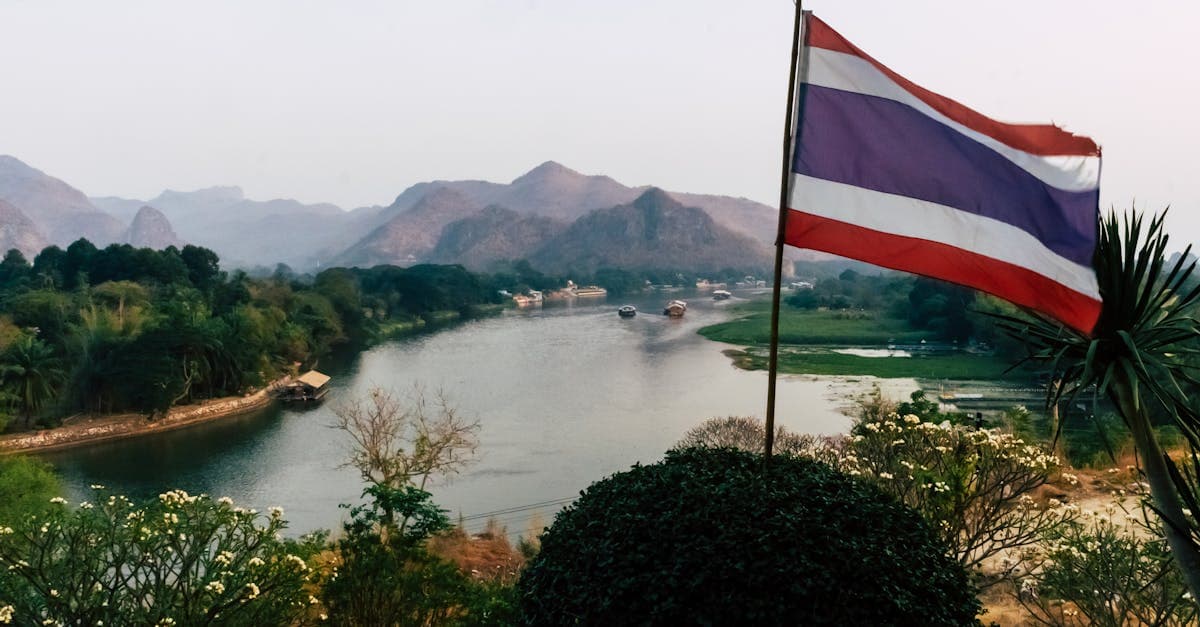
Yes, Thailand is safe for tourists bhtp.com. The primary risks are road accidents and scams, not violent crime targeting foreigners. Avoid the southernmost provinces entirely; the rest of the country poses no elevated threat.
For South Africans, the shift in risk profile is striking. The ambient threat of violent crime you navigate at home simply doesn't exist here in the same way. What does exist is a motorbike you shouldn't rent, a beach flag you shouldn't ignore, and a tuk-tuk driver with a gem shop itinerary in mind.
Before you land, get your data sorted. Your phone is your map, emergency contact, and lifeline. Hello Roam's Cities eSIM plans activate before touchdown, keeping your South African number live for banking OTPs while you navigate Suvarnabhumi on arrival. No airport SIM queue. No Vodacom bill shock waiting when you get home.
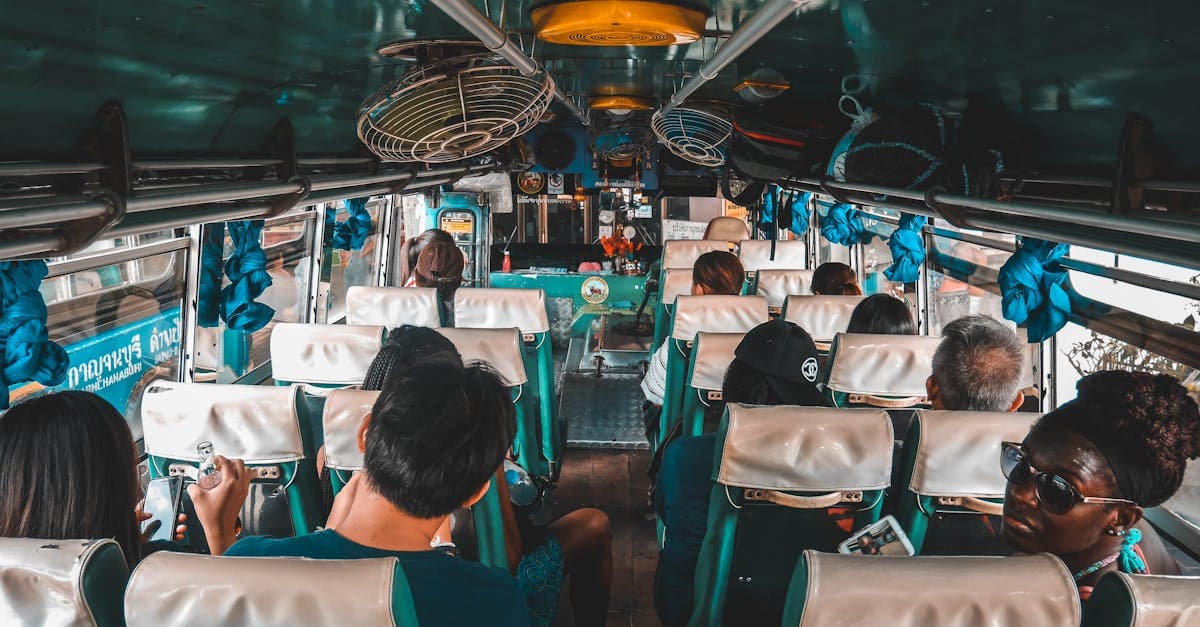
Thailand is broadly safe for South African tourists in 2026. Street muggings, carjackings, and home invasions are not baseline concerns for visitors here. Thailand ranked around 103 out of 163 countries on the Global Peace Index 2024, which sounds middling, but for South Africans accustomed to navigating Johannesburg or Cape Town, Bangkok operates on a structurally different risk profile.
The risks that do exist form a different checklist, covered in detail in the sections below.
Official advisories deserve a read before you dismiss them. According to travel.state.gov, the US State Department rates Thailand at Level 1 nationally, meaning "exercise normal precautions." Level 2 applies only to the southernmost provinces. The UK FCDO gov.uk and Australian DFAT smartraveller.gov.au both advise a "high degree of caution" across Thailand overall, and a firm "do not travel" for Pattani, Yala, and Narathiwat. If you're heading to Phuket, Chiang Mai, or Koh Samui, those warnings don't apply to your itinerary.
South Africa's embassy is not in Bangkok. It's in Singapore, at +65 6339 3319. An honorary consulate in Bangkok handles basic consular matters, but for anything serious, you're working through Singapore. Know this before you need it.
South African passport holders enter Thailand on a 60-day visa exemption with no pre-approval required. Save one contact before you board: the Tourist Police hotline at 1155 is English-speaking and operates 24 hours a day.
Here's the counter-intuitive part. Tourists in Thailand are statistically unlikely to be killed by another person. The leading causes of foreign visitor deaths are roads and water, not robbery or assault. That reframe matters, because it changes what you actually need to prepare for.
Four categories account for almost all the genuine risk.
Road accidents and drowning sit at the top. These are physical threats, not criminal ones. The specifics are in the following section, and they're worth reading carefully.
Scams and opportunistic crime come next. They're frustrating and sometimes costly, but rarely turn violent. Documented cons include the tuk-tuk gem shop circuit, fabricated jet ski damage claims at the end of a hire, and fake monk collectors approaching tourists near temples. On the financial side, property scams and fraudulent overseas job offers targeting foreigners are growing and well-documented.
Legal risks carry the most severe consequences of any category. Thailand's lèse-majesté laws protect the monarchy with criminal penalties that have resulted in multi-year prison sentences for tourists who posted comments online. Drug offences carry mandatory minimum sentences. Trafficking carries the death penalty.
Thailand's political situation is broadly stable for visitors. Street protests occur occasionally; give them a wide berth regardless of how calm they appear. The deep south insurgency has claimed over 7,000 lives since 2004 and remains active, but it is geographically confined far from Bangkok, Phuket, Chiang Mai, and every other mainstream tourist destination.
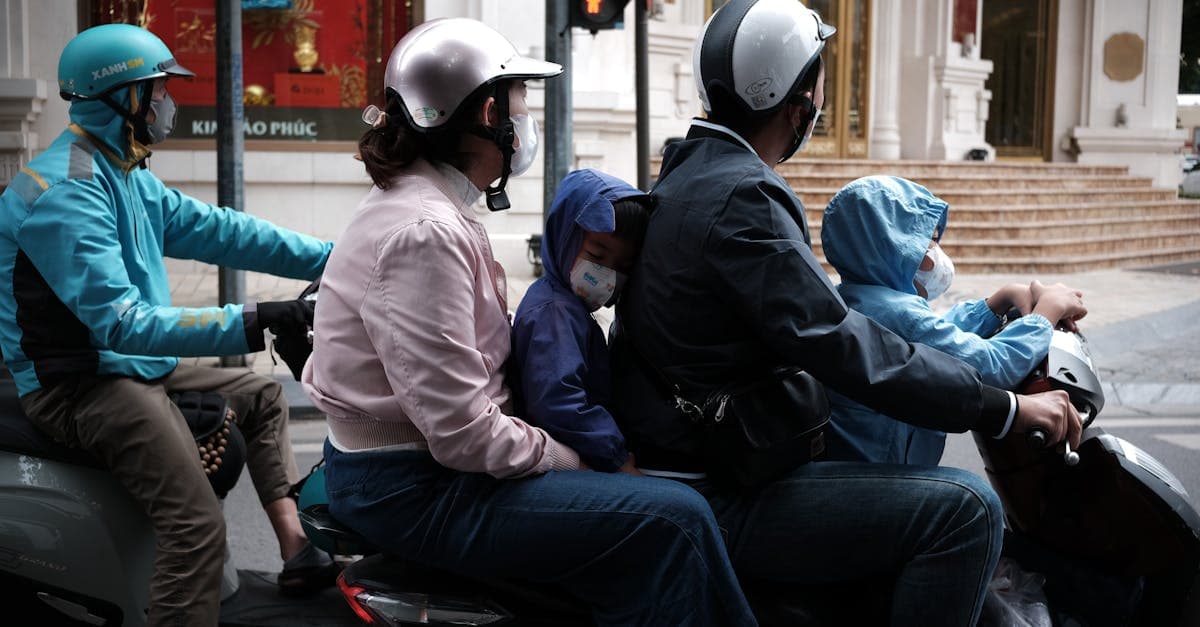
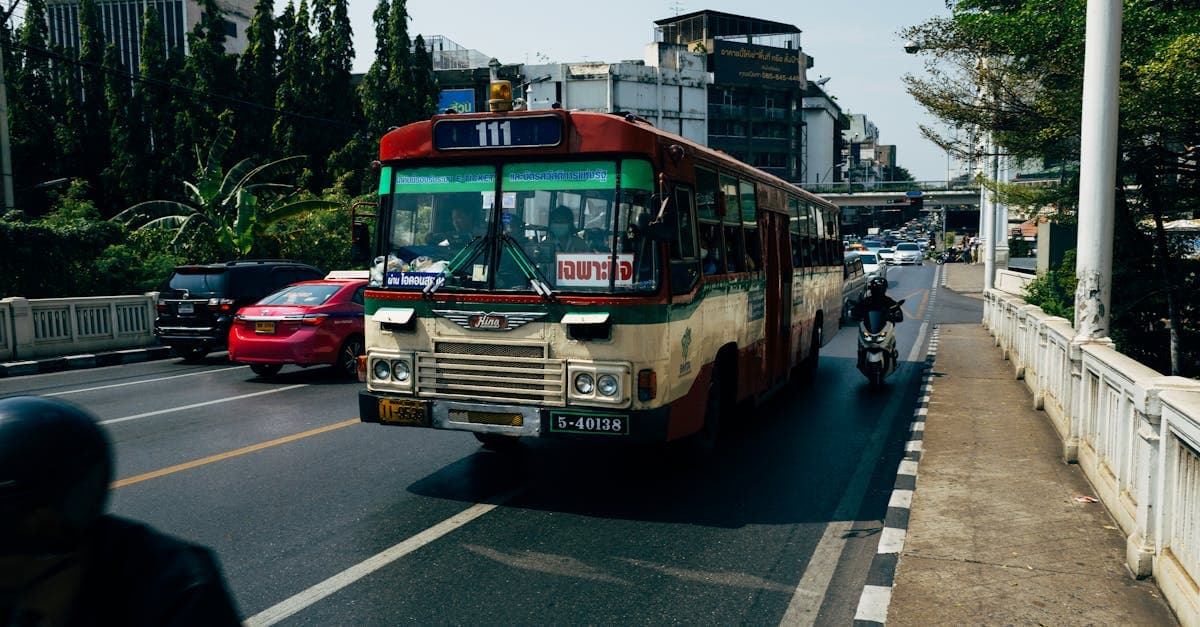
Thailand records around 20,000 to 22,000 road deaths per year. That works out to roughly 32 deaths per 100,000 people, placing the country among the worst globally for road fatalities. For foreign tourists, motorbike accidents are the single biggest killer.
The combination that repeatedly ends badly: no riding experience, wet roads, left-hand traffic, and a rental operator who checked your passport but not your licence. Most tourist motorbike accidents involve riders who rarely or never ride at home.
If you do rent, three rules are non-negotiable: wear a helmet every single time, confirm your travel insurance policy explicitly covers motorbike riding (many standard policies exclude it without an endorsement), and never ride after drinking.
Songkran falls on April 13 to 15. Around 300 to 400 people die on Thai roads in that single week nationally. If your trip overlaps with these dates, avoid road travel where possible.
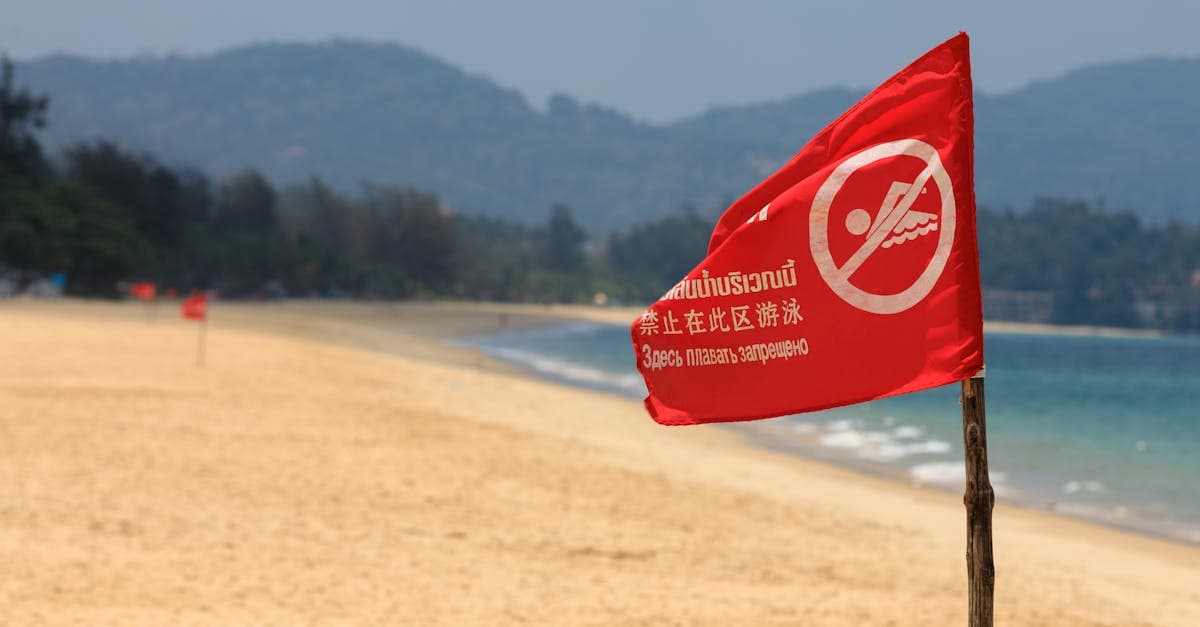
Drowning accounts for the second-highest number of tourist deaths. Around 50 to 80 foreign visitors drown in Thailand each year, most from rip currents at popular beaches rather than any absence of safety infrastructure. Red flag means no swimming. Yellow flag means strong currents and real caution required. Follow the lifeguards even when every local around you ignores them.
Chiang Mai's burning season runs from March to May. The AQI regularly exceeds 300 during this period, a genuine health hazard for all travellers and a serious risk for children or anyone with a respiratory condition.
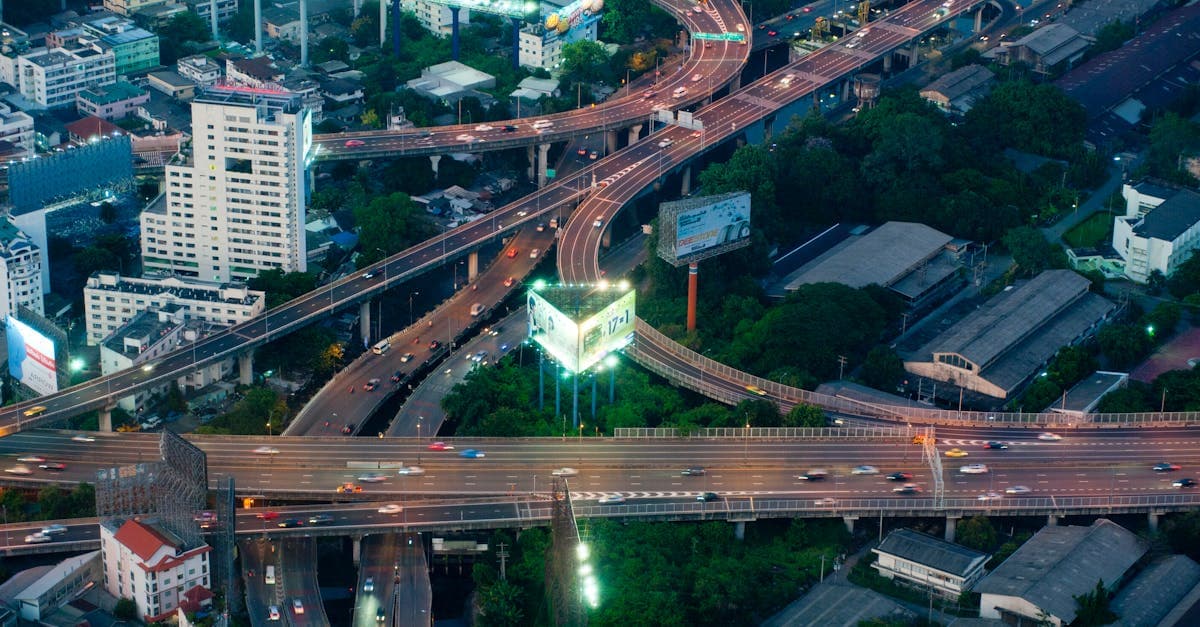
Violent crime targeting tourists in Thailand is rare. Financial crime is not. It's slick, well-rehearsed, and starts the moment you step outside the airport.
Six scams to know before you go:
Drink spiking is documented in Bangkok's Khaosan Road area, Pattaya, and beach party zones. Never leave a drink unattended. Methanol contamination in cheap spirits has caused deaths and permanent neurological injury in Thailand. Sealed commercial bottles from reputable retailers only.
Pattaya carries the highest rate of tourist-targeted violent incidents of any major Thai destination. Female travellers should pre-book transport after dark; unsolicited ride offers carry an elevated assault risk, particularly in poorly lit areas.
At ATMs, use machines inside bank branches or shopping malls. Cover your PIN. A dedicated travel card with real-time fraud alerts adds meaningful protection at minimal cost.
Fake job offers in crypto or customer service roles have funnelled victims into scam compound operations near the Myanmar border. Any unsolicited overseas opportunity that sounds suspiciously straightforward almost certainly isn't.
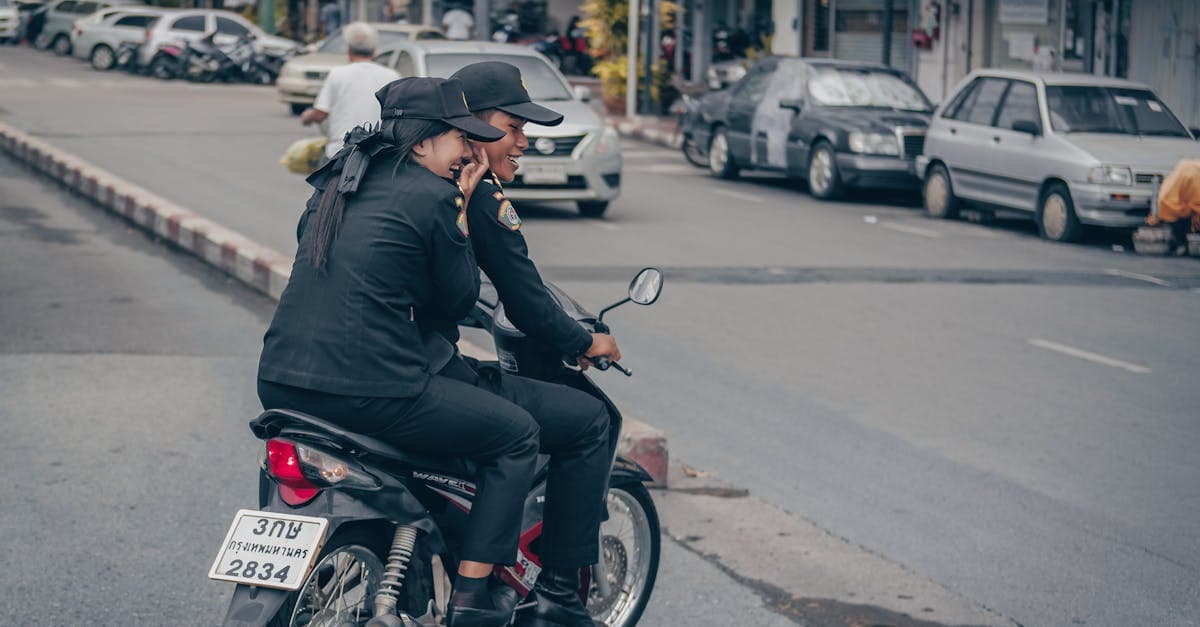
Thailand's drug laws are not a grey area. Possession of even small amounts of hard drugs can result in decades in prison. No consular exemption applies. Foreign nationals face the same penalties as Thai citizens, and the judicial process moves slowly.
Cannabis occupies confused legal territory. Thailand partially decriminalised it in 2022, but the regulatory framework has shifted repeatedly since then. In 2026, public recreational use remains illegal. Dispensaries are visible in tourist areas, but their presence doesn't signal freedom to consume openly or in public spaces.
The lèse-majesté law surprises many visitors who should have read up before travelling. Section 112 of the Thai Penal Code makes criticising the king, queen, or any member of the royal family a criminal offence carrying up to 15 years in prison per count. Social media posts that could be interpreted as disrespectful toward the monarchy or royal symbols carry the same criminal exposure, even when posted from a device registered in another country. Think carefully before sharing anything politically sensitive while you're in Thailand.
Foreigners cannot own Thai land outright. Land ownership scams targeting foreign buyers are a recognised problem, particularly in Phuket and Pattaya. Independent legal counsel before signing anything property-related isn't optional; it's the minimum.
At temples, covered shoulders and knees are required at all wats. Remove shoes before entering. These are genuine cultural expectations, not loose guidelines; non-compliance means you won't get past the entrance.
Raising your voice, showing visible anger, or touching someone's head (including a child's) is considered deeply disrespectful in Thai culture. These behaviours can escalate situations far faster than most Western visitors expect.
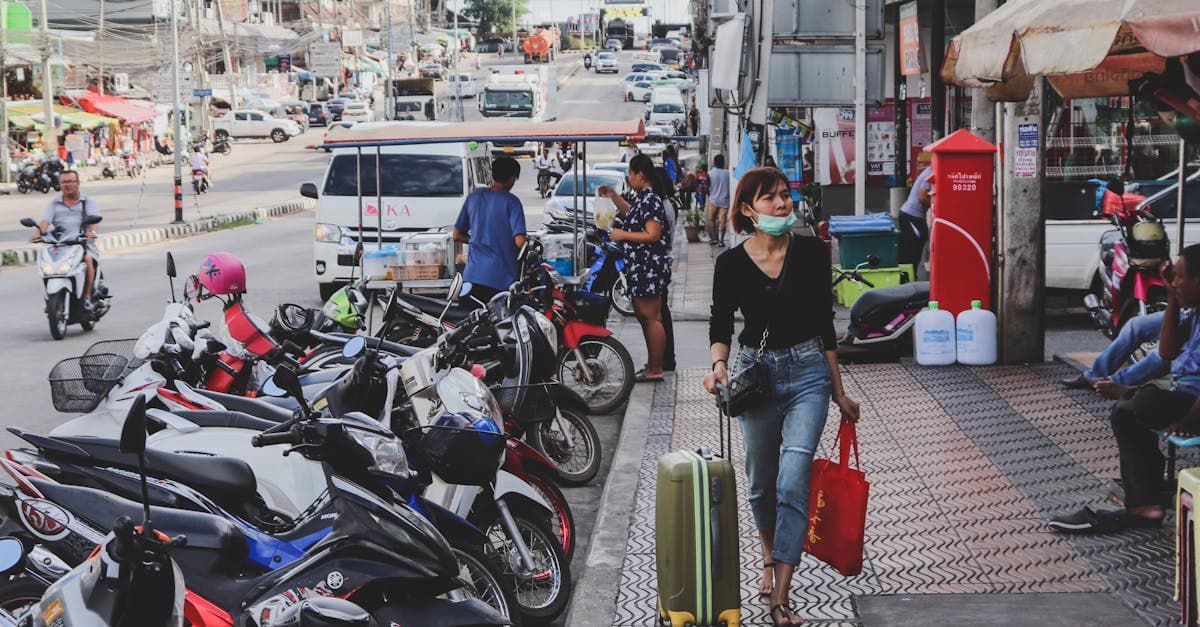
Not all of Thailand carries equal risk. Here's the honest destination-by-destination breakdown.
Bangkok: Generally safe for tourists. Petty theft and scams cluster around Pratunam, Chatuchak market, and Khao San Road, but violent crime against visitors is uncommon. Use licensed Grab or airport-metered taxis rather than unmarked cars.
Chiang Mai: Widely regarded as the safest major destination in Thailand for solo travellers, including women. A large digital nomad community means well-lit, walkable neighbourhoods and reliable tourist infrastructure. Air quality between March and May remains a real health consideration, as covered in the previous section.
Phuket: Solid tourist infrastructure overall. Jet ski and tuk-tuk scams are common, particularly around Patong. Rip currents and inconsistent lifeguard coverage create genuine beach hazards at certain spots. Patong's nightlife carries an elevated drink spiking risk.
Koh Samui: Generally safe with a higher-end tourist base. Standard beach and scam awareness applies.
Koh Tao: Is it actually safe to visit? For most tourists, yes, with caveats. A series of unexplained deaths involving foreign visitors drew sustained international media attention over several years. The current risk for standard travellers is manageable. Exercise extra care when hiking alone or after dark.
Pattaya: The highest concentration of tourist-targeted scams, drink spiking incidents, and violent crime of any major Thai destination. Approach with substantially more caution than anywhere else on this list.
Deep South (Pattani, Yala, Narathiwat, parts of Songkhla): Active low-level insurgency since 2004. The conflict's accumulated death toll has been covered. Bombings and armed incidents were recorded as recently as 2025. The US State Department travel.state.gov issues a Level 2 advisory for the southernmost provinces; the UK FCDO gov.uk and Australian DFAT smartraveller.gov.au both advise against travel to this zone. This is a hard no-go for all tourists, full stop.
The insurgency is geographically contained to the far south. Bangkok and the main tourist corridor face no active sustained terrorism threat. The risk gradient that actually matters runs between Chiang Mai at the safer end and Pattaya at the other.
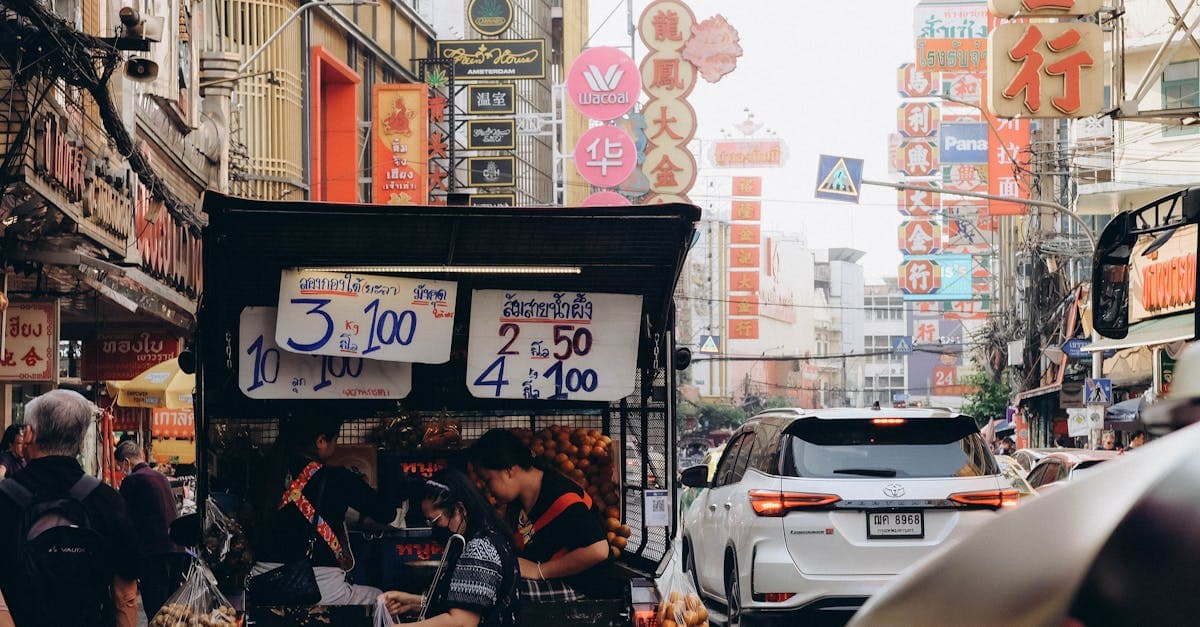
Staying connected safely in Thailand means using private cellular data rather than unverified public WiFi. Your phone is your map in an unfamiliar city, your live location feed for contacts back home, and your fastest route to the Tourist Police on 1155 or the South African Embassy in Singapore if something serious happens.
DTAC no longer exists. The network was retired in 2025 after its full merger into True Move H. Any guide still listing it as a standalone option hasn't been updated recently and shouldn't be trusted for network advice.
Two real networks operate in Thailand in 2026. AIS offers around 98 percent population coverage nationally and is the stronger choice for islands and rural destinations. True Move H has pushed aggressive 5G infrastructure into Bangkok's CBD, Phuket Town, and Chiang Mai city centre.
Unverified public WiFi is a genuine security risk. Fake hotspots in tourist areas intercept personal data. Never access banking, email, or any sensitive account on an unknown network.
Download offline maps before you travel. Google Maps and Maps.me both offer reliable offline modes. Non-negotiable for smaller islands where signal disappears without warning.
Vodacom's World Traveller pack runs around R3,500 per gigabyte in Thailand. A Hello Roam eSIM covers 10 GB over 30 days for around R360, activates before your flight lands, and keeps your South African number live for banking OTPs. That's not a marginal saving.
Hospital locator apps, dengue risk maps, and your travel insurance documents live on your phone. They're useless when you're staring at a no-signal bar.
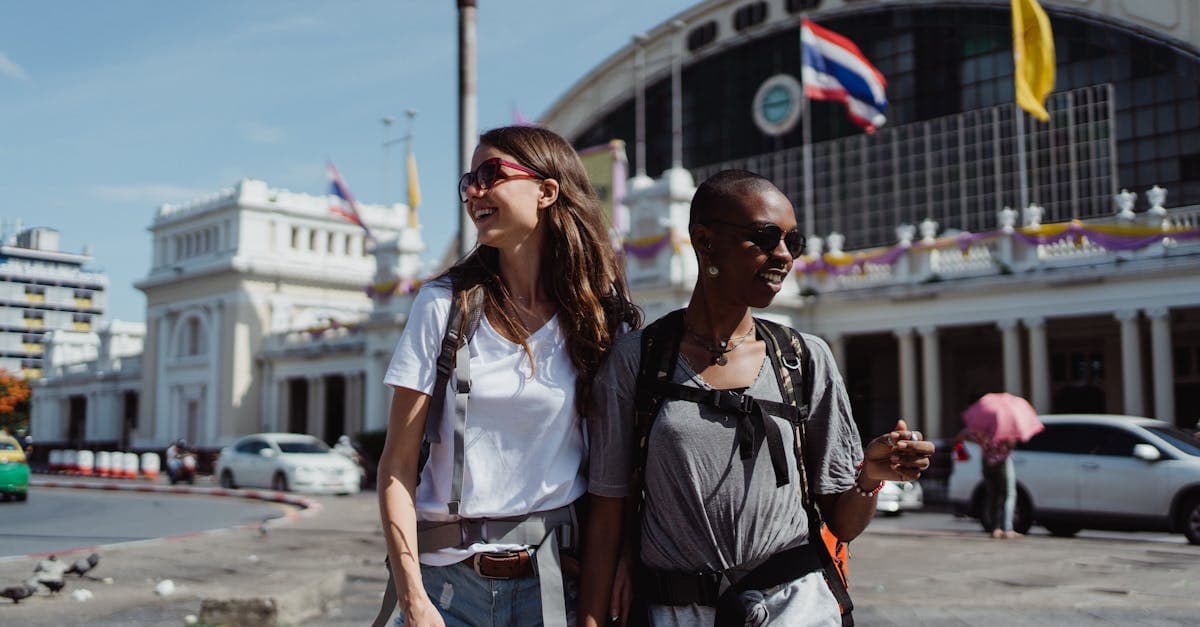
The fastest way to get data at Suvarnabhumi is an AIS counter in the arrivals hall. THB 299, roughly R160 at current exchange rates, gets you 30 GB for 30 days. That's genuinely good value. True Move H also has airport counters, but AIS is the stronger pick for anyone heading to the islands or rural northern Thailand, given the stronger rural and island coverage AIS provides.
The eSIM approach solves a different problem. You activate before your flight lands, meaning Google Maps, Grab and WhatsApp are running the moment you clear immigration. No queue. No fumbling with a SIM tray in arrivals.
Most guides skip the dual-SIM angle entirely. South African phones running a data-only eSIM while keeping the local SIM slot active mean FNB, Nedbank, Standard Bank and Capitec one-time passwords still arrive on your South African number. Overseas banking stops being a support-call nightmare.
On cost: MTN international roaming in Thailand runs approximately R6,000 per GB. Vodacom's comparable rate was covered in the previous section. Either figure tells the same story. SA roaming in Thailand is between 100 and 200 times more expensive than a quality travel eSIM. That's not rhetorical. It's arithmetic.
One digital safety point: your eSIM's cellular signal is private. Unverified public WiFi networks at airports and malls carry real interception risk for logins and OTPs. Use your cellular data connection for anything requiring authentication.
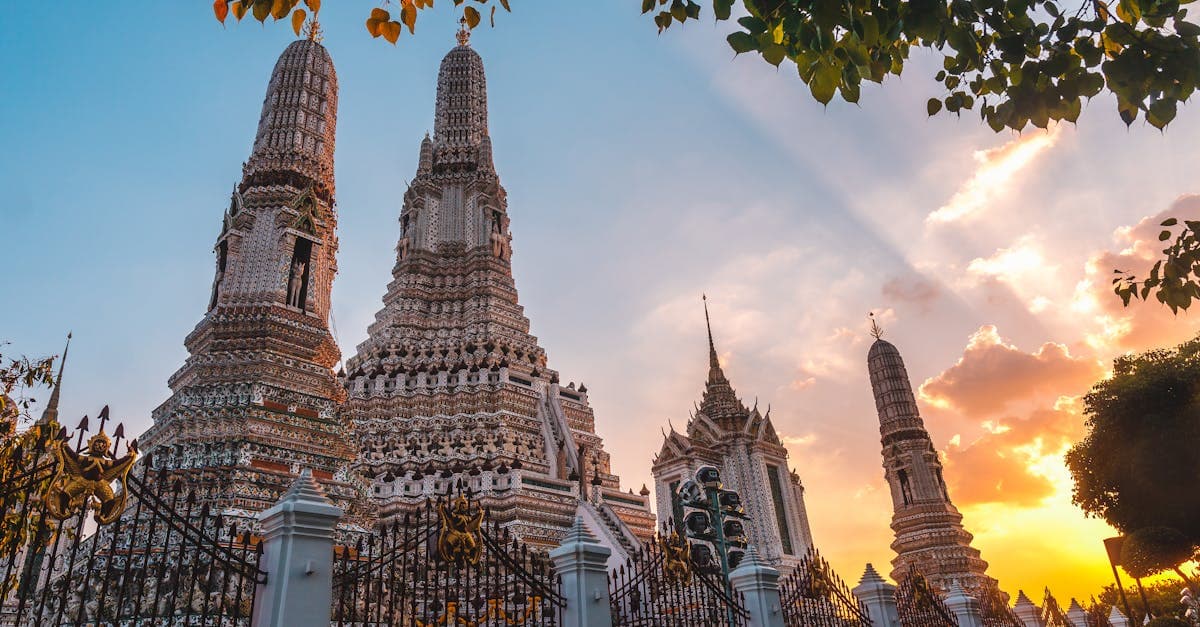
According to travel.state.gov, the US State Department rates Thailand at Level 1 nationally as of early 2026: exercise normal precautions. That's the cleanest advisory rating available. Level 2 (exercise increased caution) applies only to the southernmost provinces, specifically Pattani, Yala, Narathiwat and parts of Songkhla. Bangkok, Phuket, Chiang Mai, Koh Samui and Koh Phi Phi carry no elevated advisory.
Some things have genuinely improved. Cannabis regulations, which changed multiple times after 2022, have stabilised. The 2024 elections produced a more settled political environment than the preceding years. Tourist police enforcement against jet ski and tuk-tuk scams in Phuket and Pattaya has noticeably tightened, according to reports from tourism operators on the ground.
The one active risk worth building into your planning is Chiang Mai between March and May. AQI readings above 200 indicate serious health risk. Readings above 300, which occur regularly during peak burn weeks, are grounds for reconsidering or delaying your visit. Check current air quality data before confirming any Chiang Mai itinerary during these months.
Practical essentials before you fly: register your trip with DIRCO. The SA Embassy is in Singapore, not Bangkok (+65 6339 3319). For in-country emergencies, the Tourist Police hotline is 1155, English, 24 hours.
Travel insurance matters more here than most travellers budget for. SA medical aids don't cover overseas emergencies as standard, and emergency medical evacuation from Thailand can reach R500,000 or more. Your policy needs to explicitly cover evacuation, not just in-hospital treatment.
Holding hands in Bangkok or along a beach resort strip draws no reaction. A brief kiss in Sukhumvit or at Koh Phi Phi is unlikely to cause any issue. But Thailand's cultural baseline around public affection is significantly more reserved than Western norms, and location matters more than the act itself.
Temples change the calculation entirely. Covered shoulders, covered knees, shoes off at the entrance. Physical contact that reads as disrespectful inside a temple compound causes genuine offence regardless of intent. Most temples close their doors to tourists between 5pm and 6pm in any case, which is also when evening street food markets open across Thai cities.
The legal risk isn't a kiss. It's an act that crosses the threshold for public indecency, which carries fines. Context determines this far more than the act itself. A quick kiss on a busy tourist street has no prosecution history behind it.
LGBTQ+ travellers: same-sex relationships are not criminalised in Thailand. Bangkok's Silom area and Chiang Mai's Nimman neighbourhood have established, visible queer communities. In rural towns and conservative areas, discretion is advisable for all couples regardless of orientation, not as a legal precaution but as a matter of basic social awareness.
The simplest guide: look at what couples around you are doing. If nobody nearby is showing affection, follow the lead. From 6pm, well-lit night markets fill with locals and visitors in a genuinely relaxed atmosphere. Evening is one of the best times to explore Thai cities on foot.
Thailand receives more than 35 million international visitors each year. The narrative of tourist flight that circulated through 2025 and into 2026 is largely overstated, built from a small number of incidents given disproportionate reach by short-form video platforms and news aggregators. Thailand still ranks among the most-visited countries on earth.
Some concerns behind the headlines are legitimate. Chiang Mai's burning season creates a real seasonal deterrent for health-conscious travellers. Rising prices in beach resort areas since 2020 have made Bali and Vietnam genuine budget alternatives rather than afterthoughts. And scam footage spreading across platforms has amplified isolated incidents into a broader impression of systemic danger.
What has measurably improved: tourist police enforcement in Phuket and Pattaya is more active than at any point in recent memory. Beach safety flagging and rip current signage have expanded at major spots. Jet ski dispute resolution now has formal complaint channels, where previously no practical mechanism existed.
South Africans choosing between Thailand and Bali are comparing similar risk profiles against different experiences. Thailand offers more diverse infrastructure, greater geographic range, and better value across mid-range food and accommodation. Bali delivers a more compact experience with a different cultural atmosphere. Neither destination is meaningfully safer than the other.
Travellers who arrive prepared, skip renting motorbikes without riding experience, avoid the deep south, and don't engage with unsolicited offers in tourist zones consistently report safe and positive experiences. The preparation gap separates good trips from difficult ones.

Yes, Thailand is broadly safe for tourists in 2026. The US State Department rates Thailand at Level 1 nationally, meaning exercise normal precautions. The UK FCDO and Australian DFAT advise a high degree of caution overall. The only area with firm do-not-travel advisories from all three governments is the deep south provinces of Pattani, Yala, and Narathiwat.
Thailand has strong cultural norms around public behaviour. Raising your voice, showing visible anger, or touching someone's head is considered deeply disrespectful and can escalate situations far faster than most Western visitors expect. At temples, modest dress including covered shoulders and knees is required. Visitors are advised to be mindful of local cultural expectations throughout their stay.
The article does not specifically address events at 6pm. For evening safety, it advises pre-booking transport after dark in Pattaya, avoiding unlicensed taxis, and exercising heightened caution in nightlife areas such as Khaosan Road and beach party zones where drink spiking has been documented.
Concerns affecting Thailand's reputation include extremely high road fatality rates of around 20,000 to 22,000 deaths per year, widespread scams targeting visitors, severe legal risks from lèse-majesté and drug laws, and a documented series of unexplained deaths of foreign visitors at locations such as Koh Tao. Chiang Mai's severe air pollution between March and May, with AQI regularly exceeding 300, is also a growing deterrent.
Thailand is broadly safe for South African tourists in 2026. Street muggings, carjackings, and violent crime targeting foreigners are not baseline concerns. The primary risks are road accidents, drowning at beaches, financial scams, and legal missteps. South African passport holders also benefit from a 60-day visa exemption with no pre-approval required.
The four main risk categories are road accidents, drowning, scams and opportunistic crime, and legal risks. Violent crime targeting tourists is rare. Motorbike accidents are the single biggest killer of foreign visitors, followed by drowning in rip currents. Financial scams are common but rarely turn violent.
Thailand records around 20,000 to 22,000 road deaths per year, roughly 32 deaths per 100,000 people, placing it among the worst globally for road fatalities. Motorbike accidents are the single biggest killer of foreign tourists. The Songkran festival period from April 13 to 15 sees 300 to 400 road deaths nationally in a single week.
Common scams include the tuk-tuk gem shop circuit, fabricated jet ski damage claims, fake monk collectors seeking donations, closed attraction redirects, drinks scams where bills arrive at inflated prices, and unlicensed airport taxis intercepting arrivals before the official queue. At ATMs, use machines inside bank branches and cover your PIN.
Drink spiking is documented in Bangkok's Khaosan Road area, Pattaya, and beach party zones. Never leave a drink unattended. Methanol contamination in cheap spirits has caused deaths and permanent neurological injury in Thailand. Only consume drinks from sealed commercial bottles from reputable retailers.
Thailand's drug laws are strict and non-negotiable. Possession of even small amounts of hard drugs can result in decades in prison, with no consular exemption for foreign nationals. Trafficking carries the death penalty. Cannabis was partially decriminalised in 2022 but public recreational use remains illegal in 2026.
Section 112 of the Thai Penal Code makes criticising the king, queen, or any member of the royal family a criminal offence carrying up to 15 years in prison per count. Social media posts that could be interpreted as disrespectful toward the monarchy carry the same criminal exposure, even when posted from a device registered in another country.
The deep south provinces of Pattani, Yala, and Narathiwat are a hard no-go for all tourists. An active insurgency has claimed over 7,000 lives since 2004, with bombings and armed incidents recorded as recently as 2025. The US State Department, UK FCDO, and Australian DFAT all advise against travel to this zone.
Pattaya carries the highest concentration of tourist-targeted scams, drink spiking incidents, and violent crime of any major Thai destination. Female travellers should pre-book transport after dark, as unsolicited ride offers carry an elevated assault risk in poorly lit areas. Approach Pattaya with substantially more caution than other Thai destinations.
Chiang Mai is widely regarded as the safest major destination in Thailand for solo travellers, including women. A large digital nomad community provides well-lit, walkable neighbourhoods and reliable tourist infrastructure. The main seasonal risk is air quality between March and May, when AQI regularly exceeds 300 and poses a genuine health hazard.
A red flag means no swimming. A yellow flag means strong currents and real caution is required. Around 50 to 80 foreign visitors drown in Thailand each year, most from rip currents at popular beaches. Tourists should follow lifeguard instructions even when those around them ignore the flags.
For most tourists Koh Tao is manageable, with caveats. A series of unexplained deaths involving foreign visitors drew sustained international media attention over several years. The current risk for standard travellers is considered manageable, but extra care is advised when hiking alone or after dark.
Save the Tourist Police hotline at 1155 before you travel. It is English-speaking and operates 24 hours a day. South African passport holders should note that South Africa's embassy is located in Singapore at +65 6339 3319. An honorary consulate in Bangkok handles basic consular matters only.
South African passport holders enter Thailand on a 60-day visa exemption with no pre-approval required. No additional visa application is needed before travel for standard tourist visits.
HelloRoam: your trusted travel eSIM that keeps you online across borders.
Explore Plans