Travel Vaccinations for Canada: Complete 2025 Guide for Visitors and Outbound Travellers

Written by: Sarah Mitchell


12 min read

HelloRoam is a global eSIM provider offering instant mobile data in 170+ countries. Buy prepaid travel eSIM plans with no roaming fees, no contracts, and instant activation on any eSIM-compatible device.
12 min read
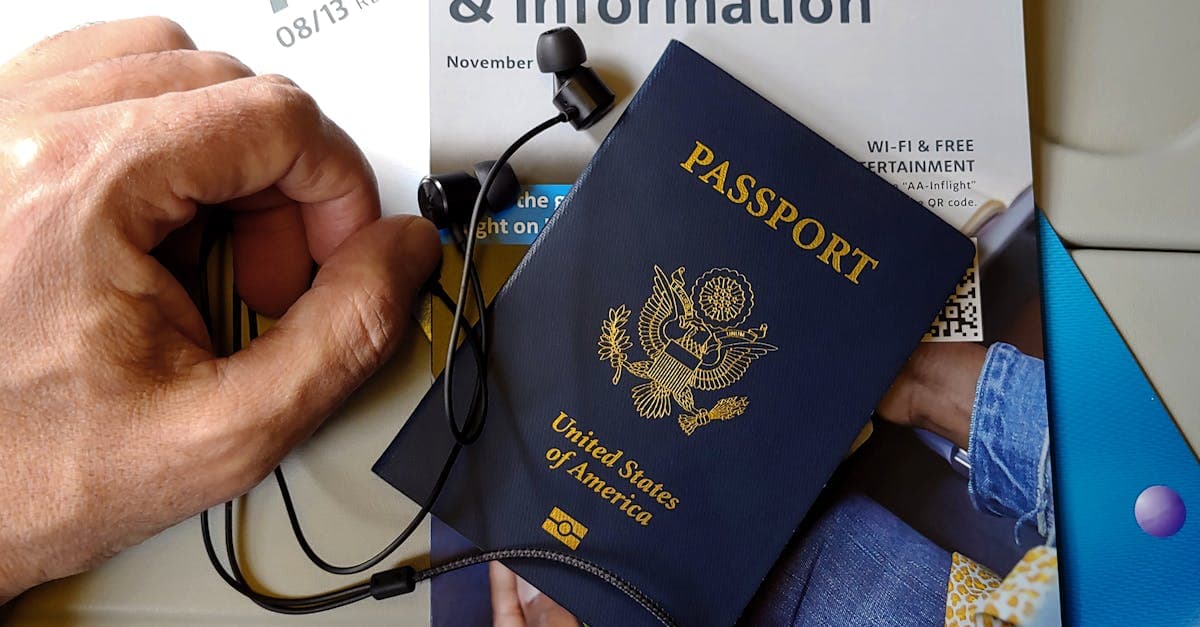
Canada dropped its COVID-19 vaccination proof requirement in September 2022, along with the ArriveCAN app mandate. No replacement requirement has materialized since. The Canada Border Services Agency does not currently ask for any vaccination documentation at the border, regardless of nationality or country of origin.
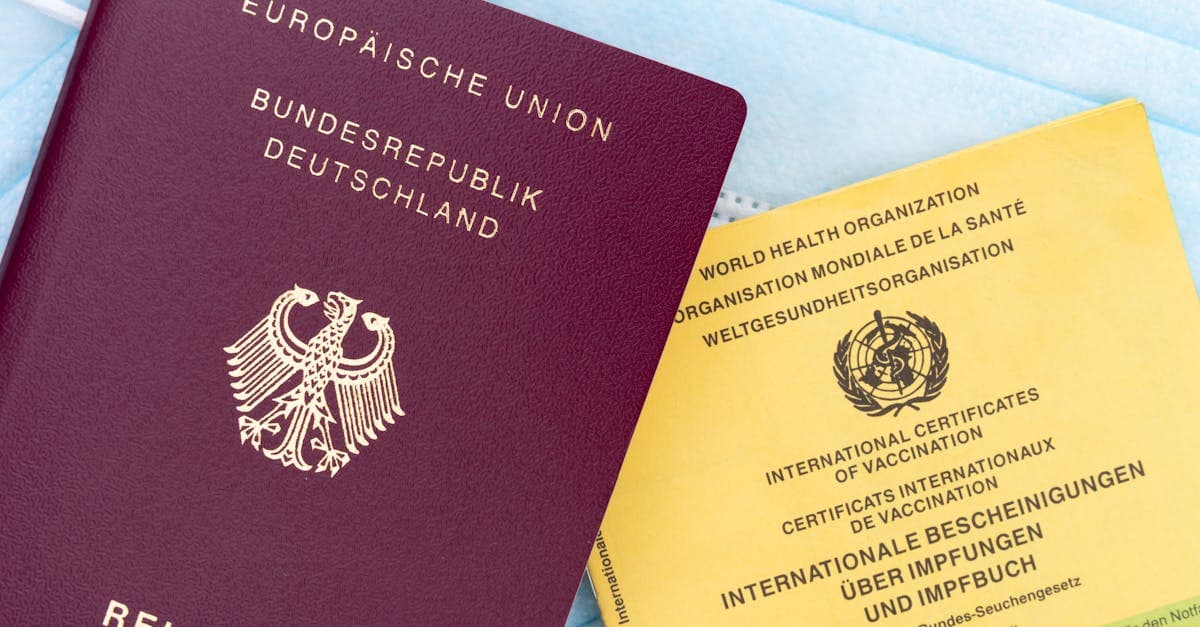
A narrow exception applies to yellow fever. Travellers who have transited through a yellow fever-endemic zone within the previous ten days, covering parts of sub-Saharan Africa and northern South America, may need to present an International Certificate of Vaccination or Prophylaxis (ICVP), the yellow card issued by a designated health authority. This requirement affects a small minority of arrivals.
The phrase "travel vaccinations Canada" draws two distinct audiences. Inbound tourists want to know if they need shots to get in. The answer, for the vast majority, is no. Outbound Canadians search the same phrase while preparing for trips to Thailand, Peru, or Tanzania, and those travellers account for most vaccine consultations at Canadian clinics. For inbound visitors, practical trip prep often extends beyond health to connectivity: Hello Roam provides eSIM plans for Canada among 190+ supported destinations, with activation available before departure, sparing travellers from per-day roaming charges that catch many European and Asian visitors off guard.
Canada is a low-risk destination by most tropical benchmarks. There's no malaria, no typhoid in the water supply, no dengue present in the domestic environment. Routine vaccines, including MMR (measles, mumps, rubella), Tdap (tetanus, diphtheria, pertussis), and varicella, are recommended for all visitors but carry no border mandate travel.gc.ca. If your routine immunizations are up to date at home, you're medically cleared to enter.
Seasonal influenza is the most common vaccine-preventable illness tourists encounter in Canada, running from October through April. If your visit falls in that window and your last flu shot is overdue, that's the one conversation to have with your GP before landing.
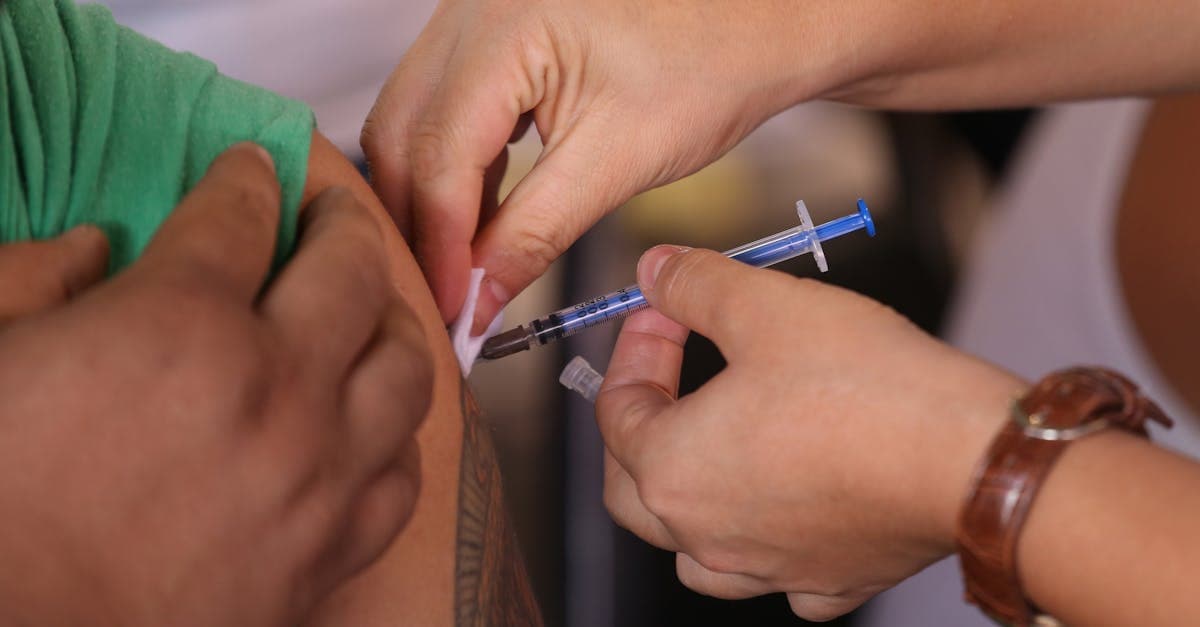
Hepatitis A, Hepatitis B, and typhoid are the most consistently recommended travel vaccines for Canadians heading abroad, with yellow fever required for entry to parts of sub-Saharan Africa and South America. The specifics shift with every destination, but these four vaccines come up in most conversations at Canadian travel clinics.
Hepatitis A is the most commonly added vaccine for outbound Canadians canada.ca. It spreads through contaminated food and water, and risk is meaningful in virtually every developing-world destination. A single dose covers short-term travel; a booster at six to twelve months extends protection for decades. Many Canadian adults were vaccinated only after 1997, so confirming status before any higher-risk trip is sensible.
Hepatitis B is the priority for Southeast Asia, sub-Saharan Africa, and long-stay travellers. Relevance increases for anyone likely to receive medical or dental treatment abroad, or who anticipates risk through tattooing or unprotected sex in higher-prevalence countries. Typhoid is recommended for the Indian subcontinent, parts of sub-Saharan Africa, and Latin America; Canadian clinics offer an injectable single-dose vaccine or a four-capsule oral series taken over seven days.
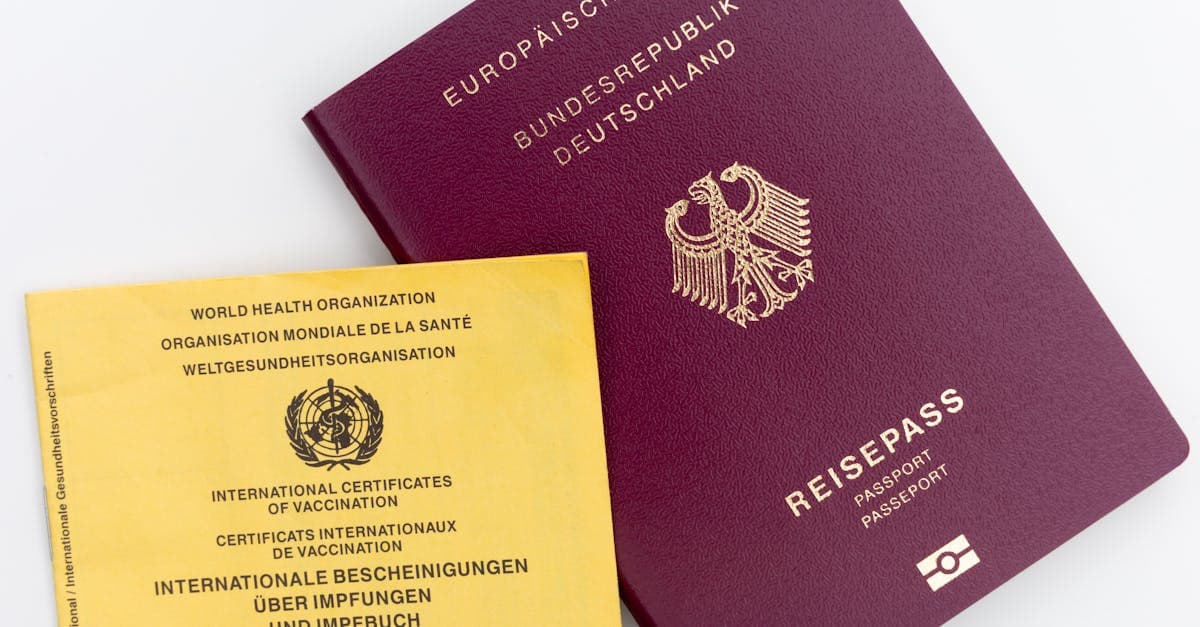
Yellow fever operates differently from the others. Several countries in sub-Saharan Africa and South America require vaccination proof as an entry condition, and the required document is the ICVP yellow card travel.gc.ca. Under a 2016 World Health Organization ruling, the vaccine provides lifelong coverage, so an older certificate remains valid at most borders provided it was issued by a certified vaccinator.
Rabies pre-exposure prophylaxis is a three-dose series for remote destinations, wildlife-heavy areas, or extended stays without rapid access to emergency care. Japanese encephalitis applies to rural Asia during transmission season. Meningococcal vaccination is required for Hajj and Umrah pilgrims entering Saudi Arabia, with broader recommendation for travel through the sub-Saharan meningitis belt.
The Public Health Agency of Canada maintains destination-specific travel health notices at travel.gc.ca, updated as conditions change. For multi-destination itineraries, a certified travel medicine clinic provides more calibrated advice than a standard GP appointment, particularly for vaccines that require longer lead times to complete canadiantravelclinics.ca.
Twinrix is recommended for most Canadians travelling to Mexico. According to travel.gc.ca, PHAC advises Hepatitis A vaccination for all Mexico travel, and Twinrix (a combined Hepatitis A and B vaccine produced by GSK) covers both in a single series. It is widely available at Canadian travel clinics and pharmacy chains including Shoppers Drug Mart and Rexall, and choosing it over two separate vaccines is largely a matter of convenience.
PHAC recommends Hepatitis A vaccination for all travel to Mexico, given moderate risk from contaminated food and water, particularly outside major resort areas. Hepatitis B risk depends on your activities while there. If your Mexico trip doesn't involve unprotected sex, medical or dental procedures, or tattooing, the Hepatitis B component is less pressing, though many travellers opt for the combined vaccine anyway to keep future trips covered without revisiting the question.
The standard Twinrix schedule runs three doses over six months (day zero, month one, month six). An accelerated option compresses those initial doses to days zero, seven, and twenty-one, with a booster at twelve months. That schedule is practical for late bookers: provided you have at least three weeks before departure, the accelerated series can still be completed before you board.
Expect to pay ~$80 to $100 CAD per dose at a Canadian travel clinic. A full accelerated three-dose series runs ~$240 to $300, before the consultation fee. Yellow fever vaccination is not required for Mexico, and no other vaccines are specifically mandated for the destination, though remaining current on Tdap and MMR is routine pre-travel practice regardless of where you're heading.
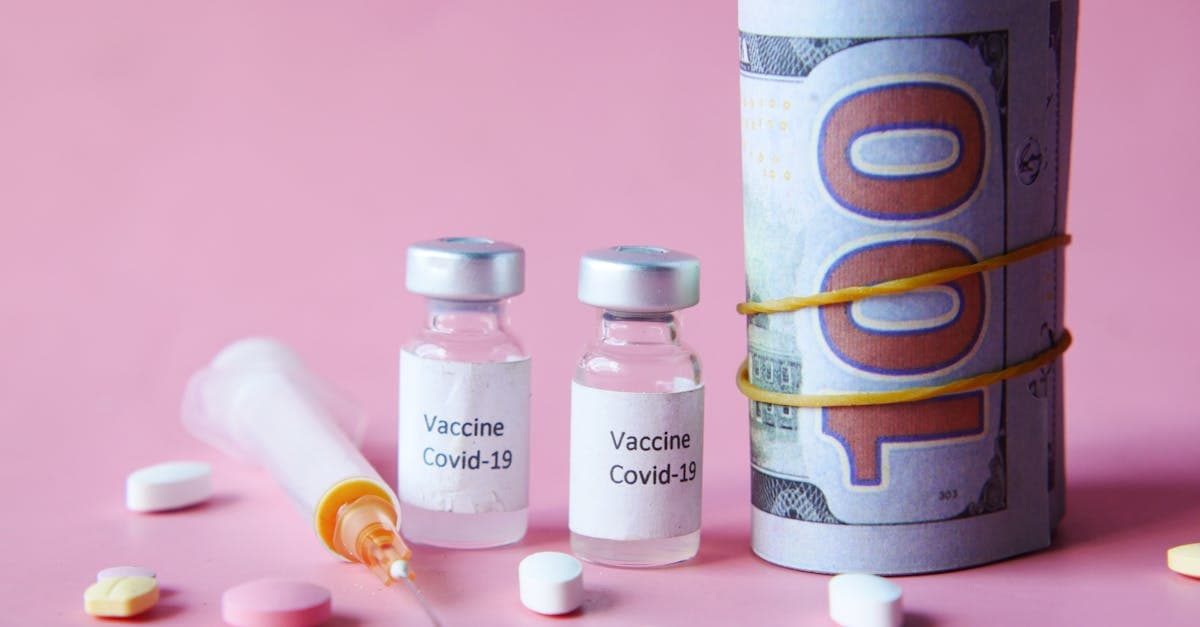
Adult travel immunizations fall entirely outside Canada's national health programs. Most travellers fund them out-of-pocket, which makes knowing approximate costs before booking an appointment worth a few minutes of research.
Ontario and several other provinces fund certain vaccines for children through routine immunization schedules; adults travelling internationally receive almost no public coverage for destination-specific shots. A call to your local public health unit can confirm what your province actually covers before you assume the full cost is yours.
Check your employer or group benefits plan before booking anything. Many extended health plans reimburse vaccine costs partially, and some cover them in full. Keep receipts and request an itemized clinic note. Paying out-of-pocket for shots your benefits plan would have covered is a common, avoidable mistake.
Pharmacy chains including Shoppers Drug Mart, Rexall, and Jean Coutu administer Hepatitis A and B, typhoid, and flu vaccines in most provinces without a referral, with per-dose fees that often come in below dedicated travel clinic rates jeancoutu.com. The limitation is selection: pharmacies don't carry yellow fever or rabies vaccines, both of which require a certified travel medicine centre.
Family doctors can update immunization records and provide referrals but rarely stock travel vaccines themselves. Don't count on a GP appointment as your one-stop vaccination visit.
Travel health insurance covers emergency treatment costs abroad. It does not cover vaccines received before departure. The two serve different purposes, and your budget should account for both separately if you're heading somewhere with elevated health risks.
The most cost-efficient approach: confirm your provincial and benefits coverage first, then compare pharmacy versus clinic pricing for the specific vaccines on your list before committing to a booking.
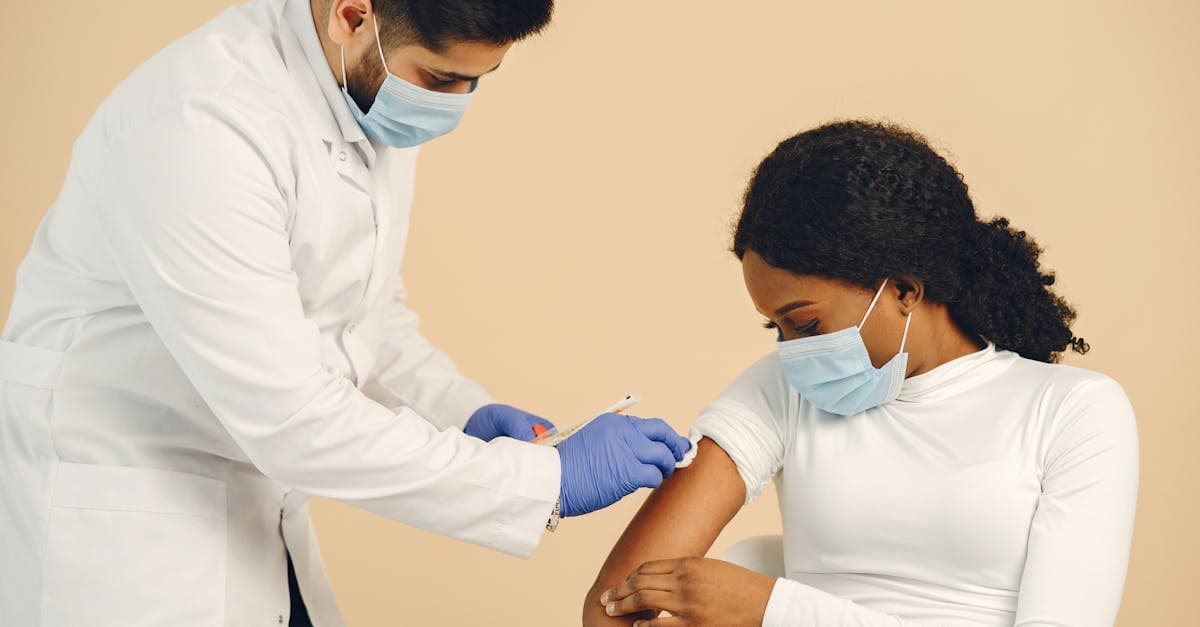
Yellow fever certificates can only be issued at certified vaccination centres, and that single constraint effectively defines the landscape for comprehensive pre-travel care in Canada fraserhealth.ca.
The Public Health Agency of Canada (PHAC) maintains a travel clinic directory searchable by postal code, and provincial health authority websites carry parallel listings travel.gc.ca. PHAC-affiliated clinics offer full risk assessments alongside the complete vaccine menu, including yellow fever and the rabies pre-exposure series. They're also the only locations authorized to issue the International Certificate of Vaccination or Prophylaxis (ICVP), the official WHO document required at certain international borders.
For Hepatitis A and B, typhoid, flu, and other common travel immunizations, pharmacy chains including Shoppers Drug Mart, Rexall, and Jean Coutu can administer them in most provinces without a referral. Per-dose fees at pharmacies are often lower than at dedicated clinics, though pharmacists can't complete full risk assessments or prescribe antimalarial medications such as Malarone or Doxycycline.
Telehealth platforms such as Maple and Medeo serve travellers in areas with limited clinic access. They can connect you with a physician for vaccine planning and issue prescriptions for malaria prophylaxis, though you'll still need an in-person visit for the injections themselves.
According to canadiantravelclinics.ca, book six to eight weeks before departure. The standard Hepatitis B series and the rabies pre-exposure course both require multiple doses spaced weeks apart; neither can be completed on the standard schedule if your departure is less than two weeks away.
Provincial digital tools simplify vaccine documentation on the road. Ontario's CANImmunize app and BC's Immunization Records portal allow travellers to store and retrieve immunization history directly on their phones, removing the risk of arriving at a border checkpoint without proof.
At your appointment, bring your travel itinerary with destination and activity details, a passport or government ID, previous vaccination records, and your provincial health card.

Routine vaccines come first, regardless of destination. MMR (measles, mumps, rubella), Tdap (tetanus, diphtheria, pertussis), Varicella, and seasonal flu form the baseline for every trip. If you're not current on any of these, update them through your provincial health program before adding anything destination-specific.
Hepatitis A is the most broadly recommended addition for Canadians heading to developing countries canada.ca. A single dose provides twelve months of protection across a wide range of destinations where contaminated food and water present a risk. It's the one vaccine most travel medicine practitioners add to nearly every international itinerary outside Western Europe, the US, Australia, and New Zealand.
Beyond that baseline, four factors determine the full list: destination risk level, planned activities (urban resort travel versus rural or wildlife-heavy itineraries), trip duration, and your individual health profile. A beach holiday in Mexico and an overland route through sub-Saharan Africa require meaningfully different preparations.
Certain travellers need professional guidance rather than a self-directed checklist. Adults over 65, pregnant travellers, infants, and those with weakened immune systems face elevated risk and may need adjustments to the standard recommendations for their destination.
For destination-specific requirements, the Public Health Agency of Canada's travel health notices and the WHO's vaccination requirements database are the authoritative references travel.gc.ca. Check both when you start planning and again closer to departure, since advisories can change as conditions shift.
A single clinic appointment consolidates risk assessment, vaccine administration, prescriptions for medications such as malaria prophylaxis, and official documentation into one visit. For trips with multiple risk factors, that efficiency is worth the consultation fee noted above.

According to wwwnc.cdc.gov, travel vaccinations are necessary for most trips beyond low-risk destinations, particularly when visiting tropical or developing regions where vaccine-preventable diseases are endemic. In Canada, rabies in humans is vanishingly rare, Japanese encephalitis doesn't circulate, and yellow fever is absent entirely. Travel to regions where these diseases are active changes that equation: several have no reliable treatment once contracted. For rabies, yellow fever, and Japanese encephalitis, prevention isn't a preference; it's the only practical option.
Routine vaccines (MMR, Tdap, varicella) are worth confirming before any international trip, regardless of destination. Destination-specific vaccines layer on top, shaped by documented transmission patterns in the regions you'll actually visit. PHAC and WHO recommendations aren't precautionary excess; they reflect epidemiological surveillance data compiled from real case counts travel.gc.ca.
The cost-benefit comparison is straightforward. A full pre-travel vaccine course, even at the clinic rates discussed earlier in this guide, typically costs a fraction of one emergency medical visit abroad without coverage. Medical evacuation from Southeast Asia or sub-Saharan Africa runs into tens of thousands of dollars. Travel health insurance handles emergency treatment costs, but it doesn't prevent the illness that sends you to the clinic. The two tools work in parallel: vaccines reduce the probability of getting sick; insurance manages the financial exposure if you do.
Some travellers need more careful preparation. Older adults, those on immunosuppressive medication, and pregnant travellers face risk profiles that can diverge significantly from a healthy adult's baseline. For these groups, a travel medicine consultation isn't optional background research; it's the essential first step before any trip beyond low-risk destinations.
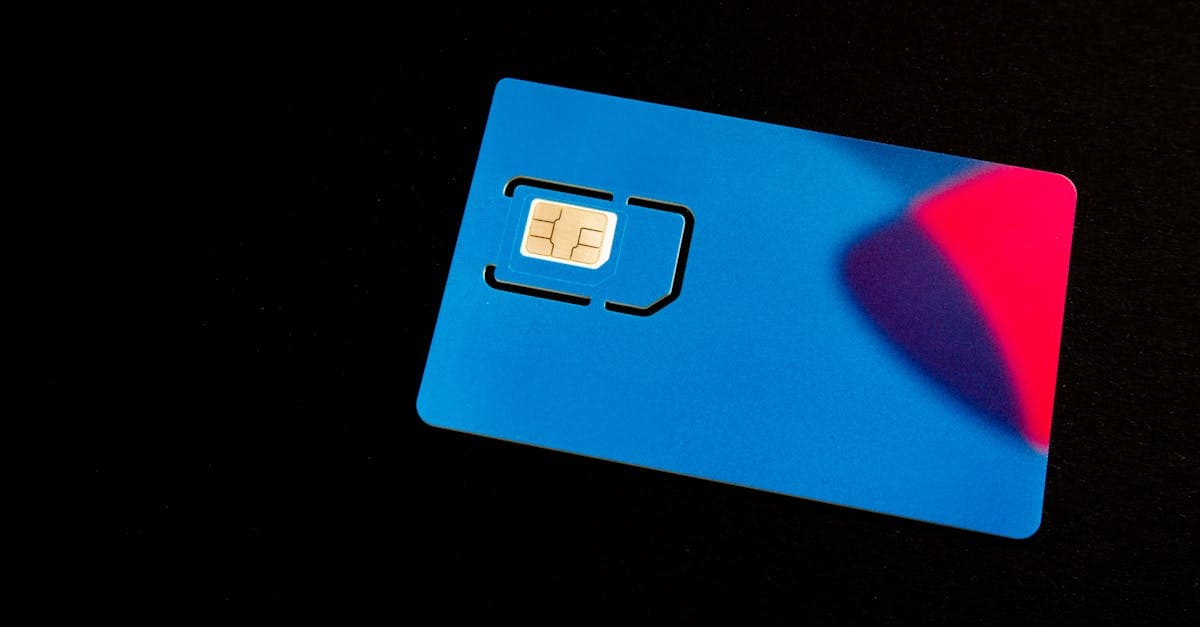
Canada's roaming costs rank among the highest in the OECD, which makes a local SIM a worthwhile purchase for most international visitors. Three carriers run the national infrastructure: Rogers, Bell, and Telus. Budget MVNOs (mobile virtual network operators) including Freedom Mobile, Koodo, and Lucky Mobile operate on the same tower networks at lower prices, worth considering for stays longer than a week.
The numbers justify switching. AT&T charges American visitors around $10 USD per day for Canadian roaming, and European and Asian travellers typically face carrier add-on fees of $5 to $15 CAD per day. A tourist prepaid SIM bought at any major carrier retail location costs $15 to $40 CAD for seven to thirty days, with data ranging from 1 to 15 GB. Valid government-issued ID is required at purchase.
eSIM is the faster route for most modern devices. iPhones 14 and later and most Android devices sold after 2021 support it natively; setup takes roughly five minutes and can be completed before clearing customs at YYZ, YVR, or YUL. Providers including Hello Roam offer Canada-specific eSIM plans covering 190+ destinations worldwide, running on major Canadian network backbones with instant digital activation and no physical SIM swap required.
Coverage gaps require advance planning. Rural northern Ontario, the BC Interior, and all three Territories (Yukon, Northwest Territories, and Nunavut) have limited cellular service even on national carrier networks. National parks including Banff, Jasper, Algonquin, and Fundy sit largely outside reliable coverage; cellular data is your practical tool for trail navigation and emergency contacts inside park boundaries, but download offline maps before you enter.
Airport WiFi at YYZ, YVR, and YUL is free and adequate for light tasks. Activate your SIM or eSIM before leaving the arrivals terminal. A working data connection gives you access to telehealth services, your provincial health portal, and your travel insurer's emergency line, three resources that prove their value well before any situation becomes urgent.

The vaccines you need depend on your destination, planned activities, trip duration, and personal health history. Routine vaccines such as MMR, Tdap, varicella, and seasonal flu form the baseline for every trip. Hepatitis A is the most broadly recommended addition for travel to developing countries, while Hepatitis B, typhoid, yellow fever, and rabies pre-exposure vaccines apply based on specific destination risks. A certified travel medicine clinic can provide destination-specific advice ideally six to eight weeks before departure.
Start by ensuring routine vaccines are current: MMR (measles, mumps, rubella), Tdap (tetanus, diphtheria, pertussis), varicella, and seasonal flu. Hepatitis A is the most commonly added vaccine for Canadians heading to developing countries, providing twelve months of protection from a single dose. Beyond these, additional vaccines such as typhoid, Hepatitis B, yellow fever, or rabies pre-exposure depend on your destination and activities. Book a travel clinic appointment six to eight weeks before departure to allow time for multi-dose series to be completed.
Twinrix is recommended for most Canadians travelling to Mexico. The Public Health Agency of Canada advises Hepatitis A vaccination for all Mexico travel, and Twinrix (a combined Hepatitis A and B vaccine by GSK) covers both in a single series. The standard schedule runs three doses over six months, but an accelerated option compresses the initial doses to days zero, seven, and twenty-one, making it practical if you have at least three weeks before departure. Each dose costs approximately $80 to $100 CAD at Canadian travel clinics.
Travel vaccinations are not mandated for entry into Canada for most visitors, but they are recommended or required for travel to many other countries. Yellow fever vaccination, for example, is an entry requirement for parts of sub-Saharan Africa and South America, with an official ICVP certificate needed at the border. Routine vaccines protect travellers from illnesses that are more prevalent in certain destinations, and Hepatitis A is recommended for virtually any trip to the developing world. Whether required or recommended, getting vaccinated before travel significantly reduces health risk.
Canada does not currently require vaccination proof for entry. The COVID-19 vaccination requirement was dropped in September 2022 along with the ArriveCAN app mandate, and no replacement requirement has been introduced. A narrow exception applies to yellow fever: travellers who transited through a yellow fever-endemic zone within the previous ten days may need to present an International Certificate of Vaccination or Prophylaxis (ICVP). This affects only a small minority of arrivals.
Canada may require a yellow fever certificate only from travellers who have transited through a yellow fever-endemic zone, covering parts of sub-Saharan Africa and northern South America, within the ten days prior to arrival. The required document is the International Certificate of Vaccination or Prophylaxis (ICVP), commonly called the yellow card, issued by a designated health authority. This requirement affects a small minority of international arrivals and does not apply to travellers coming directly from non-endemic countries.
Adult travel immunizations are not covered under Canada's national health programs and are paid out-of-pocket. Hepatitis A costs approximately $85 to $120 per dose, Hepatitis B $50 to $90, typhoid (injectable) $60 to $95, and yellow fever $130 to $200. A rabies pre-exposure three-dose series runs $350 to $600 in total, and travel clinic consultations add $50 to $150. Checking employer group benefits plans before booking can reduce costs, as many extended health plans partially or fully reimburse vaccine expenses.
Each dose of Twinrix costs approximately $80 to $100 CAD at Canadian travel clinics. A full accelerated three-dose series runs approximately $240 to $300 before the consultation fee. Twinrix is widely available at travel clinics and pharmacy chains including Shoppers Drug Mart and Rexall. Check your employer benefits plan before paying out-of-pocket, as many extended health plans reimburse combined vaccine costs.
PHAC-certified travel medicine clinics offer the full vaccine menu, including yellow fever and rabies pre-exposure, and are the only locations authorized to issue the ICVP yellow card required at certain borders. Pharmacy chains including Shoppers Drug Mart, Rexall, and Jean Coutu administer Hepatitis A and B, typhoid, and flu vaccines in most provinces without a referral, often at lower per-dose costs than dedicated clinics. Pharmacies cannot provide yellow fever or rabies vaccines, full risk assessments, or antimalarial prescriptions. The PHAC travel clinic directory at travel.gc.ca is searchable by postal code.
Travel medicine practitioners recommend booking six to eight weeks before departure. The standard Hepatitis B series and rabies pre-exposure course both require multiple doses spaced weeks apart and cannot be completed on schedule if your departure is less than two weeks away. An accelerated Twinrix schedule is available if you have at least three weeks before travel. Booking early also allows time for a full risk assessment and any prescriptions for malaria prophylaxis.
Adult travel immunizations fall outside Canada's national and most provincial health programs. Ontario and several other provinces fund certain vaccines for children through routine immunization schedules, but adults travelling internationally receive almost no public coverage for destination-specific shots. Checking your employer or group benefits plan before booking is strongly recommended, as many extended health plans partially or fully reimburse vaccine costs. Keep receipts and request an itemized clinic note to support reimbursement claims.
Hepatitis A is recommended for all travel to India, and Hepatitis B is a priority given elevated prevalence. Typhoid is strongly recommended for the Indian subcontinent due to risk from contaminated food and water. Yellow fever is not required for India. A travel medicine clinic can provide a complete assessment based on your specific itinerary and planned activities.
Yellow fever vaccination is required for entry into Kenya, and the ICVP yellow card issued by a certified vaccinator must be presented at the border. Hepatitis A and Hepatitis B are both recommended, and typhoid vaccination is also advised for travel to Kenya. Consulting a PHAC-certified travel medicine clinic is recommended as they can issue the required ICVP certificate and provide a full risk assessment.
Hepatitis A is recommended for Thailand, and Hepatitis B is a priority due to higher prevalence in Southeast Asia. Typhoid may be considered for travel to rural areas. Yellow fever is not required for Thailand. Travellers planning extended stays or visiting rural regions should consult a travel medicine clinic about Japanese encephalitis and rabies pre-exposure prophylaxis.
The standard Twinrix schedule requires three doses administered at day zero, month one, and month six. An accelerated schedule compresses the initial doses to days zero, seven, and twenty-one, with a booster at twelve months, making it practical for travellers with at least three weeks before departure. Twinrix is a combined Hepatitis A and B vaccine produced by GSK and provides protection against both viruses in a single series. It is available at travel clinics and major pharmacy chains across Canada.
The International Certificate of Vaccination or Prophylaxis (ICVP), commonly called the yellow card, is an official WHO document issued by a certified vaccinator confirming yellow fever vaccination. It is required for entry to several countries in sub-Saharan Africa and South America, and Canada may require it from travellers arriving from yellow fever-endemic zones. Under a 2016 WHO ruling, the yellow fever vaccine provides lifelong coverage, so an older certificate remains valid at most borders provided it was issued by a certified vaccinator. Only PHAC-certified travel medicine clinics in Canada are authorized to issue the ICVP.
Yes, pharmacy chains including Shoppers Drug Mart, Rexall, and Jean Coutu administer Hepatitis A and B, typhoid, and flu vaccines in most provinces without a referral, often at lower per-dose costs than dedicated travel clinics. However, pharmacies do not carry yellow fever or rabies vaccines, both of which require a certified travel medicine centre. Pharmacists also cannot complete full travel health risk assessments or prescribe antimalarial medications such as Malarone or Doxycycline.
Travel health insurance covers emergency medical treatment costs incurred abroad and does not cover vaccines received before departure. Travel vaccinations are preventive measures taken before your trip to reduce the risk of contracting specific diseases. The two serve different purposes and both should be factored into the budget for travel to higher-risk destinations. Most travel insurance policies will not reimburse pre-travel vaccination costs.
HelloRoam: your trusted travel eSIM that keeps you online across borders.
Explore Plans