Is Thailand Safe for Americans? the Honest 2025 Travel Guide

Written by: Sarah Mitchell


14 min read
HelloRoam is a global eSIM provider offering instant mobile data in 170+ countries. Buy prepaid travel eSIM plans with no roaming fees, no contracts, and instant activation on any eSIM-compatible device.
14 min read
According to bhtp.com, Thailand is safe for the vast majority of American tourists. According to travel.state.gov, the US State Department rates it Level 2: Exercise Increased Caution, the same designation assigned to France, Germany, and Japan. Scams, road accidents, and violations of the country's drug laws cause far more trouble for Americans than violent crime.
The four southernmost provinces (Pattani, Yala, Narathiwat, Songkhla) carry elevated risk from an ongoing separatist insurgency and don't appear on any mainstream tourist itinerary. Every other major destination, from Bangkok and Chiang Mai to Phuket and Koh Samui, is open and receiving millions of visitors each year.
Staying connected matters more in Thailand than most travelers expect. Hello Roam's eSIM for United States runs on AIS, the network with the strongest coverage across Thailand's rural areas and southern islands. Activation happens before you leave home. Grab, Thailand's dominant ride-hailing app, requires live data to book rides safely and share your route with someone back home.
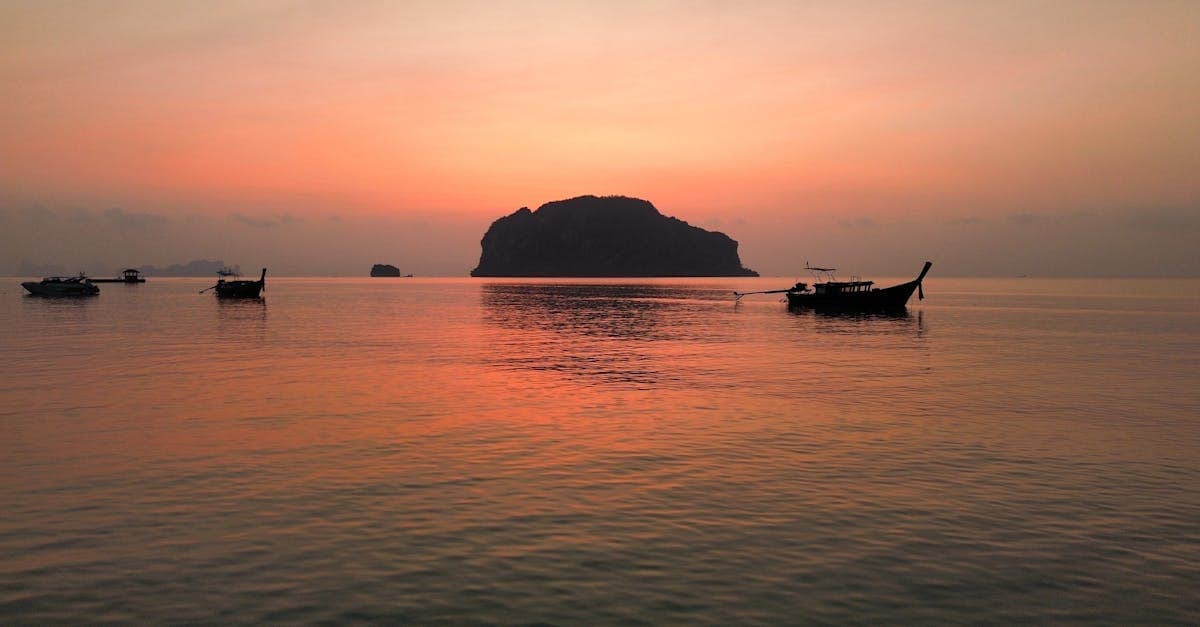
Thailand draws roughly 40 million international visitors a year. The overwhelming majority complete their trips without a serious incident, a base rate the advisory language doesn't always communicate clearly.
Most American tourists can visit Thailand safely. The US State Department classifies it as Level 2: Exercise Increased Caution, the same tier assigned to much of Western Europe and Japan. Level 2 doesn't warn against travel. It advises staying alert, choosing transportation carefully, and keeping emergency contacts accessible.
The risks that land Americans in hospitals or police stations in Thailand look nothing like the scenarios people tend to imagine before a first trip. Tourist-targeting scams, road accidents (especially motorbike crashes), and violations of Thailand's strict drug laws cause far more harm than violent crime from strangers. Petty theft around tourist corridors is common. Violent crime directed at foreigners is not.
There is one genuine exception. Pattani, Yala, Narathiwat, and Songkhla, the four southernmost provinces, carry elevated conflict risk from a long-running insurgency along the Malaysian border. These border provinces are not travel destinations for Americans.
The real question isn't whether to go to Thailand. It's how to prepare before departure and what to watch for once you arrive. That's what the rest of this guide covers.
According to travel.state.gov, the State Department maintains four advisory tiers: Level 1 (Exercise Normal Precautions), Level 2 (Exercise Increased Caution), Level 3 (Reconsider Travel), and Level 4 (Do Not Travel). Thailand holds Level 2. Levels 3 and 4 are reserved for active conflict zones and places like Russia and North Korea.
France, Germany, Belgium, the United Kingdom, and Japan have all carried Level 2 advisories at various points. If you'd book a flight to Paris or Tokyo without hesitation, Thailand's current classification represents the same category of background awareness, not a red flag.
According to travel.state.gov, the July 2025 advisory update flagged civil unrest risk linked to political protest activity in Bangkok. That language describes the country's history of demonstration-related disruptions near government buildings and civic centers. It does not apply to Khao San Road, the Grand Palace visitor area, Sukhumvit, Chiang Mai, Phuket, or any resort destination Americans typically visit.
According to travel.state.gov, four provinces warrant real caution. Pattani, Yala, Narathiwat, and Songkhla sit along the southern border with Malaysia, where a separatist conflict has been active since 2004. None are mainstream travel destinations. The advisory contains no negative language about Bangkok, Chiang Mai, Phuket, Koh Samui, Krabi, or Pai.
Before you fly, enroll in STEP (Smart Traveler Enrollment Program) at travel.state.gov. It registers your trip with the US Embassy and triggers automatic alerts if conditions change while you're in country. The US Embassy in Bangkok is at 95 Wireless Road, with a 24-hour emergency line at +66 2 205 4000.

Road accidents account for more tourist deaths in Thailand than violent crime. That single fact reframes the safety question: the issue isn't whether Thailand is dangerous, it's whether you make avoidable decisions once you're there.
Three categories cover virtually all the serious harm American tourists face. Scams and petty crime are the most frequent, from well-documented temple cons to ATM skimming at standalone machines. Motorbike and road accidents represent the most physically dangerous risk, particularly for travelers renting scooters on unfamiliar roads. Legal exposure, most often tied to nightlife and drug incidents, carries consequences that escalate far beyond what most Americans would expect given how strict Thai enforcement is.
The common thread across all three is opportunism. Tourists become targets not because of where they're from but because they look distracted, unfamiliar with local pricing, or open to engaging with a persistent stranger. Deliberate behavior, using vetted transportation, staying oriented after dark, and knowing which environments concentrate risk, cuts personal exposure dramatically.
Risk in Thailand isn't spread evenly across the country. It concentrates in specific streets, certain beach towns, and identifiable nightlife corridors. Knowing where those zones are before you arrive makes them easy to avoid, and most travelers pass through Thailand's most popular destinations without entering any of them.
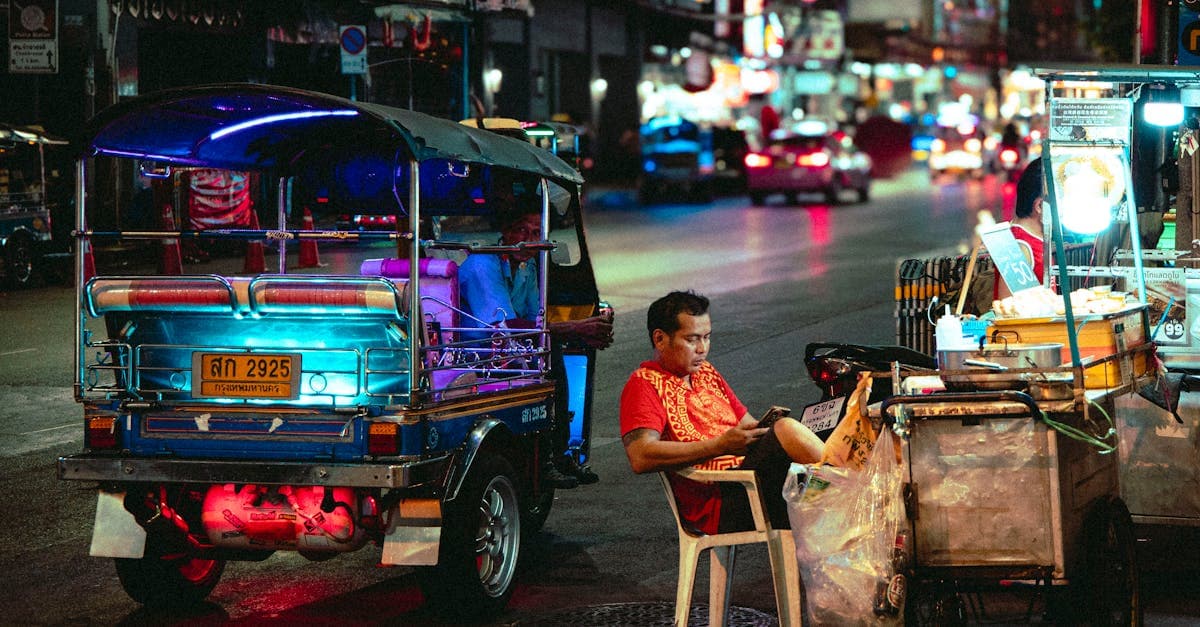
Every Bangkok scam targeting tourists shares one trigger: an unsolicited approach from a stranger who seems unusually helpful. Recognize that pattern and you've already neutralized most of them.
The "Grand Palace is closed today" setup is the most documented. A well-dressed person near Wat Phra Kaew tells you the palace is shut for a royal ceremony and steers you toward an alternative. There's no ceremony. The real destination is a gem shop with a commission waiting. The Grand Palace is almost never closed to tourists.
The gem scam runs deeper. Tourists are escorted to a jewelry shop and told the Thai government runs a special tax-free export program for foreign buyers. No such program exists. Gems purchased under this scheme are typically worth a fraction of the price paid, and there's no recourse once you've left the shop.
Tuk-tuk "free tours" follow a predictable structure: an unrealistically low fare, a route that detours through sponsor shops, and persistent sales pressure at each stop. Refusing to buy may stall the journey.
ATM skimming is a different category of risk. Standalone ATMs in tourist corridors, particularly around Khaosan Road and lower Sukhumvit, carry elevated skimming exposure. Use ATMs inside bank branches or 7-Eleven counters instead.
Anyone who approaches you unsolicited near a temple or tourist landmark and seems genuinely eager to help is almost certainly working on commission. Politely decline and keep moving.
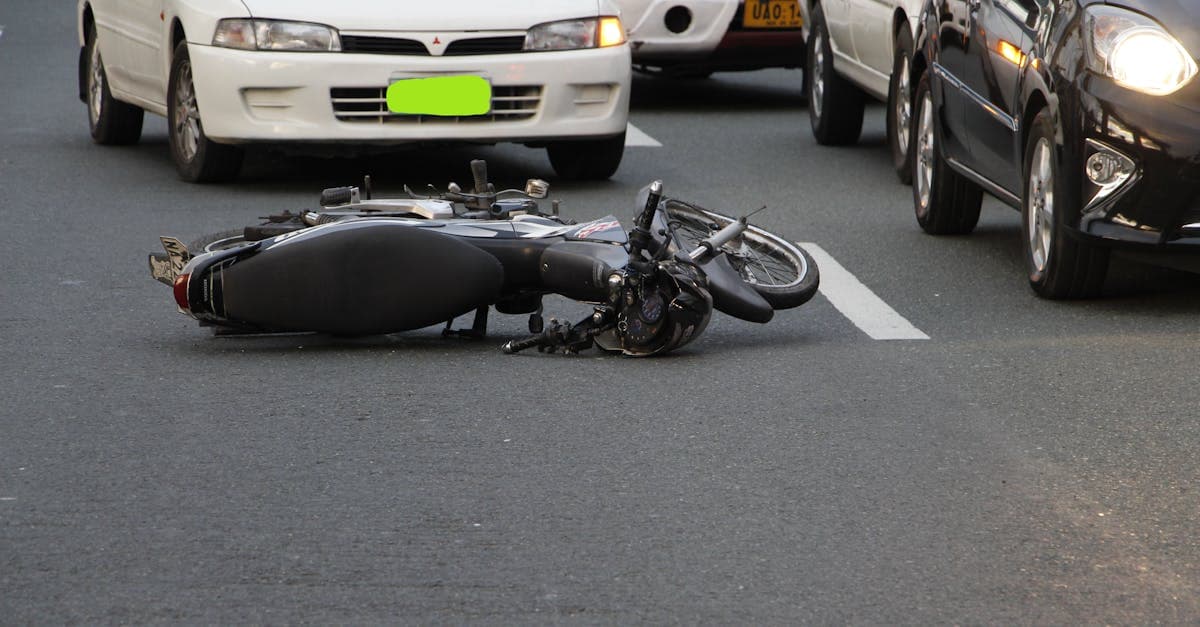
Motorbike rental is the single most dangerous decision a tourist can make in Thailand. Road traffic is the leading cause of tourist death in the country, with around 20,000 road fatalities occurring nationally each year. Tourists on rented scooters are disproportionately represented in that figure.
Rental shops on Koh Samui, Koh Phangan, and Phuket typically require no license verification. That's not a loophole; it's a documented, widely known industry practice. Compounding the risk: many travel insurance policies exclude motorbike accidents unless you purchased a separate add-on rider specifically covering motorized two-wheelers. Read your policy before you rent.
For city travel, Grab is the right call. It's the dominant ride-hailing app across Thailand, metered and GPS-tracked, with the route visible to anyone you share a screenshot with. Grab requires live mobile data to function, which is one concrete reason to have a working data plan from the moment you land.
Drug possession demands a plain statement. According to gov.uk, carrying hard drugs in any quantity can result in life imprisonment under Thai law. The US Embassy cannot override Thai court proceedings or secure a release. Consular assistance extends to attorney referrals and prison visits, nothing beyond that.
Drink spiking is documented in Khaosan Road bars, Pattaya's Walking Street, and certain Phuket beach venues. Never leave a drink unattended or accept one from someone you've just met.
Cannabis was partially decriminalized in 2022, but the regulatory status has shifted since then. Verify current law before assuming any dispensary purchase is legally unambiguous in all contexts.
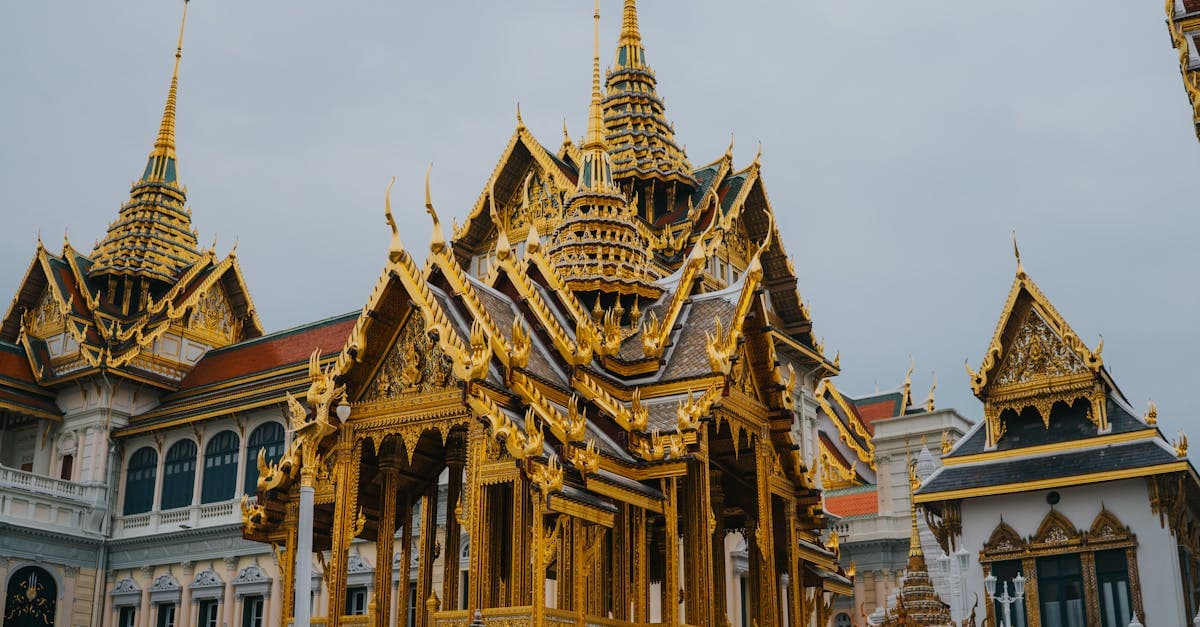
The safest major city in Thailand isn't Bangkok. Chiang Mai earns that designation consistently: a walkable Old City, significantly lower traffic density than the capital, and a well-established infrastructure that keeps independent travelers well-supported. The primary risk north of the city is road accidents on mountain routes, particularly after rain or after dark.
Bangkok is safe for tourists on the violent crime front, but scam exposure near major temples and busy tourist corridors is real. Silom, Sukhumvit, and Sathorn are well-policed districts with dense tourist amenities. The risks worth managing are traffic, petty theft in crowded markets, and the temple-area scams covered above.
Phuket splits sharply by neighborhood. Kata, Karon, and Kamala beaches run safely through the evening. Patong is a different situation: the nightlife strip after midnight carries elevated drink-spiking and theft risk. Jet ski rental scams near Patong Beach are well-documented and can cost hundreds of dollars in fabricated damage claims.
Koh Samui and the smaller islands are generally safe on land. The genuine risk is ferry crossings during rough weather. Verify sea conditions and research the boat operator before booking any island transfer.
Pai is low-crime with a relaxed atmosphere, but Route 1095, the mountain road connecting Chiang Mai to Pai, has 762 curves. On a motorbike after rain or after dark, it's genuinely dangerous.
Cellular coverage drops significantly outside major cities. The rural northeast and areas near the Myanmar border have weak or no signal. Download offline maps before you enter these zones.
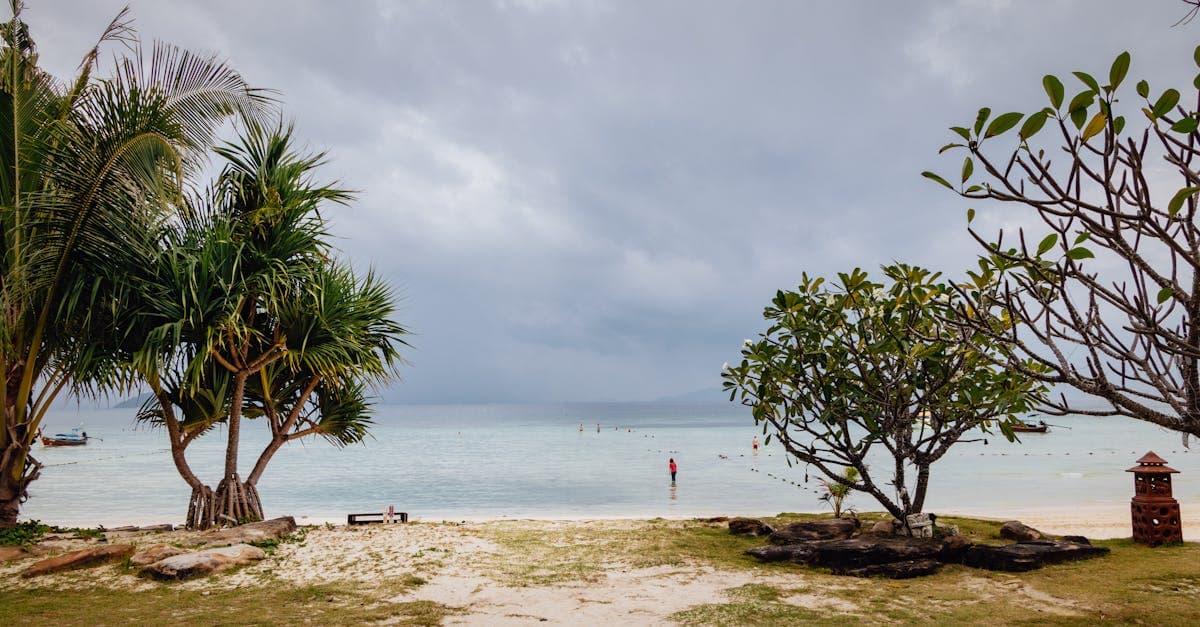
Four Thai provinces share a border with Malaysia and a separatist insurgency that has run since 2004. According to travel.state.gov, Pattani, Yala, Narathiwat, and parts of Songkhla province have seen periodic bombings and shootings that have affected civilians. This is a real, geographically contained security situation.
The critical clarification for most American visitors: Thailand's most popular southern destinations sit well outside the conflict area. Krabi, Koh Lanta, Ko Phi Phi, and Koh Samui are geographically separate from the four affected provinces. Even Phuket, often loosely described as "southern Thailand," is nowhere near the conflict zone.
Hat Yai in Songkhla is a common overland transit point to Malaysia, and it warrants added situational awareness. If you're crossing overland, use the train through Hat Yai during daylight hours and skip an overnight stay in the city center.
The simplest approach is to fly. Bangkok to Penang or Kota Bharu eliminates the overland question entirely, and flights on budget carriers like AirAsia are often cheaper than the overnight sleeper train.
Southern Thailand at a glance: - Safe for tourists: Krabi, Koh Lanta, Ko Phi Phi, Koh Samui - Provinces to avoid: Pattani, Yala, Narathiwat - Situational awareness advised: Songkhla, particularly outside Hat Yai's central tourist area
Most American visitors have no itinerary reason to enter Pattani, Yala, or Narathiwat. The insurgency is localized and geographically specific. Stay in the tourist corridor and you won't cross paths with it.
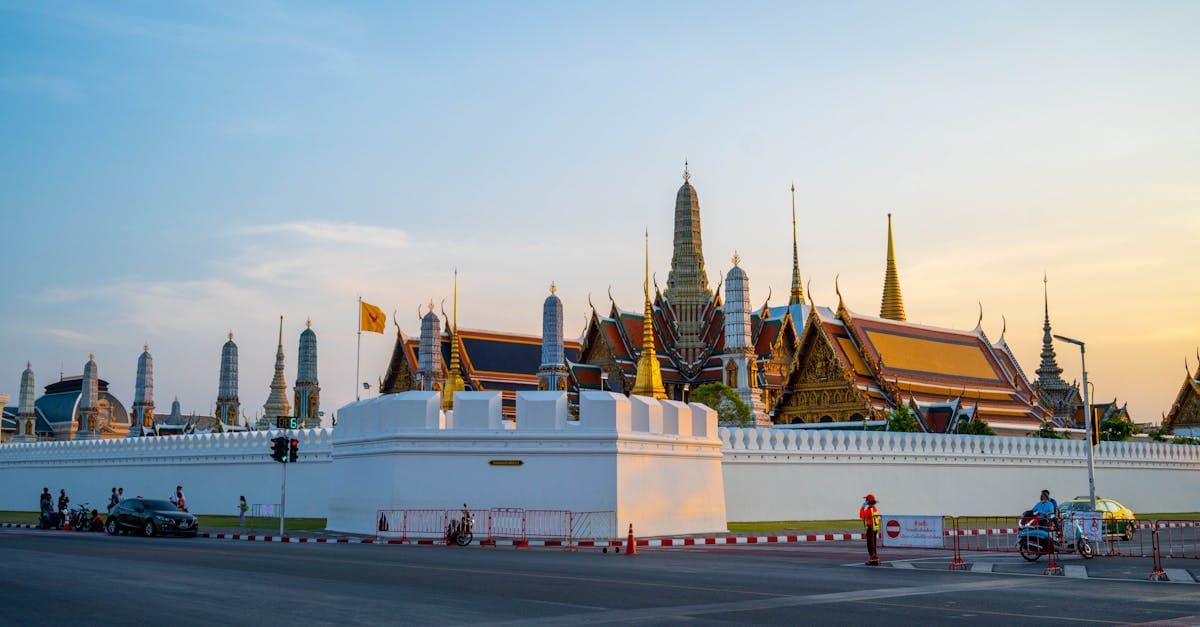
Your smartphone with a live data connection is the single most useful safety tool you'll carry in Thailand. Grab, the dominant ride-hailing app across the region, gives you metered fares, GPS-tracked routes, and a trip record you can share with anyone at home. Without data, you're negotiating prices with unlicensed taxis and hoping for the best.
Three numbers worth saving before you board: 1155 for Tourist Police, the English-speaking line built specifically for foreign visitors; 191 for regular police; 1669 for ambulance dispatch. A live connection lets you share GPS coordinates when you call, which matters considerably when you can't describe a Thai street corner in Thai.
STEP alerts from the US Embassy Bangkok arrive by email. During a protest, a flash flood warning, or any safety incident requiring rapid movement, a connected device is the only way to receive them in real time.
WiFi is fast and plentiful at Bangkok cafes and Chiang Mai coworking spaces. It disappears on inter-island ferries, mountain roads toward Pai, trekking routes, and through most of the rural northeast. In those locations, cellular data is your only navigation and communication option.
Telemedicine platforms used by long-stay visitors require a stable connection for video consultations. That call can determine whether a fever warrants a local clinic or a referral to Bumrungrad International in Bangkok.
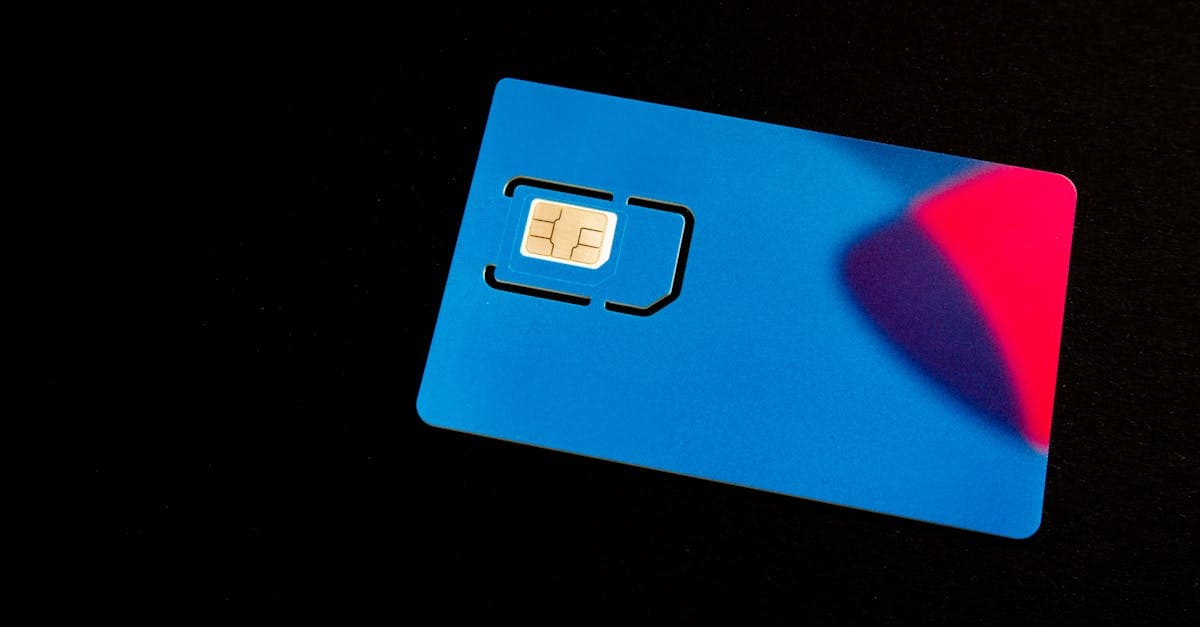
Local SIM cards in Thailand are genuinely cheap. AIS, TrueMove H, and DTAC (now merged with True) all operate airport kiosks at both Suvarnabhumi and Don Mueang terminals. A 30-day tourist plan runs ~300 to 500 Thai baht (~$8 to ~$14) and typically includes 15 to 30 GB of data. Coverage is solid across Bangkok, Chiang Mai, and Phuket.
The eSIM case comes down to one practical advantage: activate before you board, step off a long flight, and Grab is already running. Your US number stays live for bank two-factor authentication while Thai data runs in parallel on the same device.
Hello Roam's Thailand eSIM uses the AIS network, which carries the widest rural and border-region coverage in the country. Activation takes under five minutes through the app.
For comparison: Airalo offers Thailand plans from ~$8 for 7 days (1 GB) to ~$25 for 30 days (10 GB). Holafly sells unlimited data at roughly ~$27 for 7 days. Hello Roam positions on AIS network reliability and US-based customer support rather than competing on price alone.
T-Mobile Magenta includes unlimited 2G in Thailand plus $5 per day for high-speed access. That's workable for a long weekend trip. For a week or longer, a dedicated eSIM undercuts that daily rate significantly.
Before leaving any hotel, download Google Maps offline for your full route. Coverage near Doi Inthanon National Park and the Golden Triangle drops off regardless of which carrier you choose.
Yes, Thailand is safe for US citizens who travel with standard precautions. The Level 2 advisory covers the country overall, but outside the four southern provinces discussed earlier in this guide, there's no geographic area most American tourists have reason to avoid.
The US Embassy Bangkok is at 95 Wireless Road, Lumphini, Pathumwan. The emergency assistance line, +66 2 205 4000, operates around the clock. For theft, scams, or any situation where a language barrier with regular police would create problems, the Tourist Police line at 1155 is the better first call.
One reality Americans frequently underestimate: you are subject to Thai law while visiting. If you're arrested, the Embassy can visit you, provide a list of local attorneys, and notify your family. It cannot secure your release or override Thai court proceedings.
The health insurance gap is concrete. Most US domestic health plans don't cover international medical emergencies. Medical evacuation from Thailand to the United States can cost $50,000 to $100,000 or more. Travel insurance with medical evacuation coverage isn't optional on this itinerary.
Enroll in STEP at travel.state.gov before departure. The process takes about five minutes and lets the Embassy contact you during civil unrest, natural disasters, or a family emergency back home.
A hundred dollars converts to roughly 3,500 Thai baht in early 2026, and it stretches comfortably. A guesthouse or mid-range hotel in Chiang Mai runs $20 to $40 per night. A full meal at a local restaurant costs $2 to $5. A Grab ride across central Bangkok averages $3 to $7.
Knowing what things actually cost is a safety advantage. Overcharging is often the earliest signal of a scam, and you only catch it if you know the going rate. A tuk-tuk quoting $30 for a short Bangkok trip is roughly 600 percent above market.
A $100 daily budget supports better choices across the board: Grab over negotiated tuk-tuks, established restaurants with better hygiene standards over unvetted sidewalk stalls, accommodation in well-policed neighborhoods with functional locks and adequate lighting.
The one line item that shouldn't get cut: travel insurance with medical evacuation coverage. Plans run $5 to $15 per day depending on your age and coverage tier. Given the evacuation cost covered in the previous section, this is the highest-return safety purchase on any Thailand itinerary.
Bangkok tourist corridors and Phuket beach towns run noticeably higher than these figures. Chiang Mai and smaller northern towns offer comparable quality at roughly 20 to 30 percent less.

Thailand is safe for the vast majority of American tourists. The US State Department rates it Level 2: Exercise Increased Caution, the same designation assigned to France, Germany, and Japan. The risks that most commonly affect Americans are scams, road accidents, and violations of strict drug laws, not violent crime from strangers.
The article focuses on safety rather than budgeting, but Thailand is widely recognized as an affordable destination where the local currency stretches considerably further than in Western countries. Scams like gem schemes and fabricated jet ski damage claims specifically target tourists who may not know local pricing, so being aware of typical costs helps you spot overcharging.
The article does not address a specific 6pm event, but it does note that nightlife corridors in areas like Khaosan Road, Patong Beach, and Pattaya's Walking Street carry elevated risks after dark, including drink spiking and theft. Travelers are advised to stay oriented and use vetted transportation such as the Grab ride-hailing app as evening activities begin.
This article focuses on safety rather than cost of living, but it establishes Thailand as a destination that draws roughly 40 million international visitors a year, including long-stay travelers and digital nomads. For specific budgeting advice, consult resources dedicated to Thailand living costs.
The US State Department rates Thailand as Level 2: Exercise Increased Caution. This is the same tier assigned to much of Western Europe and Japan, and it does not warn against travel. It advises staying alert, choosing transportation carefully, and keeping emergency contacts accessible.
The four southernmost provinces, Pattani, Yala, Narathiwat, and parts of Songkhla, carry elevated risk from a separatist insurgency active since 2004 and warrant real caution. These provinces do not appear on mainstream tourist itineraries, and popular destinations like Bangkok, Chiang Mai, Phuket, Krabi, and Koh Samui are geographically separate from the conflict area.
The most documented Bangkok scam is the Grand Palace closure setup, where a stranger claims the palace is shut for a royal ceremony and redirects you to a gem shop. Other common schemes include fake tax-free gem export programs, tuk-tuk free tours that route through commission-paying shops, and ATM skimming at standalone machines in tourist corridors. Any unsolicited approach from a stranger near a temple or tourist landmark should be treated as likely commission-driven.
Motorbike rental is the single most dangerous decision a tourist can make in Thailand, as road traffic is the leading cause of tourist death in the country. Rental shops often require no license verification, and many travel insurance policies exclude motorbike accidents unless a specific add-on rider was purchased. Grab, Thailand's metered and GPS-tracked ride-hailing app, is the recommended alternative for city travel.
Carrying hard drugs in any quantity can result in life imprisonment under Thai law. The US Embassy cannot override Thai court proceedings or secure a release, and consular assistance extends only to attorney referrals and prison visits. Cannabis was partially decriminalized in 2022 but the regulatory status has shifted since then, so travelers should verify current law before assuming any dispensary purchase is legally unambiguous.
Bangkok is safe for tourists on the violent crime front, with Silom, Sukhumvit, and Sathorn being well-policed districts with dense tourist amenities. The risks worth managing are heavy traffic, petty theft in crowded markets, and temple-area scams targeting visitors near major landmarks. The 2025 State Department advisory noted civil unrest risk linked to political protests near government buildings, which does not apply to standard tourist destinations like Khao San Road or Sukhumvit.
Phuket's safety varies sharply by neighborhood. Kata, Karon, and Kamala beaches are considered safe through the evening, while Patong's nightlife strip after midnight carries elevated drink-spiking and theft risk. Jet ski rental scams near Patong Beach are well-documented and can result in hundreds of dollars in fabricated damage claims.
Chiang Mai is considered the safest major city in Thailand, featuring a walkable Old City, significantly lower traffic density than Bangkok, and well-established infrastructure for independent travelers. The primary risk north of the city is road accidents on mountain routes, particularly after rain or after dark.
Grab, Thailand's dominant ride-hailing app, is metered and GPS-tracked, making it the safest option for city travel. It requires live mobile data to function, so having an active data plan from the moment you land is important. Motorbike rental should be avoided given Thailand's high rate of road fatalities involving tourists on rented scooters.
STEP, the Smart Traveler Enrollment Program, is a free US government service at travel.state.gov that registers your trip with the US Embassy and sends automatic alerts if conditions change while you are in the country. Enrolling before departure is recommended for all Thailand visits. The US Embassy in Bangkok is located at 95 Wireless Road, with a 24-hour emergency line at +66 2 205 4000.
Popular southern destinations like Krabi, Koh Lanta, Ko Phi Phi, and Koh Samui are geographically separate from the four conflict-affected southern provinces and are safe for tourists. Even Phuket, often loosely described as southern Thailand, is nowhere near the conflict zone. The genuine risk in island areas involves ferry crossings during rough weather, so sea conditions and boat operator reputation should be verified before booking any island transfer.
Drink spiking is documented in Khaosan Road bars, Pattaya's Walking Street, and certain Phuket beach venues. Never leave a drink unattended and do not accept a drink from someone you have just met. Staying in groups and using vetted venues in well-policed areas significantly reduces exposure.
Having live mobile data matters more in Thailand than most travelers expect because essential safety tools like the Grab ride-hailing app require an active data connection to book rides and share your route. Hello Roam's eSIM for US travelers runs on AIS, the network with the strongest coverage across Thailand's rural areas and southern islands, and can be activated before departure.
HelloRoam: your trusted travel eSIM that keeps you online across borders.
Explore Plans