Canada Packing List 2026: Season-by-season Guide for Every Region

Written by: Sarah Mitchell


16 min read
HelloRoam is a global eSIM provider offering instant mobile data in 170+ countries. Buy prepaid travel eSIM plans with no roaming fees, no contracts, and instant activation on any eSIM-compatible device.
16 min read
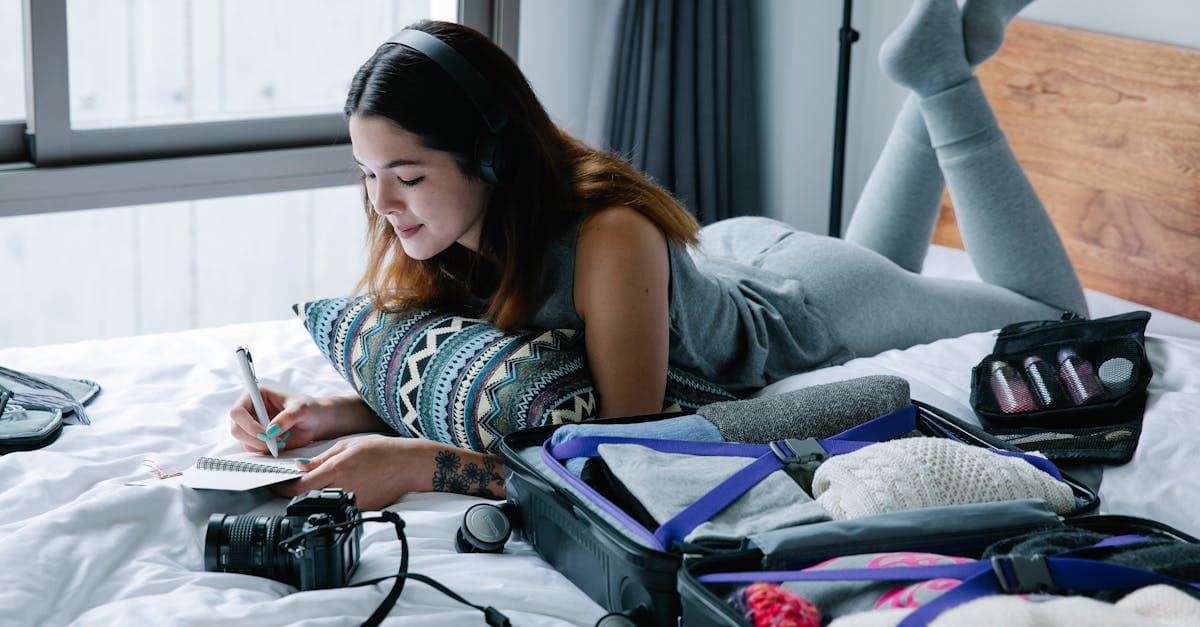
Canada entry requires a valid passport, travel insurance, and an Electronic Travel Authorisation (eTA) for most visa-exempt nationals. An emergency room visit costs uninsured visitors CAD $20,000 or more, since provincial health plans cover residents only. Carry your insurance certificate in your carry-on and screenshot the emergency claim number before you leave home.
The eTA is required for visa-exempt travellers from the UK, most EU countries, Australia, Japan, and dozens of other nations. It costs CAD $7, takes minutes to process online, and is valid for up to five years or until your passport expires, whichever comes first. US citizens are exempt from the eTA requirement but do need a valid passport. A driver's licence is not accepted, including at land crossings.
Mexico is no longer in the eTA-eligible group. Canada and Mexico adjusted their visa arrangement in 2024, and Mexican nationals now require a full visa to enter. Verify current status at IRCC.gc.ca before booking any flights, since policies in this category shift with little public notice.
At the Canadian Border Services Agency (CBSA) checkpoint, you must declare all food, plants, and animal products; any cash or monetary instruments exceeding CAD $10,000; and all firearms or weapons. Cannabis cannot cross the border in either direction, regardless of its legal status in your origin country or province. For prescription medications, carry the original pharmacy packaging, a physician's letter for any controlled substances, and enough supply to cover your trip plus several buffer days.
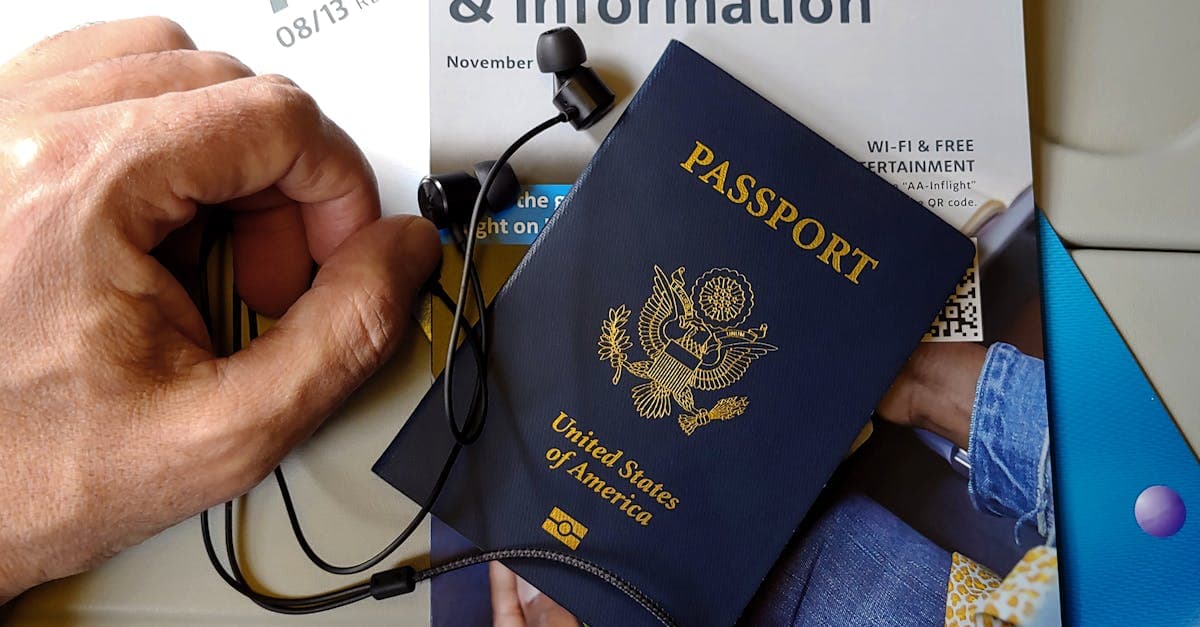
Documents to pack: passport valid at least six months past your return date, eTA confirmation email (download a screenshot for offline access), travel insurance certificate, return ticket, and your accommodation booking details.

During July and August, and around Canadian public holidays, eTA processing can stretch from minutes to several days. Apply at least 72 hours before departure. Two to three weeks in advance is more sensible. Airlines confirm eTA approval before you board, not after you land; if your record isn't cleared when you reach the gate, you won't get on the plane.
The only legitimate application portal is Canada.ca/eTA. Third-party websites charge CAD $30 to $100 for exactly the same submission. The extra cost buys nothing, occasionally delays processing, and sometimes introduces data entry errors. Use the government site and pay the government fee once.
Name matching matters more than most travellers expect. The name on your eTA must correspond exactly to the name on your passport, including any middle names. Discrepancies have caused denied boarding. If you renew your passport, you need a new eTA as well; the approval is tied to your passport number, not to your identity as a person.
Approval doesn't guarantee entry. CBSA officers retain full discretion at the port of entry and can deny admission regardless of your eTA status. Non-visa-exempt nationals, and nationals of countries recently reclassified (Mexico, as described above), should confirm current requirements at IRCC.gc.ca before purchasing any flights.

As authentikcanada.com outlines, the Canada packing checklist covers four categories: travel documents, climate-appropriate clothing, electronics with the correct adapter, and local currency. Canada uses Type A and B electrical outlets at 120V/60Hz. UK and European visitors need a plug adapter but no voltage converter; check the brick for "100-240V" to confirm dual-voltage compatibility.
Currency: only Canadian dollars are accepted at retail across the country. Airport ATMs dispense CAD at reasonable rates. Exchange kiosks, whether at the airport or near tourist areas, charge considerably higher spreads. Notify your bank before departure or a foreign transaction may trigger an automatic card freeze.
Tipping norms have shifted upward in most Canadian cities. Eighteen to twenty percent is now standard at sit-down restaurants. Fifteen percent, once the baseline, reads as low in urban contexts. Gratuity isn't included in the bill unless a service charge is explicitly noted.
The Parks Canada Discovery Pass costs CAD $75.25 per adult at the 2026 rate and covers all national parks and national historic sites for one full year. Plan to visit two or more parks and it pays for itself quickly.
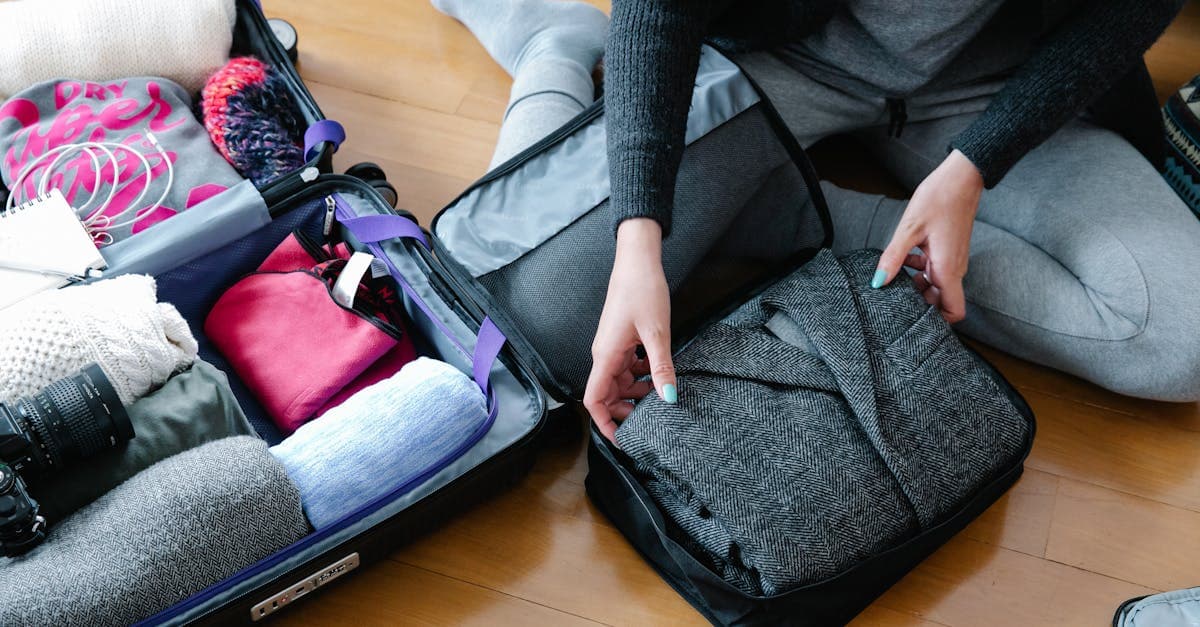
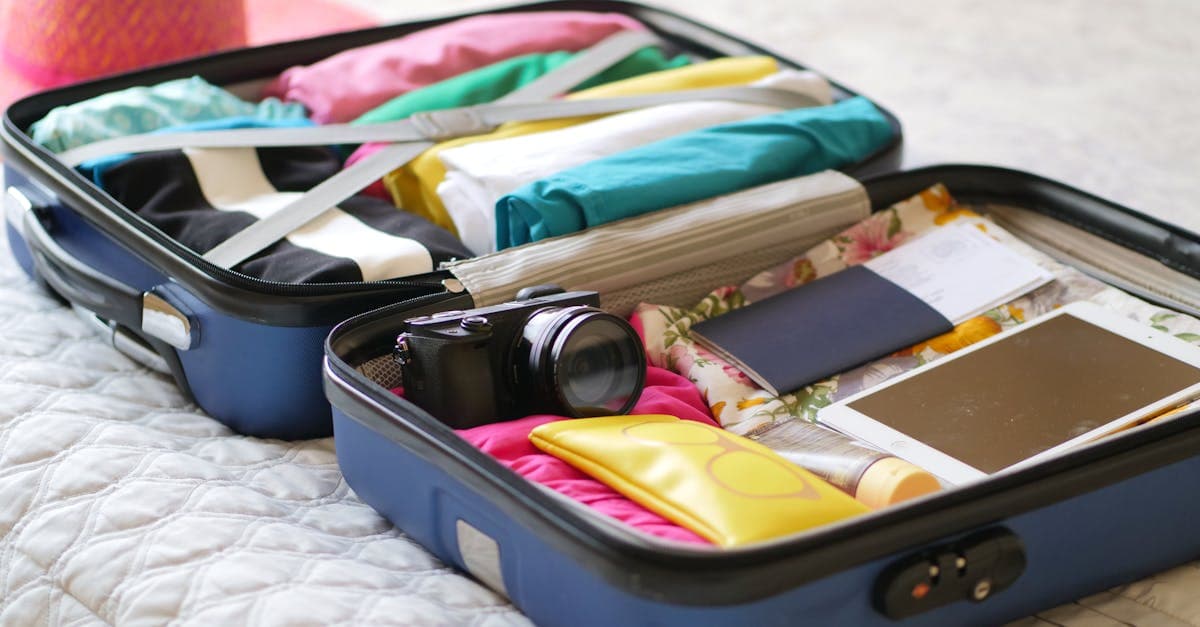
For carry-on sizing, Air Canada accepts bags up to 55 cm x 40 cm x 23 cm; WestJet allows 56 cm x 36 cm x 23 cm. According to catsa-acsta.gc.ca, leave bear spray, aerosol containers over 100 mL, hand warmers, and full-size toiletries at home; all are available at Atmosphere, MEC, and Canadian Tire after arrival. Packing cubes compress soft items by roughly 30 percent and keep your bag coherent during customs inspections.
Health carry-on kit: prescription medication (always on your person, never in checked luggage), SPF 50 sunscreen, DEET insect repellent for summer travel, hand sanitiser, and any supplies for chronic conditions or allergies you manage on the road.
Your documents list belongs in your carry-on, not your checked bag: passport, eTA confirmation saved as an offline screenshot, return ticket, travel insurance certificate, accommodation booking reference, and a physical card with emergency contacts written down. A dead phone has ended more travel days than bad weather has.
Scan every document and store copies in two separate locations: cloud storage (Google Drive or iCloud both work reliably) and an encrypted offline backup such as a USB drive or a notes app that functions without a connection. If your bag is stolen, the copies let you file a report and contact your insurer without waiting on cell reception.
Electronics: a power bank in the 20,000 mAh range for backcountry day trips, USB-C and Lightning cables, earbuds, and a spare memory card if you're shooting photos. Bring a laptop if you're working remotely.
Download offline maps before you board. Google Maps offline covers cities and major roads efficiently. For national park trails and backcountry routes where cell coverage ends, Gaia GPS and iOverlander are the tools to load. This step takes under half an hour and can salvage a navigation problem in the backcountry.
Two cards worth carrying for Canadian travellers: the Scotiabank Passport Visa and Rogers World Elite Mastercard both waive foreign transaction fees. American visitors often favour the Chase Sapphire Preferred or the Charles Schwab Debit card for the same reason. Over a two-week trip abroad, those fees accumulate.
Canadian regulations require carriers to unlock phones purchased after December 2017. If your device was bought abroad, contact your provider ahead of your trip; foreign carriers follow different rules and aren't bound by the same obligation.
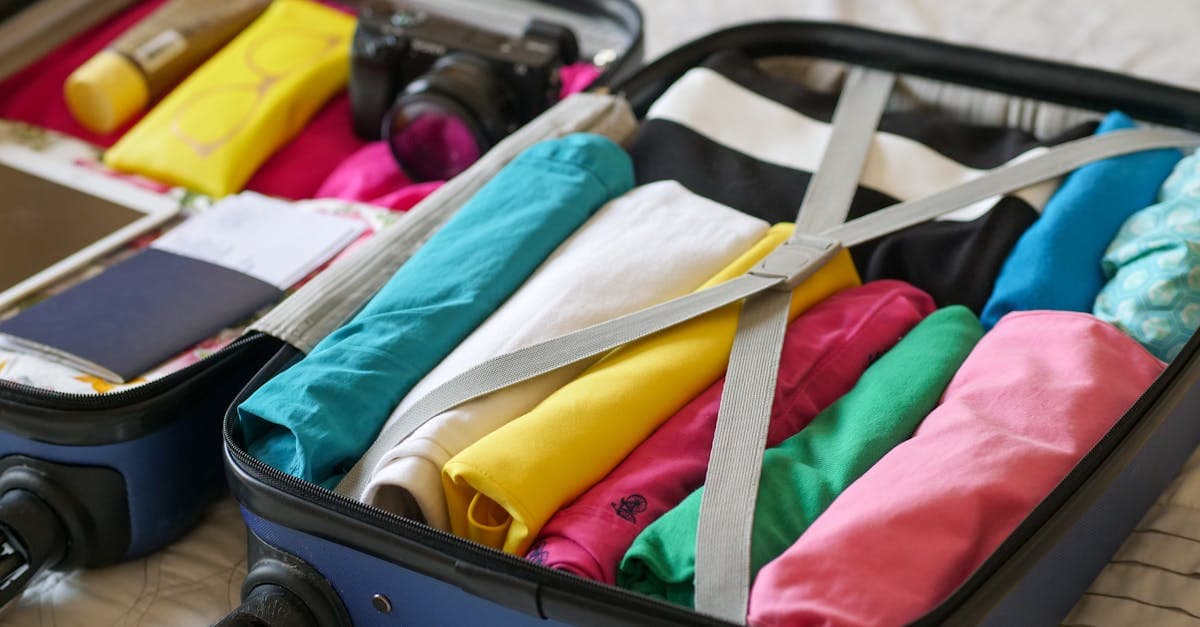
Clothing essentials for Canada vary by destination and season, but a waterproof jacket is the single item that crosses every trip type ricksteves.com. Vancouver receives meaningful rain year-round, and a breathable waterproof layer handles Pacific coast conditions better than an umbrella while doubling as evening wear over city clothes. For urban travel in Toronto or Montreal, that same outer shell covers spring and autumn conditions.
As eaglecreek.com recommends, for adventure trips, the layering formula is specific: merino wool base layer (it outperforms synthetics on multi-day odour control), mid-layer fleece or down jacket, waterproof hardshell, and quick-dry hiking trousers. Waterproof boots rated to at least -10°C are worth carrying for Rockies travel even in late spring. Pack slip-on sneakers for city days. From December through March in Toronto, Montreal, or Ottawa, YakTrax ice grips fit over regular shoes and prevent the falls that end trips early.
The toiletries question is easy to overthink. Pack 100 mL travel sizes for the first day, then resupply at a Shoppers Drug Mart or Jean Coutu (Quebec) near your hotel. Tap water meets Health Canada standards in all Canadian cities, and a reusable bottle saves roughly CAD $5 per day on bought water.
UV levels in the Rockies run 20 to 30 percent higher than at sea level. Apply SPF 50 even on overcast days, which filter heat but not ultraviolet radiation.
One Niagara Falls note: Table Rock Centre does not rent ponchos. Bring a packable waterproof jacket or buy a disposable poncho at the on-site gift shop before walking to the observation railing.
Canada spans more than 9.9 million square kilometres across five distinct climate zones. A packing list for Banff in January requires a materially different kit than one for Victoria in July, and conflating the two is the most common planning error among first-time visitors.
Toronto alone illustrates the range. January wind chills regularly reach -20°C while July humidex readings can push above 40°C. A trip that straddles both seasons needs a down jacket and a linen shirt in the same bag.
The regional contrasts are equally sharp. Vancouver winters are rainy and mild, typically running 3 to 7°C with little snow at sea level. Montreal averages 209 centimetres of snow per year, with wind chills regularly below -25°C. Two major Canadian cities, two entirely different packing requirements.
Shoulder seasons (May and September to October) are consistently underestimated. Afternoon temperatures in the Rockies can feel like t-shirt weather, then drop to near-freezing overnight. Visitors who pack for the daytime high and ignore the evening low end up buying emergency warm layers in Banff.
The approach that works across all five zones is layering: a moisture-wicking base, an insulating mid-layer, and a wind-and-waterproof outer shell. The weight of each layer changes by destination and season, but the three-part structure handles everything from a July afternoon in Montreal to a January morning in Banff.
Insect repellent with a minimum of 30 percent DEET belongs in every summer bag for cottage country, camping, or any activity near water. Mosquito and black fly season peaks from June through August, and lighter products offer limited protection against black flies in particular.
Wildfire smoke has become a reliable summer presence in British Columbia and Alberta. From July through September, Air Quality Health Index readings can exceed 7 (classified as high risk), sometimes with little warning. Pack at least two N95 or KN95 masks. Smoke from a distant fire can reach Vancouver overnight and linger for days.
Summer temperatures in Toronto and Calgary regularly exceed 27°C with high humidity in July and August. Light breathable fabrics and a small day pack for extra layers cover most city days. Even at peak summer, evenings cool quickly near the Rockies.
Shoulder season (May, and September to October) in the Rockies is the most deceptive window on the calendar. Daytime temperatures may reach 15°C, but the same trail that felt warm at noon can be near freezing by evening. Pack a down jacket and waterproof layer regardless of the daytime forecast.
Alpine trails above 2,000 metres carry snow until late May. Even with daytime warmth, waterproof boots and trekking poles are more practical than hiking sandals in shoulder season. Apply high-SPF sunscreen daily at elevation and reapply every 90 minutes during extended activities. The thin mountain air amplifies UV exposure in ways the temperature doesn't signal.
Winter packing for Canada is built on three layers: a moisture-wicking base, an insulating mid-layer, and a windproof waterproof outer shell. Montreal's wind chill regularly hits -30°C in January and February, and Toronto's average temperature of -3°C drops considerably lower with wind chill, bringing exposed skin to frostbite risk within ten minutes.
The three-layer system is non-negotiable eaglecreek.com: moisture-wicking base layer (merino wool or synthetic), insulating mid-layer (down or fleece), windproof and waterproof outer shell. Nothing in a Canadian winter packing list departs significantly from this structure.
Pack ice grips (YakTrax or Kahtoola MicroSpikes) rather than hoping to find them on arrival. Sidewalks in Toronto, Ottawa, and Montreal refreeze overnight after each thaw cycle from December through February, and hardware stores in tourist areas aren't reliably stocked.
Calgary's Chinook winds are a complication no heavy parka solves on its own. Temperatures can swing sharply higher within hours, making zip-front mid-layers and a packable outer shell more practical than a single heavy coat for the week.
Heated Canadian buildings maintain 21 to 23°C indoors. Moving between outdoor wind chill and a warm transit car in under five minutes is genuinely uncomfortable without detachable layers.
Facial moisturiser and SPF lip balm often get left behind. Heated indoor air dries skin aggressively, and both are needed from day one, well before they feel urgent.
The most commonly regretted omission among first-time Canadian winter visitors: waterproof insulated boots rated to -30°C. Regular leather shoes and running shoes fail within the first day.
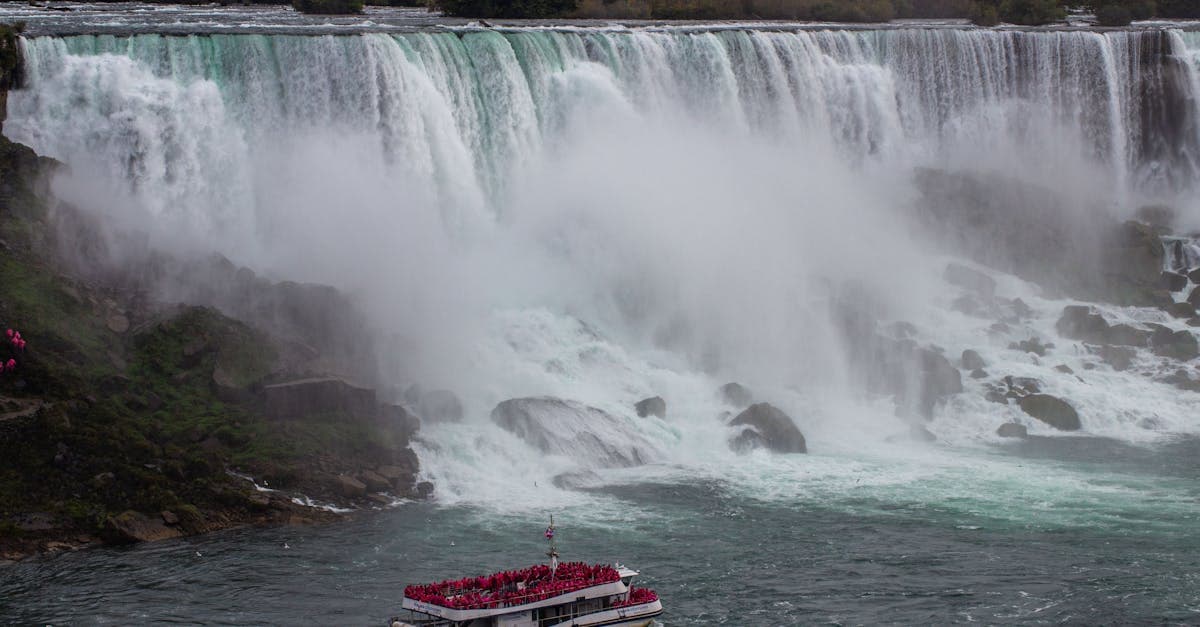
Key packing additions by destination: bear spray and waterproof layers for Banff national park trails, a transit card and rain jacket for Canadian cities, and a waterproof poncho for Niagara Falls' observation deck mist. Parks Canada requires timed vehicle entry passes for key Banff corridors from late June to early September. Book at recreation.canada.ca well before your travel date; passes sell out weeks ahead of peak weekends with no same-day workaround at the gate.
The Discovery Pass covers a full year of national park and historic site access and recovers its cost within two or three visits; check the math if your itinerary includes Jasper or Yoho alongside Banff.
Bear spray is essential on all trails in Banff, Jasper, Yoho, and Kootenay national parks. You cannot fly with it, but Atmosphere, MEC, and Canadian Tire stock it in Calgary and at Banff townsite outfitters. Renting from a local outfitter for a single-day hike sidesteps the disposal problem at trip end. Carry it in a hip holster, accessible within three seconds. Cell service holds in the Banff and Jasper townsites but drops on most backcountry trails; download AllTrails or Gaia GPS offline maps before leaving. A Garmin inReach satellite communicator is a practical safety item on multi-day hikes.
City transit runs on separate systems: Presto card in Toronto, Hamilton, and Ottawa (reload at Shoppers Drug Mart or GO Transit stations); Compass card in Vancouver (SkyTrain machines); Opus card in Montreal (Metro machines); Chinook app in Calgary.
Both Montreal and Toronto see regular afternoon thunderstorms from June through August, and a packable waterproof jacket handles these better than an umbrella in wind. Niagara Falls generates persistent mist from Horseshoe Falls; at the Table Rock observation railing, it soaks unprotected clothing within five minutes, so bring a poncho or buy one before reaching the site. Vancouver outside mid-July to August calls for a Gore-Tex or equivalent breathable jacket regardless of forecast.
Canada ranks consistently among the most expensive OECD countries for mobile data, and daily roaming charges add up faster than most visitors expect. US Verizon and AT&T customers pay USD $10 per day to roam in Canada; UK and EU carriers charge roughly CAD 3 to EUR 8 per day. Over two weeks, those charges reach roughly CAD $200 to $280 depending on your home plan. T-Mobile is the exception: Canada is included at no extra charge on most Magenta and Go5G plans, though inclusion varies by tier, so verify before you travel.
Three alternatives to roaming can prevent that accumulation:
Airport SIM kiosks run 20 to 30 percent above the same carrier's in-city price. International eSIM providers activate before you board, giving you data the moment you clear customs. Hello Roam offers Canada coverage with transparent data caps and no surprise overage charges, which addresses the central complaint about carrier roaming.
For eSIM pricing (approximate, March 2026): Airalo Canada 5 GB for 30 days costs around USD $13; Nomad's 10 GB option runs around USD $18; Holafly's unlimited throttled plan is around USD $49.
Most phones sold after 2019 support two active numbers. Keep your home SIM for incoming calls and SMS two-factor authentication, and route Canadian data through an eSIM with data roaming turned off on the home SIM to prevent accidental charges.
Coverage is reliable across major cities and Trans-Canada Highway corridors. Rural BC interior and northern Canada have sparse to no service regardless of carrier. Rogers suffered a national outage in July 2022 that affected service for 19 hours across the country; a Bell or Telus-based option such as Virgin Plus or Koodo avoids single-network dependency on longer trips.
Three networks underpin virtually every tourist SIM in Canada. Rogers, through Fido and Chatr, provides the strongest coverage in Ontario, British Columbia, and Alberta; Fido and Chatr may carry restricted rural roaming relative to a Rogers-direct plan, making them best suited to urban BC and Ontario itineraries. Telus, through Koodo and Public Mobile, performs well across the Prairies and British Columbia. Public Mobile sells online only with no in-store support, which complicates troubleshooting mid-trip for visitors unfamiliar with Canadian carriers. Bell, through Virgin Plus and Lucky Mobile, has the widest rural reach in Quebec, Ontario, and Atlantic Canada.
eSIM activation follows the QR code process described above. Hello Roam's Canada plan covers major cities and Trans-Canada corridors; dual SIM support lets you keep your home number active for SMS verification and incoming calls while Hello Roam handles Canadian data.
Before your SIM is active, install these over WiFi:
Check whether your plan includes mobile hotspot tethering before purchasing. Budget plans from Public Mobile and some Chatr tiers exclude it entirely, or count tethered data against a separate, lower allocation rather than your main data pool.
According to catsa-acsta.gc.ca, bear spray is prohibited on aircraft under Transport Canada and IATA Dangerous Goods Regulations. This covers both carry-on and checked baggage on all flights into Canada, no matter where you're flying from. There are no exceptions for camping trips, guided tours, or national park travel.
After landing, Atmosphere (formerly Sport Chek), Mountain Equipment Company, and Canadian Tire all stock bear spray in Calgary, Banff, Jasper, and most Rocky Mountain gateway cities. Canisters range from roughly $40 to $60 CAD for a 225 g to 500 g size.
Rental is available from Banff and Jasper outfitters, which works well for single-day hikes and removes the problem of disposing of a partially used canister before your return flight.
Parks Canada strongly recommends bear spray on all trails in Banff, Jasper, Yoho, and Kootenay national parks. Keep it in a hip holster where you can draw it within three seconds. A canister buried inside a backpack offers no practical protection when a bear is at close range.
Crossing into Canada by road is a different situation. Bear spray may be transported in a vehicle when declared to the Canada Border Services Agency. That exemption applies only to land border crossings and does not extend to air travel.
Personal defence sprays sold in pharmacies are not an adequate substitute. Parks Canada recommends a minimum 225 g canister with 1 to 2 percent capsaicin concentration. Standard personal sprays fall short on both volume and active concentration and are not effective against a charging bear.
No permit is required to purchase or carry bear spray in any Canadian province or territory.

Most visa-exempt nationals, including those from the UK, EU countries, Australia, and Japan, need an Electronic Travel Authorisation (eTA) to visit Canada. It costs CAD $7, takes minutes to process online, and is valid for up to five years or until your passport expires. US citizens are exempt from the eTA requirement but do need a valid passport.
The Canadian eTA costs CAD $7 when applied through the official government portal at Canada.ca/eTA. Third-party websites charge CAD $30 to $100 for the same submission, but the extra cost buys nothing and can introduce delays or data entry errors. Always use the government site and pay the fee only once.
Apply for your Canada eTA at least 72 hours before departure, though two to three weeks in advance is more sensible. During July, August, and around Canadian public holidays, processing can stretch from minutes to several days. Airlines confirm eTA approval before boarding, so an uncleared record at the gate means you won't board the plane.
Yes, since 2024 Mexican nationals require a full visa to enter Canada and are no longer eligible for the eTA program. The visa arrangement between Canada and Mexico was adjusted in 2024. Always verify current requirements at IRCC.gc.ca before booking flights, as policies can shift with little public notice.
Travel insurance is strongly recommended for visiting Canada, as an emergency room visit can cost uninsured visitors CAD $20,000 or more since provincial health plans cover residents only. Carry your insurance certificate in your carry-on and screenshot the emergency claim number before leaving home.
At the CBSA checkpoint, you must declare all food, plants, and animal products; any cash or monetary instruments exceeding CAD $10,000; and all firearms or weapons. Cannabis cannot cross the border in either direction regardless of its legal status in your origin country or province.
Yes, you can bring prescription medications into Canada, but carry the original pharmacy packaging, a physician's letter for any controlled substances, and enough supply to cover your trip plus several buffer days. Always keep medications in your carry-on luggage, never in checked bags.
Canada uses Type A and B electrical outlets at 120V/60Hz. UK and European visitors need a plug adapter but no voltage converter, provided their devices are dual-voltage. Check the charging brick for a 100-240V label to confirm compatibility before travelling.
Air Canada accepts carry-on bags up to 55 cm x 40 cm x 23 cm, while WestJet allows 56 cm x 36 cm x 23 cm. Items such as bear spray, aerosol containers over 100 mL, and full-size toiletries are not permitted in carry-on luggage and should be purchased after arrival.
Winter packing for Canada requires three layers: a moisture-wicking base layer, an insulating mid-layer, and a windproof waterproof outer shell. Montreal's wind chill regularly hits -30°C in January and February, and even Toronto's average temperature drops considerably lower with wind chill, creating frostbite risk for exposed skin within ten minutes.
For summer travel in Canada, pack light breathable fabrics and a small day pack for extra layers, as evenings cool quickly near the Rockies even at peak summer. Include insect repellent with at least 30 percent DEET for cottage country or any activity near water during mosquito and black fly season from June through August.
Eighteen to twenty percent is now standard at sit-down restaurants in most Canadian cities. Fifteen percent, once the baseline, reads as low in urban contexts. Gratuity is not included in the bill unless a service charge is explicitly noted.
Only Canadian dollars are accepted at retail across Canada. Airport ATMs dispense CAD at reasonable rates, while exchange kiosks charge considerably higher spreads. Notify your bank before departure to prevent a foreign transaction from triggering an automatic card freeze.
Yes, if you renew your passport you need a new eTA, as the approval is tied to your passport number, not your identity. The name on your eTA must also correspond exactly to the name on your passport, including any middle names, as discrepancies can cause denied boarding.
Wildfire smoke has become a reliable summer presence in British Columbia and Alberta, with Air Quality Health Index readings sometimes exceeding 7 (high risk) from July through September. Pack at least two N95 or KN95 masks, as smoke from distant fires can reach urban areas overnight and linger for days.
Download Google Maps offline before you board for cities and major roads. For national park trails and backcountry routes where cell coverage ends, Gaia GPS and iOverlander are the recommended tools. This preparation takes under half an hour and can be essential for navigation in remote areas.
Shoulder season in the Rockies (May and September to October) is the most deceptive window on the calendar. Daytime temperatures may reach 15°C, but the same trail that felt warm at noon can be near freezing by evening. Always pack a down jacket and waterproof layer regardless of the daytime forecast.
The Parks Canada Discovery Pass costs CAD $75.25 per adult at the 2026 rate and covers all national parks and national historic sites for one full year. If you plan to visit two or more parks, it pays for itself quickly.
A merino wool base layer outperforms synthetics for multi-day odour control during adventure trips in Canada. The recommended layering formula is a merino wool base layer, mid-layer fleece or down jacket, waterproof hardshell, and quick-dry hiking trousers.
UV levels in the Canadian Rockies run 20 to 30 percent higher than at sea level. Apply SPF 50 sunscreen even on overcast days, which filter heat but not ultraviolet radiation, and reapply every 90 minutes during extended outdoor activities at elevation.
HelloRoam: your trusted travel eSIM that keeps you online across borders.
Explore Plans