Best Time to Visit the Maldives: the Complete Guide for UK Travellers

Written by: Sarah Mitchell


12 min read
HelloRoam is a global eSIM provider offering instant mobile data in 170+ countries. Buy prepaid travel eSIM plans with no roaming fees, no contracts, and instant activation on any eSIM-compatible device.
12 min read
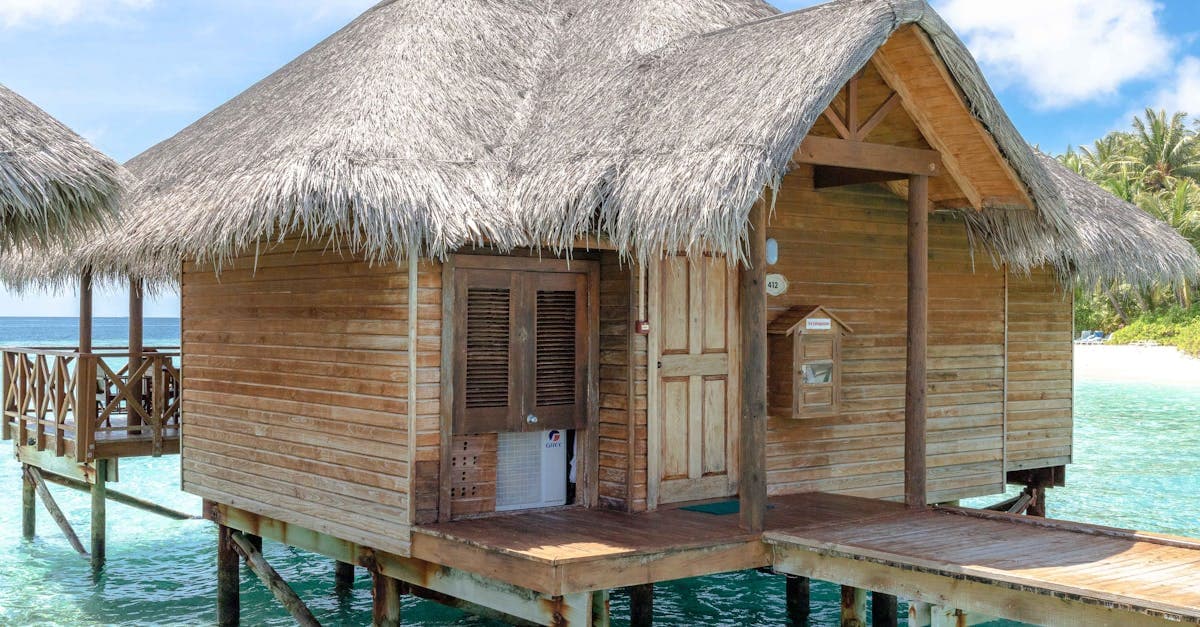
November to April is the answer tui.co.uk. The north-east monsoon keeps rainfall under 80mm per month across the Maldives, seas calm, and skies largely clear. February and March deliver the most reliable conditions overall: underwater visibility reaches 20 to 30 metres on healthy reef sites, sea surface temperatures peak at around 30°C, and Easter airfare premiums haven't yet hit return prices from London.
For UK travellers, there's a connectivity detail worth sorting before departure. Every major British carrier (EE, Vodafone, Three and O2) excludes the Maldives from its standard roaming bundle. EE charges around £6 per day for data roaming there, and resort WiFi at many luxury properties can cost $10 to $30 a day extra. Hello Roam's eSIM for UK travellers runs on local Maldivian networks and cuts that cost substantially.
The November sweet spot is worth knowing: the dry season has begun, resort prices haven't caught up with the conditions, and the Christmas influx is still weeks away.
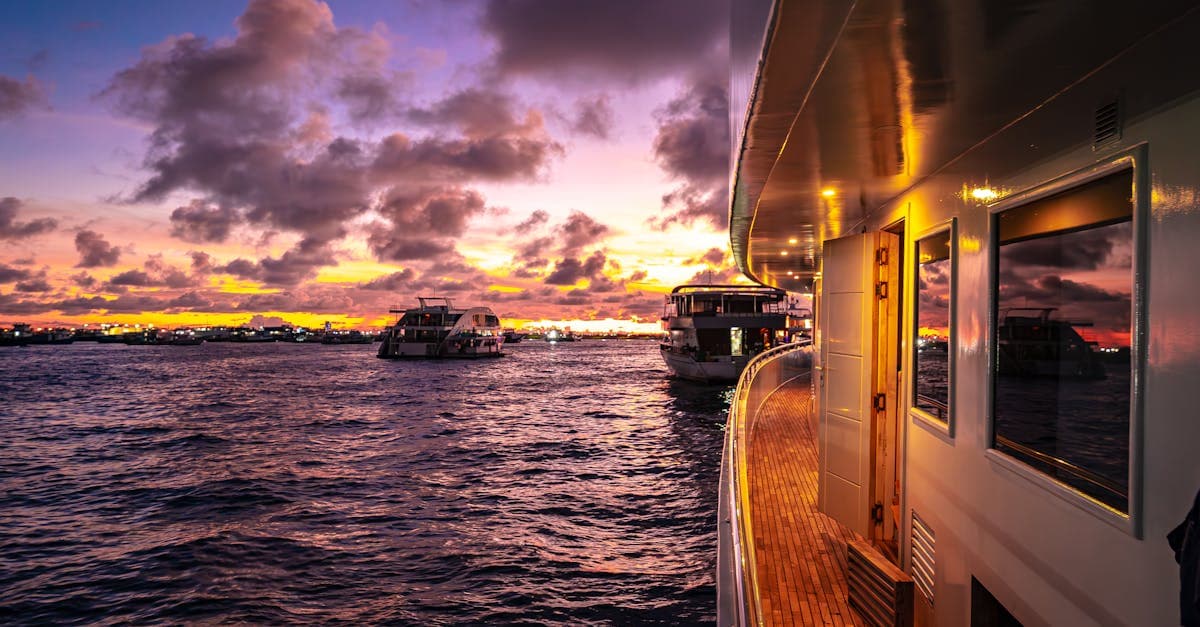
According to audleytravel.com, November to April is the best time to visit the Maldives for most travellers. The archipelago sits just north of the equator: 26 coral atolls, more than 1,000 islands, and an average elevation of 1.5 metres above sea level. Temperatures and sea conditions are unusually consistent year-round, but when you go still shapes the experience considerably.
The north-east monsoon delivers clear skies, calm seas, and low rainfall throughout this window responsibletravel.com. February and March consistently stand out as the quality peak: dry-season conditions at their clearest, warm water, good reef visibility, and no Easter demand yet inflating fares from London.
November is the overlooked option. The dry season has just started, resort occupancy is lighter than at Christmas, and prices sit closer to shoulder than peak. For UK travellers who can avoid school holidays, it's one of the more financially sensible entry points to the Maldives.
Return flights from Heathrow or Gatwick to Malé take around 10.5 to 11 hours, routing via Dubai on Emirates, Doha on Qatar Airways, or Colombo on SriLankan Airlines. No airline currently operates a direct service.
No month renders the Maldives unvisitable. The real decision involves trade-offs between weather quality, marine life activity, price, and crowd levels, and the sections that follow work through each of those in some detail.
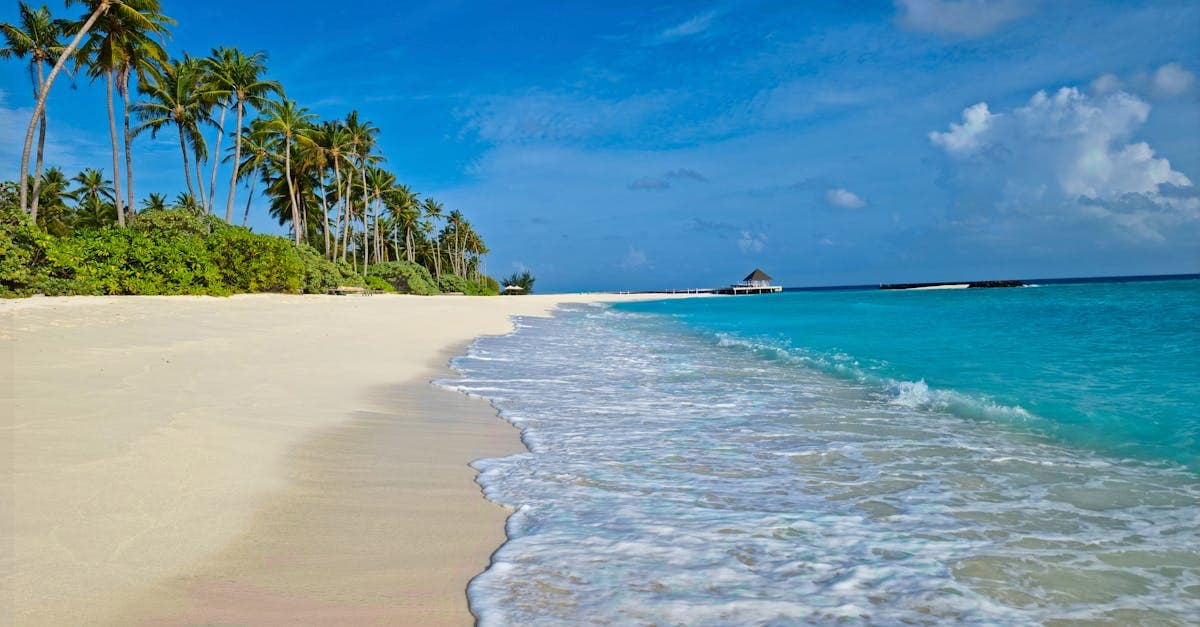
The Maldives has two seasons: Iruvai, the dry north-east monsoon from November to April, and Hulhangu, the wet south-west monsoon from May to October. Rainfall follows these monsoon cycles rather than a simple tropical binary of constant sun and persistent rain. Understanding the difference between them changes how you read the calendar.
The north-east monsoon brings the calmer, cleaner half of the Maldivian year clubmed.co.uk. Temperatures hold at 29 to 31°C audleytravel.com, wind speeds stay below 15 knots, and seas are gentle enough that inter-atoll speedboat transfers are rarely unpleasant. March and April are the warmest months in the water, with reef visibility at its sharpest. Sunshine averages seven to nine hours a day.
The south-west monsoon builds from May, with June typically the wettest month. Rainfall reaches 130 to 300mm at its peak, but arrives in squalls of 30 to 90 minutes rather than grey, all-day overcast. Sea temperatures sit at 28 to 30°C and sunshine still averages five to seven hours daily, which exceeds the UK's summer average in most years.
The Maldives sits well outside the primary Indian Ocean cyclone belt. Mauritius and Madagascar carry genuine cyclone seasons; the Maldives does not.
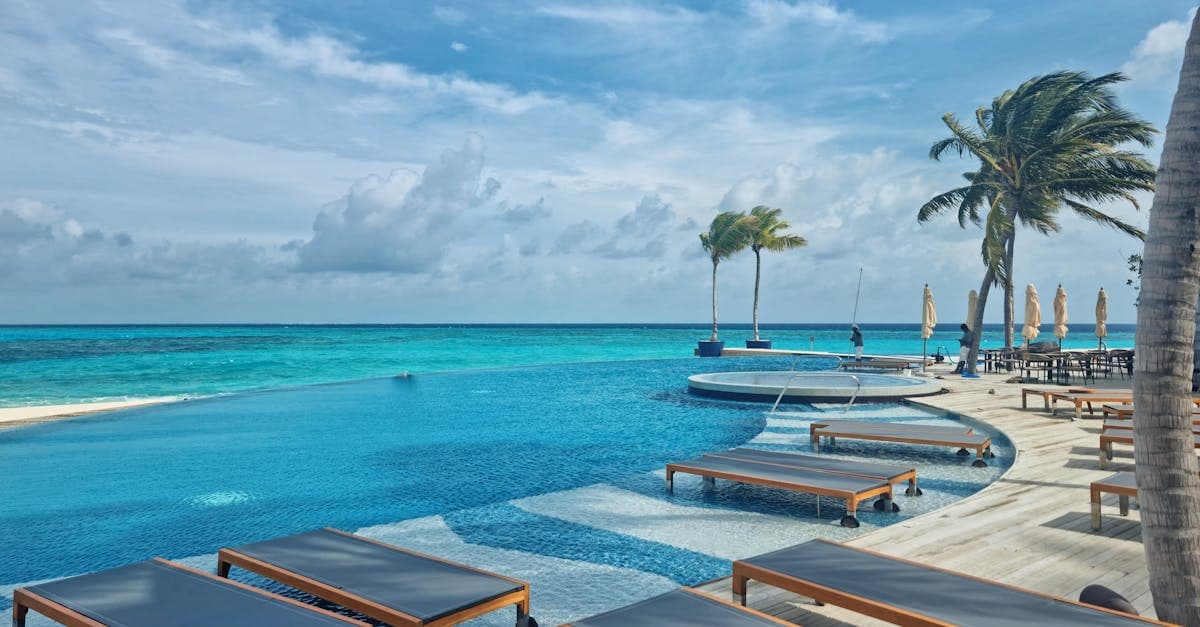
The rainy season runs from May to October, driven by Hulhangu, the south-west monsoon. That's six months on the calendar, and the label can sound considerably worse than the reality warrants.
June and July are the peak of the wet season. Rain arrives in concentrated squalls that typically clear within the hour, leaving beaches and lagoons perfectly swimmable in between. The disruption is real; a ruined holiday it is not.
Underwater visibility drops to roughly 15 to 20 metres during wet-season conditions, compared with the sharper clarity the dry months deliver. That still puts the Maldives well ahead of most dive destinations globally. Coral bleaching events become a concern when sea temperatures climb above 30°C, a risk that has grown as average ocean temperatures have risen in recent years.
There is one wet-season experience that doesn't appear in any resort brochure: bioluminescent plankton illuminate the shallow lagoons at night from June through October. On a clear dark night, the effect is genuinely extraordinary. It's simply not visible outside those months.
Resort occupancy falls markedly through the wet season, and prices at many properties drop 25 to 40 per cent below peak rates. The gap is large enough that some travellers specifically plan around it, trading guaranteed sunshine for the kind of rates that make overwater villa travel financially possible.

Four variables determine the right month: weather, marine life, crowd level, and price. The table below maps all twelve months. Price index: L = low, S = shoulder, H = high, P = peak.
December and January deliver the best weather at the highest prices hayesandjarvis.co.uk. Christmas and New Year can run 60 per cent above shoulder rates at overwater properties, with the most sought-after resorts fully committed months in advance. October sits at the opposite end of the value curve: improving conditions, whale sharks still active, early manta activity, and no school-holiday premium loading the bill.

Visibility at the best dive sites reaches 20 to 30 metres between January and April, with calm surface conditions reducing current disruption. It's the prime window for underwater photography that demands both distance and colour saturation.
Snorkelling peaks in March and April. Water is at its warmest for the dry season, visibility is at its clearest, and reef fish, turtles and smaller rays are active in the shallows.
Surfing runs from April to October. The south-west monsoon that brings the squalls is also what generates the swell activating breaks at Sultans, Honky's and Cokes in the southern atolls. Wet and waves arrive together.
Night snorkelling with bioluminescent plankton is a wet-season exclusive. Dinoflagellates light shallow lagoons blue-white from June to October, a phenomenon not replicable in dry conditions.
Photography suits both seasons for different reasons. Dry season delivers the classic Maldivian palette: golden-hour light on white sand, turquoise water, clean horizons. The wet season produces dramatic cloud formations and surface textures that suit a different visual style entirely.
Beyond the water, most activities run regardless of the monsoon calendar: dolphin watching, sandbank picnics (transfers are considerably calmer in the dry season), sunset fishing, and Maldivian cooking classes on local islands.
Reef health is a growing variable. Rising sea temperatures are increasing the frequency of coral bleaching events, most likely in the late wet season, and reef condition now varies enough by atoll that the more conscientious resorts factor it into their dive site selection.
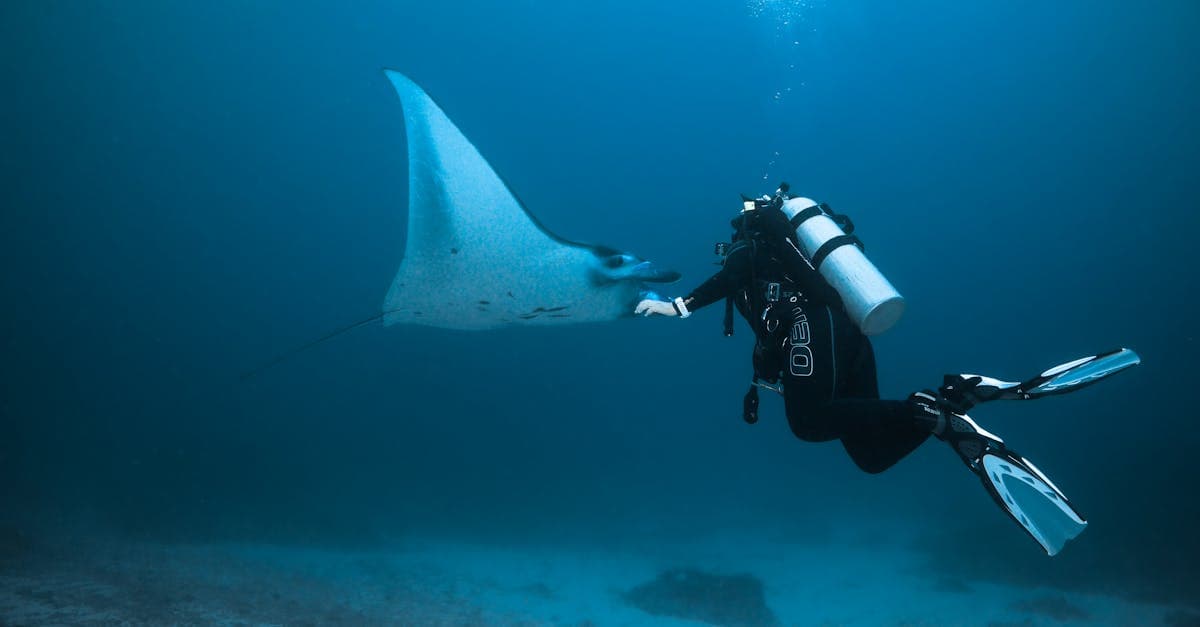
South Ari Atoll hosts whale sharks more consistently than almost anywhere else in the world. Encounters run from May to November. Plankton blooms driven by the south-west monsoon draw aggregations to the surface predictably enough that many resorts offer dedicated guided snorkelling excursions rather than ad hoc chances.
Manta rays follow a complementary seasonal pattern. Reef mantas aggregate at Baa Atoll, a UNESCO Biosphere Reserve, from December to April; South Male Atoll takes over from May to November. Between the two sites, encounters are achievable in almost any month.
Hammerheads are present at specific sites in both seasons: Rasdhoo Atoll, which requires early-morning descents to 30 to 40 metres, and Alimatha Jetty in Vaavu Atoll, which is shallower and more accessible.
Sea turtles appear at most reefs all year, with nesting peaking from June to August on uninhabited outer islands.
Bioluminescent plankton illuminates shallow lagoons blue-white from June to October. It's among the wet season's most striking exclusives, and consistently surprises travellers who planned primarily around the sunshine.
Some atolls see elevated jellyfish presence in January and February. Not typically dangerous, but worth a local check before night snorkelling sessions.
No month is devoid of notable marine life. Whale shark and manta seasons overlap meaningfully when different atolls are selected.
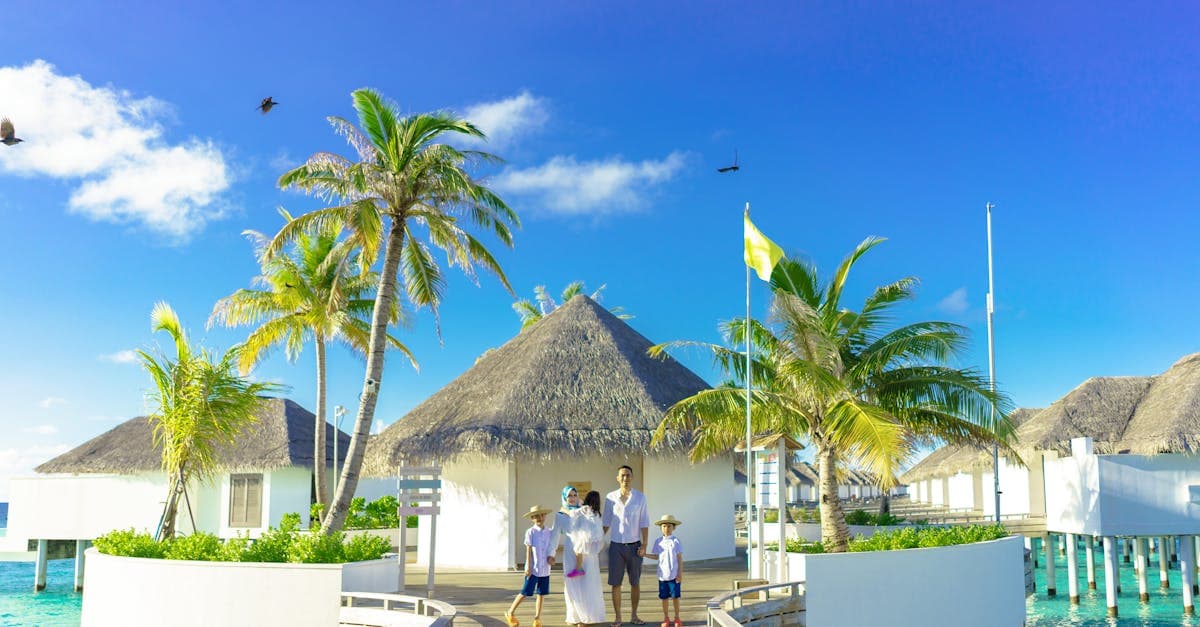
July and August are the wettest months and the most expensive for UK families. School-term calendars, not destination conditions, drive the premium. The Maldives in August is perfectly swimmable between squalls, but the value case simply doesn't hold.
Christmas and New Year command the steepest premium across the calendar, on both flights and resorts. Availability at the best overwater properties closes out months ahead of the travel dates.
November and February to March are the strongest honeymoon windows: dry conditions, none of the Christmas-period pressure, and none of the family-holiday surcharge that Easter generates.
October half-term is the most underrated choice for UK travellers. The wet season winds down through the month, whale sharks remain active, and pricing typically sits 20 to 30 per cent below December peak rates, a window that most UK booking patterns overlook entirely.
For packing: lightweight breathable clothing throughout, reef shoes for shallow atoll wading, a dry bag for seaplane and speedboat transfers, and a waterproof layer for wet-season squalls.
UK passport holders receive a free 30-day on-arrival visa, no advance application required. US dollars are accepted at all resorts; Maldivian Rufiyaa is the currency on local islands.
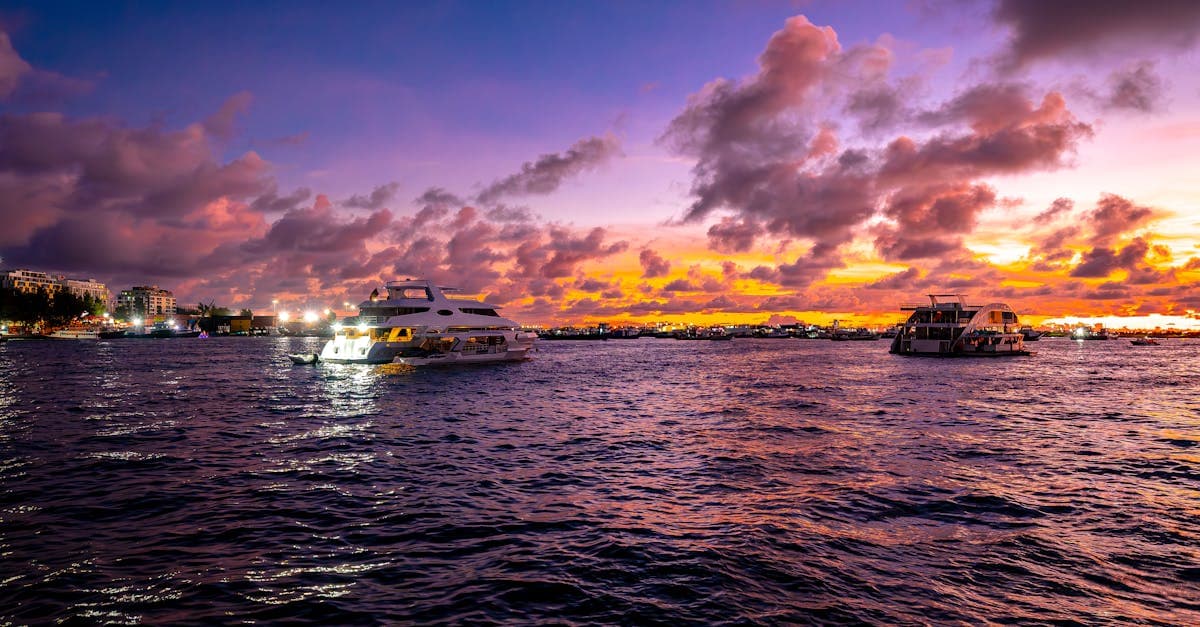
May is when prices fall hardest. Leisure demand drops sharply as the wet season begins, and resorts with January sold-out occupancy suddenly have availability to fill. Liveaboard diving operators reduce rates noticeably in the same window.
The cheapest stretch runs early May to early July. After that, UK school summer holiday demand erases much of the saving. A seven-night mid-range resort stay for two, excluding flights, costs roughly £2,100 to £4,900 in this shoulder period, against £4,900 to £17,500 at the luxury end during peak January. The scale of variation is not subtle.
October is the most intelligent value choice. The wet season is winding down, whale sharks remain active at South Ari Atoll, and prices haven't yet recovered to dry-season levels. It's the window that experienced Maldives travellers keep recommending to each other.
The budget route operates on different logic entirely. Local island guesthouses on Maafushi, Thulusdhoo and Dhigurah hold at around £80 to £150 per night year-round, a flat rate that seasonal resort pricing swings simply don't touch. The trade-off is experiential: an inhabited Maldivian community rather than a private sandbank, which suits some travellers considerably better than others.
For booking windows: dry-season travel rewards planning six to nine months ahead. Wet-season travel often yields last-minute discounts if you book eight to twelve weeks out, as resorts adjust rates to manage occupancy.

Every major UK carrier charges for roaming in the Maldives. EE, Vodafone, Three and O2 all exclude it from standard bundle allowances, so the daily rate flagged in the opening section applies from the moment your phone connects at Velana International Airport.
Resort Wi-Fi tells a familiar story. Five-star properties typically include basic connectivity but throttle bandwidth at overwater villas, where wireless infrastructure has to carry signal across open water. Most luxury resorts sell premium bandwidth upgrades separately, and the cost accumulates meaningfully across a week.
Two local networks cover the archipelago properly. Dhiraagu is dominant, reaching all inhabited islands with 4G LTE and 5G in Malé. Ooredoo Maldives provides solid secondary coverage across the capital and major atolls. Both sell physical SIM cards at Velana International Airport on arrival, which is straightforward with an unlocked handset.
An eSIM removes the airport queue entirely. Activated via QR code before leaving the UK, you're connected before the first speedboat transfer. Hello Roam offers eSIM data plans built specifically for UK travellers visiting the Maldives, activatable before departure with no physical card swap required.
One firm caveat for remote atoll bookings: Addu, Laamu and Raa Atolls rely on satellite internet at resorts, which is slower and less consistent than connections near Malé. Download offline maps, accommodation confirmations and transfer bookings before any seaplane leg.
February suits most visitors. It sits at the heart of the dry season with calm seas, minimal rainfall and the clearest reef visibility of the year, making it the standard recommendation for a honeymoon or a first trip.
But 'best' moves depending on what you're there to do.
November is the value pick: dry season re-establishing, lighter crowds, and prices not yet at peak. For whale sharks, June to August at South Ari Atoll is the concentrated season, despite falling squarely in the wet period. Manta rays at Baa Atoll run December to March, overlapping cleanly with dry-season conditions. Surfers should plan around May to September, when south-west swell activates the breaks at Sultans and Honky's.
UK families constrained to school timetables should look seriously at October half-term. Dry-season conditions are arriving, whale sharks are still in the water at South Ari, and prices haven't yet rebounded to Christmas-period levels.
For alternatives: when the Maldives is in wet season (May to September), Bali's dry season is at its peak and Thailand's Andaman coast follows the same November-to-April dry window. The Seychelles operates on a broadly similar two-season structure, though it leads on above-water biodiversity and granite island scenery where the Maldives leads on underwater visibility and concentrated marine life encounters.

February and March are the best months to visit the Maldives. Dry-season conditions are at their clearest, underwater visibility reaches 20 to 30 metres, sea temperatures peak at around 30°C, and Easter airfare premiums from London have not yet applied. November is also an excellent underrated option, with lighter resort occupancy and prices closer to shoulder rates.
The Maldives offers 26 coral atolls, over 1,000 islands, and exceptional year-round water temperatures of 28 to 31°C. It sits outside the Indian Ocean cyclone belt and provides world-class marine encounters including whale sharks and manta rays across most months of the year. The best conditions run from November to April during the north-east monsoon.
May to October, the wet season, offers the lowest prices in the Maldives. Resort prices at many properties drop 25 to 40 per cent below peak rates, and return flights from London can fall to around £380 to £600. October is particularly good value as conditions improve, whale sharks remain active, and there is no school-holiday price premium.
The rainy season runs from May to October, driven by Hulhangu, the south-west monsoon. Rain arrives in concentrated squalls that typically clear within the hour rather than lasting all day, and sunshine still averages five to seven hours daily. June and July are the wettest months, with rainfall reaching 200 to 300mm.
November to April is the best overall time to visit the Maldives. The north-east monsoon keeps rainfall below 80mm per month, seas calm, and skies largely clear. Temperatures hold at 29 to 31°C throughout this window with seven to nine hours of sunshine per day.
Yes, November is an excellent and often overlooked time to visit the Maldives. The dry season has just begun, resort occupancy is lighter than at Christmas, and prices sit closer to shoulder than peak rates. It offers one of the most financially sensible entry points for UK travellers who can avoid school holidays.
Whale sharks are most active from May to November at South Ari Atoll, drawn by plankton blooms driven by the south-west monsoon. Many resorts offer dedicated guided snorkelling excursions during this period. South Ari Atoll hosts whale sharks more consistently than almost anywhere else in the world.
Reef manta rays aggregate at Baa Atoll, a UNESCO Biosphere Reserve, from December to April. South Male Atoll hosts them from May to November. This complementary seasonal pattern means manta ray encounters are achievable in almost any month of the year.
January to April offers the best diving conditions in the Maldives, with underwater visibility reaching 20 to 30 metres at top reef sites. Seas are calm, water temperatures peak at around 30°C, and current disruption is minimal, making this the prime window for underwater photography.
Yes, bioluminescent plankton illuminates shallow lagoons with a blue-white glow from June to October. The phenomenon is caused by dinoflagellates and is only visible during the wet season months. On clear dark nights the effect is described as genuinely extraordinary and consistently surprises travellers.
Surfing season runs from April to October. The south-west monsoon generates the swell that activates breaks at Sultans, Honky's, and Cokes in the southern atolls. Wet weather and waves arrive together during this window.
No, the Maldives sits well outside the primary Indian Ocean cyclone belt and does not have a genuine cyclone season. Mauritius and Madagascar carry real cyclone risks, but the Maldives does not. This makes it a safer year-round destination than some other Indian Ocean islands.
Return flights from London Heathrow or Gatwick to Malé take around 10.5 to 11 hours and range from approximately £380 to £600 during the low season and £700 to £1,200 during peak periods such as December and January. No airline operates a direct service; flights route via Dubai on Emirates, Doha on Qatar Airways, or Colombo on SriLankan Airlines.
Major UK carriers including EE, Vodafone, Three, and O2 exclude the Maldives from standard roaming bundles. EE charges around £6 per day for data roaming there, and resort WiFi at many luxury properties costs an additional $10 to $30 per day. A local Maldivian eSIM can cut this cost substantially.
UK families are typically limited to July, August, and school holidays, but July and August are the wettest months and carry a school-holiday price premium. October half-term is the most underrated option, with improving wet-season conditions, active whale sharks, and pricing typically 20 to 30 per cent below December peak rates.
HelloRoam: your trusted travel eSIM that keeps you online across borders.
Explore Plans