Things to Do in Japan: the Essential Guide for Canadian Travellers in 2026

Written by: Sarah Mitchell


16 min read
HelloRoam is a global eSIM provider offering instant mobile data in 170+ countries. Buy prepaid travel eSIM plans with no roaming fees, no contracts, and instant activation on any eSIM-compatible device.
16 min read
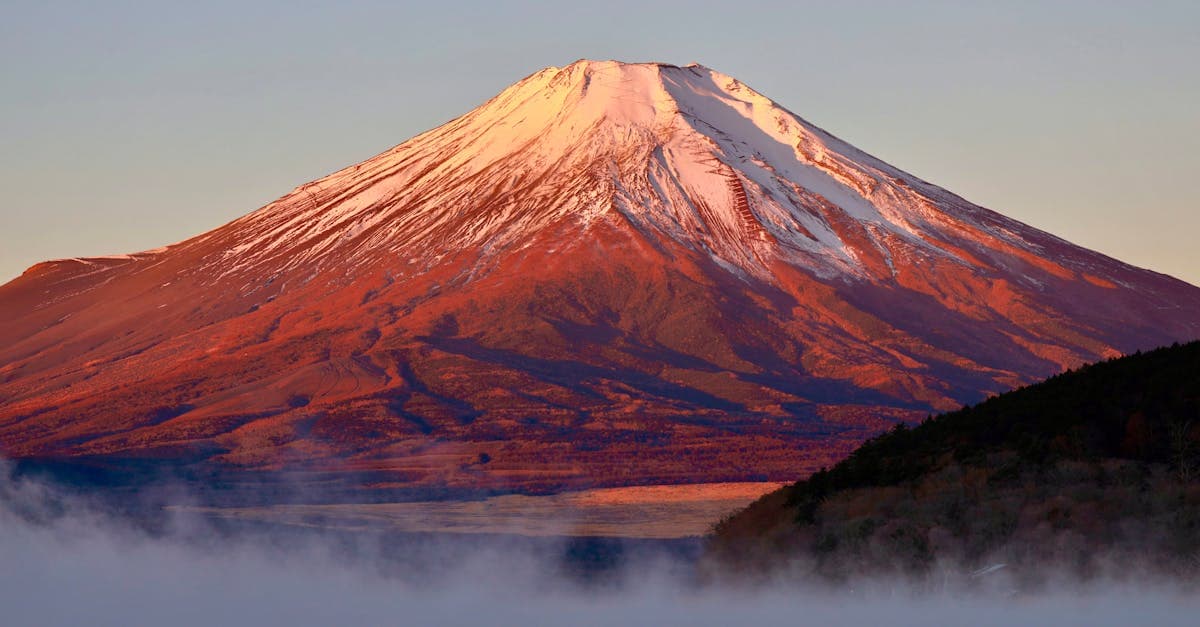
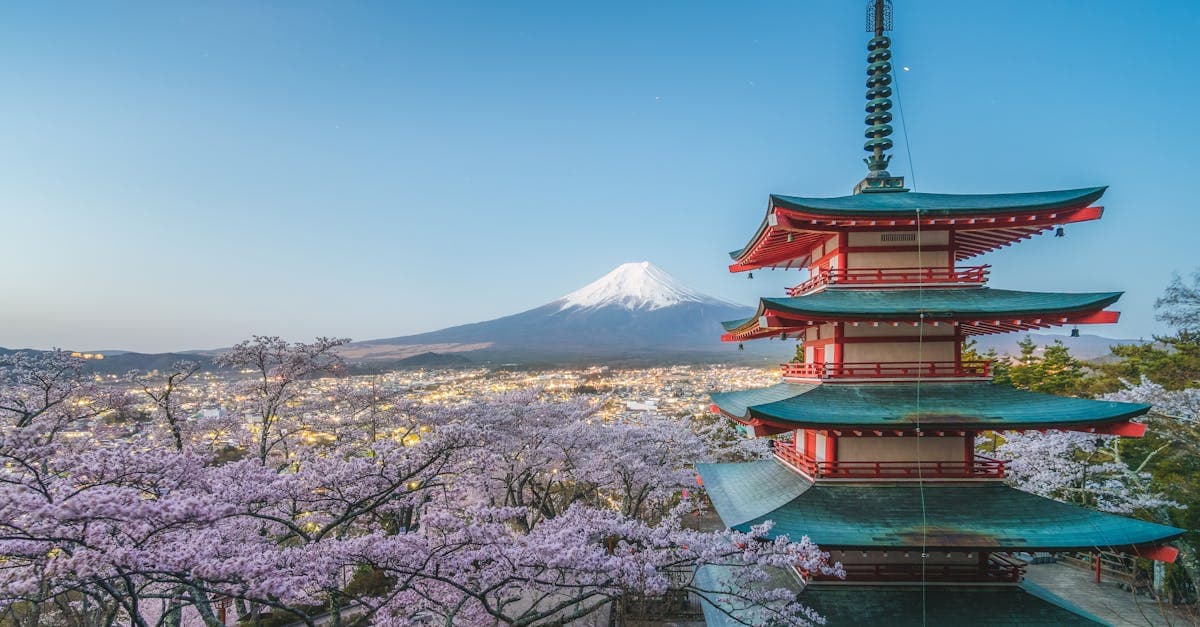
According to japan.travel, Japan's highest peak, Mount Fuji, rises to 3,776 metres above a plateau in Yamanashi Prefecture that holds some of the country's most photographed viewpoints. From the north shore of Lake Kawaguchi, the Chureito Pagoda frames the mountain in a layered composition of vermilion and stone. Autumn delivers the strongest contrast, with red maple foliage set against the volcanic cone. Winter strips the colour and brings the snowcap into sharp relief. Trains on the Chuo Line run from Shinjuku to Otsuki, where a transfer to the Fujikyu Railway completes the journey in roughly two hours. Highway buses from Shinjuku cover the same route directly, and are typically cheaper.
Okinawa's Kerama National Park is 30 to 60 minutes by regular ferry from Tomari Port in Naha, depending on the island. The water clears to 40 metres, and Kerama spotted sea turtles are reliably present from April through October, according to worldadventuredivers.com. Most inhabited islands allow shore snorkelling without a guided tour.
Ishigaki Island, reached by a 2.5-hour direct flight from Tokyo to New Ishigaki Airport, is the gateway to Manta Scramble, where manta rays gather in the currents from October through June, as worldadventuredivers.com reports. Dive certification gives the best access; guided snorkel tours operate during peak sighting windows for uncertified visitors. Further west, Yonaguni Island has an underwater rock formation at 25 metres that remains the subject of genuine academic disagreement: geologists and archaeologists still dispute whether it's a naturally eroded shelf or a constructed site. Guided dive tours depart from Yonaguni town year-round.
On the Izu Peninsula, Atami and Ito offer coastal ryokan with open-air baths overlooking the Pacific. Shuzenji, deeper into the cedar forest, runs quieter and more traditional. The etiquette holds everywhere: rinse before entering the bath, keep the small towel out of the water, keep conversation low. Many facilities post tattoo restrictions, so checking in advance avoids a wasted trip.
As timetravelturtle.com highlights, Jigokudani Monkey Park in Nagano draws wild Japanese macaques into a natural hot spring, framed by snow from December through March. Yudanaka Station connects to Nagano City in about 45 minutes. The park pairs logically with Matsumoto Castle or Hakuba ski terrain on a northern circuit. The Okinawa cluster, including Kerama, Ishigaki, and Yonaguni, is logistically a separate southern trip rather than a side detour from the main island.
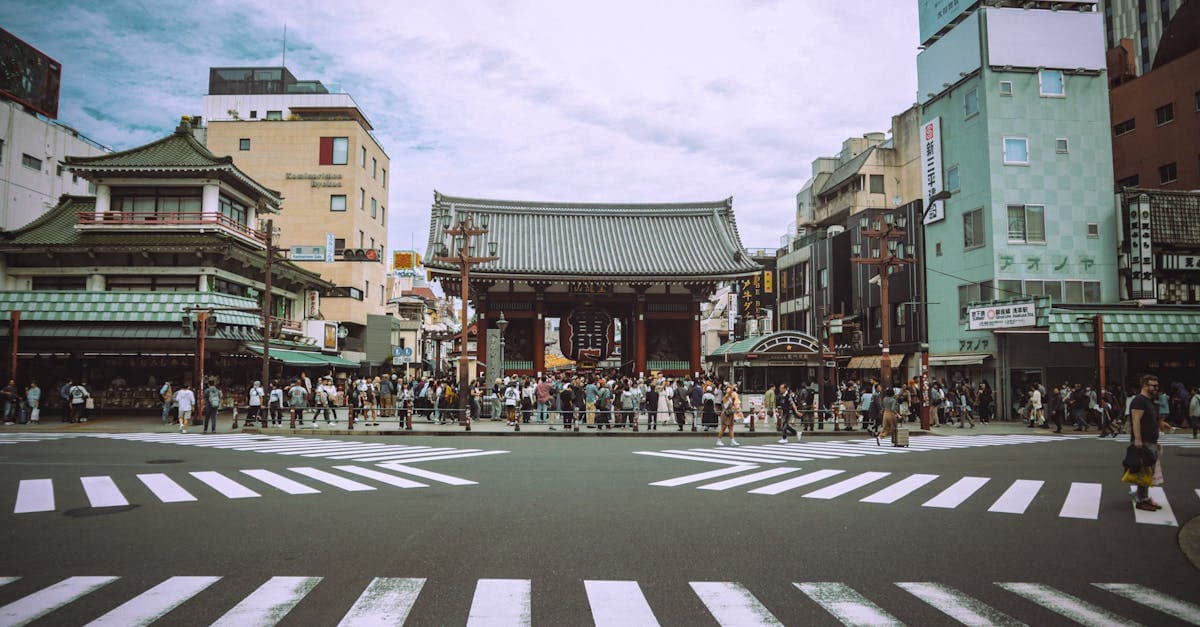
Booking around Japan's hanami season takes significantly more lead time than most trips. The Japan Meteorological Corporation releases its annual sakura forecast each February, and flights and accommodation for late March to early April fill quickly. Canadian travellers should aim to book 6 to 8 months ahead for that window. Top viewing spots include Maruyama Park in Kyoto, Shinjuku Gyoen in Tokyo, and Hirosaki Castle in Aomori, where the bloom runs slightly later than in the south.
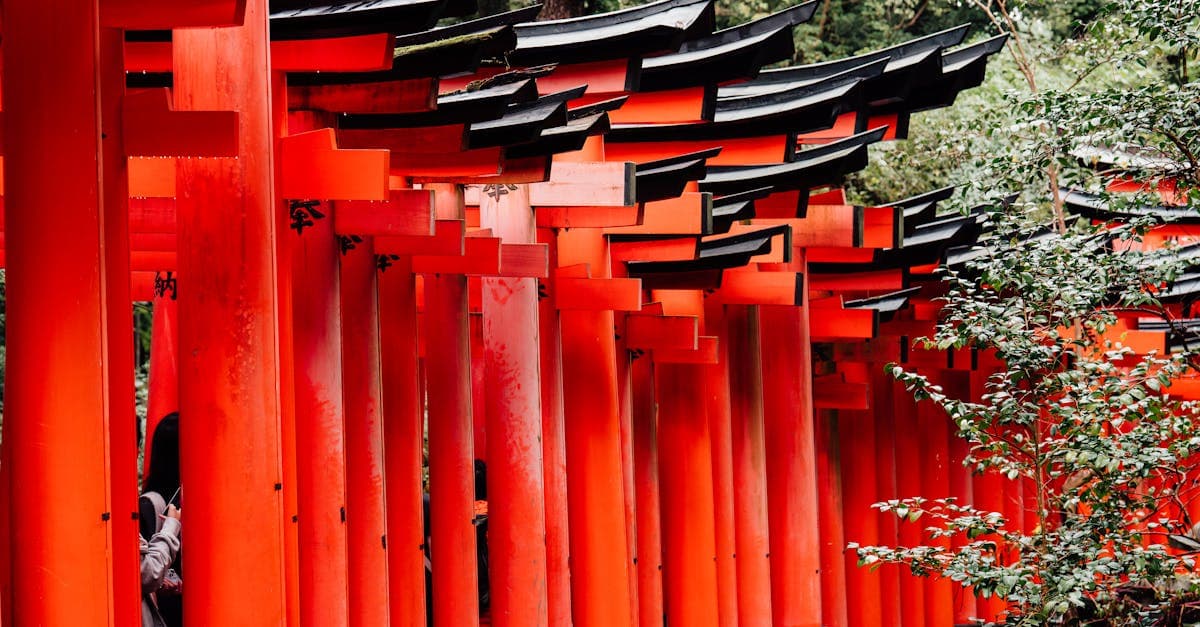
According to budgettraveller.org, kimono rental in Kyoto costs 2,000 to 4,000 yen, dressing assistance included. Shops cluster near Fushimi Inari, Kinkaku-ji, and throughout the Gion district. The wooden geta sandals are part of the experience but slow considerably on stone temple paths; most shops offer a fabric-soled substitute on request. On temple grounds, avoid bold prints and move quietly through the inner precincts.
Autumn foliage at Nikko peaks between late October and mid-November, when the carved wooden gate of Tosho-gu Shrine stands against a canopy of red maple. The Tobu Nikko Line runs from Asakusa in about two hours, making this a reasonable day trip from Tokyo. Weekday visits are noticeably less crowded during peak foliage.
According to travelbabbo.com, teamLab Borderless relocated to Azabudai Hills in 2024. Advance ticket purchase is essential: the museum sells out weeks ahead during peak periods. Plan on 90 minutes to two hours for the visit. The experience is genuinely distinctive, particularly the projection rooms that respond to movement.
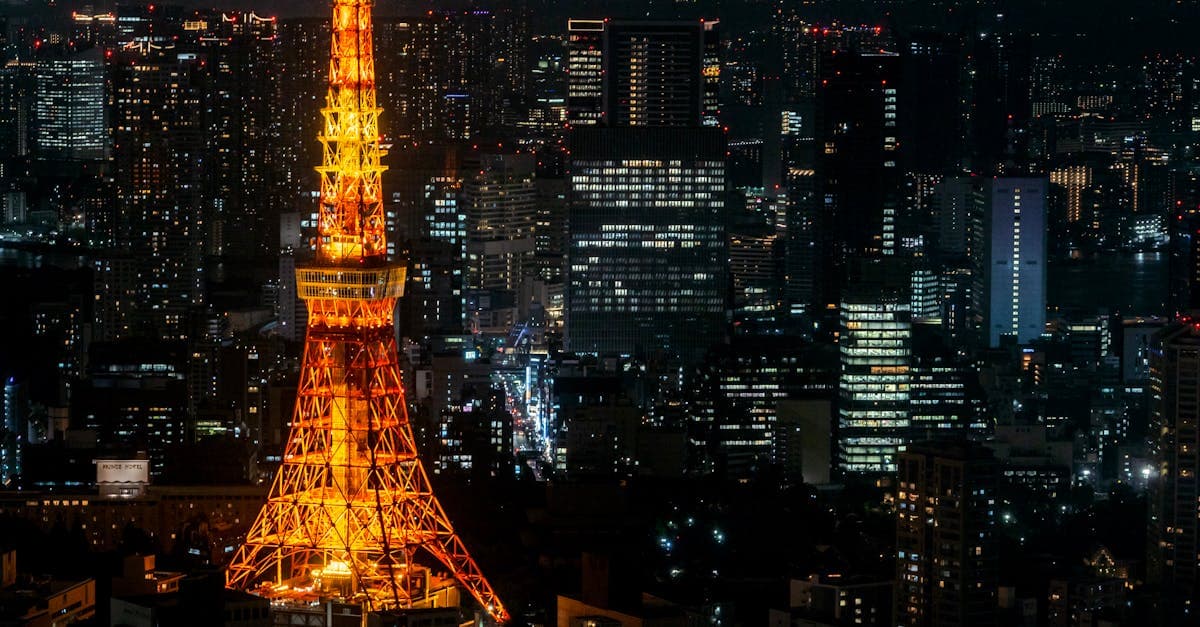
For skyline views, Tokyo Skytree's observation decks at 350 and 450 metres offer ticketed perspectives over Tokyo Bay, according to japan.travel. The observation deck at Tokyo Metropolitan Government Building in Shinjuku is free and covers the western cityscape at comparable height. Both reward clear winter afternoons.
According to budgettraveller.org, Akihabara's maid cafes charge around 1,000 yen per drink plus a cover charge for short theatrical performances. The district also covers serious electronics retail, multi-floor retro game arcades, and anime merchandise. It fills a half-day comfortably if electronics or Japanese pop culture figure in your interests.
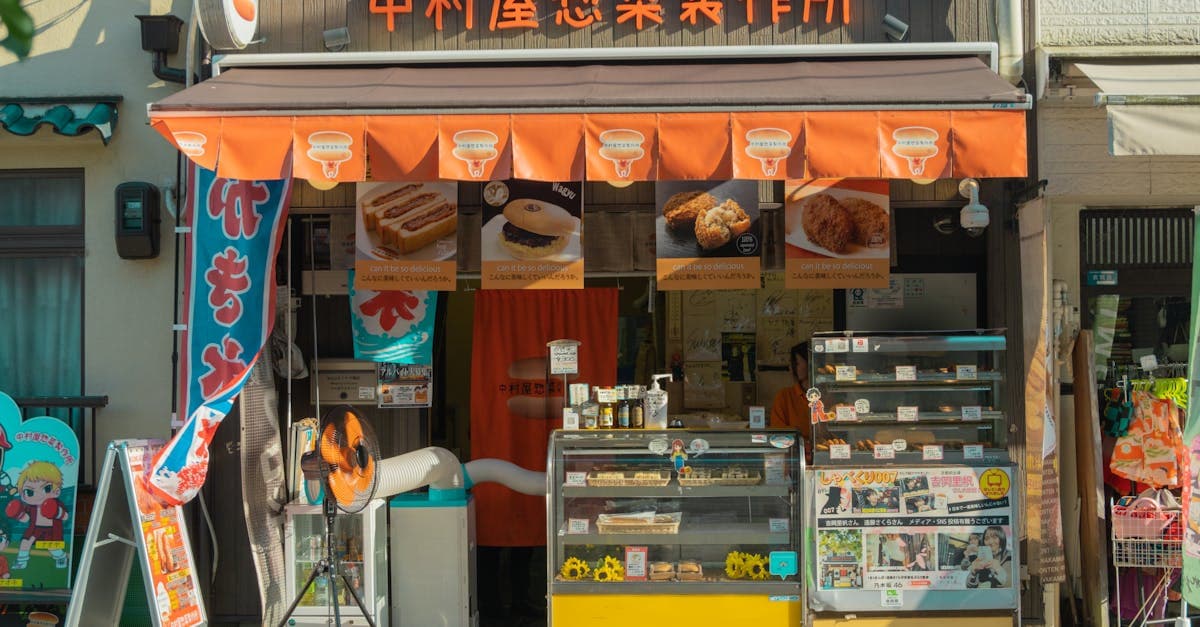
As budgettraveller.org notes, conveyor belt sushi chains serve plates from 100 to 500 yen across Japan's cities and transit hubs. Sushiro, Kura Sushi, and Hamazushi are the largest networks. Tableside touchscreens accept orders in English and Chinese, reducing the language barrier considerably. Plates ordered digitally arrive through a covered lane separate from the ambient belt, so freshness is consistent.
Miyako Island's Yonaha Maehama beach runs 7 kilometres along shallow turquoise water. Year-round flights connect Tokyo Haneda directly to the island, with connections through Naha also available. Accommodation ranges from small guesthouses to resort hotels, and the beach itself is free to access. For context: Kerama suits snorkellers and nature travellers inside a protected marine park; Miyako suits beach relaxation and water sports including kitesurfing and paddleboarding.
Tokyo, Kyoto, and Osaka all have short-term language schools offering intensive programmes of one to four weeks. Courses typically target JLPT N5 (basic conversational Japanese) and often pair morning classes with afternoon neighbourhood sessions. The format works well for remote workers on an extended stay who want something more structured than independent exploration.
Several things to do in Japan reward extra planning beyond the main circuit. According to timetravelturtle.com, Matsushima in Miyagi Prefecture is one of Japan's three canonical scenic views, accessible by short cruise from Matsushima-Kaigan Station. Yamagata's Dewa Sanzan covers a three-mountain Shinto pilgrimage complex. Shikoku's 88-temple circuit is Japan's most famous multi-day pilgrimage route, as timetravelturtle.com notes. Kyushu pairs the geothermal onsen city of Beppu with Aso Caldera, one of the largest volcanic craters in the world, accessible by road from Kumamoto.
Japan ranks consistently among the safest destinations for solo female travellers by most international assessments, according to japan.travel. Women-only train carriages operate during rush hours on major urban lines. Many business hotel chains maintain women-only floors as standard. Solo counter dining is culturally unremarkable across Japan.
Three options cover data connectivity in Japan for Canadian travellers: carrier roaming, pocket WiFi rental, and eSIM. Arranging this before departure is practical, since the stretch between clearing customs at Narita (NRT) or Haneda (HND) and reaching your platform runs 30 to 45 minutes. Signage is unfamiliar, rail connections need confirming, and ticket machines don't always default to English. Kansai International (KIX) presents the same situation on arrival to Osaka or Kyoto.
Roaming through Rogers, Bell, or Telus in Japan runs C$10 to C$20 per day on standard travel add-ons. Over two weeks, that's C$140 to C$280 in carrier charges. Freedom Mobile customers should confirm Japan coverage well before departure; the base plans often exclude it, and the add-on must be purchased in advance.
Three independent options exist for connectivity in Japan:
On the Shinkansen, cellular signals drop briefly in mountain tunnels and through longer rural stretches. Downloading offline maps via Google Maps or the Japan Official Travel App before boarding removes that gap. It's a five-minute step that prevents a frustrating one.
Suica and Pasmo IC cards handle transit fares and convenience store payments without any data connection. QR-code payment apps like PayPay and LINE Pay require a live data connection to generate and confirm codes. Japan's main cellular networks are NTT Docomo, SoftBank, and au (KDDI). For Canadian travellers who prefer to activate coverage before clearing customs, Hello Roam's eSIM for Canada covers Japan among 190+ destinations, with activation completed on a compatible device in a few minutes.
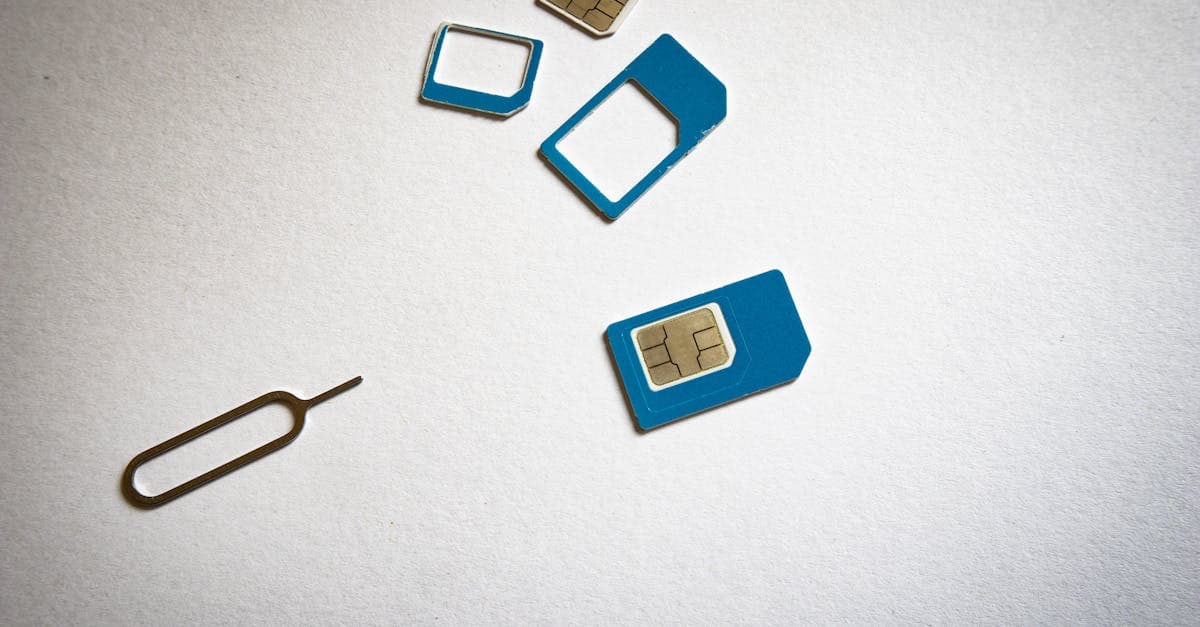
Japan offers three workable data options from arrival, each suited to a different traveller type.
Pocket WiFi rentals are available at airport counters in Narita, Haneda, and Kansai arrivals zones, with pre-order delivery to your hotel as an alternative. Daily rates run 300 to 600 yen, and one device shares a connection with up to five companions. The practical downside is a second battery to charge each evening; a dead unit disconnects the entire group simultaneously.
Physical SIM cards from NTT Docomo, SoftBank, au (KDDI), IIJ, and Rakuten Mobile are sold at airport vending machines and at retailers such as Yodobashi Camera. Tourist data-only cards run from around 1,500 yen for 3 GB to roughly 3,500 yen for 20 GB over 30 days. Voice calling is typically excluded, which suits most short-stay visitors who rely on messaging apps.
eSIM is the lightest option for anyone with a compatible unlocked phone. The format works on iPhone XS and later, Google Pixel 3 and later, and Samsung Galaxy S20 and later. Given the eSIM compatibility rate among Canadian travellers noted in the previous section, most people on this trip already carry a suitable device. A Japan eSIM for 10 GB over 15 days typically costs C$20 to C$35, considerably less than the carrier roaming costs covered earlier. Hello Roam's Japan plans run on NTT Docomo and SoftBank networks, reaching rural prefectures including Tohoku and Kyushu, which matters if your route extends beyond the standard Tokyo-to-Osaka corridor.
Groups sharing data, or anyone travelling with a carrier-locked handset, will find pocket WiFi the more practical choice. Solo travellers with a recent unlocked phone will typically find eSIM both cheaper and simpler.
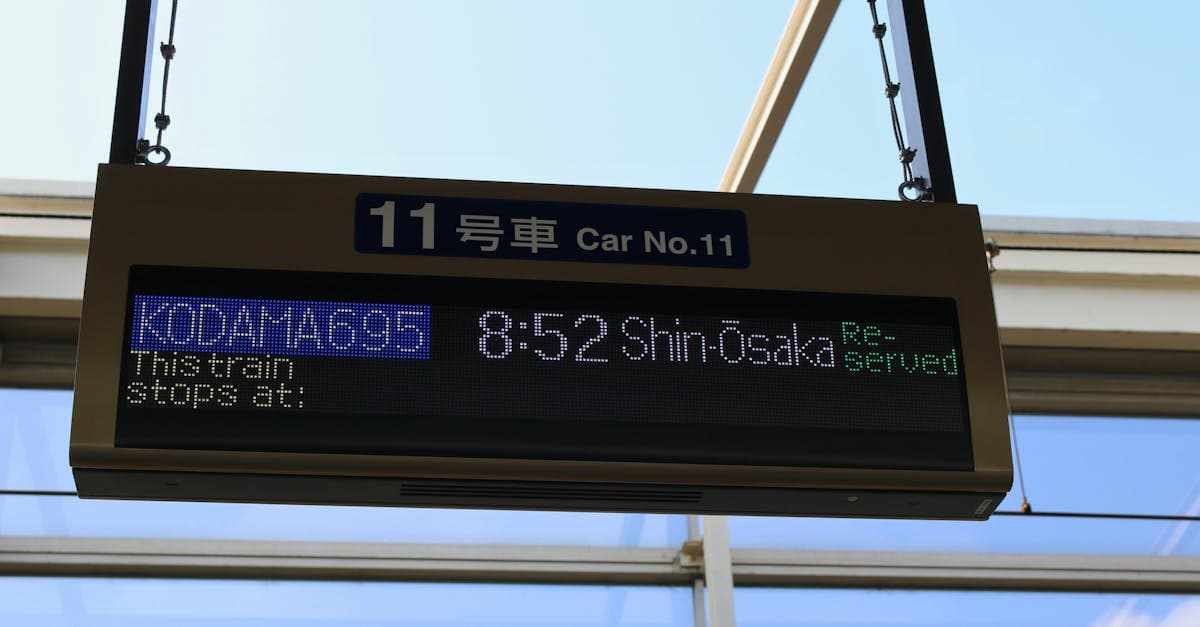
Cherry blossom season operates on its own supply logic. The Japan Meteorological Corporation releases its sakura forecast in February, after which flights from YYZ, YVR, YUL, and YYC and accommodation for the late-March to early-April window fill quickly. Book both simultaneously, 6 to 8 months in advance.
Autumn foliage, running late October through mid-November, receives less international coverage than Hanami, but domestic demand nearly matches the spring rush. Accommodation in Kyoto and Nikko during peak colour is as hard to secure as during cherry blossom season.
Three shoulder windows provide genuine value. June brings 30 to 40 percent fewer foreign visitors during the rainy season, and queues at major sites thin accordingly. September is quiet post-Obon, with comfortable temperatures and realistic room availability. February is Sapporo Snow Festival time in Hokkaido, but travellers focused on Kyoto or Tokyo will find both cities quieter and cheaper.
At Narita or Haneda, IC card machines are in the international arrivals zone before the rail platforms. Connectivity via eSIM can be active before you clear customs, as covered in the previous section. For cash, 7-Eleven ATMs accept foreign Visa, Mastercard, and Maestro cards for yen withdrawals. Load a Suica or Pasmo at airport machines using Visa or Mastercard; that covers transit and most convenience stores.
Major stations and tourist sites have elevators and tactile paving. Older ryokan, rural temples, and mountain trails present more challenges for travellers with mobility considerations. JR Pass purchases are available through accessible booking platforms.
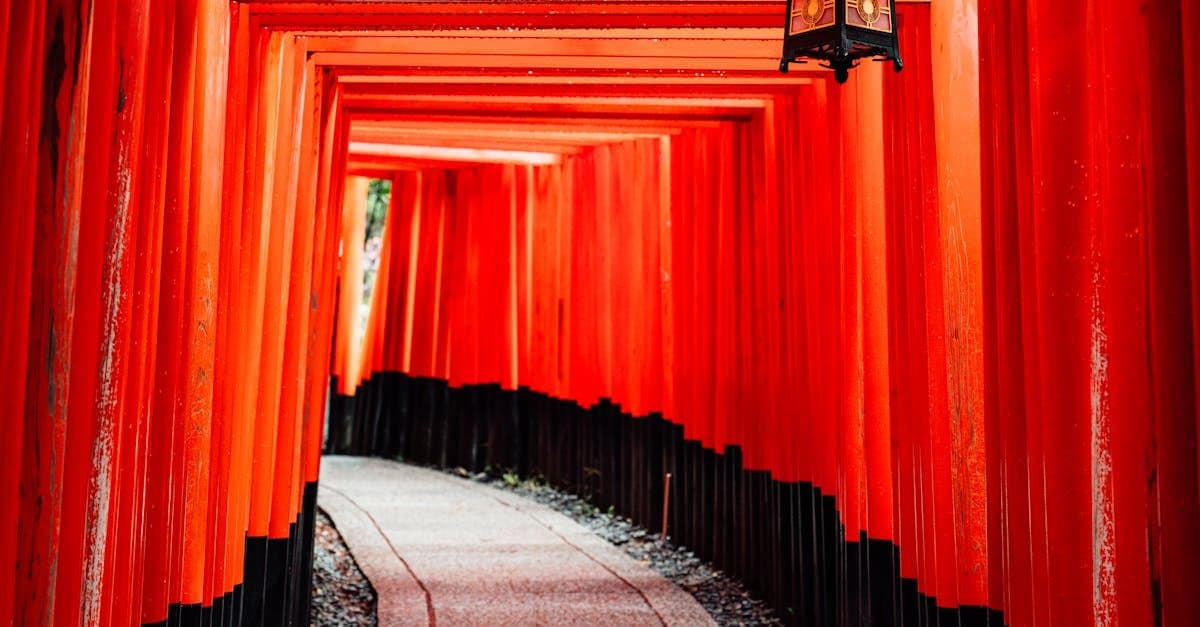
Seven days is enough for a substantial first encounter with Japan, provided you keep the geography sensible.
Days 1 to 3 in central Tokyo cover Shinjuku, Shibuya, Akihabara, and the Tsukiji outer market. Day 4 works well as a day trip to Nikko or Kamakura. Day 5 in Hakone gives access to Mount Fuji views and onsen. Days 6 and 7 on the Shinkansen to Kyoto allow time for Fushimi Inari and Gion.
The 10-day Golden Route extends the above plan by adding Osaka (Dotonbori and Kuromon Market) and Nara (Todai-ji Temple and the free-roaming deer park) before looping back to Tokyo for departure. Both additions connect cleanly by rail.
Fourteen days allows a regional extension. Okinawa is roughly a 2-hour domestic flight from Osaka or Tokyo, suited to beach-focused travellers. Nagano is 3 hours by Shinkansen from Tokyo, with Jigokudani Monkey Park accessible by local bus. Kyushu, reachable by Shinkansen from Osaka, adds onsen towns and active volcanic terrain.
Remote workers are increasingly using Tokyo as a base rather than a transit point, settling in a neighbourhood such as Shimokitazawa or Yanaka and making day trips between co-working sessions rather than moving hotels every two nights.
Two dates to treat as near-blackouts: Golden Week (late April to early May) and Obon (mid-August). These domestic travel peaks demand the same advance booking urgency as cherry blossom season. Structure your itinerary around them or plan for the constraints.
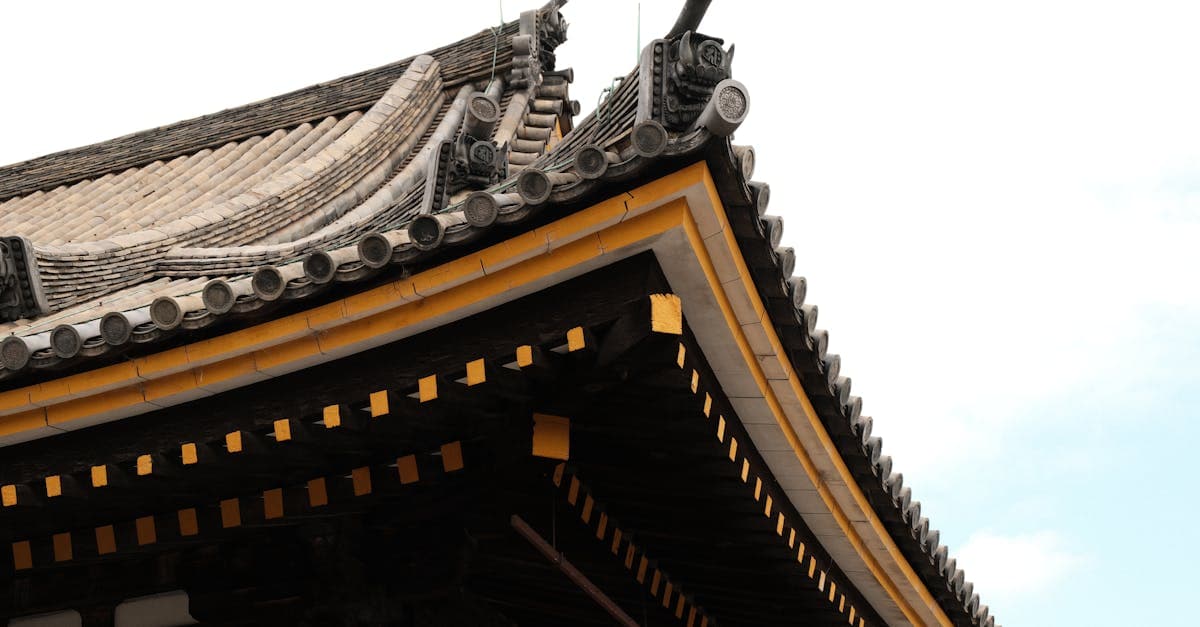
According to timetravelturtle.com, Kyoto, Tokyo, Mount Fuji, and Okinawa appear on nearly every recommended list, and for good reason. But the most satisfying things to do in Japan depend heavily on travel style, and the country's range is genuinely unusual.
By interest: outdoor travellers gravitate toward Mount Fuji, Okinawa's diving, and Jigokudani's snow monkeys. Culture-seekers favour Kyoto's temple circuits, Hanami, Nikko, and teamLab's digital art installations. Food travellers prioritize kaiten sushi, Osaka's Dotonbori, and Nishiki Market in central Kyoto. Urban explorers find their draw in Akihabara, Shibuya, and Shinjuku.
Three activities most itineraries overlook: attending a sumo morning practice (keiko) at a Tokyo stable, typically free of charge with a polite advance request; cycling the Shimanami Kaido, which crosses the Seto Inland Sea between Hiroshima and Ehime prefectures via a series of suspension bridges, according to japan.travel; and visiting a traditional sake brewery in Nada (near Kobe) or Fushimi (south of Kyoto), where production runs during the colder months.
Seasonally: summer evenings bring hanabi (fireworks festivals), with Sumida River in Tokyo among the most attended. Hokkaido and Nagano ski resorts operate from December through March. August's Awa Odori dance festival in Tokushima runs four days and draws visitors from across Japan.
First-timers with 9 or 10 days should consider 2 to 3 days in Tokyo, 2 in Kyoto, and one natural or regional experience. That combination consistently delivers the widest variety without a punishing pace.
C$5,000 covers a two-week trip from Canada to Japan comfortably, including economy return airfare, mid-range accommodation, daily meals, rail travel, and the main paid attractions. Tight, not luxurious, but entirely achievable with a bit of planning.
The arithmetic is fairly precise. A return economy flight from YYZ or YVR runs C$1,200 to C$1,800 depending on the season. Fourteen nights in mid-range business hotels or guesthouses typically costs C$1,400 to C$1,600. Meals mixing sit-down restaurants with convenience store stops run C$40 to C$70 per day. A 7-day JR Pass runs C$450 to C$500, and combined museum, garden, and shrine entry fees land around C$300 to C$400. Low-end totals sit near C$3,910; high-end approaches C$5,280 before incidentals.
Cherry blossom season adds 30 to 50 percent to accommodation rates in Kyoto and Tokyo, which can push that ceiling uncomfortably close. A domestic flight to Okinawa adds C$100 to C$250 return, and organized diving or guided day tours run C$80 to C$200 per day.
Capsule hotels and budget guesthouses bring the nightly cost to C$40 to C$60. Convenience store meals at 7-Eleven, Lawson, or FamilyMart run C$5 to C$12 and are genuinely well-made. The observation deck at Tokyo's Metropolitan Government Building is free, as are most temple precincts outside major festival periods.
Travel outside Golden Week and cherry blossom season, split nights between business hotels and capsule accommodation, and C$5,000 leaves comfortable room for a couple of splurge dinners.
If flights and a rail pass are covered separately, C$1,000 for one week on the ground in Japan is realistic. It requires deliberate choices at every turn, but the core experience stays intact.
The daily envelope works out to roughly C$140. Capsule hotels or budget guesthouses run C$40 to C$60 per night (the same nightly range as the two-week budget above). Three meals from convenience stores, ramen shops, or gyudon chains cost C$25 to C$40. IC card transit within a single city such as Tokyo or Kyoto adds C$10 to C$20. One paid attraction per day averages another C$10 to C$20.
At that pace, C$1,000 covers seven nights, all meals at the budget tier, IC card transit within your base city, and a solid mix of free things to do in Japan: public parks, temple precincts, neighbourhood walks, and the free observation decks noted in the budget section above.
What it doesn't cover: return airfare, a 7-day JR Pass, Shinkansen day trips outside your base city, guided activity days, or teamLab Borderless entry (approximately C$35 to C$45 CAD at current exchange rates).
The distinction matters: C$1,000 per week is a floor, not a ceiling. Stretching to C$1,200 or C$1,400 opens at least one regional Shinkansen day trip without straining the rest of the budget.
Hara Hachi Bu, a Confucian principle observed widely in Okinawa, translates roughly to "eat until 80 percent full." That's the practice most commonly described as the 80 percent rule in Japan. Researchers Craig and Bradley Willcox documented it among elderly Okinawans as part of the Blue Zone longevity studies, citing it as a contributing factor to the region's historically high centenarian rate.
In practical terms for travellers, Japanese portion sizes in traditional settings are smaller than most Canadians expect. A kaiseki dinner unfolds across eight or ten modest courses; an izakaya meal arrives as a procession of small plates rather than one large main. Full satisfaction comes gradually, not all at once. That structure aligns naturally with the Hara Hachi Bu approach without anyone announcing it at the table.
Beyond the dining room, the term gets applied informally to the broader Japanese preference for restraint in public life: speaking quietly on trains, not eating while walking, not pressing to the front of queues. It's a useful frame for understanding why certain public spaces in Japan feel distinctly unhurried rather than simply quiet.
For Canadians visiting rural areas or booking at traditional inns (ryokan) and kaiseki restaurants, the practical note is to let the courses arrive rather than ordering everything at once. The chef controls the pace and the portioning. Understanding that rhythm early in a trip makes the experience considerably more comfortable, especially in settings where menus aren't in English and the sequence of dishes isn't negotiable.

A C$5,000 budget is generally workable for a two-week trip to Japan from Canada. Connectivity costs can be kept low — a Japan eSIM for 10 GB over 15 days typically costs C$20 to C$35, versus C$140 to C$280 in carrier roaming charges. Visiting during shoulder periods such as June, September, or February reduces accommodation costs and competition for bookings.
Japan has historically been a cash-reliant society, and many smaller establishments still prefer or require yen. The article notes that Suica and Pasmo IC cards handle transit fares and convenience store payments without a data connection, and that 7-Eleven ATMs in Japan accept foreign Visa, Mastercard, and Maestro cards for cash withdrawal. Carrying some cash is advisable alongside card and IC card options.
Top experiences include climbing or viewing Mount Fuji from Lake Kawaguchi, snorkelling with sea turtles in Okinawa's Kerama National Park, watching manta rays near Ishigaki Island, soaking in open-air onsen on the Izu Peninsula, viewing cherry blossoms at Maruyama Park or Shinjuku Gyoen, wearing a rented kimono in Kyoto's Gion district, and visiting teamLab Borderless at Azabudai Hills in Tokyo. Autumn foliage at Nikko and the Jigokudani snow monkey hot spring in Nagano are also widely recommended.
C$1,000 for one week in Japan is tight but possible if flights and accommodation are already covered separately. Conveyor belt sushi plates run 100 to 500 yen, kimono rental costs 2,000 to 4,000 yen, and a Japan eSIM for connectivity costs C$20 to C$35. Shoulder season months — June, September, or February — offer lower accommodation rates and fewer crowds at major sites.
Trains on the Chuo Line run from Shinjuku to Otsuki, where a transfer to the Fujikyu Railway completes the journey to the Mount Fuji area in roughly two hours. Highway buses from Shinjuku cover the same route directly and are typically cheaper. The north shore of Lake Kawaguchi offers the most photographed viewpoints, including the Chureito Pagoda framing the mountain.
Cherry blossom season peaks from late March to early April. The Japan Meteorological Corporation releases its annual sakura forecast each February, after which flights and accommodation fill quickly. Canadian travellers should book flights and accommodation simultaneously, 6 to 8 months in advance. Top viewing spots include Maruyama Park in Kyoto, Shinjuku Gyoen in Tokyo, and Hirosaki Castle in Aomori, where the bloom runs slightly later than in the south.
Three main options exist: carrier roaming through Rogers, Bell, or Telus at C$10 to C$20 per day; pocket WiFi rental at airport counters for 300 to 600 yen per day; and eSIM, which activates digitally before departure with no hardware swap needed. Freedom Mobile customers should confirm Japan coverage well before departure, as base plans often exclude it and the add-on must be purchased in advance.
An eSIM is a digital SIM that activates on your phone before departure without requiring a physical SIM card swap. It works on iPhone XS and later, Google Pixel 3 and later, and Samsung Galaxy S20 and later — covering approximately 77% of Canadian phones currently in use. A Japan eSIM for 10 GB over 15 days typically costs C$20 to C$35, and some providers run on NTT Docomo and SoftBank networks, reaching rural prefectures beyond the standard Tokyo-to-Osaka corridor.
eSIM is the lighter, cheaper option for solo travellers with a compatible unlocked phone, costing C$20 to C$35 for 10 GB over 15 days. Pocket WiFi connects up to five devices on one unit, making it more practical for groups, but requires an extra battery to charge each evening and disconnects the whole group if the unit dies. Anyone with a carrier-locked handset should use pocket WiFi, as eSIM requires an unlocked device.
Most Canadian phones sold after 2019 are unlocked by regulation and can accept a physical tourist SIM from Japanese providers such as NTT Docomo, SoftBank, au (KDDI), IIJ, or Rakuten Mobile. Tourist data-only SIM cards run from around 1,500 yen for 3 GB to roughly 3,500 yen for 20 GB over 30 days, and voice calling is typically excluded. These are sold at airport vending machines and retailers such as Yodobashi Camera.
Suica and Pasmo IC cards handle transit fares and convenience store payments across Japan without any data connection. IC card machines are located in the international arrivals zone at Narita and Haneda airports, before the rail platforms. QR-code payment apps like PayPay and LINE Pay also work but require a live data connection to generate and confirm codes.
Autumn foliage peaks between late October and mid-November. Nikko is a highlight during this period, when the carved wooden gate of Tosho-gu Shrine stands against a canopy of red maple; the Tobu Nikko Line runs from Asakusa in about two hours. Domestic demand for Kyoto and Nikko accommodation during peak colour nearly matches cherry blossom season, so early booking is advisable.
Three shoulder windows provide genuine value: June during the rainy season brings 30 to 40 percent fewer foreign visitors and thinner queues at major sites; September post-Obon offers comfortable temperatures and realistic room availability; and February suits travellers focused on Tokyo or Kyoto, where both cities are quieter and cheaper while Sapporo hosts its Snow Festival.
Kimono rental in Kyoto costs 2,000 to 4,000 yen, with dressing assistance included. Shops cluster near Fushimi Inari, Kinkaku-ji, and throughout the Gion district. The wooden geta sandals are part of the experience but slow considerably on stone temple paths; most shops offer a fabric-soled substitute on request.
Manta Scramble near Ishigaki Island is the main site, where manta rays gather in the currents from October through June. Ishigaki is reached by a 2.5-hour direct flight from Tokyo to New Ishigaki Airport. Dive certification gives the best access; guided snorkel tours operate during peak sighting windows for uncertified visitors.
Japan ranks consistently among the safest destinations for solo female travellers by most international assessments. Women-only train carriages operate during rush hours on major urban lines, many business hotel chains maintain women-only floors as standard, and solo counter dining is culturally unremarkable across Japan.
Miyako Island's Yonaha Maehama beach runs 7 kilometres along shallow turquoise water, with year-round direct flights from Tokyo Haneda. Okinawa's Kerama National Park suits snorkellers and nature travellers inside a protected marine park, with water visibility reaching 40 metres and sea turtles present from April through October. Miyako is better suited to beach relaxation and water sports including kitesurfing and paddleboarding.
Japan remains heavily cash-oriented, and the article recommends carrying yen. 7-Eleven ATMs accept foreign Visa, Mastercard, and Maestro cards for cash withdrawal at arrival airports. Suica and Pasmo IC cards handle transit fares and convenience store payments without a data connection, while QR-code apps like PayPay require a live data connection to operate.
HelloRoam: your trusted travel eSIM that keeps you online across borders.
Explore Plans