Is Bali Safe for Australian Tourists in 2026? Honest Guide

Written by: Sarah Mitchell


14 min read
HelloRoam is a global eSIM provider offering instant mobile data in 170+ countries. Buy prepaid travel eSIM plans with no roaming fees, no contracts, and instant activation on any eSIM-compatible device.
14 min read
Bali is safe for most Australians who approach it sensibly. According to smartraveller.gov.au, DFAT rates Indonesia at Level 2: 'exercise a high degree of caution'. That same classification applies to dozens of popular destinations Australians visit each year without giving it a second thought.
The main hazards are predictable: road accidents, petty theft, food safety, and Indonesia's drug laws. Understanding them before you land removes most of the risk. Bali is not a 'do not travel' destination. It's not even close to one.
One pre-trip step that pays off immediately: reliable mobile data before you clear customs. Offline maps, emergency contacts, and real-time safety alerts all depend on a live connection. Hello Roam's eSIM for Australia covers Bali and the wider Indonesian network from ~A$15, with activation available before your flight departs.
Bali draws more Australians than any other destination in Asia. That track record matters.
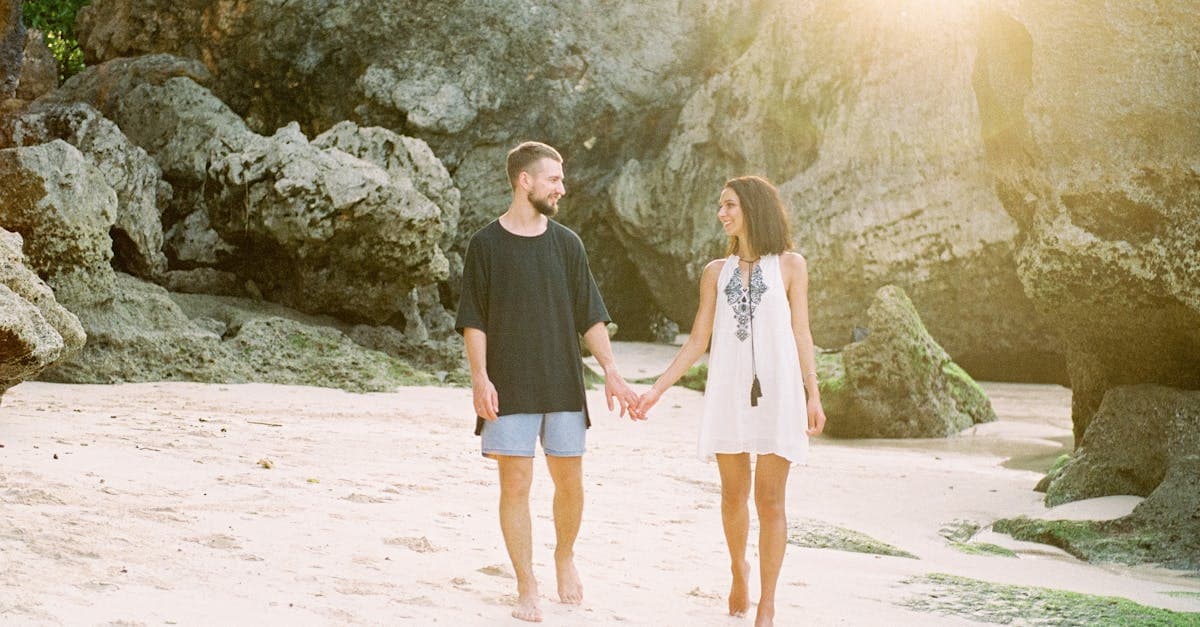
According to theworldtravelguy.com, millions of Australians land in Bali every year and return home without serious incident. The destination gets an undeserved reputation from second-hand accounts and headlines that don't reflect conditions on the ground. In terms of DFAT's formal assessment, Indonesia sits at Level 2: 'exercise a high degree of caution'.
That sounds ominous until you see the company it keeps. France carries the same classification. So does the United States. Level 2 signals a need for awareness, not an active emergency or elevated threat to the Bali tourist corridor. It's a baseline that millions of Australians travel within each year.
The elevated-risk zones within Indonesia are specific and named: Poso in central Sulawesi, and Papua. Both are a long way from any standard Bali itinerary. Kuta, Seminyak, Canggu, Ubud, and Nusa Dua all sit outside any DFAT heightened-alert zone as of 2026.
Around 1.3 to 1.5 million Australians travel to Bali each year. Those numbers have recovered steadily since the pandemic and continue to climb. Consistent demand at that scale tells its own story about day-to-day conditions.
The genuine risks are practical in nature: road conditions, food and water safety, street crime, and the country's drug laws. Each has a clear mitigation. None requires cancelling the trip. A terrorism background threat exists across Indonesia, though no active elevated warning applies specifically to Bali's tourist areas in 2026.
According to thebalisun.com, Indonesia sits low to moderate on global assessments of political unrest. It is not a conflict zone. Mt Agung and Mt Batur remain active; volcanic monitoring is ongoing and currently stable, though ash clouds have closed Ngurah Rai Airport before.
According to smartraveller.gov.au, no elevated Bali-specific alerts are current as of 2026. Level 2 is the full picture.
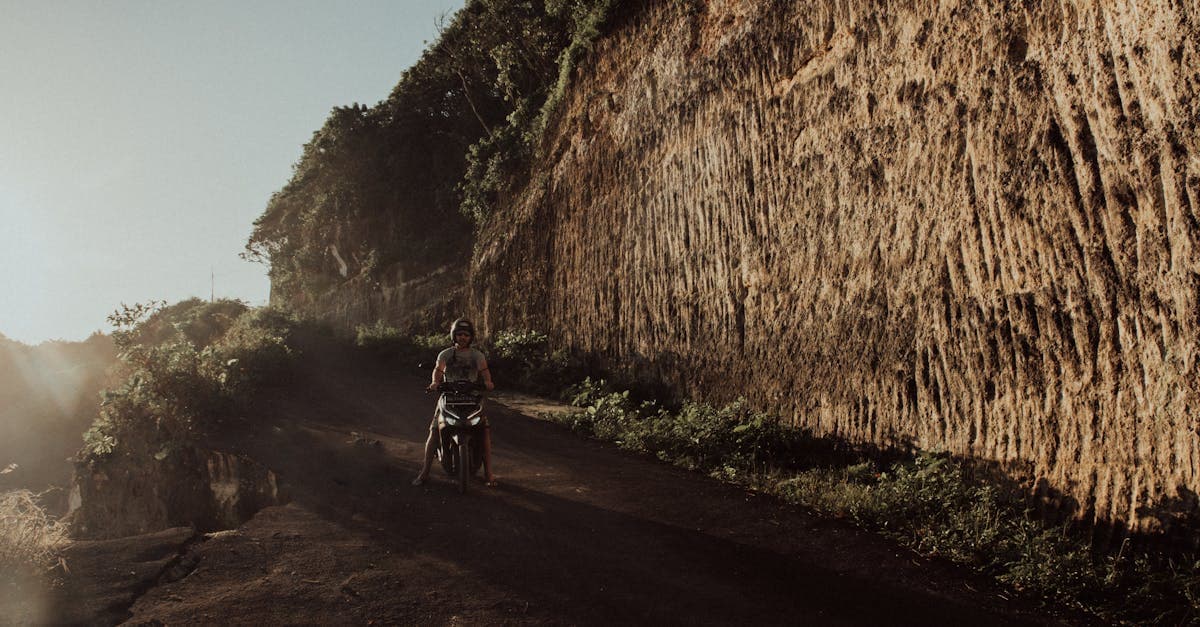
Petty crime is the most common daily threat. According to au.trip.com, bag snatching by passing motorbikes happens regularly in Kuta and Seminyak: keep bags on the inside and don't leave anything loose in a scooter basket.
According to theworldtravelguy.com, money changer scams rely on sleight of hand, typically recounting notes at speed while quietly removing some in the process. Use an authorised money changer or draw cash from a major bank ATM and skip the exchange counters entirely.
Taxi meter fraud is straightforward to dodge. Flag a cab without a running meter and you're negotiating a fare before the seatbelt is on. The Grab app shows the price upfront, and the driver has no room to improvise.
According to smartraveller.gov.au, drink spiking in Kuta and Legian is documented. Don't leave drinks unattended in clubs, and be wary of accepting anything from a stranger at the bar.
If someone approaches you claiming to be a police officer and asks to inspect your wallet, walk away. It's a scam, not a legitimate law enforcement encounter.
Terrorism sits in the background. The last major attack in Bali was the 2005 Kuta bombings. According to balivillarealty.com, there's no specific elevated threat for Bali in 2026, though the background risk that exists across Indonesia hasn't disappeared.
Natural hazards need separate attention. Mt Agung, at 3,031 metres, and Mt Batur can generate ash clouds that close Ngurah Rai Airport with little warning. Check PVMBG volcanic bulletins before you travel, and confirm your travel insurance includes cover for flight disruption caused by volcanic activity.
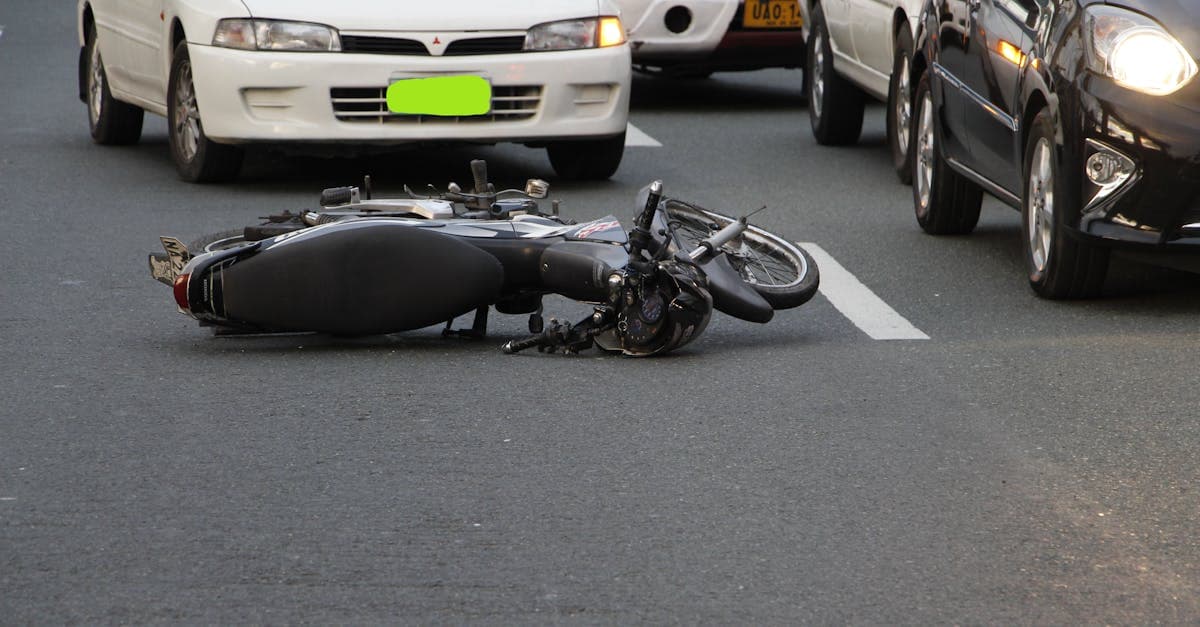
BIMC Hospital in Kuta treats more foreign tourists for scooter injuries than for any other cause. Road accidents are the leading cause of serious injury and death among Australians in Bali. That is the highest-probability risk on the island, and it's the one most visitors underestimate.
An Australian licence isn't sufficient under Indonesian law. Riding a scooter requires an International Driving Permit (IDP), available through Australian state motoring associations before you leave. The licence requirement matters beyond legality: most travel insurance policies exclude motorbike and scooter accidents for riders who don't hold a valid licence for that class of vehicle. Without an IDP, an accident leaves you personally liable for the full treatment cost.
The road conditions compound the problem. Potholes appear without warning. Speed bumps are often unmarked. Stray dogs cross roads after dark. Street lighting outside the main tourist precincts is minimal.
If you do choose to ride: wear a full-face helmet every time, not the open-face models typically handed out at hire shops. Avoid riding in heavy rain or after dark. Keep your speed under 40 km/h through built-up areas.
Grab removes all of that exposure. The app works reliably across most of Bali, shows the fare before you confirm, and puts a driver who knows the roads behind the wheel. For most Australians, that's the straightforward call.

Indonesia's drug laws are not a grey area. Trafficking carries a mandatory death penalty, and the line between possession and trafficking depends heavily on the quantity found. The 2015 executions of Australians Andrew Chan and Myuran Sukumaran, arrested as part of the Bali Nine heroin smuggling case, remain the starkest reminder of what Indonesian law looks like in practice.
Zero tolerance means exactly that. Cannabis, MDMA, recreational pills and psilocybin mushrooms (offered openly at certain Kuta bars) are all illegal under Indonesian narcotics legislation. Small amounts can result in years in a Balinese prison. Larger quantities can result in execution. The distinction between the two outcomes is determined by Indonesian prosecutors, not by Australian expectations of proportionality.
Before you travel, lock in these habits. Never carry a package across any border for anyone, regardless of how convincing the explanation sounds. If you take prescription medications, including benzodiazepines or ADHD stimulants, bring a doctor's letter and the original pharmacy packaging. Both categories draw scrutiny at Indonesian customs.
Know the limits of Australian consular assistance. Consular staff cannot overturn Indonesian convictions or prevent prosecution. They can notify your family, visit you in detention, and help you access legal representation. That is the full extent of their authority. No exceptions exist, regardless of circumstances.
Of every risk in this guide, drug law violations carry the most irreversible consequences. Treat that fact accordingly before you pack.
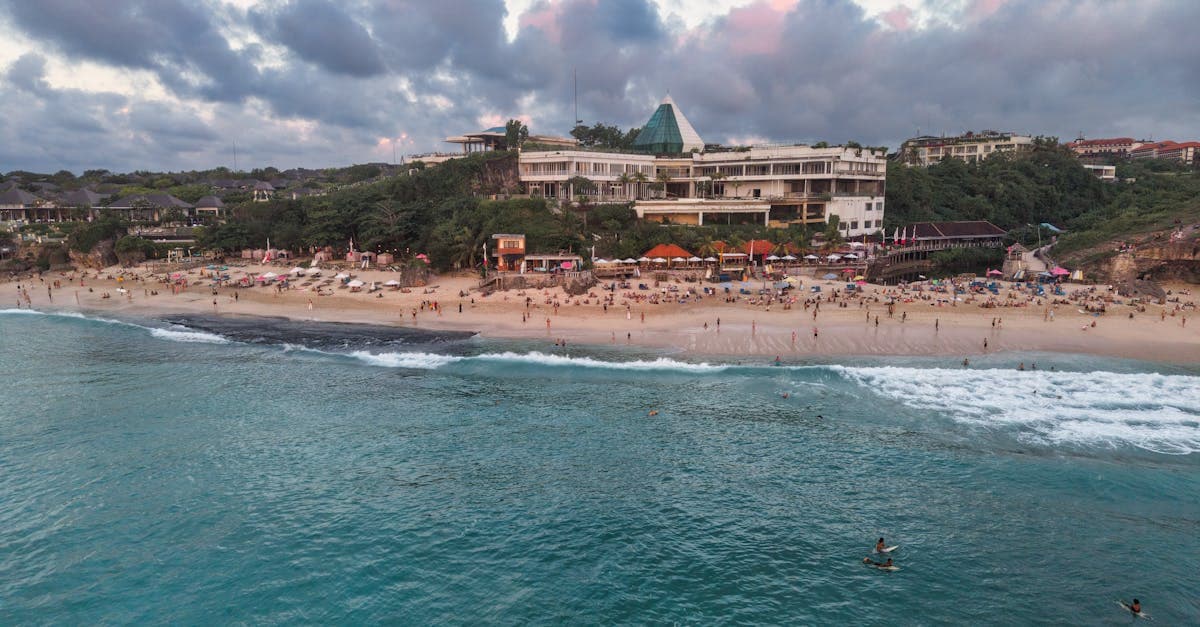
Not all of Bali shares the same risk profile. Kuta and Nusa Dua are not just different in price; the safety experience diverges sharply between them.
Kuta sits at the bottom of the safety ranking. Highest concentration of bag snatching, drink-spiking incidents, aggressive touts and tourist traps on the island. Avoid it unless budget genuinely leaves no other option.
Legian is Kuta extended northward. Marginally quieter by day; the same risks apply after dark.
Seminyak is a better choice for first-time visitors. Lower crime rate, better-maintained streets and fewer predatory touts. Couples in particular find it a cleaner environment without sacrificing good restaurants or beach clubs.
Canggu is where most Australian digital nomads base themselves. Motorcycle theft happens occasionally, but violent crime is rare. The cafe infrastructure and resident community keep the street-level atmosphere calm.
Nusa Dua is the safest part of Bali. A gated resort enclave on the southern peninsula, it controls access and keeps touts outside the perimeter. The best fit for families or travellers who prefer a controlled environment.
Ubud is generally safe. Monkeys near the Monkey Forest bite tourists regularly, and street dogs are common across town. Any bite or scratch needs prompt treatment. The health section below covers the rabies detail.
Nusa Penida, visible across the strait from Sanur, has striking scenery but poor roads, minimal medical facilities and patchy mobile coverage. Overnight stays are riskier simply because help takes longer to arrive. A day trip with a reliable skipper is the smarter call for most visitors.
Area safety at a glance: Kuta and Legian (lower), Seminyak and Canggu (moderate to high), Nusa Dua (highest), Ubud (high, wildlife caveats), Nusa Penida (variable).

Solo female travel in Bali is more straightforward than the warnings sometimes suggest. According to theworldtravelguy.com, violent crime against female tourists is rare, and the large expat and long-stay visitor community has created well-trodden solo routes across the island.
Common friction points are more nuisance than genuine threat: persistent street hawkers, unwanted attention around Kuta beach clubs, pressure from unlicensed taxi drivers. Manageable with a few consistent habits.
Transport is the most controllable risk. Use Grab for every journey. Price shown upfront, trip tracked in the app, a record kept if anything goes wrong. Negotiating with unmarked taxis removes all of that protection.
For area selection, Canggu and Seminyak have established solo-travel communities, good street lighting and the kind of busy-cafe culture that makes moving around alone feel unremarkable. Ubud is calm and low-key, a solid fit for those who prefer a slower pace.
Temple visits require covered shoulders and knees. Most major sites provide sarongs and sashes for a small fee.
After midnight in Kuta or Legian, travel by Grab rather than on foot. Accept drinks in busy venues only from people you already know.
An eSIM activated before departure is a practical safety asset. Arriving at Ngurah Rai with Grab, Google Maps and WhatsApp already running means live-location sharing with someone at home is sorted before you've cleared the terminal. Hello Roam's Indonesia eSIM activates before you board and keeps your Australian number live for banking OTPs alongside your data.
Women-only dorm options exist in Seminyak and Canggu hostels. Private villas provide a secure and private environment at most budget levels.
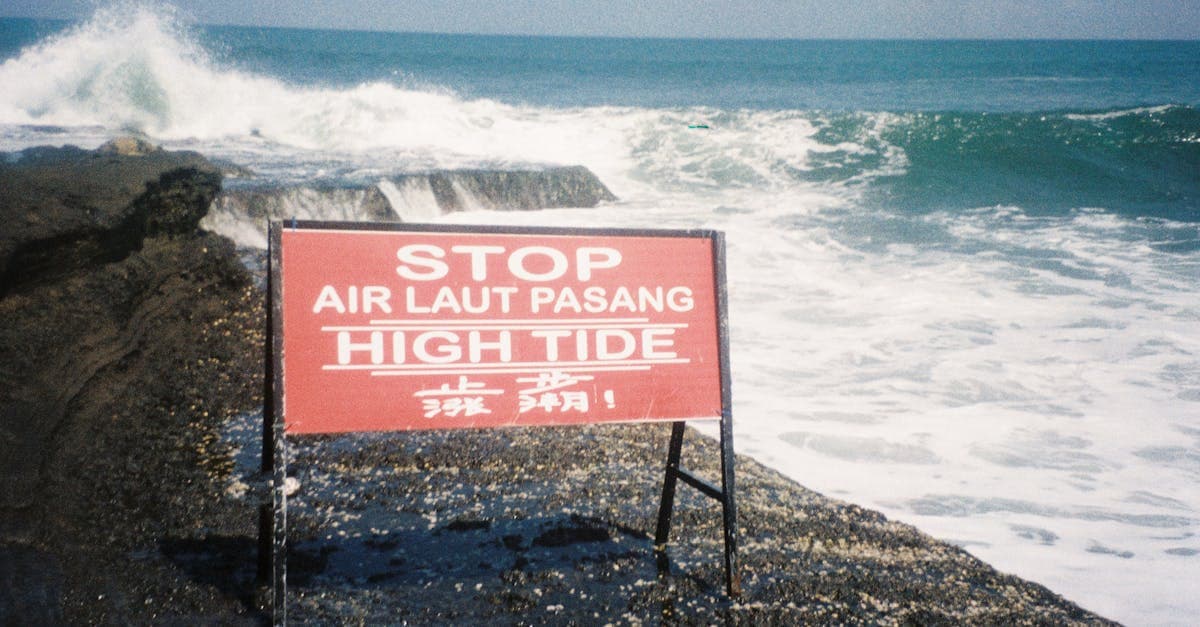
Tap water in Bali is not safe to drink anywhere on the island. Use bottled or filtered water for drinking and brushing your teeth. That applies to upscale resorts as much as roadside warungs.
The most common health problem is traveller's diarrhoea, widely called Bali belly. Around 30 to 50 per cent of first-time visitors experience it; most cases clear within two to three days. Pack oral rehydration salts. The most reliable prevention: eat at busy restaurants with visible cooking, avoid raw salads and ice from local warungs, and treat high turnover as a reasonable indicator of better food handling.
Rabies is a serious risk that many visitors underestimate. According to theworldtravelguy.com, monkeys at the Ubud Monkey Forest bite tourists regularly, and street dogs are present island-wide. A scratch or bite from either requires immediate medical attention. Pre-exposure rabies vaccination is recommended for anyone staying longer than two weeks or spending time in rural areas.
Dengue fever is present year-round, peaking between October and April during the wet season. Use DEET-based repellent and wear long sleeves at dusk. No widely available vaccine exists for travellers heading to Bali.
Australian health authorities recommend Hepatitis A and Typhoid vaccinations before travel to the region. Add Rabies to that list for extended or rural stays.
Medical care in tourist areas is adequate for common issues. BIMC Hospital in Kuta handles most foreign tourist presentations; BIMC Nusa Dua is also well-regarded. For serious trauma, medical evacuation to Darwin or Singapore is the likely outcome, and costs can exceed A$50,000 without cover. Make sure your travel insurance covers scooter or motorbike use, medical evacuation and any adventure activities before you fly.

Data from the moment you land makes Bali safer. Grab won't run without it. Google Maps offline needs a first download over a live connection. WhatsApp handles emergency contact when a roaming call drops. A translation app matters more than most people anticipate when dealing with a pharmacist or a police officer.
Public WiFi in Seminyak and Canggu cafes works for casual browsing. Not for banking. Hotel networks carry the same caveat. Use mobile data for anything financial or password-related; shared networks in tourist areas carry genuine credential risks.
Nusa Penida is the starkest case. WiFi across the island is weak island-wide, and the inland roads to Kelingking Beach are poorly marked. Day-trippers navigating independently need mobile data or they need luck. Staying overnight makes reliable coverage essential kit.
Three options suit different budgets. Australian carrier roaming (Telstra and Optus) costs ~AUD $10 per day, making a 10-day trip roughly ~AUD $100 in data costs alone. A local Telkomsel SIM at the Ngurah Rai airport counter runs ~AUD $8 to $12 for 15 to 30GB over 30 days; bring your passport. An eSIM purchased before departure activates on the plane; Indonesia plans from established providers range from around ~AUD $8 to $35 depending on data volume and validity period.
Telkomsel has the strongest island-wide network, covering Ubud, Sidemen and outer Nusa Penida where rival carriers drop off. That coverage benchmark is worth checking against when comparing eSIM providers, most of whom specify which underlying network they run on.
Volcanic activity that grounds flights at Ngurah Rai makes real-time airline updates critical. Airport WiFi is not where you want to rely on that information.
Activate before boarding. That's the practical edge of an eSIM for Indonesia. You clear customs at Ngurah Rai with Grab already functional, maps already loaded and no reason to hunt for the SIM counter in arrivals, where vendor pricing can be opaque and the queues are slow.
The dual-SIM benefit matters more than most travellers realise. Dual-SIM iPhones from the XS model onwards, and most current Android flagships, run an Australian number and a local eSIM simultaneously. Banking apps that send OTPs to your Australian mobile keep working throughout the trip without a second device.
Three eSIM providers cover Indonesia reliably:
Any eSIM specifying Telkomsel as its underlying network gets the widest Bali coverage, including rural areas, Sidemen and Nusa Penida. That matters for trips that go beyond the beach towns.
Compared to the carrier roaming cost noted in the previous section, a quality eSIM plan saves around ~AUD $75 to $90 over a 10-day trip at equivalent data volumes.
A physical SIM can be ejected from a stolen phone, potentially exposing your carrier account. An eSIM is embedded in the device's chip. A thief gets the handset, not the SIM.
AUD $1,000 for seven nights covers a comfortable mid-range stay in Bali, but it doesn't include getting there. Return flights from east coast cities typically add ~AUD $400 to $700 on top of that figure, depending on airline and how far in advance you book.
For the in-Bali spend, a rough daily breakdown:
At the middle of that range, a week comfortably fits within AUD $1,000 of in-Bali spending.
Budget travellers in shared dorms eating local can manage ~AUD $60 to $80 per day. That stretches AUD $1,000 to 12 or 15 nights of in-Bali expenses. Mid-range travellers after a private villa, one activity per day and restaurant dinners need roughly ~AUD $120 to $150 per day; seven nights sits within budget, eight would push it.
Warungs are the practical savings move. Meals run ~AUD $2 to $5 at a busy local spot. Grab consistently undercuts private hire drivers. Seminyak beach clubs mark up food and drinks sharply; skipping even one saves more than most first-timers expect.
The visa on arrival for Australians costs ~AUD $35, covers 30 days and is extendable to 60 days at the Bali Immigration Office in Denpasar. For anyone caught by a volcanic disruption or a medical issue that delays departure, that extension option removes a significant stressor.
The AUD to Rupiah exchange rate in 2026 remains favourable. Post-COVID price rises in Bali have been real but measured, and haven't materially changed the value calculation for Australian visitors.

Yes, Bali is safe for most Australians who approach it sensibly. DFAT rates Indonesia at Level 2: 'exercise a high degree of caution', the same classification as France and the United States. Around 1.3 to 1.5 million Australians travel to Bali each year and return home without serious incident. No elevated Bali-specific alerts are current as of 2026.
Kuta has the highest concentration of bag snatching, drink-spiking incidents, and aggressive touts on the island and is best avoided unless budget leaves no alternative. Legian carries similar risks after dark. Nusa Penida has poor roads, minimal medical facilities, and patchy mobile coverage, making overnight stays riskier. Nusa Dua is the safest area, while Seminyak, Canggu, and Ubud are generally safer alternatives.
The biggest risks are road accidents from scooter hire, petty theft such as bag snatching, money changer scams, taxi fraud, drink spiking in clubs, and Indonesia's strict drug laws. Road accidents are the leading cause of serious injury and death among Australians in Bali. A background terrorism threat exists across Indonesia, but no specific elevated warning applies to Bali's tourist areas in 2026.
Bali accommodates a wide range of budgets, from the budget-oriented Kuta area to upscale gated resorts in Nusa Dua. The article focuses on safety rather than specific costs, but notes Bali is accessible at multiple price points. Regardless of budget, reliable mobile data from around A$15 via an Indonesia eSIM is recommended before arrival.
Yes, an International Driving Permit (IDP) is required under Indonesian law to ride a scooter legally. Without one, most travel insurance policies will not cover motorbike or scooter accidents, leaving you personally liable for the full cost of treatment. IDPs are available through Australian state motoring associations before you leave.
Tap water in Bali is not safe to drink anywhere on the island, including at upscale resorts. Use bottled or filtered water for drinking and brushing your teeth. This is one of the most effective ways to reduce the risk of traveller's diarrhoea, which affects around 30 to 50 per cent of first-time visitors.
Solo female travel in Bali is more straightforward than warnings sometimes suggest, with violent crime against female tourists being rare. Common issues are more nuisance than genuine threat, including persistent street hawkers and unlicensed taxi drivers. Using Grab for all transport, choosing Canggu or Seminyak as a base, and avoiding on-foot travel after midnight in Kuta or Legian are the key practical precautions.
Indonesia's drug laws carry zero tolerance: trafficking carries a mandatory death penalty and possession of even small amounts can result in years in a Balinese prison. Cannabis, MDMA, recreational pills, and psilocybin mushrooms are all illegal under Indonesian narcotics legislation. The 2015 executions of Australians Andrew Chan and Myuran Sukumaran remain the starkest reminder of how these laws are enforced in practice.
Nusa Dua is the safest part of Bali, a gated resort enclave that controls access and keeps touts outside the perimeter. Seminyak and Canggu offer a moderate to high safety level with lower crime rates and better-maintained streets. Ubud is generally safe with some wildlife caveats, while Kuta and Legian rank lowest due to higher rates of theft and scams.
A background terrorism threat exists across Indonesia, but no specific elevated warning applies to Bali's tourist areas as of 2026. The last major attack in Bali was the 2005 Kuta bombings. DFAT's current Level 2 classification reflects general awareness rather than an active or imminent threat to the island.
Mt Agung and Mt Batur are active volcanoes that can generate ash clouds capable of closing Ngurah Rai Airport with little warning. Volcanic monitoring is ongoing and currently stable as of 2026. Travellers should check PVMBG volcanic bulletins before departure and confirm their travel insurance includes cover for flight disruption caused by volcanic activity.
Unlicensed taxis without a running meter are best avoided, as agreeing on a fare upfront creates room for inflated pricing and disputes. The Grab app is the safest option, showing the price before you confirm and keeping a trip record in the app. This removes the risk of taxi meter fraud entirely.
Walk away immediately. Legitimate Indonesian law enforcement does not conduct impromptu wallet inspections on tourists. This is a documented scam, not a genuine law enforcement encounter.
Bali belly is a common term for traveller's diarrhoea, affecting around 30 to 50 per cent of first-time visitors and usually clearing within two to three days. The best prevention is eating at busy restaurants with visible cooking, avoiding raw salads and ice from local warungs, and drinking only bottled or filtered water. Packing oral rehydration salts is strongly recommended.
An Indonesia eSIM is the most convenient option, available from providers like Hello Roam from around A$15, with activation possible before your flight departs. Arriving with data already active means Grab, Google Maps, and emergency contacts are available as soon as you clear customs. This is particularly useful for solo travellers who need live-location sharing from the moment they land.
Australia's DFAT rates Indonesia at Level 2: 'exercise a high degree of caution' on the Smartraveller scale. The same classification applies to France and the United States, and no elevated Bali-specific alerts are current as of 2026. Elevated-risk zones within Indonesia, such as Poso in central Sulawesi and Papua, are specific and far removed from any standard Bali itinerary.
Rabies is present in Bali and is a serious health concern. Monkeys near the Ubud Monkey Forest bite tourists regularly, and stray dogs are common across the island. Any animal bite or scratch should receive prompt medical treatment, as rabies is fatal without timely post-exposure treatment.
HelloRoam: your trusted travel eSIM that keeps you online across borders.
Explore Plans