Best European Cities to Visit in December: the Complete 2026 Guide for US Travelers

Written by: Sarah Mitchell


16 min read

HelloRoam is a global eSIM provider offering instant mobile data in 170+ countries. Buy prepaid travel eSIM plans with no roaming fees, no contracts, and instant activation on any eSIM-compatible device.
16 min read
Vienna, Prague, and Strasbourg are the three strongest picks for most American travelers planning a December trip to Europe community.ricksteves.com. Vienna's Christmas markets spread across the inner city, set against Baroque architecture and steps from world-class museums and coffee houses. Prague delivers the same festive atmosphere at noticeably lower prices. Strasbourg, whose Christmas market tradition stretches back to the sixteenth century, blends Alsatian and German food traditions in a walkable old city ginaonaplane.com.
AT&T and Verizon each charge $10 to $12 per day for European roaming, which adds $100 to $120 to a 10-day trip before a single museum entry. Hello Roam's Europe plan, available as an eSIM for United States travelers, covers 30-plus countries with no daily fees and activates before you board.
Flights from NYC to major European hubs average $550 to $750 round-trip in early December. After December 20, those same routes run $900 to $1,400. Book 3 to 4 months out for holiday departures.
December in Europe splits into two trips that barely resemble each other. Book between December 1 and 15, and you get shoulder-season pricing, Christmas markets at full capacity, and noticeably lighter crowds at major attractions. After December 20, transatlantic airfares climb 30 to 60 percent over early-month rates, and hotels near popular markets fill weeks before the holiday.
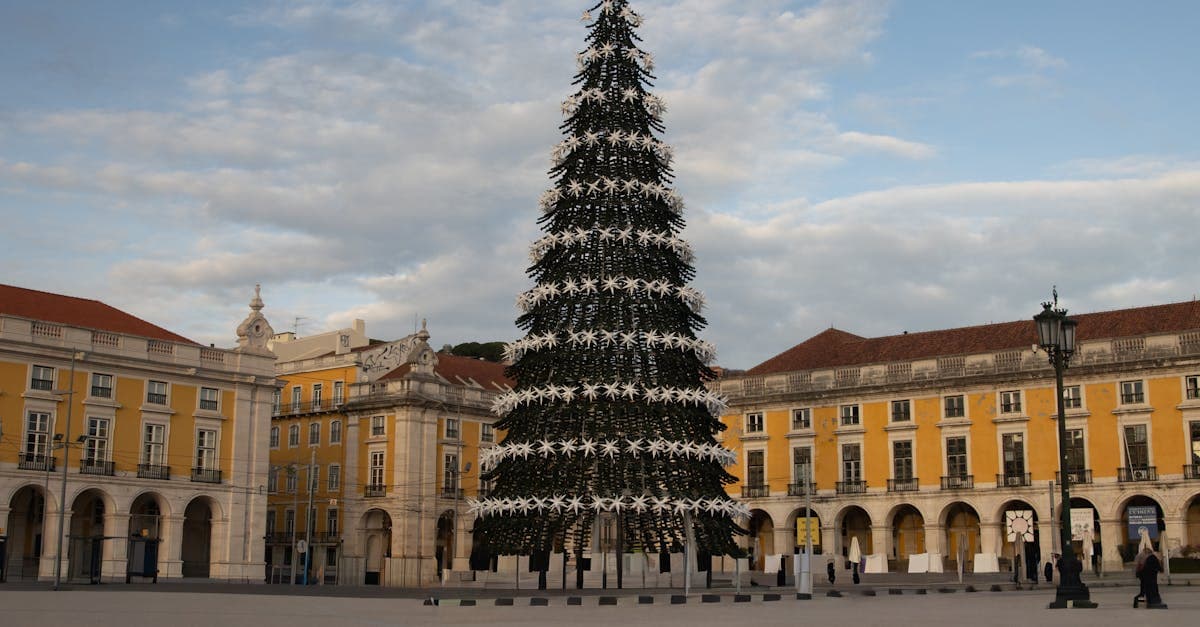
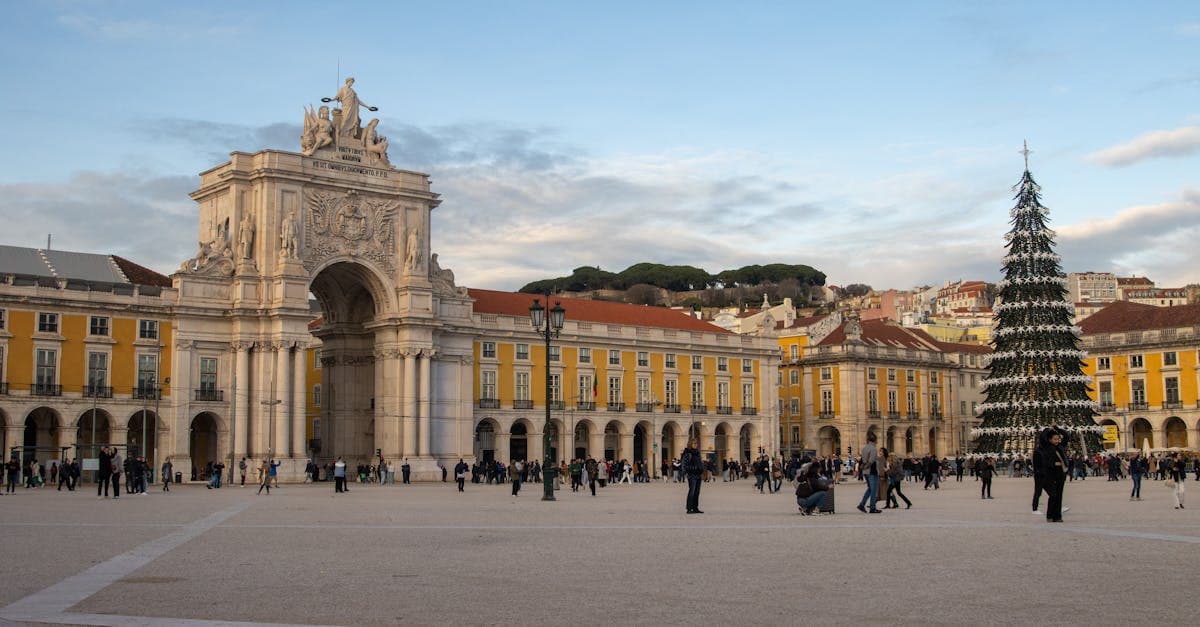
The weather range runs from mild to genuinely brutal. According to adventuresofalice.com, Lisbon averages 59°F in December, similar to Washington, D.C. in mid-October. Tallinn sits at 32°F and drops to 23°F at night. Here's how December conditions break down across eight popular destinations:
Crowd levels shift meaningfully in December. The Colosseum, Vatican Museums, and the Louvre all see dramatically fewer visitors than in July or August. No timed-entry scramble, no queue management ropes. You can walk the Vatican gallery on a Tuesday morning without the summer bottleneck.
A few US-specific details: the dollar currently sits near parity with the euro, making mental math easy. Europe runs 6 to 9 hours ahead of US time zones, so red-eye flights from the East Coast typically land at European hubs at breakfast local time. The flight price gap between early and late December amounts to several hundred dollars per seat on major transatlantic routes; late-December departures sell out earlier than most travelers expect.
For American travelers focused on value, early December wins. Markets are open, the holiday rush hasn't arrived, and airfares reflect it.
Christmas markets across Europe typically open in late November and close on December 23 or 24, though smaller markets sometimes shut down several days before Christmas Eve ginaonaplane.com. Check exact dates before booking flights. Arrive on December 20 and you're walking a thriving market; arrive on December 24 and you might find the stalls already packed up and gone.
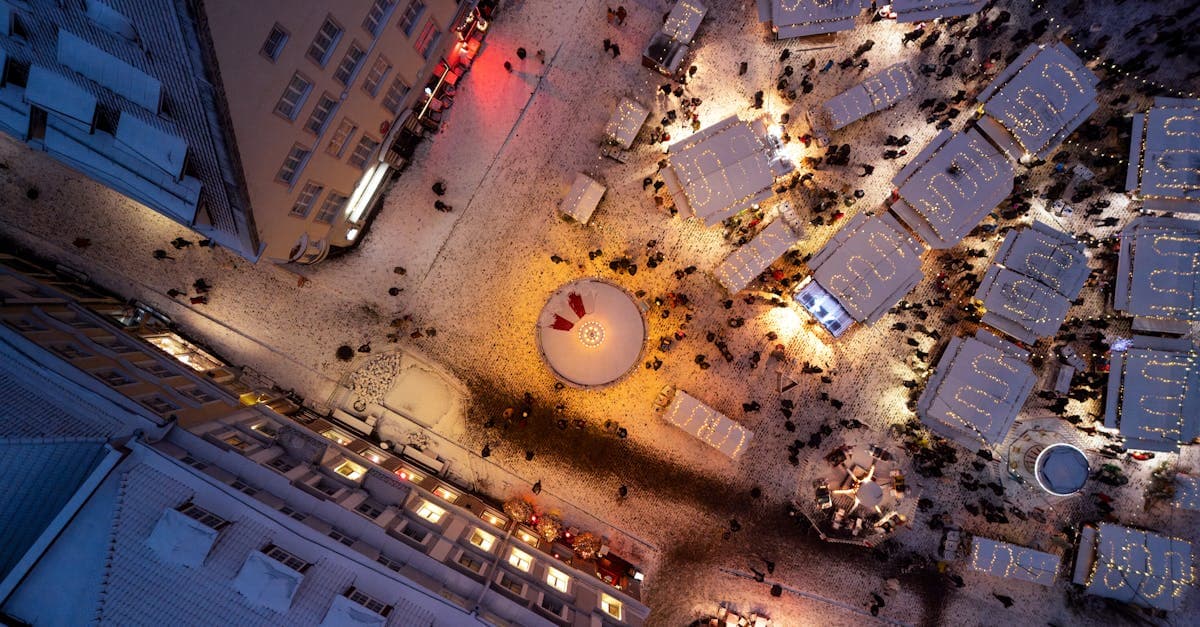
The sensory draw is specific and worth describing for first-timers. Hot mulled wine, called Glühwein in German-speaking countries, runs $4 to $6 per cup at most stalls. Roasted chestnuts, handmade wooden ornaments, and candle-lit stalls arranged around cobblestone squares are what most Americans are picturing when they plan these trips ginaonaplane.com. Snow isn't guaranteed everywhere, but Vienna, Prague, and Tallinn all carry a genuine chance of it in December heleneinbetween.com.
Two geographic clusters define the market landscape, and the choice is largely a budget decision. Western markets in Germany, France, and the Netherlands offer longer documented histories and higher visitor footfall. Central European markets in Austria, Czech Republic, Hungary, and Poland deliver the same atmosphere at roughly 30 to 50 percent lower prices for accommodation, food, and transport zestinatote.com.
Scale matters here. Vienna's Christmas markets draw around 3 million visitors per season. Strasbourg draws roughly 2 million across its six-week run. Entry to virtually every market is free.
Pick one geographic cluster and spend several days in it rather than trying to cover Strasbourg, Vienna, Prague, and Budapest in a single trip. More time at stalls, less time watching countryside pass from a train window. Train time adds up fast.
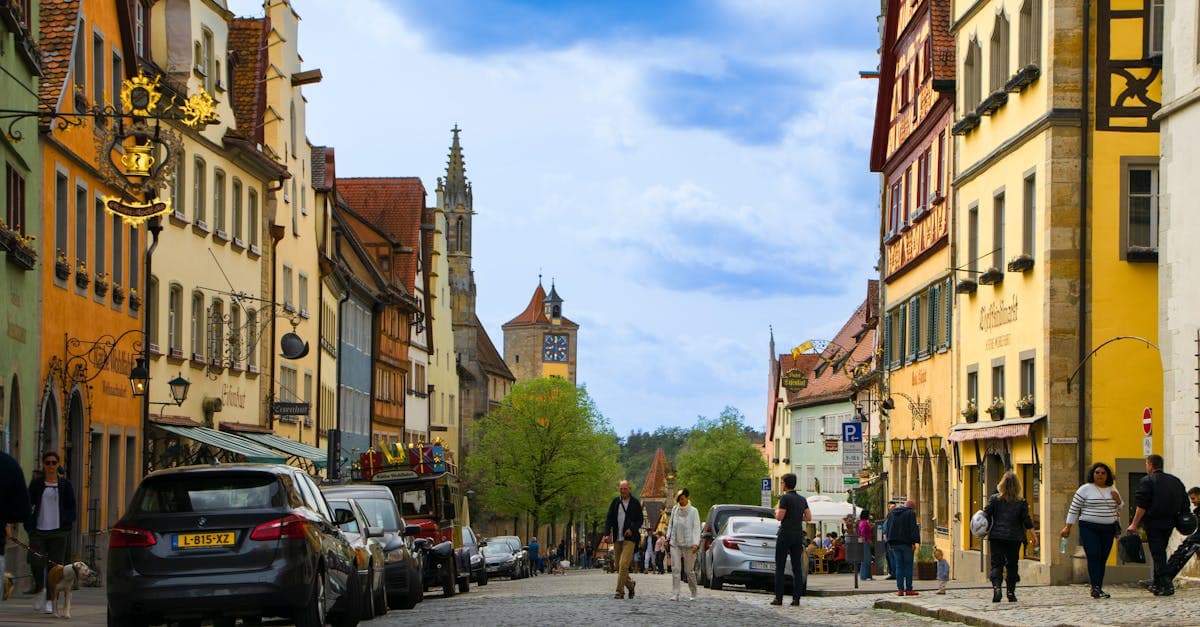
Strasbourg is the strongest single-city anchor for a western Europe Christmas market itinerary. France's oldest Christmas market, dating to 1570, spreads across 11 locations in the Alsatian city center, with the signature 30-meter tree on Broglie Square as the visual centerpiece ginaonaplane.com. The food stalls earn their own visit: tarte flambée, an Alsatian flatbread topped with cream, onions, and bacon, alongside Glühwein at every turn. The UNESCO-listed old city is compact and entirely walkable.
Nuremberg's Christkindlesmarkt has run in the central Hauptmarkt square since the 1600s, making it among Germany's most historically significant markets. It opens each season with the ceremonial appearance of the Christkindl figure and is known for handmade wooden toys and Lebkuchen gingerbread. Attendance is among the highest of any single-city market in the country.
Rothenburg ob der Tauber sits about 90 minutes by train from Nuremberg and works as a logical half-day or overnight add-on. Germany's best-preserved medieval town is home to the Käthe Wohlfahrt Christmas shop, which occupies an entire historic building and operates year-round. The market itself is small and far less crowded than Nuremberg, which is most of the appeal.
Freiburg im Breisgau hosts an underrated market in a small university-town setting. The surrounding region adds Baden-Baden spa hotels and cuckoo clock villages. Freiburg is 45 minutes by train from Strasbourg, making a combined Alsace-Black Forest swing practical without doubling back.
Frankfurt is the right arrival city. Regional rail connects all four destinations on a single network, and a 3-day western Germany loop with one overnight in Nuremberg and one in Freiburg covers the circuit without backtracking.
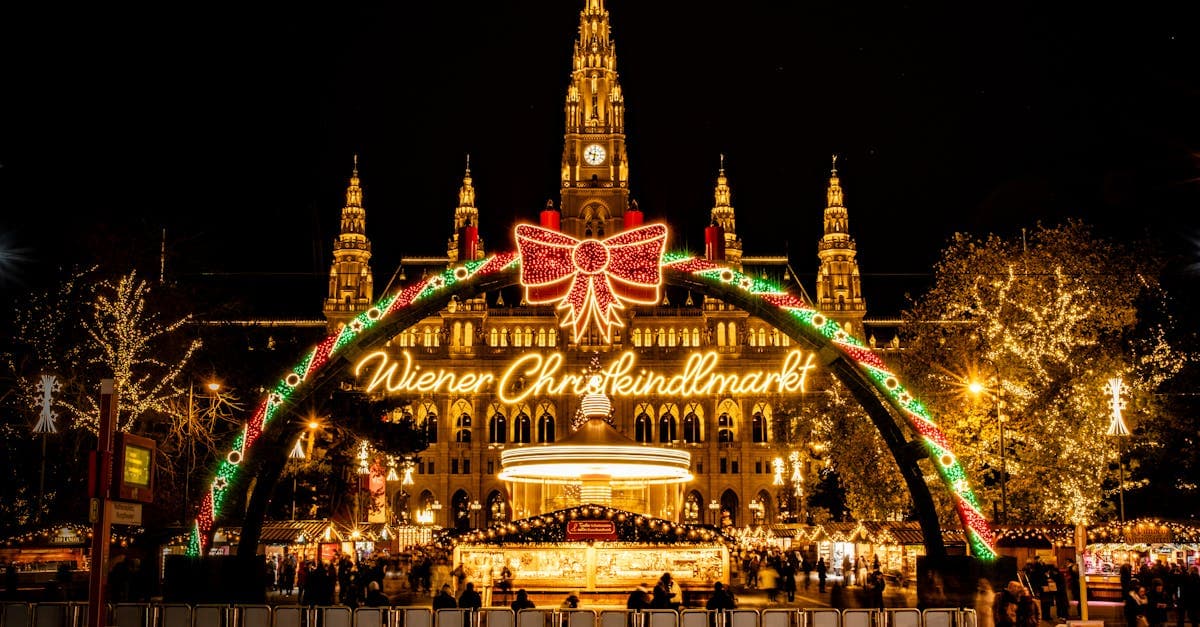
Rathausplatz operates six interconnected market zones simultaneously, with an ice-skating rink positioned directly in front of Vienna's City Hall. Skate rental costs around $15; rink entry is free. The Baroque and Imperial buildings surrounding the square give the market a theatrical scale that smaller German cities simply can't match. December highs average 39F here, with temperatures regularly dropping below freezing overnight, so proper layering is non-negotiable.
Hallstatt, a UNESCO-listed lake village about four hours from Vienna by train and bus, hosts a small market pressed against a mountain backdrop. Logistics require advance planning, but the visual payoff is hard to argue with. Salzburg's Cathedral Square market is considerably easier: a day trip from Vienna best combined with a walking tour of the old city. The standard itinerary runs three nights in Vienna and two in Salzburg, covering Imperial architecture and Alpine scenery without backtracking.
Old Town Square holds a giant decorated tree and a working nativity scene through December 23. Hotel pricing is Prague's strongest argument: solid three-star properties run $60 to $90 per night, significantly below Vienna rates for comparable quality community.ricksteves.com. Full sit-down dinners with wine rarely exceed $18.
Vorosmarty Square hosts the main market, but Szechenyi Baths are the real differentiator. Tickets run about $25, and an evening soak after a day of market-hopping is standard Budapest practice. Budget expectations closely mirror Prague's.
Vrijthof square's market leans toward craftsmanship and atmosphere over raw volume. Direct trains connect it to Amsterdam in about 2.5 hours and Brussels in roughly one hour. It makes a clean overnight or same-day stop from either city and is consistently less crowded than any market in Germany or Austria.
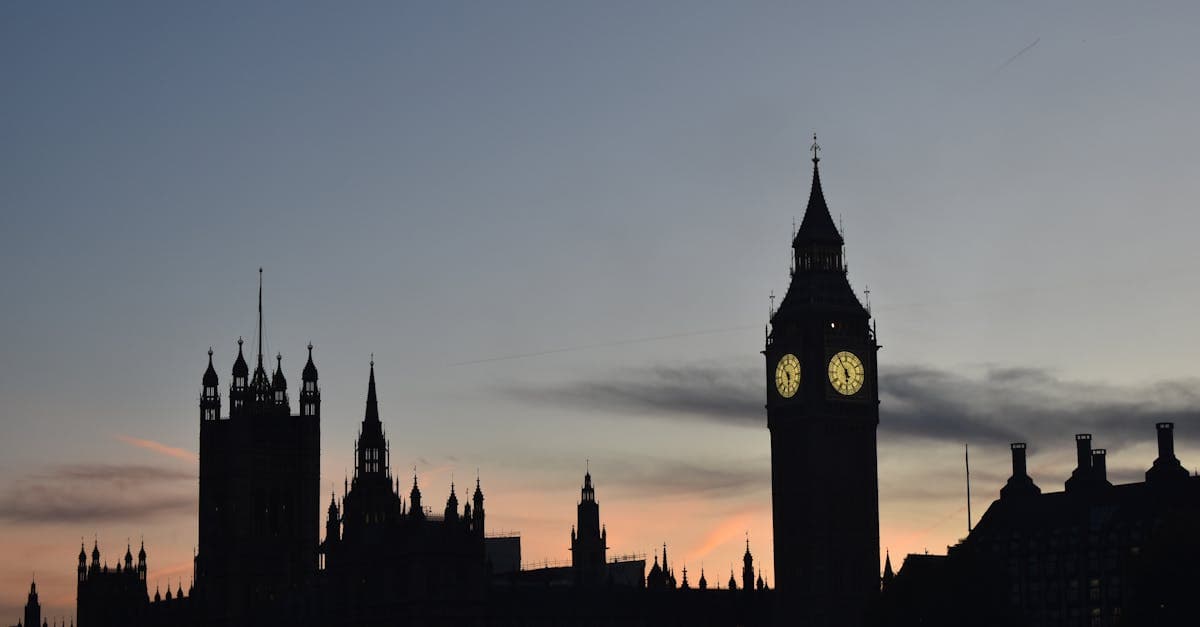
London, Rome, Barcelona, Lisbon, Copenhagen, and Lucerne are among Europe's most iconic cities, and December offers crowd-free access to major attractions alongside concentrated cultural programming unavailable in summer. Walk into the Colosseum in July and you join a line that doesn't move for two to three hours. Go in December and you walk straight through. That crowd math applies across nearly every major sight in Europe's busiest cities, and it's the December argument that rarely shows up in standard travel coverage.
Cultural programming peaks this month. London's West End runs Christmas and New Year productions across dozens of venues. Copenhagen's Tivoli Gardens is open from mid-November through early January. Rome's ancient basilicas host free classical concerts throughout December. The combination of shorter queues and concentrated live programming is only available simultaneously in winter.
Hotel pricing reinforces the case. Rome falls 35 to 40 percent below its August rates. Barcelona drops by a comparable margin. For US travelers booking mid-range properties, those are meaningful savings, not rounding-error discounts.
The sections below divide Europe's iconic cities into two practical tracks. Western and northern capitals (London, Copenhagen, Lucerne) serve travelers who prioritize design culture and holiday atmosphere. Southern Europe and lake destinations (Rome, Lake Como, Barcelona, Lisbon) suit travelers focused on history, food, and milder December temperatures. Both tracks deliver the same off-peak crowd advantage.
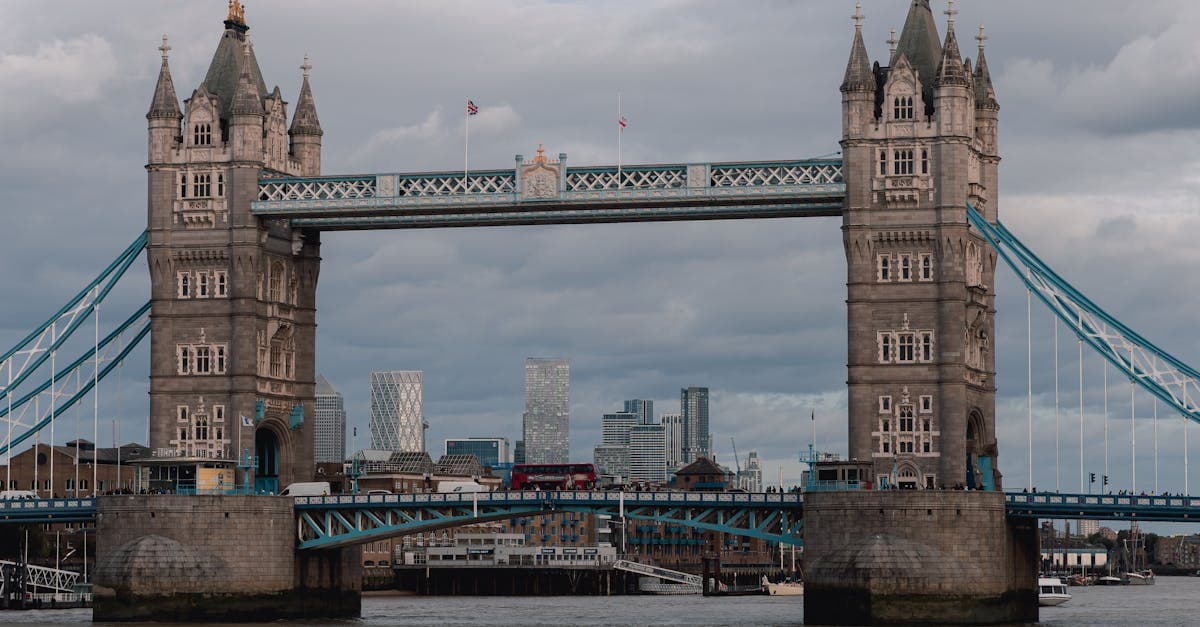
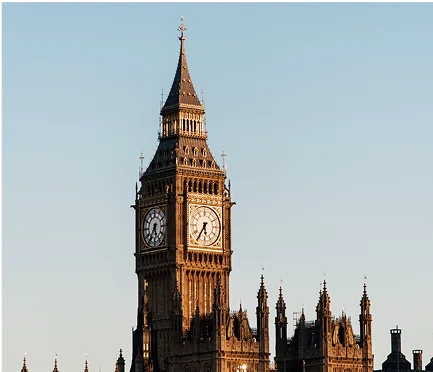
Hyde Park Winter Wonderland is the UK's largest outdoor Christmas market, and the main market area is free to enter. Rides and ice skating require separate tickets. Oxford Street and Regent Street Christmas lights run from mid-November through early January, worth an after-dark walk on any London evening. London's flagship museums (British Museum, National Gallery, Natural History Museum) are free year-round, and December crowds run at a fraction of summer levels.
Average December high sits at 46F, typically damp rather than snowy. Budget accordingly: mid-range hotels run $200 or more per night, and the pound-to-dollar exchange rate compounds that figure.
Tivoli Gardens' Christmas season closes January 5, making it viable for New Year's itineraries. Hygge, the Danish concept of cozy conviviality, is most authentic in December in the candlelit cafes and design-forward restaurants that define the city. Copenhagen hotel averages exceed $200 per night, matching London on price, but the city offers a genuinely distinct atmosphere from anything in central Europe. Connections from major US hubs typically route through Amsterdam or London.
The covered wooden Kapellbrucke bridge lit for the holidays is among the most photographed winter spots in Europe heleneinbetween.com. Lucerne sits at the geographic center of Switzerland, making it a logical stop on any circuit connecting Geneva, Zurich, and Zermatt. The budget reality is stark: mid-range hotels start around $200 per night and a sit-down lunch for two can easily reach $60. Factor those numbers in before adding Switzerland to any itinerary.
December cuts Vatican wait times more than any other month. Book the 7 AM entry slot at Vatican Museums online (slots open weeks in advance) and you'll have the Sistine Chapel nearly to yourself for the first hour. Christmas Day Mass at St. Peter's Basilica is free but requires an advance ticket request submitted to the Vatican, typically months before your trip. Rome's hotels run at their steepest discounts of the year in December, following the same discount curve described above, and the city's average December high is a mild 54F.
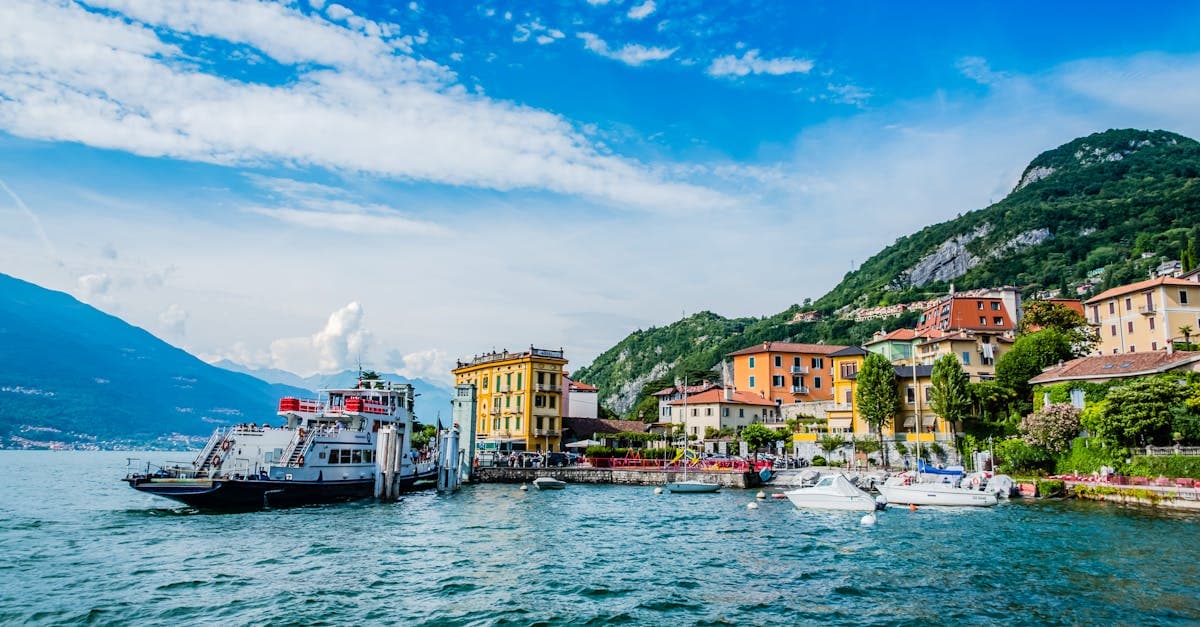
Summer on Lake Como means packed ferries and slow traffic through Bellagio. December inverts that. Ferry services still connect Bellagio, Varenna, and Menaggio, most lakefront restaurants stay open on weekends, and crowds are absent. It works cleanly as a one to two night add-on from Milan.
Average December high is 55F with roughly seven rain days per month adventuresofalice.com. The Fira de Santa Llucía market runs near the Gothic Quarter cathedral from late November. Sagrada Familia and Park Guell require no weeks-in-advance booking in winter. Transatlantic flights to Barcelona run about 30 percent cheaper in December than in June, which offsets any weather tradeoff for budget-conscious US travelers.
The warmest major capital in Western Europe in December, with an average high of 59F adventuresofalice.com. Mid-range hotels average around $130 per night. Alfama's Christmas lights and the hilltop viewpoints (miradouros) are most atmospheric in the low, flat winter light, when the city is free of the summer haze that softens every view from the terraces.

Zermatt bans private cars. You park in Täsch, the nearest road-accessible town, and board a cog railway for the final stretch into the village. December means fully operational ski lifts, no road traffic, and the Matterhorn framed against a winter sky. Ski passes run $80 to $100 per day; mid-range rooms start around $300 per night. For non-skiers, lower-elevation hiking paths stay accessible and the compact, car-free village covers on foot in under an hour.
French Alps pricing undercuts Zermatt by a meaningful margin. Direct bus shuttles from Geneva Airport reach Chamonix in about 1.5 hours, which simplifies logistics for US travelers flying into Geneva. The atmosphere leans outdoors-community rather than resort town, and it's a strong choice for intermediate skiers who want serious mountain access without the Swiss price tag.
Santa Claus Village sits exactly on the Arctic Circle. The sun barely clears the horizon in December, making Northern Lights sightings realistic from late evening onward. Core activities are reindeer sleigh rides, husky safaris, and snowmobile tours. Finnair connects select US cities via Helsinki; the domestic flight to Rovaniemi takes about 1.5 hours.
Brasov's old town Christmas market in Transylvania runs on Eastern European economics: daily budgets of $50 to $70 are realistic covering accommodation and meals, one of the most affordable setups in this entire guide. Tallinn's medieval market sits inside intact 14th-century walls, with average December lows around 23F: bring a serious winter coat and thermal layers.
Reykjavik delivers the highest Northern Lights probability of any European capital in December, combined with a walkable city center. Budget $250 or more per night; the Golden Circle tour runs year-round regardless of weather.

US carrier roaming in Europe charges by the day. AT&T and Verizon run at the per-day rates noted at the start of this guide; across a 10-day December trip, those fees add up to the combined total mentioned there. T-Mobile's free international option is throttled to 128 kbps, which can't load Google Maps in a crowded Christmas market square.
A regional eSIM covers all 27 EU countries plus the UK, Switzerland, and Norway on a single profile. No airport SIM hunt, no physical swap crossing from Prague into Vienna, no dependency on a phone shop being open on a Sunday in Strasbourg. Activate the profile before you board.
Every iPhone XS and newer (2018 and later), Google Pixel 3 and newer, and Samsung Galaxy S20 and newer support eSIM. Most US travelers' current phones qualify. Carrier-locked AT&T and Verizon phones remain eSIM-compatible even when the physical SIM slot is locked.
Hello Roam's Europe eSIM covers 30 or more countries at a flat data cost rather than a per-day fee. For a 10-day trip, the math against AT&T or Verizon is direct: one flat payment versus the stacking daily fees noted at the start of this guide. Activate the profile at home before departure.
EU 4G LTE is consistent across all major cities on this list, with 5G live in Vienna, Berlin, Amsterdam, Barcelona, and Rome. Download offline maps for each city before you leave; hotel WiFi is reliable everywhere, but public WiFi at Christmas markets ranges from solid in Prague, Amsterdam, and Tallinn to inconsistent in Vienna and Rome.
The best region depends entirely on what you want from the trip. Central Europe (Vienna, Prague, Budapest, Strasbourg) delivers the Christmas market experience most US travelers are chasing. Southern Europe (Lisbon, Barcelona, Rome) offers mild weather, crowd-free major sites, and genuine off-season pricing. Northern and Baltic Europe (Rovaniemi, Tallinn, Reykjavik) provides extreme winter adventure that doesn't translate to any other season.
Eastern and central Europe carries the lowest daily costs of any region covered here; Prague and Budapest pricing was detailed in earlier sections, with Krakow and Tallinn running comparably. Western European mid-range hotels in Paris, London, and Amsterdam start around $150 per night. Northern Europe (Copenhagen, Stockholm, Reykjavik) is the most expensive cluster, with averages at or above the London hotel figure noted earlier in this guide.
Christmas market lovers should book Vienna or Strasbourg. Budget travelers get the most return in Prague or Budapest. Warm-weather seekers belong in Lisbon or Seville. Culture-first travelers who want no summer crowds should choose Rome. Off-the-beaten-path: Tallinn or Brasov.
Five cities consistently outperform expectations for a first December Europe trip: Vienna for atmosphere and markets, Prague for value, Lisbon for weather, Rome for crowd-free culture, and Rovaniemi for an experience with no summer equivalent. Any of these five will significantly exceed what most Americans expect from a European winter trip.
Vienna wins on grandeur. Strasbourg wins on authenticity. Most Americans asking this question are really choosing between those two cities, and that distinction shapes the entire trip.
Strasbourg's market has run since 1570, covered in more detail earlier in this guide. The UNESCO-listed old town is entirely walkable, blending French and German Christmas traditions in a way that neither a purely German nor a purely Austrian market replicates. Intimacy is the defining quality: every market cluster fits into a half-day stroll.
Vienna's case rests on scale. Six interconnected market zones, Baroque Imperial architecture, and an outdoor skating rink in front of City Hall. It absorbs two full days without feeling repetitive.
For medieval Christmas atmosphere with comparatively thin crowds, Rothenburg ob der Tauber holds up against any destination covered in this guide. The Käthe Wohlfahrt Christmas Museum provides genuine historical context on market traditions beyond the retail floor. Nuremberg's Christkindlesmarkt carries one of Germany's oldest formal market ceremonies, and the Lebkuchen is exceptional in a way that packaged versions at home don't capture.
Seville averages 63F in December. Lisbon's warmth was documented earlier in this guide. For the most dramatic winter sun within European territory, Las Palmas on Gran Canaria averages 72F in December and is technically Spanish, which means the same entry requirements as mainland Spain apply with no separate visa process.

Central Europe offers the strongest combination of festive atmosphere and value in December. Vienna, Prague, and Strasbourg are the top picks, with Central European cities like Prague and Budapest costing roughly 30 to 50 percent less than western European equivalents for accommodation, food, and transport. Early December (December 1–15) delivers the best value, with Christmas markets at full capacity and noticeably lighter crowds at major attractions.
Strasbourg is widely regarded as one of Europe's most Christmassy cities, home to France's oldest Christmas market dating to 1570, spread across 11 locations in the Alsatian city center with a signature 30-meter tree on Broglie Square. Vienna is another top contender, with six interconnected market zones at Rathausplatz, an ice-skating rink in front of City Hall, and Baroque architecture as the backdrop — drawing around 3 million visitors per season.
Lisbon is the warmest and most affordable major European city in December, averaging 59°F (15°C) — comparable to Washington D.C. in mid-October — with mild Atlantic weather and no snow. Barcelona is another mild option at 55°F (13°C) with only about 7 rainy days. Both cities see hotel prices drop significantly below summer peak rates in December.
Vienna, Prague, and Strasbourg are the strongest overall picks for December in Europe, offering world-class Christmas markets, festive atmosphere, and (in Prague's case) notably low prices. For iconic sightseeing with minimal crowds, London, Rome, Barcelona, and Lisbon are excellent choices, as major attractions see dramatically fewer visitors than in summer. Budapest adds the unique draw of thermal baths alongside its Christmas markets.
Most European Christmas markets open in late November and close on December 23 or 24, though smaller markets sometimes shut down several days before Christmas Eve. Arriving on December 20 typically gives you a thriving market, but arriving on December 24 may mean stalls are already packed up. Always check exact dates before booking flights.
Hot mulled wine, called Glühwein in German-speaking countries, runs $4 to $6 per cup at most Christmas market stalls. It is one of the signature items at markets throughout Europe, alongside roasted chestnuts and handmade wooden ornaments.
Entry to virtually every European Christmas market is free. Vienna's Rathausplatz market, Strasbourg's 11 market zones, and Prague's Old Town Square market are all free to walk through. Additional costs apply for specific experiences like ice skating in Vienna (rink entry free, skate rental around $15) or attractions in the surrounding city.
Vienna averages a high of 39°F (4°C) and a low of 30°F (-1°C) in December, with temperatures regularly dropping below freezing overnight. Snow is possible, which adds to the festive atmosphere but requires proper layering. The city sees about 8 rainy or wet days in December.
Flights from New York to major European hubs average $550 to $750 round-trip in early December. After December 20, those same routes rise to $900 to $1,400. Booking 3 to 4 months in advance is recommended for holiday departures, as late-December flights sell out earlier than most travelers expect.
Rome hotel rates fall 35 to 40 percent below August pricing in December. Barcelona drops by a comparable margin. These are meaningful savings for mid-range travelers — not minor rounding-error discounts — and combined with shorter queues at major attractions, December offers one of the best value windows to visit southern Europe.
Prague is the strongest budget pick among major Christmas market cities. Solid three-star hotels run $60 to $90 per night, full sit-down dinners with wine rarely exceed $18, and Old Town Square hosts a giant decorated tree and working nativity scene through December 23. Budapest offers a similarly affordable experience with the added draw of Szechenyi thermal baths at around $25 per visit.
Strasbourg hosts France's oldest Christmas market, dating back to 1570, spread across 11 locations in the UNESCO-listed Alsatian city center. The signature 30-meter Christmas tree on Broglie Square is the visual centerpiece, and the food stalls feature Alsatian specialties like tarte flambée alongside Glühwein. The entire old city is compact and walkable, and the market draws roughly 2 million visitors across its six-week run.
Both cities offer excellent Christmas markets, but the choice largely comes down to budget. Vienna's Rathausplatz market is grander in scale, with six interconnected zones, a free ice-skating rink, and Baroque Imperial architecture — but hotel and dining costs are significantly higher. Prague delivers a comparable festive atmosphere in Old Town Square at roughly 30 to 50 percent lower prices for accommodation and food.
Budapest's Vorosmarty Square hosts the main Christmas market, but the city's thermal baths are the real differentiator in December. Szechenyi Baths tickets run about $25, and an evening soak after a day of market-hopping is a standard Budapest winter activity. Budget expectations closely mirror Prague, making it one of the most affordable major European destinations in December.
Major European attractions see dramatically fewer visitors in December compared to summer. The Colosseum, Vatican Museums, and the Louvre all report significantly lighter crowds, with no timed-entry scrambles or queue management lines that are routine in July and August. You can walk the Vatican gallery on a Tuesday morning without the summer bottleneck.
London in December offers the UK's largest outdoor Christmas market (Hyde Park Winter Wonderland, free to enter), Oxford Street and Regent Street Christmas lights through early January, and world-class free museums at a fraction of summer crowd levels. The average high is 46°F and it tends to be damp rather than snowy. Budget travelers should note that mid-range hotels typically run $200 or more per night.
HelloRoam: your trusted travel eSIM that keeps you online across borders.
Explore Plans