Table of content
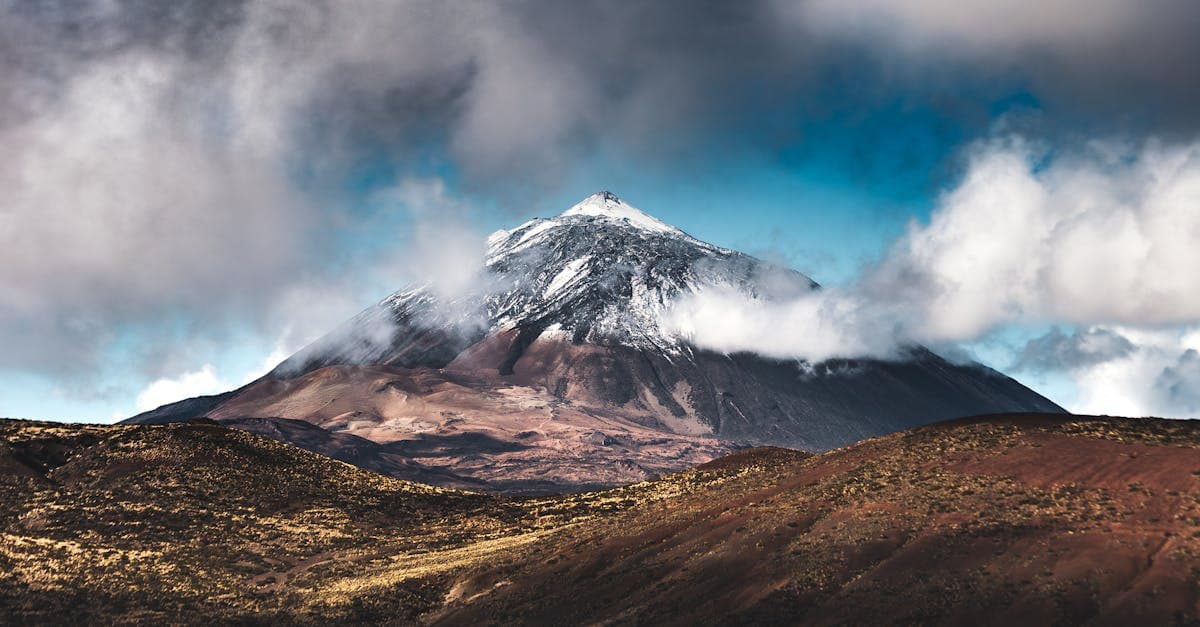
! [Mount Teide snow-capped summit rising above clouds, showcasing Tenerife weather at its most dramatic.
Tenerife Weather at a Glance
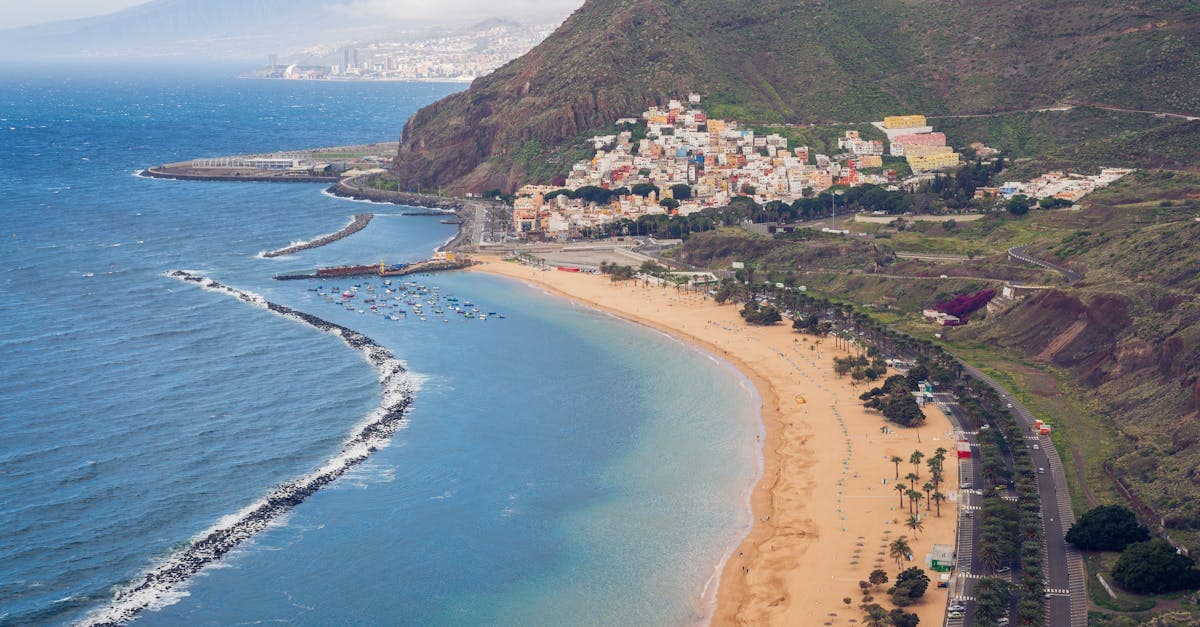
! [Golden sands and turquoise waters at Playa de Las Teresitas under typical sunny Tenerife weather.
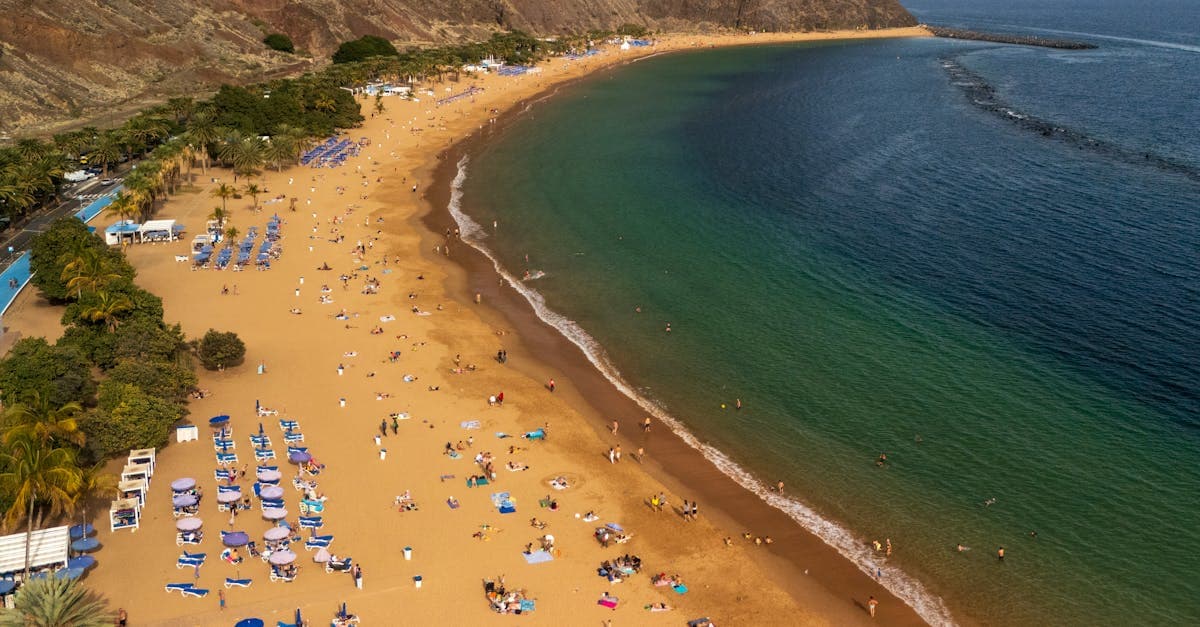
South Tenerife averages around 2,800 to 3,000 sunshine hours per year webtenerife.co.uk. That puts it among the sunniest places in Europe. Annual rainfall in the south sits at roughly 150 to 200 mm, and sea temperatures range from 19°C to 24°C year-round. The water is always swimmable.
That rainfall figure is stark. Dublin typically accumulates more rain in January alone than Tenerife's south coast sees in six months. Two months of Irish precipitation, spread across twelve.
The sea temperature never drops below comfortable. Even in February, the Atlantic off Los Cristianos sits around 19°C, warmer than the Irish Sea at its best.
Key fact: South Tenerife records around 2,800 to 3,000 sunshine hours annually, compared to roughly 1,400 across most of Ireland.
For Irish travellers, Tenerife is Spain, so EU 'Roam Like at Home' rules apply in full. Three, Vodafone IE, and Eir all cover Spain at no extra charge, though fair-use data caps typically run from 15 to 50 GB depending on your plan. If your allowance is light, HelloRoam's eSIM for Spain-budget-travel)-spain) starts at ~$3.49 for 1 GB over 7 days. Resort areas have reliable 4G coverage throughout.
The monthly breakdown reveals even bigger surprises.
Tenerife Weather Month by Month: What Irish Travellers Need to Know
! [Stormy skies over Puerto de la Cruz harbour, illustrating the range of Tenerife weather by month.
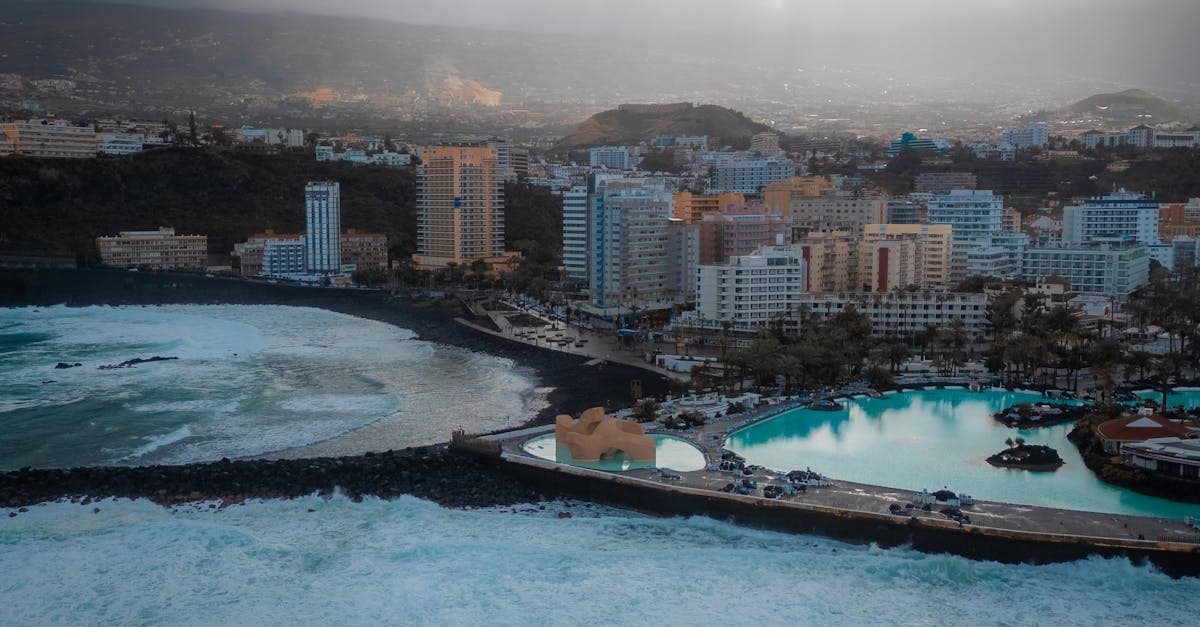
Tenerife has good weather in every month. Spring and autumn are the sweet spots, combining warmth with fewer crowds and lower prices. Summer is peak season, but it carries risks that most travel brochures won't mention upfront. The gap between seasons is larger than most Irish travellers expect, and choosing the right time changes the experience considerably.
Spring: fewest rain days, strongest value
March to May records the fewest rain days of the year across the south. Temperatures sit firmly in the mid-20s, the island is noticeably quieter, and hotel rates drop once the Easter rush clears. For most Irish travellers who can book outside school holidays, spring is the obvious pick.
Key fact: South Tenerife in April 2026 is averaging highs of 23 to 24°C with around 8.5 sunshine hours daily aemet.es.
Summer heat and the Calima problem
Ten-plus hours of sunshine and temperatures in the high 20s to low 30s make June to August look unbeatable on paper. The complication is the Calima, a Saharan dust event that rolls in from the African continent, pushing temperatures above 35°C, sometimes reaching 40°C during severe episodes, and depositing fine orange dust on everything in its path. It arrives with minimal warning and can't be predicted weeks in advance. Booking a July or August trip means accepting that possibility.
Autumn: the underrated pick
September and October still deliver 27 to 30°C, the sea holds summer warmth, and crowds thin sharply once schools reopen. Prices fall considerably. With seven to eight sunshine hours per day, you get conditions close to peak summer at a fraction of the cost. Most Irish travellers who've done both seasons rate autumn higher on return.
Winter: better than you'd think
November to February brings 21 to 22°C highs and six to seven daily sun hours. Not everyone's idea of beach weather, but entirely comfortable for walking, eating outdoors, and exploring the island without queuing for anything.
The exact 14-day picture adds useful short-term detail.
What's the Temperature in Tenerife for the Next 14 Days?
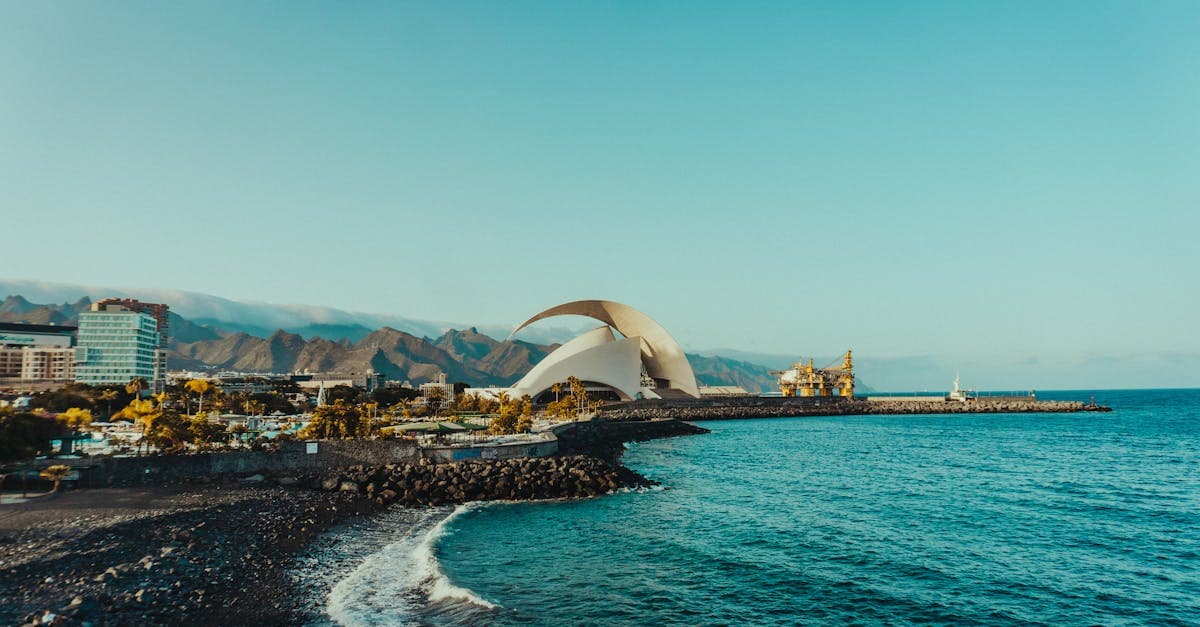
! [Auditorio de Tenerife beside the Atlantic coast on a clear day with mild 14-day forecast conditions.
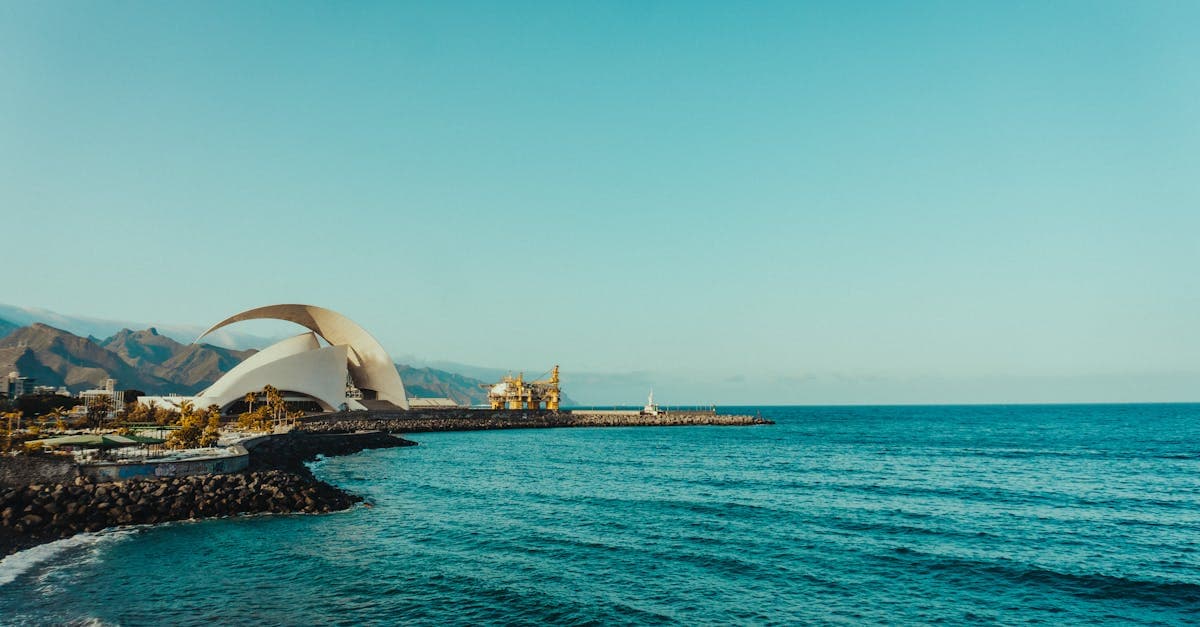
Right now, in April 2026, south Tenerife's resort zones are holding highs of 23 to 25°C accuweather.com. Overnight lows sit around 17°C, and that's the figure worth focusing on for evening plans: warm enough to eat outside without a jacket, cool enough to sleep with the balcony door open.
Rain over the next fortnight is minimal.
Around 12 mm is forecast across the full two weeks yr.no, which in practice means one or two brief showers rather than overcast days stretching into each other.
For real-time Tenerife weather conditions, a weather app pulling live data beats any static guide. Tenerife's terrain creates genuine microclimates, and temperatures can differ by several degrees between the coast and inland elevations over surprisingly short distances. That means mobile data working reliably away from the hotel is more useful than it sounds when you're planning from home. Hotel wifi covers dinner research; it won't help when you're halfway up a valley road wondering whether a squall is coming in.
But forecast accuracy depends heavily on which part of Tenerife you visit.
North vs South Tenerife: How Tenerife Weather Varies by Region
! [Aerial contrast of lush northern hills and golden Las Teresitas beach highlighting Tenerife weather by region.
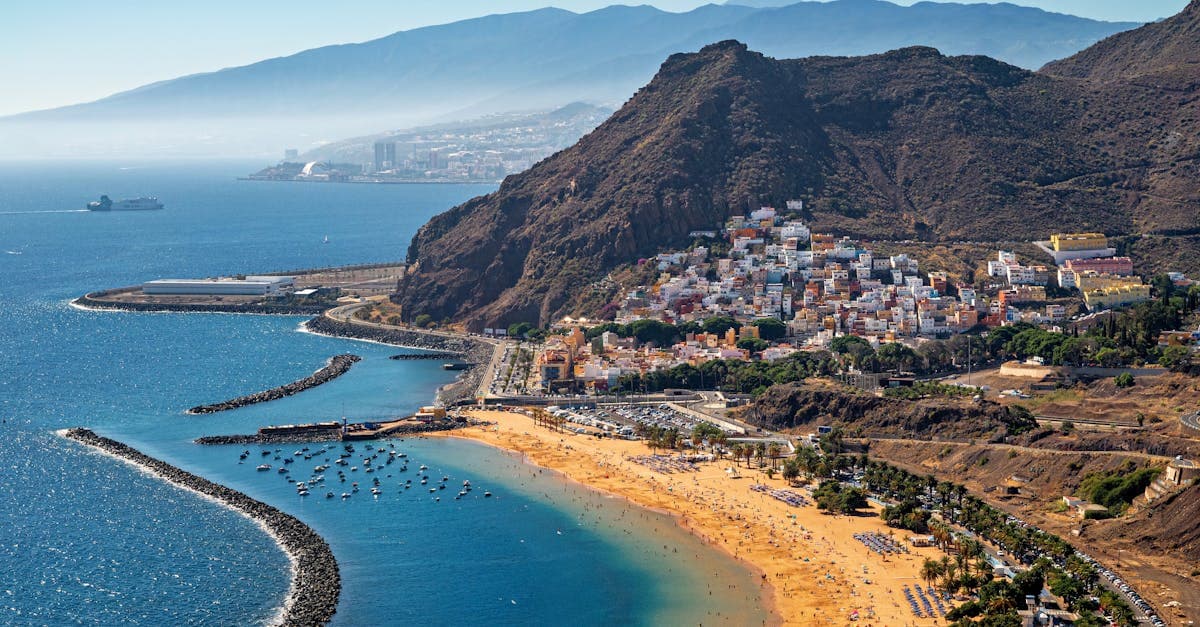
The south gets around 175 mm of rain per year. The north gets around 450 mm webtenerife.co.uk. Same island, same month, completely different sky above your head.
Most people booking Tenerife assume Tenerife weather is uniform across the island. It isn't. A persistent cloud formation called the Panza de Burro (translated roughly as 'belly of the donkey') sits over the northern slopes for much of the year. It rarely reaches the south. Mount Teide, rising to 3,718 metres at the island's centre, creates a rain shadow that keeps the main resort zones around Playa de las Américas and Los Cristianos reliably dry and sunny. The mountain blocks moisture-laden trade winds from the Atlantic before they reach the south coast.
This is the most expensive mistake Irish tourists make on Tenerife.
Book a hotel in Puerto de la Cruz or along the north coast without knowing this, and you might spend a week in what feels like a Galway summer while your friends in the south are on their third sunburn of the trip. The cloud cap isn't constant, but it's frequent enough to matter across a two-week holiday.
The north isn't worse, exactly. It's genuinely lush, green, and dramatic in a way the arid south isn't. The road between La Orotava and the Anaga massif is one of the more spectacular drives in the Atlantic islands. Hikers, botanical garden visitors, and anyone interested in Guanche cultural history tend to prefer the north for exactly this reason. The rain and shade create a completely different landscape.
But for beach days and dependable sun, the south is the clear call. On a cloudy October afternoon in Santa Cruz, the beach at Los Gigantes, roughly an hour's drive southwest, can be fully lit and warm.
The practical fix: check whether your accommodation sits north or south of Teide's ridge before you confirm the booking. Region sorted. The next question is when to go.
What Is the Best Month to Go to Tenerife?
! [Las Teresitas beach packed with summer visitors enjoying the best month for Tenerife weather.
April, May, September, and October are the smart choices tui.co.uk. Prices sit below peak-season levels, the resorts are busy without being overwhelming, and the sun stays consistent without tipping into genuinely uncomfortable heat.
July and August draw the largest crowds from Ireland and Britain. They're also the worst value. Hotels in the south hold peak fares, flights from Dublin follow, and Calima events can push temperatures to 35 to 40°C for days at a time.
The Calima doesn't announce itself far in advance.
Forecasters typically get around 48 hours' notice before it arrives bbc.com, and the heat comes with fine dust that turns the sky a flat, washed-out orange. Not dangerous, but not sunbathing weather either. If July or August is your only window, book early and watch Canary Islands meteorological updates for Calima advisories in the week before you fly.
November through February is genuinely underrated for Irish travellers. The temperatures are cooler than midsummer but still comfortable for outdoor dining, walking, and short beach sessions. The island quietens noticeably, and accommodation rates reflect that. For anyone whose primary motivation is escaping the Irish winter, this window makes strong financial sense without sacrificing the basic conditions that make Tenerife worth the trip.
A practical breakdown by window:
- April to May: Best overall balance. Dry, warm, moderate crowds, reasonable flight fares.
- September to October: Sea temperatures are at their warmest of the year. Summer heat has broken. Strong value.
- November to February: The logical antidote to an Irish winter. Mild, uncrowded, significantly cheaper than summer.
- June to August: Hottest and most expensive. Watch Calima forecasts and book accommodation well ahead.
Once timing is settled, what to pack and how the weather shapes your activities on the ground becomes a straightforward calculation.
How Tenerife Weather Affects Your Activities and What to Pack
! [Father and son strolling on a black sand beach in Tenerife, dressed for warm Atlantic weather.
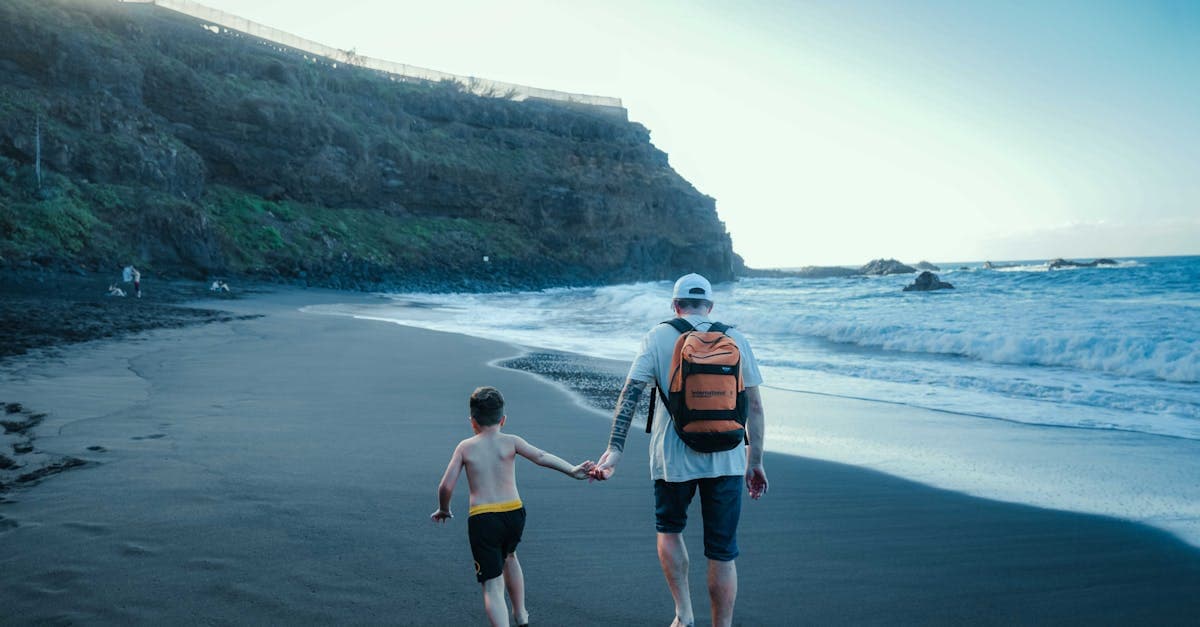
Tenerife weather works against a single packing strategy. The beach forecast in Los Cristianos tells you almost nothing about conditions at the summit of Mount Teide, where temperatures can drop below 5°C even on a July afternoon.
Most visitors pack for the coast and discover this the hard way. Teide National Park draws large numbers of visitors year-round, and the cable car station at the Rambleta, at around 3,555 metres, is genuinely cold at the top regardless of what the poolside thermometer reads. A warm layer, even a basic fleece stuffed into a day bag, belongs in every suitcase heading to Tenerife.
Beyond the summit, the north-south divide creates its own packing logic. A light rain jacket earns its place if your itinerary includes the Anaga Rural Park or the town of La Orotava. That same jacket sits unused for two weeks in Playa de las Américas, but the moment a day trip north is on the agenda, you'll want it.
Check summit conditions before booking a cable car slot. Teide's upper station closes with little warning when cloud or wind conditions deteriorate, and refund policies vary.
For water and beach activities, the June-through-September window is the most reliable. Sea conditions along the south coast are calm and consistently warm. Intermediate surfers tend to find better breaks off El Médano, on the southeast coast, where steady trade winds create dependable swells for much of the year.
Real-time weather apps are genuinely useful on a trip like this, whether you're monitoring Teide summit access or tracking a Calima front building across the south. Irish travellers benefit here: as Ireland remains in the European Union, Irish mobile plans include Spain under the Roam Like at Home rules, covering calls, texts, and data at no extra charge on your existing plan. That means maps and forecasts stay accessible whether you're on a coastal path in Anaga or waiting for a cable car in Teide National Park.
Staying Connected in Tenerife: Mobile Data for Irish Travellers
! [Traveller using a smartphone to stay connected with a travel eSIM while exploring Tenerife.

Irish travellers in Tenerife have a concrete advantage over their British counterparts: EU roaming rights. Spain is an EU member state, so your Three, Vodafone IE, Eir, or 48 plan works there at no extra cost for calls, texts, or data.
Think of it this way: you're checking the weather radar for a Calima warning from a restaurant terrace in Los Cristianos, no pop-up about roaming rates, no throttled loading bar, just your Irish plan running the same way it does in Dublin. That's what EU roaming rights look like on the ground.
This trips people up. UK tourists on British networks have faced roaming surcharges since Brexit. Irish tourists don't. If a friend who flew out on the same Ryanair booking is complaining about data charges and you're not, that's the reason.
Key fact: Under EU "Roam Like at Home" rules, Irish customers on Three, Vodafone IE, Eir, or 48 pay €0 extra for calls, texts, and data in Spain. These rules remain in force as of 2026.
Fair-use caps are the one practical wrinkle. Irish operators apply a threshold above which speeds may drop, typically starting from around 15 GB per billing cycle. For a week of maps, messaging, and occasional streaming, most travellers stay comfortably within it. A two-week stay with heavy video streaming is where plans begin to strain.
4G covers all tourist areas on the island. Santa Cruz and the main southern resorts have 5G access as of early 2026, useful if you're uploading footage or video-calling home from the terrace.
What happens if you exhaust your fair-use allowance before the trip ends? That's where a short-term travel eSIM earns its place. Buy one before you fly, load the QR code onto a second profile on your phone, and activate it only when you need it. Budget Spain data plans cost less than a coffee in the airport, and setup takes under two minutes.
For a week away with typical usage, your Irish plan covers everything. A travel eSIM is sensible insurance for longer stays. That leaves one question almost every visitor planning a January trip wants answered.
Is It Hot Enough to Sunbathe in Tenerife in January?
! [Sun-drenched Tenerife coastal promenade in January, proving the island's warm winter weather for sunbathing.
Yes. South Tenerife in January is warm enough to sunbathe. Daily highs reach 21 to 22°C with six to seven sunshine hours per day thomascook.com, sitting well above what an Irish July typically delivers. Most Irish visitors are genuinely surprised by how comfortable it is.
The myth worth dismissing is that January is the off-season for sun. The sea holds close to its seasonal minimum in January and February, cool by Canarian standards but warmer than most Irish beaches offer in August. Anyone who swims off a Wexford beach in summer will find the water in Playa de las Américas in January considerably more inviting.
Occasionally, a Calima event drives January temperatures well above the monthly average, sometimes for several consecutive days. These surges are unpredictable but not unusual. They tip January from merely mild into something that genuinely feels like spring.
UV index is what catches visitors out. It stays moderate through the Tenerife winter, not negligible. Ireland's January sun is barely capable of tanning anyone. Tenerife's manages it at temperatures that feel like a reasonable autumn afternoon. Pack sunscreen regardless of the month.
The practical answer: bring a swimsuit in January. You will use it. South Tenerife delivers consistent warmth precisely when Ireland is at its coldest and most overcast, which is, frankly, the whole point of going.
Reviewed by HelloRoam's editorial team. Last updated: 10 April 2026.
Get Connected Before You Go





Frequently Asked Questions
In April 2026, south Tenerife's resort zones are holding highs of 23 to 25°C with overnight lows around 17°C. Around 12mm of rain is forecast across the full two weeks, meaning one or two brief showers rather than prolonged overcast days. Evenings are warm enough to eat outside without a jacket.
Yes, south Tenerife is currently experiencing highs of 23 to 25°C in April 2026, with around 8.5 sunshine hours daily. Overnight lows sit around 17°C, making evenings comfortable for outdoor dining. The sea temperature also remains swimmable year-round, sitting between 19°C and 24°C.
April, May, September, and October offer the best overall balance of warm weather, reasonable prices, and manageable crowds. July and August are the hottest but most expensive, with the added risk of Calima dust events pushing temperatures above 35°C. November to February suits travellers looking to escape the Irish winter, with mild conditions and significantly lower accommodation rates.
South Tenerife averages highs of 21 to 22°C in January with six to seven daily sunshine hours, which is comfortable for short beach sessions and outdoor activities. It is milder than peak summer but entirely pleasant compared to an Irish January. Resorts are uncrowded and accommodation rates are among the lowest of the year.
The Calima is a Saharan dust event that blows in from the African continent, pushing temperatures above 35°C and sometimes reaching 40°C during severe episodes. It deposits fine orange dust across the island and typically arrives with only around 48 hours' warning. It is most likely during July and August and can make sunbathing unpleasant despite the heat.
No, there is a significant difference. The south receives around 175mm of rain per year and stays reliably sunny due to Mount Teide's rain shadow effect, while the north receives around 450mm annually and is frequently covered by a cloud formation known as the Panza de Burro. For guaranteed beach weather, the southern resorts around Playa de las Américas and Los Cristianos are the better choice.
South Tenerife records around 2,800 to 3,000 sunshine hours annually, making it one of the sunniest places in Europe. This is roughly double the 1,400 hours typical across most of Ireland. Annual rainfall in the south sits at just 150 to 200mm.
Sea temperatures around Tenerife range from 19°C to 24°C year-round, meaning the water is always swimmable. Even in February, the Atlantic off the southern resorts sits around 19°C. September and October see the warmest sea temperatures as the ocean retains the heat built up over summer.
No, Irish travellers pay no extra charges for calls, texts, or data in Tenerife because Spain is an EU member state and EU Roam Like at Home rules apply. Major Irish providers cover Spain as part of standard plans at no extra cost. Fair-use data caps typically apply from around 15 GB per billing cycle, after which speeds may be reduced.
September and October are considered an underrated choice, with temperatures of 27 to 30°C, seven to eight sunshine hours daily, and the warmest sea temperatures of the year. Crowds thin significantly once schools reopen and prices drop considerably compared to peak summer. Many Irish travellers who have visited in both seasons rate autumn higher.
Pack primarily for warm coastal weather but include a warm layer such as a fleece for visits to Mount Teide, where temperatures can drop below 5°C even on a summer afternoon. A light rain jacket is worth bringing if your itinerary includes northern areas like Anaga Rural Park or La Orotava. Sunscreen and light clothing are essential for the southern resorts.
The main risk is the Calima, a Saharan dust event that can push temperatures above 35°C with only around 48 hours' advance warning. Hotels and flights are also at their most expensive during this period. Spring and autumn offer similar or better conditions at a fraction of the cost.
South Tenerife records around 2,800 to 3,000 sunshine hours per year compared to roughly 1,400 in most of Ireland. Annual rainfall in the south is just 150 to 200mm, whereas Dublin alone can accumulate more rain in a single January month. Sea temperatures in Tenerife stay between 19°C and 24°C year-round, warmer than the Irish Sea at its best.
March to May records the fewest rain days of the year in south Tenerife, with temperatures in the mid-20s and around 7.5 to 9 sunshine hours daily. The island is noticeably quieter than in peak summer and hotel rates drop once the Easter rush clears. Spring is considered the best overall value for Irish travellers who can book outside school holidays.
Sources
- Tenerife South Airport-Weather warnings issued — bbc.com
- Tenerife (Spain) weather — weather.metoffice.gov.uk
- Tenerife — yr.no
- Weather in Tenerife — thomascook.com
- Santa Cruz de Tenerife, Canary Islands, Spain Weather ... — accuweather.com
- 7-Day weather forecast - Santa Cruz de Tenerife — aemet.es
- When is the best time to visit Tenerife — tui.co.uk
- Weather in Tenerife by town all-year long — webtenerife.co.uk