Things to Do in Amsterdam: the Complete Guide for Irish Travellers in 2026

Written by: David Chen


16 min read
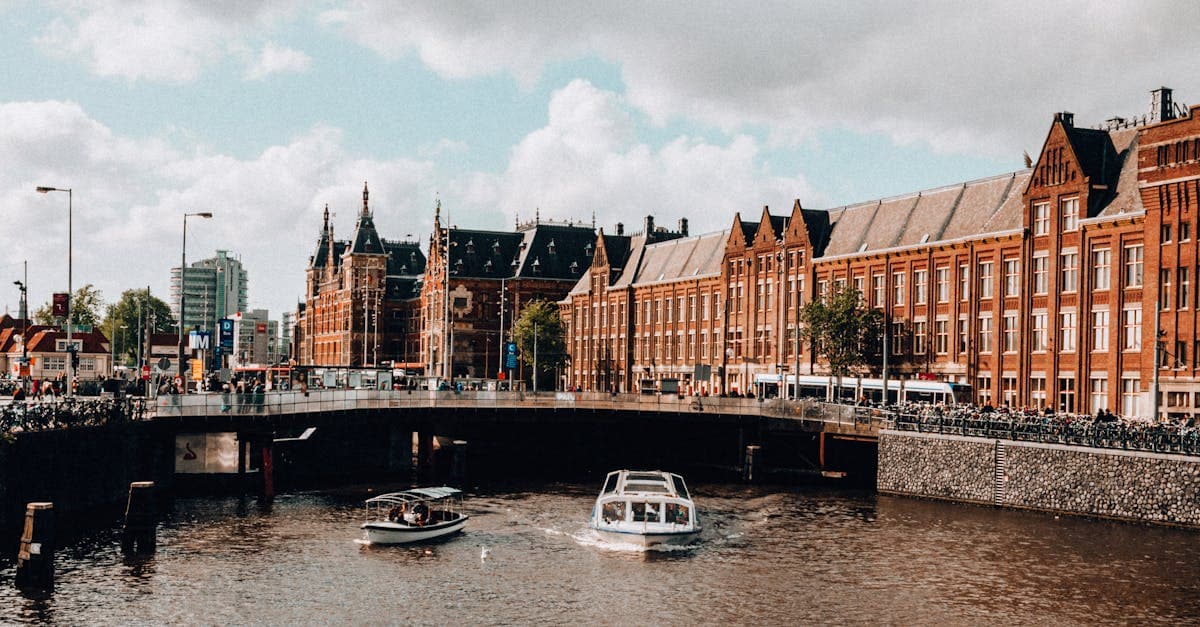
HelloRoam is a global eSIM provider offering instant mobile data in 170+ countries. Buy prepaid travel eSIM plans with no extra fees, no contracts, and instant activation on any eSIM-compatible device.
16 min read
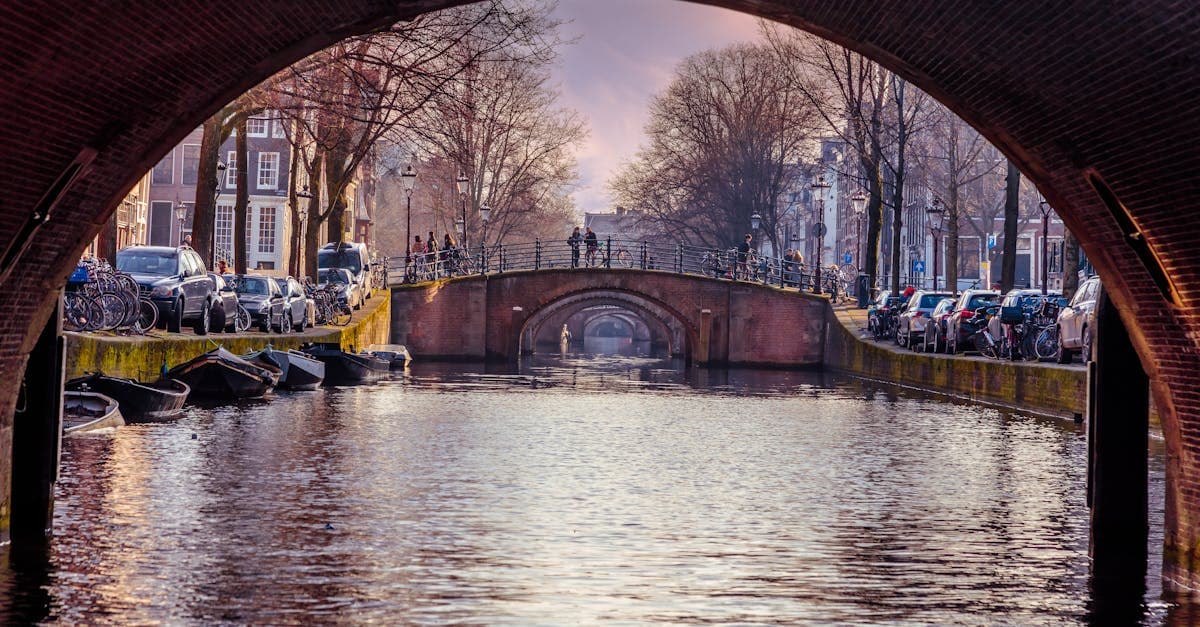
Book before you do anything else. The Anne Frank House sells out six to eight weeks in advance, and Rijksmuseum timed entry fills up two to three weeks ahead. Miss either of these and you could arrive in Amsterdam facing a sold-out page. Sort both the moment your flights are confirmed.
Getting there from Ireland is easy. Ryanair and Aer Lingus fly direct from Dublin to Schiphol in around one hour and fifty-five minutes, with fares from EUR 29 one-way in shoulder season. Connections are also available from Cork and Belfast.
Skip the taxi from Schiphol. The direct train to Amsterdam Centraal takes seventeen minutes and costs around EUR 5.40. Trains depart from the platform directly below Arrivals Hall 2, clearly signposted from baggage claim. You'll be in the city before a taxi has cleared the car park.
Tourist tax applies at most hotels. Amsterdam charges around EUR 8 per person per night in 2026, and some properties add this at checkout rather than including it in quoted rates. Confirm when you book.
Irish passport holders don't need ETIAS. Ireland is an EU member state with full Schengen access, so there are no border checks on arrival in the Netherlands.
On transit, contactless bank cards and the OV-chipkaart both work on GVB trams, buses, and metro lines. A single tram ride costs around EUR 3.50. Paper tickets exist but aren't worth the extra steps.
The I Amsterdam City Card makes financial sense for visitors doing three or more paid museums. The 24-hour version costs EUR 65, the 48-hour EUR 85, the 72-hour EUR 100. Each covers Rijksmuseum, Van Gogh Museum, and Stedelijk Museum entry, plus unlimited GVB transit.
Budget roughly EUR 12 to 18 for a casual lunch and EUR 25 to 40 per person for a mid-range dinner. Street food (herring, stroopwafels, poffertjes) starts around EUR 3 to 6. Tipping isn't mandatory; round up or add ten percent if service was good.

Start your Amsterdam visit with a free walking tour from Dam Square on day one. Amsterdam's canal ring is compact, with the Rijksmuseum, Anne Frank House, Van Gogh Museum, and the Jordaan all within thirty minutes on foot. That said, a structure helps even in an easily walkable city.
Tip-based tours depart daily and provide solid orientation before you tackle cycling or the major museums. Most guides carry local knowledge you won't find on a travel site.
As thetravelexpert.ie notes, three days is enough to cover the top things to do in Amsterdam without rushing. A practical structure: Day 1 for museums and the Jordaan; Day 2 for canals, cycling, and the Albert Cuyp Market in De Pijp; Day 3 for a day trip to Keukenhof (late March through May, when tulips are in full colour) or a quieter morning in Haarlem, twenty minutes by train.
Amsterdam has actively managed overtourism since 2023 under its "Enjoy and Respect" campaign. Cannabis smoking is banned in tourist areas, photography in the Red Light District comes with published etiquette requirements, and sensitive sites operate under visitor limits. These rules are enforced.
Pre-booking is the single most important step before you land. Visitors who arrive without tickets to Anne Frank House or the Rijksmuseum consistently miss both. The sections below cover the must-see museums, canal and cycling experiences, the best neighbourhoods, and day trip options from Amsterdam.
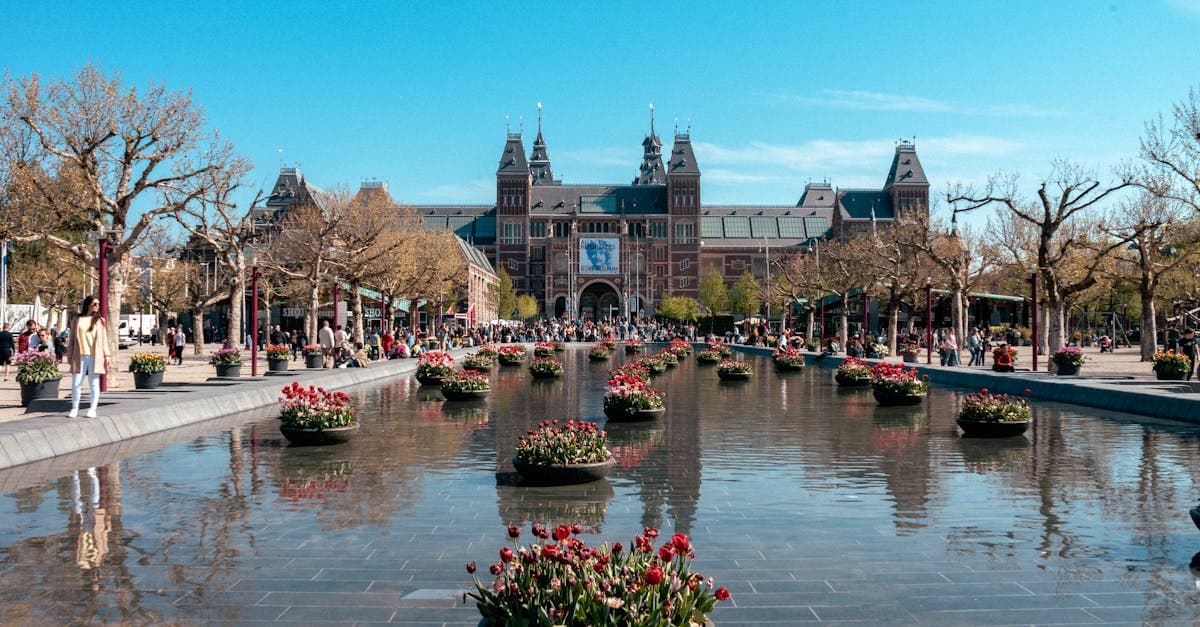
According to tripadvisor.ie, the Rijksmuseum is non-negotiable. Rembrandt's Night Watch, Vermeer's The Milkmaid, and a permanent collection spanning Dutch and Flemish Golden Age painting, Delftware, and decorative arts fill its galleries. Allow two to three hours. Timed entry sells out well in advance, so book online before you travel.
The Van Gogh Museum holds the world's largest collection of his work: around 200 paintings and 500 drawings tracing his career from early Dutch canvases through Arles and Saint-Remy thereshegoesagain.org. In spring and summer, bookings go two to four weeks out. There's no reliable same-day option.
Anne Frank House is the most emotionally significant site in Amsterdam. Only eighty visitors are admitted per time slot. Afternoon slots disappear faster than early morning ones. No same-day tickets are released. Allow ninety minutes, and as noted in the planning section above, this is the booking to make first.
Not every museum demands weeks of forward planning. The Stedelijk (contemporary and modern art) is often walk-in possible. Moco Museum near the Rijksmuseum, best known for its Banksy collection, rarely sells out entirely. EYE Film Museum in Amsterdam Noord is free to enter the building, with screenings ticketed separately.
The Jewish Historical Museum and the National Holocaust Memorial sit near Waterlooplein in the old Jewish Quarter. Less visited than Anne Frank House and deeply affecting for it. Micropia, attached to Artis Zoo, is the world's only museum dedicated entirely to microbes. Rarely crowded, genuinely unusual, unlike anything else in the city.
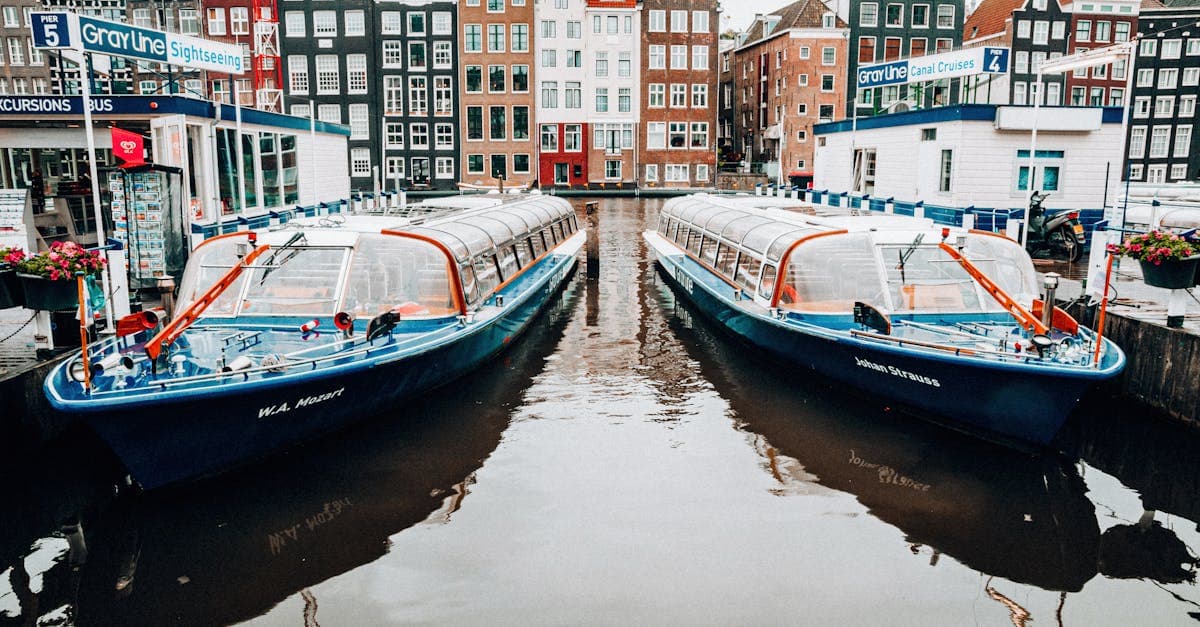
Canal boat tours cover the main ring in around one hour. Daytime cruises cost EUR 15 to 18; evening tours run EUR 22 to 28 and are more atmospheric, with city lights reflected on the water. Self-paddle whisperboat rentals for small groups are available near Leidseplein for something less structured.
The early morning canal walk costs nothing and beats most paid experiences. Before 9am, Amsterdam's streets are almost entirely empty and the light is exceptional for photographs.
Cycling is how this city functions. Macbike is the most reliable rental option, with multiple city-centre locations and rates around EUR 13 to 15 per day. Star Bikes Rental near Centraal Station is cheaper. Swapfiets operates on a monthly subscription, which makes more sense for stays of a week or longer.
For Irish first-timers on a bike: ride on the right, use the dedicated red tarmac cycle lanes, signal turns by extending your arm, and ring your bell when pedestrians drift into the lane. Never ride on pedestrian footpaths.
Albert Cuyp Market in De Pijp is the Netherlands' largest outdoor street market, with over 260 stalls open daily except Sunday wheatlesswanderlust.com. Raw herring with onion and gherkins costs EUR 4 to 5. Dutch cheese, fresh fruit, and affordable clothing fill the rest.
Negen Straatjes (Nine Streets) connects the main canals through the Jordaan via nine short streets lined with boutique shops, vintage stores, independent bookshops, and cafes. No chain stores anywhere. A weekday morning is the right time to visit, when the neighbourhood is quiet enough to actually browse.
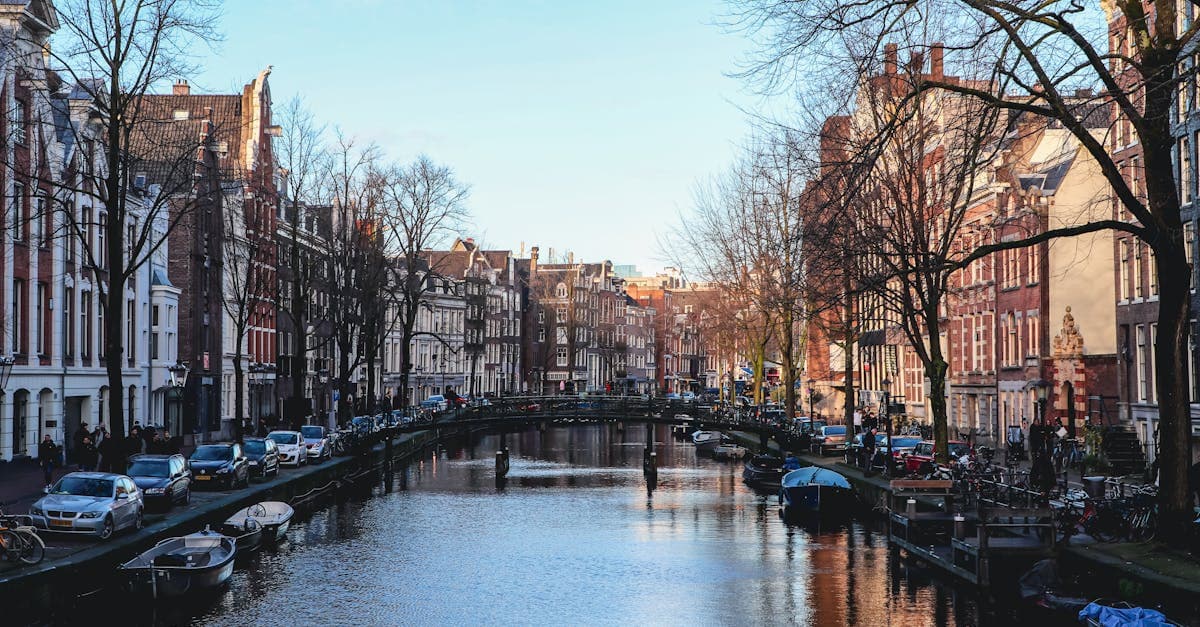
Three canals define Amsterdam's layout. Herengracht, Keizersgracht, and Prinsengracht arc outward from the historic centre in a pattern that earned the whole ring UNESCO World Heritage status in 2010. Nearly every attraction you've already pre-booked sits within or just outside this semicircle.
The character shifts once you leave it. Jordaan is residential and quiet, full of independent galleries and canal terraces, with almost no tourist shops. De Pijp, ten minutes south of the Rijksmuseum, is food-led and genuinely local. Amsterdam Noord, reached by the free IJ ferry from Centraal Station (a five-minute crossing), occupies repurposed industrial buildings with a creative energy unlike anything south of the river. The Centrum is beautiful and, by midday, very crowded.
Two free spots are consistently overlooked. Vondelpark hosts open-air theatre performances through summer, typically May to September, and it's always lively. Begijnhof is a medieval courtyard tucked off the Spui, free to enter, dating to 1346, and contains one of the oldest surviving wooden houses in the Netherlands wheatlesswanderlust.com. Early morning, before 9am, is when Amsterdam actually looks like Amsterdam: empty canal-side streets, soft light, locals heading to work rather than tourist groups heading to the museums.
The Red Light District (De Wallen) carries real historical weight. Photography of sex workers is illegal, a rule the city has enforced more strictly since 2023. A licensed guided tour provides context a solo walk simply won't.

According to thereshegoesagain.org, Jordaan is Amsterdam's most coveted residential neighbourhood, a 17th-century working-class district transformed into a quiet area of narrow streets, independent galleries, canal terraces, and almost no souvenir shops.
Three specific stops anchor a visit well. Westerkerk's tower is climbable (EUR 9) and gives an elevated view across the canal ring that rivals anything on the tourist trail. Noordermarkt runs a farmers market every Saturday and a flea market on Mondays, both free. The Nine Streets, covered in the previous section, cut through the heart of Jordaan connecting the main canals with vintage clothing shops, specialist bookshops, jewellery designers, and independent bakeries.
De Pijp sits a short walk south, past the Rijksmuseum, and feels like a different city from the canal ring. Albert Cuyp Market runs daily except Sunday along the neighbourhood's main street. Gerard Doustraat is the restaurant spine, from Indonesian rijsttafel to natural wine bars. The Heineken Experience occupies the original 1867 brewery building on Stadhouderskade; entry is EUR 28, and the interactive format makes it more engaging than most brand museums. Popular with good reason, though it's not a budget option.
Sarphatipark, one block east of Albert Cuyp, is small and reliably quieter than Vondelpark. Good to know when you need somewhere to sit after the market.
The Jewish Quarter around Waterlooplein rewards a dedicated visit beyond the museums covered earlier. The daily flea market there is free, and the neighbourhood's historical depth extends well beyond what any single afternoon covers.
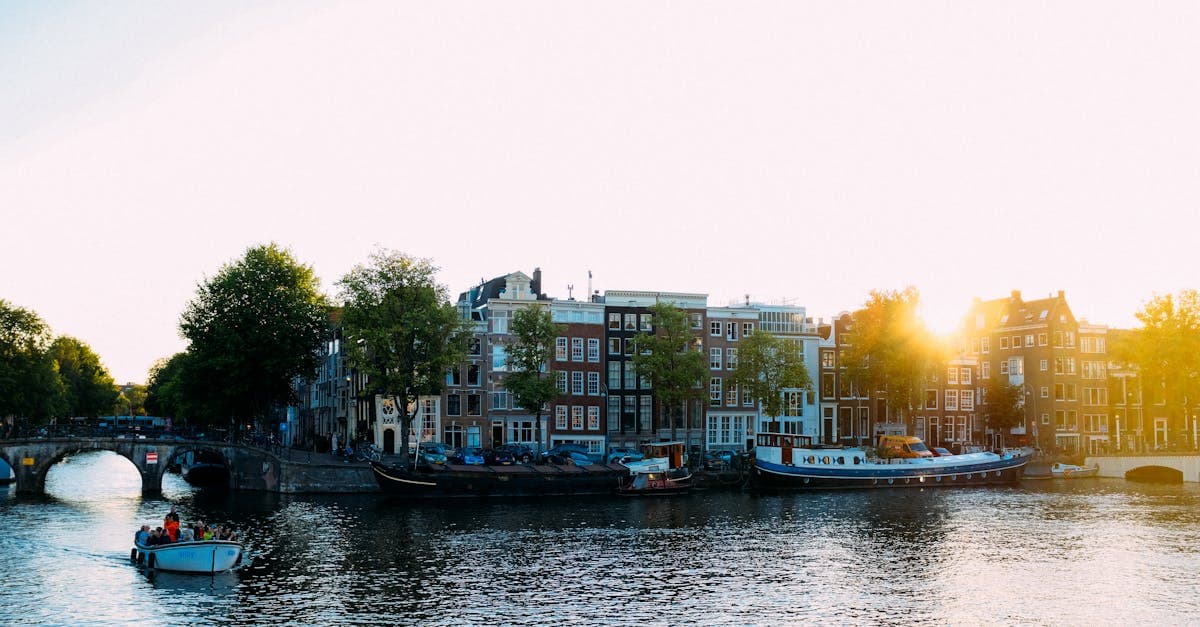
The best day trip from Amsterdam in March is also the most time-sensitive. Keukenhof Gardens, near Lisse and 30km south of the city, opens around 20 March 2026. Verify the exact date at keukenhof.nl before planning, since it shifts slightly year to year. The Keukenhof Express bus runs directly from Schiphol and Amsterdam Centraal. Adult tickets are EUR 22 online; book ahead for spring weekends when gate queues are long. Seven million bulbs across 80 hectares, with peak tulip season running from late March through late April.
Haarlem is 20 minutes by direct Intercity train, two to three services an hour at roughly EUR 5 each way. Its own canal ring, a handsome Grote Markt square, the Frans Hals Museum (Dutch Golden Age portraiture), and far fewer tourists than Amsterdam. A solid half-day out.
Zaanse Schans is 45 minutes by train, changing at Zaandam. Entry to the open-air windmill village is free. Working windmills, a traditional cheese farm, a wooden clog workshop. Arrive before 10am; coach tours fill the site from mid-morning.
Delft is an hour by Intercity at roughly EUR 15 each way. Vermeer's birthplace. Royal Delft pottery factory charges EUR 15 to enter. The Nieuwe Kerk holds the tomb of William of Orange. Quieter and more manageable than Amsterdam for a half-day that actually feels different from the canal ring.
Use the NS app or ns.nl for Dutch rail tickets. Your Irish contactless card works on all intercity services.

Good news first: EU roaming means you can use your Irish number, calls, texts, and data in the Netherlands at no extra charge. Three Ireland, Vodafone Ireland, Eir, and most Irish MVNOs all cover it. Nothing to set up at the airport.
The catch is your fair use data cap. Most Irish plans include 12GB to 25GB of roaming data before speeds are throttled. A typical three-night Amsterdam trip uses around 3 to 8GB, but that range climbs quickly. Google Maps cycling navigation draws roughly 20MB per hour, and you'll be using it all day. WhatsApp video calls run at around 300MB per hour. An active sightseeing day with social media pushes consumption considerably higher than a quiet day at home.
Free WiFi covers Schiphol (congested at peak departure times), most major museums, and virtually every cafe in the city centre. The GVB transit app needs a live data connection for real-time tram and metro routing.
A dedicated Netherlands eSIM makes sense for three groups: travellers on older pre-2022 SIM-only plans with reduced roaming allowances, heavy data users likely to hit their fair use cap, and anyone on a multi-country itinerary through Belgium or Germany. Hello Roam's Netherlands eSIM is 5G-compatible across Amsterdam and major transport hubs, with transparent pricing and no hidden charges. Activate it before you depart and it's ready the moment you land at Schiphol.
For most Irish travellers on a modern plan, EU roaming handles Amsterdam without any fuss. Your data cap is the only thing worth checking before you pack.
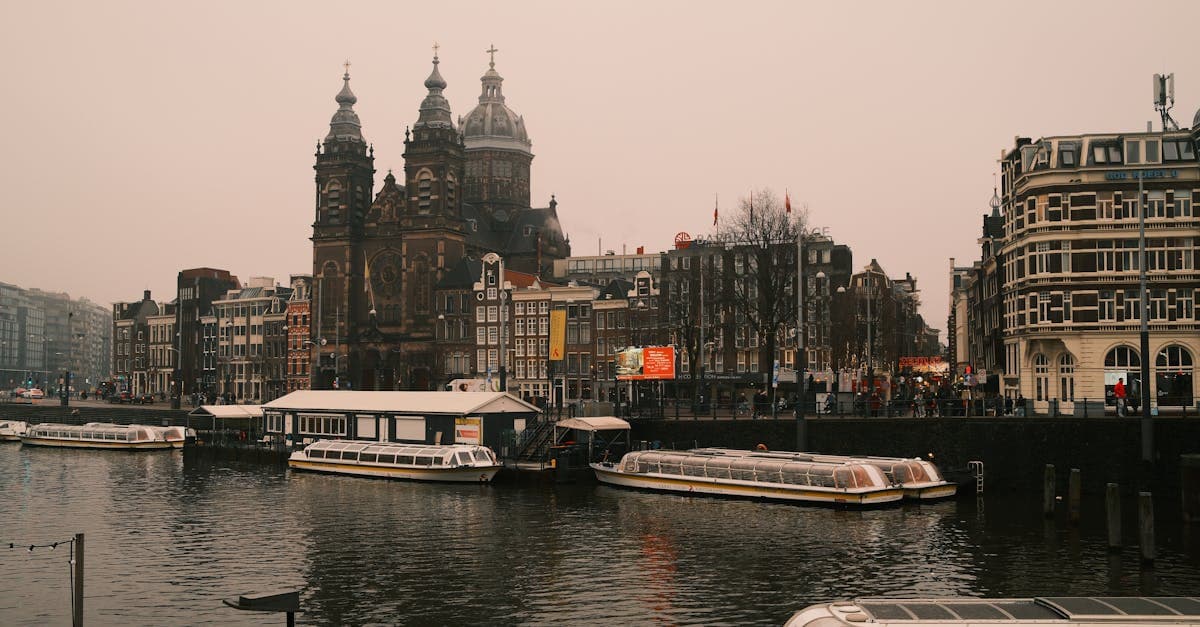
First-time Amsterdam visitors keep hitting the same walls: a sold-out Anne Frank House, a tourist tax that wasn't in the budget, and a bike lane they've stepped into by accident. Here are the questions Irish travellers ask most.
Do I need to book the Anne Frank House in advance? Yes, and only through annefrankhouse.org; no third-party agents sell official timed entry. Afternoon sessions disappear fastest. If you pre-book nothing else on this trip, make it this.
Do Irish citizens need ETIAS to visit the Netherlands? No. ETIAS applies to non-EU nationals only. Your Irish passport gives full Schengen access without any pre-travel authorisation.
Is there a tourist tax on accommodation? Yes. Amsterdam adds a per-person, per-night city tax on top of your room rate. Check the current figure with your hotel or booking platform before finalising your budget.
Is Amsterdam safe? It's one of Western Europe's safer city-break destinations. Pickpocketing near Centraal Station is the main concern. For Irish visitors, the more immediate hazard is cycling accidents: lanes move fast, and riders won't brake for a pedestrian who's drifted into their path.
Is Keukenhof open in late March? The gardens open around 20 March and run daily until late April. Buy entry tickets online before you travel to avoid queuing at the gate.
Pre-booking defines how much of Amsterdam you actually get to see. Everything else you can sort on arrival.
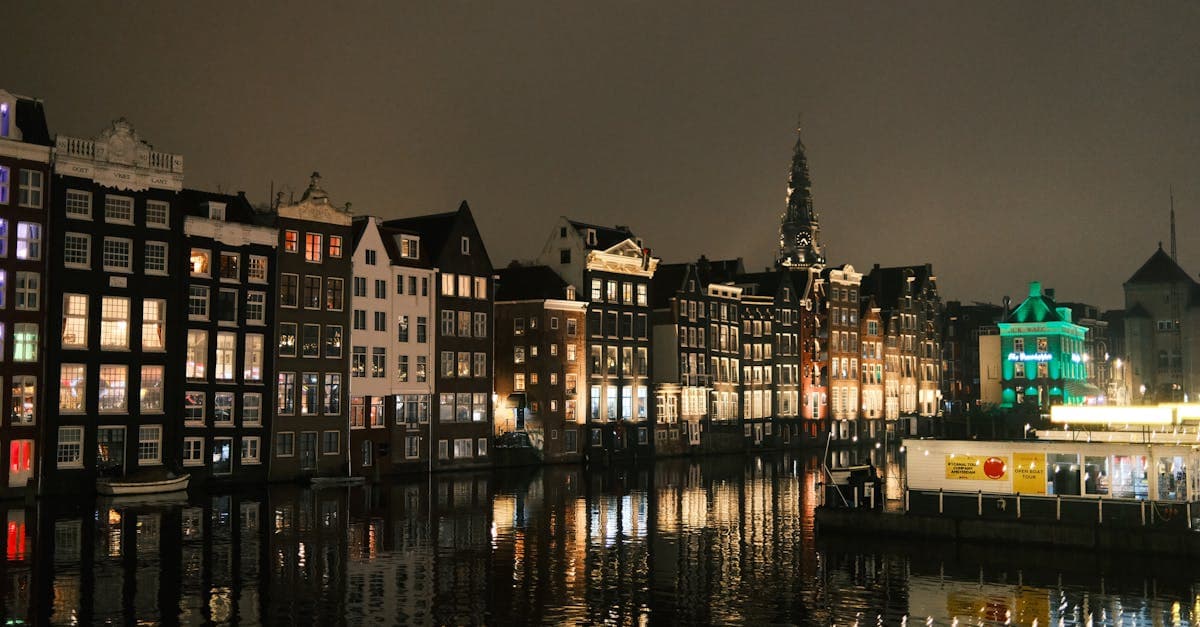
Six experiences define a first trip. Everything else is optional.
Anne Frank House: The most emotionally significant site in Amsterdam, not comparable to any other museum visit in the city. It's a preserved hiding place, not an exhibition. Pre-book it as covered earlier; there's no walk-in option.
Rijksmuseum: Rembrandt's Night Watch and Vermeer's The Milkmaid hang here. Allow a full morning, not two hours. The building itself earns the entry fee.
Van Gogh Museum: Non-art lovers consistently leave surprised. The chronological layout traces the full arc of his technique from the heavy, dark Dutch period through Arles and Saint-Rémy in a way that makes the development genuinely absorbing. Book weeks ahead in spring.
A canal boat: Walking beside the Herengracht and Prinsengracht is one thing; seeing the canal ring from the water is a different experience entirely. An afternoon cruise covers the main canals in around an hour.
A full day on a bike: It's how Amsterdam actually functions. Cycling the dedicated red lanes covers ground no walking tour reaches. Non-negotiable for anyone reasonably comfortable on a bicycle.
Albert Cuyp Market and Dutch street food: Raw herring with chopped onion, warm stroopwafels straight from the iron, poffertjes dusted with icing sugar. All three are cheap, all three are distinctly local.
Jordaan before 10am: No ticket, no queue. Walk the Nine Streets with a coffee and nothing planned. One of the best free hours the city offers.
Yes. Three days covers the main museums, a canal experience, a full day on a bike, at least one neighbourhood, and a day trip if you pace it correctly.
Here's what a solid itinerary looks like:
Day 1: Rijksmuseum or Van Gogh Museum in the morning (pre-booked). Jordaan and the Nine Streets in the afternoon. Canal-side dinner.
Day 2: Bike rental from early morning. Cycle to De Pijp, stop at Albert Cuyp Market around midday. Evening canal boat trip for the city lights.
Day 3: Keukenhof from late March through April (pre-booked), or Haarlem by direct intercity train. Return to Amsterdam for a final dinner.
Pre-booking is what makes this itinerary work. Without timed entry for the art museums and Anne Frank House reserved well in advance, hours disappear to queues or missed opportunities.
What to cut if time is tight: the Heineken Experience (popular but easily replaced by a craft beer bar), Zaanse Schans (better suited to a fourth day), and secondary museums.
Budget guide for three days from Ireland: around EUR 600 to 900 per person on a budget, covering hostel accommodation, flights, transport, food, and two paid attractions; around EUR 1,200 to 1,800 per person mid-range, with a hotel and the I Amsterdam City Card included.
Four or five days allows a second day trip and more time in the Jordaan food and cafe scene, but three days is a complete first visit.
The rule that saves most first-time visitors from a nasty shock: never step off the pavement without checking for cyclists. Amsterdam's red cycle lanes run parallel to the footpath and riders move fast. They don't slow down for pedestrians in their path. That single habit protects you on every street in the city.
Do: - Pre-book Anne Frank House, Rijksmuseum, and Van Gogh Museum before leaving Ireland. Walk-ins are rarely possible for any of the three. - Tap your contactless bank card directly on GVB tram and metro barriers. Day passes are available at Centraal Station machines for multi-journey days. - Rent a bike for at least one full day. Stick to the red cycle lanes and ride with confidence; hesitating in traffic is more dangerous than committing to a lane. - Eat at Albert Cuyp Market: raw herring from a haring stand, warm stroopwafels from a stall, poffertjes with icing sugar. Genuinely local, genuinely cheap.
Don't: - Smoke cannabis in tourist zones. The Enjoy and Respect restrictions cover most of the historic centre and parts of De Pijp; fines apply. Licensed coffee shops are the only permitted spaces. - Photograph sex workers in the Red Light District. It's illegal under Dutch law. Stewards patrol the area and will ask you to delete images. - Rely on cash. Amsterdam is largely cashless. Keep roughly EUR 20 to 30 for market stalls and traditional brown cafes; card handles almost everywhere else.
The rules aren't arbitrary. They reflect a city that has consciously reshaped how it manages millions of annual visitors, and following them makes for a noticeably better trip.

The three non-negotiable sights are the Rijksmuseum, the Van Gogh Museum, and the Anne Frank House. Beyond museums, a morning canal walk before 9am, cycling through the Jordaan, and the Albert Cuyp Market in De Pijp are essential Amsterdam experiences. All three major museums require advance booking weeks before you arrive.
Yes, three days is enough to cover the top things to do in Amsterdam without rushing. A practical structure is Day 1 for museums and the Jordaan, Day 2 for canals, cycling, and Albert Cuyp Market, and Day 3 for a day trip to Keukenhof (late March through May) or a quieter morning in Haarlem, just twenty minutes by train.
Budget roughly EUR 12 to 18 for a casual lunch and EUR 25 to 40 per person for a mid-range dinner. Street food such as herring, stroopwafels, and poffertjes starts around EUR 3 to 6. Tipping is not mandatory; rounding up or adding ten percent is common if service was good.
Do pre-book the Anne Frank House, Rijksmuseum, and Van Gogh Museum weeks in advance, as they sell out. Do use trams and cycles to get around. Don't smoke cannabis in tourist areas, as it is banned and enforced. Don't photograph sex workers in the Red Light District, which is illegal and more strictly enforced since 2023.
The Anne Frank House sells out six to eight weeks in advance. Only eighty visitors are admitted per time slot, afternoon slots disappear fastest, and no same-day tickets are released. This is the single most important booking to make as soon as your flights are confirmed.
Take the direct train from Schiphol to Amsterdam Centraal, which takes seventeen minutes and costs around EUR 5.40. Trains depart from the platform directly below Arrivals Hall 2, clearly signposted from baggage claim. Taxis are significantly slower and more expensive.
The I Amsterdam City Card makes financial sense for visitors doing three or more paid museums. The 24-hour version costs EUR 65, the 48-hour EUR 85, and the 72-hour EUR 100. Each card covers entry to the Rijksmuseum, Van Gogh Museum, and Stedelijk Museum, plus unlimited GVB transit on trams, buses, and metro.
Daytime canal boat tours covering the main ring cost EUR 15 to 18 and last around one hour. Evening tours run EUR 22 to 28 and are more atmospheric, with city lights reflected on the water. Self-paddle whisperboat rentals for small groups are also available near Leidseplein.
Contactless bank cards and the OV-chipkaart both work on GVB trams, buses, and metro lines. A single tram ride costs around EUR 3.50. For intercity day trips, use the NS app or ns.nl for Dutch rail tickets, and your Irish contactless card works on all intercity services.
Macbike is the most reliable rental option with multiple city-centre locations, charging around EUR 13 to 15 per day. Star Bikes Rental near Centraal Station is a cheaper alternative. When cycling, ride on the right, use the dedicated red tarmac cycle lanes, and signal turns by extending your arm.
Amsterdam charges around EUR 8 per person per night in tourist tax in 2026. Some hotels add this at checkout rather than including it in quoted rates, so confirm the total cost when you book. Irish passport holders do not need ETIAS as Ireland is an EU member state with full Schengen access.
Keukenhof Gardens near Lisse opens around 20 March 2026, with peak tulip season running from late March through late April. Adult tickets cost EUR 22 online and should be booked in advance for spring weekends. The Keukenhof Express bus runs directly from Schiphol and Amsterdam Centraal, and the site covers 80 hectares with seven million bulbs.
Haarlem is the easiest option, just 20 minutes by direct Intercity train for around EUR 5 each way, with its own canal ring and the Frans Hals Museum. Keukenhof Gardens is unmissable in spring. Zaanse Schans is 45 minutes away with free entry to working windmills. Delft is an hour by Intercity at around EUR 15 each way.
Yes. EU roaming means Irish travellers can use their number, calls, texts, and data in the Netherlands at no extra charge. Three Ireland, Vodafone Ireland, Eir, and most Irish MVNOs all cover it with nothing to set up at the airport. Most Irish plans include 12GB to 25GB of roaming data before speeds are throttled.
Albert Cuyp Market in De Pijp is the Netherlands' largest outdoor street market, with over 260 stalls open daily except Sunday. Raw herring with onion and gherkins costs EUR 4 to 5. Dutch cheese, fresh fruit, and affordable clothing fill the rest of the stalls.
Jordaan is Amsterdam's most coveted residential neighbourhood, a 17th-century working-class district now known for narrow streets, independent galleries, canal terraces, and almost no souvenir shops. Highlights include the climbable Westerkerk tower for EUR 9, the Noordermarkt Saturday farmers market, and the Nine Streets boutique shopping area.
Yes. Vondelpark hosts free open-air theatre performances from May to September. Begijnhof is a medieval courtyard free to enter, dating to 1346 and containing one of the oldest wooden houses in the Netherlands. The EYE Film Museum in Amsterdam Noord is free to enter the building. An early morning canal walk before 9am costs nothing and offers exceptional light for photographs.
Photography of sex workers in the Red Light District is illegal and the city has enforced this rule more strictly since 2023. A licensed guided tour provides context that a solo walk will not. The district carries real historical weight and is worth visiting, but the published etiquette requirements and visitor rules are enforced.
HelloRoam: your trusted travel eSIM that keeps you online across borders.
Explore Plans