Things to Do in Bali: the Complete Australian Guide for 2025

Written by: Sarah Mitchell


16 min read
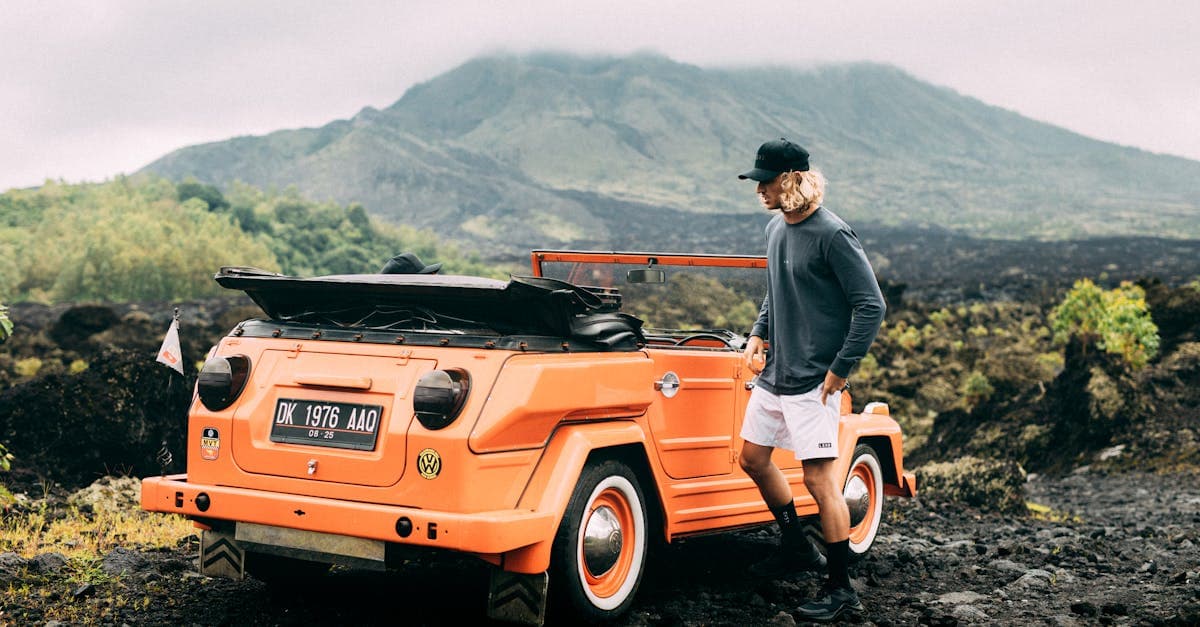
Table of content
Why Australians Keep Coming Back to Bali

Perth to Bali takes roughly 3.5 hours, shorter than the Perth-to-Sydney flight. From Darwin, it's 2.5 hours. For much of northern and western Australia, Bali is geographically closer than the country's own east coast. That proximity shifts how you think about the trip entirely.
Around 1.05 million Australians visited Bali in 2023, representing 15 to 20 per cent of all international arrivals. That's not a travel trend; that's a settled relationship. Most people who go once go back within a year or two. Many have been three to five times and are well past queuing on Kuta Beach for sunset Bintangs.
Flights leave from every major Australian city. Jetstar, Qantas, Virgin, Scoot, AirAsia and Batik Air all serve Denpasar's Ngurah Rai Airport. Return fares from Perth start around ~AUD 200 in sale season. From Sydney or Melbourne, budget ~AUD 350 to AUD 900 depending on airline and timing.
The value at the other end still surprises people who haven't been recently. A private villa with a pool runs ~AUD 80 to AUD 200 per night. A one-hour Balinese massage costs ~AUD 8 to AUD 15. Nasi goreng at a local warung (a simple roadside kitchen) sets you back ~AUD 2 to AUD 4. Mid-range trips work out to ~AUD 100 to AUD 180 per day; backpackers manage on ~AUD 40 to AUD 60; the villa crowd can spend ~AUD 300 to AUD 600 and still feel they got value.
Before you fly, two practical items to sort. Bali introduced a mandatory tourist levy in February 2024: a one-off fee of ~AUD 15 per international arrival, paid online at lovebali.baliprov.go.id before departure or at the airport kiosk on arrival. Any Bali guide that doesn't mention this is running on old information. Sort your data at the same time; navigating by Grab or Gojek requires a live connection. Hello Roam covers Indonesia through its eSIM for Australia plans from ~AUD 15, with Australian-hours support if something goes sideways mid-trip.
Bali suits the full travel spectrum. First-timers land in Seminyak and wonder what took them so long. Return visitors are already asking about the road to Amed or which homestay sits closest to the Jatiluwih rice terraces.
Best Areas to Base Yourself in Bali
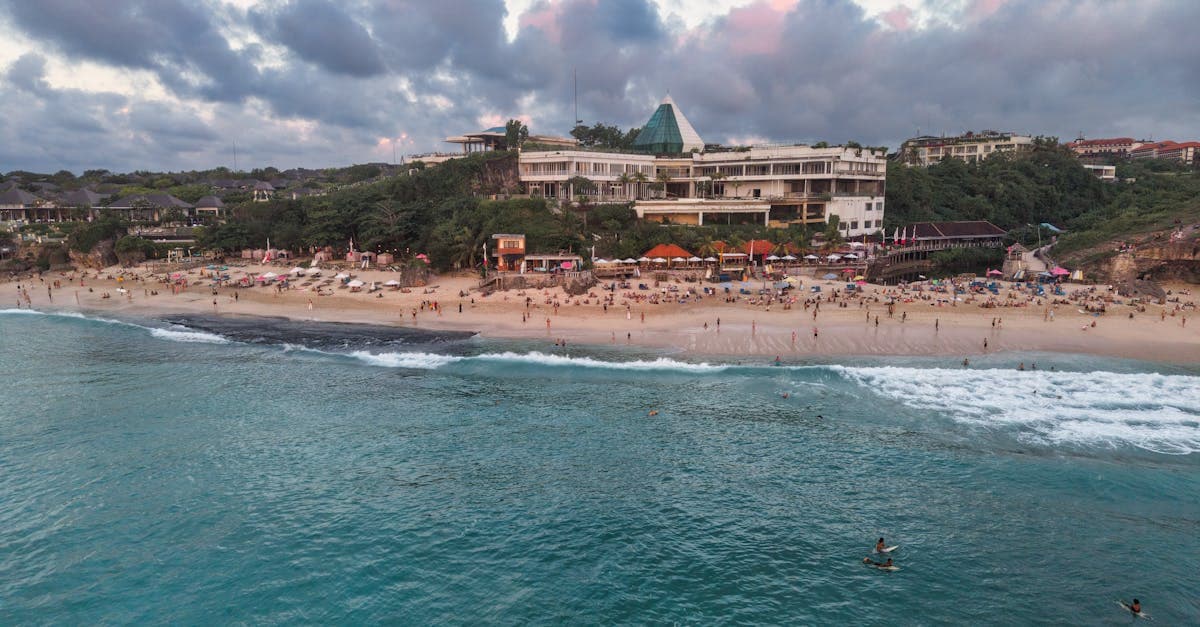
The base you choose shapes your entire Bali trip.
Seminyak and Kuta are the classic Australian strongholds: beach clubs, dense restaurant strips and the Jl Legian nightlife corridor. Easy to navigate and genuinely enjoyable for groups. For first-timers sorting out their Bali legs, this is the right call.
Canggu, 20 minutes north of Seminyak, has become Southeast Asia's leading digital nomad hub. Coworking spaces including Outpost and Dojo offer fast fibre connections and day passes. Surf breaks at Echo Beach and Batu Bolong draw a younger crowd actively moving away from the resort strip. The cafe density is high; the vibe is more neighbourhood than tourist zone.
Ubud, an hour inland, is a genuinely different proposition. Rice terraces on the doorstep, yoga retreats, temple ceremonies and the Ubud market all within easy reach. Suits families and return visitors after substance rather than late nights.
Uluwatu and the Bukit Peninsula offer clifftop surf breaks, the Uluwatu Temple at sunset and upscale villa accommodation set into the limestone. Quieter than the west coast, well-suited to surfers and couples wanting to slow things down.
Sanur and Nusa Dua have calmer, reef-protected beaches and a solid family-resort infrastructure. The ferry connections to Nusa Penida and Nusa Lembongan are faster from here than anywhere else on the island.
According to worldadventuredivers.com, Amed, on Bali's remote east coast, is world-class shore diving territory with a genuinely slow pace. Best reserved for divers or travellers on their second or third visit who want somewhere that feels nothing like Kuta.
Quick-reference vibe guide: party crowd (Seminyak or Kuta), nomad crowd (Canggu), culture crowd (Ubud), surf crowd (Uluwatu), families (Sanur or Nusa Dua), divers (Amed).
Top Things to Do in Bali in 2025
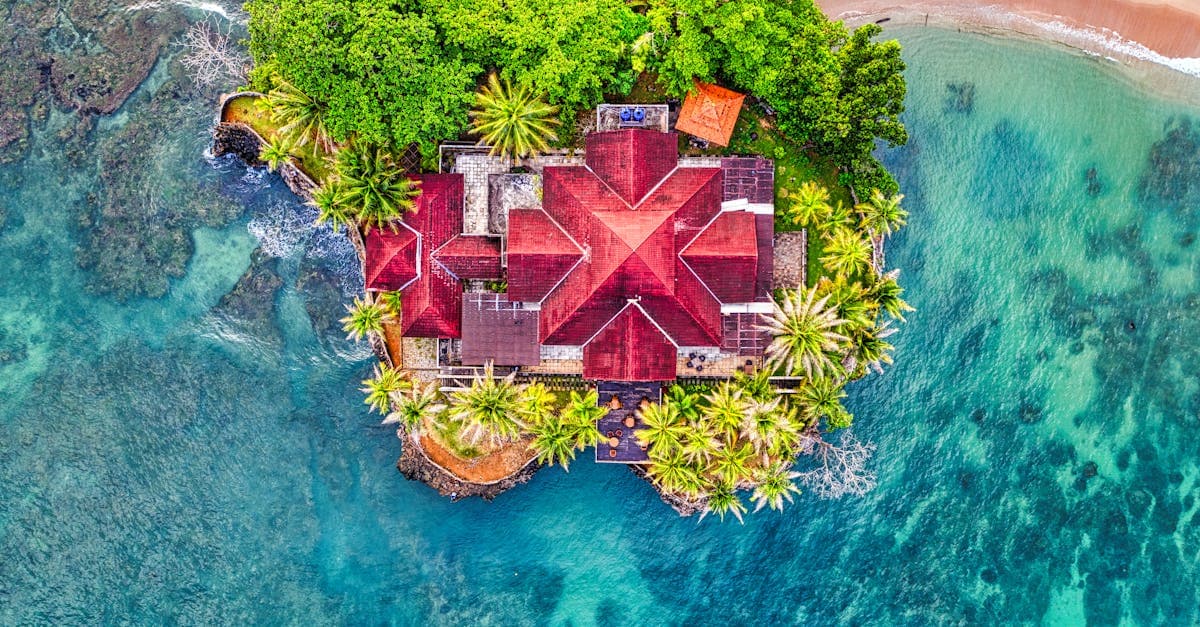
According to clubmed.com.au, the top things to do in Bali in 2025 include visiting UNESCO rice terraces near Ubud, attending clifftop Kecak fire dance ceremonies at Uluwatu, exploring sacred water temples, and taking day trips to the outer islands. Most activity zones sit 30 to 90 minutes apart by road; you can wake up in Ubud, spend the morning at a rice terrace and be back on a Seminyak beach club sunbed by mid-afternoon.
Two things to know about the rice terraces before you do anything else. According to worldadventuredivers.com, Tegallalang, north of Ubud, is the photogenic one from every travel feed, but it's also crowded. Get there before 8 am or the tour groups arrive in force and the paths fill quickly.
The UNESCO World Heritage-listed alternative is Jatiluwih, roughly an hour west of Ubud, with far fewer visitors and an actual working agricultural landscape rather than a backdrop for photos. The terrace scenery is comparable; the atmosphere is not.
Timing your visit matters more than most people account for. Dry season runs May to September, aligning directly with Australian school holidays in June and July. That overlap pushes accommodation prices up 30 to 50 per cent. April and October offer comparable conditions at noticeably better rates. If your schedule has any flexibility, those two shoulder months are the smarter window.
For travellers on a return visit, the sections below operate on a consistent principle: each activity includes at least one less-visited alternative to the obvious choice. Bali's headline attractions are worth doing and are also genuinely overrun. Knowing where to stand, and when to arrive, changes the experience considerably.
Culture, temples and the unexpected
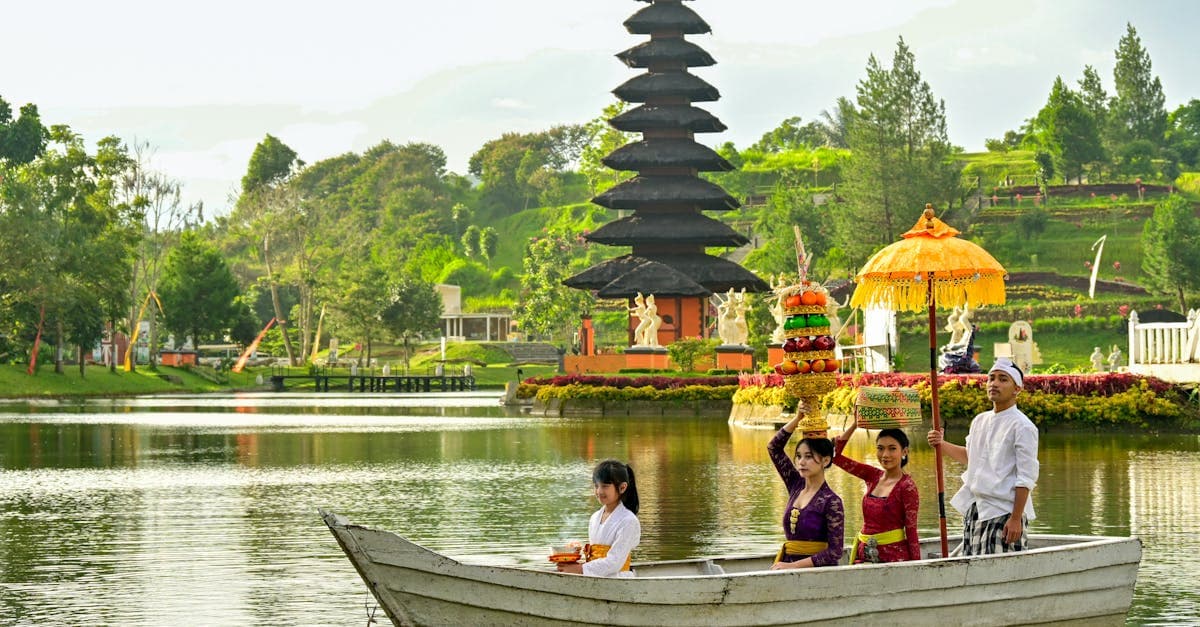
Uluwatu Temple sits on a cliff 70 metres above the Indian Ocean. The setting does most of the work. According to midnightblueelephant.com, the Kecak fire dance runs at 6 pm most evenings, the clifftop backdrop as the sun drops giving it a theatricality that's hard to replicate elsewhere in Southeast Asia. One practical note: the long-tailed macaques near the entrance will take sunglasses, phones and anything not actively secured. Keep valuables in a zipped bag and keep moving near the entrance.
Tanah Lot, the sea temple perched on a coastal rock formation, is best approached early morning. The photograph from the low-tide viewing area is the one worth waiting for. By midday, tour buses dominate the surrounds and the atmosphere shifts accordingly.
According to discoveryourindonesia.com, Tirta Empul, a holy spring water temple near Ubud, allows visitors to participate in a purification ritual in the sacred pools alongside Hindu worshippers. Sarongs are available to borrow at the entrance. Of the cultural encounters accessible to visitors on the island, this is among the more considered and genuinely memorable.
According to sunshineseeker.com, Ubud Monkey Forest houses around 700 long-tailed macaques within an active Hindu temple complex. Secure all bags, keep food out of sight and keep children close throughout.
According to midnightblueelephant.com, traditional Balinese dance, including Legong, Barong and Kecak, is performed most evenings at Pura Dalem Ubud and the Ubud Palace, with tickets around ~AUD 12 to AUD 15. Two quieter options worth adding to the itinerary: Green School outside Ubud runs guided day tours through its bamboo-construction campus and draws consistent interest from Australian families; Celuk village, 20 minutes from Ubud, is Bali's traditional silversmithing centre, where half-day workshops let you design and take home a custom piece.
Nature, beaches and water adventures
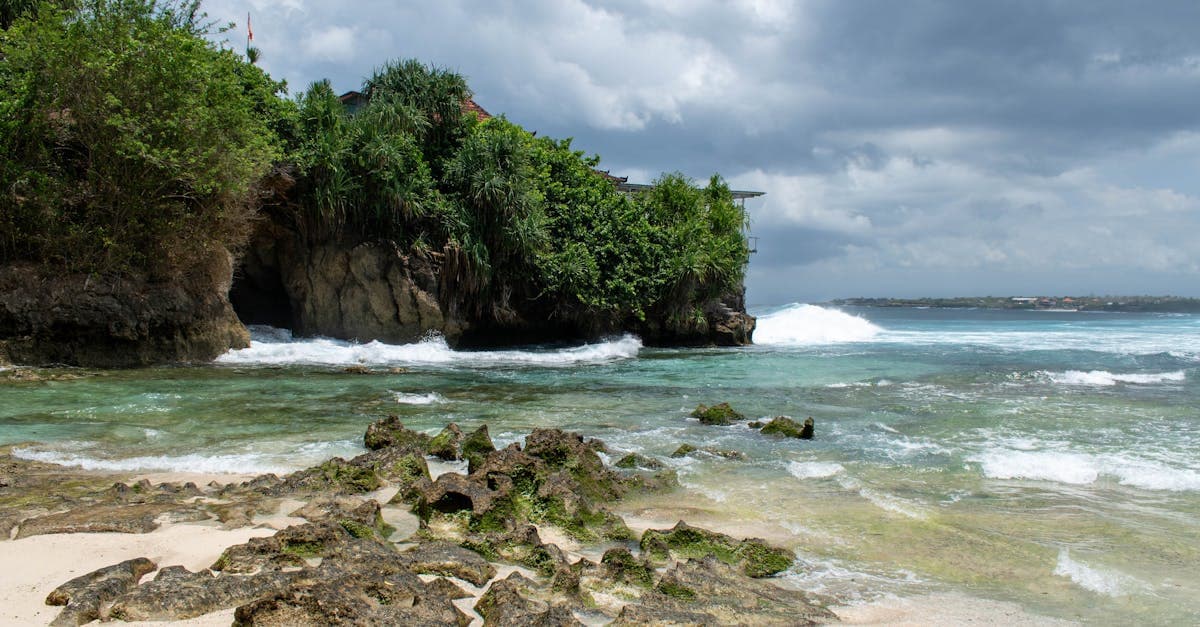
Bali's beaches, rice terraces, and dive sites are spread across distinct zones with no public transit linking them. Reaching these natural draws requires app-based rideshare, a private driver, a metered taxi, or a scooter. Mobile data is essential from the moment you clear customs; Grab and Gojek both require an active internet connection to book and track rides.
Australian carrier roaming works in Bali without configuration. Telstra sits around ~AUD 10 per day; Optus and Vodafone run closer to ~AUD 5 to 10. For four days or under, that's manageable. Past that, a local Telkomsel SIM at around ~AUD 5 to 8 for 10GB/30 days cuts costs substantially, though passport registration is required at point of sale. For travellers who'd rather sort data before leaving home, Hello Roam is an Australian-based provider with Indonesia plans from around ~AUD 15 and support operating in Australian time zones, bookable before you fly.
Separately, Bali's tourist levy of around ~AUD 15 is paid online at lovebali.baliprov.go.id or at the airport on arrival. It's a separate charge from the visa on arrival, which is free for Australians for stays up to 30 days.
Adventure activities, wellness, food and markets
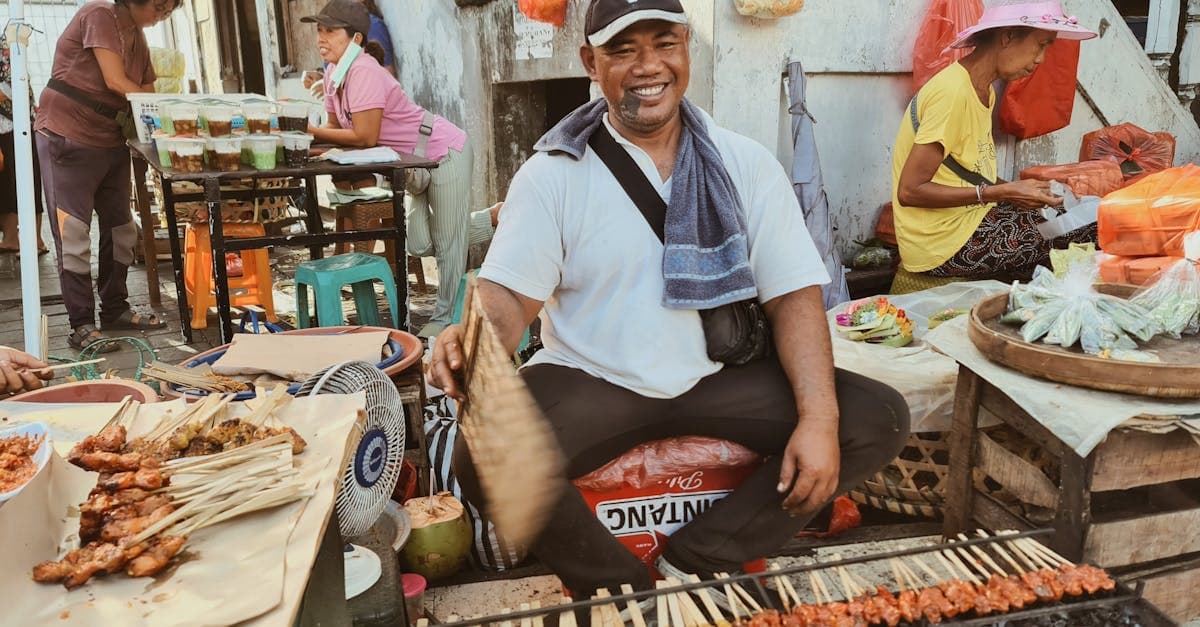
According to clubmed.com.au, Bali's adventure activities, from white water rafting and the Batur volcano trek to surf lessons and cooking classes, are spread across multiple zones. Ubud to Seminyak covers 30 to 40 kilometres but takes 60 to 90 minutes in traffic; build that buffer into any multi-area day.
Grab and Gojek handle most point-to-point travel reliably. Fares are fixed through the app before you confirm, no negotiation required. For a full day combining temples, rice terraces and a waterfall, a private driver is more practical. An air-conditioned car for 8 to 10 hours runs ~AUD 50 to 80, which spreads well across multiple stops.
Blue Bird is the only widely trusted metered taxi company on the island. Identify it by the bright blue livery. At the airport, skip the unmarked cabs and use either the fixed-price transfer desks inside arrivals or the Grab pickup zone just outside the departures exit.
Scooter hire runs ~AUD 5 to 10 per day. An International Driving Permit with a motorcycle endorsement is legally required in Indonesia. Police checkpoints near tourist zones issue on-the-spot fines to riders without the correct licence, and Australian travel insurers typically won't cover incidents if you're riding unlicensed.
For non-app airport transfers, negotiate a fixed price at the desk before leaving arrivals.
Getting Around and Staying Connected in Bali

Bali has no public transport to speak of. No trains, no buses, no trams. Getting anywhere means booking a Grab ride, hiring a driver for the day, flagging a Blue Bird taxi, or renting a scooter.
The scooter option comes with caveats. Indonesian police do run checkpoints, and you'll need a valid international driving permit (IDP) to avoid a roadside fine. Without one, you're riding illegally. Blue Bird is the most reliable metered cab on the island; flag an unmarked taxi and there's a good chance you'll pay over the odds.
Grab and Gojek handle most trips well, and prices lock in before you confirm. The catch: both apps need a live data connection to work. No internet means no ride booking, full stop. Sort your data plan before you land.
Before any of that, make sure the tourist levy is sorted. The AUD 15 fee (IDR 150,000) is separate from the visa on arrival, which costs nothing for Australians staying up to 30 days. Pay online via the official Bali tourist levy portal before you fly, or at the airport kiosk. One-time charge, per trip.
Private drivers make sense for full-day runs around Ubud or Uluwatu. Around AUD 40 to 60 gets you a car, driver, and flexibility that no rideshare app matches.
Transport options and real costs
Grab and Gojek are the default moves for most journeys. Both apps use metered, fixed pricing, so you're never negotiating with a driver or guessing whether the kerb quote is fair. That matters for solo travellers, since the airport tout situation at Ngurah Rai can be persistent.
Blue Bird Taxi is the only metered cab company with a reliable reputation across the island. The bright blue livery makes it easy to spot. Avoid unmarked taxis at the airport.
For full days combining temples, rice terraces and waterfalls, a private driver is the practical choice. Rates run ~AUD 50 to 80 for eight to ten hours in an air-conditioned car, and that cost splits easily across two or three travellers.
Scooters rent for ~AUD 5 to 10 per day. An International Driving Permit with motorcycle endorsement is legally required, and police checkpoints near tourist zones regularly issue on-the-spot fines to riders without the correct licence.
One distance reality that catches people out: Ubud to Seminyak is 30 to 40 kilometres but takes 60 to 90 minutes in traffic. Build that buffer into any multi-area day.
At the airport, negotiate a fixed price before leaving the arrivals hall. Grab also operates from a designated pickup zone just outside departures, which sidesteps the negotiation entirely.
SIM cards, eSIMs and Australian roaming
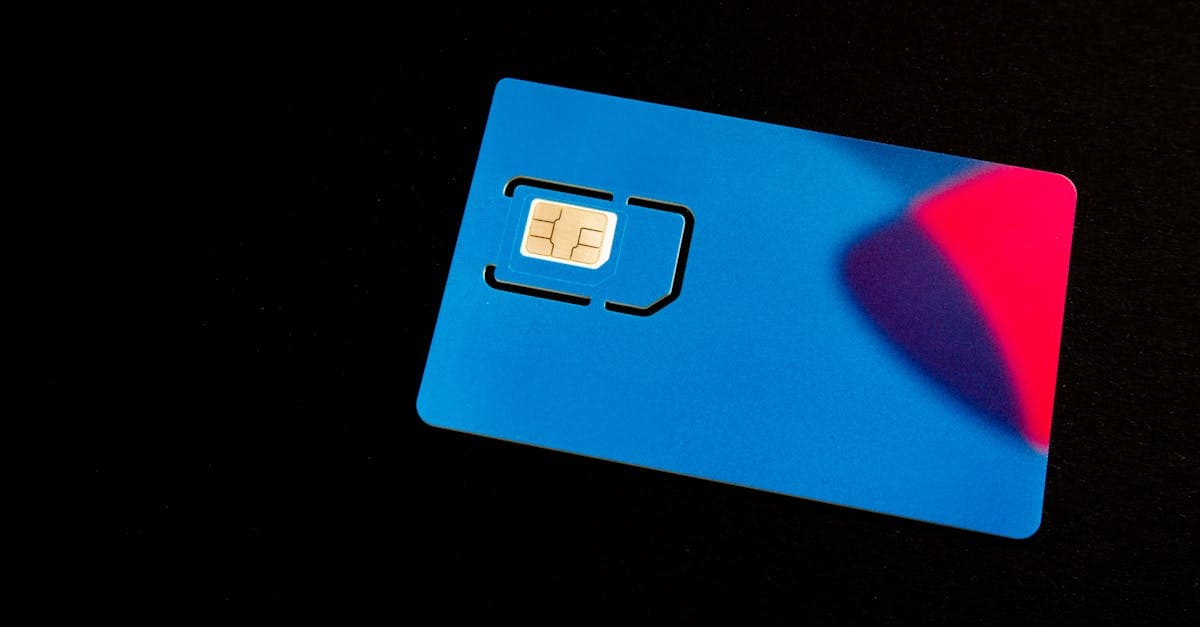
Your Australian SIM will work in Bali. Telstra's Day Pass runs around ~AUD 10 per day; Optus and Vodafone both sit at ~AUD 5 to 10 per day. Four nights of carrier roaming is manageable. Anything longer, a local SIM or eSIM becomes the smarter call.
Local SIM
Telkomsel has the best island-wide coverage, reaching Amed, Munduk and Nusa Penida where other networks thin out. Pick one up at Alfamart or Indomaret for around ~AUD 5 to 8 for 10GB over 30 days. Airport kiosks sell the same card at roughly a 20 per cent premium for the convenience. Indonesian law requires passport registration at point of sale, so bring your passport. Your phone must be unlocked to accept a foreign SIM.
eSIM
Activate over Wi-Fi before you leave Australia and land with data already running. An eSIM works as a dual SIM, keeping your Australian number active for incoming calls. Compatible devices: iPhone XS or later, Samsung S20 or later, Pixel 3 or later. Airalo is the budget option at around ~AUD 5 to 7 for 1GB or ~AUD 15 to 20 for a 5GB, 30-day plan.
Wi-Fi by region
Canggu leads: the coworking spaces at Outpost and Dojo run fibre connections built for full remote workdays. Ubud is reliable in the town centre, patchier further into the rice terrace villages. Nusa Penida has poor infrastructure across the island; bring mobile data and don't bank on villa Wi-Fi there. Some remote properties now offer Starlink satellite internet. If connectivity matters for your trip, filter for it on Airbnb or Booking.com before you commit.
Is $1000 AUD Enough for a Week in Bali?
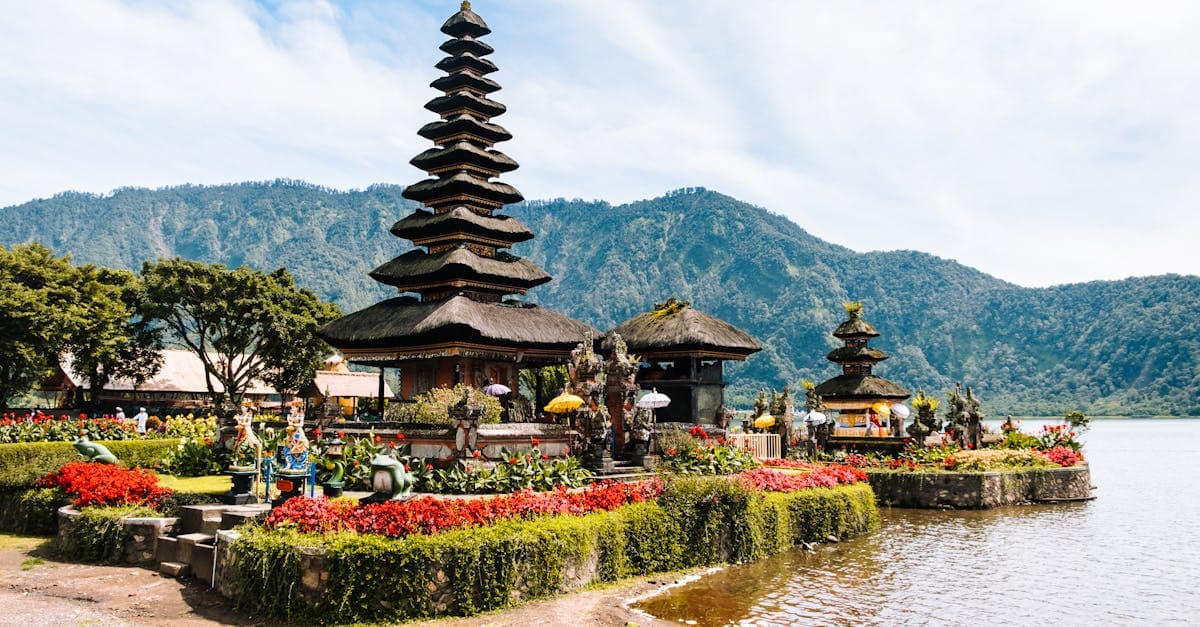
Short answer: yes. AUD 1000 across seven nights works out to roughly AUD 143 per day, which sits comfortably in the budget-to-mid-range band for a solo traveller.
At the budget end, a guesthouse or private room runs around ~AUD 20 to 40 per night, warung meals come in at ~AUD 2 to 8 per dish, scooter hire is ~AUD 5 to 10 per day, and temple entry is typically ~AUD 2 to 5. On that spend profile, AUD 1000 is straightforward.
Push it slightly and AUD 1000 still covers a private room with pool in Canggu (the lower mid-range there runs around ~AUD 50 to 80 per night), a Nusa Penida day trip with fast-boat return (around ~AUD 35 to 50), and a couple of activity days. That's a genuine trip, not a survival exercise.
Where the money disappears: beach clubs with minimum spends, alcohol at resort bars, and airport transfers both ways can absorb ~AUD 80 to 100 without much effort. Keep tabs on those three categories specifically.
Two travellers sharing a room on AUD 1000 each is comfortable. Two people splitting AUD 1000 total is tight but achievable on consistent warung meals and scooter transport throughout.
Withdraw Indonesian Rupiah from ATMs in Seminyak or Kuta rather than at the airport. Exchange counters in the arrivals hall and hotel desks typically offer poor rates. Use ATMs with visible bank branding rather than standalone machines to reduce card-skimming risk.
Can I Wear Red in Bali?
Red is fine. There's no cultural prohibition on wearing the colour in Bali, and you'll see it at beach clubs, in rice paddies and inside temple compounds without a second glance.
The dress rules that actually matter are about coverage, not colour. At any temple, shoulders and knees must be covered; a sarong is sufficient, and all major temple entrances provide one free or for a small fee. Since 2022, enforcement at popular sites including Ubud Palace has tightened. Keep a sarong in your day bag to avoid being turned away at the gate mid-itinerary.
At cremation ceremonies (ngaben), the guidance shifts. If invited to attend, dress modestly in white or light neutral tones. Black is associated with mourning in Balinese culture and may be considered inappropriate, regardless of intent.
Remove footwear before entering temples and private homes. Step over, rather than on, the canang sari offerings placed along footpaths and at doorways throughout the island. Avoid touching anyone's head; in Balinese culture it's considered sacred, and the sensitivity applies between strangers as much as anyone.
Yellow is tied to Balinese royalty and ritual. Wearing it to a ceremony won't cause offence, but it may prompt polite curiosity from locals who notice.
Is $3000 AUD Enough for 2 Weeks in Bali?
Yes. AUD 3000 across 14 nights works out to roughly AUD 214 per day, which opens up real variety rather than constant budget arithmetic.
At that rate you're looking at a private villa with pool at around ~AUD 80 to 130 per night, a mix of warung lunches and proper restaurant dinners, day trips to Nusa Penida and Gili Trawangan, two activity days including white water rafting and the Batur volcano trek, and daily massage sessions. That covers most of what Bali legitimately offers.
For two travellers splitting costs, AUD 3000 each lifts the conversation entirely. Boutique resort stays at around ~AUD 150 to 200 per night become realistic, along with a private driver for multi-day touring and beach club sundowners without tracking every rupiah.
Budget drains to plan for: the fast boat to Gili Trawangan costs around ~AUD 100 to 150 per person return. Surf lessons, cooking classes and upmarket beach clubs each add ~AUD 50 to 100. Build in a contingency before you arrive.
Accommodation prices spike significantly during Australian school holidays in June and July, as covered in the timing section above. Book six to eight weeks ahead for that window, or shift to April or October for equivalent weather at noticeably better rates.
Entry costs are minimal across the board. The tourist levy and visa on arrival, both addressed in earlier sections, don't meaningfully affect a two-week budget. The visa can be extended beyond the standard period for a modest additional fee.
Stay Connected with Travel Data
View all destinations

United States

United Kingdom