Cheap City Breaks From the UK: the 2026 Complete Guide

Written by: Sarah Mitchell


14 min read
HelloRoam is a global eSIM provider offering instant mobile data in 170+ countries. Buy prepaid travel eSIM plans with no roaming fees, no contracts, and instant activation on any eSIM-compatible device.
14 min read

Eastern Europe is where the clearest value sits. A 2-night return trip from the UK to Krakow, Bucharest or Sofia, flights and accommodation included, can land well under £200 per person when booked ahead onthebeach.co.uk. Prague, Budapest and Porto sit a level higher, while Lisbon and Barcelona, still as popular as ever, now come at a noticeably steeper price.
The headline flight figure is only part of the calculation. Checked baggage fees, tourist taxes and post-Brexit mobile roaming charges all compound quietly. Most UK carriers now apply European data charges following the end of free EU roaming, and the accumulated cost over a 3-night trip is rarely trivial.
For the connectivity piece, Hello Roam's eSIM for United Kingdom plans cover 190-plus destinations with European data from around £8 for a week, replacing per-day carrier fees entirely.
The travellers who consistently hit the sub-£200 target are the ones who account for all the extras before they book.

'Cheap' means different things on different booking sites. For practical purposes, a cheap city break from the UK means 2 to 3 nights away with flights and accommodation combined under £200 to £300 per person thomascook.com. The average UK traveller actually spends £400 to £650 per person on a city break once meals, local transport and daily expenses are included, which puts the term in proper perspective.
The extras are where budget planning typically breaks down. Ryanair's checked baggage fee runs £12 to £45 depending on route and booking window (one way, per bag). Tourist taxes are charged separately by hotels: Barcelona levies around €4 per person per night, and Amsterdam now applies a charge of €12.50 per night. Neither figure appears in any standard flight comparison search.
Mobile data is the less visible cost. Since free EU roaming ended for UK travellers in January 2022, most carrier plans charge £2 to £10 per day for European data. On a 4-night break, that adds £8 to £40 to the bill before any throttling kicks in. Travellers who don't prepare a bolt-on or an alternative plan in advance tend to find the charge on their first post-trip bill.
Three price tiers describe the market honestly. Ultra-budget cities, which include Krakow, Bucharest, Sofia and Riga, offer the lowest total trip costs. Mid-budget destinations such as Prague, Budapest and Porto typically run £150 to £250 per person for 2 nights. Lisbon and Barcelona, still the most booked, now trend towards £300 to £380 as tourism pressure has pushed hotel rates sharply upward.
The flight from £9.99 is real. The trip, once everything is added, rarely is.
Bucharest and Sofia are the two destinations that most consistently undercut the rest when ranked by total cost from UK airports. Return flights plus 2 nights in a mid-range hotel typically land between £90 and £170 per person, depending on departure airport and season loveholidays.com. Krakow runs from around £100 to £180 per person, and Riga and Tallinn sit in a similar range, both offering exceptional medieval Old Towns at a cost that undercuts comparable Western European destinations by a meaningful margin.
The mid-budget tier covers the most-searched Eastern European cities. Prague typically sits between £120 and the low-£200s per person for 2 nights with return flights; Budapest runs from £130 to £220. Porto costs a little more, typically reaching the mid-£200s all-in, with an outstanding food and wine culture that makes the premium easy to justify.
Western European destinations carry a higher price. Seville and Valencia can still be done for £160 to £280 per person, and both remain worthwhile given the climate and the cultural offer. Lisbon has risen sharply as sustained tourism demand drove hotel rates upward, and a 2-night trip now typically costs £180 to £320 per person.
Budget airlines drive these numbers. Ryanair connects Stansted and Manchester to Krakow, Riga and Porto. Wizz Air flies from Luton to Bucharest and Sofia, frequently undercutting competitors on those routes. Jet2 serves Porto and Seville from regional UK airports including Leeds Bradford, Newcastle and Glasgow, a considerable advantage for travellers outside London.
Worth watching in 2026: Skopje, Tbilisi and Chisinau all offer very low on-the-ground costs, though flight options require more research than a standard budget airline search.
Eastern European cities remain underrepresented in mainstream UK travel coverage relative to what they deliver per pound spent.

Edinburgh, Bath, York, Bristol, Manchester and Liverpool all deliver a genuine city break weekend, each with distinctive character and strong food scenes. Edinburgh punches particularly well for atmosphere outside the August festival period, when hotel prices spike considerably.
Budget European flights look cheap on screen. They're less compelling once checked luggage fees, transfers to a regional departure airport and an early morning start are factored in, and a domestic UK short break becomes a surprisingly strong alternative. No passport, no currency exchange, no roaming charges and no baggage allowance limits on the train.
London theatre breaks deserve more attention than they typically receive. Operators including Great Little Breaks greatlittlebreaks.com package 1 or 2 nights with West End show tickets, all-in from around £99 per person, frequently including breakfast, spa access and afternoon tea. Current 2026 productions running well into the year include The Devil Wears Prada, Wicked and Mamma Mia. Popular shows sell out months before the performance date.
Timing matters for domestic pricing. Sunday to Thursday hotel rates drop 30 to 50 per cent compared with peak weekend prices at the same properties, making a midweek break in Bath or York disproportionately good value. For rail, buying tickets early via Avanti unlocks London to Manchester returns from around £30; LNER offers Edinburgh from approximately £40 return.
The RHS Flower Shows, Chelsea in May and Hampton Court in July, sell out surrounding accommodation months ahead of the event. For summer 2026, the window to book is already open.
Destination tier settles this question faster than any price comparison tool. For Eastern Europe, DIY almost always wins: low-cost carrier fares combined with cheap local hotels create a price floor that OTAs cannot undercut in bulk. Krakow and Bucharest packages rarely beat a self-assembled trip.
Western Europe is a different calculation. On the Beach onthebeach.co.uk, easyJet Holidays easyjet.com, and TUI tui.co.uk can win on Lisbon, Barcelona, and Amsterdam routes by 10 to 15 per cent, using consolidated hotel inventory and bulk purchasing rates that individual bookers cannot access. Peak summer demand sharpens this edge: packages booked months in advance often beat hotels pricing independently upward across July and August.
Packages also make sense for complex multi-city routings or when research time is genuinely limited. For a standard two- or three-night break, they largely add friction and hidden costs at the checkout stage.
Transfer surcharges typically run £15 to £30 per person. Insurance is almost invariably pre-ticked at inflated rates, and optional extras such as seat selection are packaged as near-essential.
The DIY toolkit is compact: Skyscanner price alerts for flexible-date searches, Booking.com Genius tier discounts, Google Flights' price calendar for cheapest-day combinations, and Hostelworld for budget stays under £25 per night. A three-night Eastern European break booked independently typically saves £30 to £80 per person against a comparable OTA package, contingent on travelling hand-luggage only.
Six to eight weeks ahead is the optimal window for most European city breaks, offering the widest choice of flights and hotel inventory. Under two weeks, airlines and hotels release distressed stock at reduced rates lastminute.com. Avoid the three-to-five week window: it's the premium pricing period for most low-cost carriers and city-centre hotels, where demand has consolidated but supply has not yet discounted.
November through March consistently delivers the lowest prices across European destinations, excluding the Christmas and New Year spike. Shoulder months also mean thinner crowds and restaurants you can actually book on the night.
Regional UK airports are where travellers outside London routinely overpay. Manchester, Edinburgh, Bristol, Newcastle, Leeds Bradford, and Birmingham all offer competitive Ryanair, easyJet, and Jet2 routes that frequently undercut London departure prices by a meaningful margin. Krakow from Manchester on Ryanair runs £10 to £30 cheaper than the equivalent Stansted service, with shorter check-in queues as an incidental benefit.
Fly Tuesday or Wednesday: these are consistently the cheapest days across most European routes. Travel hand-luggage only, since the checked bag fees detailed in the cost section above can cancel the entire saving on a flash-sale fare.
Mid-week check-ins reduce accommodation rates by 15 to 25 per cent against Friday or Saturday arrivals. Generator and Selina both offer quality budget hotel-hostel hybrid stays from £25 to £50 per night in major European cities, bridging the gap between bare-bones dorms and overpriced city-centre business hotels.

UK carriers ended free EU roaming in January 2022. Many travellers know this in principle; fewer have checked their specific tariff until an unexpected bill arrives.
EE's Smart Travel add-on is the cheapest mainstream option for EU travel, sitting at the lower end of the daily rate range cited in the opening cost breakdown. O2 charges £3.99 per day as a bolt-on; Vodafone runs up to £3 per day on most European routes. Three covers 25 Go Roam destinations at no additional daily charge, with Sky Mobile extending free roaming to 36 countries.
Four nights on O2 or Vodafone can reach up to £16 in carrier charges alone, with data speeds typically throttled above 500MB of daily usage. That ceiling is easy to breach in a single afternoon. Navigation, ride-hailing apps, and offline-map downloads each pull data steadily during the hours you're most reliant on your phone.
Prague leads for public WiFi, with city-wide outdoor hotspots scoring 9 out of 10 for coverage. Budapest and Krakow both reach 8 out of 10 across metro stations and cafes; Porto's outdoor signal is patchier, closer to 7 out of 10.
Unencrypted public networks are common in tourist-heavy areas. Amsterdam's Leidseplein and Barcelona's Las Ramblas are both consistently flagged for this risk, making a private data connection the more prudent choice for city break travellers.
An eSIM is a digital SIM embedded in your phone, activated by scanning a QR code before you leave home. No physical card, no airport kiosk, no paperclip needed.
European eSIM plans cover 1GB to 5GB of data over 7 days, with pricing up to around £18 for higher data tiers. That undercuts carrier roaming for most trips of three nights or longer, and delivers full-speed access rather than the throttled service typical of roaming add-ons. No speed ceiling at 500MB, no daily charge to activate.
Local SIMs in Prague or Budapest cost €5 to €10 for a usable data allowance: competitive on price, but requiring you to land without navigation data and queue at an airport or street kiosk, with registration requirements that vary by country.
Hello Roam's Europe plans are calibrated specifically for short city breaks: a 7-day data bundle spans a two- to four-night trip without unused days becoming waste. Activation before departure means connectivity from the moment the aircraft doors open. Most current smartphones also support eSIM alongside a physical SIM, keeping the UK number live for calls and texts while the eSIM carries all data.
Against carrier roaming, an eSIM typically saves between £5 and £30 on a short European trip, depending on the tariff and duration. For a budget city break, that margin is a decent dinner or a day's transit pass rather than a line on an unexpected phone bill.
What's the best three-day UK city break on a budget?
Krakow and Bucharest sit at the bottom of the price range, within the cost bands detailed earlier in this guide. Prague and Budapest are the next tier up, with a broader hotel selection and English more reliably spoken in restaurants and cafes.
Is three nights enough for Prague or Budapest?
Comfortably. A Friday afternoon arrival gives you Friday evening, a full Saturday and a full Sunday before a Monday morning flight home. Both city centres are compact enough to cover at a relaxed pace without any sense of rushing.
Where should I go for a first European city break?
Prague. The centre is walkable, English is widely spoken, and the transport links from the airport are clear. Krakow is equally accessible and rewards anyone willing to walk a few streets beyond the main square, where the restaurants are better and the prices lower.
Does data matter more on a short trip?
Proportionally, yes. On a three-night break, an hour lost to connectivity problems is a meaningful fraction of the total trip. Activating a data plan before departure is worth considerably more than its modest cost suggests.
Is Porto worth three nights?
At the price levels described above, yes. The food scene alone justifies the slightly higher all-in cost versus Eastern Europe.
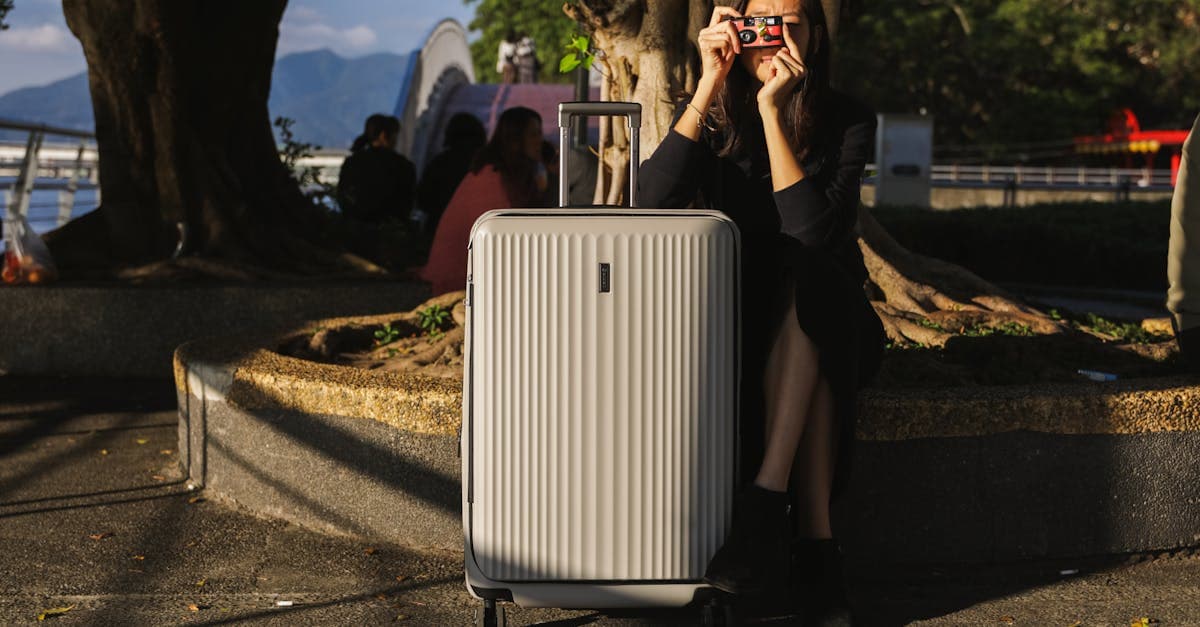
Priorities vary, but budget usually settles it before taste gets a vote.
Krakow and Budapest deliver the most sightseeing per pound. A two-night itinerary covers the old town, castle district and a decent dinner without feeling rushed. Both are walkable, with trams and metro as backup for the longer stretches.
Porto and Seville offer strong food and cultural credentials at prices running 20 to 40 per cent below Lisbon or Barcelona, with direct flights from multiple UK regional airports. Seville's cathedral quarter fills a morning; Porto's riverside and Livraria Lello fill another day without difficulty.
Domestically, Edinburgh works year-round for arts, food and dramatic scenery. Bath delivers Georgian architecture and a quieter pace within two hours of London by rail.
On timing: a Friday lunchtime departure puts you on the ground for Friday evening. A Friday night flight effectively converts a two-night trip into one and a half days rather than two full ones.
For a break under four nights, activating a travel eSIM before departure removes genuine friction from arrival day. There is no spare time to hunt for a local SIM at the airport when the trip is this short.
January through March is cheapest for European city breaks. April and May offer the best balance of price and weather. September and October deliver warm evenings without the summer premium.
Southern Spain is the clearest answer for March. Seville and Malaga offer 18 to 24 degrees Celsius from early in the month, with Seville typically the cheaper of the two as a city break destination. April and May are ideal before seasonal price rises take hold.
Valencia is chronically underpriced against Barcelona. The climate from April is comparable, the food markets and architecture exceptional, and the absence of tourist tax surcharges makes the all-in cost meaningfully lower.
The Canary Islands are the lowest-risk warm option. Tenerife, Lanzarote and Gran Canaria hold 22 to 26 degrees Celsius year-round, with easyJet easyjet.com and Jet2 both operating from most UK regional airports. Competition between the two carriers keeps fares honest.
Athens from April offers 20 degrees Celsius and a chance to see the Acropolis before the June peak arrives. Three-night packages remain below the prices of comparable western Mediterranean breaks from most UK airports.
Madeira and Porto Santo are consistently undervalued. Year-round temperatures of 19 to 23 degrees Celsius, sandy beaches at Porto Santo, and a fraction of the Canaries' crowds make this the quietest of the genuinely warm options at this price level.
Warm destinations see sharp price increases from late March as Easter demand builds. Securing flights in February for April travel captures the best spring fares before that booking window closes.

Krakow, Bucharest, Sofia and Riga are the best-value options for a 3-day break from the UK, with return flights and 2 nights in a mid-range hotel typically costing £90 to £180 per person. Prague and Budapest are strong mid-budget alternatives, while Porto, Seville and Valencia offer a Western European option at a slightly higher price point. Booking 6 to 8 weeks ahead and flying hand-luggage only delivers the best all-in price.
Seville and Valencia in southern Spain offer warm weather and can still be done for £160 to £280 per person from the UK including flights and accommodation. Eastern European cities such as Bucharest and Sofia are cheaper overall, though cooler in winter. For the lowest on-the-ground costs in 2026, Skopje, Tbilisi and Chisinau are worth researching, though flight options require more effort to find.
Prague, Budapest and Porto are the most popular mid-budget choices for a 3-day European trip from the UK, each offering strong culture, food and transport links at a total cost of roughly £130 to £250 per person. Bucharest and Sofia consistently undercut these on price, with total trips possible under £170 per person. Lisbon and Barcelona remain highly searched but now trend towards £300 to £380 per person due to rising hotel rates.
For a weekend city break from the UK, Edinburgh, Bath, York, Bristol, Manchester and Liverpool all offer genuine character and strong food scenes with no passport, roaming charges or baggage restrictions. For European options, Krakow, Prague and Budapest provide the best value, with return flights plus 2 nights regularly available under £200 per person when booked ahead. Mid-week check-ins reduce accommodation rates by 15 to 25 per cent compared with Friday or Saturday arrivals.
A cheap city break from the UK typically means 2 to 3 nights with flights and accommodation combined under £200 to £300 per person. However, the average UK traveller spends £400 to £650 per person once meals, local transport and daily expenses are included. Hidden extras such as baggage fees, tourist taxes and mobile roaming charges all add to the headline flight price.
Bucharest and Sofia are the two destinations that most consistently undercut competitors, with return flights plus 2 nights in a mid-range hotel typically landing between £90 and £170 per person. Krakow runs from around £100 to £180 per person, and Riga and Tallinn sit in a similar range. Prague and Budapest fall into a mid-budget tier at £120 to £220 per person for 2 nights with flights.
Ryanair's checked baggage fee runs £12 to £45 depending on route and booking window, charged one way per bag. Travelling hand-luggage only is the single most effective tactic for keeping a city break under budget, as checked baggage fees can cancel the saving on a flash-sale fare entirely.
Yes, tourist taxes are charged separately from hotel room rates in many European cities. Barcelona levies around €4 per person per night, while Amsterdam now applies €12.50 per person per night. These charges do not appear in standard flight comparison searches and can add a meaningful sum to the total cost of a short break.
Free EU roaming ended for UK travellers in January 2022. Most UK carrier plans now charge £2 to £10 per day for European data, adding £8 to £40 to the bill on a 4-night break. O2 charges £3.99 per day, Vodafone up to £3 per day, while EE's Smart Travel add-on sits at the lower end of the range. Three covers 25 destinations at no daily charge, and Sky Mobile extends free roaming to 36 countries.
An eSIM is a digital SIM embedded in your phone, activated by scanning a QR code before you leave home. It requires no physical card, no airport kiosk visit and no SIM ejector tool. European eSIM plans typically cover 1GB to 5GB of data over 7 days and undercut carrier roaming for most trips of three nights or longer, delivering full-speed access rather than the throttled service common on roaming add-ons.
For most trips of three nights or longer, a travel eSIM undercuts carrier daily roaming charges. European eSIM plans cost up to around £18 for a 7-day higher-data tier, compared with up to £16 in carrier charges for just 4 nights on O2 or Vodafone. eSIM plans also remove data speed throttling, which typically kicks in above 500MB per day on carrier roaming add-ons.
For Eastern Europe, DIY almost always wins: low-cost carrier fares combined with cheap local hotels create a price floor that package operators cannot undercut. For Western European destinations such as Lisbon, Barcelona and Amsterdam, operators like On the Beach, easyJet Holidays and TUI can beat DIY prices by 10 to 15 per cent using bulk hotel purchasing rates. A self-assembled Eastern European break typically saves £30 to £80 per person versus a comparable package, provided you travel hand-luggage only.
Six to eight weeks ahead is the optimal booking window for most European city breaks, offering the widest choice of flights and hotel inventory. The three-to-five week window before travel is generally the most expensive period. Under two weeks, airlines and hotels release discounted distressed stock. November through March consistently delivers the lowest prices across European destinations, excluding Christmas and New Year.
Tuesday and Wednesday are consistently the cheapest days to fly across most European routes. Mid-week check-ins also reduce accommodation rates by 15 to 25 per cent compared with Friday or Saturday arrivals. Combining a midweek departure with hand-luggage-only travel and a regional UK airport can produce meaningful savings over a standard weekend trip.
Manchester, Edinburgh, Bristol, Newcastle, Leeds Bradford and Birmingham all offer competitive Ryanair, easyJet and Jet2 routes that frequently undercut London departure prices. Krakow from Manchester on Ryanair typically runs £10 to £30 cheaper than the equivalent Stansted service. Jet2 serves Porto and Seville from regional airports including Leeds Bradford, Newcastle and Glasgow, which is a significant advantage for travellers outside London.
Once checked baggage fees, transfers to a regional departure airport and roaming charges are factored in, a domestic UK short break can be a strong competitor to a budget European flight. Edinburgh, Bath, York, Bristol, Manchester and Liverpool all offer distinctive character with no passport, currency exchange, roaming charges or baggage restrictions. Sunday to Thursday hotel rates drop 30 to 50 per cent against peak weekend prices at the same properties.
Prague leads for public Wi-Fi coverage, with city-wide outdoor hotspots scoring 9 out of 10. Budapest and Krakow both score around 8 out of 10 across metro stations and cafes. Porto's outdoor signal is patchier at around 7 out of 10. Public networks in tourist-heavy areas such as Amsterdam's Leidseplein and Barcelona's Las Ramblas are commonly unencrypted, making a private data connection the more prudent choice.
Generator and Selina both offer quality budget hotel-hostel hybrid stays from £25 to £50 per night in major European cities, bridging the gap between bare-bones dorms and overpriced city-centre business hotels. Booking.com Genius tier discounts and Hostelworld for stays under £25 per night round out the main tools for keeping accommodation costs low on a self-booked trip.
HelloRoam: your trusted travel eSIM that keeps you online across borders.
Explore Plans