Travel Vaccinations for Irish Travellers: the Complete 2026 Guide

Written by: David Chen


9 min read
HelloRoam is a global eSIM provider offering instant mobile data in 170+ countries. Buy prepaid travel eSIM plans with no extra fees, no contracts, and instant activation on any eSIM-compatible device.
9 min read
Short answer: it depends entirely on where you're going. For most European breaks, a quick check of your routine vaccine history is all that's needed. For sub-Saharan Africa, South Asia, or Southeast Asia, the picture changes considerably.
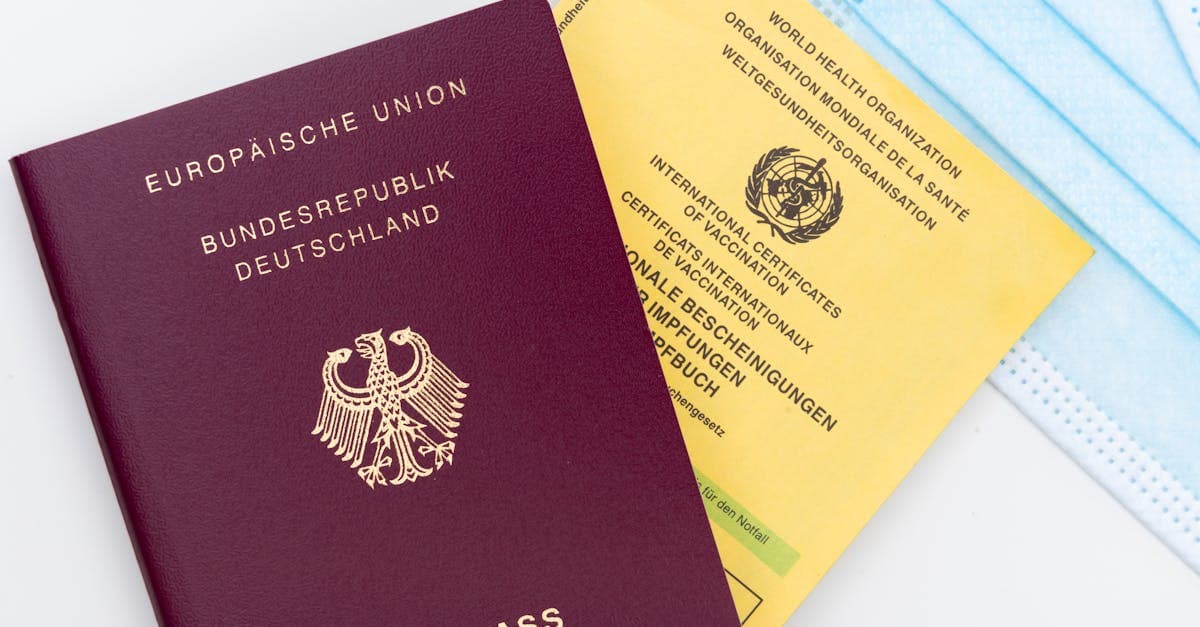
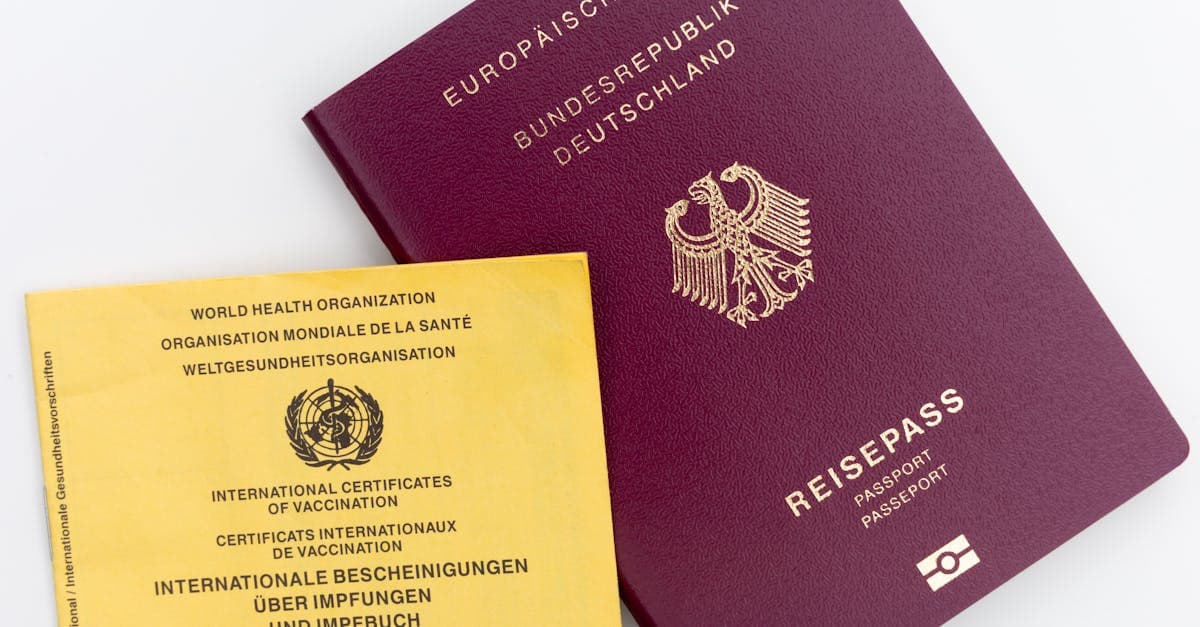
Two categories matter here. 'Required' vaccines carry legal weight at the border: officials in some countries will ask for a valid International Certificate of Vaccination before letting you through. Skip it and you risk being turned back, quarantined, or vaccinated on the spot at your own expense.
'Recommended' vaccines carry no such legal obligation, but the advisory comes from the HSE or the destination's own health authority. Ignoring it is a personal risk decision rather than a logistical inconvenience.
Pull out your routine vaccine records before any long-haul trip, regardless of destination. MMR, tetanus-diphtheria, and polio all have recommended booster windows. Tetanus-diphtheria boosters are valid for 10 years.
Childhood MMR coverage was inconsistent for certain age cohorts in the 1980s and 1990s, so those records are worth checking rather than assuming. Hepatitis B administered decades ago may have waned.
Itineraries that include any of those destinations warrant a specialist travel clinic consultation rather than a GP appointment. According to citizensinformation.ie, the HSE recommends initiating the travel vaccinations process at least six to eight weeks before departure, since some courses require multiple doses spread weeks apart and immunity needs time to build.
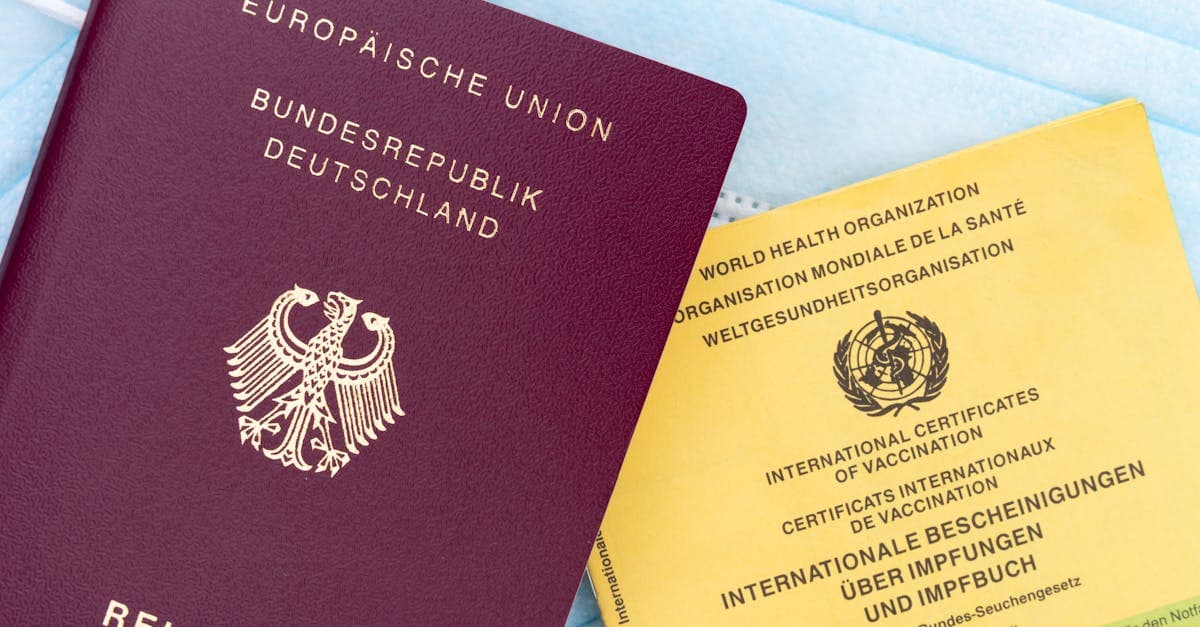
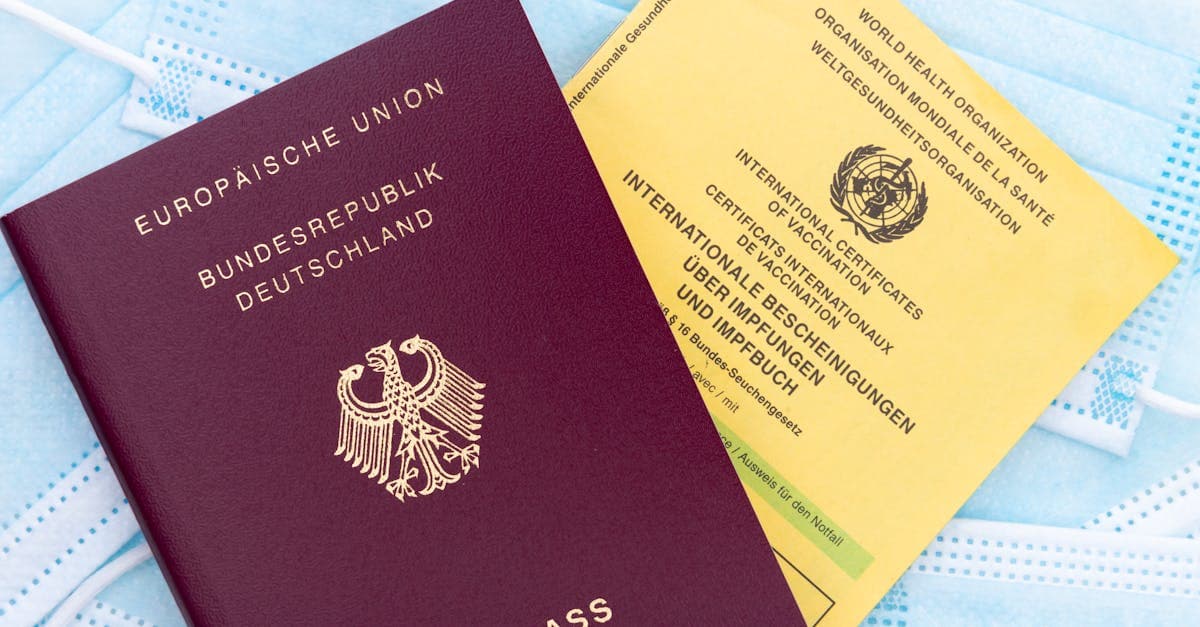
Yellow Fever is the only vaccine with legal force under the International Health Regulations. It also comes with a planning detail that catches travellers out regularly: the International Certificate of Vaccination is valid only from 10 days after the jab, not on the day itself. If you're flying to Ghana, Uganda, Kenya, Brazil, or Peru and you leave the Yellow Fever jab to the last week before departure, you may arrive at the border with a certificate that isn't yet valid.
There's a further complication most GPs won't mention: they can't administer Yellow Fever. The vaccine requires an approved certified centre. The Tropical Medical Bureau (TMB) operates 22 certified clinics across Ireland and handles the majority of Irish travellers heading to affected regions tmb.ie. Boots travel clinics hold certification in selected branches, though availability varies by location, so confirm before booking your travel vaccinations appointment boots.ie.
Recommended vaccines carry no border obligation, but skipping them shifts all the risk onto you. For most itineraries covering sub-Saharan Africa, South Asia, or Latin America, these are the vaccines to address:
TMB offers group consultations for families or parties travelling to the same destination. Request one at the point of booking rather than arranging separate appointments, which adds both cost and unnecessary coordination.
Vaccine requirements differ substantially by destination. The table below covers the main regions, setting out what's required at the border, what's strongly recommended, and where malaria prophylaxis applies.
A few details the table doesn't capture. Dengue awareness is relevant across Southeast Asia, though no widely available licensed traveller vaccine exists for general use yet. TBE in Eastern Europe is a concern specifically for adventure travellers in forested areas from spring through autumn: it's not a consideration for a city break in Kraków or Tallinn.
All entries here are indicative. Entry requirements change, outbreak situations evolve, and what applied last season may not reflect conditions today. Confirm current requirements directly with the destination embassy or a TMB consultant before booking travel vaccinations and flights.

Your GP is the obvious first call. For a relatively simple itinerary, something like a trip to India or Southeast Asia requiring Hepatitis A, Typhoid, and a Tetanus update, your family doctor can likely handle it without referral. They can also run a general pre-travel health review and, if needed, write a prescription for malaria tablets.
The problem arises with Yellow Fever. Your GP almost certainly cannot certify it. International Health Regulations require the vaccination to be administered and stamped at an approved certified centre, and most Irish general practices are not on that list. If your destination demands a valid certificate at the border, a specialist clinic is not a matter of preference.
According to themallfamilypractice.ie, TMB, the Tropical Medical Bureau, is Ireland's leading dedicated travel health provider. It operates 22 certified clinics nationwide, including Dublin, Cork, Galway, Limerick, and Waterford, and is Yellow Fever certified across all locations. Pre-travel consultations cover your specific route in detail, including malaria prophylaxis and multi-dose vaccine schedules. Bookings are available online at tmb.ie.
Boots travel clinics offer a convenient pharmacy-based alternative, well-suited to simpler, single-destination requirements. Some branches hold Yellow Fever certification, but availability varies by location, so confirm in advance rather than on the day.
The booking sequence is the same regardless of provider: consultation first, vaccine assessment second, then the jabs themselves, with certificates issued where the destination requires them. Citizens Information provides reliable, HSE-aligned guidance on travel health requirements and makes a sound first reference before you pick up the phone citizensinformation.ie.
According to citizensinformation.ie, the HSE does not fund travel vaccinations. For leisure travel, the full cost falls to you, with no reimbursement scheme in place for tourists or holidaymakers. Zero exceptions.
Approximate 2026 prices from Irish providers:
Verify these directly with your provider before booking. Prices vary between clinics.
Consultation fees are charged separately at most travel clinics. TMB typically charges around €30 to €60 for a pre-travel health assessment tmb.ie; some GPs fold the review into a standard appointment fee. Ask when you call.
A full vaccine course for sub-Saharan Africa or South Asia, including Rabies at three doses minimum over three weeks, can reach €300 to €700 or more before flights and accommodation are considered. Malaria tablets add a further €30 to €90 depending on the tablet type, destination, and length of trip. If your itinerary combines multiple high-risk regions, budget at the upper end. These costs rarely feature in anyone's initial travel budget, yet they are as non-negotiable as the flights themselves.
You can, and very few people do. Revenue classifies travel vaccinations as qualifying medical expenses, making the full cost eligible for 20% income tax relief under the standard health expenses relief scheme available to Irish taxpayers.
Claiming via myAccount at revenue.ie takes only a few minutes. Log in, navigate to 'Reviews and Claims', select 'Claim tax credits', and enter your vaccine costs under 'Health Expenses'. The relief credits against your tax liability for the year you paid.
What qualifies is fairly broad. Vaccine administration fees from a GP or travel clinic, Yellow Fever and all other travel-specific vaccines, pre-travel consultation fees, and doctor-prescribed malaria tablets all count. If you are travelling as a family, each person's vaccination costs are claimable individually, which adds up meaningfully on a multi-vaccine trip for three or four people.
Keep itemised receipts from the clinic showing the name of each vaccine and the amount paid. Revenue may request these if your return is reviewed, so retain documentation for six years.
Form MED 1 is the paper alternative for those not using myAccount, available to download at revenue.ie and submitted with your annual tax return.
Relief can be claimed for the current tax year or retrospectively for up to four years. Vaccinations paid in 2023, 2024, or 2025 remain claimable now. On a €500 vaccine course, the refund runs to approximately €100. For a multi-vaccine trip covering Africa or South Asia, the saving scales proportionally.
Almost no Irish travel health provider mentions this. It requires nothing more than a receipt and ten minutes on revenue.ie.
Six to eight weeks before departure is the practical target. Some courses need multiple doses spread over weeks, and immunity doesn't arrive the moment the needle goes in.
Rabies pre-exposure needs three doses (Day 0, Day 7, and Day 21), meaning three weeks minimum. Japanese Encephalitis requires two doses, the second falling on Day 28, so allow four weeks. Hepatitis B, for anyone starting from scratch, spans 0, 1, and 6 months; an accelerated schedule exists but offers weaker protection.
The Yellow Fever certificate timing covered in earlier sections applies directly here: book your appointment far enough in advance for the certificate to be valid before you arrive at any border.
Travelling in under two weeks doesn't close every option. Hepatitis A single dose is effective within roughly two weeks; Typhoid within one to two weeks; a Tetanus booster takes immediate effect. What remains off the table: a full Rabies pre-exposure course, the standard Hepatitis B series, and a complete Japanese Encephalitis schedule.
TMB and Boots clinics fill quickly between January and March, when Irish travellers are pinning down summer and Easter bookings. Don't let appointment availability become the bottleneck.
If you had Hepatitis A, Hepatitis B, or Typhoid vaccines in a previous year, a blood test can confirm whether existing immunity still holds. One test could spare you the cost of repeating an entire course from scratch.
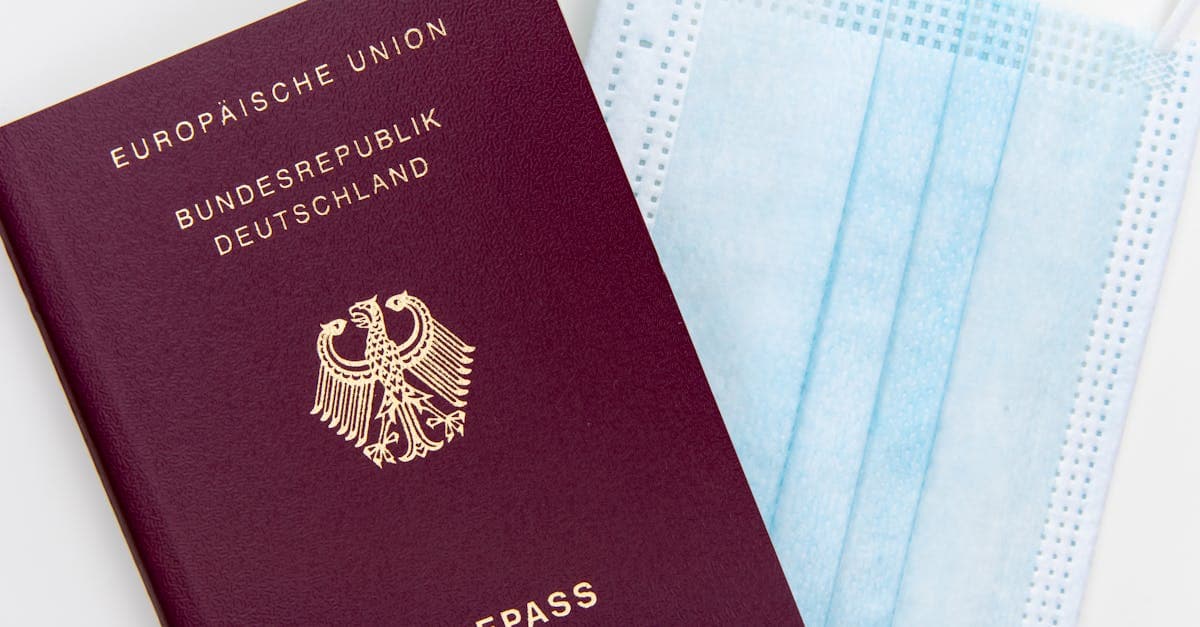
Ireland's EU membership covers most of the European data question automatically. Irish mobiles travel on domestic rates across all 27 EU states, plus Norway, Iceland, and Liechtenstein, under rules that run until 2032.
The UK is different. Since Brexit, Eir, Vodafone, Virgin Media Mobile, and 48 charge for UK data, with day rates running from around €3.99 to €5.99 or a monthly add-on option. Three IE includes the UK in many standard plans and is the exception. Given that the UK is where Irish travellers go most often, this catches more people than the billing fine print suggests.
Outside the EU, carrier day passes run €5 to €15 per day on most Irish plans. A prepaid regional eSIM for an entire trip typically costs €10 to €25, with the total spend fixed before you leave.
Reliable mobile data has a health dimension that's easy to overlook while packing. Locating a nearby pharmacy, presenting a digital vaccine certificate at a border crossing, or reaching a home GP remotely if symptoms develop after return: each depends on a working connection at the right moment.
Hello Roam's data-only eSIM plans cover 190-plus countries and can be activated before departure, keeping your primary Irish SIM live for calls and texts throughout. No airport kiosk queues, no local SIM negotiations on arrival.
Data coverage before you fly sits in the same practical category as travel insurance: the kind of preparation that's easy to defer, and rarely regretted when sorted in advance.

It depends on your destination. For most European trips, checking your routine vaccine history is sufficient. For sub-Saharan Africa, South Asia, or Southeast Asia, additional vaccines are strongly recommended or legally required at the border. The HSE advises starting the process at least six to eight weeks before departure.
Required vaccines carry legal force at the border — officials can turn you back, quarantine you, or vaccinate you on the spot if you lack the correct certificate. Recommended vaccines carry no border obligation but are advised by the HSE or the destination's health authority, and skipping them is a personal health risk rather than a logistical one.
Yellow Fever is the only vaccine with legal force under the International Health Regulations. Countries such as Ghana, Uganda, Kenya, Brazil, and Peru require a valid International Certificate of Vaccination for Yellow Fever before allowing entry. The certificate is valid only from 10 days after the vaccination, not on the day it is administered.
Yellow Fever must be administered and certified at an approved certified centre — most Irish GPs cannot provide it. The Tropical Medical Bureau (TMB) operates 22 certified clinics across Ireland, including in Dublin, Cork, Galway, Limerick, and Waterford. Some Boots pharmacy travel clinic branches also hold Yellow Fever certification, but availability varies by location.
The International Certificate of Vaccination for Yellow Fever becomes valid 10 days after the vaccine is administered, not on the day itself. Travellers who leave their appointment to the final week before departure risk arriving at the border with a certificate that is not yet accepted.
Approximate 2026 prices per dose are: Hepatitis A around 60 to 80 euro, Yellow Fever around 80 to 100 euro, Typhoid injection around 50 to 70 euro, Hepatitis B around 50 to 70 euro, Rabies around 100 to 150 euro per dose (three doses required), and Japanese Encephalitis around 100 to 130 euro per dose (two doses required). Prices vary between clinics and should be confirmed directly with your provider.
No. The HSE does not fund travel vaccinations for leisure travel, and there is no reimbursement scheme in place for tourists or holidaymakers. The full cost falls to the traveller regardless of destination or vaccine type.
Yes. Revenue classifies travel vaccinations as qualifying medical expenses, making the full cost eligible for 20 percent income tax relief. This includes vaccine administration fees, pre-travel consultation fees, and doctor-prescribed malaria tablets. Claims are made via myAccount at revenue.ie under Health Expenses, and you can claim retrospectively for up to four years.
Log in to myAccount at revenue.ie, navigate to Reviews and Claims, select Claim tax credits, and enter your costs under Health Expenses. Keep itemised receipts showing the name of each vaccine and the amount paid, as Revenue may request these. Form MED 1 is the paper alternative for those not using myAccount.
The HSE recommends booking at least six to eight weeks before departure. Some vaccine courses require multiple doses spread weeks apart — Rabies pre-exposure needs three doses over a minimum of three weeks, and Japanese Encephalitis requires two doses with the second given on Day 28. TMB and Boots clinics fill quickly between January and March.
Some vaccines are still viable on a short timeline. A single Hepatitis A dose is effective within roughly two weeks, Typhoid within one to two weeks, and a Tetanus booster takes immediate effect. However, a full Rabies pre-exposure course, the standard Hepatitis B series, and a complete Japanese Encephalitis schedule cannot be completed in under two weeks.
Yellow Fever is required at most borders in the region. Strongly recommended vaccines include Hepatitis A, Typhoid, Hepatitis B, and Meningococcal ACWY. Malaria prophylaxis is considered essential across most of sub-Saharan Africa, including Ghana, Uganda, and Tanzania.
No vaccines are legally required at the border for India, Nepal, or Sri Lanka, but Hepatitis A, Typhoid, and Hepatitis B are strongly recommended. Rabies is advisable for rural or adventure travel, and Japanese Encephalitis is recommended for rural areas of India and Nepal's Terai lowlands. Malaria prophylaxis may be needed in parts of India and Nepal.
No vaccines are legally required for entry to most Southeast Asian destinations. Hepatitis A and Typhoid are strongly recommended. Rabies is advisable for rural travel and anyone likely to be around animals or on motorbikes. Japanese Encephalitis is recommended for rural stays and extended visits. Malaria risk is low to moderate and varies by area and season.
Yellow Fever is required for travellers visiting the Amazon basin, including parts of Peru, Bolivia, and Brazil. Hepatitis A and Typhoid are recommended across most of the region. Malaria prophylaxis is needed in jungle areas.
No vaccines are legally required for entry to Eastern European countries. Tick-Borne Encephalitis (TBE) vaccination is recommended specifically for hikers, cyclists, and campers spending time in forested areas from April to November. It is not a concern for standard city breaks in destinations such as Krakow or Tallinn.
Your GP can handle straightforward itineraries involving Hepatitis A, Typhoid, and Tetanus updates, and can prescribe malaria tablets. However, if your destination requires a Yellow Fever certificate, you must attend a certified travel clinic such as TMB, as most Irish general practices are not approved to administer and certify Yellow Fever. For complex multi-destination trips, a specialist travel clinic is advisable.
The Tropical Medical Bureau is Ireland's leading dedicated travel health provider. It operates 22 certified clinics across Ireland, including in Dublin, Cork, Galway, Limerick, and Waterford, and holds Yellow Fever certification at all locations. Pre-travel consultations cover destination-specific vaccine schedules, malaria prophylaxis, and multi-dose planning. Bookings are available online at tmb.ie.
A full course for sub-Saharan Africa or South Asia, including Rabies at three doses over a minimum of three weeks, can reach 300 to 700 euro or more. Malaria tablets add a further 30 to 90 euro depending on tablet type, destination, and trip length. Consultation fees are charged separately by most travel clinics, typically 30 to 60 euro.
Yes. Tetanus-diphtheria boosters are valid for 10 years and should be checked before any trip to a developing region. Childhood MMR coverage was inconsistent for some age cohorts in the 1980s and 1990s, so records are worth verifying rather than assumed. Measles remains active in parts of Asia, Africa, and the Americas, and a top-up from a GP is straightforward if records are incomplete.

Cheapest Holiday Destinations From Ireland in 2026: Sun Breaks, City Trips and Real Prices

Best Countries for Digital Nomads in 2026: is Ireland Worth the Premium?

eSIM Spain: the Complete Guide for Irish Travellers in 2026

What to Eat in Spain: the Complete Food Guide for Irish Travellers
HelloRoam: your trusted travel eSIM that keeps you online across borders.
Explore Plans