Solo Travel Europe: the Complete Guide for Irish Travellers (2026)

Written by: David Chen


14 min read

HelloRoam is a global eSIM provider offering instant mobile data in 170+ countries. Buy prepaid travel eSIM plans with no extra fees, no contracts, and instant activation on any eSIM-compatible device.
14 min read
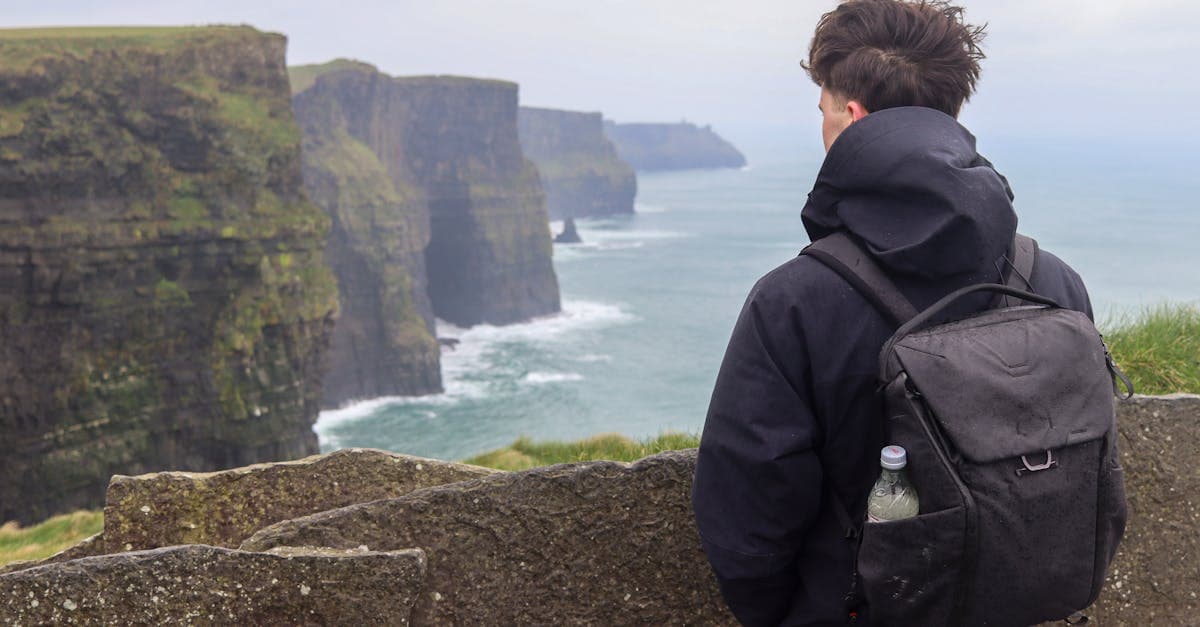
Your Irish passport does more than most. Twenty-six Schengen countries are open without a visa, without an application form, without a three-month limit imposed on your stay. For American or Australian solo travellers, that level of access requires planning, documentation, and a degree of entry anxiety. For Irish travellers, it is the default.
The mobile situation is similarly favourable. Three, Vodafone, and Eir all include EU Roam Like at Home as standard, covering 30 EU and EEA countries at no extra charge on a typical plan. For most Irish solo travellers heading to Lisbon, Barcelona, or Vienna, the phone in your pocket works precisely as it does at home, without any advance setup required.
Flights are cheap and frequently available. Ryanair operates over 200 European routes from Dublin, Cork, and Shannon Airports, with Dublin to Lisbon available from around €25 one-way when booked eight weeks ahead and Dublin to Porto from around €30. These are not exceptional fares; they are the baseline from which you plan.
Solo travel now accounts for roughly 25% of all leisure trips globally, up from around 15% before the pandemic. The infrastructure has followed: better hostel options, apps designed around solo use, and city transport systems that assume no travelling companion is waiting back at the hotel.
None of this removes every inconvenience. But for solo travel in Europe, the Irish starting position is stronger than most generic guides acknowledge. The practical obstacles are real, and manageable.

The best European cities for solo travel from Ireland include Lisbon, Seville, Ljubljana, Edinburgh, and Vienna. These selections are built around five practical criteria: Global Peace Index ranking, daily cost, English fluency, direct flight availability from Dublin or Cork, and how well local public transport and hostel infrastructure serves a solo traveller.
'Best' is genuinely subjective. A first-timer wanting familiarity and a reliable hostel social scene has different needs from a budget traveller prioritising value, a culture-seeker focused on museums and history, or a solo female traveller for whom personal safety ranks above every other consideration. The sections below split recommendations by traveller type rather than flattening those differences into a single generic list.
The first group covers accessible cities that work well for a first solo trip: compact, English-friendly, well-served from Irish airports, and strong on safety. The second covers underrated alternatives, cities that carry a particular reputation among Irish weekend travellers but offer considerably more depth than that reputation suggests.
One consistent note throughout: EU Roam Like at Home coverage is flagged for each destination. Knowing before you fly which countries sit inside your mobile plan and which do not is a practical planning consideration, not an afterthought.

Portugal ranked seventh on the Global Peace Index 2025, and Lisbon reflects it. Running costs come in at €50-70 per day. The metro is compact, Ryanair flies direct from Dublin, and the hostel infrastructure is well suited to solo travellers. EU Roam Like at Home applies.
Seville makes more sense than Barcelona for a first solo trip: quieter, cheaper, and more distinctly Spanish in character. The historic centre is walkable, good food is inexpensive, and the pace suits solo exploration without requiring much advance planning. EU Roam Like at Home covers Spain.
According to dianabancale.com, Ljubljana in Slovenia consistently rates among Europe's safest and most walkable capitals. English is widely spoken throughout. Three to four days covers it comfortably. Slovenia sits within the EU Roam Like at Home zone.
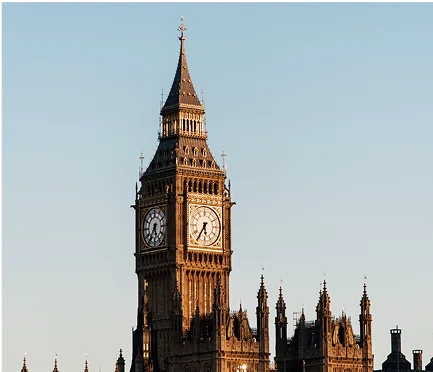
Edinburgh breaks the pattern. Spectacular city, well-connected from Dublin and Cork via Ryanair and Aer Lingus, and entirely English-speaking adventurousmiriam.com. The catch: the UK has not been part of EU Roam Like at Home since Brexit, and your Irish SIM will incur roaming charges from arrival. Hello Roam's coverage extends to countries outside the EU Roam Like at Home zone, the UK included, and its guide to eSIM setup and activation explains the installation process clearly for first-timers. Sort a separate data plan before departure.
Vienna offers world-class public transport, outstanding museums, and a safety record that makes it particularly well suited to solo female travellers adventurousmiriam.com. Ryanair flies direct from Dublin. Austria is covered by EU Roam Like at Home.
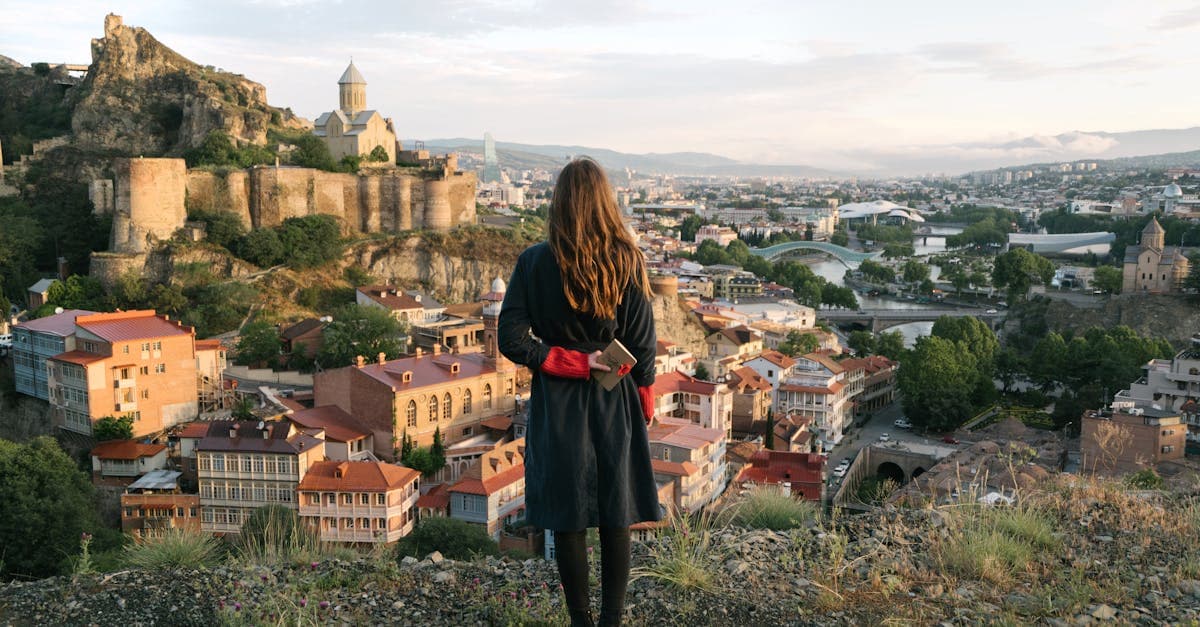
Tallinn, Krakow, and Porto reward solo travellers far more than their Irish cultural reputation suggests. Tallinn and Krakow both carry the label of Irish stag weekend destination, not entirely without foundation but substantially incomplete as a characterisation.
Tallinn's medieval old town is one of Europe's best-preserved historic centres: a compact streetscape of limestone towers and cobbled lanes that has very little to do with the Vabaduse Square scene on a Friday night. The city is extremely safe, English is widely spoken, and daily costs run at €45-60. EU Roam Like at Home covers Estonia.
Krakow shares the same reputational shadow and the same undeserved neglect as a solo destination. The Kazimierz district alone justifies a visit: Jewish history, a strong restaurant scene, and gallery culture that has developed considerably over the past decade. Daily costs come in at €35-50, making it one of the most affordable solo destinations in Europe madisonsfootsteps.com. Poland ranks among the continent's safest countries in independent assessments. EU Roam Like at Home applies.
Porto offers something different. Smaller and less crowded than Lisbon, with a compact riverside that is entirely walkable and a direct connection from Dublin. Three to four days is the right length of stay, and no extra data planning is required: EU Roam Like at Home covers Portugal, as it does Estonia and Poland.
All three cities are considerably better solo destinations than their Irish cultural association implies. The culture and the craic attract different crowds, and the solo traveller tends to have the better end of that arrangement.
Two weeks in Europe, solo, costs roughly €900 to €1,400 from Ireland all-in. That covers return flights, a hostel bed each night, food, local transport, activities, and a basic travel insurance policy. Not aspirational budgeting; a realistic figure for a properly organised trip.
Destination is the main variable. Budget destinations (Poland, Portugal, Czech Republic) run at the daily costs covered above, with hostel beds at €10-20 per night in Eastern Europe and €18-35 in Western Europe asinglewomantraveling.com. Mid-range cities like Seville, Amsterdam, or Vienna push daily costs to €80-120. Premium destinations (Switzerland, Norway, Iceland) sit at €150-250 per day.
Most hostels now offer private rooms and boutique options for travellers who prefer not to share a ten-bed dorm. Worth checking even if you're in your thirties.
Book flights at least eight weeks ahead. The Interrail Global Pass, from roughly €272 for three travel days per month to roughly €585 for a continuous month, earns its cost for spontaneous multi-country rail travel. For fixed Irish itineraries with known destinations, Ryanair almost always wins on price.
Travel insurance from Irish providers is inexpensive relative to what it covers. An EHIC card entitles you to emergency medical treatment across EU countries but not repatriation, trip cancellation, or lost luggage. Private cover is still necessary.
Mobile data matters more when you're travelling alone than on any group trip. Navigation, booking last-minute accommodation, sharing your location with someone at home, reaching emergency contacts: all of it depends on a working data connection. Lose signal at the wrong moment in an unfamiliar city and the trip changes character quickly.
Three practical options are available to Irish travellers. The Irish SIM under EU Roam Like at Home costs nothing extra and covers most of Europe. A local SIM, bought on arrival in each country, can offer better value for longer single-country stays but is awkward across borders. A travel eSIM, installed before leaving Ireland, covers more countries and removes the SIM-swap problem entirely.
The right choice depends on your itinerary, trip length, and whether your route crosses into countries outside EU and EEA coverage. A three-week trip from Lisbon to Krakow and on to London is a different connectivity problem from two weeks in Portugal alone.
The next two sections set out the specific limits of Irish SIM roaming and the scenarios where a travel eSIM is the wiser call. Understanding the difference before you leave is more useful than trying to sort it at an airport kiosk after a long flight.
Three Ireland, Vodafone, and Eir all include EU Roam Like at Home in their standard plans, covering 30 EU and EEA countries at domestic rates. The catch is the fair use data cap. Three sets a cap of roughly 20 GB per month before speeds are throttled; Vodafone's cap ranges from 8 to 25 GB depending on your plan; Eir applies approximately 12 GB per month.
Those caps look generous until you do the arithmetic. Navigation, messaging, and social media use around 2 to 4 GB per day. On a three-week trip, that is between 42 and 84 GB, well beyond what any Irish SIM provides at full speed. Once the cap is hit, speeds drop to 2G, and Google Maps and booking apps become effectively unusable.
The geographic gaps matter just as much. The UK (post-Brexit), Switzerland, Turkey, Montenegro, Albania, Serbia, and Georgia are all outside Roam Like at Home coverage. Roaming charges apply in all of them, often without a notification when you cross the border.
A local SIM is available at most EU airport arrivals halls for €5 to €20, with 5 to 15 GB included. It is a sound option for stays of seven or more days in one country; considerably less convenient for multi-country itineraries, particularly when you are arriving on a Sunday and the airport kiosk is unstaffed.

Around 35% of travellers aged 25 to 40 now use an eSIM for international travel, according to 2025 GSMA data. An eSIM is a digital SIM built into your phone, activated by scanning a QR code before departure (as covered earlier). No physical card, no queue at an arrivals counter.
The scenarios where an eSIM earns its place are fairly specific. If your itinerary includes the UK, Switzerland, or any of the Western Balkans countries listed in the previous section, an eSIM sidesteps roaming charges entirely. If your trip runs longer than three to four weeks, it sidesteps the data cap problem outlined above.
Hello Roam covers more than 30 European countries, including non-EU destinations such as the UK and Switzerland that fall outside Roam Like at Home coverage. The eSIM can be installed before leaving Dublin Airport, which is the sensible window to do it.
Keep your Irish SIM active alongside the eSIM. Your Irish number stays available for two-factor authentication and calls home, while the eSIM handles data in countries your domestic plan does not reach or runs short in.
The Greek islands, Croatian islands, and the Icelandic Ring Road are specific stretches to prepare for. Hostel and café WiFi is unreliable across all three, and navigating independently without mobile data is a real limiting factor for a solo traveller without a group to fall back on.
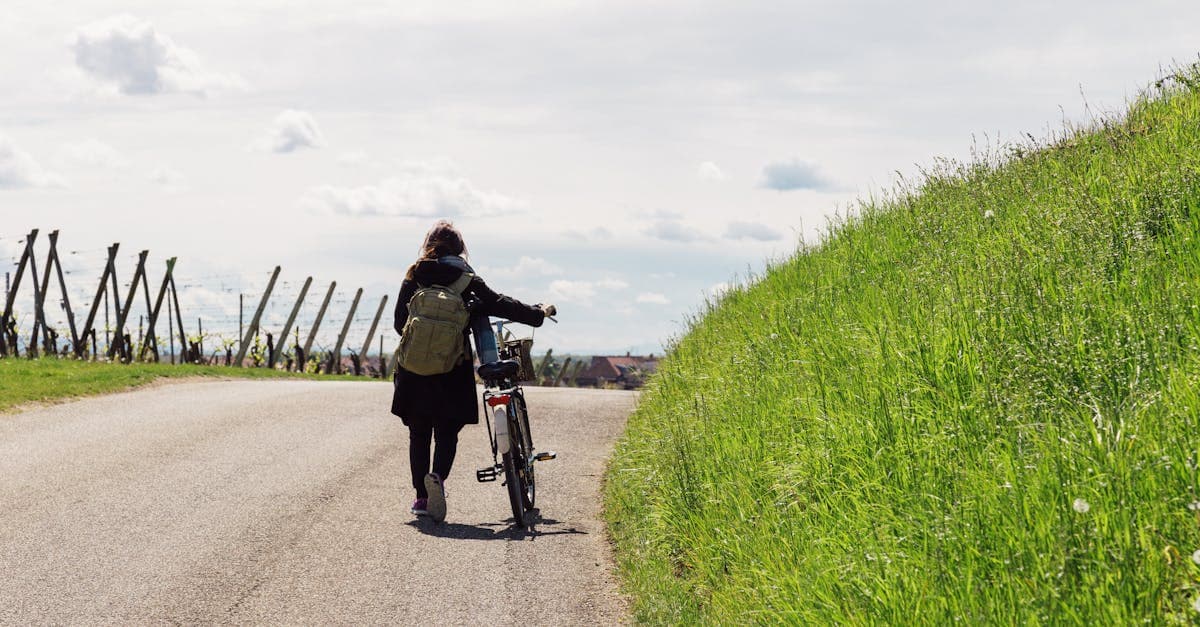
According to theflashpacker.net, Portugal consistently tops independent surveys for first-time solo trips, and its Global Peace Index record reflects genuine safety rather than tourist board marketing. Affordable, English-friendly, and directly connected from Dublin via Ryanair, Lisbon and Porto between them cover most tastes.
Ireland sits twelfth on the 2025 Global Peace Index, a useful reference: the gap between home and a 'safe destination abroad' is smaller than many Irish solo travellers assume.
Iceland sits at number one on the same index. Daily expenses run significantly above any other destination in this guide, so it rewards deliberate planning rather than impulse bookings. Exceptional for solo adventurers, and unlike anywhere else in Europe.
Poland is the strongest value case on the continent. Krakow, Gdansk, and Warsaw all have reliable infrastructure; the solo travel community in all three cities has grown considerably. Daily costs remain among Europe's lowest, as covered in the budget breakdown earlier.
According to dianabancale.com, Ljubljana in Slovenia scores highest for solo traveller satisfaction in multiple independent surveys. Compact, walkable, and safe in a way that occasionally feels surreal for a European capital.
A practical framework: Portugal or Iceland for safety-first decisions; Poland or Czech Republic for budget; Italy for culture and variety, though Bologna and Turin suit solo travel far better than a Venice worn thin by tourist numbers. Irish travellers are already calibrated to a high safety baseline. Most of Europe will meet it comfortably.

No. The travel market has reached the same conclusion.
The 30-45 bracket represents a significant and growing share of solo travellers globally, and the industry has adapted. Travelling in your 30s carries real advantages: more disposable income, sharper interests, and far more clarity about what you actually want from a trip rather than what you think you should want.
Hostel culture has matured considerably. Many now offer four-bed dorms with en-suite bathrooms, private rooms at hostel prices, no-under-25 policies, and no curfews. The social element remains; the obligation to treat staying up until 3am as an entry cost does not.
Finding the right hostel requires some filtering. Search for 'boutique hostel' or 'social hostel' on Hostelworld rather than 'party hostel'. Recent reviews from solo travellers in a similar age bracket are far more useful than the aggregate score.
Meeting people requires more intention in your 30s, but not dramatically more effort. Free walking tours (Sandeman Tours operates in most major European cities), cooking classes, and day-trip groups are the practical routes. Hostel common rooms work well for a first evening.
Hotels and Airbnb suit solo travellers who prefer privacy but require more deliberate social planning; activity-based experiences fill that gap effectively. Europe has the most developed solo travel infrastructure of any continent. Most of it functions equally well regardless of the traveller's age.
Over 55% of solo travellers globally are women. This is mainstream travel, not a niche activity requiring a separate manual.
Finland ranks eighth and Denmark eleventh on the 2025 Global Peace Index, completing a defined safety cluster in northern Europe. Both countries have well-developed tourist infrastructure alongside their safety credentials. Iceland, Portugal, and Ireland's own standing on that index are addressed in earlier sections.
At city level: Lisbon is safe, LGBTQ+ friendly, and has a reliable metro littlewanderblog.com. Ljubljana is exceptionally walkable, with notably low street harassment by European standards adventurousmiriam.com. Copenhagen runs roughly €120-160 per day but has a consistently strong safety record for a major city. Seville's evening culture is active and social rather than threatening; the historic centre navigates well on foot.
Edinburgh works particularly well for solo female travellers. English-speaking, well-lit, with reliable public transport and a lively nightlife that stays manageable. UK itineraries require a separate data plan, as Irish SIMs incur charges post-Brexit.
For transport after dark, Bolt operates across most European cities and is far more predictable than an unmarked taxi. Uber works in Lisbon, Madrid, and Rome.
Hostelworld allows filtering for female-only dorms. Read recent reviews from solo female travellers specifically rather than relying on the aggregate score.
Private travel insurance runs around €30 per week and covers repatriation and cancellation, neither of which an EHIC card includes. Share your location with one person at home, carry a charged portable battery, and trust instinct over an over-engineered itinerary. Statistically, most of Europe is safer than parts of central Dublin; the evidence supports confidence rather than caution.

Portugal ranks seventh on the Global Peace Index 2025, making it a top pick for solo travellers, with Lisbon offering a daily budget of €50-70, strong hostel infrastructure, and direct Ryanair flights from Dublin. Slovenia's Ljubljana consistently rates among Europe's safest and most walkable capitals, while Austria's Vienna stands out for world-class public transport and an excellent safety record. Estonia's Tallinn is another strong option, with daily costs of €45-60 and a beautifully preserved medieval old town.
Vienna is particularly well suited to solo female travellers, offering world-class public transport, outstanding museums, and a safety record that ranks it among Europe's top cities. Ljubljana in Slovenia and Krakow in Poland are also consistently rated among the continent's safest destinations, with Krakow being one of the most affordable at €35-50 per day. Lisbon, ranked seventh on the Global Peace Index 2025, is another highly recommended option for solo female travellers.
Top picks for solo female travel across Europe include Vienna (Austria), Ljubljana (Slovenia), Lisbon (Portugal), and Krakow (Poland), all rated highly for safety and walkability. Vienna offers world-class public transport and an excellent safety record, while Krakow delivers one of the most affordable solo experiences in Europe at €35-50 per day. All four cities are covered by EU Roam Like at Home, so no extra mobile data planning is required for Irish travellers.
Solo travel in your thirties is entirely normal and increasingly mainstream, with solo travel now accounting for roughly 25% of all leisure trips globally. Most hostels now offer private rooms and boutique options specifically suited to travellers who prefer not to share a dorm, making solo travel comfortable at any age. Around 35% of travellers aged 25 to 40 now use an eSIM for international travel, reflecting just how common solo travel is in this age group.
Two weeks in Europe solo costs roughly €900 to €1,400 from Ireland all-in, covering return flights, hostel accommodation, food, local transport, activities, and basic travel insurance. Budget destinations like Poland and Portugal run at €35-70 per day with hostel beds at €10-20 per night in Eastern Europe, while mid-range cities like Seville or Vienna push daily costs to €80-120. Premium destinations such as Switzerland, Norway, or Iceland can reach €150-250 per day.
Three Ireland, Vodafone, and Eir all include EU Roam Like at Home as standard, covering 30 EU and EEA countries at domestic rates with no extra charge on a typical plan. Fair use data caps apply: Three caps at roughly 20 GB per month, Vodafone between 8 and 25 GB, and Eir at approximately 12 GB per month. Once these caps are hit, speeds drop to 2G, making navigation apps and booking platforms effectively unusable.
The UK (since Brexit), Switzerland, Turkey, Montenegro, Albania, Serbia, and Georgia are all outside EU Roam Like at Home coverage, meaning roaming charges apply when visiting these countries. This is a critical consideration for solo travellers planning multi-country itineraries that cross into the UK or Western Balkans. A travel eSIM or a local SIM purchased on arrival is recommended for stays in these destinations.
A travel eSIM is the better option if your itinerary includes countries outside EU Roam Like at Home coverage such as the UK, Switzerland, or the Western Balkans, or if your trip runs longer than three to four weeks and risks exhausting your Irish SIM's fair use data cap. Around 35% of travellers aged 25 to 40 now use an eSIM for international travel. You can keep your Irish SIM active alongside the eSIM so your Irish number remains available for calls and two-factor authentication.
Navigation, messaging, and social media use around 2 to 4 GB per day. On a three-week solo trip, that amounts to between 42 and 84 GB, well beyond what any Irish SIM provides at full roaming speed. Once the fair use cap is hit, speeds drop to 2G, which makes Google Maps and accommodation booking apps effectively unusable.
Poland (Krakow or Warsaw) and Estonia (Tallinn) are among the most affordable, with daily budgets of €35-50 and €45-60 respectively, and hostel beds at €10-20 per night. Portugal (Lisbon or Porto) is also budget-friendly at €50-70 per day, with Ryanair flights from Dublin from around €25-30 one-way when booked eight weeks ahead. Czech Republic (Prague) runs at approximately €40-60 per day and is another strong budget option.
Ryanair operates over 200 European routes from Dublin, Cork, and Shannon Airports, with fares such as Dublin to Lisbon from around €25 one-way and Dublin to Porto from around €30 when booked eight weeks in advance. Booking flights at least eight weeks ahead is the key to securing baseline prices rather than exceptional deals. Aer Lingus and Icelandair also cover seasonal routes to premium destinations like Iceland.
The Interrail Global Pass starts at roughly €272 for three travel days per month and rises to roughly €585 for a continuous month, earning its cost for spontaneous multi-country rail travel with flexible routing. For fixed itineraries with specific known destinations, Ryanair almost always wins on price. The pass is best suited to solo travellers who want the freedom to change plans across several countries rather than those with a set route.
Travel insurance is necessary even with an EHIC card, which only entitles you to emergency medical treatment across EU countries but does not cover repatriation, trip cancellation, or lost luggage. Travel insurance from Irish providers is inexpensive relative to what it covers and is a standard part of any properly organised solo trip. Private cover closes the gaps that the EHIC card leaves open.
Edinburgh is a spectacular solo travel destination, well-connected from Dublin and Cork via Ryanair and Aer Lingus, and entirely English-speaking, which makes it particularly accessible for first-time solo travellers. The key practical consideration is that the UK has not been part of EU Roam Like at Home since Brexit, so your Irish SIM will incur roaming charges from the moment you arrive. Sorting a separate data plan such as a travel eSIM before departure is strongly recommended.
Both cities substantially reward solo travellers beyond their reputation as Irish stag weekend destinations. Tallinn's medieval old town is one of Europe's best-preserved historic centres, with daily costs of €45-60, English widely spoken, and EU Roam Like at Home coverage. Krakow's Kazimierz district offers Jewish history, a strong restaurant scene, and gallery culture at just €35-50 per day, making it one of the most affordable solo destinations in Europe.
EU Roam Like at Home covers 30 EU and EEA countries at domestic rates, included as standard in typical plans from Three Ireland, Vodafone, and Eir. This means destinations such as Portugal, Spain, Slovenia, Estonia, Poland, and Austria are covered at no extra cost. Countries outside the zone, including the UK, Switzerland, and the Western Balkans, incur separate roaming charges.
Three to four days is the recommended length of stay in both Ljubljana and Porto, as each city is compact and can be covered comfortably in that time. Ljubljana is walkable and English-friendly, while Porto offers a compact riverside area that is entirely accessible on foot with a direct flight from Dublin. Both cities are covered by EU Roam Like at Home, so no additional mobile data planning is required.
Cheapest Holiday Destinations From Ireland in 2026: Sun Breaks, City Trips and Real Prices
Best Countries for Digital Nomads in 2026: is Ireland Worth the Premium?
eSIM Spain: the Complete Guide for Irish Travellers in 2026
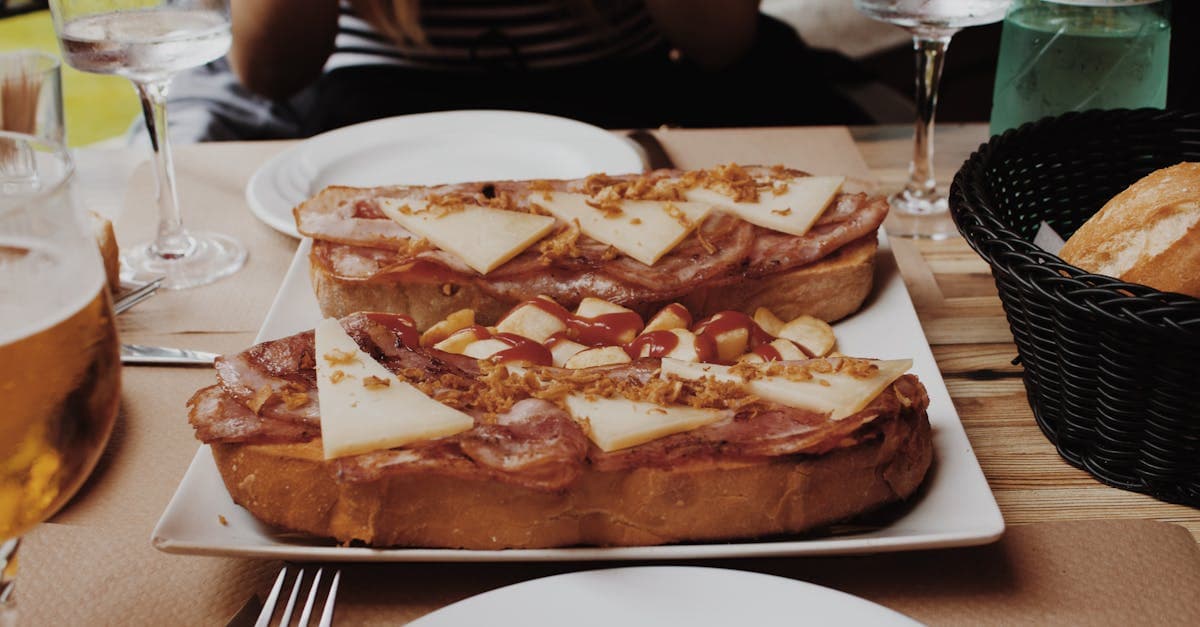
What to Eat in Spain: the Complete Food Guide for Irish Travellers
HelloRoam: your trusted travel eSIM that keeps you online across borders.
Explore Plans