Europe Travel Insurance for Irish Travellers: Complete 2026 Guide

Written by: David Chen


14 min read

HelloRoam is a global eSIM provider offering instant mobile data in 170+ countries. Buy prepaid travel eSIM plans with no extra fees, no contracts, and instant activation on any eSIM-compatible device.
14 min read

Yes, you need europe travel insurance even if you carry a valid EHIC card. The EHIC covers emergency state healthcare in EU countries, but it won't pay for repatriation flights, trip cancellations, lost luggage, or treatment at private hospitals. Those are the gaps that hurt.
Prices in the Irish market start from €14.99 for a single adult under 50 travelling within Europe (theaa.ie) or €35.41 per year for annual multi-trip cover (aig.ie). Whether one trip or five makes more financial sense to insure determines the right policy type.
Travel prep doesn't stop at insurance. Hello Roam's European eSIM plans start from $4.00 for 3GB over 30 days, a practical option for staying connected if you need to reach your insurer's emergency line from abroad. Reliable data and solid travel cover work as a pair. Get both sorted before you leave.
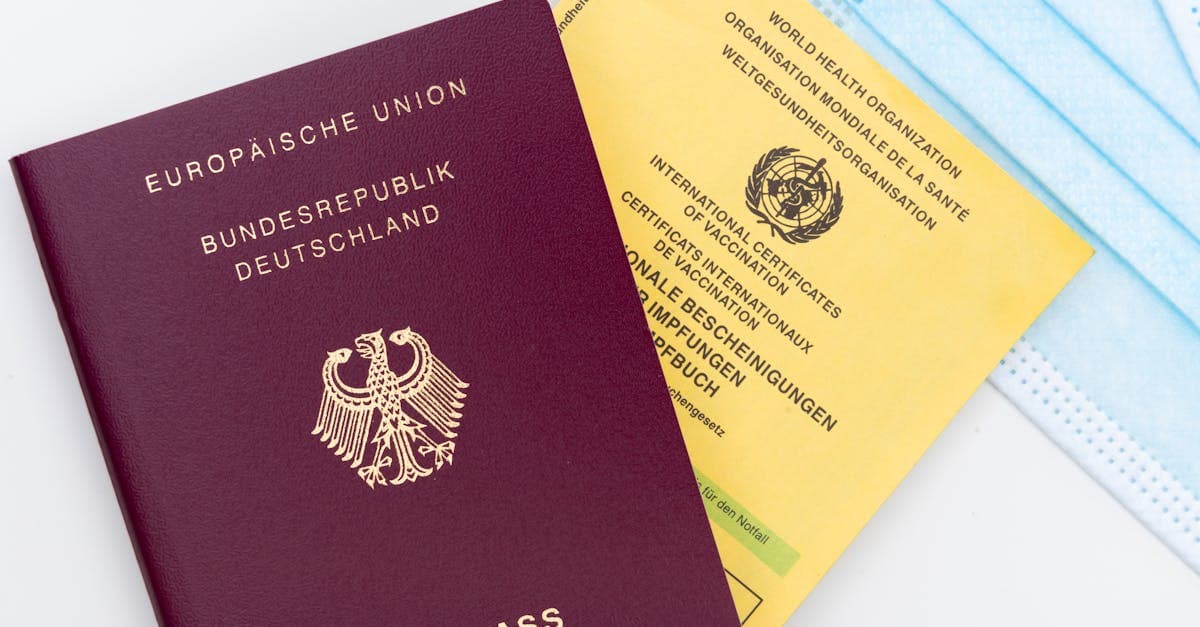
No. Your EHIC card is not a substitute for travel insurance, and both Citizens Information Ireland and the Department of Foreign Affairs say so explicitly. The EHIC is a supplement, not a replacement.
According to www2.hse.ie, the card is a free document issued to Irish citizens covering state-provided healthcare across all 27 EU member states plus Norway, Iceland, Liechtenstein and Switzerland. That's useful if you need emergency treatment at a public hospital in Lisbon or Rome. You receive care at the same level as local citizens, though, which varies significantly by country, and the card has no standing at private hospitals.
Here's the financial reality. A medical evacuation from Greece or Spain can cost between €15,000 and €50,000. The EHIC covers none of it. Nor does it help if illness forces you to cancel before departure, or if your bag disappears at Faro airport.
Post-Brexit clarity for Irish travellers: the Irish EHIC is still fully valid in all EU member states. Ireland remained in the EU, so Brexit changed nothing for Irish citizens using the card in Europe. For travel to the UK specifically, Ireland's bilateral health agreement under the Common Travel Area means Irish citizens can access NHS services, but cancellations, delays and lost property sit entirely outside that arrangement. Standard travel insurance covers all three.
The EHIC does not cover private hospital treatment, repatriation flights, trip cancellation, lost baggage, personal liability, or COVID-19 isolation costs. These gaps represent the most financially damaging travel risks Irish visitors face abroad.
Private hospital treatment is the first gap. In popular tourist areas across Spain, Greece and the Canary Islands, private clinics are frequently the most accessible option. The EHIC carries no weight at a private facility.
Repatriation is the item most travellers don't budget for. An air ambulance back to Ireland from southern Europe runs between €10,000 and €30,000. The card covers none of that.
The day-to-day financial exposure adds up quickly: trip cancellation if illness stops your trip before it starts, lost or stolen baggage including phones and laptops, personal liability if you damage property or injure someone abroad. Missed connections not reimbursed by the airline under EU261 regulations fall outside EHIC's scope too.
COVID-19 related costs remain a genuine gap. Isolation hotel bills and trip disruption from a positive test before departure aren't covered under any state healthcare arrangement.
Add winter sports and adventure activities to the list. Skiing in Austria or Lapland, water sports and hiking trips involve injury risks that sit entirely outside state hospital coverage in any practical sense.
The numbers make it concrete. A broken leg in Ibiza requiring surgery and an overnight stay at a private clinic can exceed €8,000 before any repatriation cost is added. The EHIC reduces the bill at state hospitals in participating countries, but it leaves the most financially damaging travel risks fully exposed.

Six core cover areas form the backbone of any standard European travel insurance policy sold in Ireland, and understanding each one makes a real difference when you're comparing quotes.
Emergency medical and evacuation cover is the centrepiece. Most Irish policies cover between €5 million and €10 million in emergency medical expenses, with full repatriation costs back to Ireland included. This is what steps in when state hospital treatment isn't adequate or when you need to fly home mid-trip.
Trip cancellation and curtailment reimburses you if illness, bereavement or other covered events force you to cancel before departure or return home early. Most valuable on expensive, pre-paid bookings.
Baggage and personal effects covers lost, stolen or damaged luggage and valuables. Sub-limits on electronics and jewellery vary significantly by policy. Two policies with identical headline cover can differ considerably on gadget limits specifically, so check those figures before buying.
Flight delays and missed connections apply when a flight is significantly delayed, most Irish policies using a 12-hour threshold, or when an airline-caused missed connection leaves you out of pocket.
Personal liability cover, typically between €1 million and €2 million, protects you if you accidentally injure another person or damage their property abroad.
COVID-19 is now a standard covered illness on many Irish policies, but trip cancellation due to testing positive before departure isn't always included. Read that clause.
Optional add-ons worth considering: winter sports cover for ski trips to Austria or Lapland, adventure activity cover, gadget cover and car hire excess waiver.
One point of confusion for Irish package holiday buyers: Lanzarote, Tenerife, Gran Canaria and Fuerteventura are EU territory and fully covered under standard European travel insurance. Before purchasing any policy, verify the excess amount, the aggregate medical cover limit and whether 24-hour emergency assistance is included. Those three details vary enough between providers to change the real value of a policy significantly.

Irish residents average two to four European trips a year. At that pace, the annual multi-trip maths are almost impossible to argue with.
Single-trip cover is priced per journey. Your destination zone, trip length, and age all factor into the premium. It's the right call if you travel infrequently, if you're making one unusually long trip that exceeds the per-journey day cap on annual policies, or if this is your first time comparing products and you want to test a provider before committing to a year's cover.
Annual multi-trip flips the model. One premium covers every trip within the policy year, with individual journeys typically capped at 31 or 45 days. That cap matters. Backpackers and gap-year travellers heading away for months need specialist long-stay policies instead. Standard annual multi-trip isn't built for extended travel beyond that threshold.
The break-even arrives faster than most people expect. AIG's annual multi-trip starts from the annual rate cited in our opening section. Two budget single-trip policies at around that same individual entry-level price already push past the annual total. After your second Ryanair departure, you're paying more for less.
Family annual policies compound the value further. All dependent children cover under one fixed premium, with no per-child uplift. For households combining a summer week in Tenerife with a spring city break to Lisbon, an annual family policy is almost always the cheaper choice.
Four things to check before committing to annual cover: the maximum trip duration per individual journey, whether the policy extends beyond Europe if you're also planning long-haul travel that year, the provider's upper age limit (which varies considerably across the Irish market), and the aggregate emergency medical cover limit across all trips combined. Some budget annual policies carry lower medical limits than their single-trip equivalents, which makes headline premium comparisons misleading.

Eight providers dominate the Irish travel insurance market in 2026. Picking between them depends on what you're optimising for.
For a single adult under 50 on a standard seven-day European trip, The AA Ireland's entry-level rate and AIG's annual multi-trip figure are both referenced above. Here's how the full market compares across the attributes that matter most:
The excess is the comparison point most buyers skip. A policy with a €250 excess leaves you absorbing significantly more on a mid-sized claim than the premium saving justifies. A policy with a €50 excess often delivers better real-world value despite costing more upfront. On a damaged baggage claim or a GP visit abroad, the difference is material. Always calculate total exposure (premium plus maximum excess), not headline premium alone.
Five factors move premiums materially across all eight providers: your age bracket, trip duration, declared pre-existing conditions, cover tier selected, and any add-ons chosen. Over-50s and over-70s pay considerably more across the board, and that gap widens further when pre-existing conditions are in the mix.

No single provider wins every category. Here's what each market leader does best.
Best for value and simplicity: The AA Ireland. An entry-level single-trip rate suits healthy travellers under 50 making a straightforward European holiday. The product is uncomplicated, which is a genuine advantage when your trip is uncomplicated.
Best annual multi-trip: AIG Ireland. Two or more European trips a year and the annual rate referenced above makes AIG the most competitive option in the current market. Two individual policies already cost more. Simple as that.
Best for pre-existing conditions: JustCover.ie justcover.ie. The broadest acceptance in the Irish market. The full range of covered conditions is detailed in the section above. No mainstream Irish competitor comes close.
Best for families: AXA Ireland. All dependent children cover under one fixed family premium. For households combining a summer week in the Canaries with a city break to Amsterdam, the maths are hard to argue with.
Best for senior and elderly travellers: Aviva and Zurich. Higher medical limits, specialist screening processes, and no blanket upper age exclusions on single-trip policies. Premiums are higher, and for older travellers with complex health histories, the cover quality earns the extra cost.
Before purchasing any policy, verify four things: emergency medical cover meets the minimum level discussed in the cover overview above; a 24-hour emergency assistance line is included; full repatriation to Ireland is covered; and COVID-19 illness is explicitly listed as a covered event, not a blanket exclusion.
Non-EU residents living in Ireland and applying for a Schengen visa must hold a policy confirming the Schengen medical cover minimum across the full Schengen area. Most mainstream Irish policies meet the threshold, but always request written confirmation from the insurer before any visa submission.
Standard exclusions apply across all providers: undeclared pre-existing conditions, incidents involving intoxication, extreme sports without the appropriate add-on, and travel to any destination where the Irish Department of Foreign Affairs has issued a do-not-travel advisory.
Yes, Irish travellers with pre-existing conditions can get travel insurance, but full disclosure at point of purchase is mandatory. An undeclared condition doesn't only affect a claim related to that condition; it can invalidate the entire policy if the insurer determines you withheld relevant medical history.
What counts as pre-existing? Most Irish policies apply a 12 to 24-month lookback period covering any condition for which you've received treatment, medication, medical advice, or clinical investigation. The exact window varies by insurer. When in doubt, declare it.
Disclosure happens through a medical screening questionnaire at the point of purchase, either online or over the phone. It takes longer than a standard application. Underreporting is the single most expensive mistake a traveller can make.
JustCover.ie is the specialist of choice in the Irish market. The breadth of accepted conditions is covered in the sections above. If mainstream providers have turned you down or loaded your premium beyond reason, JustCover is the logical next call.
Over-50s and over-70s face a compounding challenge. Age already raises premiums significantly. Add declared pre-existing conditions and mainstream comparison aggregators often surface inadequate or poorly matched products. Aviva, Zurich, and JustCover handle this demographic more effectively than budget alternatives.
If a specific condition is excluded by your chosen insurer, don't walk away from the policy entirely. The cover still applies to everything else: trip cancellation, baggage, personal liability, and emergency medical costs unrelated to the excluded condition. Partial protection offers real financial value.
For complex or multiple conditions, a specialist comparison platform such as Insuremyholiday.ie can surface providers that don't appear on mainstream aggregators. That step costs nothing and frequently finds better-matched policies.
Most Irish insurers now treat COVID-19 as a standard covered illness following post-pandemic policy updates. Check the specific policy wording before completing any purchase, because not every product on the market has been updated equally.

EU Roam Like at Home rules mean Irish travellers pay nothing extra for data, calls and texts when roaming across EU member states. Spain, France, Italy, Greece: your Irish SIM, your home rate.
The problem is that "Europe" in most travellers' mental maps extends past the EU's legal borders. Turkey is one of the most popular Irish holiday destinations outside the EU, and it falls completely outside RLAH protections. Morocco, Georgia, the Western Balkans: same story. Roaming charges in those countries vary by carrier and can produce a steep bill on your return.
The UK deserves a separate note. Three Ireland includes UK roaming in standard plans. Eir and Vodafone Ireland charge extra for UK usage. Always confirm your specific plan before travelling to Britain or Northern Ireland.
Even within RLAH territory, Irish carriers apply fair-use caps on roaming data. Heavy users streaming video or making video calls mid-trip can exhaust these allowances and hit throttling before the journey ends.
A Hello Roam eSIM handles the non-RLAH problem directly. UK plans start from $1.40 for 1GB over seven days, with pre-paid pricing and 24-hour customer support. iPhone 14 and later models run dual SIM natively, as do most modern Android flagships, meaning your Irish number stays active for calls and texts while the eSIM manages data on the same device. No physical swap at the airport.
Sorting data coverage follows the same pre-trip logic as sorting travel insurance. Both protect against costs you didn't see coming.
European travel insurance raises the same handful of questions before almost every Irish holiday. Here are the seven that matter most.
Is travel insurance compulsory for Europe from Ireland?
No legal requirement exists for Irish citizens travelling within the EU. Non-EU nationals applying for a Schengen visa must hold a policy meeting the EU's mandatory medical minimum. Check that your policy explicitly confirms Schengen eligibility before submitting your visa application.
When should I buy?
The day you book. Buying immediately protects your full trip cost against cancellation from that date. Waiting until the week before departure leaves pre-paid costs exposed for the entire booking window.
Does travel insurance cover Ryanair cancellations?
EU Regulation 261/2004 entitles passengers to direct refunds and compensation from Ryanair for cancellations within the airline's control. Travel insurance covers what EU261 doesn't: passenger illness, bereavement, and strikes falling outside that regulation's defined scope.
Are the Canary Islands covered?
Yes. All four main islands are Spanish EU territory and fall within the standard European zone on Irish policies. No add-on or specialist cover needed.
Does annual multi-trip cover include unlimited trips?
Annual policies cover unlimited journeys within the policy year. Each trip is subject to a maximum per-journey duration, typically 31 consecutive days.
Do non-EU residents living in Ireland need different cover?
Non-EU nationals holding a valid Irish Residence Permit can purchase Irish travel insurance but hold no EHIC. Their policy must explicitly state the Schengen medical minimum for any visa-required destination.
What does European travel insurance not cover?
Across Irish market policies: undeclared pre-existing conditions, self-inflicted injuries, incidents involving intoxication, extreme sports without a specific add-on, and travel to destinations currently under a Department of Foreign Affairs do-not-travel advisory.

No, the EHIC card is not a substitute for travel insurance. Both Citizens Information Ireland and the Department of Foreign Affairs state explicitly that the EHIC is a supplement, not a replacement. The card only covers emergency state healthcare and leaves repatriation, trip cancellation, lost baggage, and private hospital treatment fully unprotected.
The EHIC covers state-provided emergency healthcare across all 27 EU member states plus Norway, Iceland, Liechtenstein, and Switzerland. It entitles Irish citizens to treatment at the same level as local citizens at public hospitals. The card has no standing at private hospitals and does not cover repatriation, trip cancellation, or lost property.
European travel insurance covers emergency medical treatment at private hospitals, repatriation flights back to Ireland, trip cancellation and curtailment, lost or stolen baggage, personal liability, flight delays, and COVID-19 related costs. These are the gaps that represent the most financially damaging travel risks for Irish visitors abroad.
Single-trip cover for a standard European holiday starts from around €14.99 for a single adult under 50 with providers such as The AA Ireland. Annual multi-trip cover starts from around €35.41 per year with providers such as AIG Ireland. Premiums vary based on age, trip duration, declared pre-existing conditions, and chosen cover tier.
An air ambulance repatriation from southern Europe back to Ireland can cost between €10,000 and €30,000. A medical evacuation from Greece or Spain can range from €15,000 to €50,000. The EHIC does not cover any repatriation costs, making this one of the most significant financial risks of travelling without travel insurance.
Single-trip cover is priced per individual journey and is suitable for infrequent travellers or very long trips. Annual multi-trip cover pays one premium covering all trips within the policy year, with individual journeys typically capped at 31 or 45 days. For Irish travellers making two or more European trips per year, annual multi-trip cover is almost always the cheaper option.
JustCover.ie has the broadest acceptance criteria for pre-existing conditions in the Irish market, accepting over 1,300 conditions. Aviva and Zurich also offer specialist screening processes and broader acceptance criteria, particularly suited to senior travellers with complex medical histories. Always declare all pre-existing conditions, as undeclared conditions are a standard exclusion across all providers.
Yes, the Canary Islands including Lanzarote, Tenerife, Gran Canaria, and Fuerteventura are EU territory and fully covered under standard European travel insurance policies. Irish travellers do not need a worldwide or specialist policy to cover these destinations.
COVID-19 is now a standard covered illness on many Irish travel insurance policies. However, trip cancellation due to testing positive before departure is not always included, so this clause should be checked carefully before purchasing. COVID-19 isolation hotel costs and trip disruption are not covered under any state healthcare arrangement including the EHIC.
Standard European travel insurance policies do not automatically cover skiing, snowboarding, or adventure activities. A winter sports add-on is required for ski trips to destinations such as Austria or Lapland. Water sports, hiking, and other adventure activities may also require specific add-ons depending on the policy.
Non-EU residents living in Ireland applying for a Schengen visa must hold a travel insurance policy confirming medical cover that meets the Schengen minimum across the full Schengen area. Most mainstream Irish travel insurance policies meet this threshold. Always request written confirmation from the insurer before any visa submission.
Aviva and Zurich are considered the best options for senior and elderly Irish travellers in 2026. Both offer higher medical limits, specialist screening processes, and no blanket upper age exclusions on single-trip policies. Premiums are higher, but for older travellers with complex health histories the cover quality reflects the additional cost.
The excess is the amount you pay out of pocket on any claim before the insurer pays out. A policy with a €250 excess leaves you absorbing significantly more on a mid-sized claim than the premium saving justifies compared to a policy with a €50 excess. Calculating total exposure, meaning the premium plus the maximum excess, gives a more accurate comparison than headline premium alone.
For Irish travellers making two or more European trips per year, annual multi-trip cover is almost always the better financial choice. Two budget single-trip policies at entry-level prices typically exceed the cost of an annual policy. Family annual policies add further value by covering all dependent children under one fixed premium with no per-child uplift.
Standard exclusions across all Irish travel insurance providers include undeclared pre-existing conditions, incidents involving intoxication, extreme sports without the appropriate add-on, and travel to any destination where the Irish Department of Foreign Affairs has issued a travel warning. Always read the exclusions section before purchasing any policy.
Yes, the Irish EHIC remains fully valid in all EU member states. Ireland remained in the EU, so Brexit had no impact on Irish citizens using the EHIC card in Europe. For travel to the UK specifically, the Common Travel Area bilateral health agreement means Irish citizens can access NHS services, but cancellations, delays, and lost property are not covered under that arrangement.
Before purchasing, verify four things: the emergency medical cover meets an adequate limit, a 24-hour emergency assistance line is included, full repatriation to Ireland is covered, and COVID-19 illness is explicitly listed as a covered event. Also check the excess amount, individual trip duration caps on annual policies, and sub-limits on electronics and valuables under baggage cover.
HelloRoam: your trusted travel eSIM that keeps you online across borders.
Explore Plans