Cheapest Holiday Destinations From Ireland in 2026: Sun Breaks, City Trips and Real Prices

Written by: David Chen


14 min read

Table of content
Quick Answer: cheapest holiday destinations
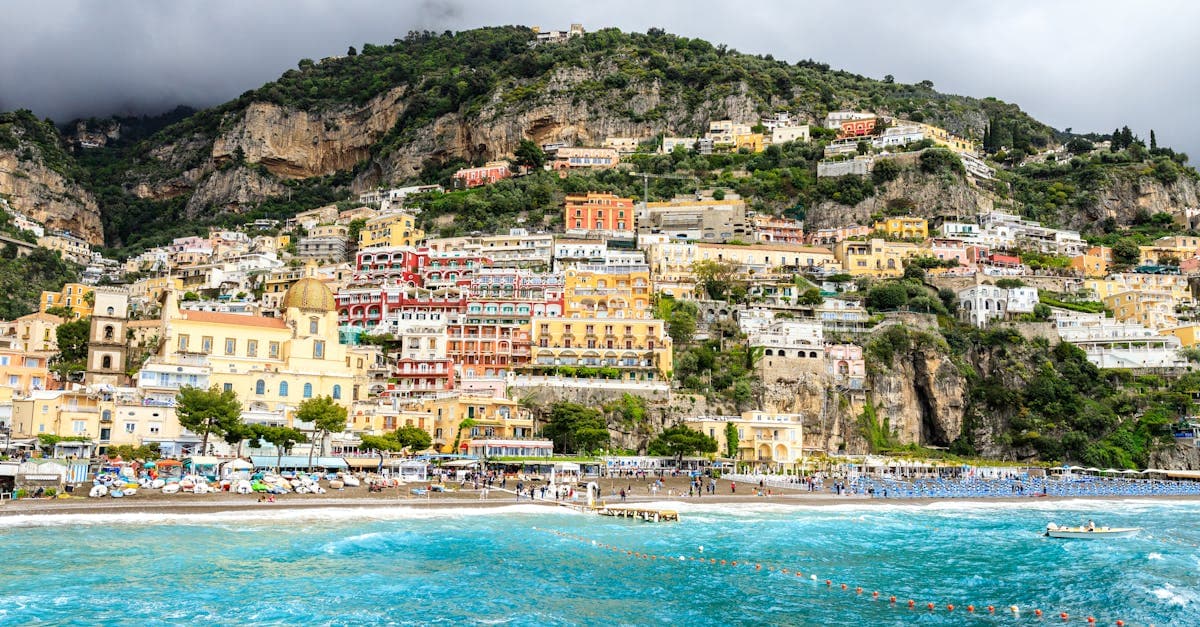
According to cassidytravel.ie, Turkey (Antalya or Side) tops the list on all-inclusive sun value, with seven-night packages starting from around €450 per person. Krakow wins for city breaks, with return flights under €100 and daily costs that make Lisbon feel extravagant by comparison.
Turkey and Egypt sit outside the EU, which means Irish mobile roaming rules don't apply. Carrier add-ons for a week in Turkey can reach €49, a cost that doesn't show up in the headline package price. Peak summer (July and August) adds a significant premium across all destinations; shoulder season is consistently better value.
Hello Roam's eSIM plans, listed by destination, cover Turkey and Egypt and are worth comparing against carrier daily add-ons before you travel.
Book packages to non-EU sun destinations in January for the best rates. For European city break flights, six to eight weeks ahead is the reliable sweet spot.
Cheapest holiday destinations from Ireland in 2026

The cheapest holiday destinations from Ireland in 2026 are Krakow and Budapest for city breaks, Antalya and Sunny Beach for all-inclusive sun packages, and the Algarve for EU beach value. The Ryanair network changes the maths considerably for Irish travellers, with Dublin, Cork and Shannon together connecting to more than 30 European destinations on budget fares, covering routes that require a connection from most UK regional airports. Cork flies direct to Faro, Malaga and Tenerife; Shannon serves Lanzarote. Travellers based outside Dublin are better positioned than they're often given credit for.
For summer packages to non-EU destinations (Turkey, Egypt, Bulgaria), book between January and March. For shoulder-season flights within Europe, six to eight weeks ahead is typically the best window.
The table below shows indicative all-in costs for seven nights from Dublin, per person (return flights plus accommodation, or package price where all-inclusive):
DestinationKrakow, Poland
CategoryCity break
Indicative cost, 7 nights pp~€140-€300
DestinationBudapest, Hungary
CategoryCity break
Indicative cost, 7 nights pp~€170-€340
DestinationFaro (Algarve), Portugal
CategoryBeach, EU
Indicative cost, 7 nights pp~€260-€540
DestinationMalaga (Costa del Sol), Spain
CategoryBeach, EU
Indicative cost, 7 nights pp~€280-€540
DestinationAntalya, Turkey
CategoryAll-inclusive
Indicative cost, 7 nights pp~€450-€750
Bulgaria's Sunny Beach, at around €400 to €650 per person for seven nights all-inclusive, is the cheapest option in geographic Europe and is covered separately below, according to onthebeach.ie.
Turkey and Egypt carry headline-low prices but one hidden cost: mobile roaming charges, since both sit outside the EU. That cost is quantified in a later section.
Best-value sun destinations outside the EU in 2026: Turkey, Egypt and Bulgaria
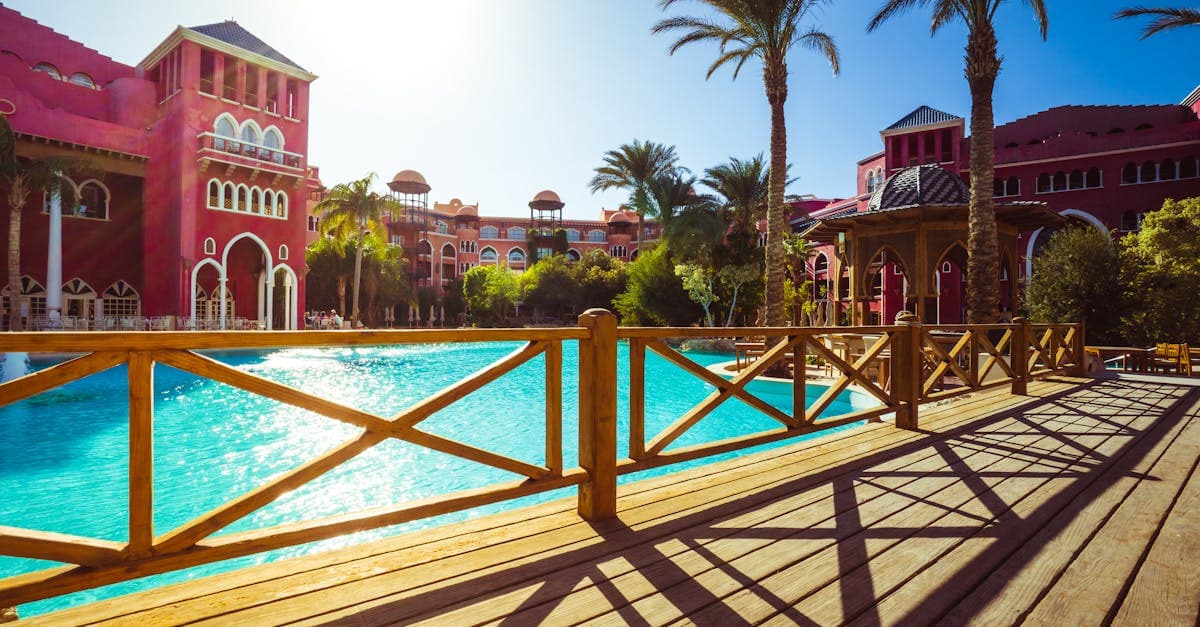
Turkey, Egypt and Bulgaria consistently undercut EU beach holidays by 30 to 50 percent on all-inclusive packages from Dublin. That margin has held across several years and reflects a combination of currency dynamics and lower baseline resort costs, not a cut in quality.
Bulgaria (Sunny Beach)
At the all-inclusive price range noted in the overview above, Sunny Beach is Europe's cheapest all-inclusive destination by package cost. Families on tight budgets and groups of younger travellers are well matched to what it offers; it's a high-density, high-energy resort, which is worth knowing before you book rather than after. Charter options from Dublin are more limited than for Turkey, so allow extra lead time when searching.
Egypt (Hurghada)
According to loveholidays.ie, Hurghada packages from Dublin run around €450 to €700 per person for seven nights all-inclusive. Most guests spend the bulk of their trip within the resort complex, which makes bundled pricing particularly good value. Check the Department of Foreign Affairs travel advice for Egypt before booking; the DFA updates Hurghada's status regularly, and the current classification should form part of any booking decision.
Turkey vs Greece: where the price gap comes from
A seven-night all-inclusive in Antalya costs 30 to 40 percent less than a comparable package to Corfu or Rhodes. The Turkish lira has weakened steadily against the euro across several consecutive years, a structural advantage showing little sign of reversing. That advantage extends to every on-the-ground expense: excursions, meals outside the resort, a bar tab in town.
Package deals are the sensible approach for all three destinations. Currency complexity, transfer logistics and the consumer protections under the EU Package Travel Directive all point the same way. Charter operators Sunway and TUI Ireland run direct packages from Dublin to Turkey and Egypt; Jet2 covers Turkey departures as well.
Solo travellers should factor in the single-occupancy supplement. For non-EU all-inclusive resorts, this typically adds €150 to €250 to the total cost, which narrows (though rarely closes) the advantage over a DIY city break.
Turkey (Antalya and Side): all-inclusive holidays from €450 per person
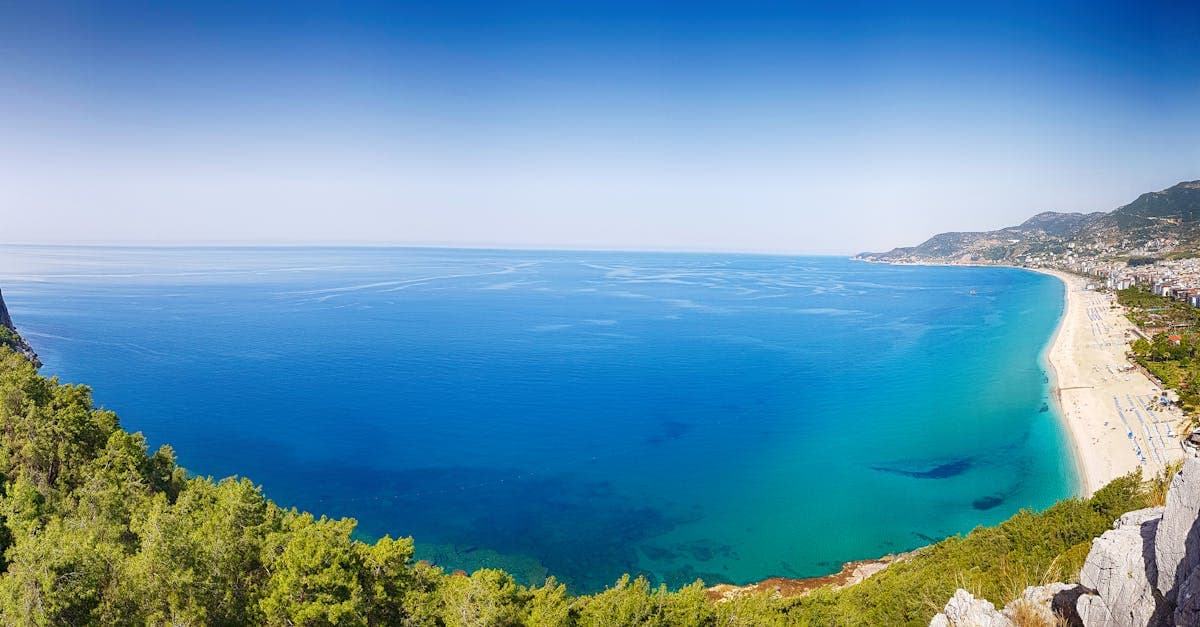
Antalya is the clearest entry point for Irish travellers new to Turkey. According to tuiholidays.ie, return flights from Dublin run around €120 to €220 depending on season, and seven-night all-inclusive packages start at the price shown in the overview table above. Shoulder-season departures in May and early October cost significantly less than the same hotel in July, and the resorts are quieter too.
The lira effect is worth spelling out plainly. What costs €100 in Spain costs around €60 in Turkey at current exchange rates, and that structural advantage has held for three consecutive years. It shows up not just in the package cost but across every on-the-ground expense: the excursion booking, the afternoon drink, the dinner outside the resort.
Antalya, Side, Alanya and Bodrum each suit a different travel style. Antalya has the strongest direct connections from Dublin and is the natural starting point for first-time visitors. Side is quieter and better suited to couples; Alanya and Bodrum draw independent travellers who want more than a pool and a beach.
A standard all-inclusive package in Turkey covers all meals, local drinks, entertainment and non-motorised watersports. Compare that scope with paying à la carte in Corfu, where meals and drinks are billed separately at every sitting. The arithmetic shifts firmly in Turkey's favour.
Foreign Affairs advice for Antalya and the major coastal resort areas is classified as normal precautions as of early 2026. Always check the DFA website before booking, as the classification can change with little notice.
On comparable hotel star ratings, Turkey outperforms Spain and Greece by a margin EU alternatives will find difficult to close in 2026.
Best-value EU beach breaks in 2026: Spain, Portugal, Greece and the Canaries
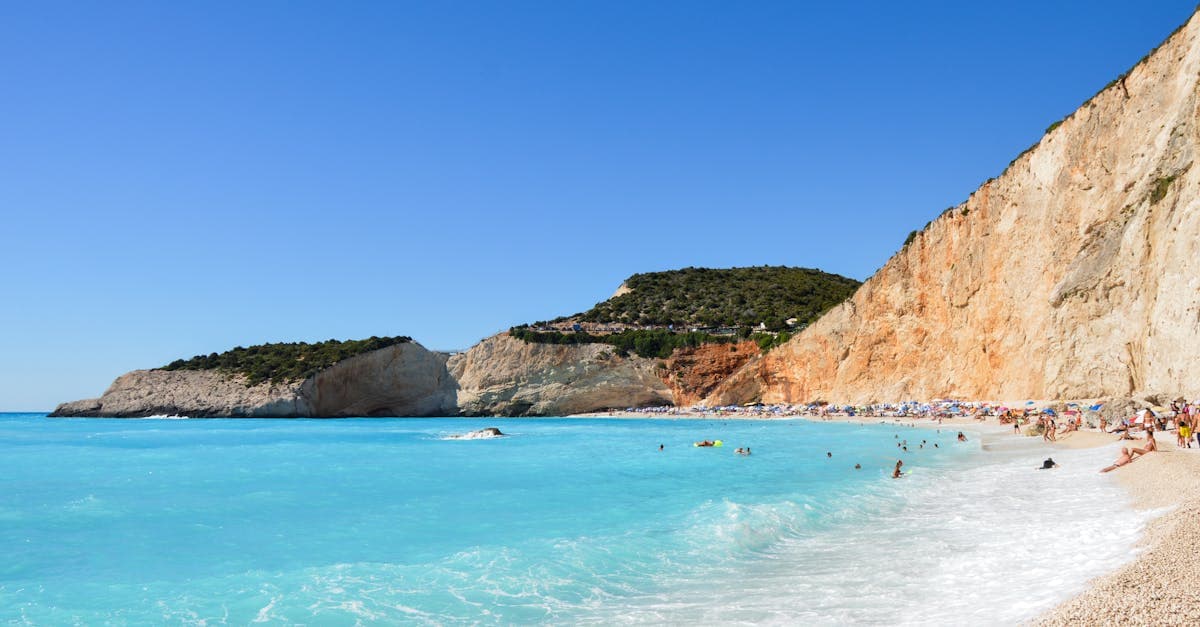
According to cassidytravel.ie, Portugal, Spain, Greece and the Canary Islands are the best-value EU beach destinations from Ireland, with seven-night packages ranging from around €500 per person for shoulder-season Portugal to over €1,000 for peak Greece. Travelling in the EU carries one concrete advantage that rarely gets mentioned clearly enough: Irish mobile plans work at no extra charge in Spain, Portugal, Greece, Bulgaria and Cyprus under the Roam Like Home rules, saving around €40 to €50 per person compared with destinations outside the bloc.
Portugal is the most popular sun route from Ireland and delivers some of the strongest shoulder-season value. Week-long packages to the Algarve in May or October range from €500 to €850 per person, according to loveholidays.ie. The region is warm, quieter and meaningfully cheaper than peak summer during those months, without the mid-August crowds around Albufeira.
Spain follows a familiar pattern. Ryanair's Malaga headline prices are well known by now, but once cabin bags and airport fees are included, the realistic return cost runs €70 to €130. According to tuiholidays.ie, all-in packages range from €550 to €950 per person, and May or September pricing runs 25 to 40 percent below the peak.
The Canary Islands offer year-round sun with more stable pricing than the mainland. Tenerife packages start at around €600 per person, according to loveholidays.ie. Shannon Airport's direct service to Lanzarote makes the Canaries a practical option for travellers in Connacht and Munster who'd rather not pass through Dublin.
Greece rewards planning ahead. Booking Corfu or Rhodes six months out typically secures the better rates, with packages ranging from €600 to €1,100 per person, according to cassidytravel.ie. September is quieter and consistently cheaper, with the sea still warm.
For groups, Majorca and Menorca merit a closer look. Self-catering infrastructure is strong, Ryanair flies direct from both Dublin and Cork, and May and September pricing is considerably more favourable than August.
France is the expensive outlier. Paris and Nice are viable for a long weekend, with budget carrier return fares from Dublin typically running €160 to €200, though per-day costs are considerably higher than anywhere east of Vienna. Check Cork Airport before automatically defaulting to Dublin: direct routes to Faro, Malaga, Tenerife and Barcelona mean the cheapest departure isn't always in the capital.
Cheapest city breaks from Ireland: Krakow, Budapest and beyond

Krakow is the cheapest city break from Ireland, full stop. Return flights start at €40 to €90, a beer in the old town runs around €1.50, and a sit-down restaurant meal rarely breaks €10, according to weareglobaltravellers.com. The cultural draw is real: Wawel Castle and the Jewish Quarter are serious attractions, not tourist filler.
Budapest is close behind. Return fares from Dublin start at around €55 to €110, according to lastminute.ie. The thermal baths are a real draw rather than a box to tick, and the ruin bar scene fills evenings without much outlay. Two full days covers the main sights comfortably.
The zloty and forint account for the pricing gap. Daily costs in both cities run 30 to 50 percent below comparable western European destinations, and that's a structural currency difference rather than a promotional quirk.
Lisbon and Porto are more expensive than Eastern Europe but come into their own in the low season. October to February brings meaningfully cheaper accommodation and sharply reduced crowds, while the food and architecture remain fully intact.
Warsaw and Vilnius sit at the most stripped-back end of the options. With early booking, a full weekend including return flights and three nights' accommodation can land under €290 per person, according to weareglobaltravellers.com.
The simplest comparison method: add return flights, three nights' accommodation, and €50 per day for food, transport and entry fees. For three-night urban trips, DIY booking almost always beats packages. Airbnb and Hostelworld consistently undercut hotel package pricing for short city stays.
On some routes, Aer Lingus undercuts Ryanair once checked bags are factored in. Always run the numbers on both carriers before confirming.
Package holiday or DIY: which works out cheaper from Ireland?
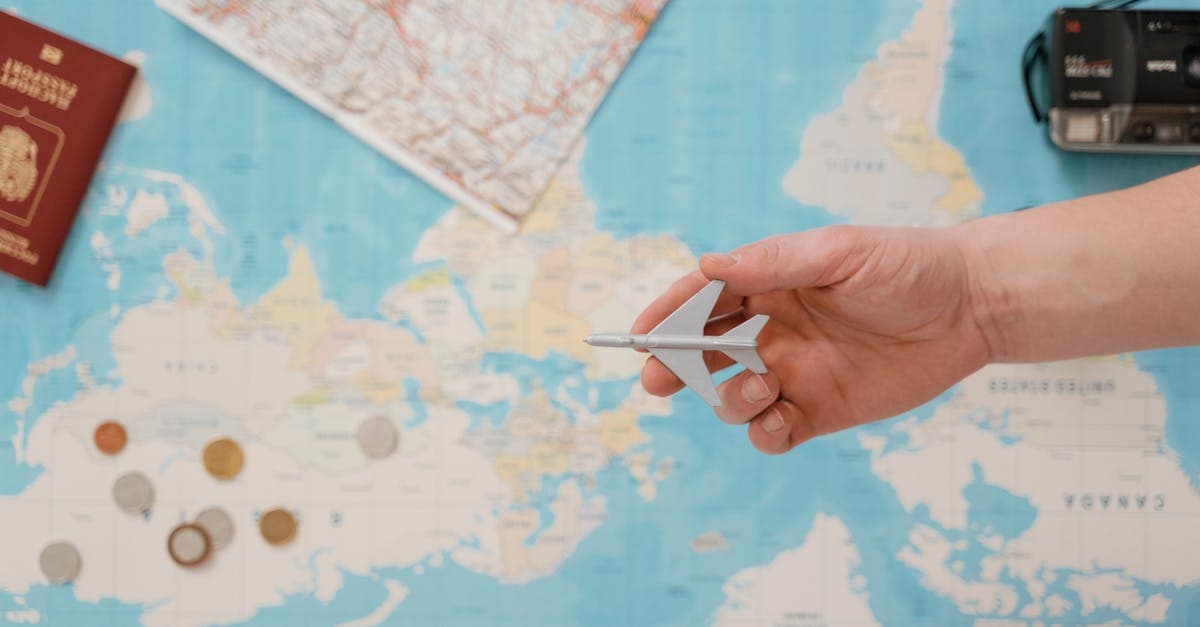
The broad rule holds across most destinations. Packages win for Turkey, Egypt and Bulgaria. DIY wins for Krakow, Budapest and Lisbon.
For non-EU sun holidays, the case for a package is solid. Airport transfers are included, the total cost is fixed before you leave, and a qualifying booking with a licensed Irish operator is covered under the EU Package Travel Directive, the consumer protection scheme that applies if a tour operator fails or cannot deliver what was sold. Sunway, JWT and Club Travel are among the IATA-bonded Irish operators where that protection applies automatically to qualifying bookings.
The Ryanair pricing point is relevant here. As noted in the Spain section above, the advertised headline fare grows considerably once cabin bags and airport fees are added. Package pricing absorbs those costs, which is one reason an all-inclusive deal can come out cheaper than a DIY 7-night trip even when the brochure price looks higher.
Solo travellers should read the small print carefully. Most all-inclusive packages charge a single supplement for one person in a double room, typically at least €180 per person. On a mid-range package, that erodes the price advantage significantly over a DIY booking.
For groups of six or more, a self-catering villa in Portugal or Majorca usually beats the equivalent hotel package on a per-head basis. The maths consistently favour the villa above that group size.
Late-availability deals for Turkey and Bulgaria appear regularly in October but are scarce during the July and August peak. Outside the school holiday window, a last-minute approach is a reasonable strategy.
Staying connected abroad: roaming costs, eSIM options and what Irish travellers actually pay

Mobile roaming is the line item that most holiday budgets overlook entirely. For EU destinations, it's uncomplicated: Roam Like Home means your Irish SIM works at no extra charge in Spain, Portugal, Greece and Bulgaria, with nothing to configure.
Turkey and Egypt sit outside that arrangement. Irish carriers typically offer 7-day Turkey roaming add-ons at around €42 to €48. Skip the add-on and per-megabyte rates can reach €5 to €10. Most people discover that figure when the bill arrives after the holiday, which is not an ideal moment to find out.
Egypt runs at roughly €8 per day on the standard Irish carrier daily rate, producing a charge of around €56 over seven nights without an add-on. Hotel wifi in Hurghada and Turkish resort areas is frequently shared and unreliable; a stable mobile data connection matters considerably more there than on a Greek island where the taverna has decent broadband.
The practical alternative is a travel eSIM. Airalo's Turkey plans start at around €11 for 3GB, and Holafly's unlimited option costs approximately €17 per week. The saving over Irish carrier add-on pricing runs to €28 or more per person for a week in Turkey.
Hello Roam offers eSIM plans covering Turkey, Egypt and other non-EU destinations, activated via QR code before departure so coverage is live on landing without queueing for a local SIM at arrivals.
For Spain, Portugal and Greece, an Irish SIM is sufficient under Roam Like Home. A travel eSIM only becomes relevant if a home plan throttles roaming data to speeds that make maps and messaging unusable. For most Irish travellers on standard plans, the existing SIM handles the job.
Where is the cheapest place to go on holiday from Ireland?

Turkey, for all-inclusive sun. Antalya packages come in at the prices detailed above, and the lira advantage puts in-resort costs around 40 per cent below comparable Spanish resorts. Within the EU, Bulgaria's Sunny Beach is the cheapest holiday destination for an all-inclusive beach break from Ireland.
Krakow takes the city break title outright, with flights at the fares already noted and daily costs as detailed above. Budapest is close but tips higher once mid-range accommodation enters the calculation.
Departure airport matters more than most guides acknowledge. Cork serves Faro, Malaga and Tenerife directly; Shannon connects to Lanzarote. Return fares from Cork or Shannon can differ from Dublin by €20 to €45 on the same route.
Timing matters as much as destination. A Turkish all-inclusive at around €750 per person in August can drop sharply for an October booking, with May offering similar savings at warmer temperatures.
One figure headline prices always omit: roaming charges, checked luggage and travel insurance on non-EU trips typically add €75 to €125 per person to the true total. Factor that in before treating any advertised figure as final.
Skyscanner's date-grid view and Google Flights' calendar tool are the most practical options for finding the cheapest departure week from any Irish airport.
Where is the cheapest holiday in Europe?
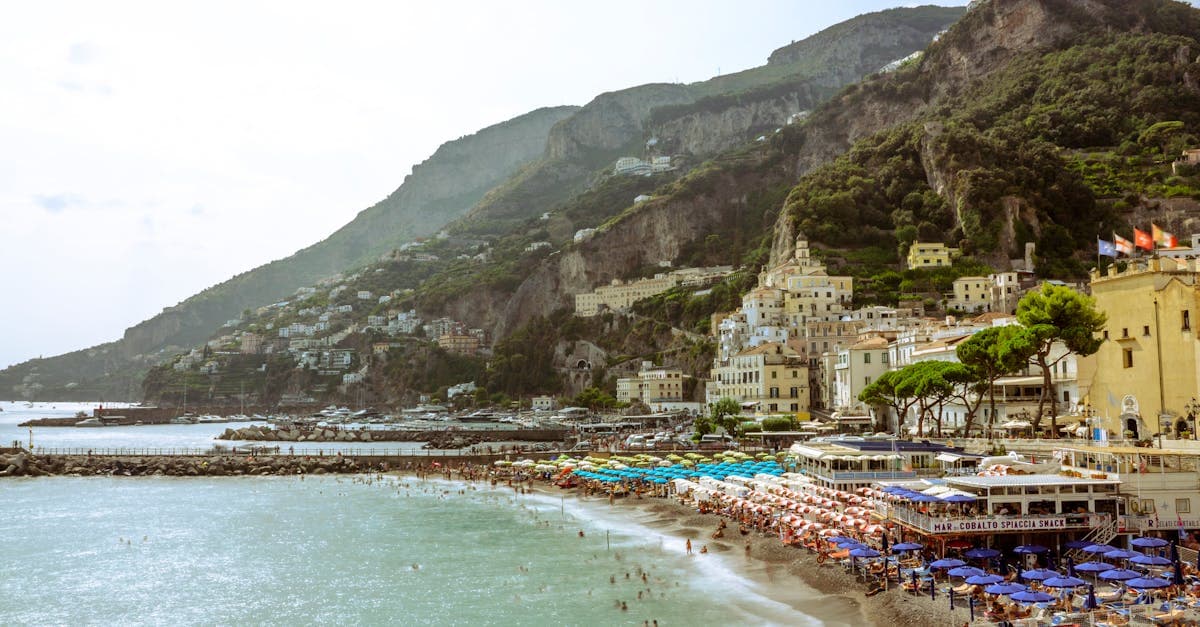
Bulgaria wins on price. Sunny Beach remains the cheapest all-inclusive beach destination within geographic Europe, consistently undercutting Greece and Spain on package costs from Dublin, according to onthebeach.ie.
For city breaks, Krakow is the clear answer. Daily costs run well below those of Malaga or Rome, with meals, beer and transport priced in zloty rather than euros. A decent full day in Krakow costs roughly what a modest lunch costs in Rome.
Turkey sits outside the EU and EEA, but travel marketing regularly groups it alongside European destinations. It offers the best overall price-to-sun ratio in the region, with ground costs closer to Bulgaria than to Spain. Ongoing lira weakness has locked in that structural advantage, with no sign of it fading.
Within the Eurozone, Portugal's Algarve is the strongest EU beach value, according to loveholidays.ie. In shoulder season particularly, accommodation and restaurant prices run noticeably below Majorca or Corfu.
Southeast Asia (Indonesia, Vietnam, Thailand) offers daily budgets that rival Krakow's, but return flights from Dublin run from €500 to €900. Savings only materialise on trips of three weeks or more.
The value hierarchy: Bulgaria for the cheapest EU beach, Poland and Hungary for cheapest EU cities, Turkey for best non-EU sun value, Portugal for strongest EU beach option once flights enter the calculation.

David Chen
Travel writer and former digital nomad. 10 years exploring destinations across 6 continents. Specializes in budget travel, expat life, and off-the-beaten-path experiences for American travelers.
Read full bio→Frequently Asked Questions
The cheapest holiday destinations from Ireland are Krakow and Budapest for city breaks, and Antalya (Turkey) or Sunny Beach (Bulgaria) for all-inclusive sun packages. Krakow offers return flights from as little as €40 to €90 with daily costs well under €30, making it the cheapest city break option. For sun holidays, seven-night all-inclusive packages to Turkey start from around €450 per person.
For Irish travellers in 2026, Turkey and Bulgaria offer the cheapest all-inclusive sun holidays, while Poland (Krakow) is the cheapest city break destination. Turkey's Antalya offers seven-night all-inclusive packages from around €450 per person, and Bulgaria's Sunny Beach comes in at around €400 to €650 per person. Both undercut comparable EU beach destinations by 30 to 50 percent.
Krakow, Poland is one of the cheapest holiday destinations overall, with return flights from Dublin starting at €40 to €90 and daily costs around €30 including meals and entry fees. For beach holidays, Turkey's Antalya and Bulgaria's Sunny Beach offer the strongest all-inclusive value, with packages starting from around €400 to €450 per person for seven nights. The Algarve in Portugal is the best-value EU beach option, with shoulder-season packages from around €500 per person.
Bulgaria's Sunny Beach is the cheapest all-inclusive holiday destination in geographic Europe, with seven-night packages from Dublin running around €400 to €650 per person. For city breaks, Krakow in Poland is the cheapest European option, with return flights under €100 and restaurant meals rarely exceeding €10. Warsaw and Vilnius are also extremely affordable, with full weekends including flights and three nights' accommodation available under €290 per person.
A seven-night all-inclusive package to Antalya from Dublin costs from around €450 to €750 per person, with return flights adding around €120 to €220 depending on the season. Shoulder-season departures in May or early October are significantly cheaper than July and August. Turkey's structural currency advantage means on-the-ground costs like excursions and meals outside the resort are around 40 percent cheaper than comparable destinations in Spain or Greece.
No, Irish mobile roaming rules do not apply in Turkey or Egypt as both countries sit outside the EU. Carrier add-ons for a week in Turkey can reach €49, a cost that typically does not appear in the headline package price. Travellers can avoid this by purchasing an eSIM plan for their destination before travelling, which can be compared against carrier daily add-ons for better value.
Yes, Irish mobile plans work at no extra charge in Spain, Portugal, Greece, Bulgaria and Cyprus under the EU Roam Like Home rules. This saves travellers around €40 to €50 per person compared with destinations outside the EU such as Turkey and Egypt. This roaming benefit is a concrete advantage of EU beach holidays that is often overlooked when comparing headline package prices.
For non-EU sun destinations like Turkey and Egypt, booking packages in January to March typically secures the best rates. For European city break flights within the EU, six to eight weeks ahead is the most reliable window for good fares. Peak summer in July and August commands a significant premium across all destinations, while shoulder-season travel in May, September and October offers consistently better value.
The choice depends on the destination. Packages win for Turkey, Egypt and Bulgaria, where all-inclusive pricing, included airport transfers, and EU Package Travel Directive consumer protections make them the sensible choice. DIY booking wins for city breaks like Krakow, Budapest and Lisbon, where short stays are better served by booking flights and accommodation separately through budget airlines and platforms like Airbnb or Hostelworld.
Qualifying bookings with licensed Irish operators are covered under the EU Package Travel Directive, which protects consumers if a tour operator fails or cannot deliver what was sold. Operators such as Sunway, JWT and Club Travel are among the IATA-bonded Irish operators where this protection applies automatically to qualifying bookings. This is a significant advantage of package holidays over DIY bookings for non-EU destinations.
Krakow is the cheapest city break from Ireland, with return flights starting at €40 to €90 from Dublin. A beer in the old town costs around €1.50 and a sit-down restaurant meal rarely exceeds €10. A full weekend including return flights and three nights' accommodation can be completed for well under €300 per person with early booking.
Yes, the Canary Islands offer year-round sun with more stable pricing than mainland Spain, with Tenerife packages starting at around €600 per person for seven nights. Shannon Airport operates a direct service to Lanzarote, making the Canaries a practical option for travellers in Connacht and Munster. The islands suit travellers who want sun without the seasonal price volatility seen in Greece or the Costa del Sol.
Yes, Hurghada packages from Dublin run around €450 to €700 per person for seven nights all-inclusive, making it one of the most competitively priced sun destinations available. Most guests spend the majority of their stay within the resort complex, which makes bundled all-inclusive pricing particularly good value. Travellers should check the Irish Department of Foreign Affairs travel advice for Egypt before booking, as the DFA updates Hurghada's classification regularly.
Dublin, Cork and Shannon airports together connect to more than 30 European destinations on budget fares through the Ryanair network. Cork flies direct to Faro, Malaga and Tenerife, while Shannon serves Lanzarote. Travellers based outside Dublin are often better positioned than they assume, and checking Cork Airport before defaulting to Dublin can reveal cheaper or more convenient departure options.
A seven-night all-inclusive in Antalya costs 30 to 40 percent less than a comparable package to Corfu or Rhodes. The Turkish lira has weakened steadily against the euro for several consecutive years, a structural advantage that extends beyond the package price to every on-the-ground expense including excursions, meals and drinks. On comparable hotel star ratings, Turkey consistently outperforms Spain and Greece on value in 2026.
Portugal's Algarve is the cheapest EU beach destination from Ireland, with week-long packages in shoulder season (May or October) ranging from around €500 to €850 per person. Travelling within the EU also means Irish mobile roaming is included at no extra cost under Roam Like Home rules. Spain's Costa del Sol is close behind, with all-in packages from €550 to €950 per person and significantly lower prices in May and September.
Yes, Budapest is one of the cheapest city break destinations from Ireland, with return fares from Dublin starting at around €55 to €110. Daily costs in Budapest run 30 to 50 percent below comparable western European cities due to the structural currency difference of the Hungarian forint. The thermal baths and ruin bar scene provide strong value entertainment, and two full days is enough to cover the main sights comfortably.
Sources
- Here Are 30 Of The Best Places To Travel On A Budget — weareglobaltravellers.com (2020)
- Cheap Holidays From Ireland — cassidytravel.ie
- Cheap Holidays 2026/2027 | loveholidays — loveholidays.ie
- Cheap Holidays 2026 / 2027 From €149 — onthebeach.ie
- Cheap Holidays | Last Minute Holiday Deals | lastminute.com — lastminute.ie
- Cheap holidays and deals — tuiholidays.ie





Stay Connected with Travel Data
View all destinations

United States

United Kingdom